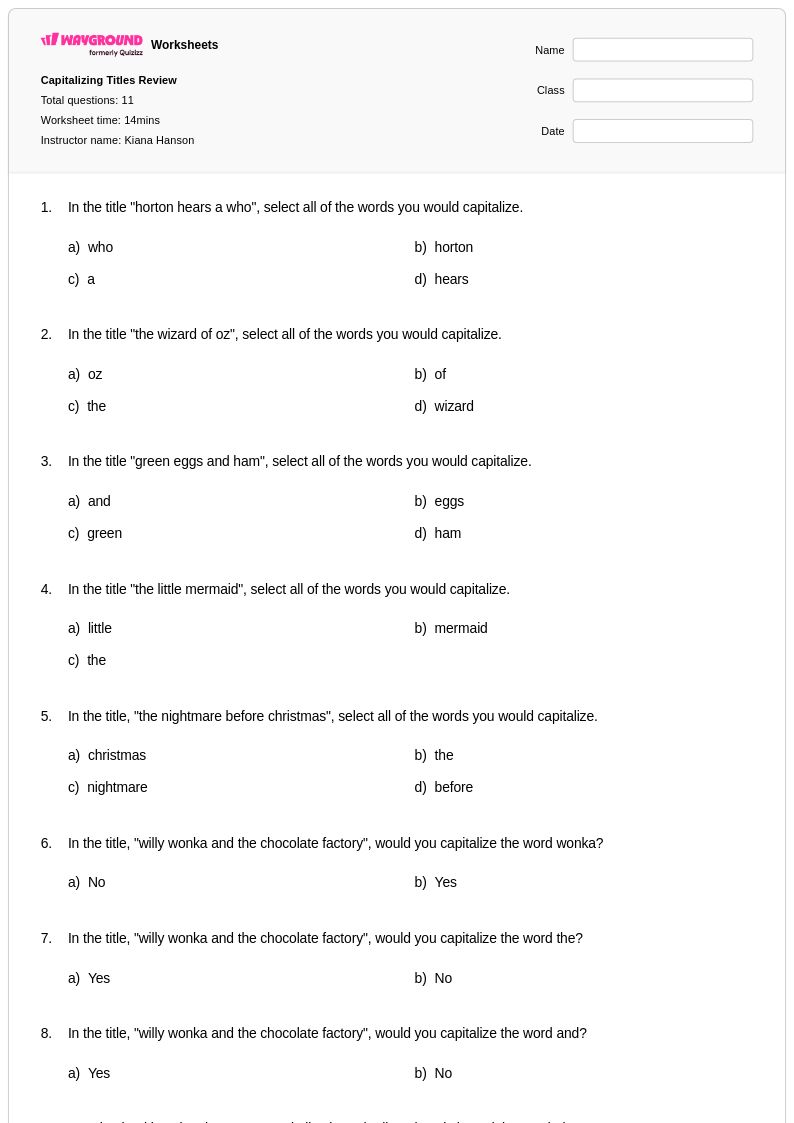
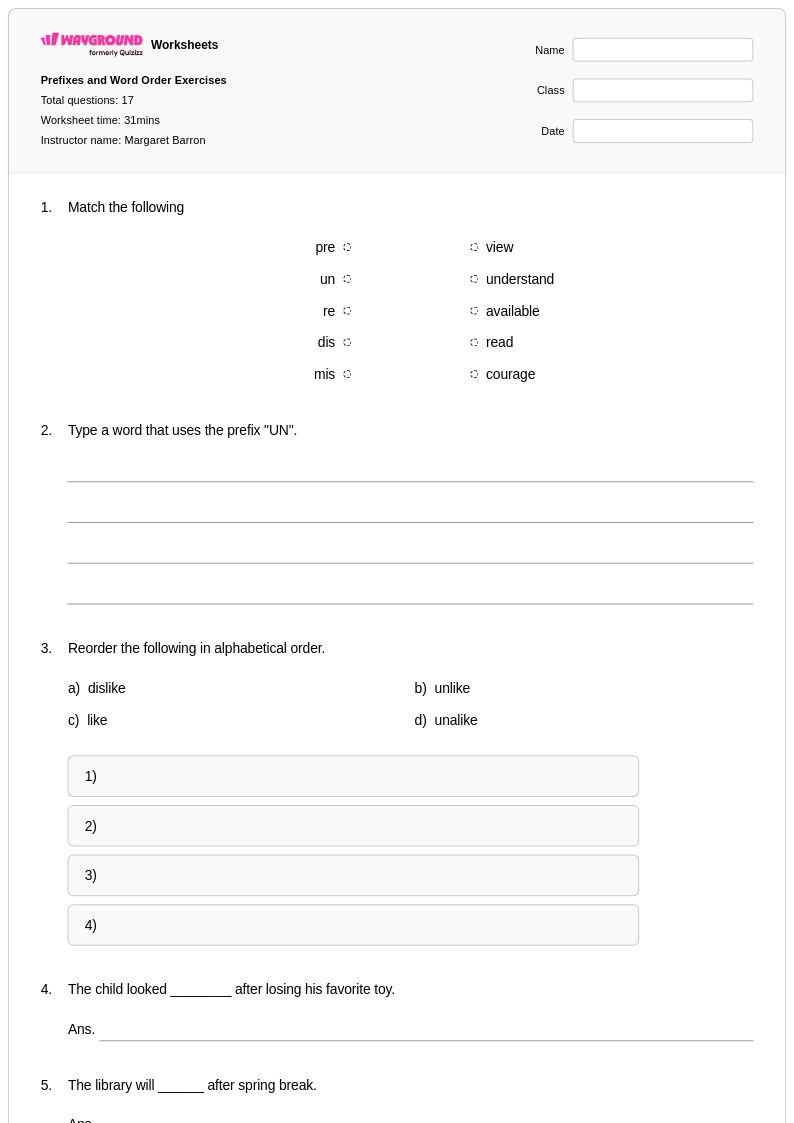
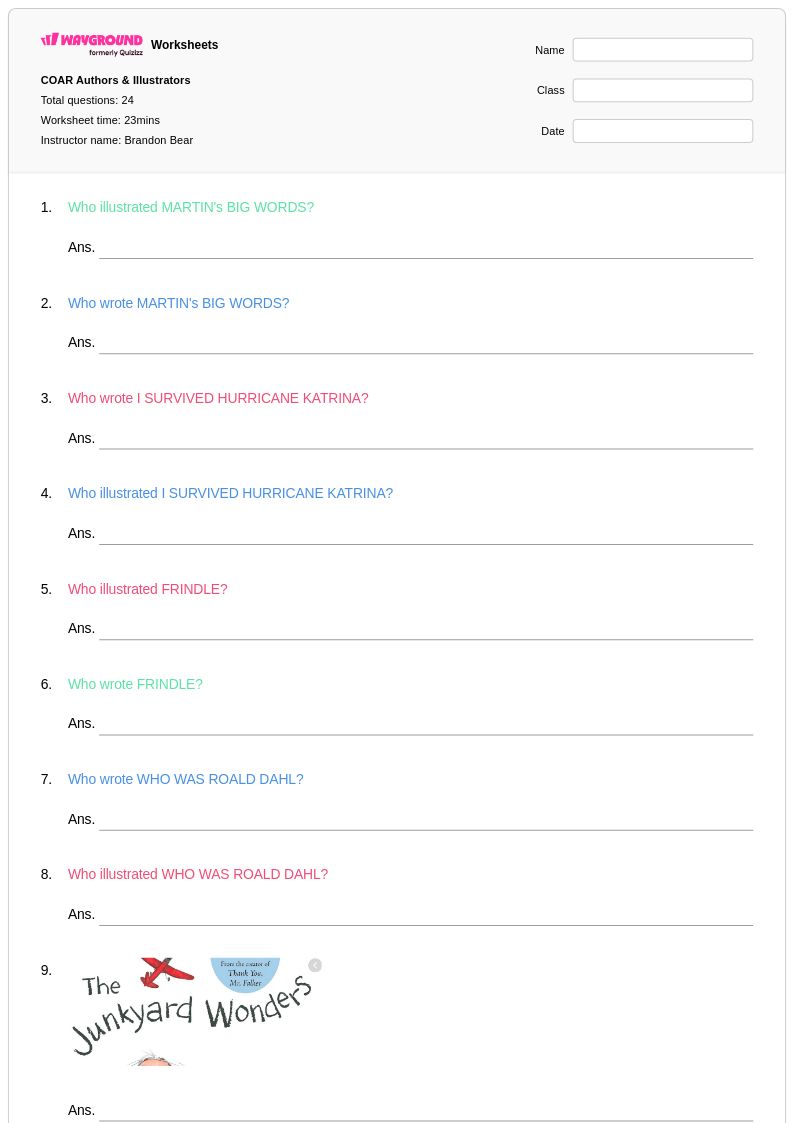
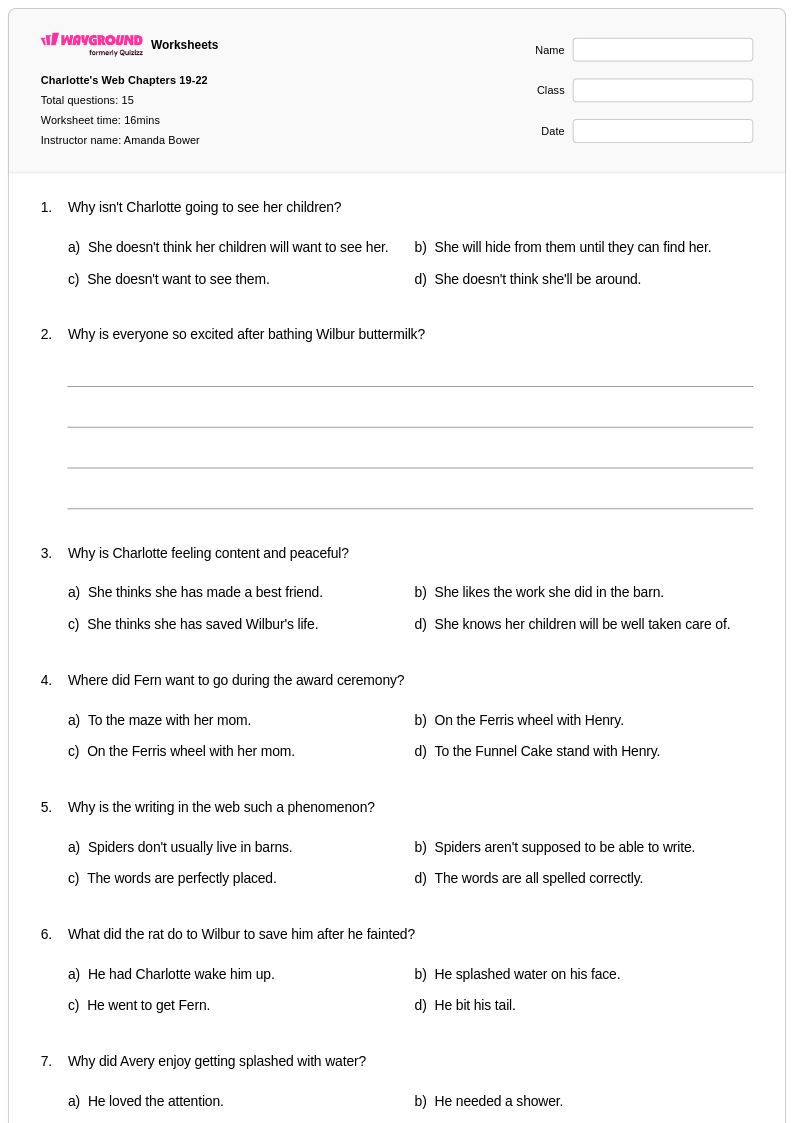
Class 3 book care worksheets and printables help students learn proper handling, storage, and maintenance of books through engaging practice problems with answer keys available as free PDF downloads.
Explore printable Book Care worksheets for Class 3
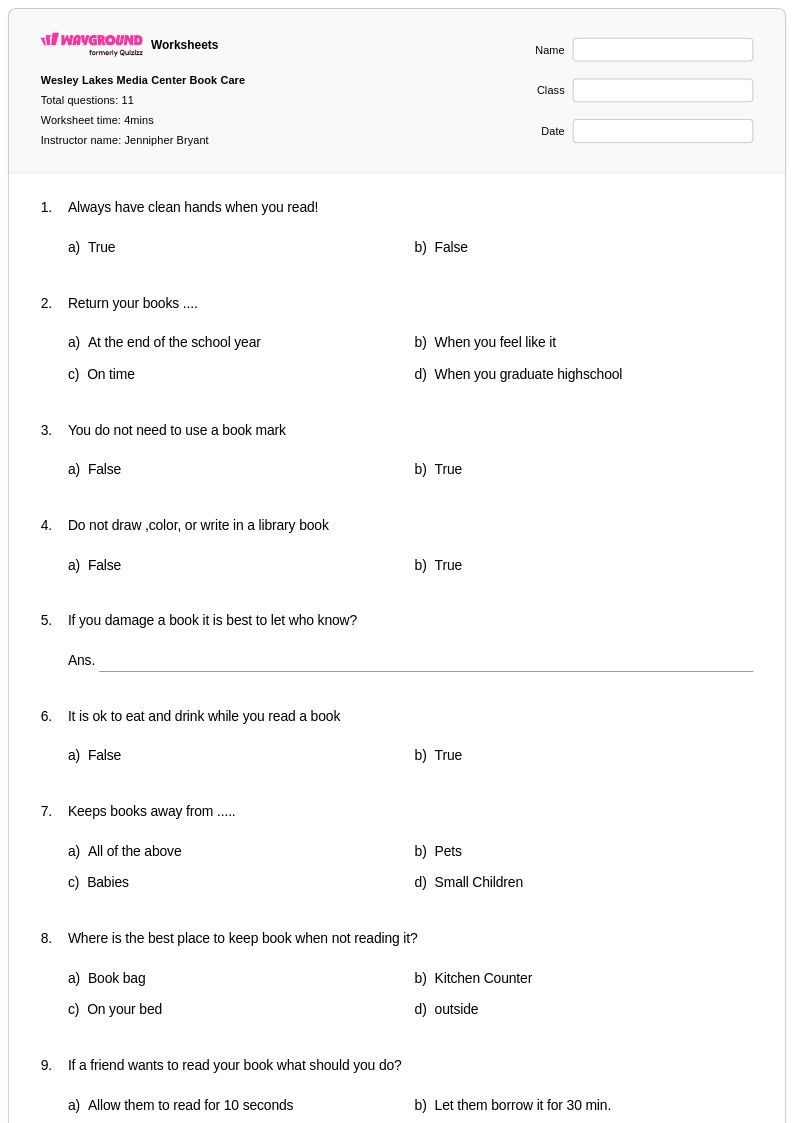
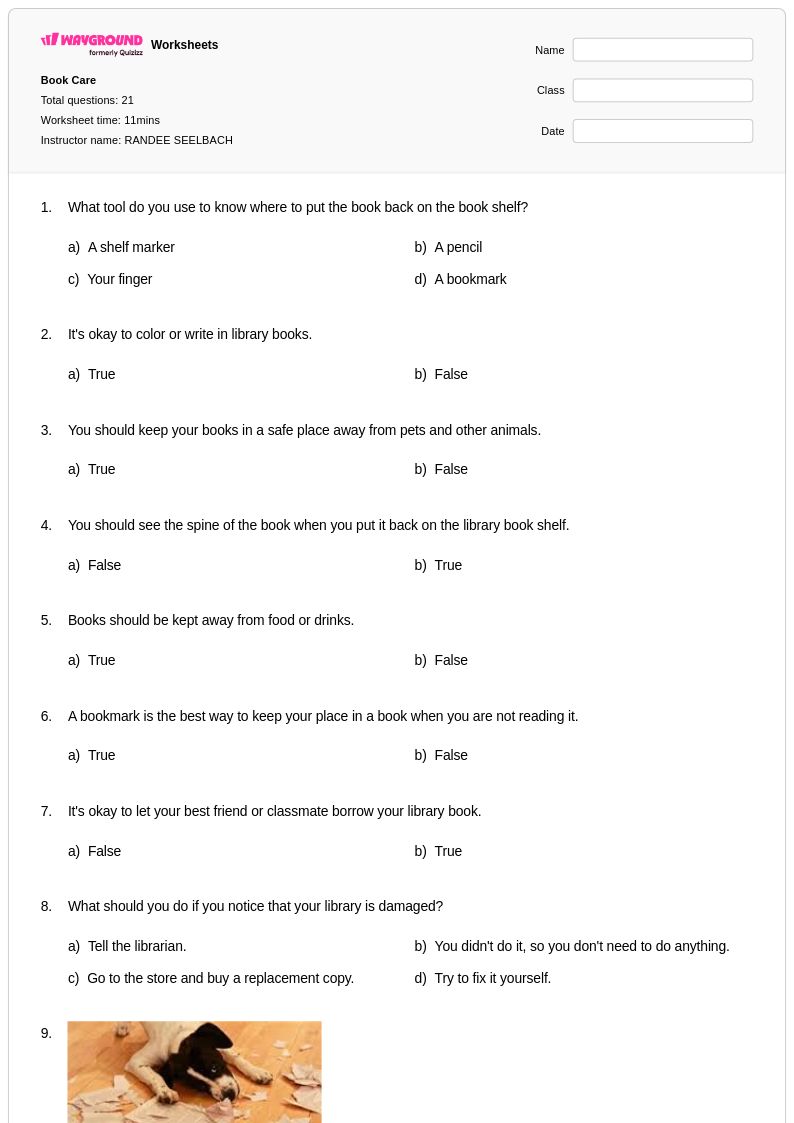
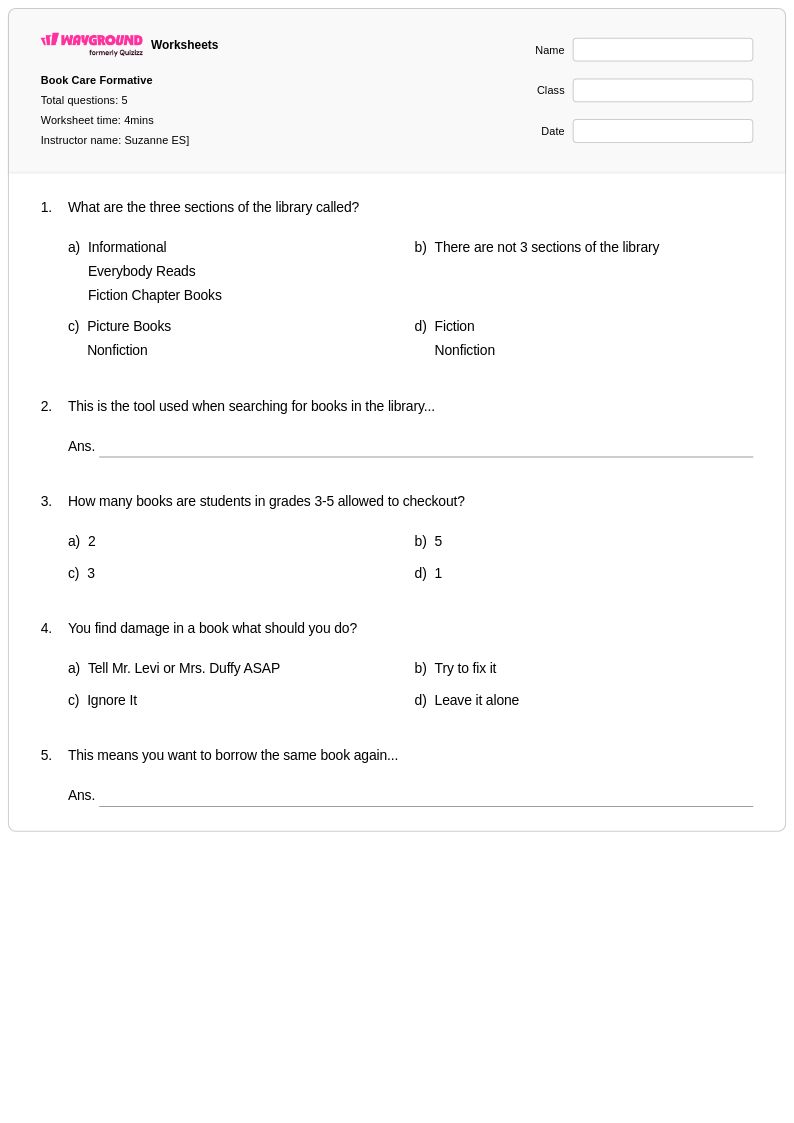
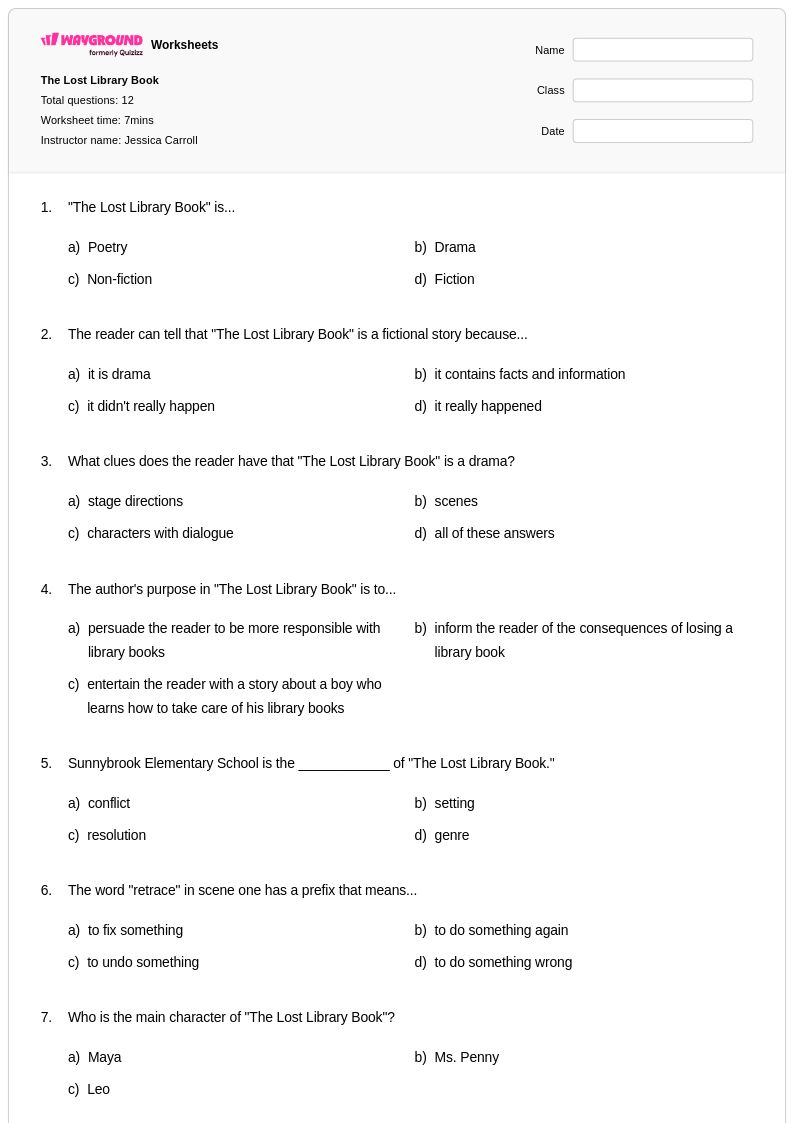
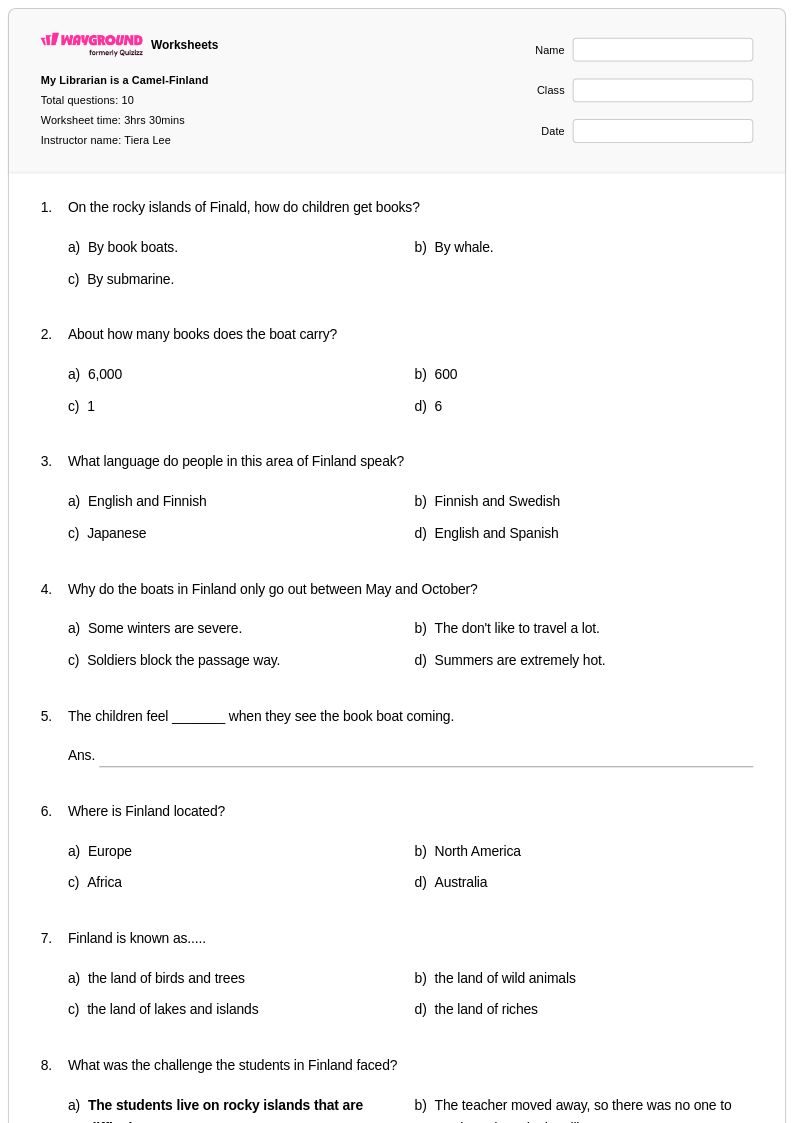
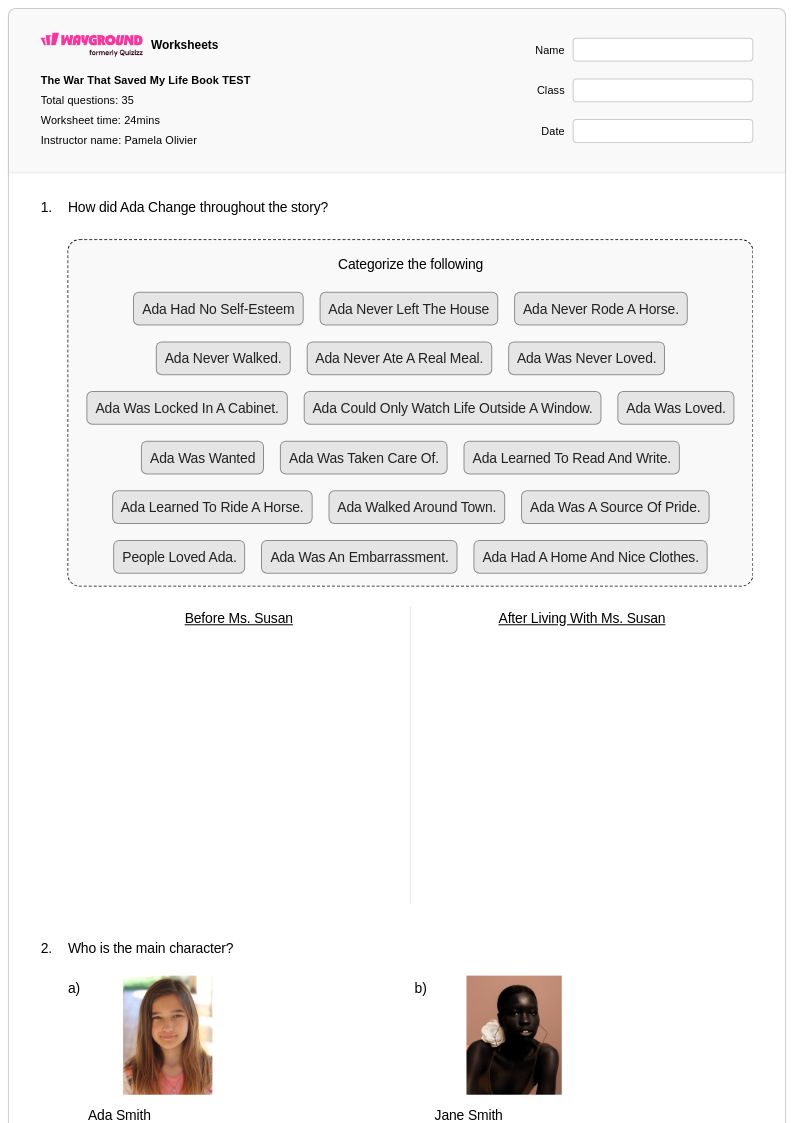
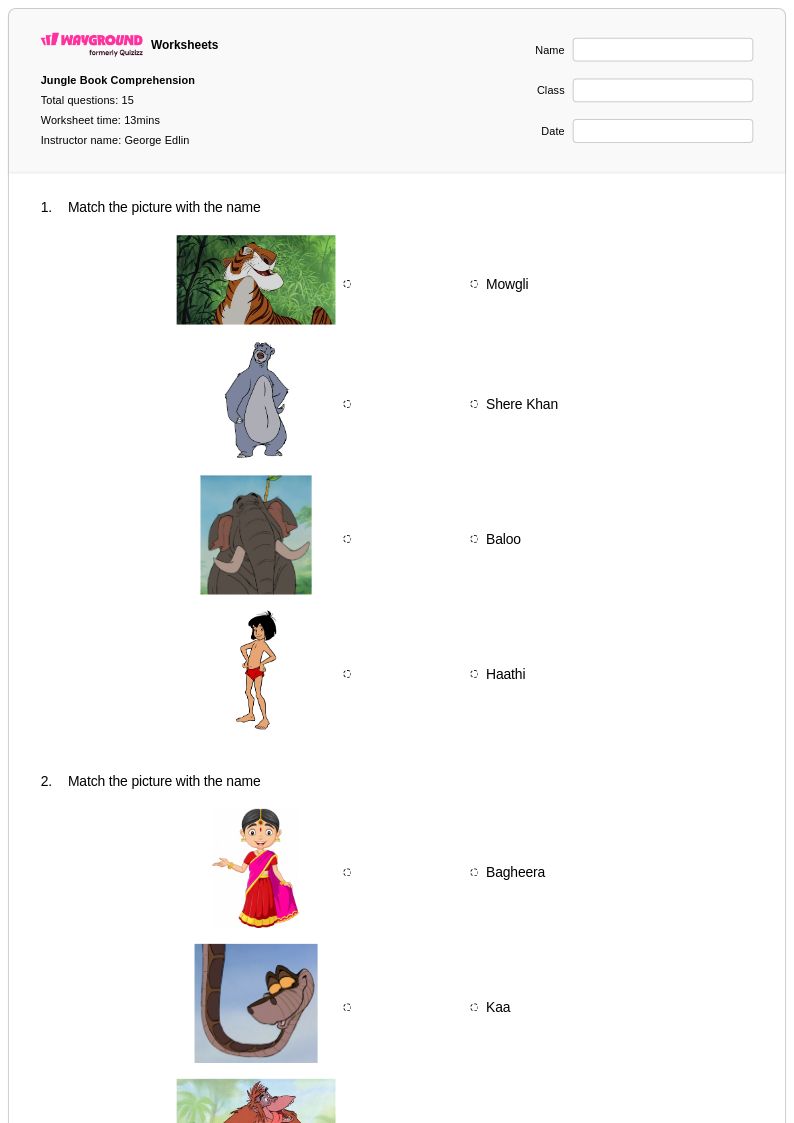
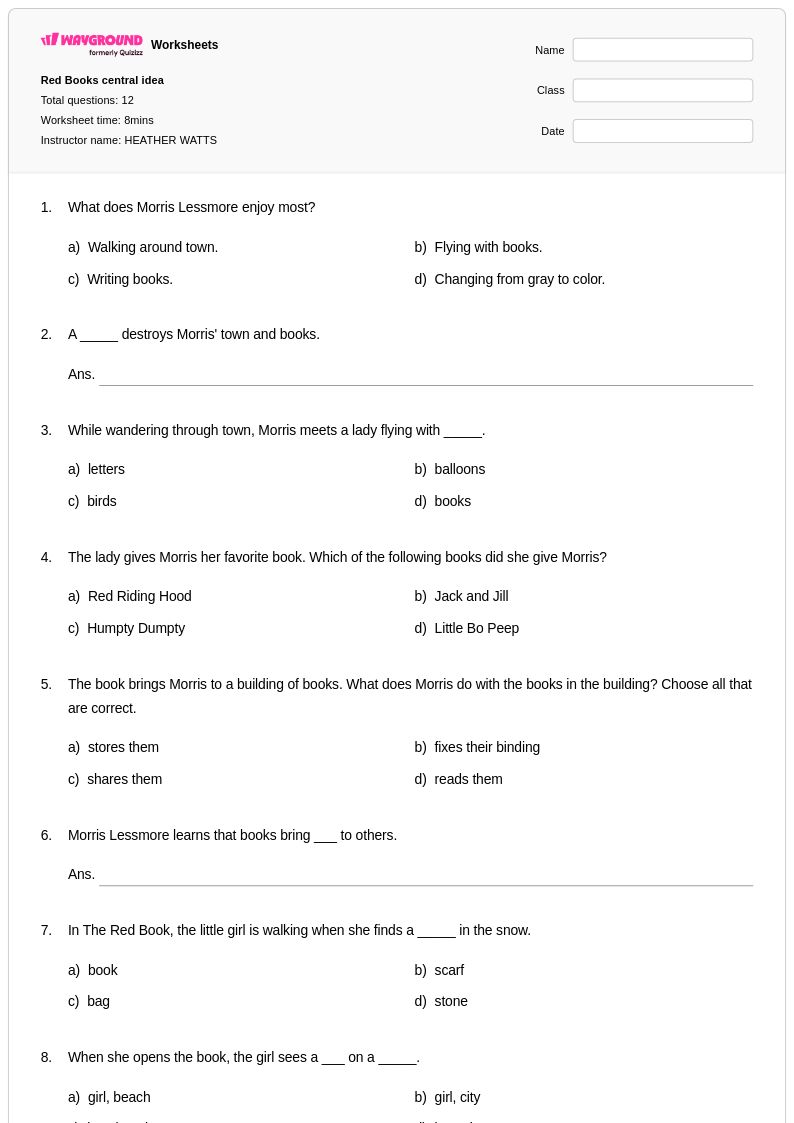
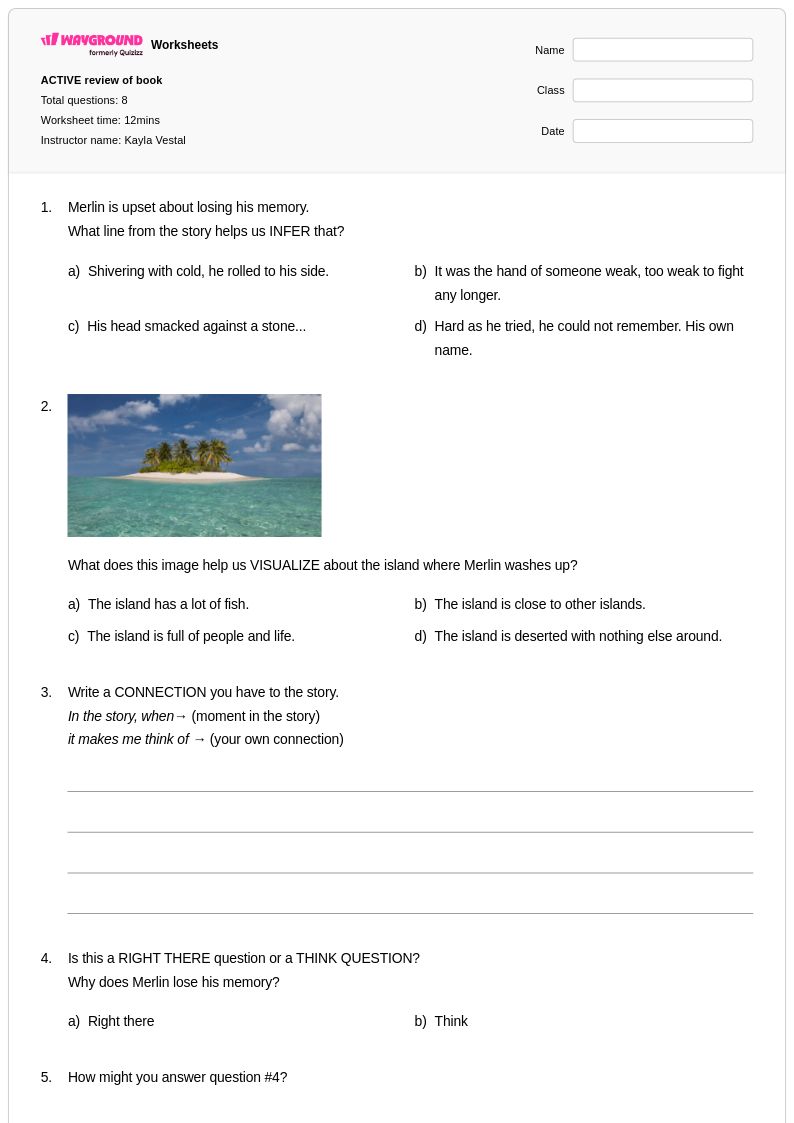
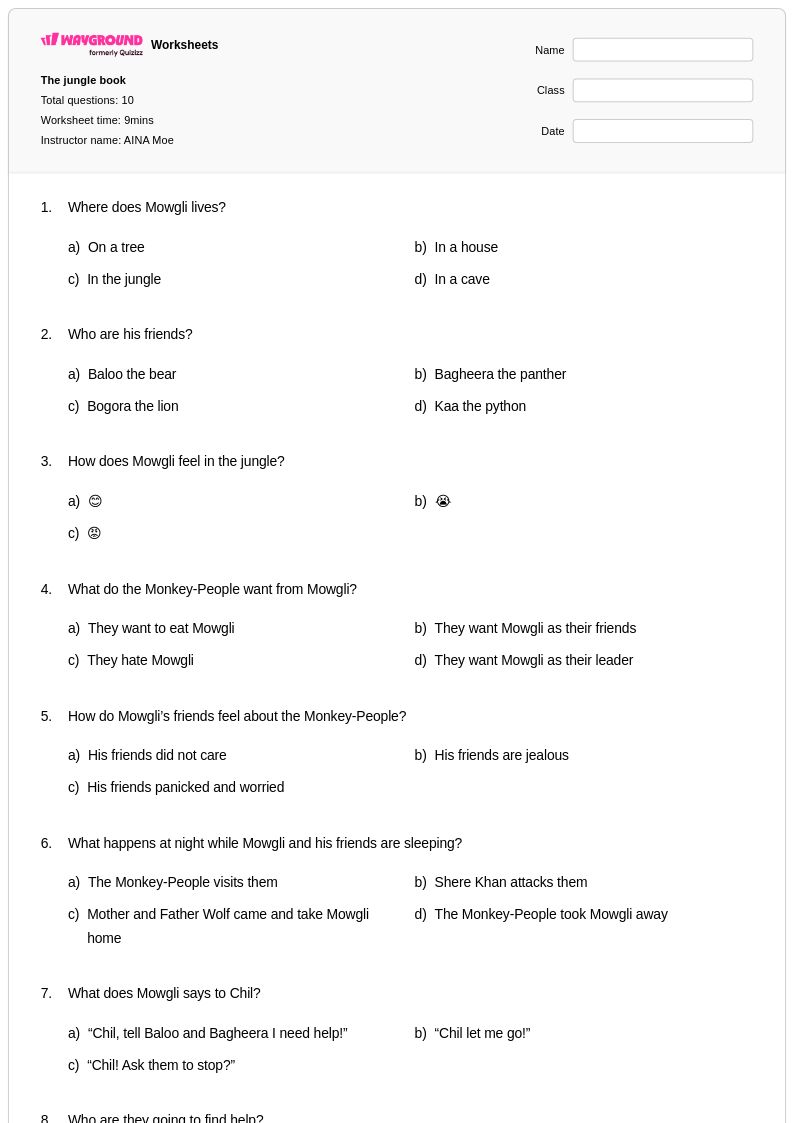
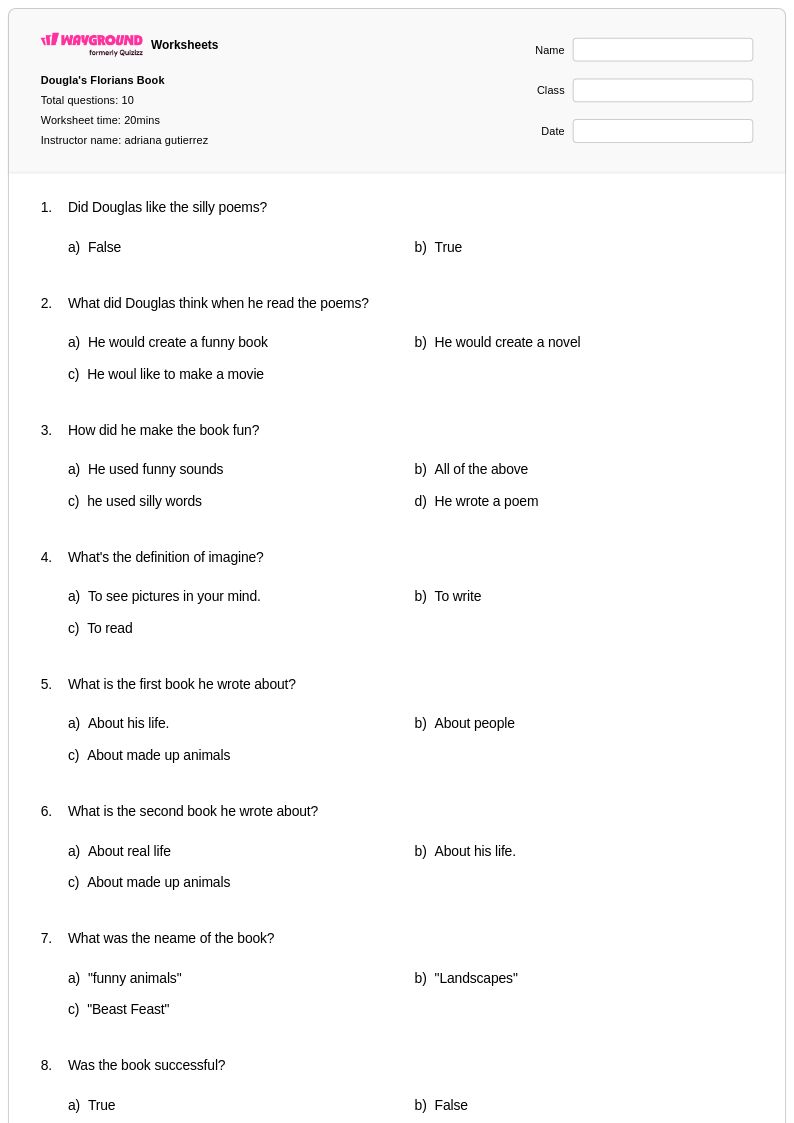
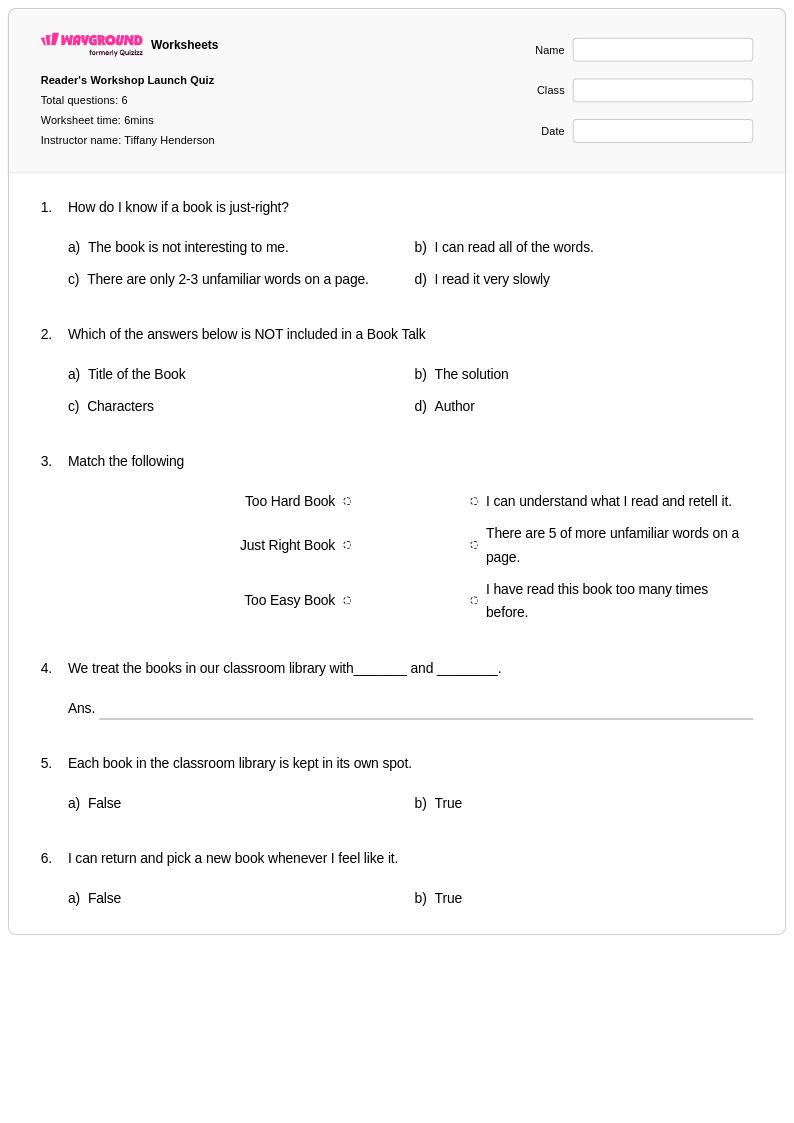
Book care worksheets for grade 3 students available through Wayground (formerly Quizizz) provide essential foundation skills for developing responsible reading habits and preserving classroom and library materials. These comprehensive printables focus on teaching young learners proper book handling techniques, storage methods, and maintenance practices that extend the life of physical books while fostering respect for shared resources. The worksheets strengthen critical early literacy behaviors through engaging practice problems that cover topics such as keeping books clean and dry, using bookmarks instead of folding pages, proper shelf placement, and gentle page turning techniques. Each worksheet includes a detailed answer key to support both independent learning and guided instruction, with free pdf formats making these resources accessible for immediate classroom implementation and home practice.
Wayground's extensive collection of millions of teacher-created book care resources supports educators in building comprehensive early literacy programs that emphasize both reading skills and material stewardship. The platform's robust search and filtering capabilities allow teachers to quickly locate grade 3 appropriate worksheets that align with curriculum standards while meeting diverse classroom needs through built-in differentiation tools. These customizable resources are available in both printable and digital pdf formats, enabling flexible implementation whether for whole-class instruction, small group remediation, or individual enrichment activities. Teachers can seamlessly integrate these book care practice materials into their lesson planning to reinforce proper handling techniques, support students who need additional skill practice, and create a classroom culture that values and protects shared reading resources throughout the academic year.
FAQs
How do I teach book care to young students?
Teaching book care works best through explicit modeling and repeated practice. Demonstrate how to turn pages gently, hold a book with clean hands, use a bookmark instead of folding pages, and open a book from the spine without forcing it flat. Pairing these demonstrations with structured worksheets helps students internalize the habits rather than just observe them.
What exercises help students practice proper book handling?
Effective practice exercises include labeling diagrams of correct and incorrect book handling, matching scenarios to the right or wrong behavior, and fill-in-the-blank prompts about storage and care rules. Worksheets that present realistic situations, such as what to do if a book gets wet or how to carry a book safely, give students concrete decision-making practice around book care.
What mistakes do young students commonly make when learning book care?
The most common errors include dog-earing pages instead of using a bookmark, forcing a book open flat at the spine, leaving books on the floor where they can be stepped on or damaged, and handling pages with wet or dirty hands. Students often don't recognize these as harmful habits until the consequences are made explicit, which is why reinforcing the reasoning behind each rule matters as much as teaching the rule itself.
How can I use book care worksheets in my classroom?
Book care worksheets on Wayground are available as printable PDFs for traditional classroom use and in digital formats for technology-integrated learning environments, including the option to host them as a quiz directly on Wayground. Printable versions work well for introducing book care concepts during whole-class lessons or as independent practice, while digital formats allow teachers to assign activities remotely or track individual student responses. Each worksheet includes a complete answer key, making them easy to use for quick checks or take-home practice.
How do I differentiate book care instruction for students with diverse learning needs?
Wayground supports student-level accommodations that can be applied individually without other students being notified, including Read Aloud for students who benefit from hearing questions spoken aloud, reduced answer choices to lower cognitive load for learners who need extra support, and extended time for students who need more processing time. These settings are saved per student and carry over to future sessions, reducing the setup burden for teachers managing differentiated instruction.
At what age or grade level should book care be introduced?
Book care is typically introduced in pre-K and kindergarten, when students are first handling books independently and developing the fine motor skills needed to turn pages and open books properly. Reinforcing these habits in first and second grade ensures they become automatic before students begin reading more frequently on their own. Early, consistent instruction reduces wear on classroom library materials and builds the respectful relationship with books that supports long-term literacy development.