
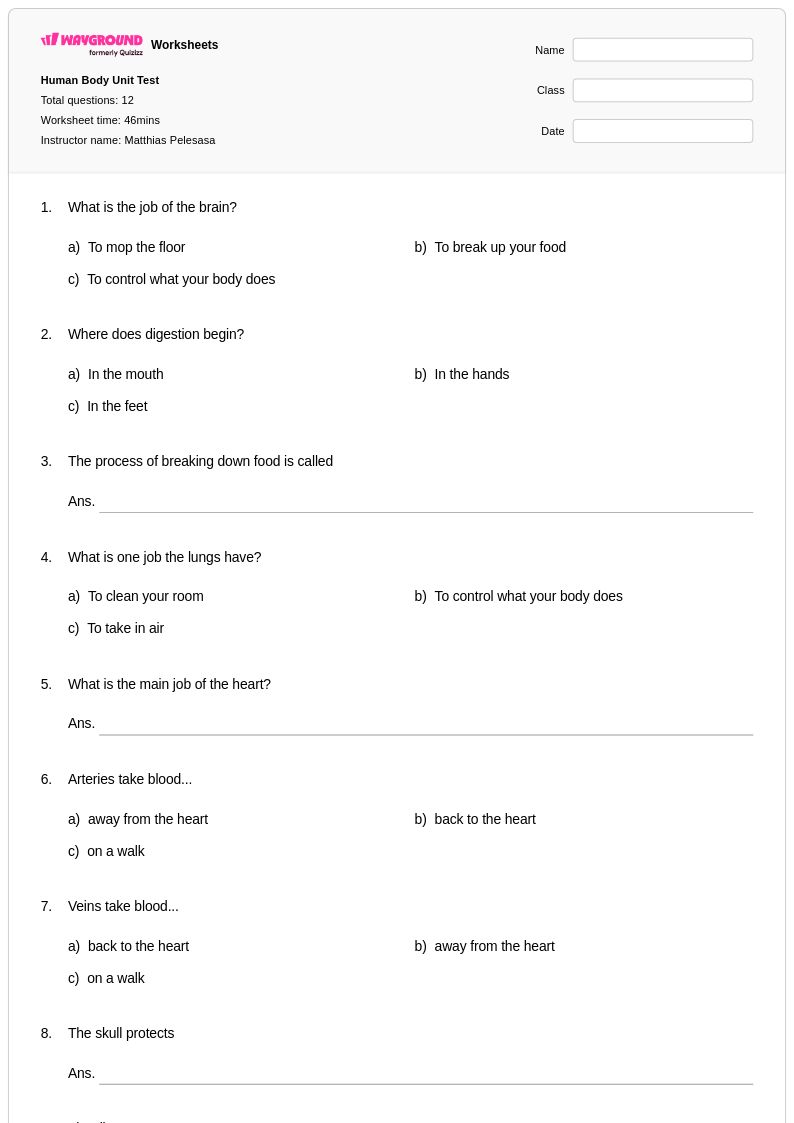
12 Q
2nd
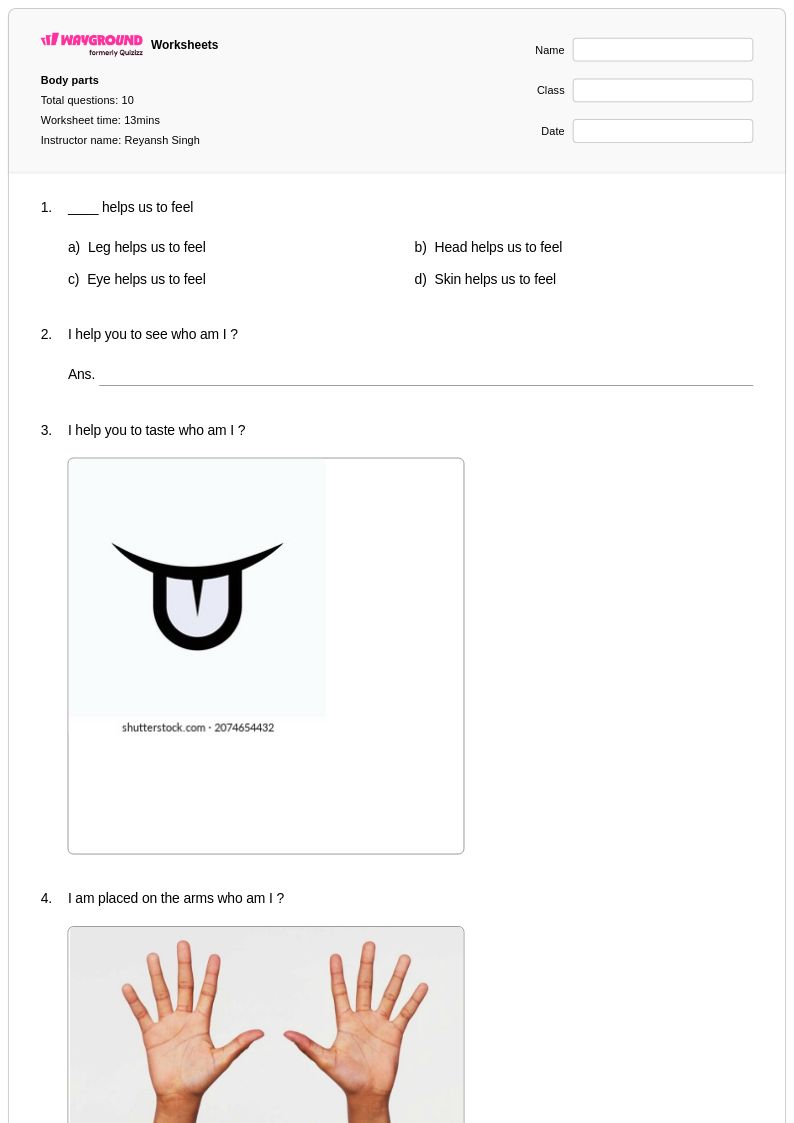
10 Q
2nd
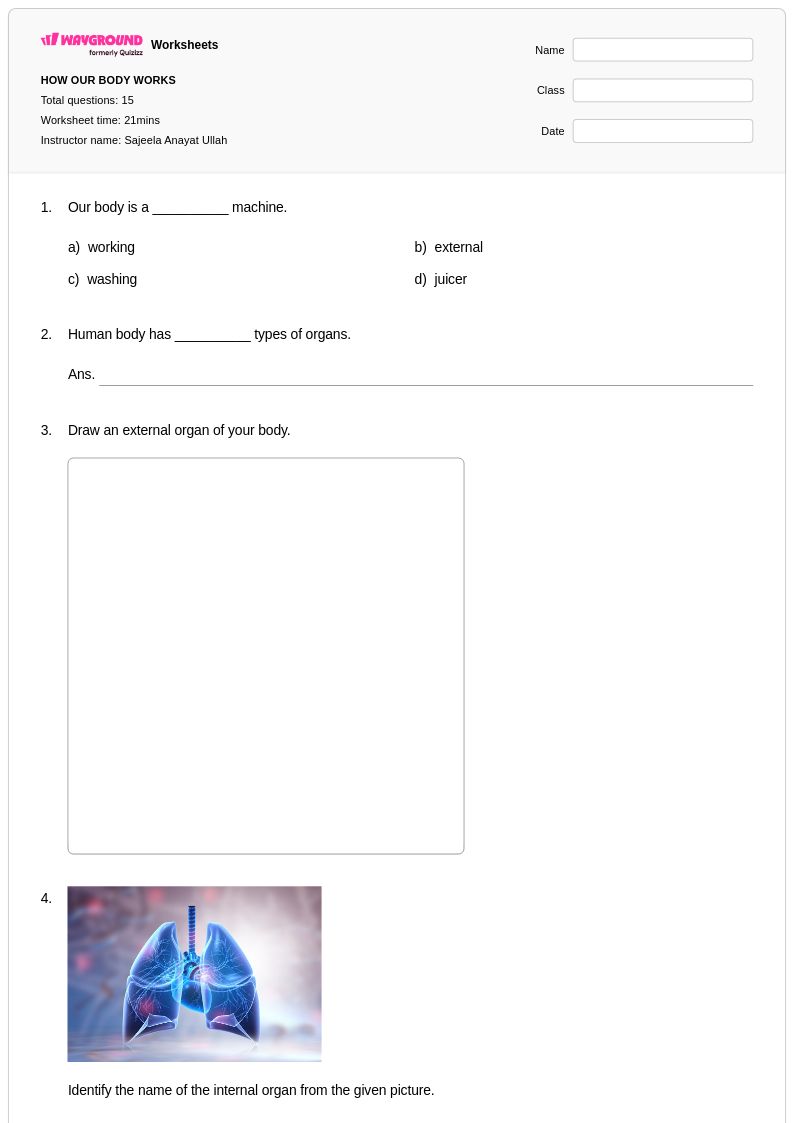
15 Q
2nd
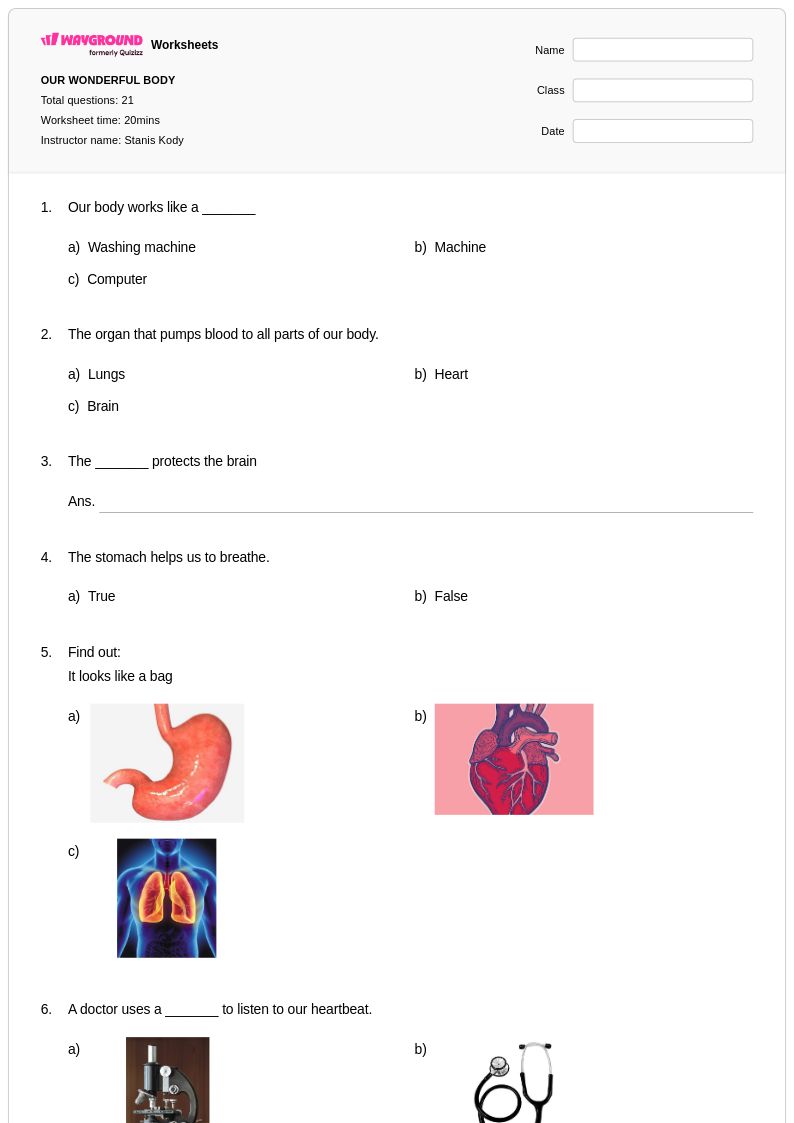
21 Q
2nd

10 Q
2nd
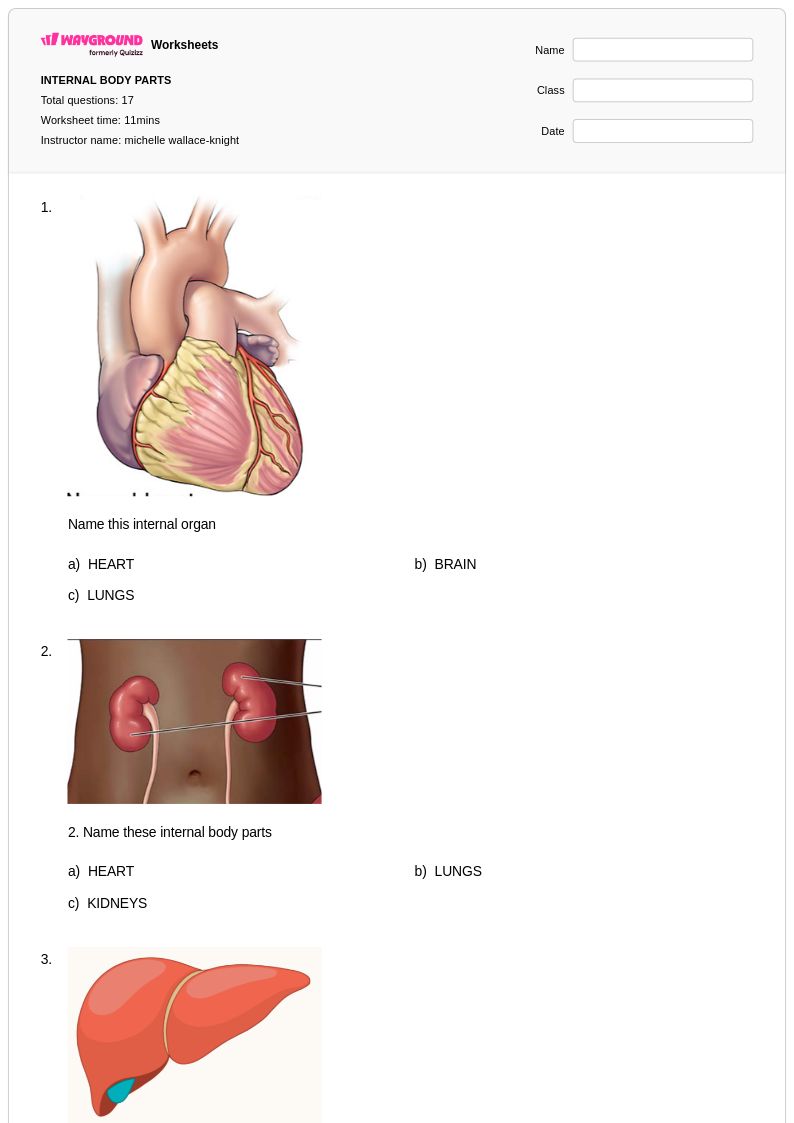
17 Q
2nd
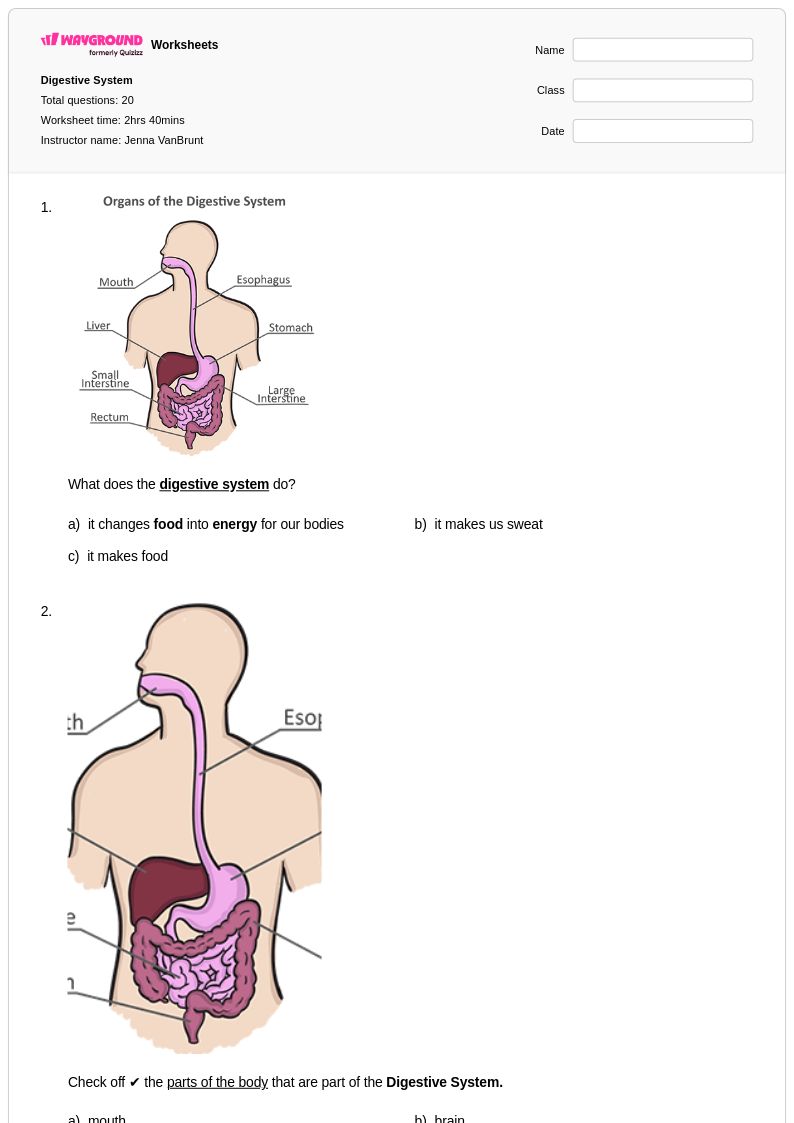
20 Q
2nd - 3rd
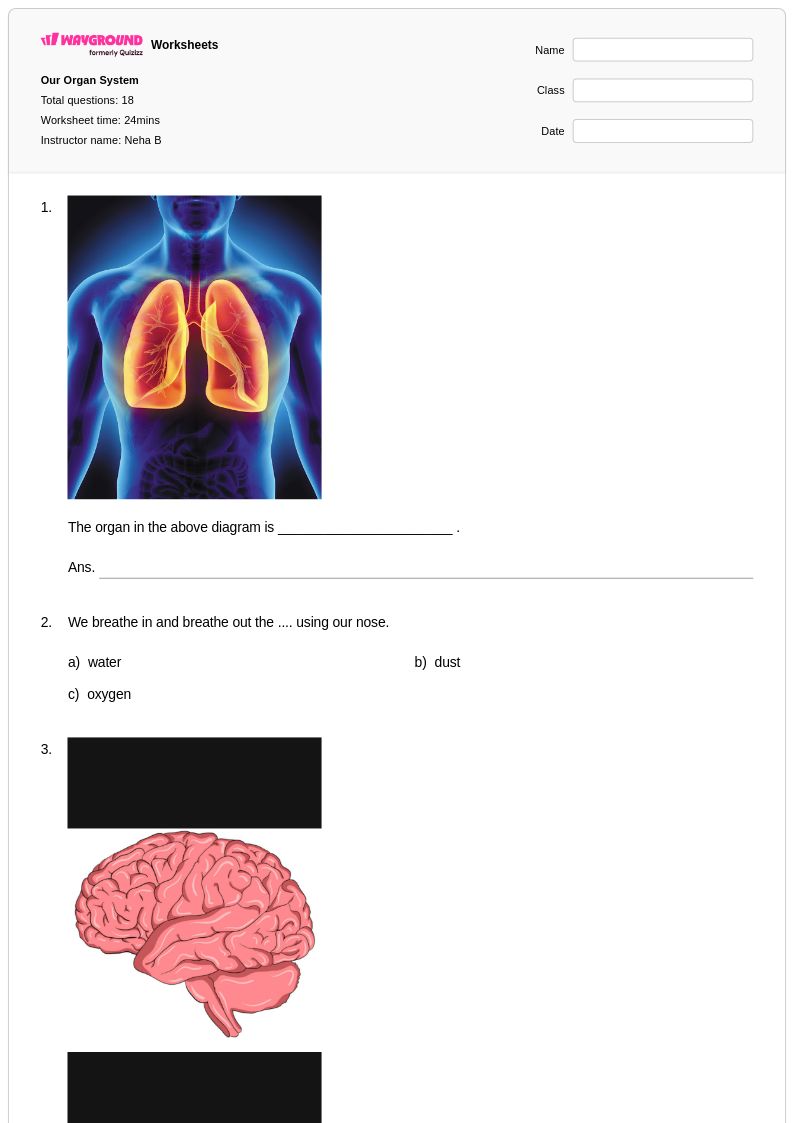
18 Q
2nd
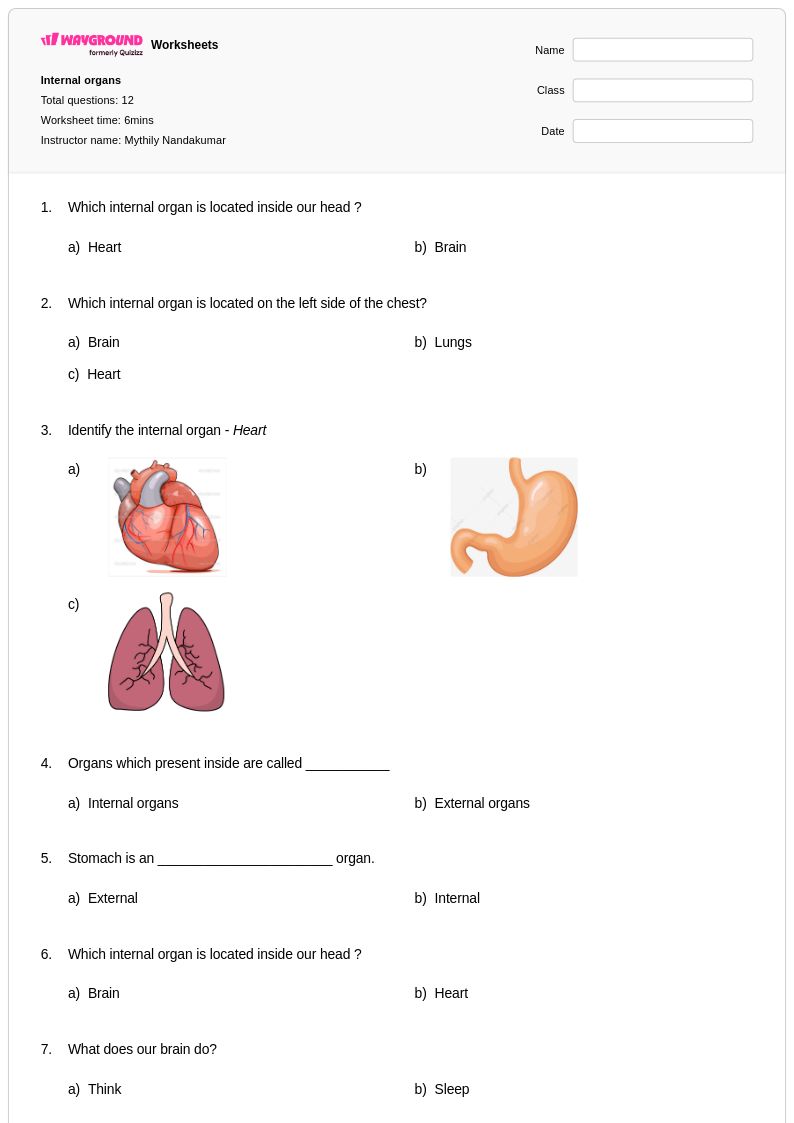
12 Q
2nd
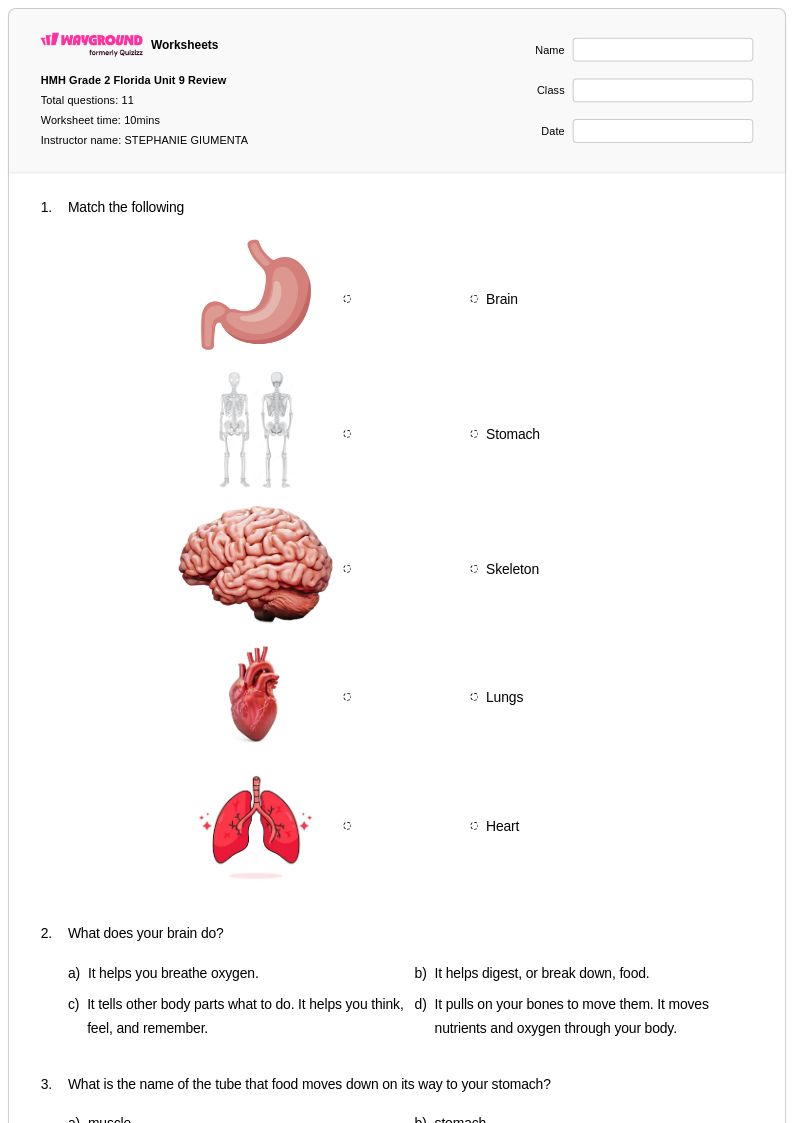
11 Q
2nd
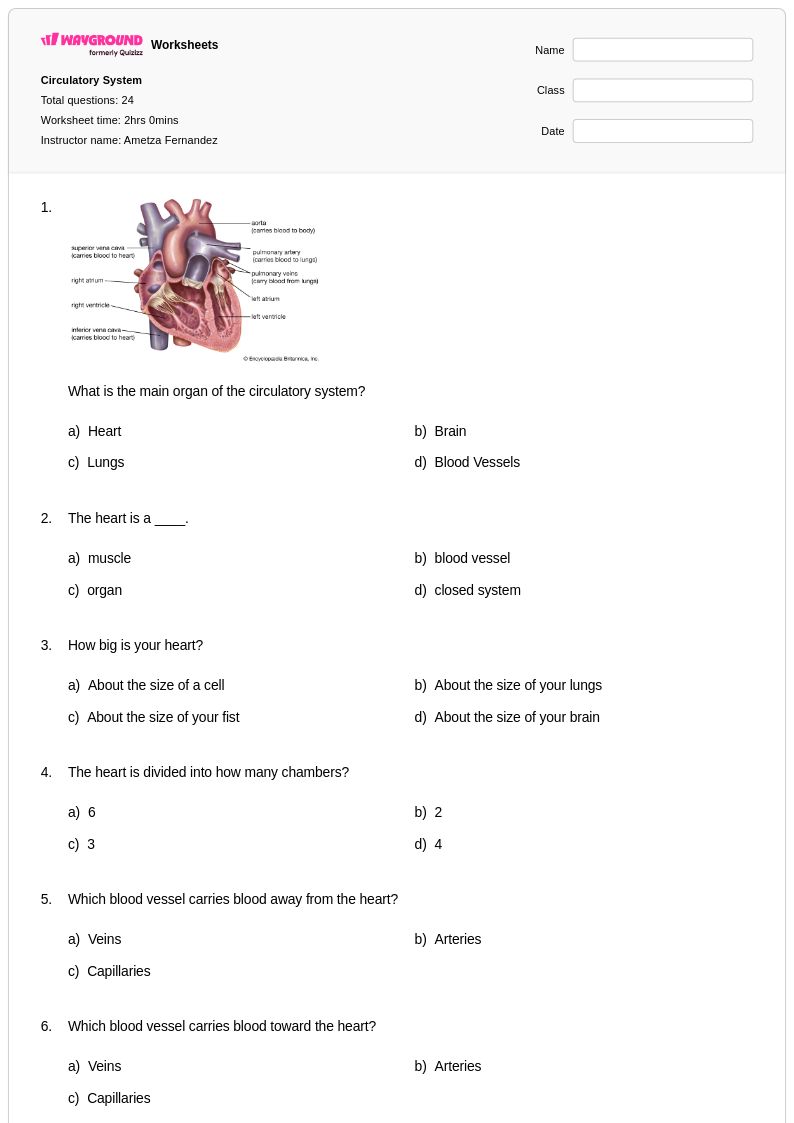
24 Q
2nd
21 Q
1st - 5th
8 Q
2nd
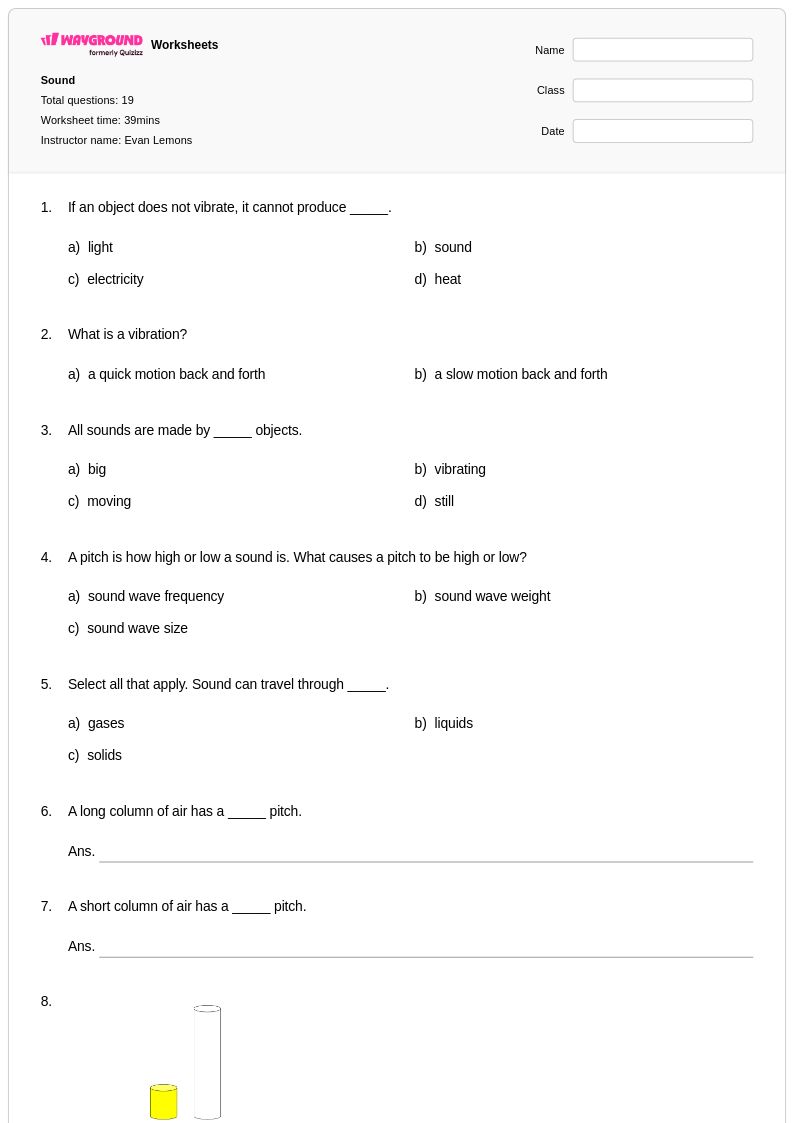
19 Q
2nd
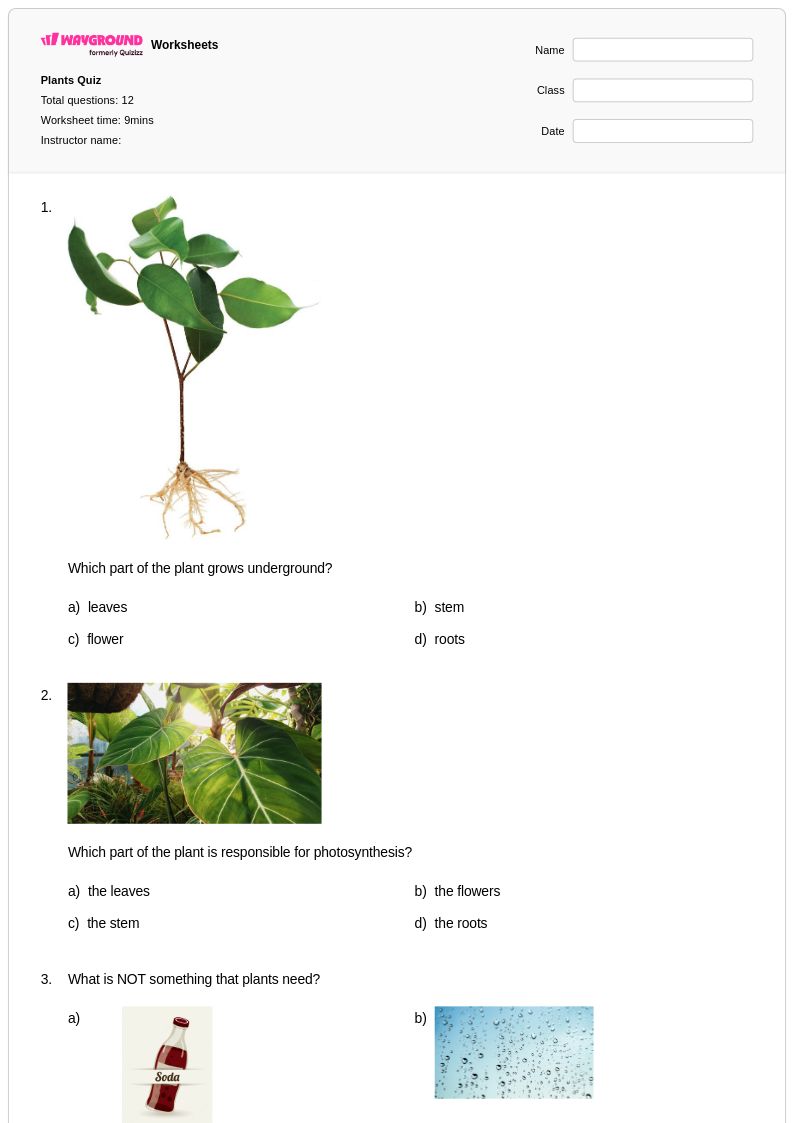
12 Q
2nd
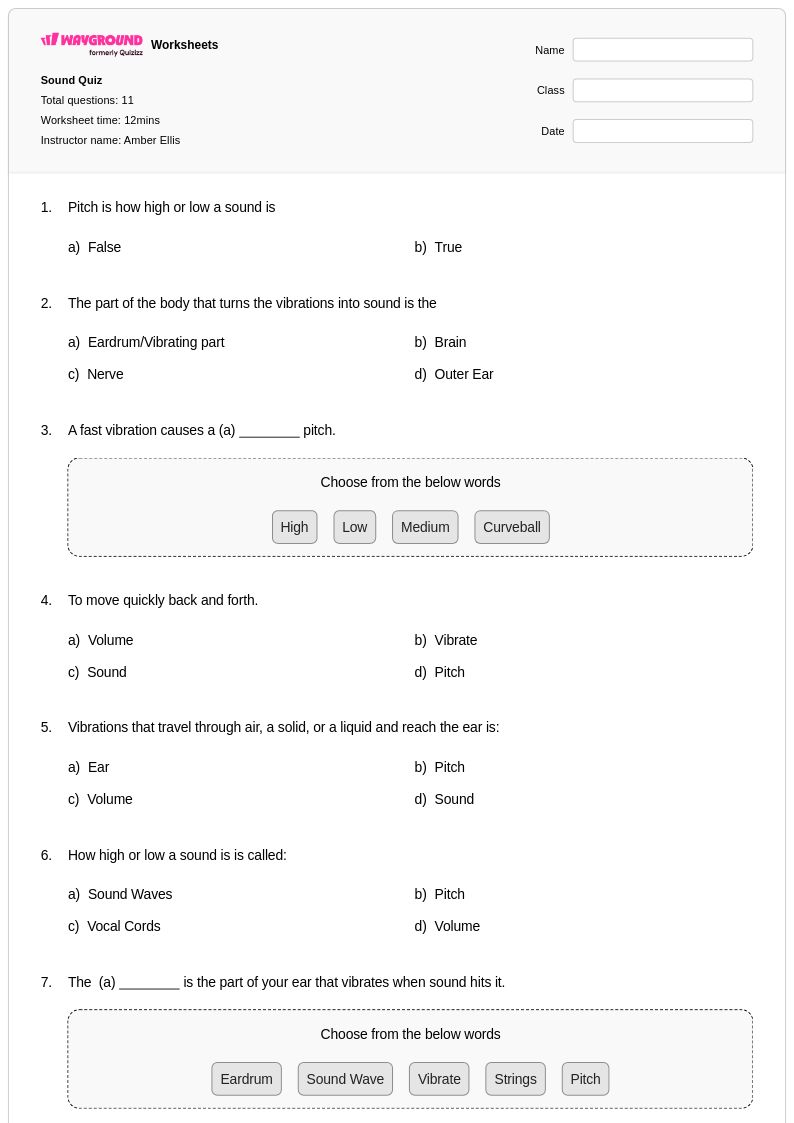
11 Q
2nd
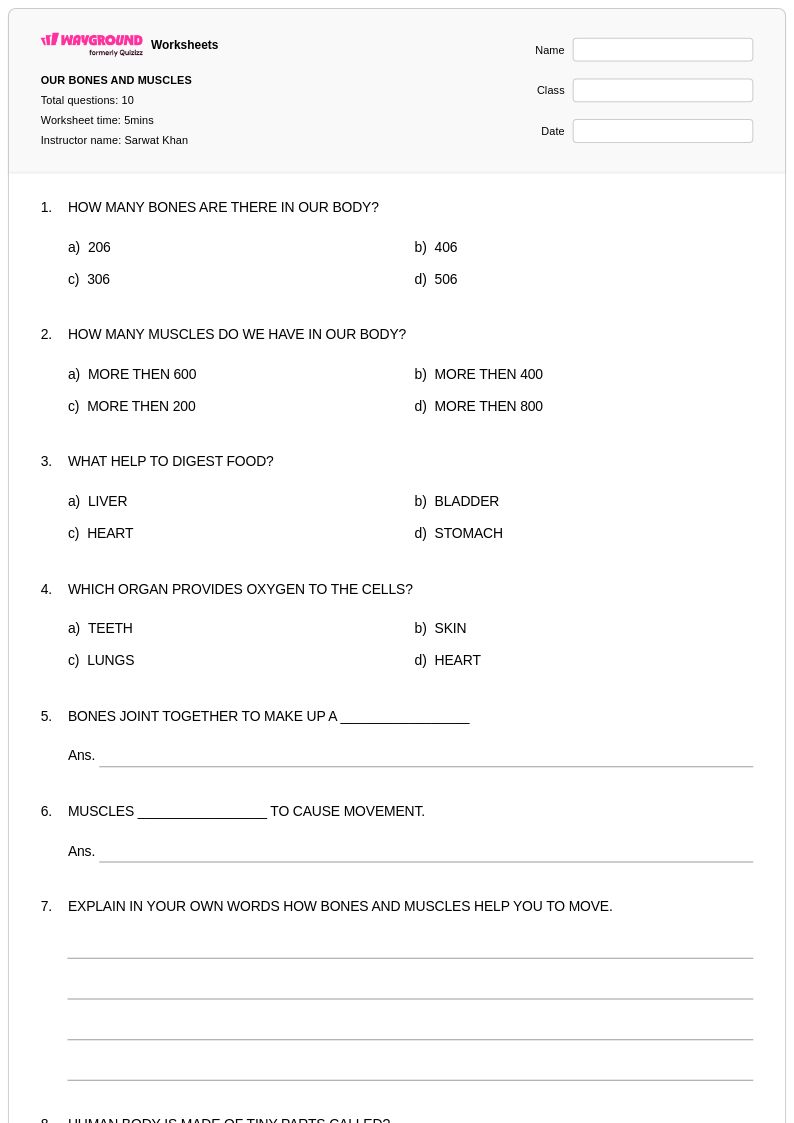
10 Q
1st - 4th
10 Q
2nd
8 Q
2nd
52 Q
1st - 5th
9 Q
1st - 6th
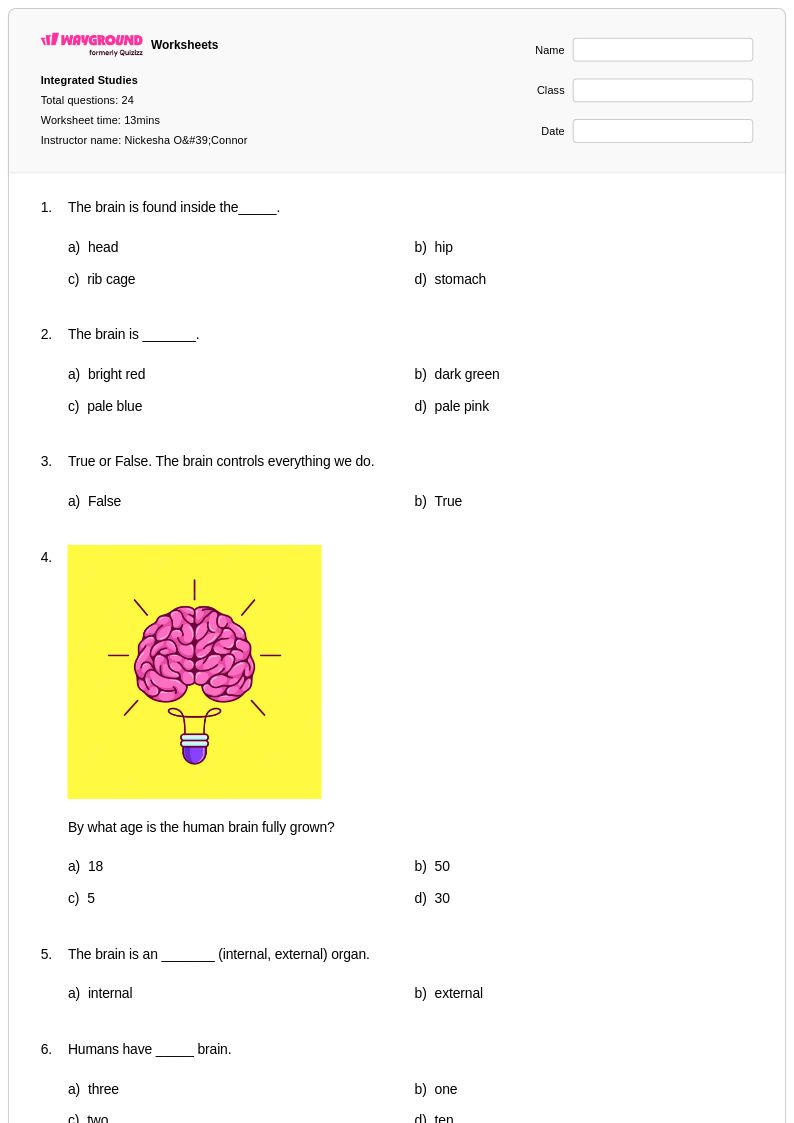
24 Q
2nd
40 Q
2nd
16 Q
1st - 4th
Explore Other Subject Worksheets for class 2
Explore printable Brain worksheets for Class 2
Class 2 brain worksheets available through Wayground (formerly Quizizz) provide young learners with engaging, age-appropriate activities that introduce fundamental concepts about the human brain and nervous system. These carefully designed printables help second-grade students develop essential scientific observation skills while exploring basic brain functions, parts of the brain, and how the brain controls different body activities. Each worksheet collection includes comprehensive practice problems that encourage students to identify brain structures through simple diagrams, match brain functions to everyday activities like thinking and moving, and understand the brain's role as the body's control center. Teachers can access complete answer keys and free pdf downloads that support both independent student work and guided instruction, making these resources invaluable for building foundational neuroscience knowledge in elementary science curricula.
Wayground (formerly Quizizz) empowers educators with millions of teacher-created brain worksheets specifically tailored for Class 2 science instruction, featuring robust search and filtering capabilities that allow quick identification of resources aligned with state and national science standards. The platform's differentiation tools enable teachers to customize worksheet difficulty levels, modify visual elements, and adapt content to meet diverse learning needs within their classrooms. These comprehensive collections are available in both printable and digital pdf formats, providing flexibility for traditional classroom use, homework assignments, and remote learning environments. Teachers utilize these resources for targeted skill practice, remediation support for struggling learners, and enrichment activities for advanced students, while the platform's organizational features streamline lesson planning and ensure seamless integration of brain science concepts into broader biology and human body unit studies.
FAQs
How do I teach brain anatomy to students effectively?
What exercises help students practice identifying brain regions and their functions?
What common mistakes do students make when learning about the brain?
How can I differentiate brain anatomy worksheets for students with different learning needs?
How do I use Wayground's brain worksheets in my classroom?