
12 Q
5th - Uni
13 Q
9th - 12th
22 Q
6th - Uni
103 Q
9th - 10th
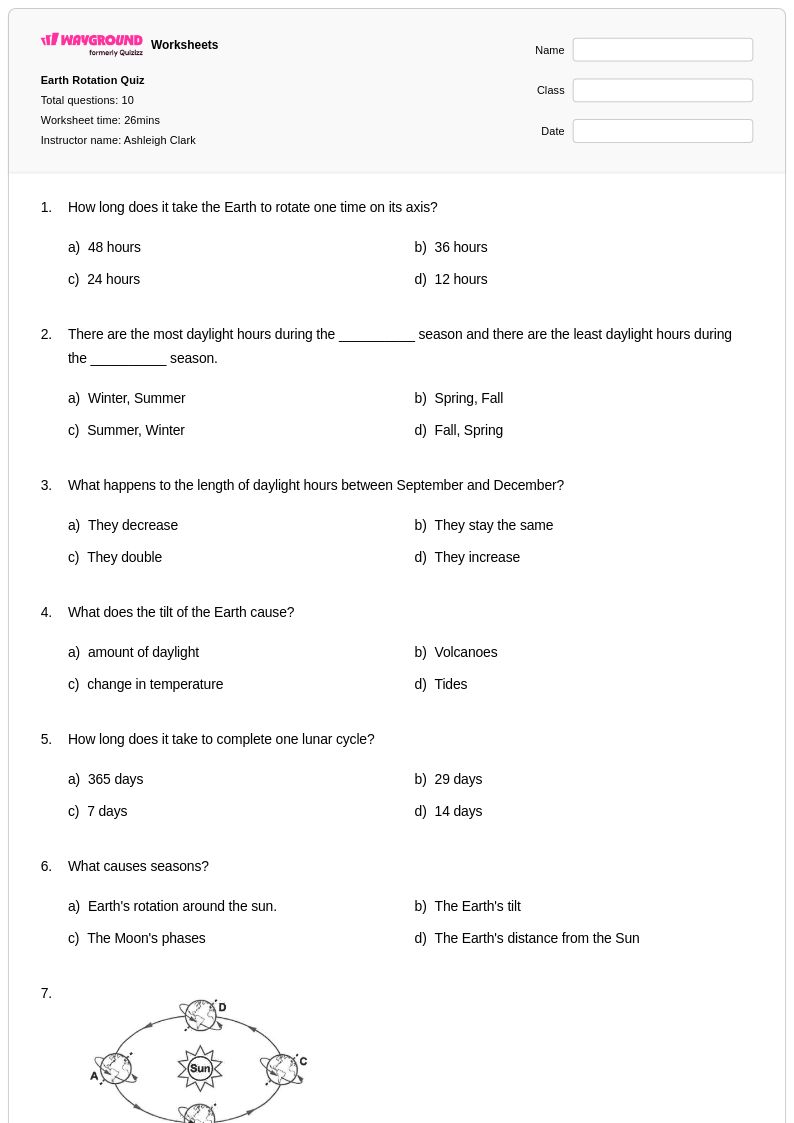
10 Q
4th - Uni
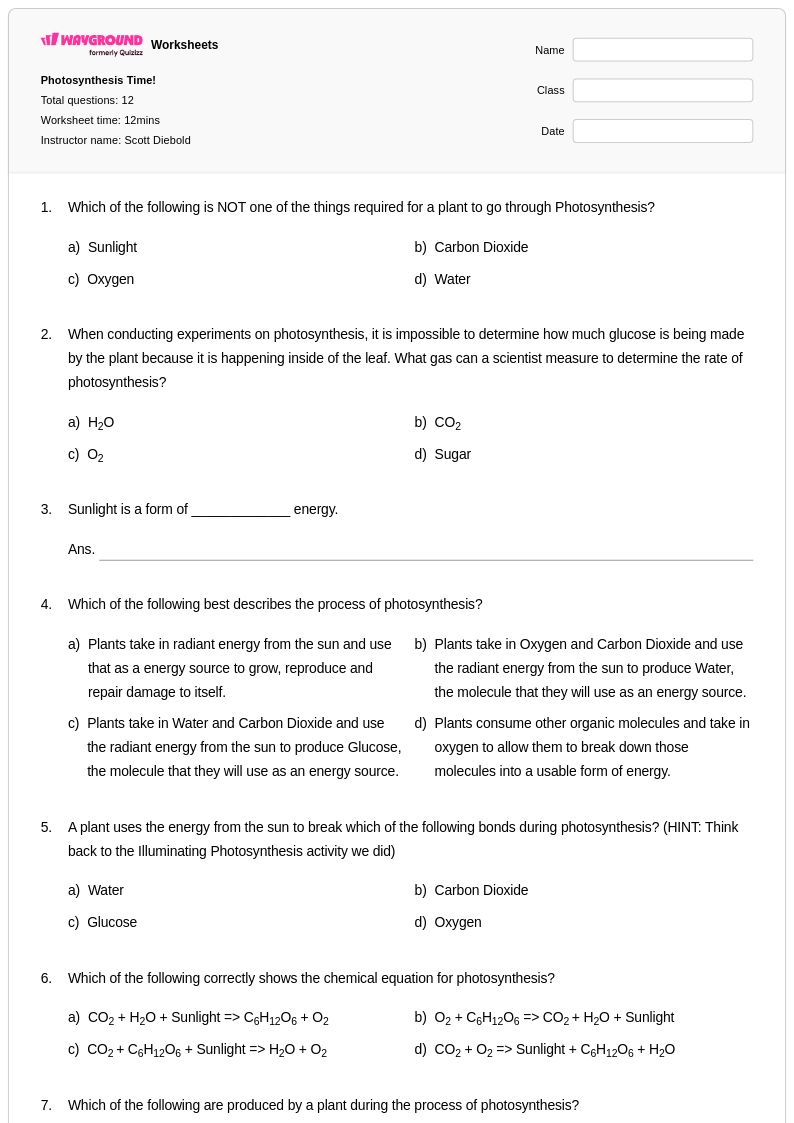
12 Q
9th - 12th
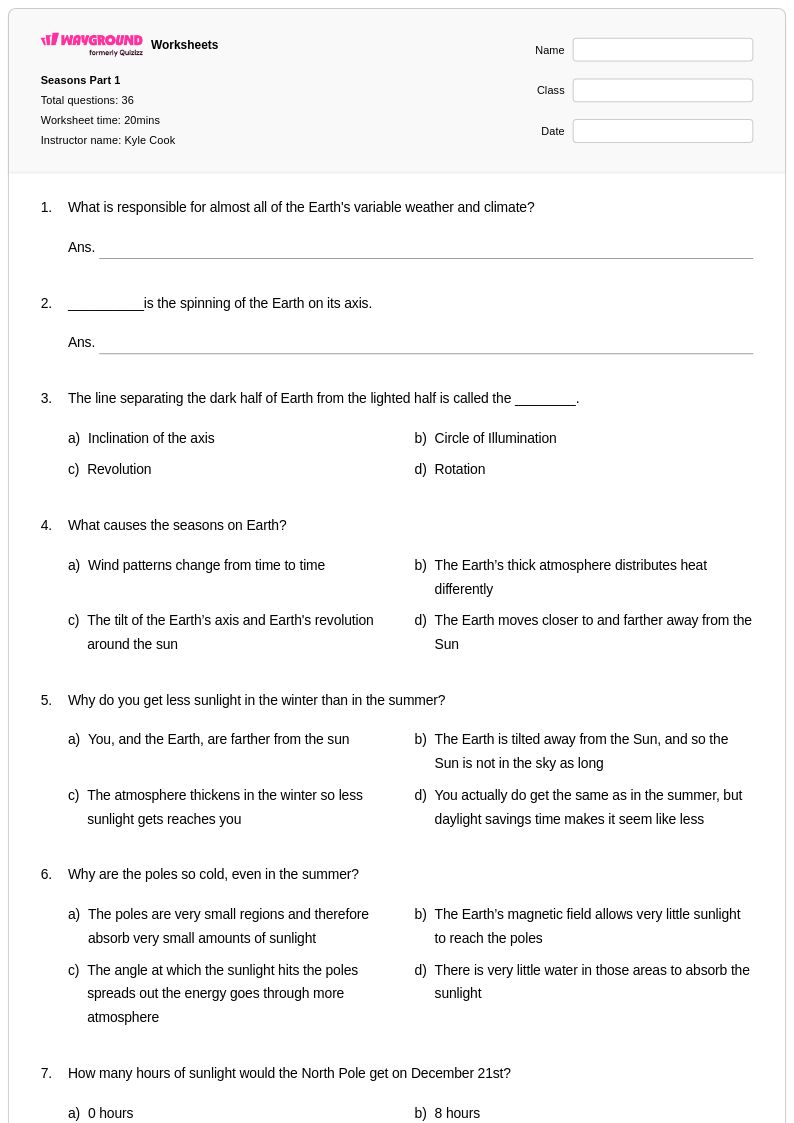
36 Q
8th - 12th
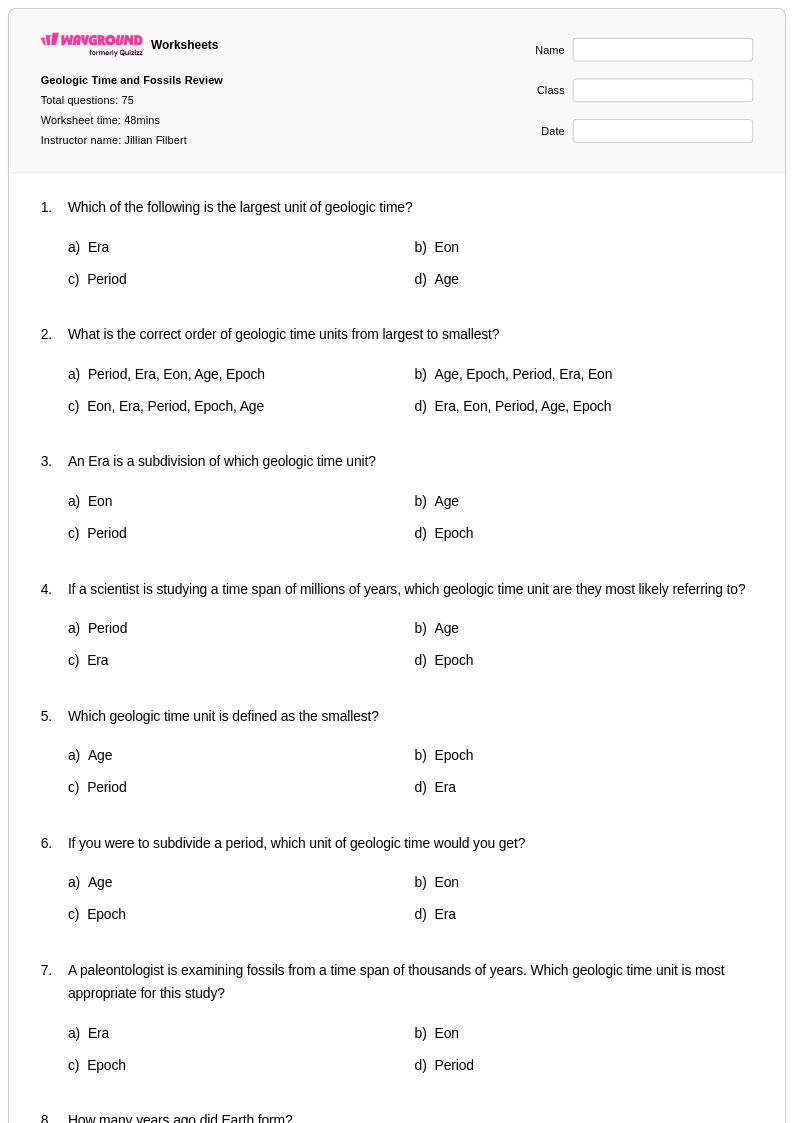
75 Q
10th
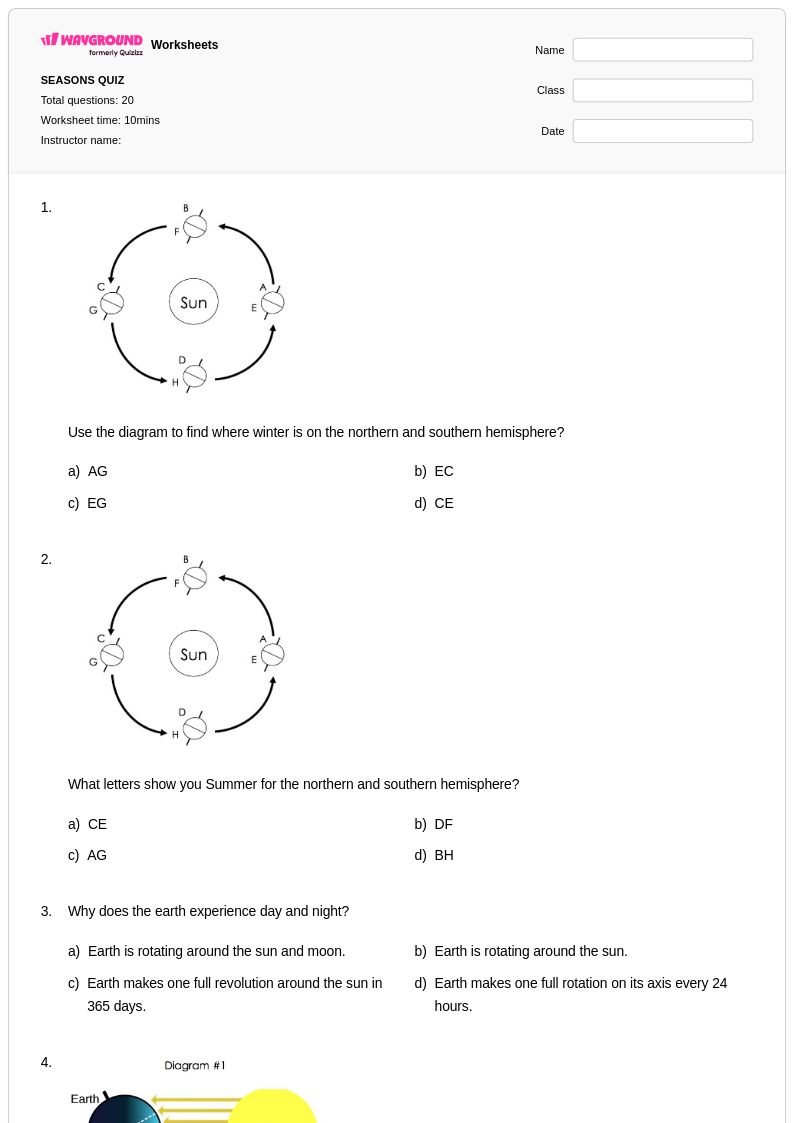
20 Q
6th - Uni
15 Q
10th - 12th
20 Q
9th - 12th
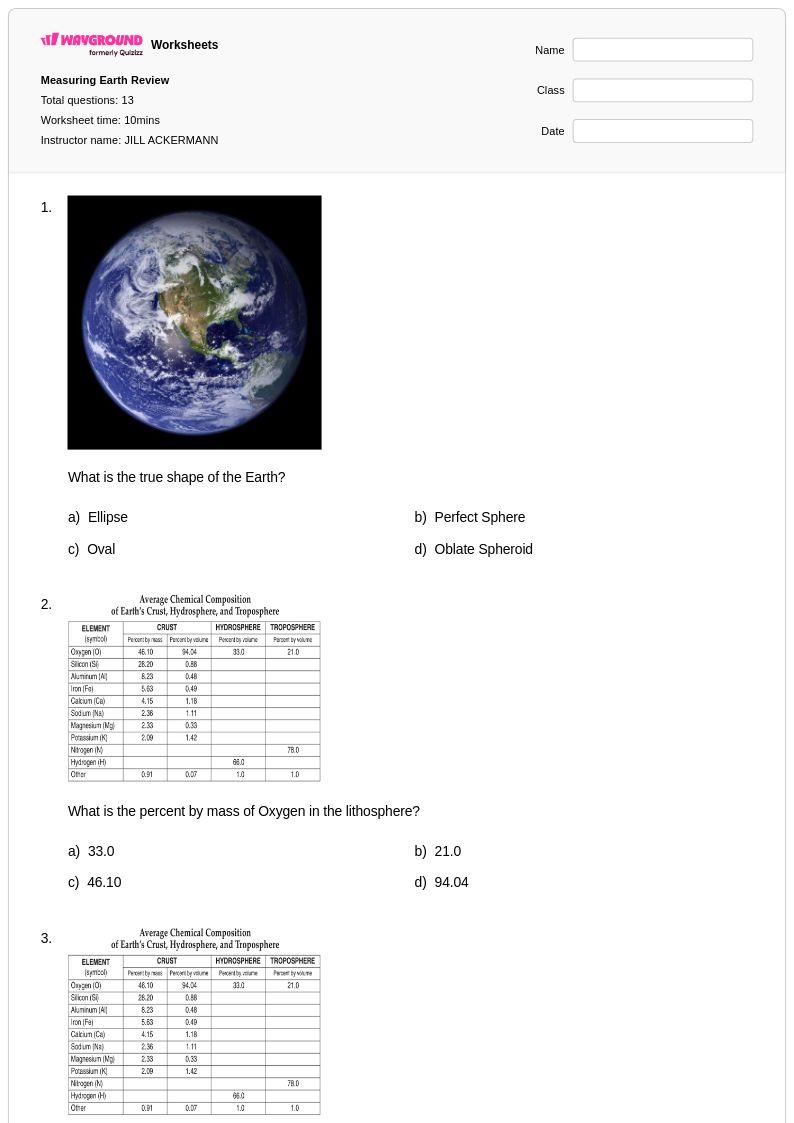
13 Q
8th - 10th
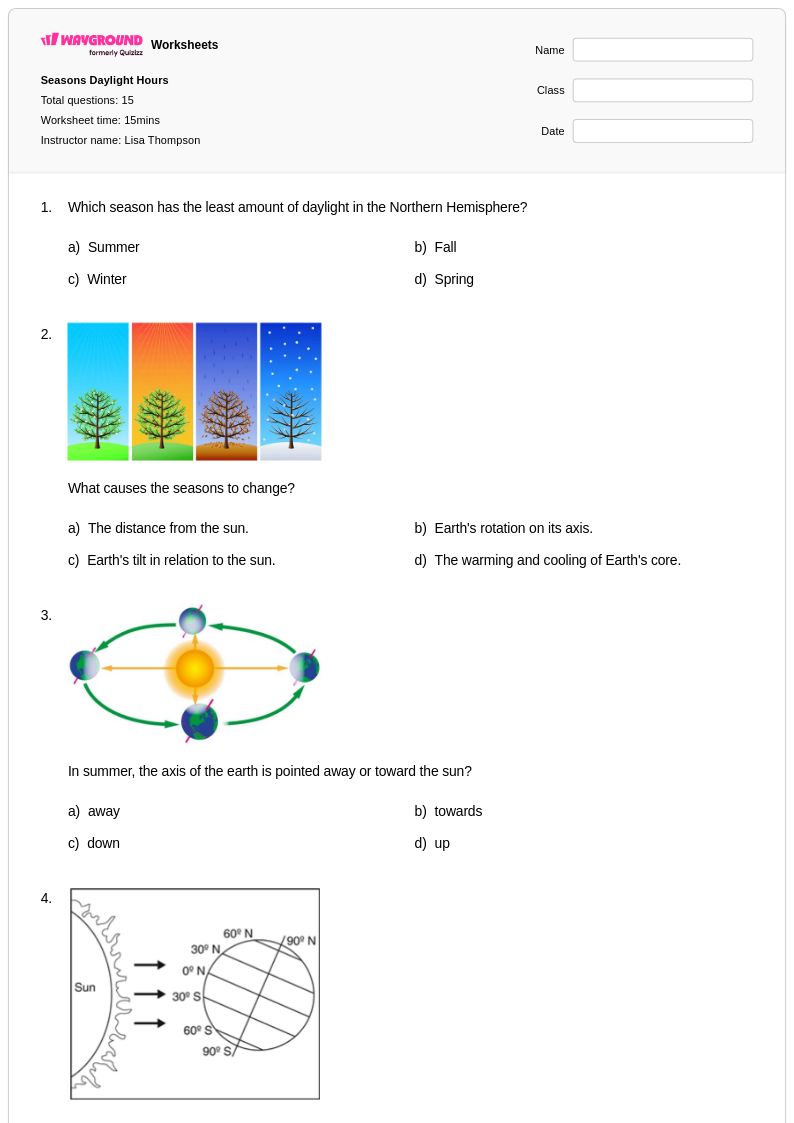
15 Q
6th - Uni
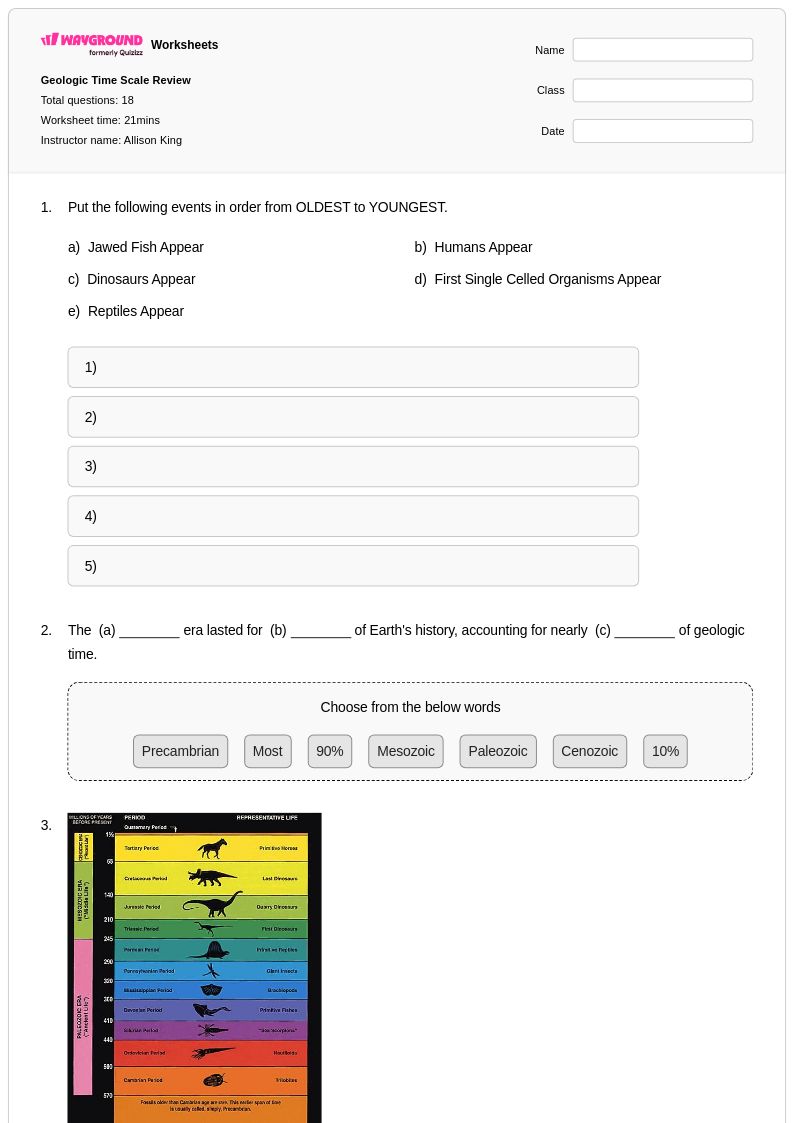
18 Q
9th - 12th
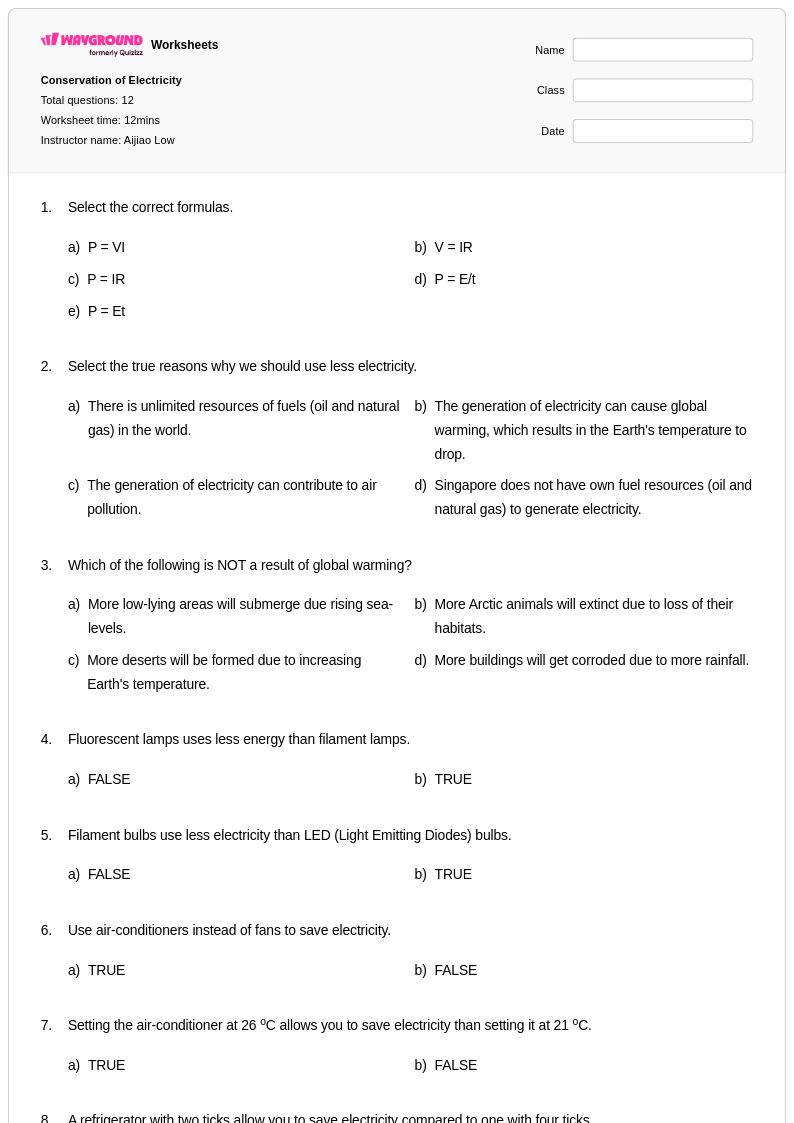
12 Q
10th
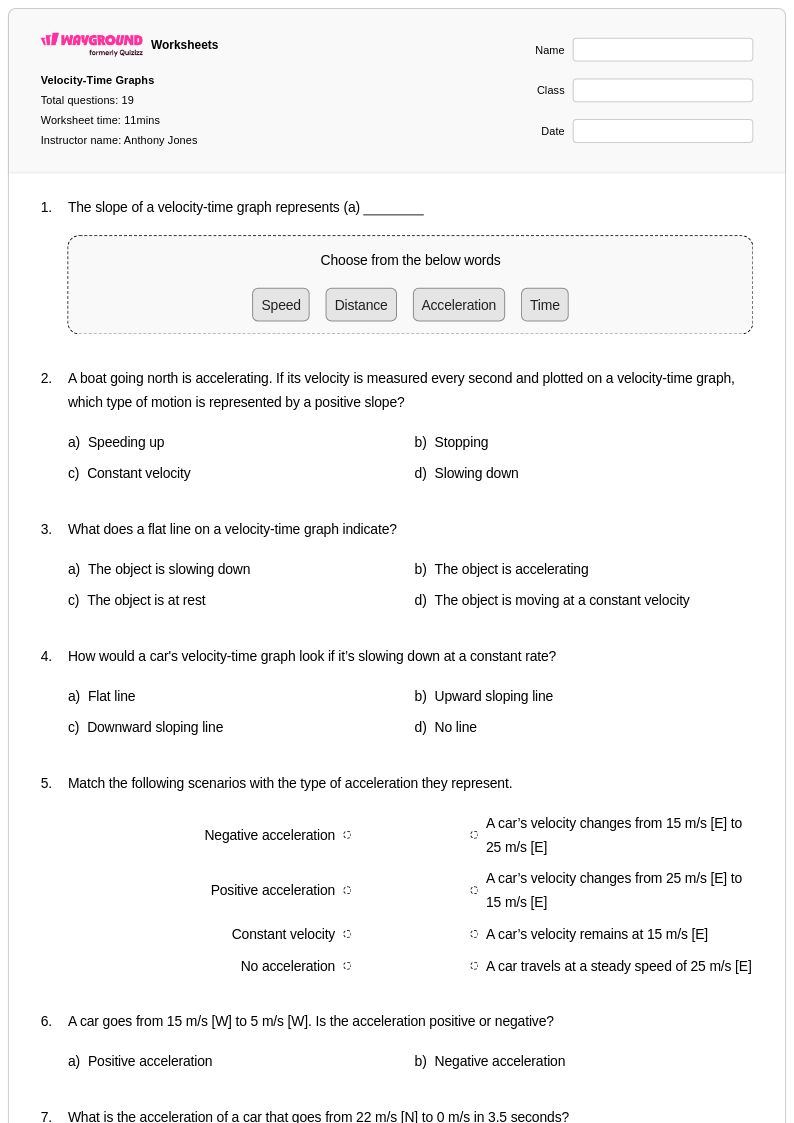
19 Q
10th
27 Q
10th - Uni
20 Q
9th - Uni
52 Q
10th
11 Q
10th
12 Q
9th - 12th
28 Q
9th - 12th
17 Q
9th - 12th
22 Q
9th - 12th
Explore Daylight Saving Time Worksheets by Grades
Explore Other Subject Worksheets for class 10
Explore printable Daylight Saving Time worksheets for Class 10
Daylight Saving Time worksheets for Class 10 students available through Wayground (formerly Quizizz) provide comprehensive exploration of this fascinating intersection between human timekeeping systems and Earth's astronomical patterns. These educational resources challenge students to investigate the scientific reasoning behind seasonal time changes, examining how Earth's axial tilt and orbital mechanics influence daylight duration throughout the year. Students engage with practice problems that analyze energy consumption data, calculate sunrise and sunset variations across different latitudes, and evaluate the historical and contemporary impacts of time zone adjustments on society. Each worksheet includes detailed answer keys and explanations that help students understand the complex relationship between Earth's position relative to the Sun and our artificial time constructs, with free printables covering topics from the physics of solar angles to the biological effects of circadian rhythm disruption.
Wayground's extensive collection of millions of teacher-created resources makes it simple for educators to locate high-quality Daylight Saving Time materials specifically designed for Class 10 Earth and Space Science curricula. The platform's robust search and filtering capabilities allow teachers to quickly identify worksheets that align with specific learning standards while accommodating diverse student needs through built-in differentiation tools. These customizable resources are available in both printable pdf formats and interactive digital versions, enabling seamless integration into various classroom environments and learning modalities. Teachers can efficiently modify content difficulty levels, select specific subtopics for targeted skill practice, and utilize these materials for everything from initial concept introduction to remediation support and advanced enrichment activities, ensuring that all students develop a thorough understanding of how human timekeeping systems interact with Earth's natural astronomical cycles.
FAQs
How do I teach Daylight Saving Time to students?
What exercises help students practice understanding Daylight Saving Time?
What misconceptions do students commonly have about Daylight Saving Time?
How can I use Daylight Saving Time worksheets in my classroom?
How does Daylight Saving Time connect to Earth and Space Science standards?
How do I differentiate Daylight Saving Time instruction for students at different readiness levels?