
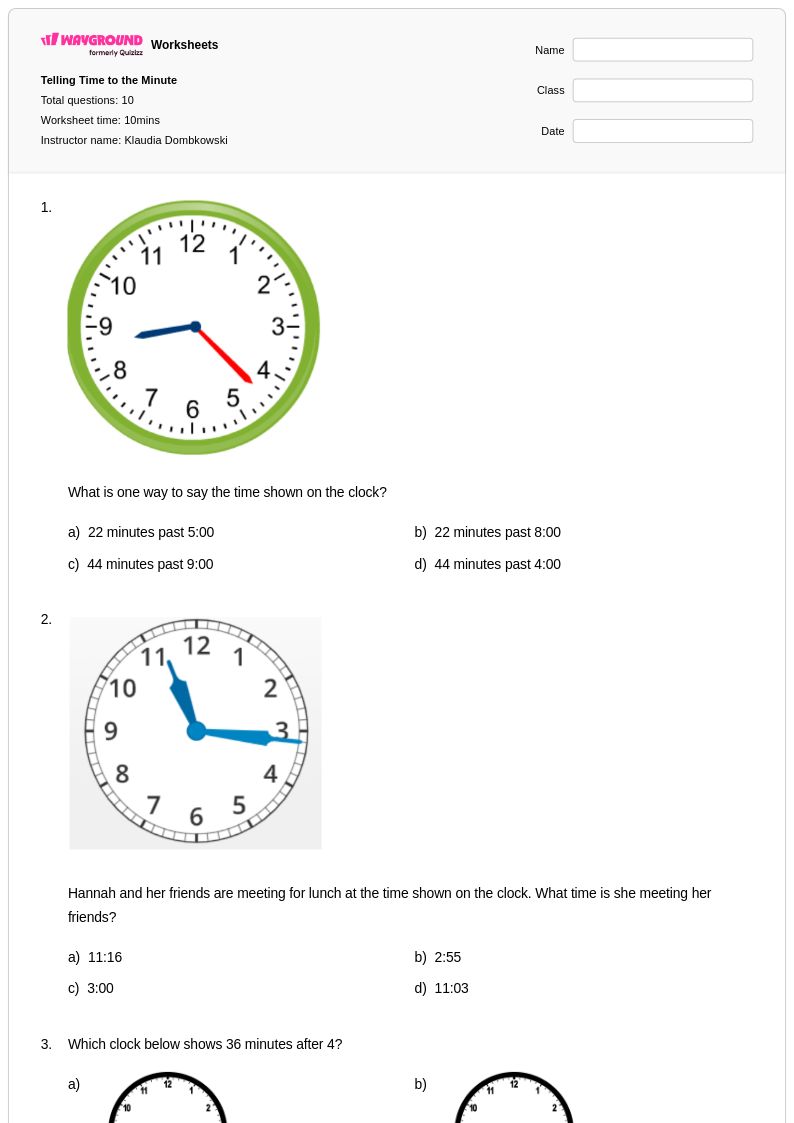
10 Q
3rd
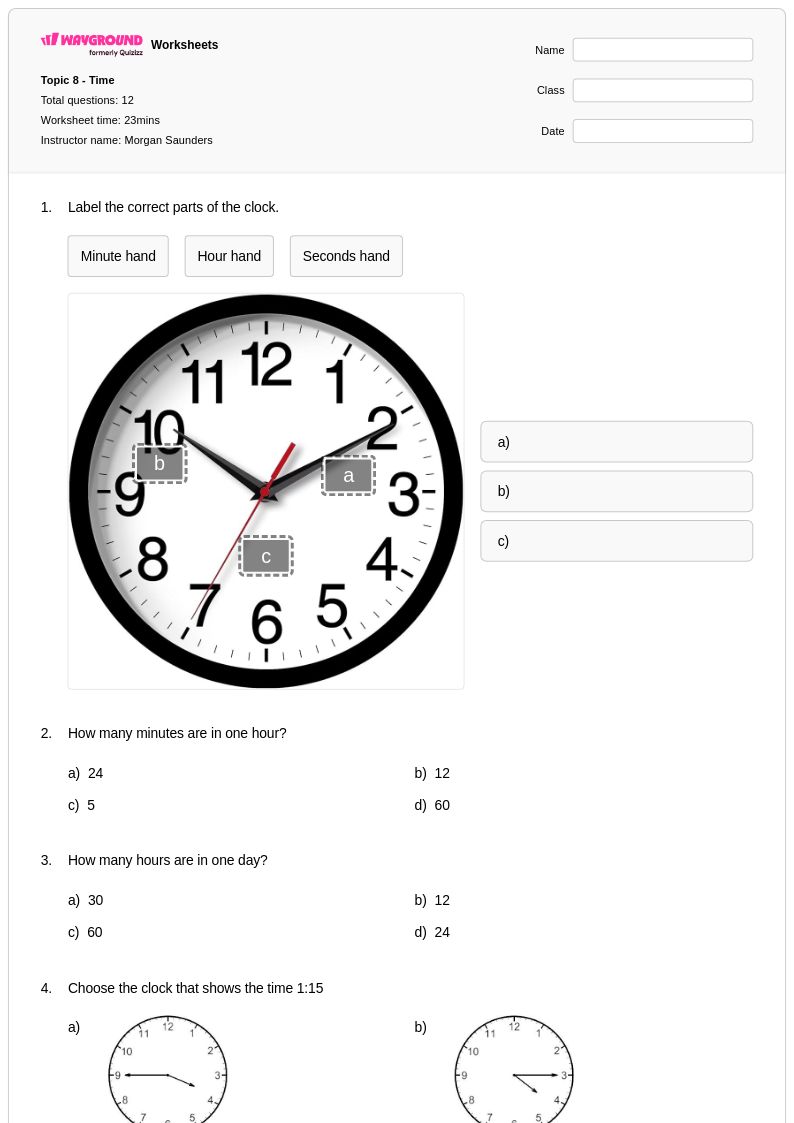
12 Q
2nd
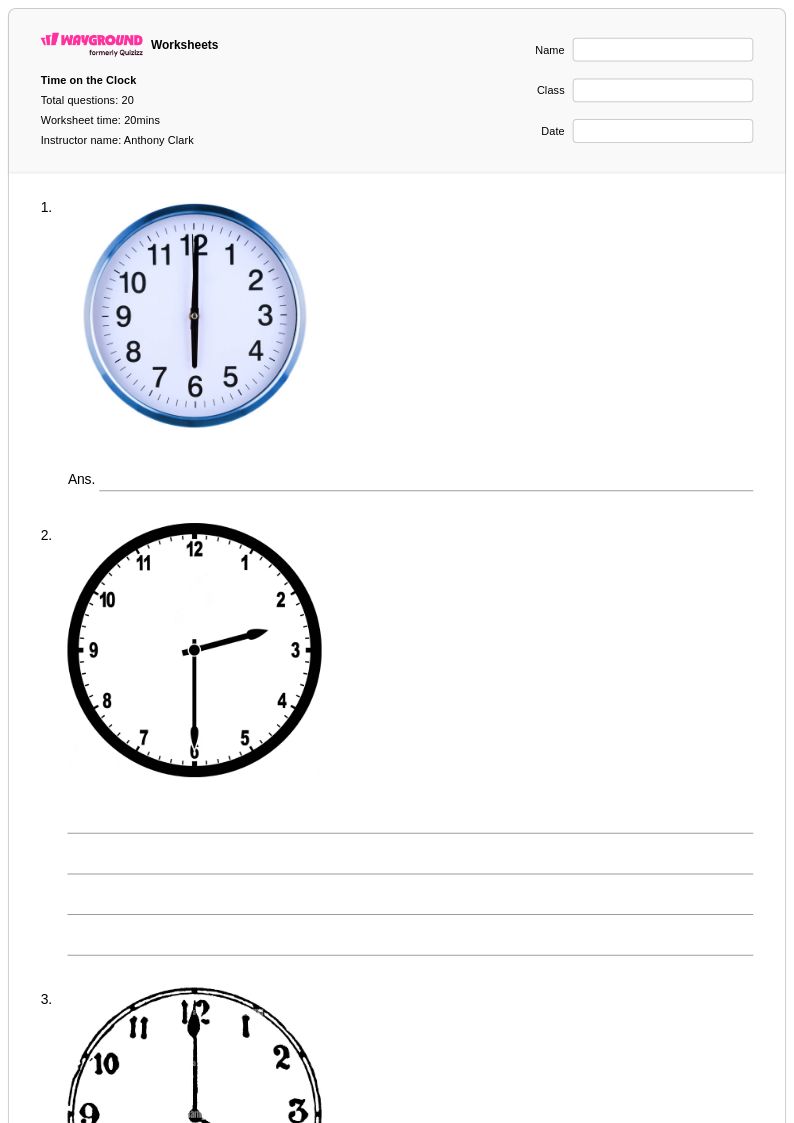
20 Q
3rd - Uni
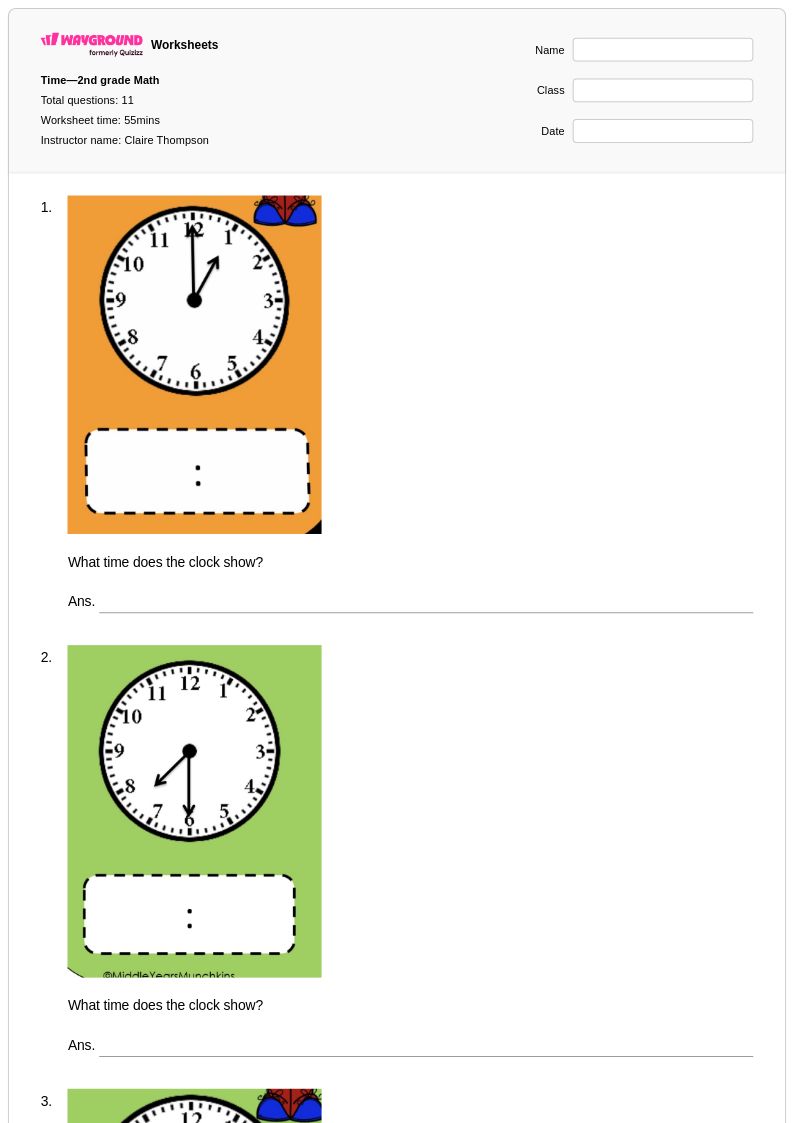
11 Q
2nd
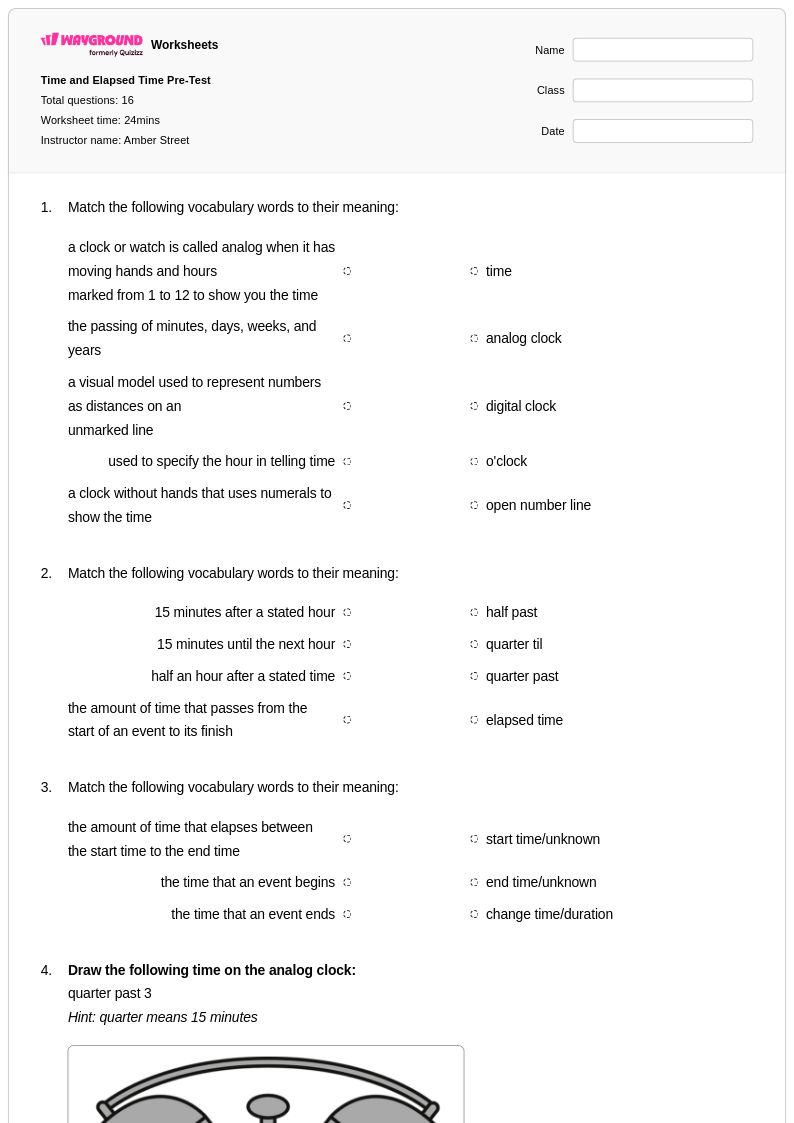
16 Q
4th
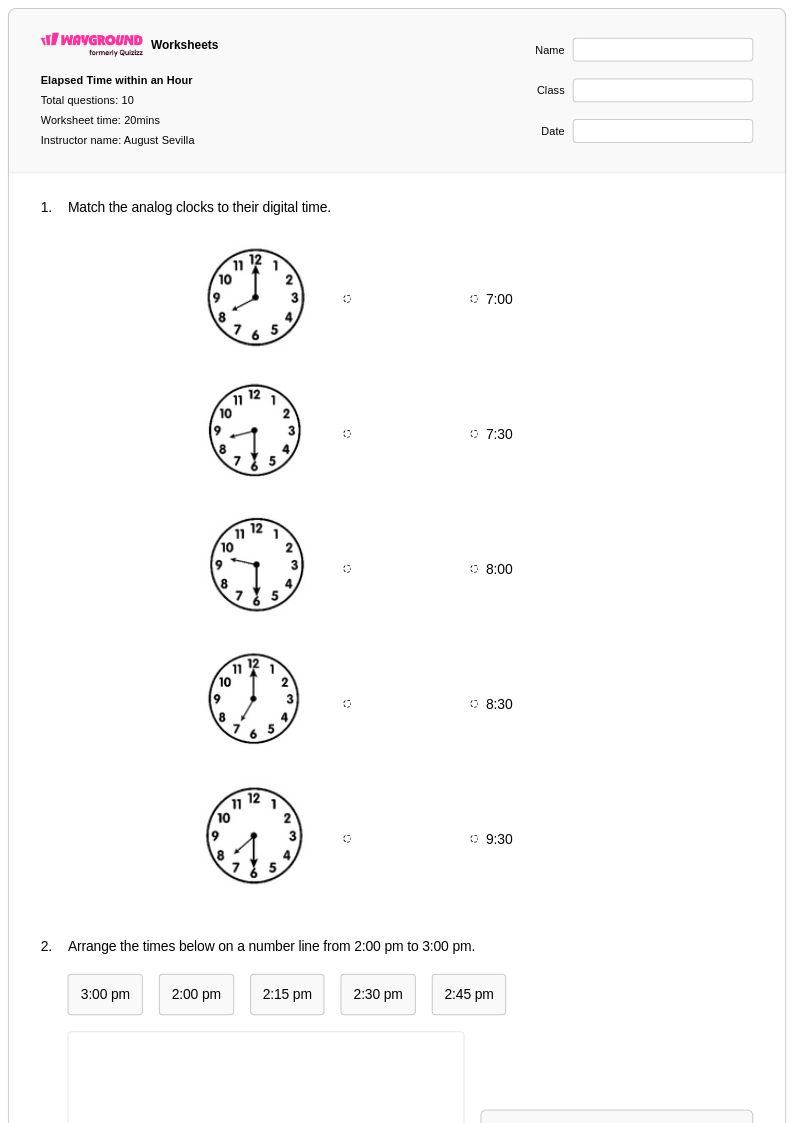
10 Q
3rd
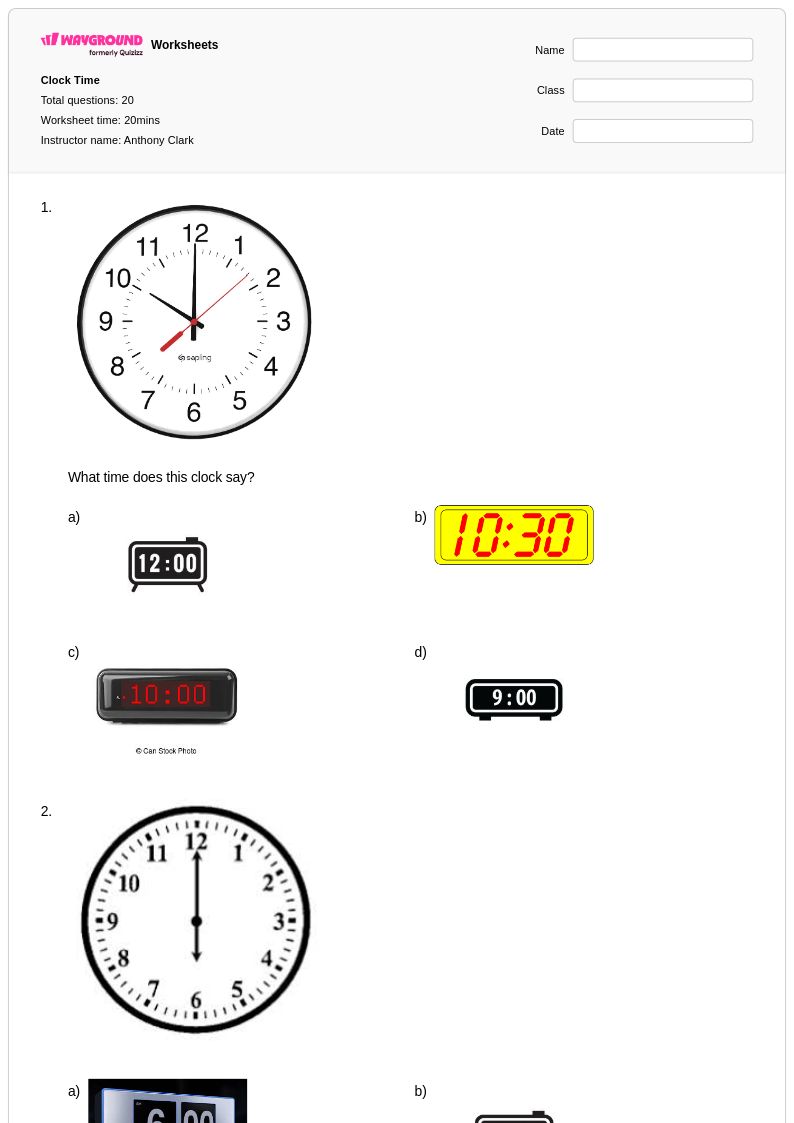
20 Q
2nd - Uni
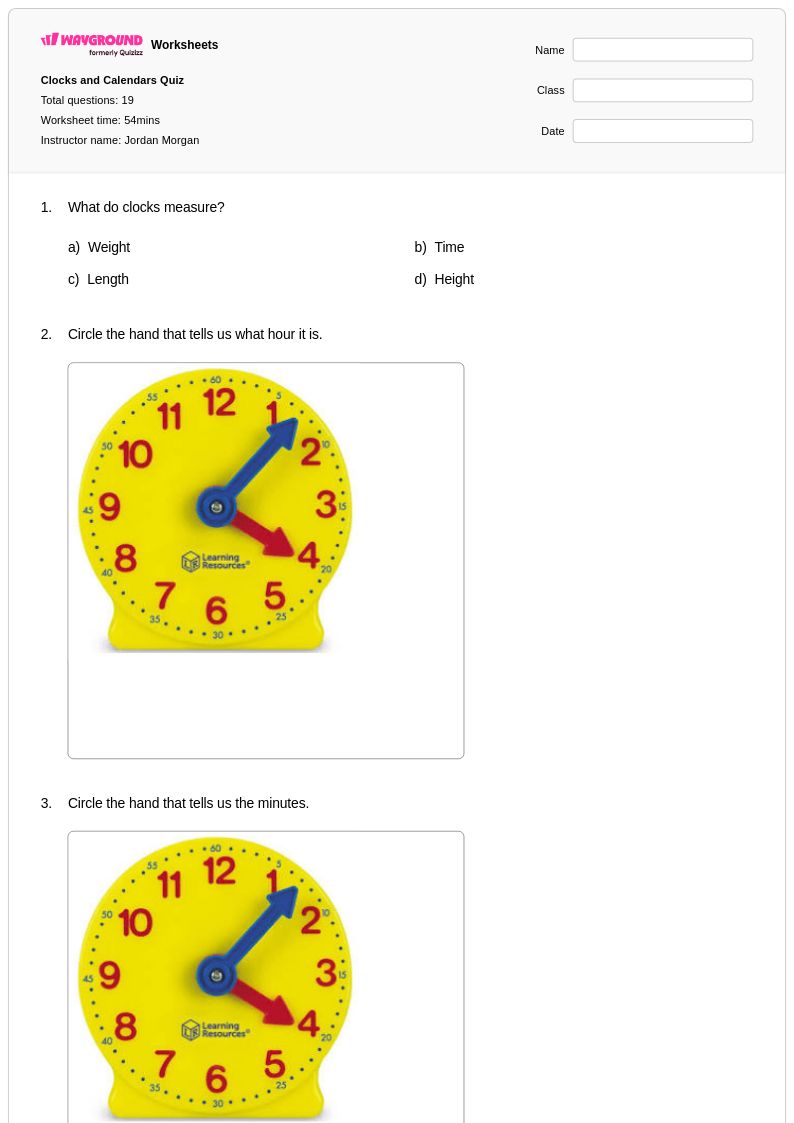
19 Q
1st
17 Q
1st - Uni
10 Q
4th
20 Q
2nd - Uni
20 Q
2nd - Uni
14 Q
1st - 2nd
10 Q
1st
18 Q
2nd
20 Q
3rd
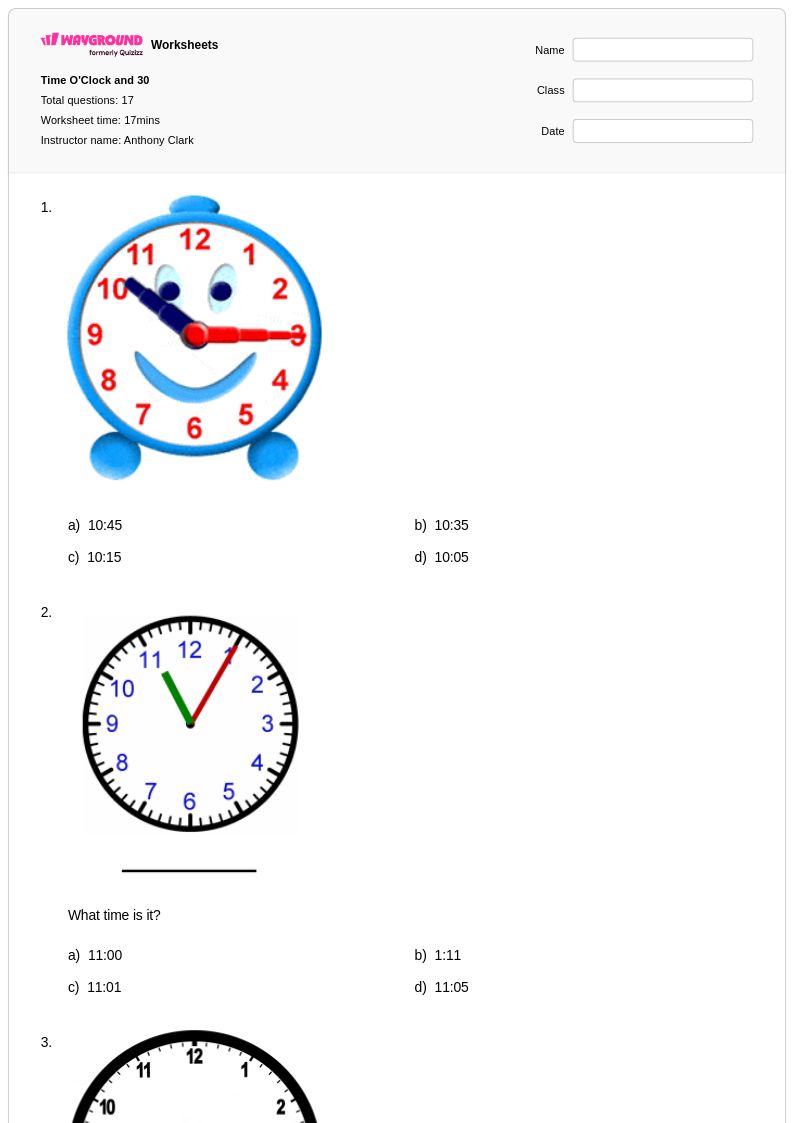
17 Q
1st - Uni
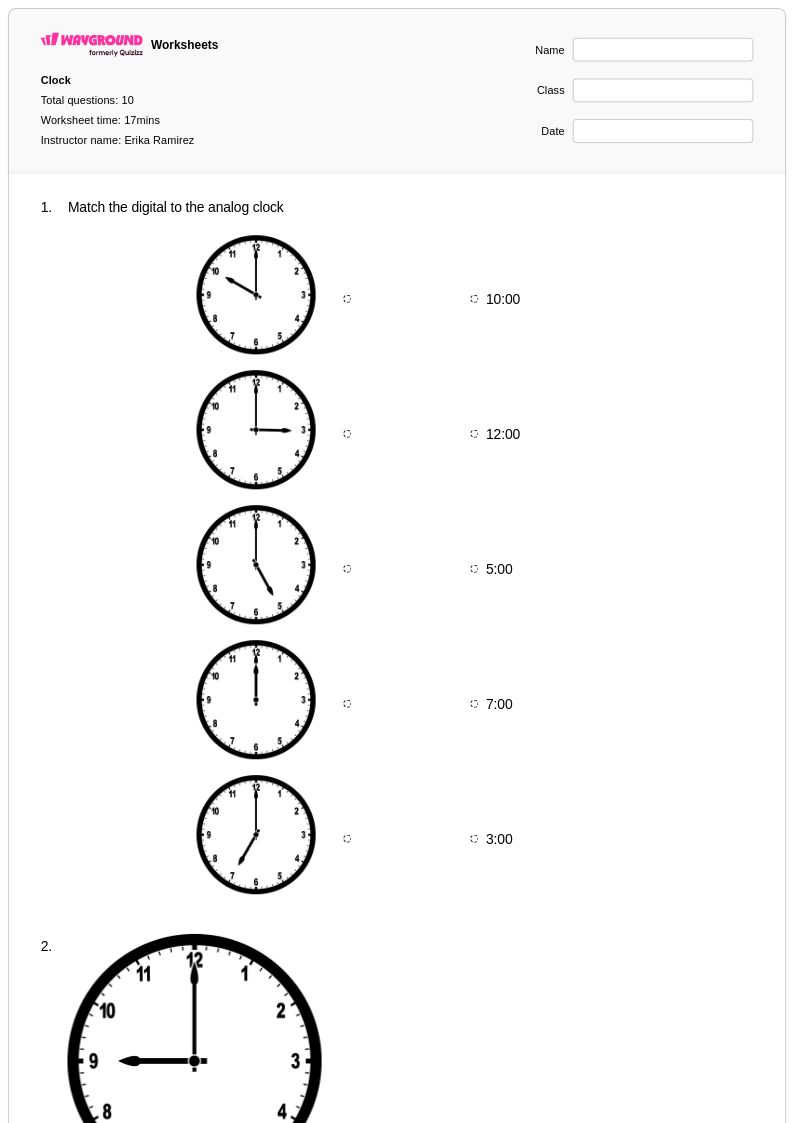
10 Q
1st
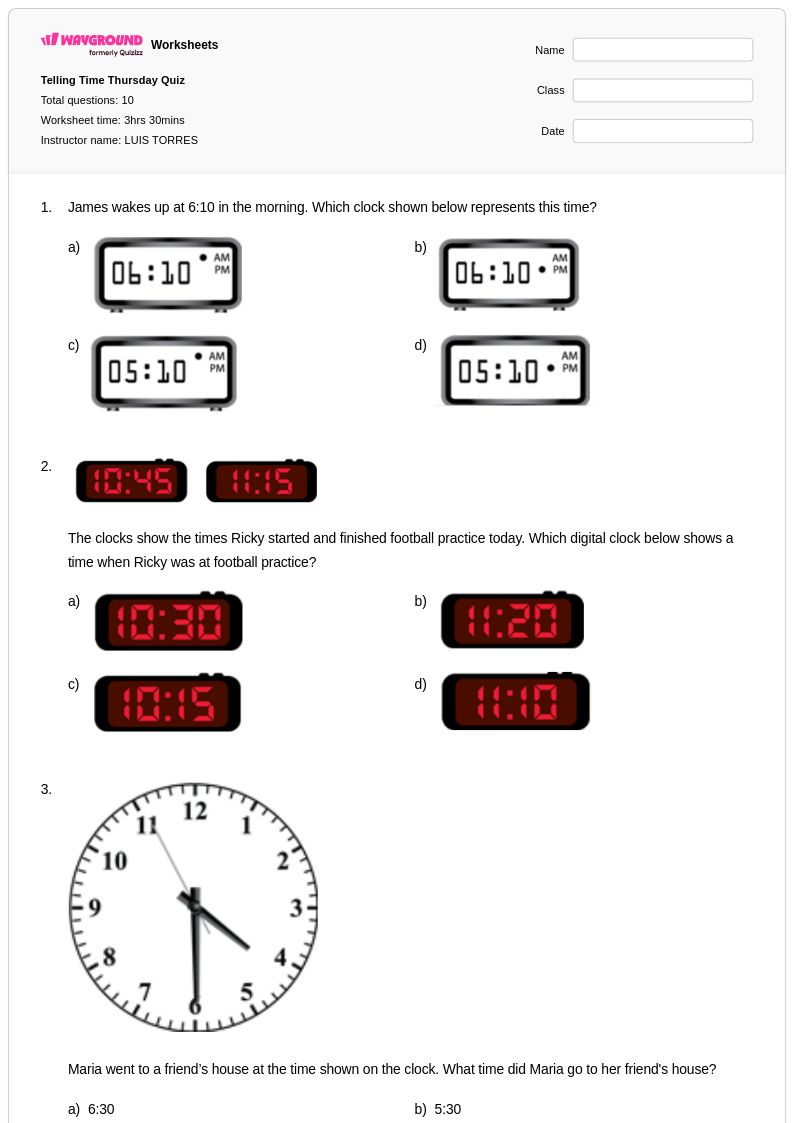
10 Q
2nd
20 Q
11th
19 Q
3rd
14 Q
4th
11 Q
8th - Uni
19 Q
4th
Explore Other Subject Worksheets for kindergarten
Explore printable Digital Time worksheets for Kindergarten
Digital time worksheets for kindergarten students available through Wayground (formerly Quizizz) provide essential foundational practice for young learners beginning to understand how clocks display time in numerical format. These carefully crafted printables introduce kindergarteners to the basic concepts of digital time reading, focusing on recognizing numbers on digital clock faces and understanding the relationship between hours and minutes in simple, age-appropriate formats. The worksheets strengthen critical early math skills including number recognition, sequencing, and time awareness through engaging practice problems that build confidence in reading digital displays. Each resource includes comprehensive answer keys and is available as free pdf downloads, making them accessible for both classroom instruction and home practice while supporting the development of essential time-telling abilities.
Wayground (formerly Quizizz) empowers educators with millions of teacher-created digital time resources specifically designed for kindergarten learners, offering robust search and filtering capabilities that allow teachers to quickly locate materials aligned with their specific curriculum standards and student needs. The platform's differentiation tools enable instructors to customize worksheets for varying skill levels within their classrooms, supporting both remediation for students who need additional practice with basic number recognition and enrichment opportunities for those ready to explore more complex time concepts. Available in both printable and digital formats including downloadable pdfs, these resources seamlessly integrate into lesson planning workflows while providing flexible options for skill practice, formative assessment, and targeted instruction that meets individual learning objectives and supports comprehensive time education in early elementary mathematics.
FAQs
How do I introduce digital time to kindergarteners?
What digital time skills should kindergarteners practice?
What misconceptions do kindergarteners have about digital clocks?
How do I use Wayground's kindergarten digital time worksheets?
Is digital time part of the kindergarten Common Core math standards?
How can I support kindergarteners who struggle with number recognition on digital clocks?