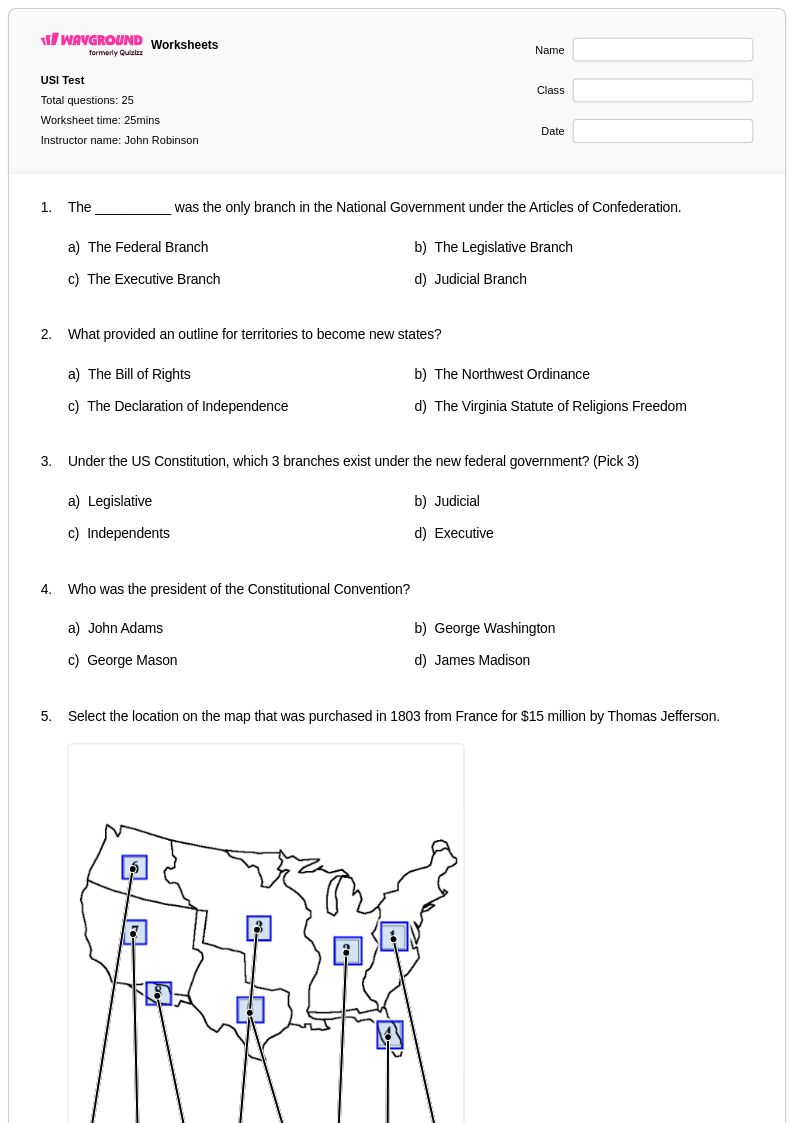
Free Printable Federalist Debate Worksheets for Class 9
Explore Wayground's comprehensive collection of Class 9 Federalist Debate worksheets and printables that help students analyze the constitutional ratification process through engaging practice problems, free PDF resources, and detailed answer keys.
Explore printable Federalist Debate worksheets for Class 9
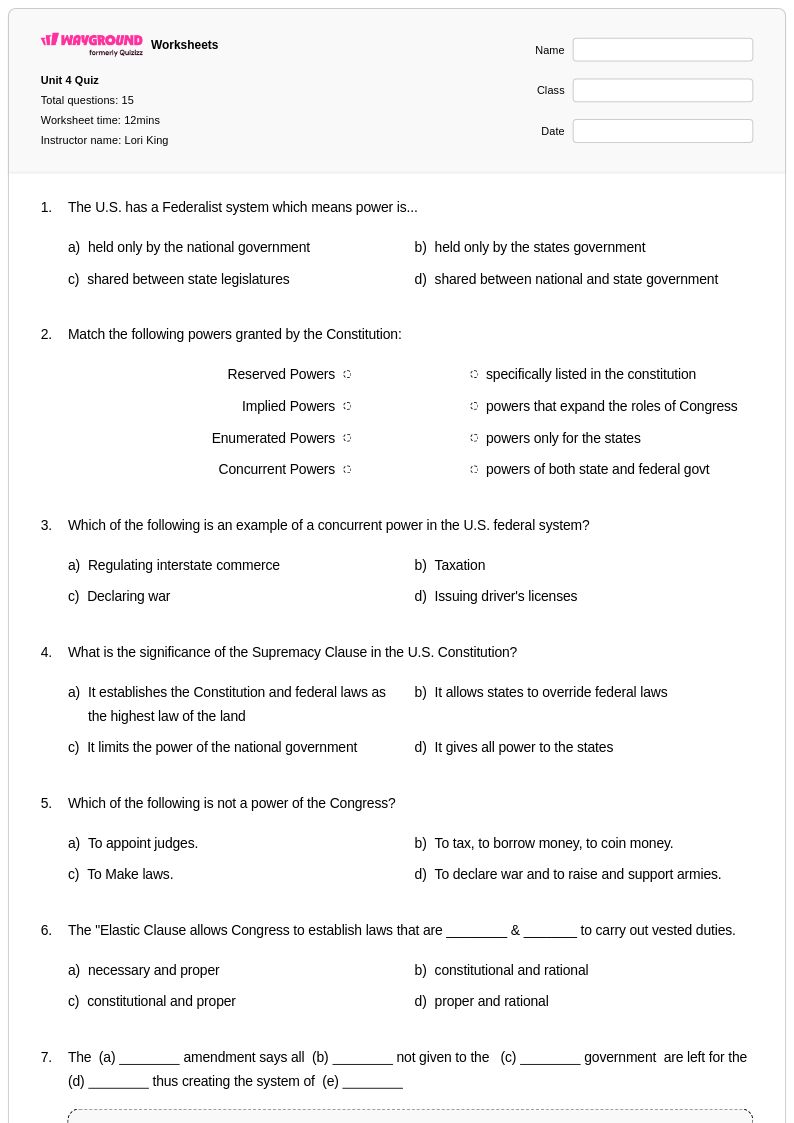
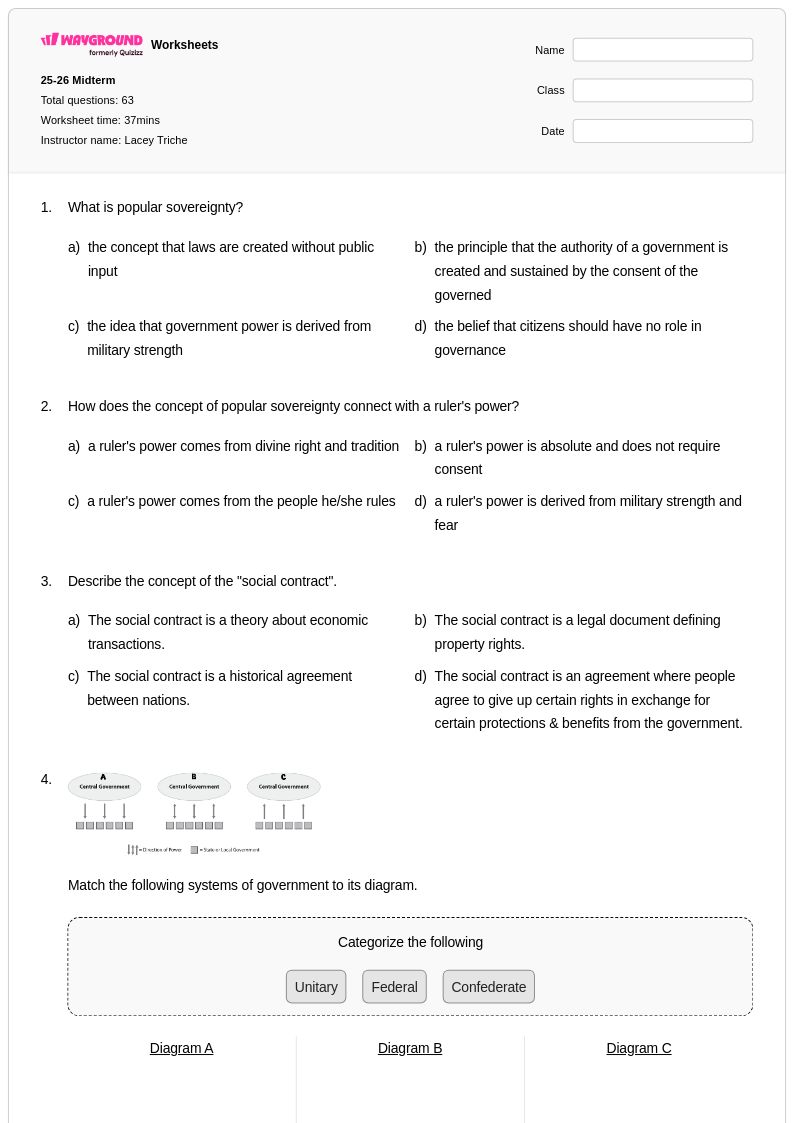
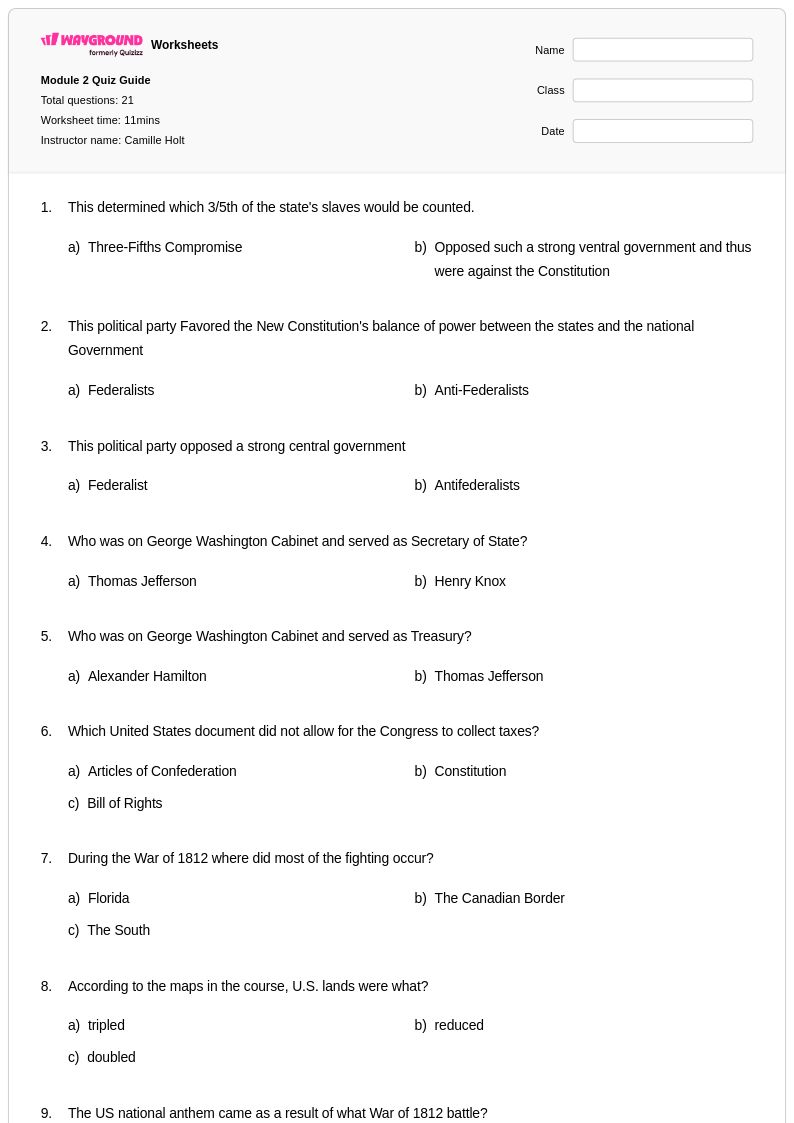
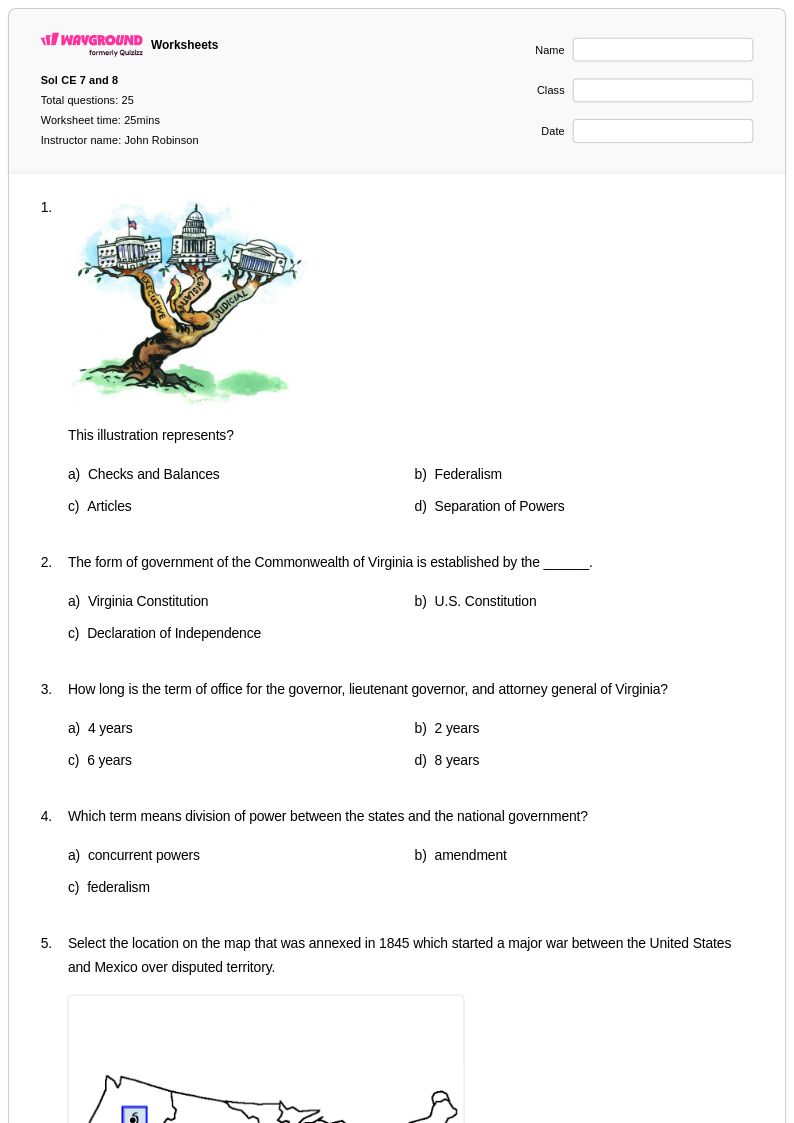
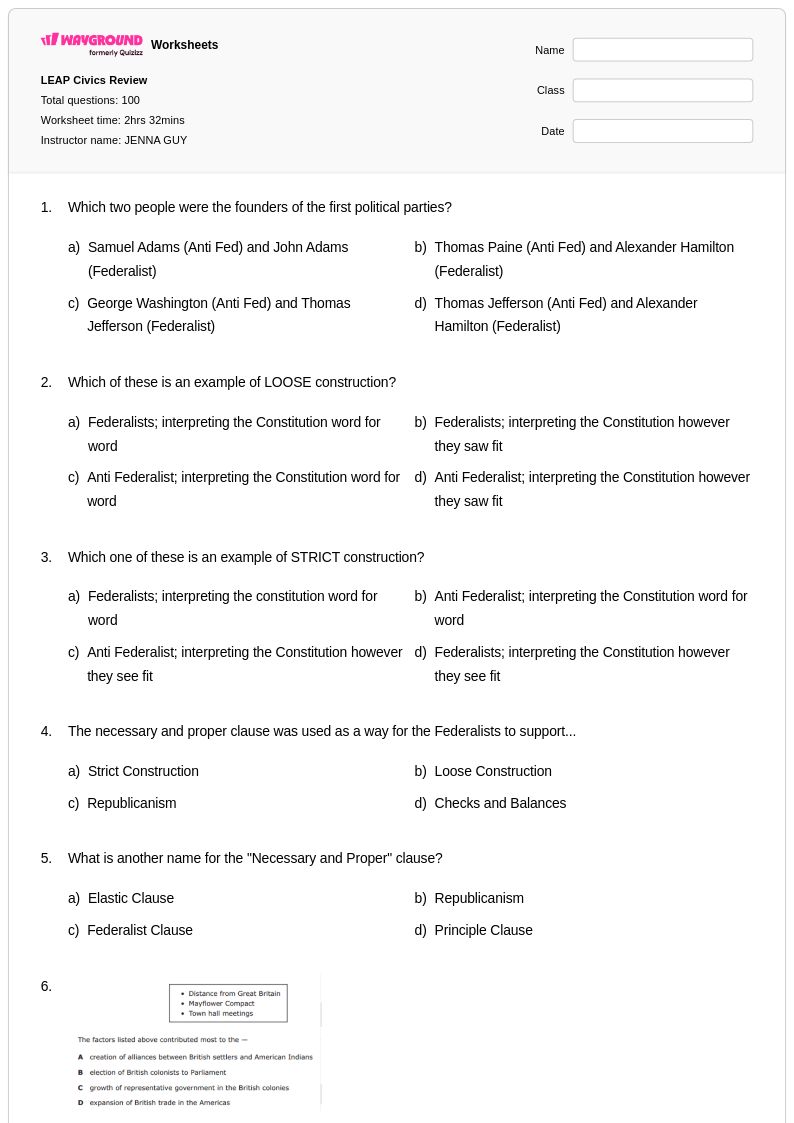
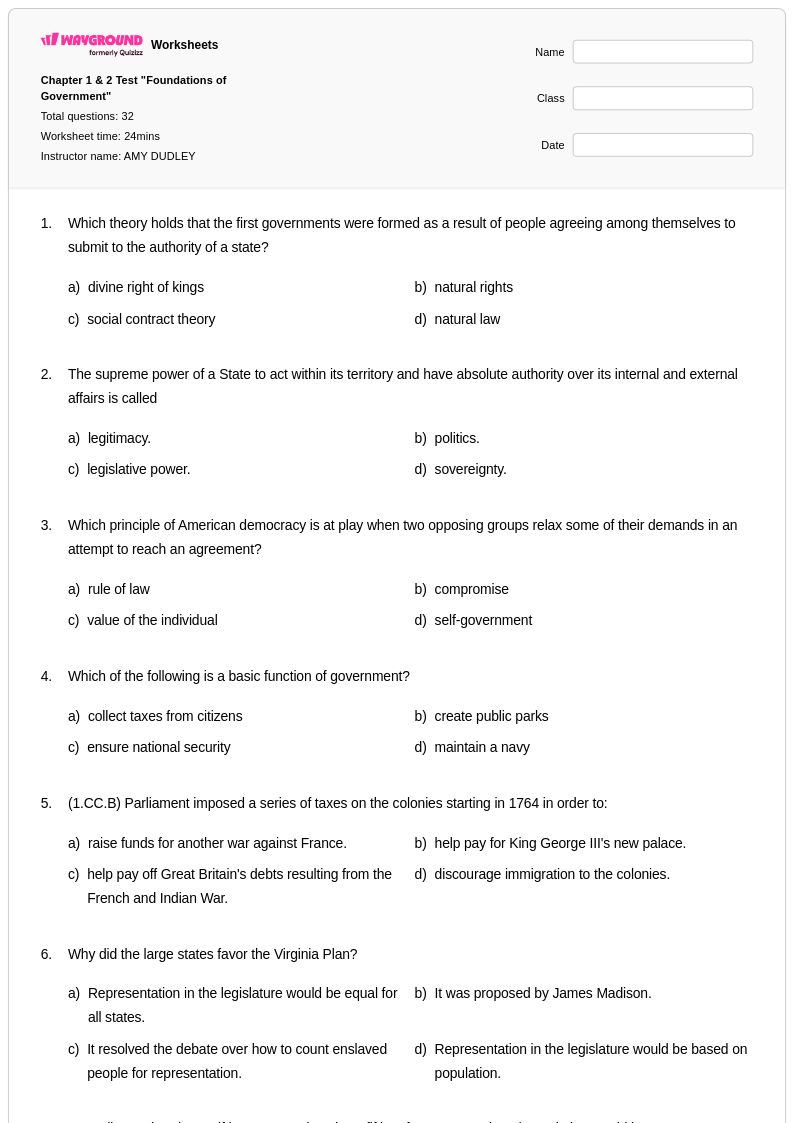
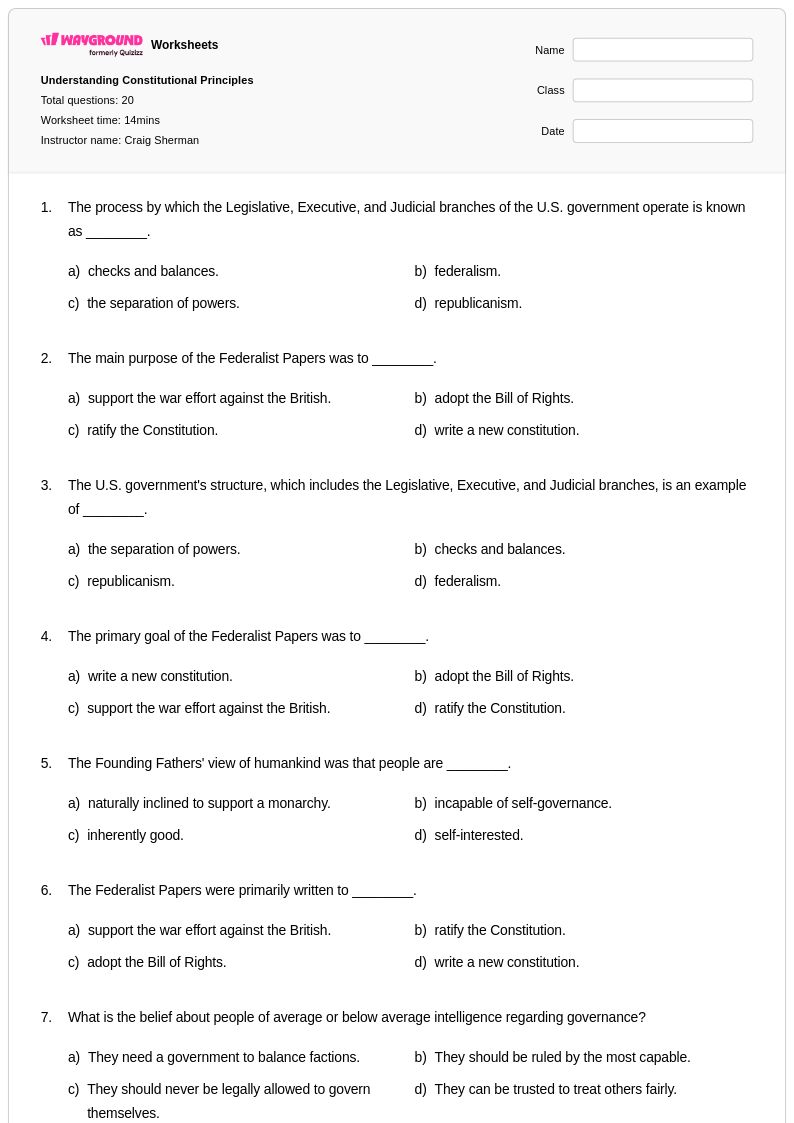
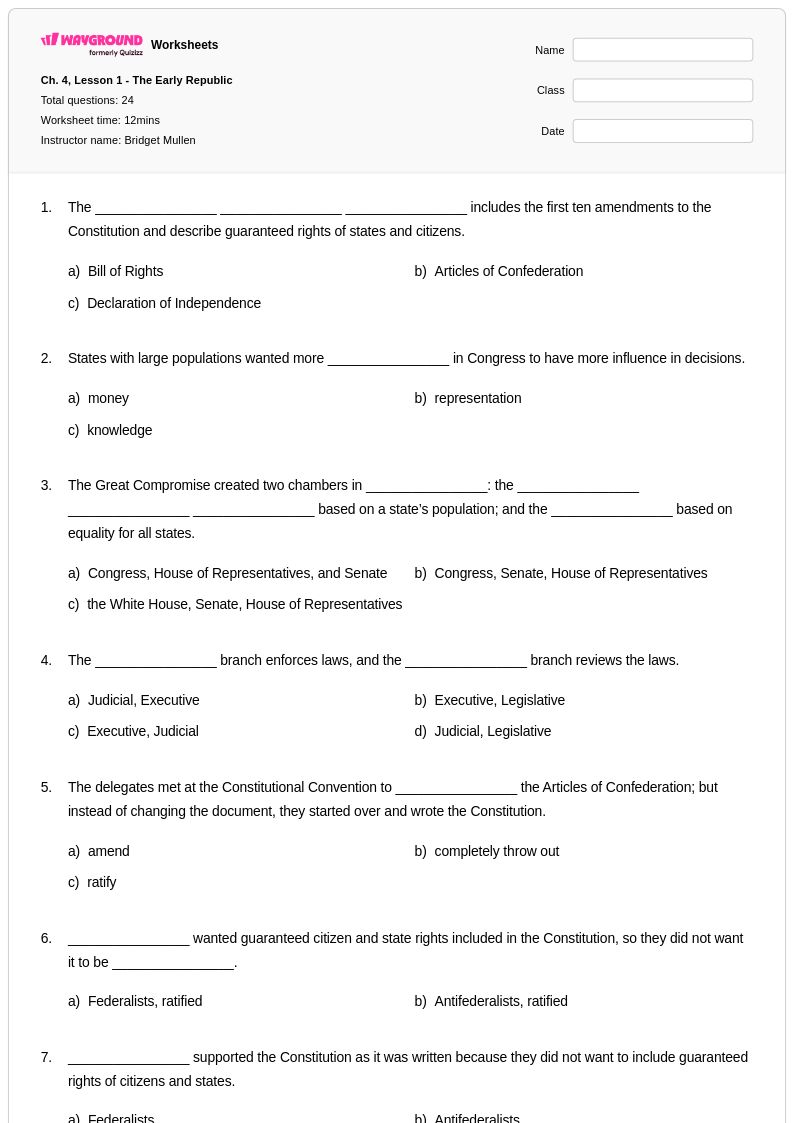
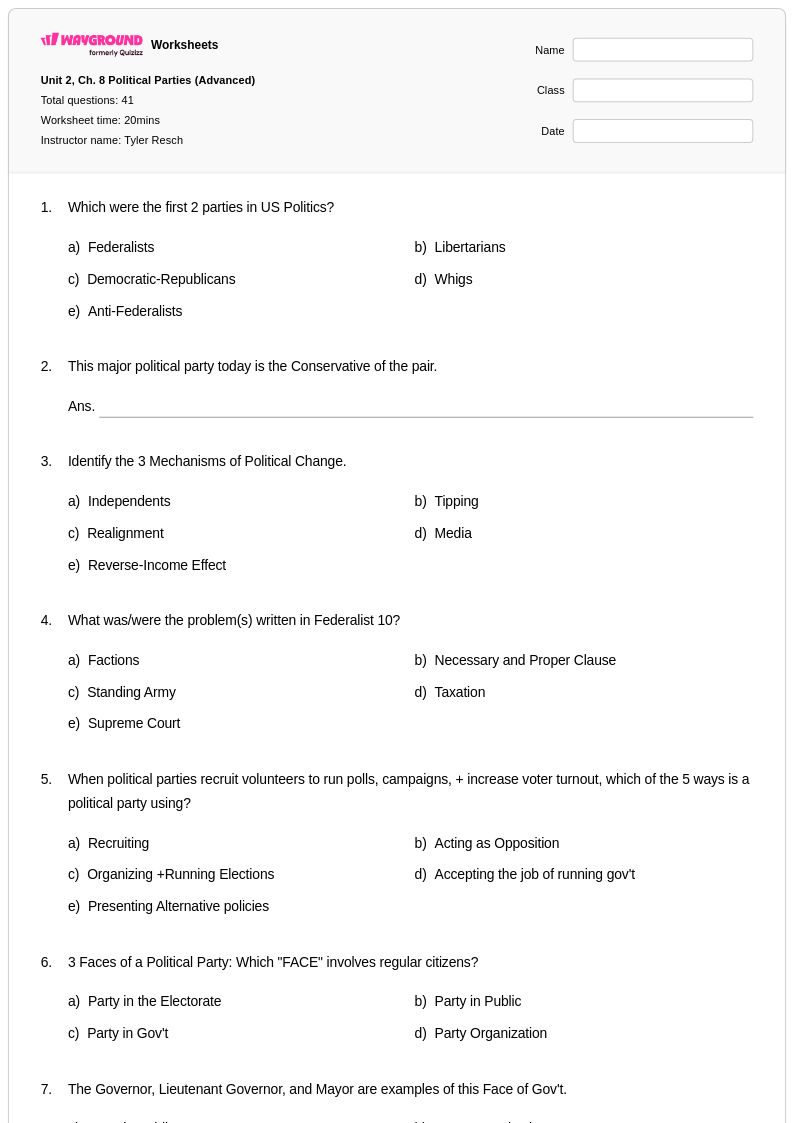
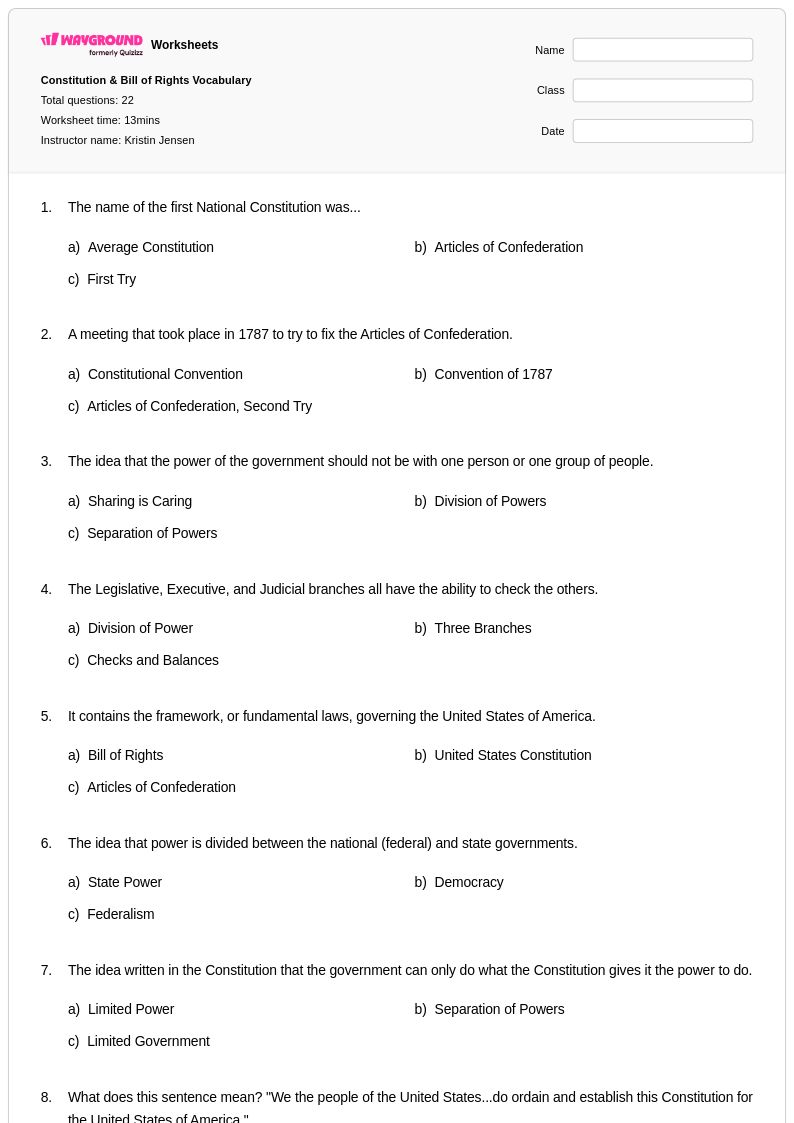
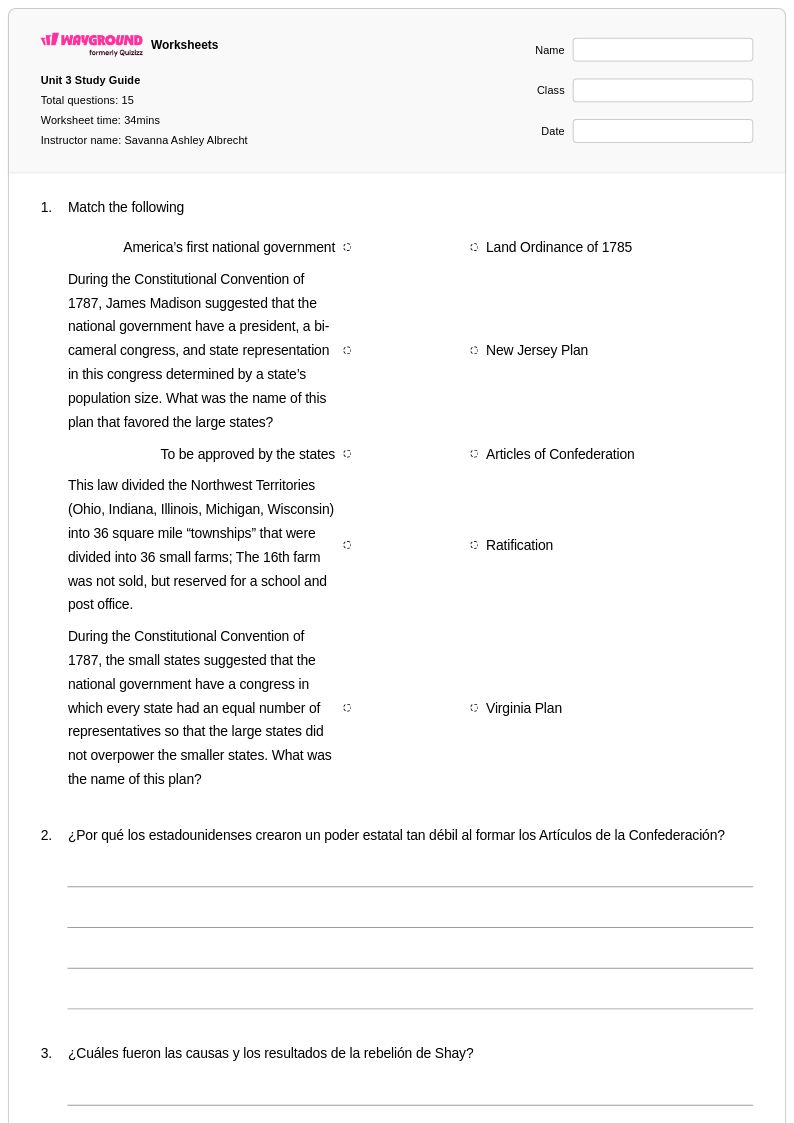
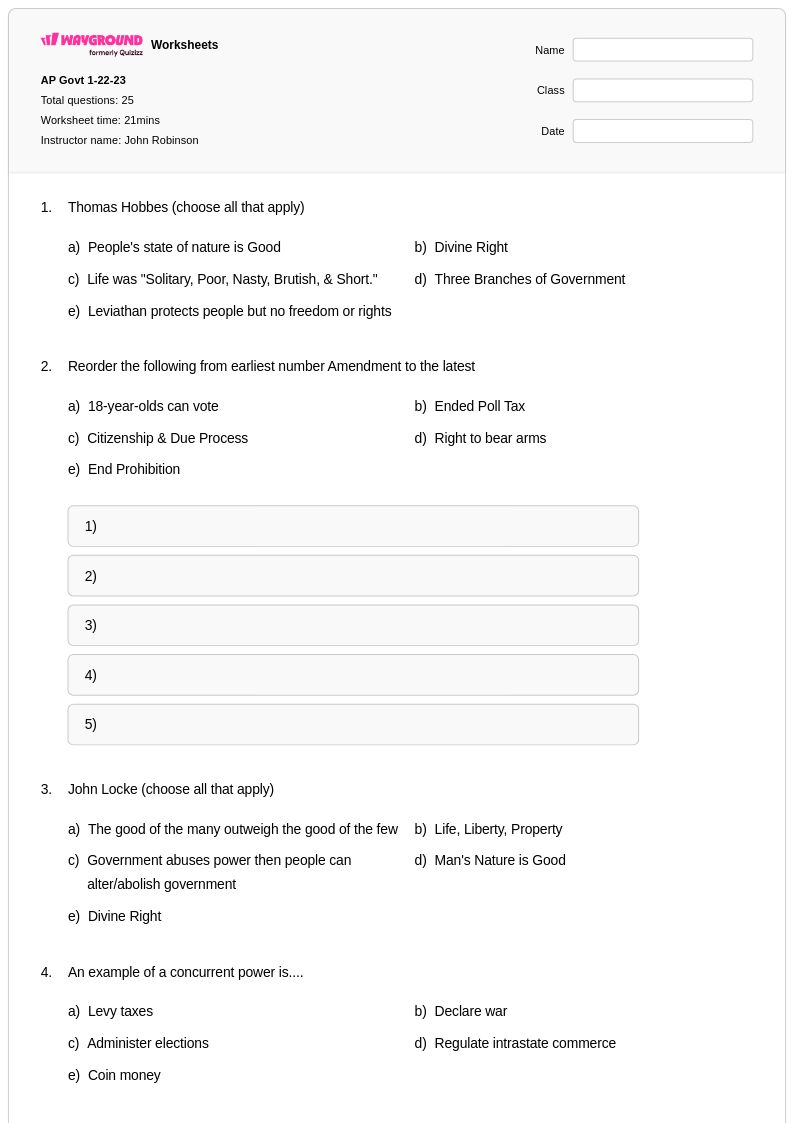
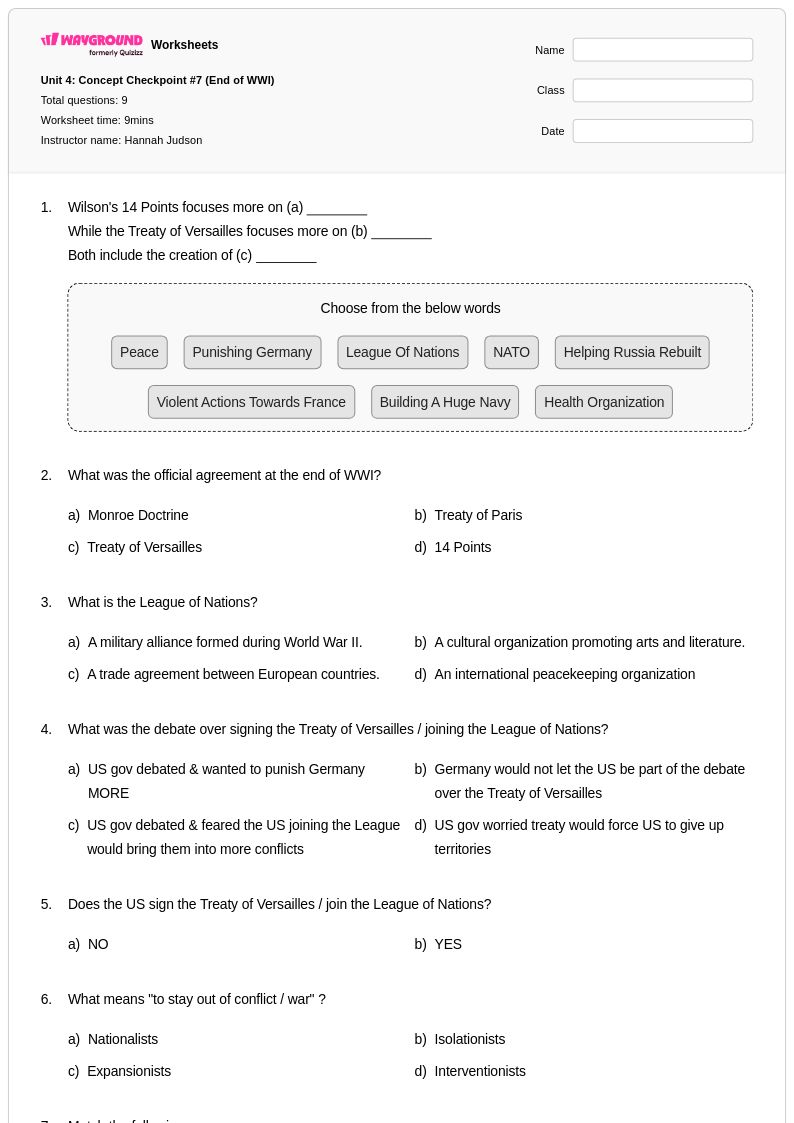
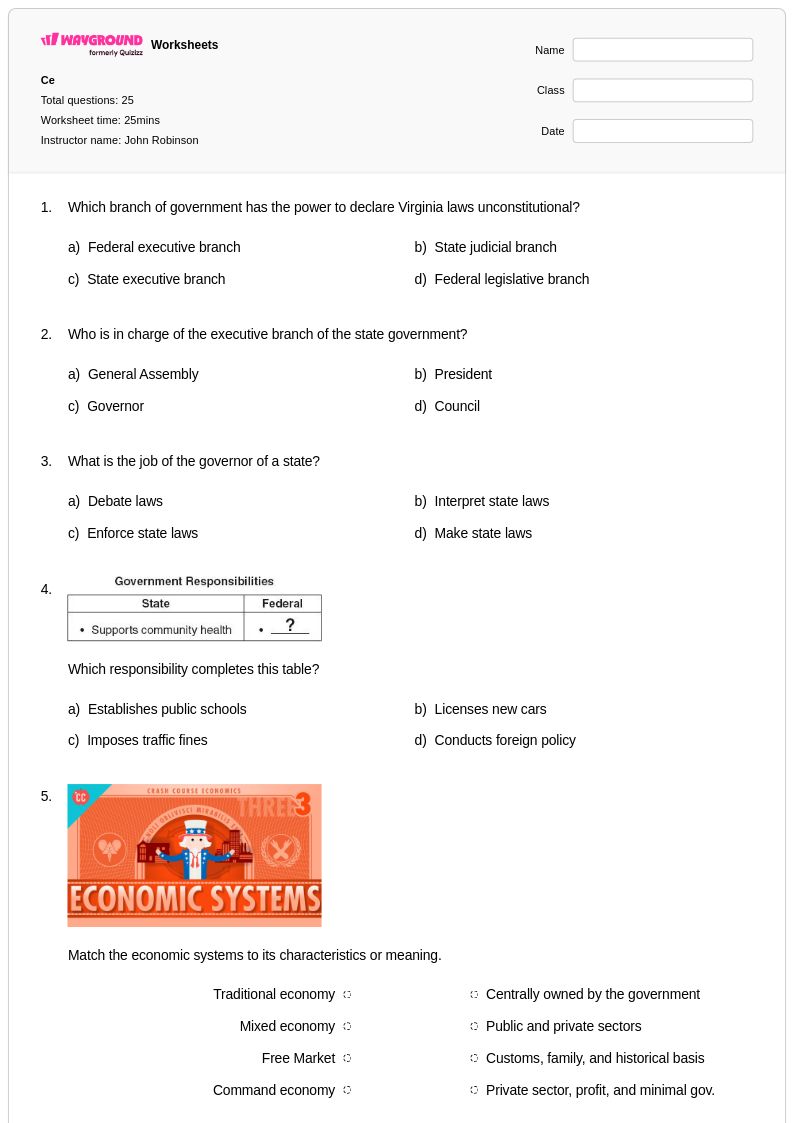
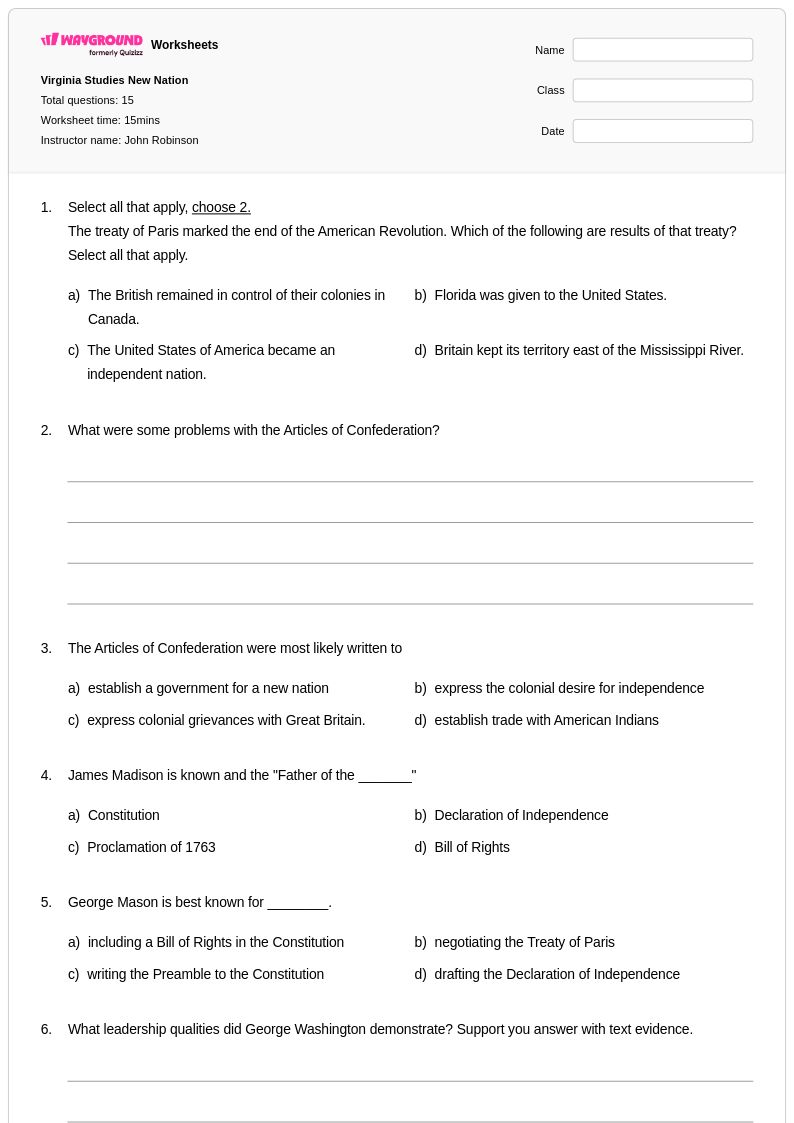
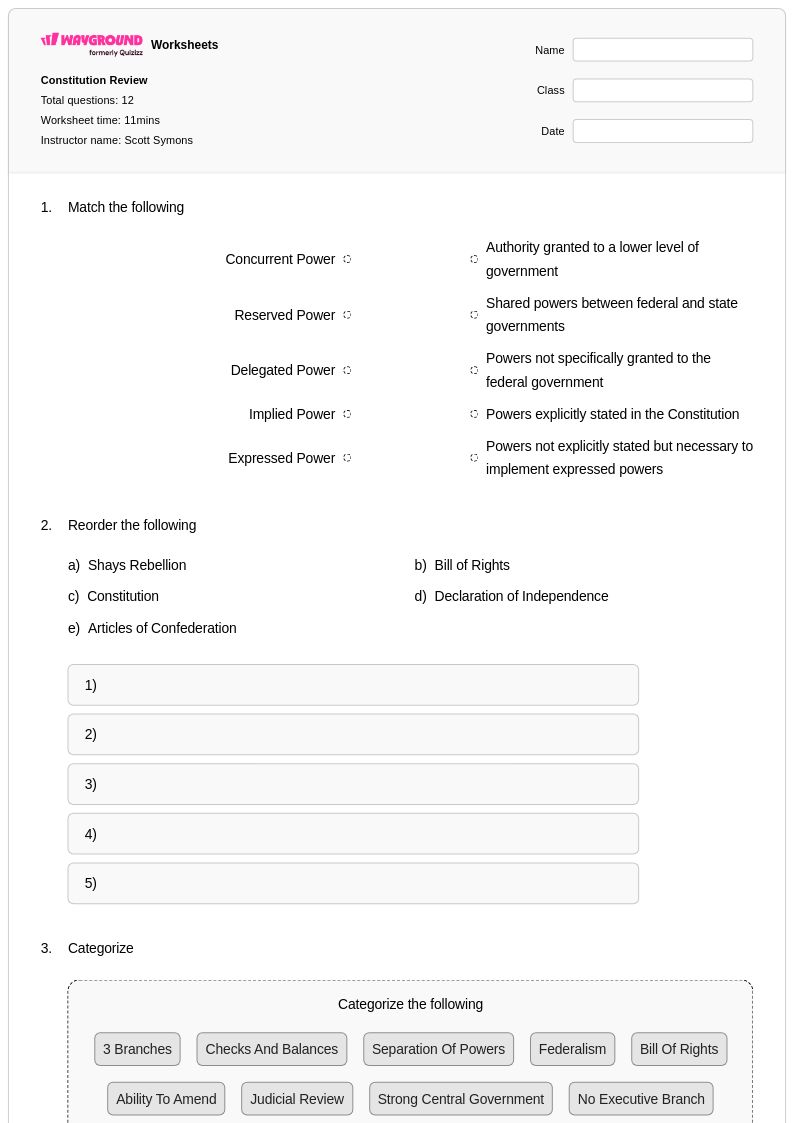
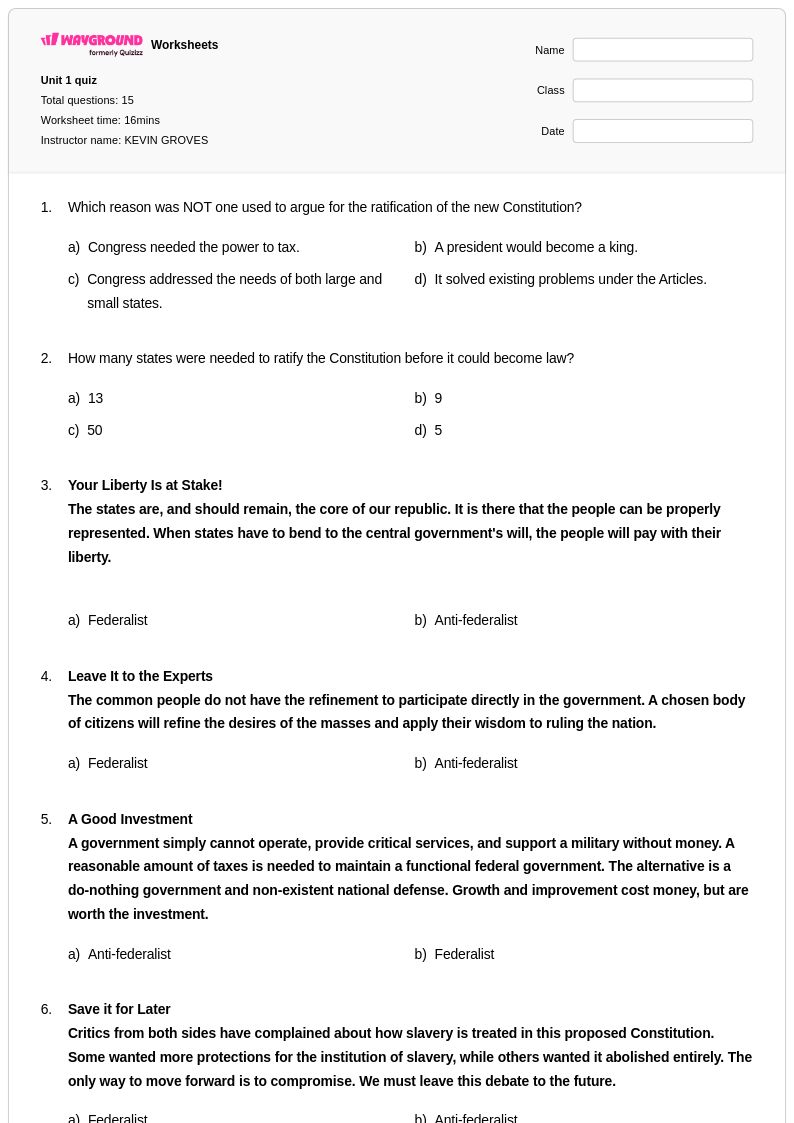
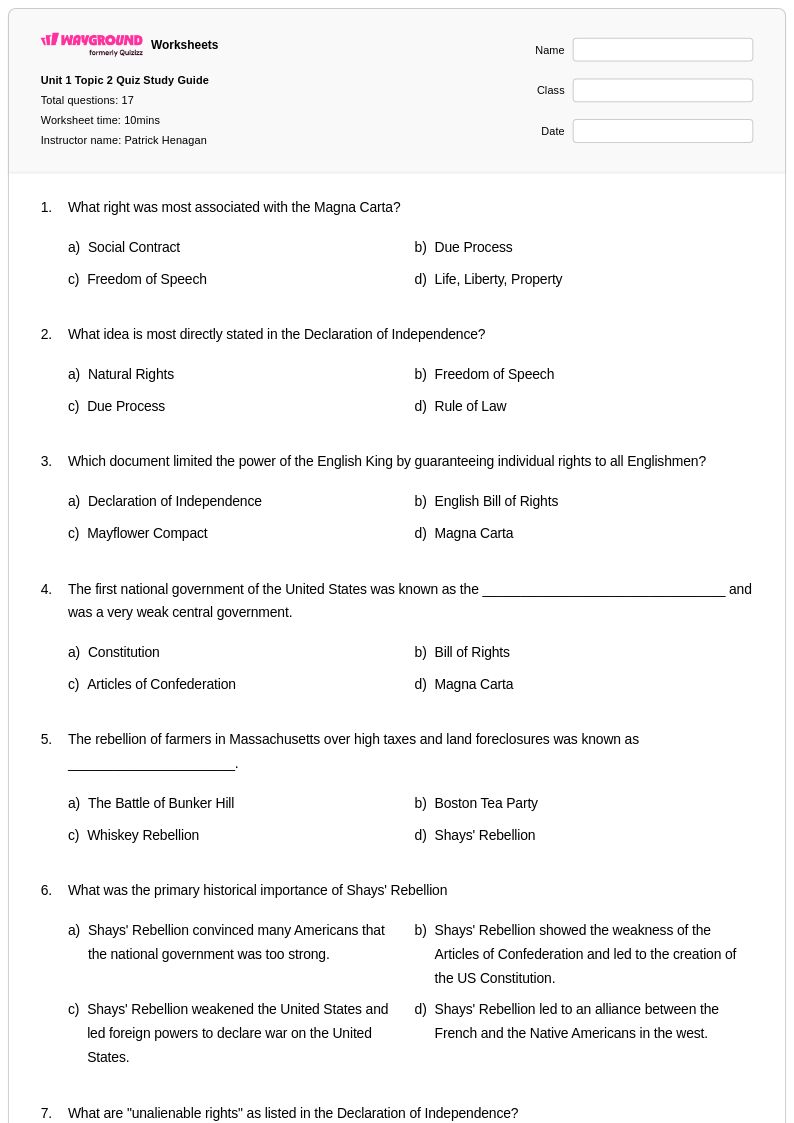
Federalist Debate worksheets for Class 9 students available through Wayground (formerly Quizizz) provide comprehensive coverage of one of the most pivotal constitutional discussions in American history. These educational resources help students analyze the fundamental arguments between Federalists and Anti-Federalists regarding ratification of the Constitution, examining key figures like Alexander Hamilton, James Madison, and Patrick Henry while exploring concepts such as federalism, states' rights, and the balance of governmental power. The worksheets strengthen critical thinking skills through document analysis, comparative reasoning, and historical argumentation as students work through practice problems that require them to evaluate primary source excerpts from The Federalist Papers and Anti-Federalist writings. Each worksheet collection includes detailed answer keys and is available as free printables in pdf format, making it easy for educators to distribute materials and assess student understanding of this crucial constitutional debate.
Wayground (formerly Quizizz) supports Social Studies teachers with an extensive collection of millions of teacher-created resources specifically designed for Federalist Debate instruction at the Class 9 level. The platform's advanced search and filtering capabilities allow educators to quickly locate worksheets that align with state and national standards, while differentiation tools enable teachers to customize materials for diverse learning needs and ability levels. These flexible resources are available in both printable and digital formats, including downloadable pdf versions that facilitate seamless integration into lesson planning, targeted remediation for struggling students, and enrichment opportunities for advanced learners. Teachers can efficiently modify existing worksheets or combine multiple resources to create comprehensive practice sessions that reinforce students' understanding of constitutional principles, political philosophy, and the historical significance of the ratification process that shaped the foundation of American government.
FAQs
How do I teach the Federalist vs. Anti-Federalist debate in my classroom?
Teaching the Federalist debate works best when students are grounded in the core disagreement: Federalists argued for a strong central government and believed the Constitution's checks and balances would prevent tyranny, while Anti-Federalists feared federal overreach and demanded protections for state sovereignty and individual rights. Start with primary source excerpts from Federalist No. 10 or No. 51 alongside Anti-Federalist responses, then guide students to identify the specific claims each side made about representation, power, and liberty. Structured debates, Socratic seminars, and compare-contrast graphic organizers help students move beyond surface-level summaries into genuine analytical engagement with the arguments.
What exercises help students practice analyzing the Federalist Papers?
Students benefit most from exercises that require them to identify the central argument of a specific Federalist Paper, trace the evidence or reasoning the author uses, and evaluate how that argument responds to Anti-Federalist objections. Structured annotation tasks, claim-evidence-reasoning frames, and side-by-side document comparisons all build the close-reading skills this content demands. Practice problems that ask students to connect the arguments to specific constitutional provisions, such as the Necessary and Proper Clause or the Bill of Rights, help anchor abstract political philosophy to tangible civic structures.
What misconceptions do students commonly have about the Federalist debate?
A frequent misconception is that Federalists simply wanted more government while Anti-Federalists wanted less — students often miss that Anti-Federalists were not opposed to national unity, but to a constitution they believed lacked sufficient safeguards against concentrated power. Another common error is conflating the Federalist Party that emerged in the 1790s with the Federalists who advocated for ratification in 1787 and 1788; these are overlapping but distinct groups. Students also tend to underestimate the Anti-Federalist contribution to American governance, not recognizing that Anti-Federalist pressure directly produced the Bill of Rights.
How can I use Federalist Debate worksheets in both print and digital formats?
Federalist Debate worksheets on Wayground are available as printable PDFs for traditional classroom use and in digital formats for technology-integrated learning environments, including the option to host them as a quiz directly on Wayground. Printable versions work well for close-reading and annotation activities, while digital formats support individual pacing, immediate feedback, and remote or hybrid instruction. Both formats include complete answer keys, so teachers can use them for direct instruction, independent practice, or self-directed review without additional preparation.
How do I differentiate Federalist Debate instruction for students at different readiness levels?
For struggling readers, scaffolding primary source documents with vocabulary glossaries, shorter excerpts, and guiding questions reduces cognitive load while keeping the analytical task intact. On Wayground, teachers can apply accommodations such as read-aloud support and reduced answer choices to specific students, so those who need additional access supports receive them without drawing attention or disrupting the rest of the class. Advanced students can be challenged with extended tasks that ask them to trace how specific Anti-Federalist arguments shaped the final ratification process or to evaluate the philosophical influences behind Hamilton's and Madison's positions.
Which key figures should students know when studying the Federalist debate?
Students should be familiar with Alexander Hamilton, James Madison, and John Jay as the authors of The Federalist Papers, written under the pseudonym Publius. On the Anti-Federalist side, key figures include George Mason, Patrick Henry, and the writer known as Brutus, whose essays provided the most systematic critique of the proposed Constitution. Understanding the positions and rhetorical strategies of these individuals helps students analyze the debate as a genuine clash of political philosophies rather than a straightforward narrative about the Constitution's acceptance.