Free Printable Fruits of the Holy Spirit Worksheets for Class 3
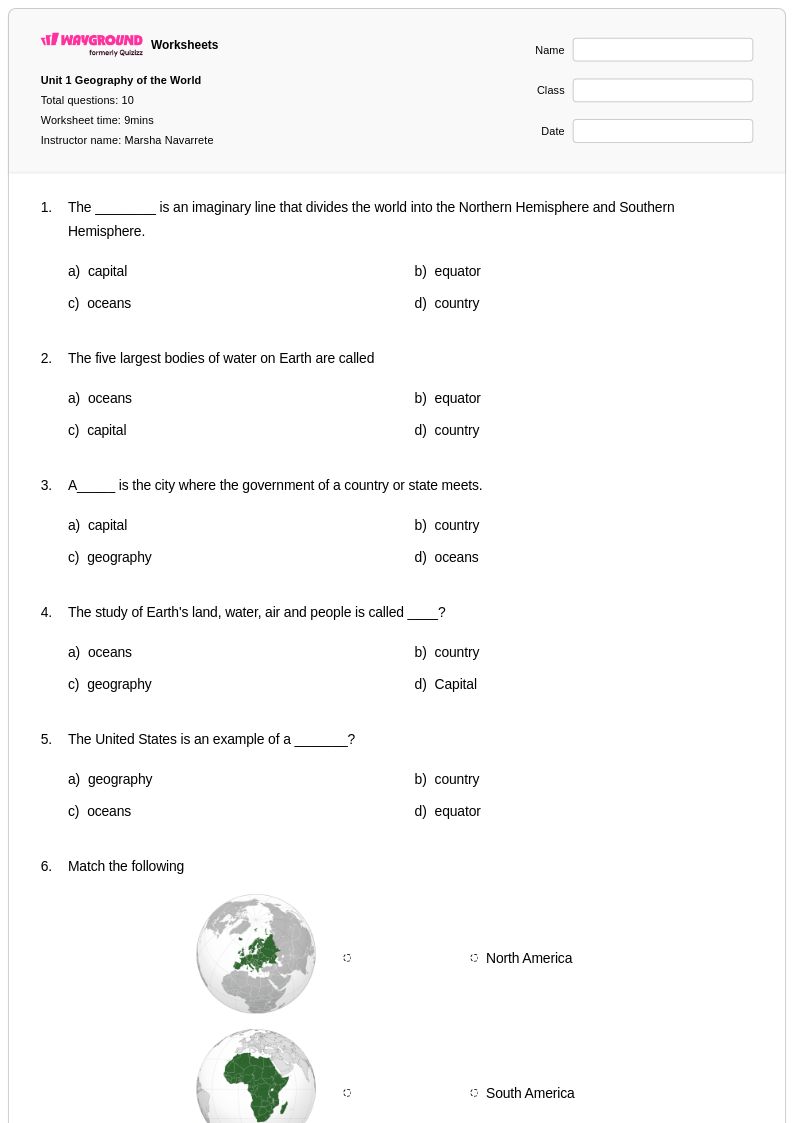
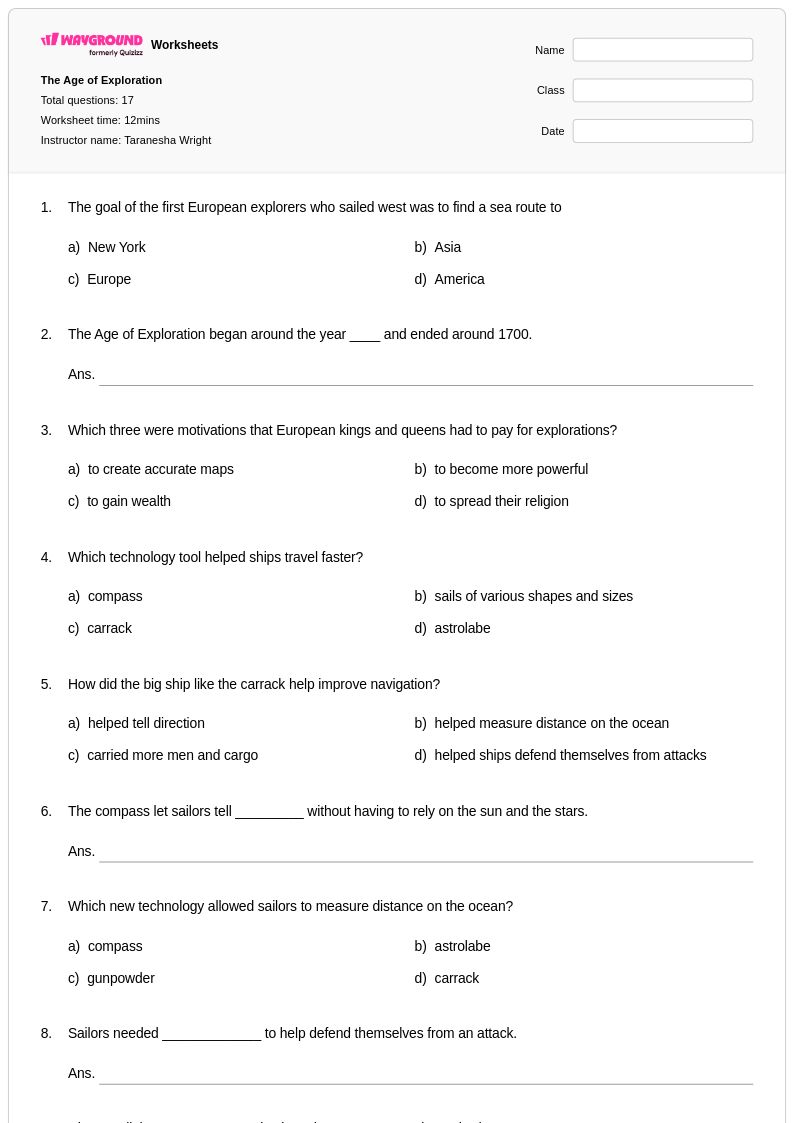
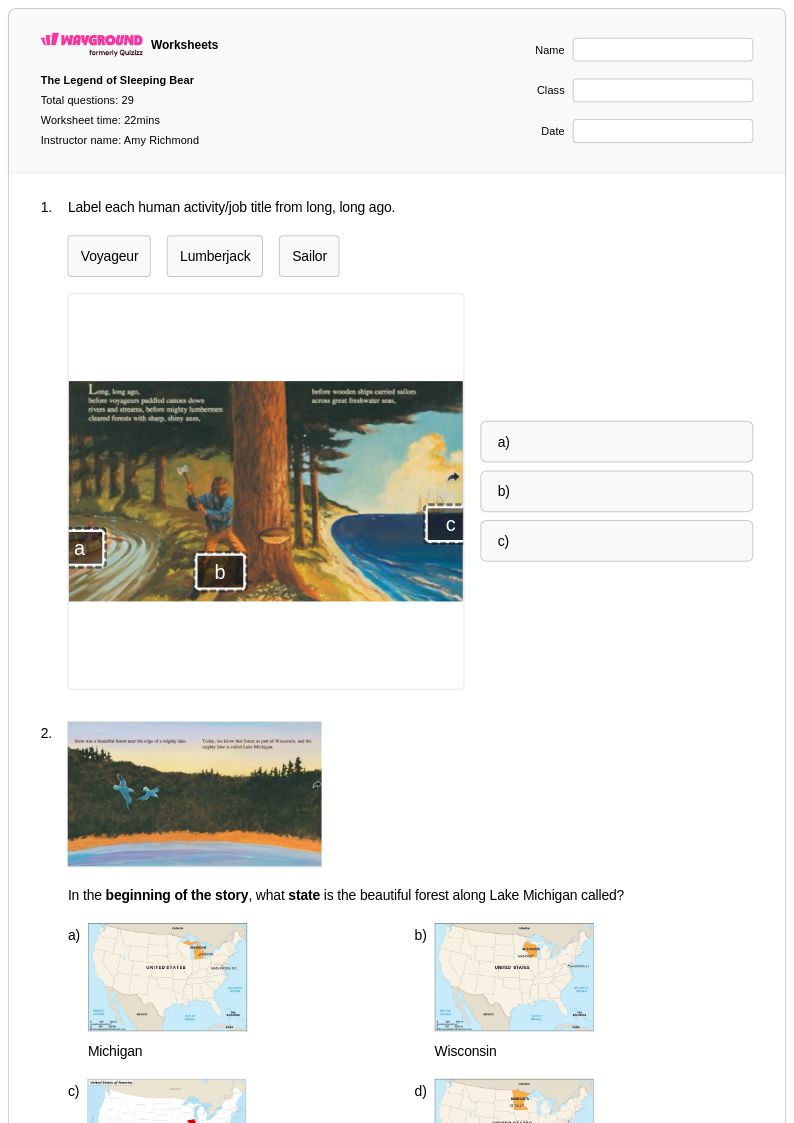
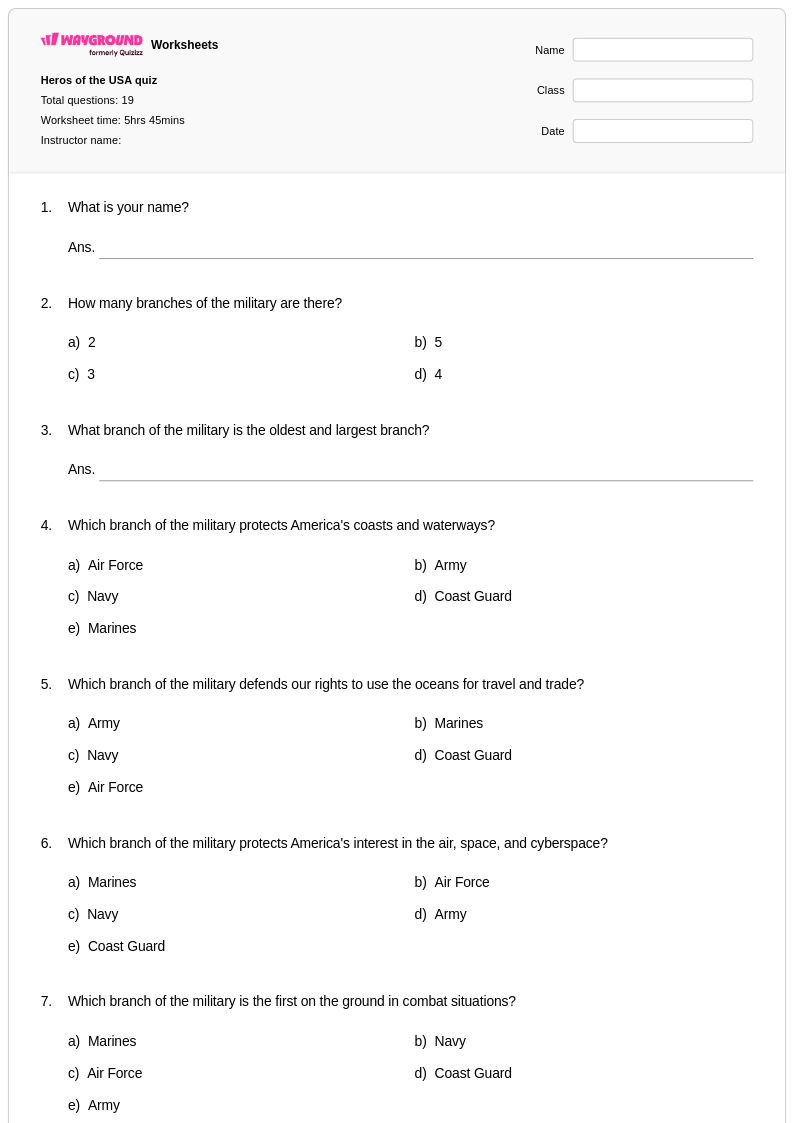
Explore Class 3 Fruits of the Holy Spirit printables and free worksheets that help students learn about spiritual virtues through engaging practice problems, downloadable PDFs, and comprehensive answer keys from Wayground.
Explore printable Fruits of the Holy Spirit worksheets for Class 3
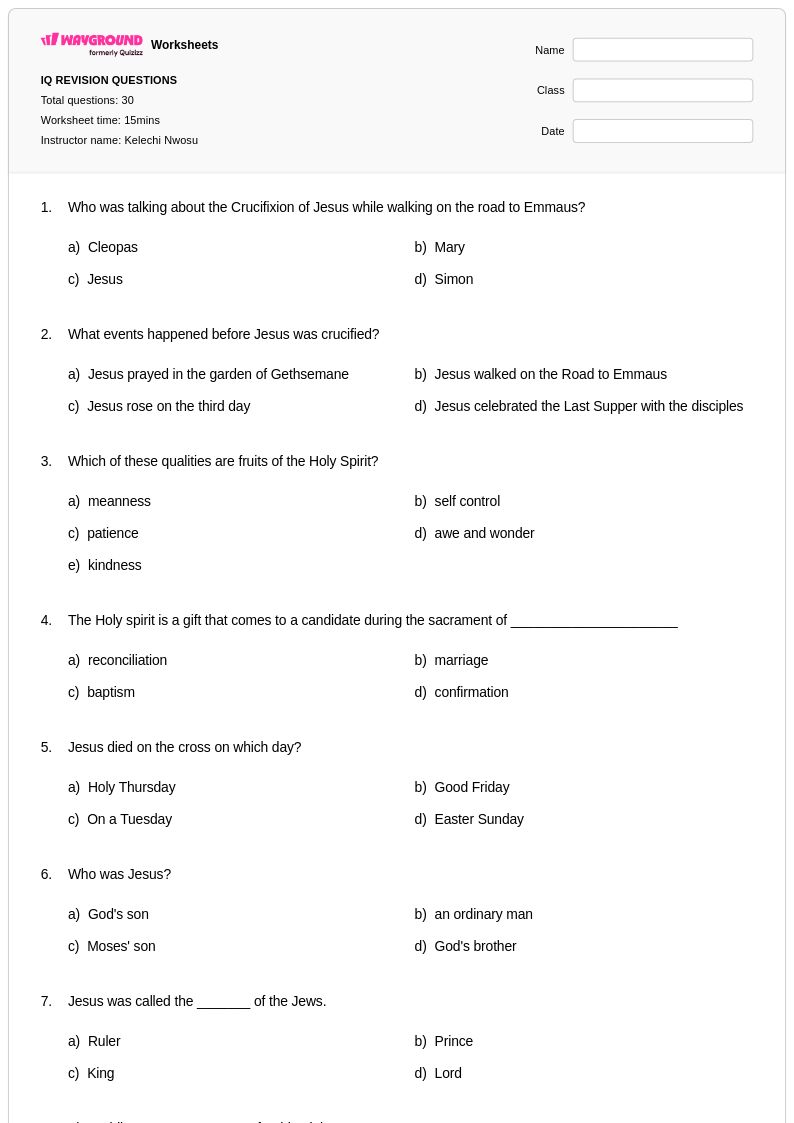
The Fruits of the Holy Spirit worksheets available through Wayground provide Class 3 students with meaningful opportunities to explore Christian values within their social studies curriculum while developing cultural awareness and character understanding. These comprehensive educational materials help young learners identify and understand the nine fruits of the spirit—love, joy, peace, patience, kindness, goodness, faithfulness, gentleness, and self-control—through age-appropriate activities that connect spiritual concepts to daily community interactions. Students strengthen critical thinking skills as they complete practice problems that require them to recognize these virtues in real-world scenarios, analyze how these qualities build stronger communities, and reflect on their own character development. Each worksheet collection includes detailed answer keys and is available as free printables in convenient pdf format, making it simple for educators to integrate these valuable resources into their lesson plans while supporting both academic learning and moral development.
Wayground's extensive collection of teacher-created resources supports educators with millions of high-quality worksheets specifically designed for elementary social studies instruction, featuring robust search and filtering capabilities that allow teachers to quickly locate materials aligned with their specific curriculum needs. The platform's differentiation tools enable instructors to customize these Fruits of the Holy Spirit worksheets to accommodate diverse learning styles and abilities within their Class 3 classrooms, while flexible formatting options provide both printable pdf versions for traditional classroom use and digital alternatives for modern learning environments. These comprehensive features streamline lesson planning by offering ready-to-use materials for skill practice, targeted remediation for students who need additional support, and enrichment opportunities for advanced learners, ensuring that all students can meaningfully engage with content that builds both academic knowledge and personal character while fostering deeper understanding of community values and cultural traditions.
FAQs
How do I teach the Fruits of the Holy Spirit in a classroom setting?
Teaching the Fruits of the Holy Spirit is most effective when students can connect each virtue to real-world examples they recognize. Start by introducing each of the nine fruits — love, joy, peace, patience, kindness, goodness, faithfulness, gentleness, and self-control — and then ask students to identify how these traits appear in historical figures, community leaders, or cultural traditions. Grounding abstract virtues in concrete examples helps students internalize their meaning rather than simply memorizing a list.
What exercises help students practice identifying the Fruits of the Holy Spirit?
Effective practice exercises include matching activities where students pair each fruit to a definition or scenario, short-answer reflections asking students to describe a time they witnessed a specific virtue in action, and analysis tasks where students examine how virtues like patience or kindness have shaped social movements or community relationships. These exercises build both comprehension and critical thinking by asking students to apply the virtues rather than just recall them.
What misconceptions do students commonly have about the Fruits of the Holy Spirit?
A common misconception is that students treat the Fruits of the Holy Spirit as a simple vocabulary list rather than interconnected character traits that overlap and reinforce each other in practice. Students also frequently confuse the Fruits of the Holy Spirit with the Gifts of the Holy Spirit, so explicitly distinguishing between the two concepts early in instruction prevents confusion. Another error is assuming these virtues are exclusively religious in scope — helping students see how traits like self-control and kindness are valued across cultures and communities deepens their understanding.
How can I use Fruits of the Holy Spirit worksheets in my classroom?
Fruits of the Holy Spirit worksheets on Wayground are available as printable PDFs for traditional classroom use and in digital formats for technology-integrated learning environments, including the option to host them as a quiz directly on Wayground. Teachers can use them for introductory instruction, guided practice, or independent review, and all worksheets include complete answer keys to support efficient grading and self-assessment.
How do I differentiate Fruits of the Holy Spirit instruction for students at different learning levels?
Differentiation can include adjusting the complexity of the scenarios students analyze — younger or struggling learners can focus on straightforward definitions and visual matching tasks, while advanced students examine how virtues like faithfulness or goodness have influenced historical events or cross-cultural relationships. On Wayground, teachers can apply accommodations such as read aloud, reduced answer choices, and extended time to individual students, ensuring all learners can engage meaningfully with the content without disrupting the rest of the class.
How do Fruits of the Holy Spirit fit into a social studies curriculum?
The Fruits of the Holy Spirit connect naturally to social studies themes including community building, cultural values, citizenship, and historical analysis of moral leadership. Students can examine how virtues such as peace, kindness, and self-control have shaped social movements, informed community governance, and fostered cross-cultural understanding across different historical periods and societies. This framing allows the topic to complement character education goals while aligning with broader social studies standards.