Free Printable Winter Clothing Worksheets for Class 3
Discover free Class 3 winter clothing worksheets and printables from Wayground that help students explore how different cultures and communities dress for cold weather through engaging practice problems and comprehensive answer keys.
Explore printable Winter Clothing worksheets for Class 3
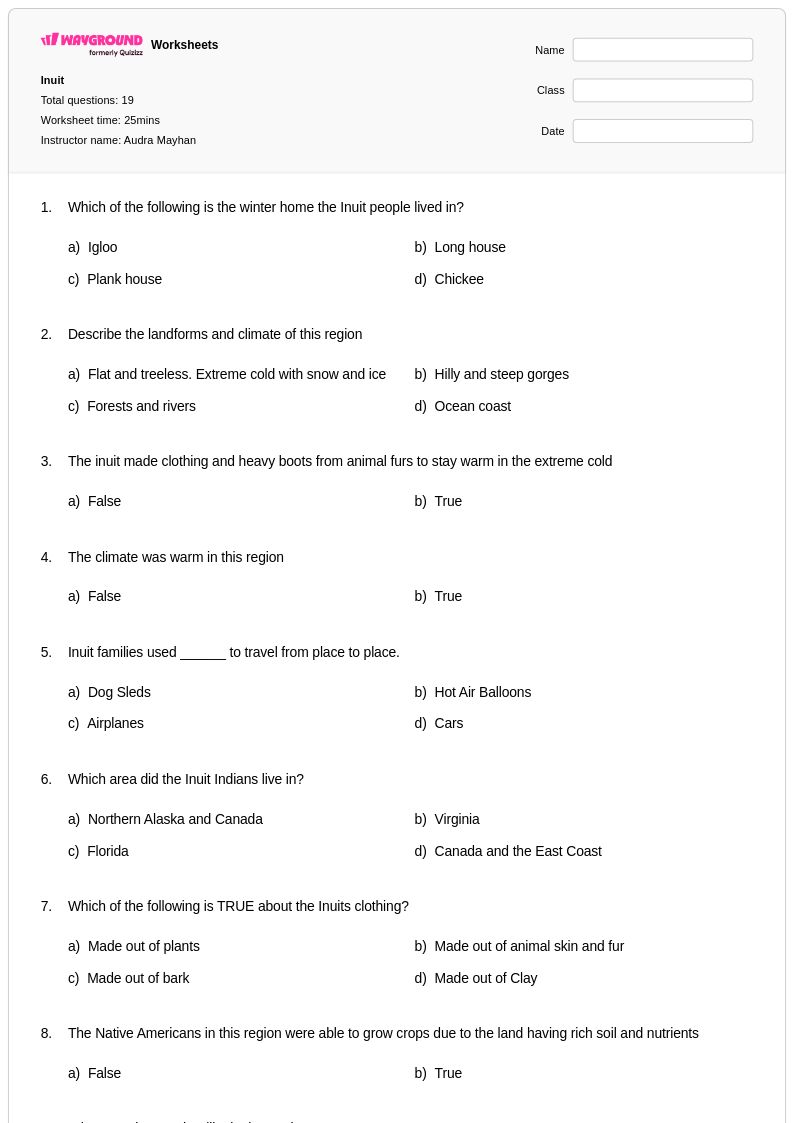
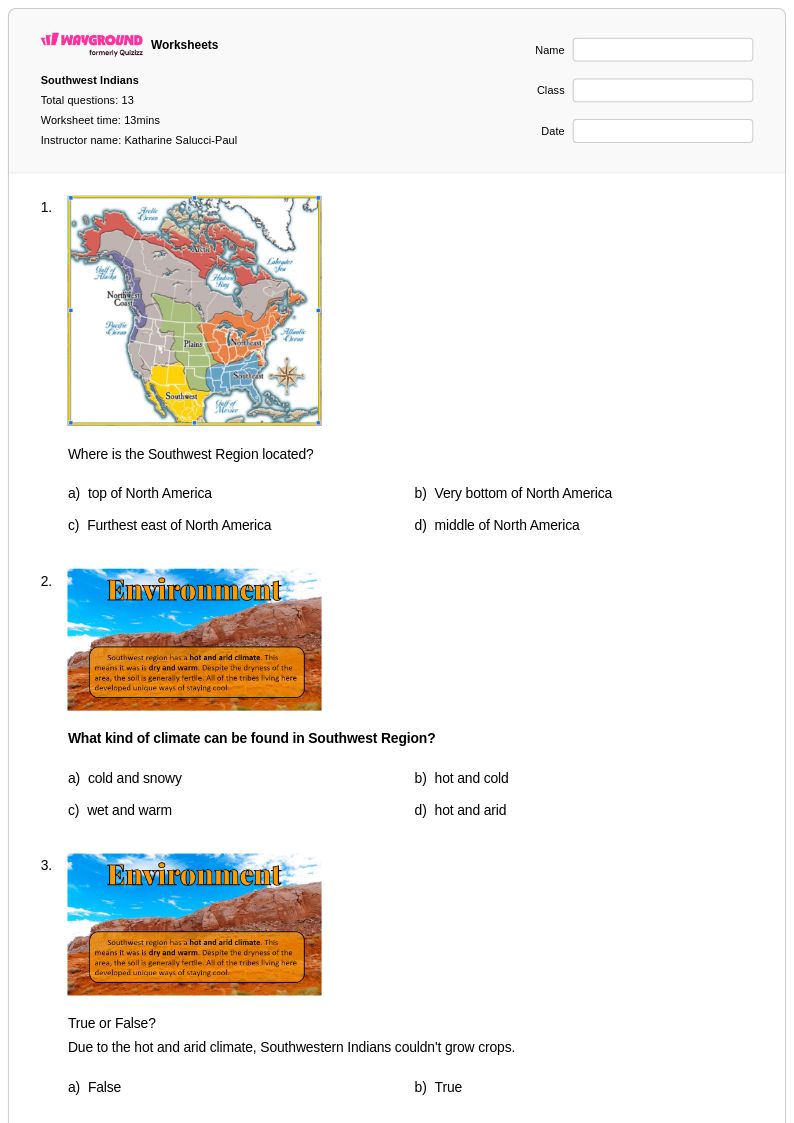
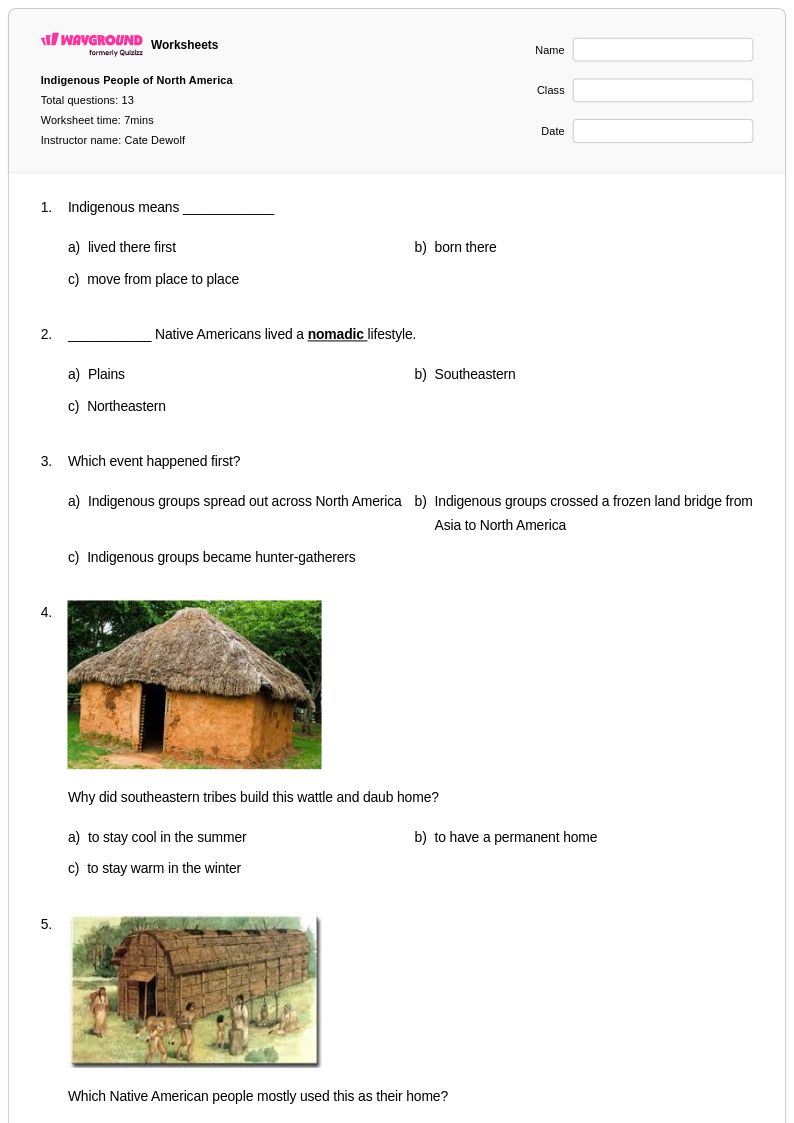
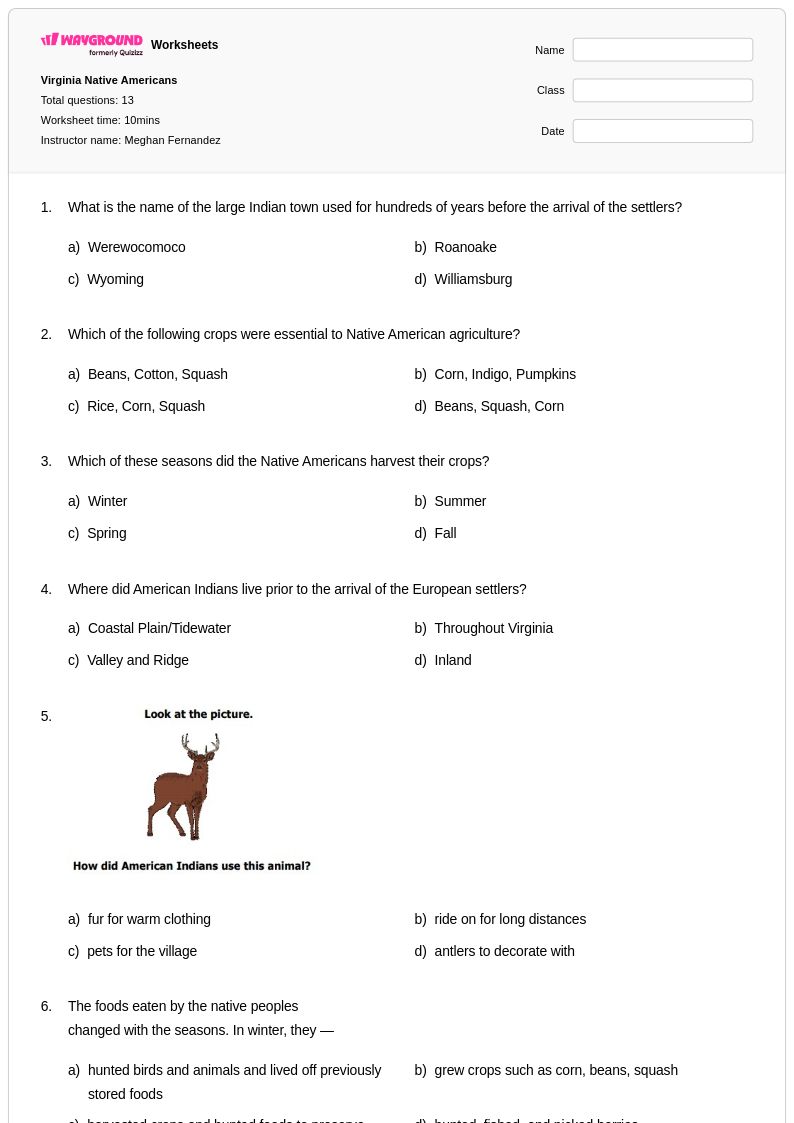
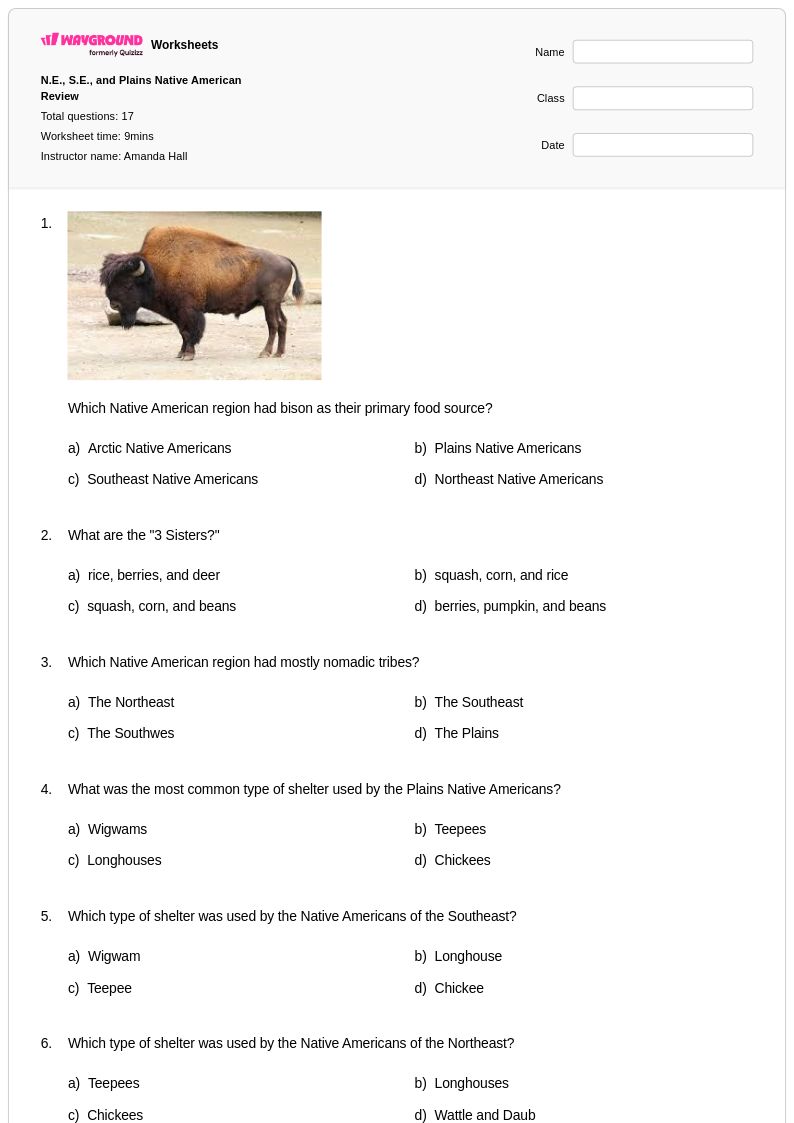
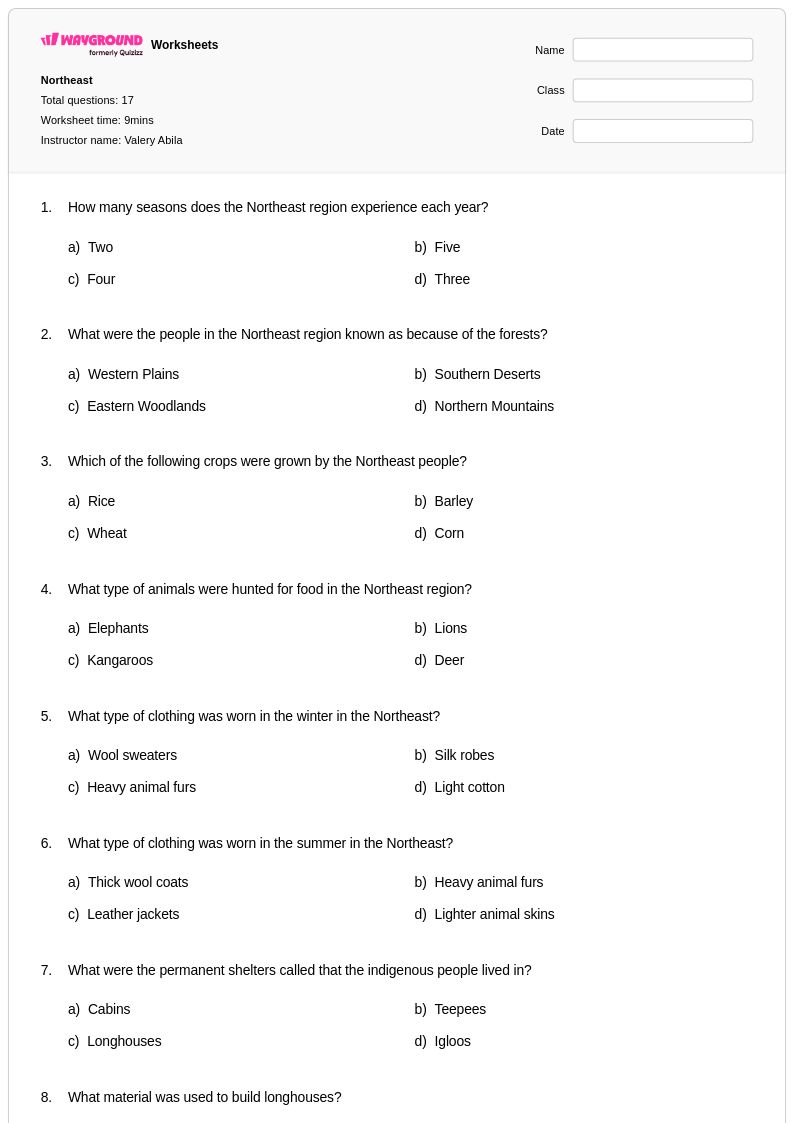
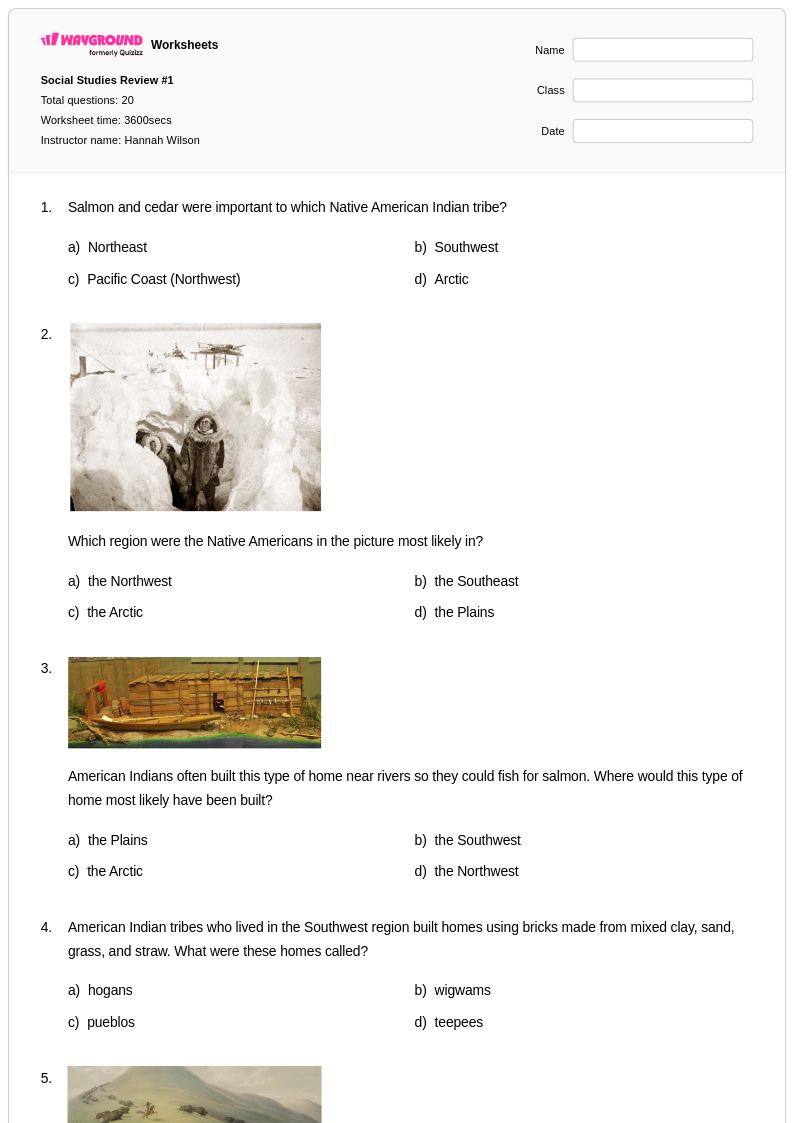
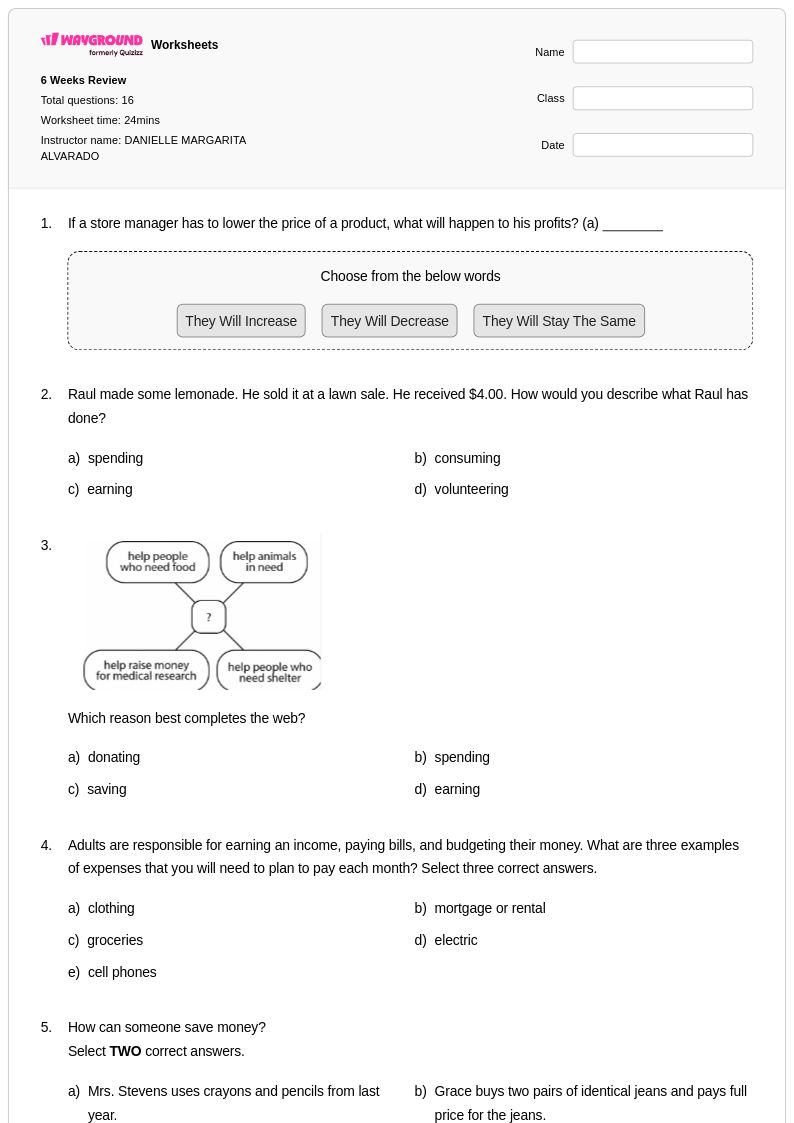
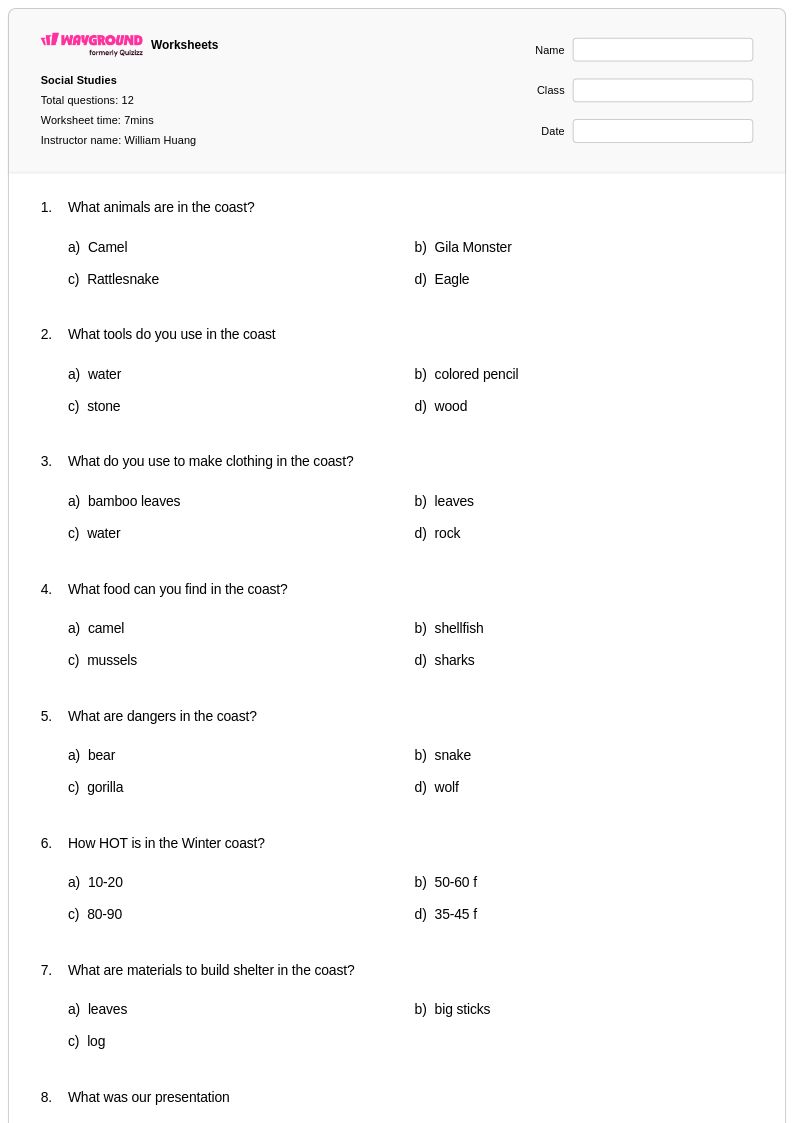
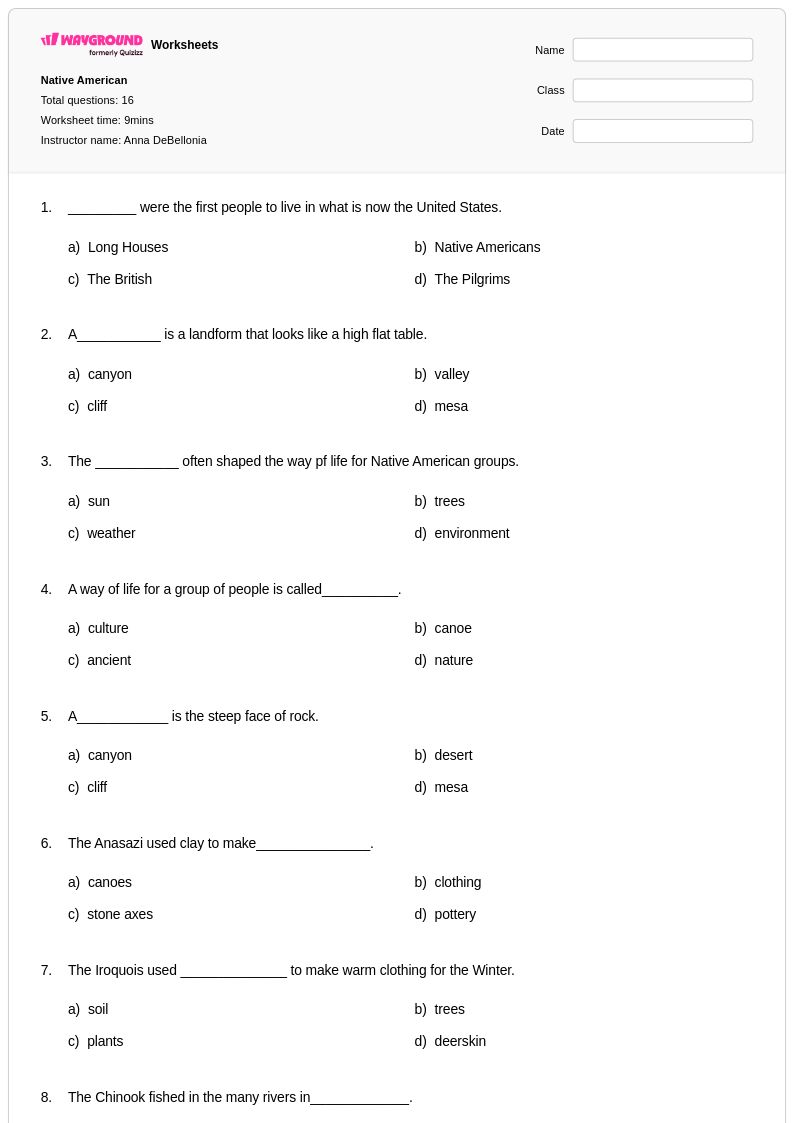
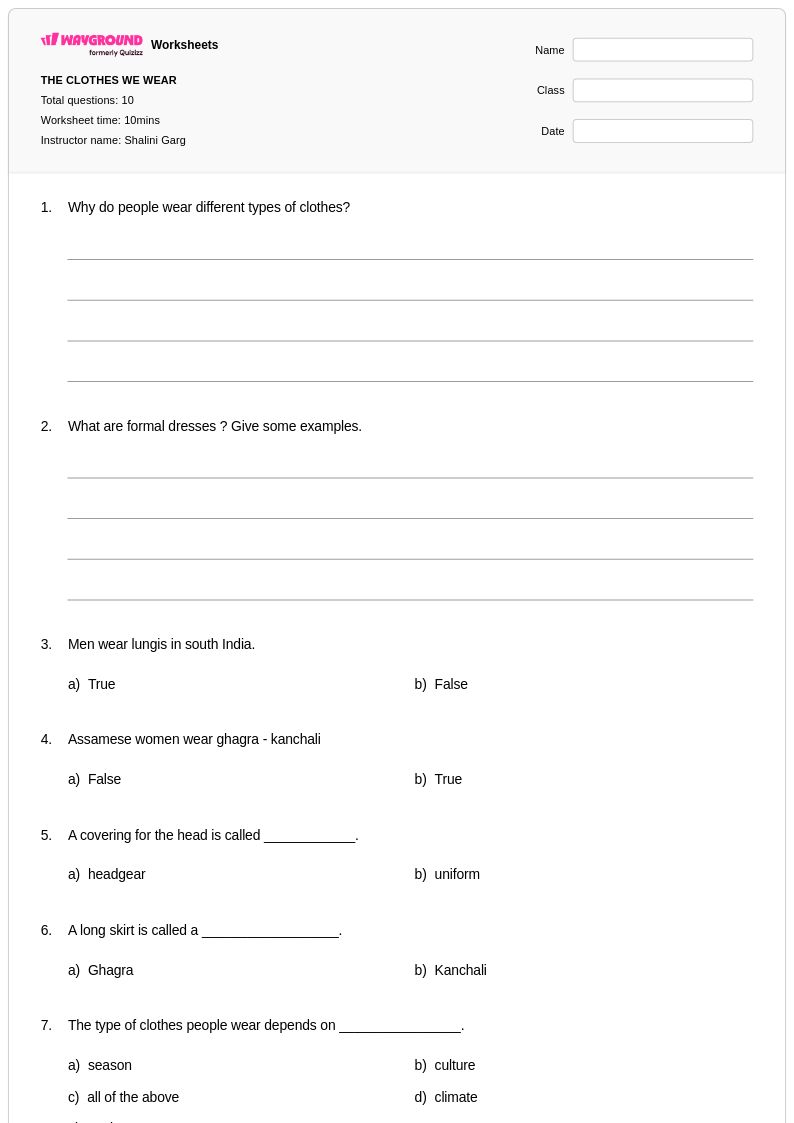
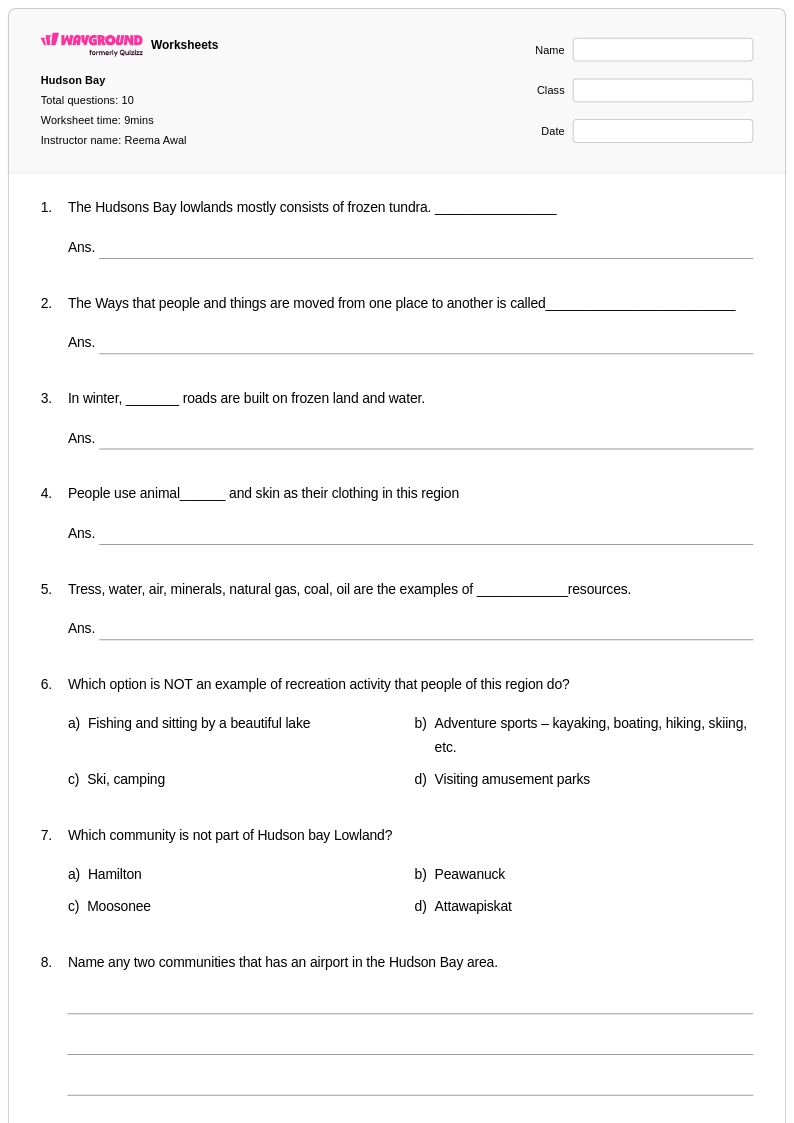
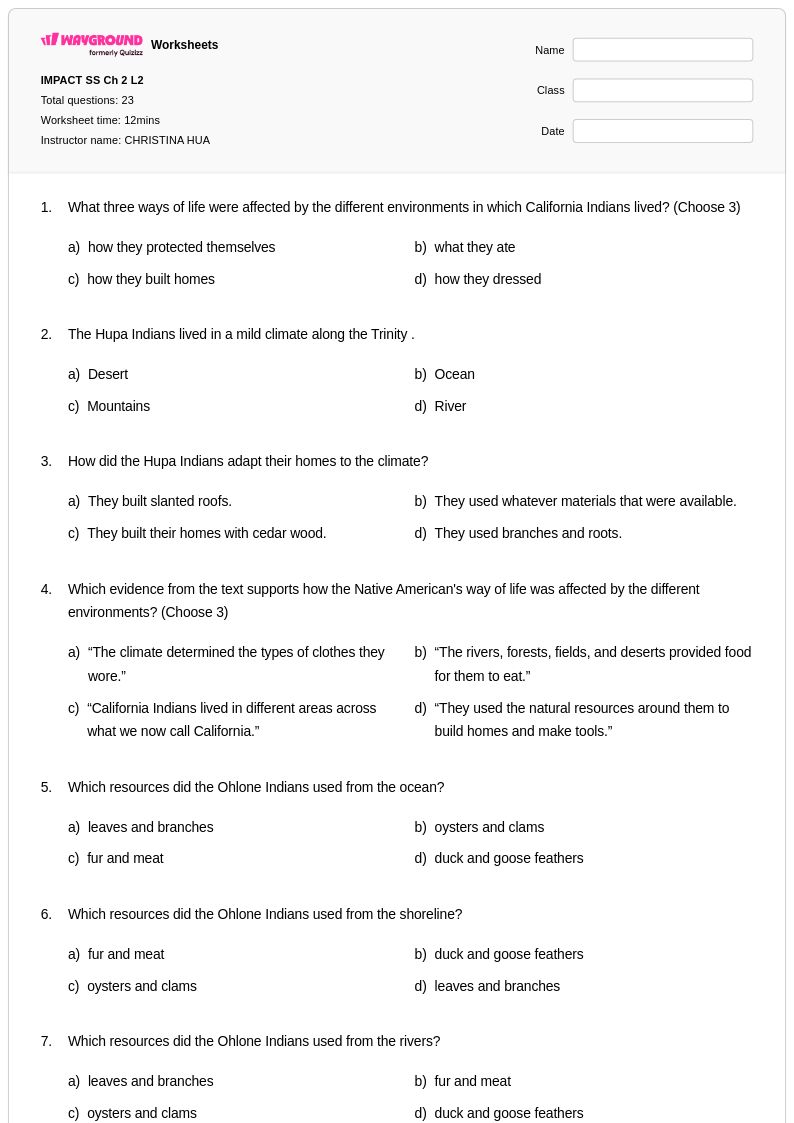
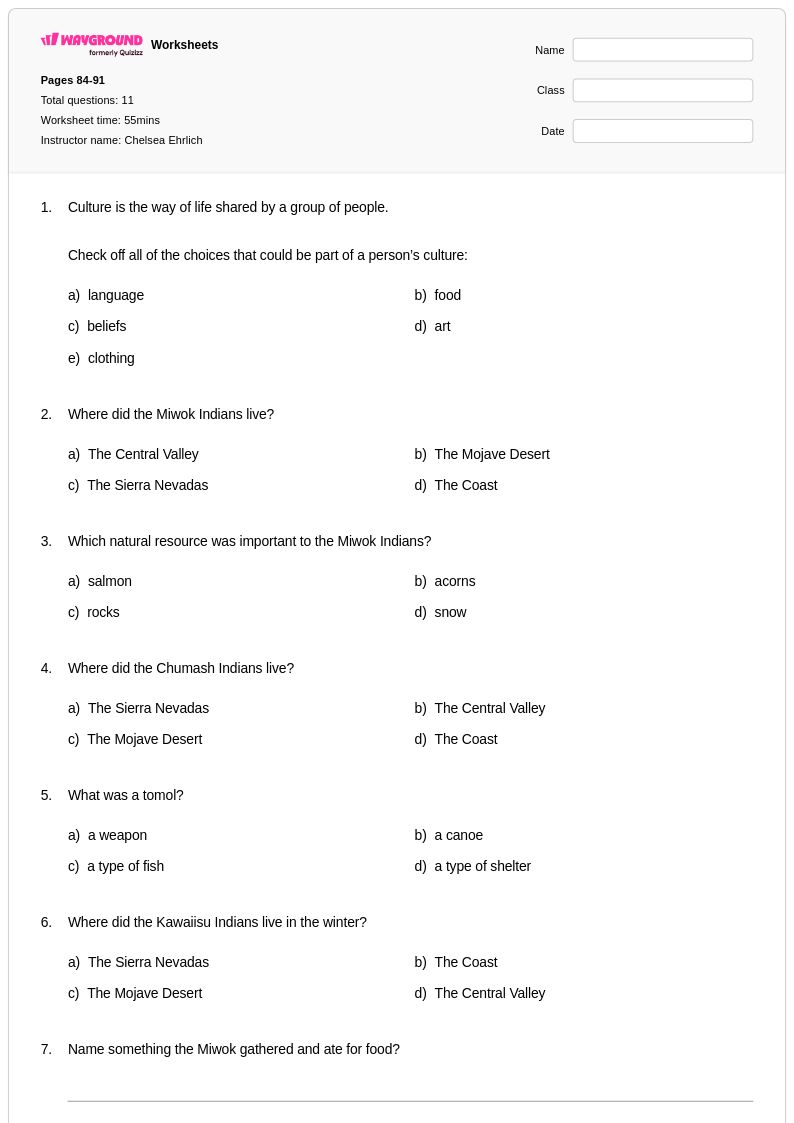
Winter clothing worksheets for Class 3 students offer an engaging way to explore how different communities and cultures adapt to cold weather conditions around the world. These educational resources help young learners develop critical thinking skills as they examine the relationship between climate, geography, and cultural practices through the lens of winter garments and accessories. Students strengthen their analytical abilities by comparing traditional winter clothing from various cultures, understanding how materials and designs reflect both environmental needs and cultural values. The comprehensive collection includes practice problems that challenge students to categorize clothing items, match garments to their cultural origins, and explain the practical purposes of different winter wear. Each worksheet comes with a detailed answer key to support independent learning, and the materials are available as free printables in convenient PDF format for easy classroom distribution.
Wayground, formerly Quizizz, provides educators with an extensive library of millions of teacher-created resources focused on winter clothing and cultural studies for Class 3 classrooms. The platform's robust search and filtering capabilities allow teachers to quickly locate worksheets that align with specific learning standards and curriculum requirements for social studies instruction. These differentiation tools enable educators to customize materials for diverse learning needs, offering both remediation support for struggling students and enrichment opportunities for advanced learners. The flexible format options include both printable PDFs for traditional classroom use and digital versions for interactive learning experiences, making lesson planning more efficient and accessible. Teachers can seamlessly integrate these resources into their instruction for skill practice, assessment preparation, and cross-cultural understanding activities that help students appreciate the diversity of human adaptation to winter climates.
FAQs
How do I teach students about winter clothing and cultural adaptation?
Start by grounding students in the relationship between climate, geography, and clothing choices before introducing cultural variation. Use comparative examples — such as wool coats in Scandinavian regions versus layered furs in Arctic Indigenous communities — to help students see how available materials and temperatures shape traditional dress. Encouraging students to analyze primary images or maps alongside written descriptions builds both geographic and cultural literacy simultaneously.
What activities help students practice comparing winter clothing across cultures?
Compare-and-contrast exercises are among the most effective tools for this topic, asking students to examine two or more regional winter garments and identify similarities in function even when materials and styles differ. Worksheets that prompt students to match traditional garments to their geographic regions, or to sequence the evolution of cold-weather clothing over time, reinforce analytical thinking alongside content knowledge. These structured practice problems work well both independently and as guided group activities.
What misconceptions do students commonly have about winter clothing from different cultures?
A common error is assuming that all cold-climate communities dress similarly, overlooking how cultural values, available natural materials, and historical trade routes create significant variation in traditional winter garments. Students also frequently conflate modern commercial clothing with traditional dress, missing the deeper connection between environment and cultural identity. Worksheets that require students to explain the reasoning behind specific garment features — rather than simply identify them — help surface and correct these misunderstandings.
How can I use winter clothing worksheets to support diverse learners in my classroom?
Winter clothing worksheets on Wayground are available as printable PDFs for traditional classroom use and in digital formats for technology-integrated environments, including the option to host them as a quiz on Wayground. For students who need additional support, Wayground's accommodation tools allow teachers to enable read-aloud for question text, reduce answer choices to lower cognitive load, or grant extended time on digital assignments. These settings can be applied to individual students without notifying the rest of the class, making differentiation seamless during whole-class sessions.
How does studying winter clothing connect to broader social studies standards?
Winter clothing is a concrete, tangible entry point into larger social studies concepts including cultural diversity, environmental adaptation, and the relationship between human communities and their physical geography. Analyzing how different societies have developed distinct cold-weather clothing traditions supports standards around cultural comparisons, geographic influences on human behavior, and the development of community practices over time. It also naturally connects to economics when students explore how material availability and trade shaped what communities had access to.
What kinds of winter clothing topics do Wayground worksheets cover?
Wayground's winter clothing worksheets cover topics such as traditional winter garments from different world regions, the evolution of cold-weather clothing across history, and how geographical factors like temperature, precipitation, and available natural materials influence clothing decisions. Students also explore the cultural significance of specific garments and how winter clothing traditions reflect broader values around community identity and environmental adaptation. This range makes the worksheets useful for both introductory lessons and deeper comparative studies.