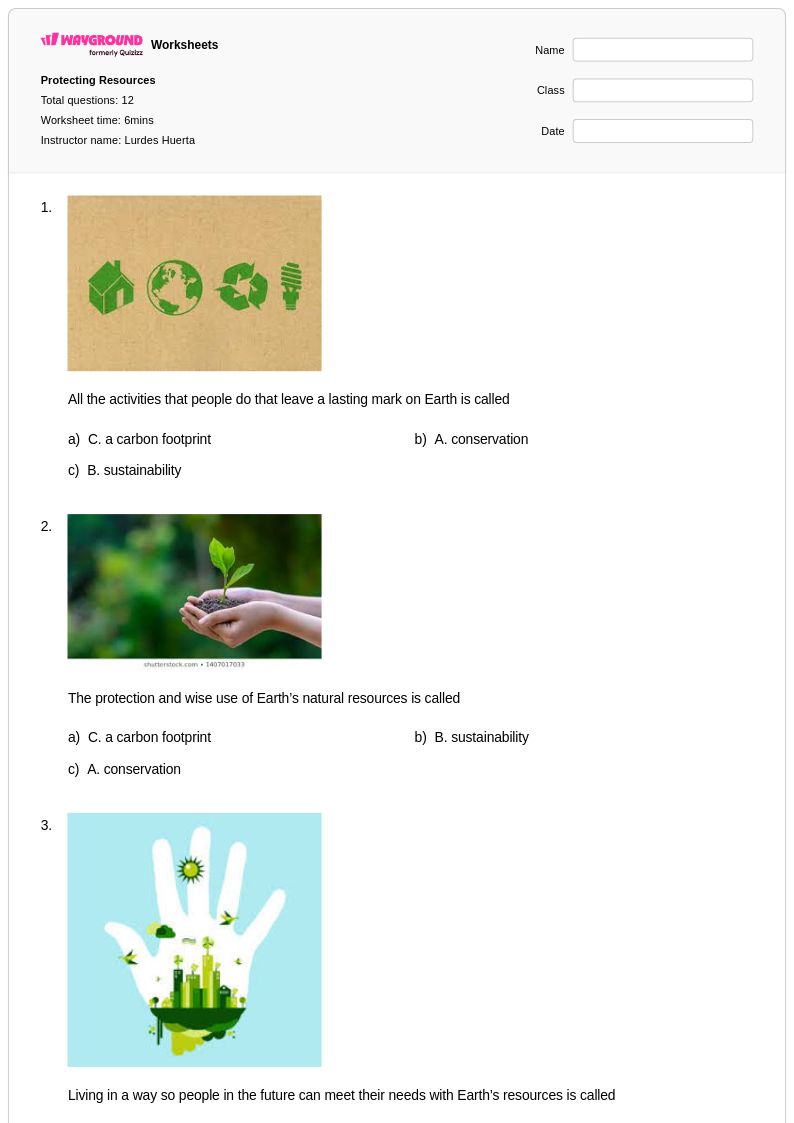
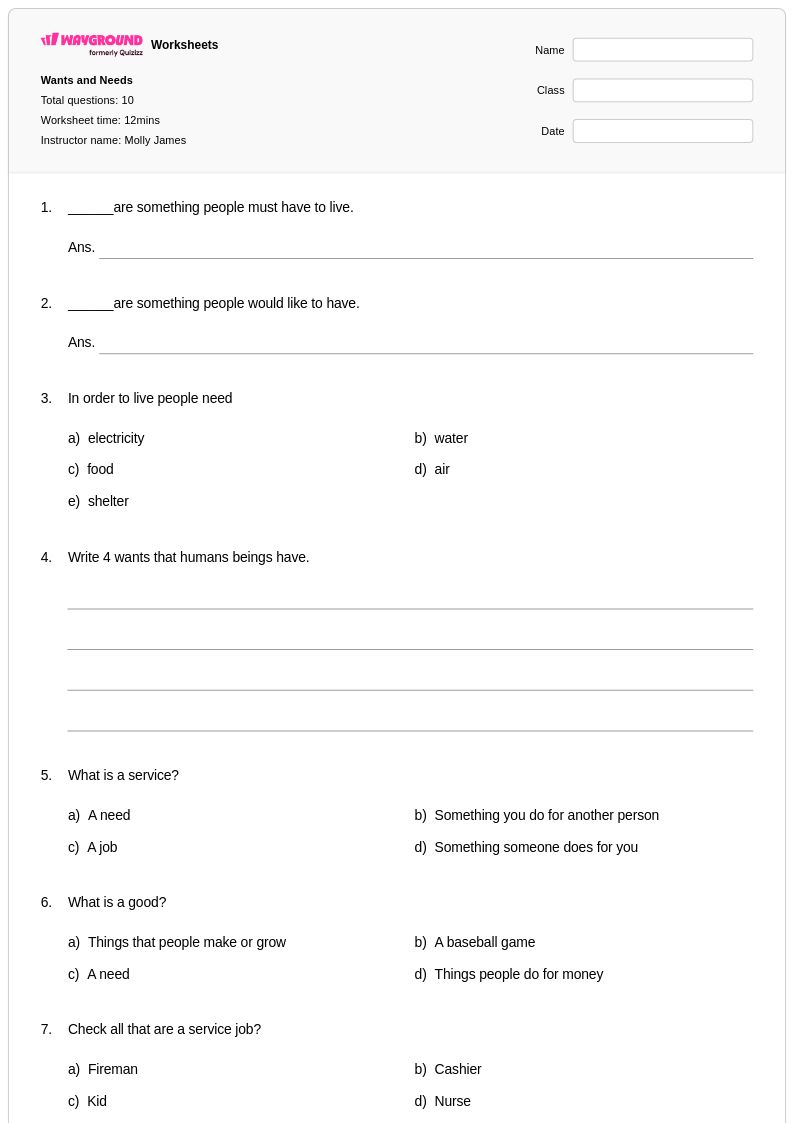
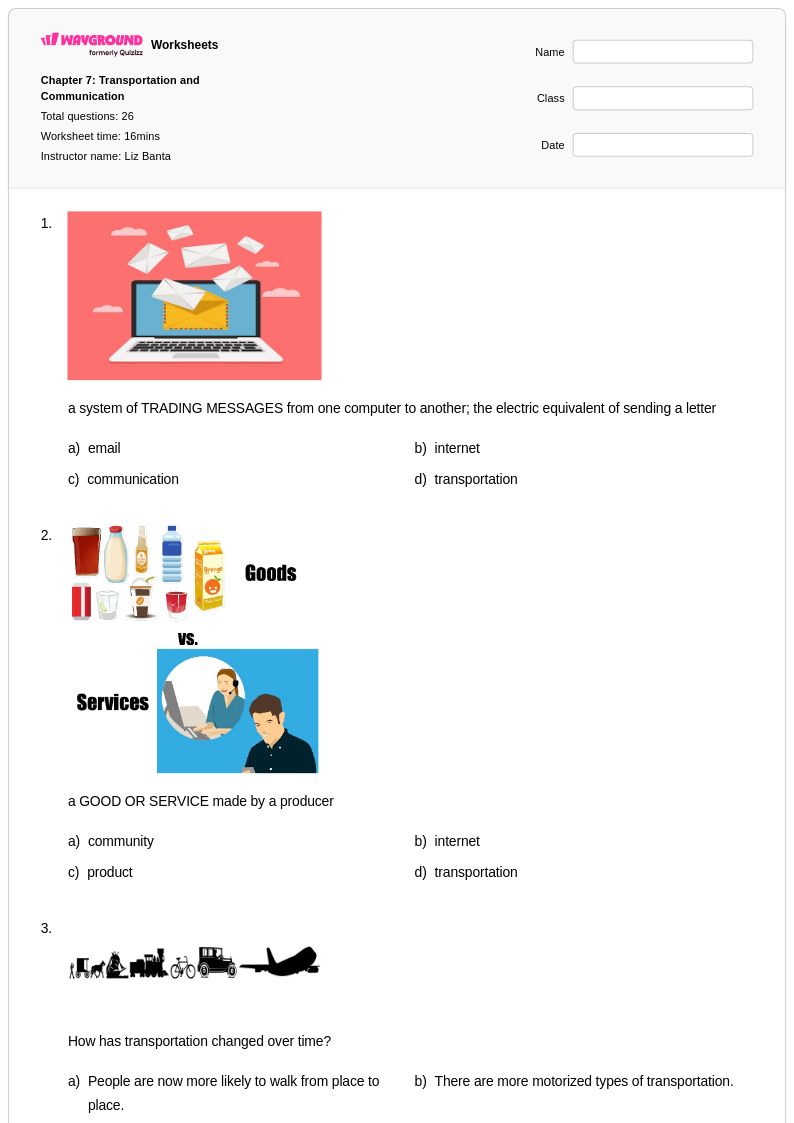
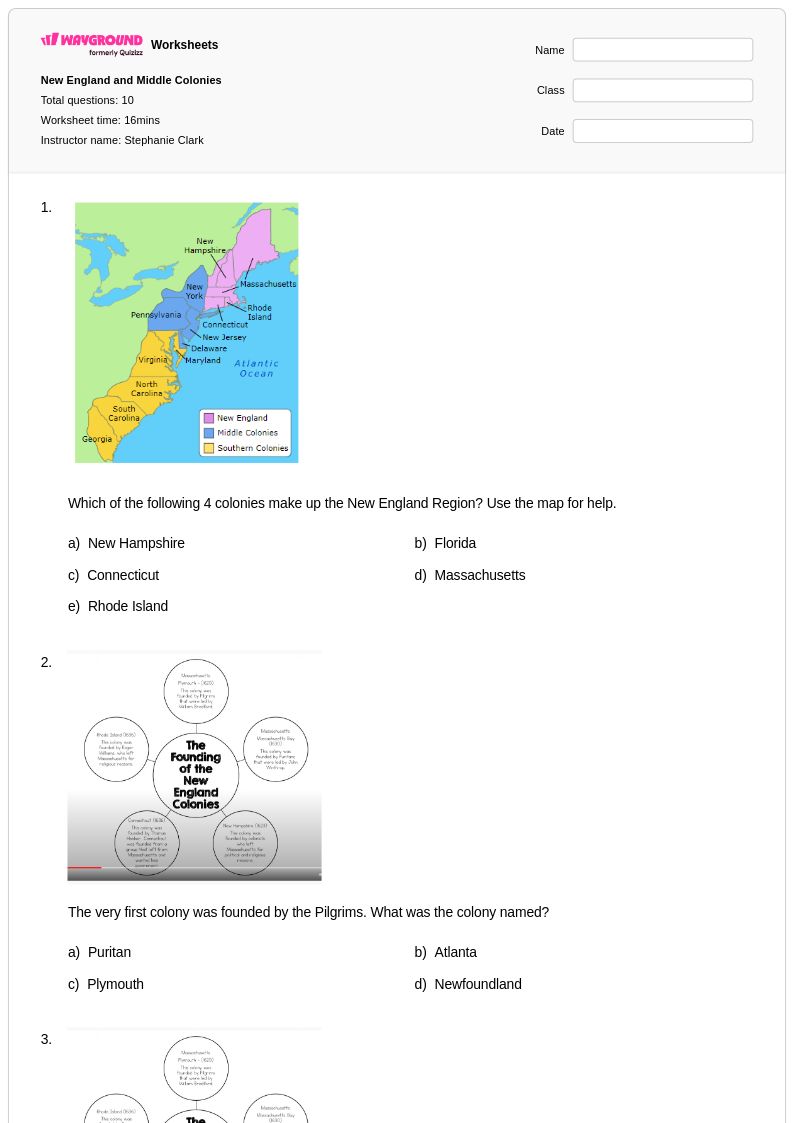
Free Printable Grief and Loss Worksheets for Class 3
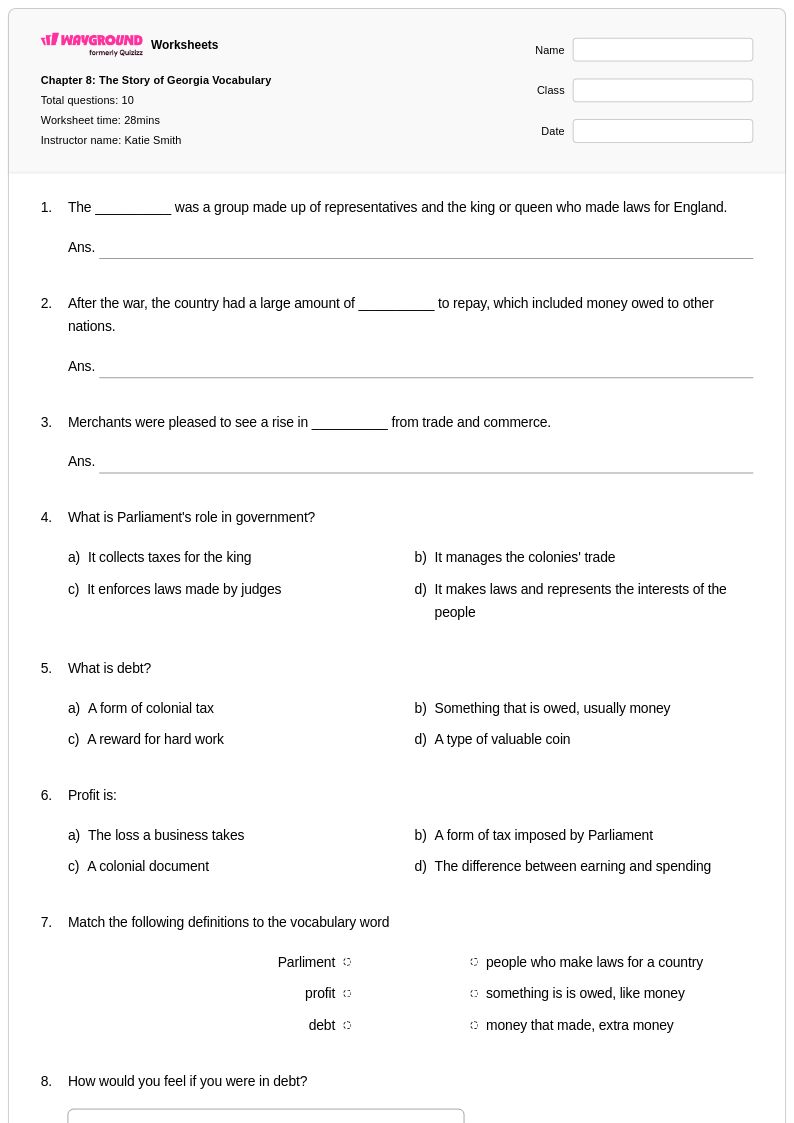
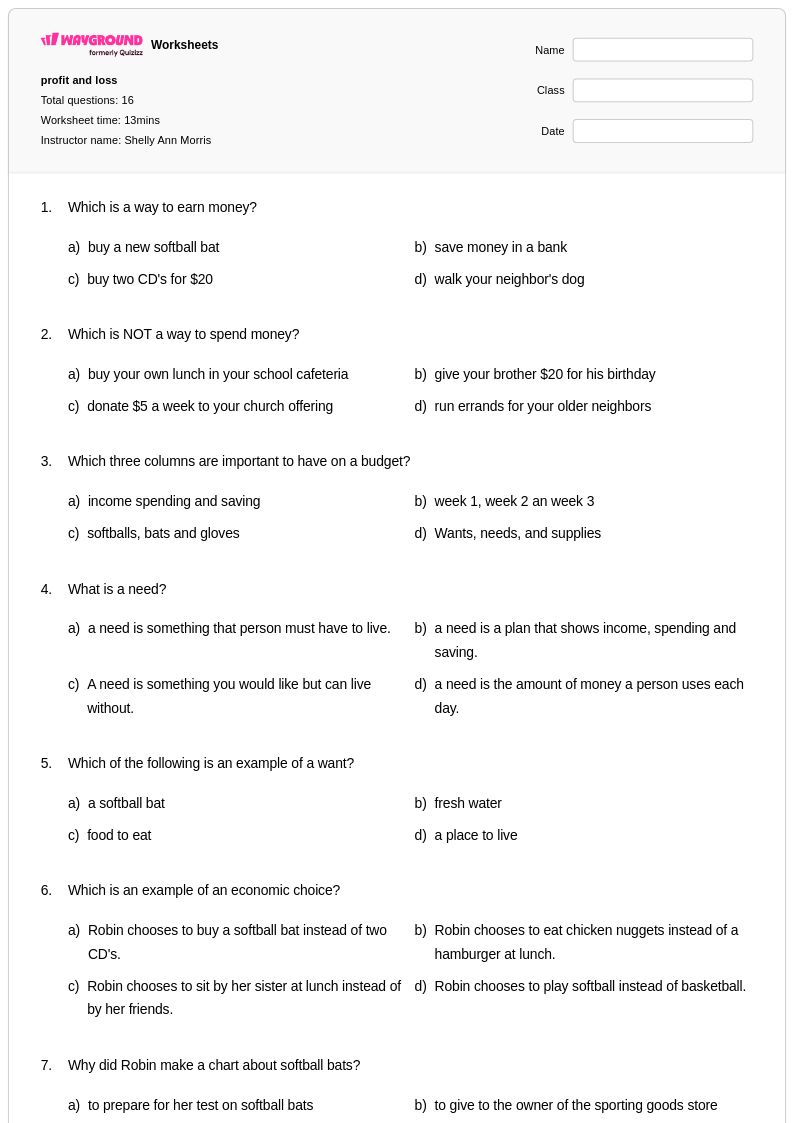
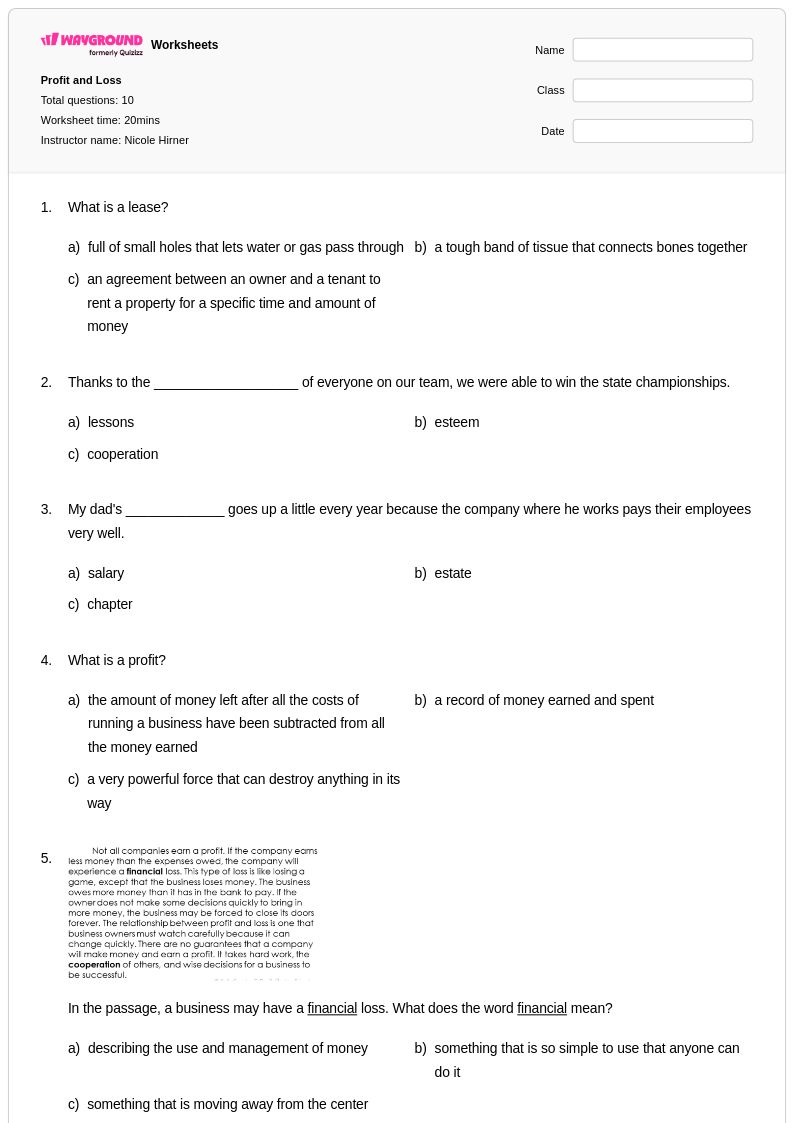
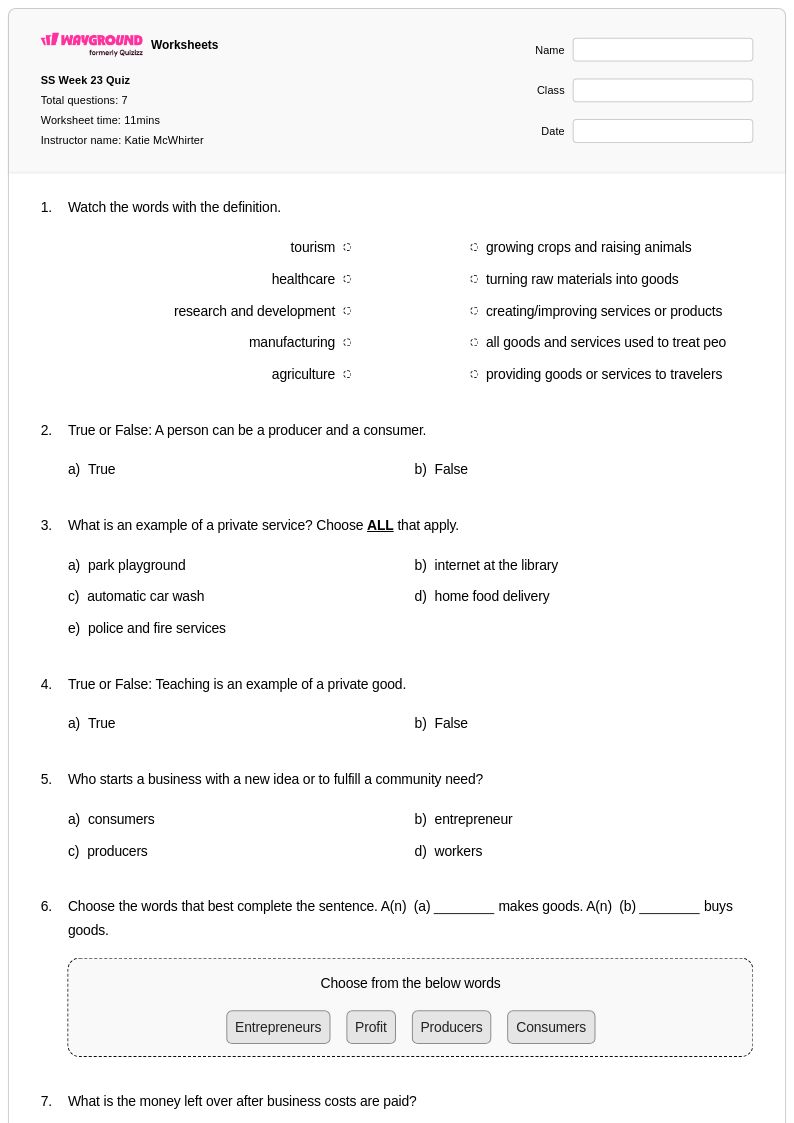
Wayground offers free Class 3 grief and loss worksheets with printables and answer keys to help students develop healthy coping strategies and emotional understanding during difficult times.
Explore printable Grief and Loss worksheets for Class 3
Grief and loss worksheets for Class 3 students available through Wayground provide essential social-emotional learning resources that help young learners understand and process difficult emotions in age-appropriate ways. These thoughtfully designed printables focus on building emotional vocabulary, recognizing feelings associated with loss, and developing healthy coping strategies that third-grade students can understand and apply. The worksheets strengthen critical social skills including empathy, emotional regulation, and communication while offering structured practice problems that guide students through complex emotional concepts. Teachers can access comprehensive answer keys and free pdf downloads that support both independent work and guided instruction, ensuring students receive appropriate support as they navigate these sensitive topics.
Wayground's extensive collection of grief and loss resources draws from millions of teacher-created materials, providing educators with robust search and filtering capabilities to locate worksheets that align with social-emotional learning standards and meet diverse classroom needs. The platform's differentiation tools enable teachers to customize content for various learning levels within Class 3, while flexible formatting options include both printable pdf versions and interactive digital worksheets that accommodate different instructional preferences. These comprehensive resources support effective lesson planning by offering materials suitable for remediation, enrichment, and regular skill practice, helping educators create supportive learning environments where students can safely explore and understand their emotions while developing resilience and emotional intelligence.
FAQs
How do I teach students about grief and loss in a classroom setting?
Teaching grief and loss in the classroom requires creating a psychologically safe environment where students feel comfortable exploring difficult emotions without pressure to share personal experiences. Begin by introducing foundational concepts such as the stages of grief, different types of loss, and the idea that grief has no fixed timeline. Use guided worksheets and structured activities to help students externalize and process feelings in age-appropriate ways, and always connect students to school counselors or support staff when deeper needs arise.
What exercises help students practice coping skills related to grief?
Effective grief coping exercises include identifying personal support systems, journaling about emotions in response to structured prompts, and practicing emotional regulation strategies such as deep breathing or grounding techniques. Worksheets that guide students through recognizing and naming emotions help build the self-awareness needed to manage loss constructively. Activities that build empathy, such as perspective-taking scenarios, also help students understand that grief is a shared human experience and reduce feelings of isolation.
What are common misconceptions students have about grief?
One of the most common misconceptions is that grief follows a strict linear sequence and must be resolved within a set timeframe, when in reality grief is non-linear and highly individual. Students often also believe that experiencing grief means something is wrong with them, rather than understanding it as a natural emotional response to loss. Another frequent error is conflating grief solely with death-related loss, when loss can also include major life changes, relationship endings, or transitions that disrupt a student's sense of security and normalcy.
How can I differentiate grief and loss worksheets for students with different emotional readiness levels?
Differentiation for grief and loss content should account for both academic readiness and emotional comfort, since students vary widely in their exposure to loss and their capacity to engage with sensitive material. On Wayground, teachers can apply individual accommodations such as Read Aloud support for students who benefit from audio delivery of emotionally complex content, reduced answer choices to lower cognitive load during difficult reflective tasks, and extended time for students who need more space to process. These settings can be assigned per student without notifying others, so the classroom experience remains discreet and supportive.
How do I use Wayground's grief and loss worksheets in my classroom?
Wayground's grief and loss worksheets are available as printable PDFs for traditional classroom use and in digital formats for technology-integrated or remote learning environments, accommodating a range of teaching preferences and student needs. Teachers can also host worksheets as quizzes directly on Wayground, enabling structured interactive practice with built-in answer keys for efficient review. The platform's search and filtering tools help educators locate materials matched to their students' developmental and emotional readiness levels.
How do I help a student who seems resistant to engaging with grief-related classroom activities?
Resistance to grief-related activities often signals discomfort, unresolved personal loss, or fear of emotional vulnerability rather than disengagement from learning. Offering choice in how students respond, such as writing versus drawing or private reflection versus group discussion, can reduce the pressure that triggers avoidance. It is also important to communicate clearly that participation does not require personal disclosure and to involve the school counselor when a student's resistance appears to be connected to active grief.