Free Printable Introduction to Heredity Worksheets for Class 4
Explore free Class 4 Introduction to Heredity worksheets and printables from Wayground that help students discover how traits pass from parents to offspring through engaging practice problems with answer keys.
Explore printable Introduction to Heredity worksheets for Class 4
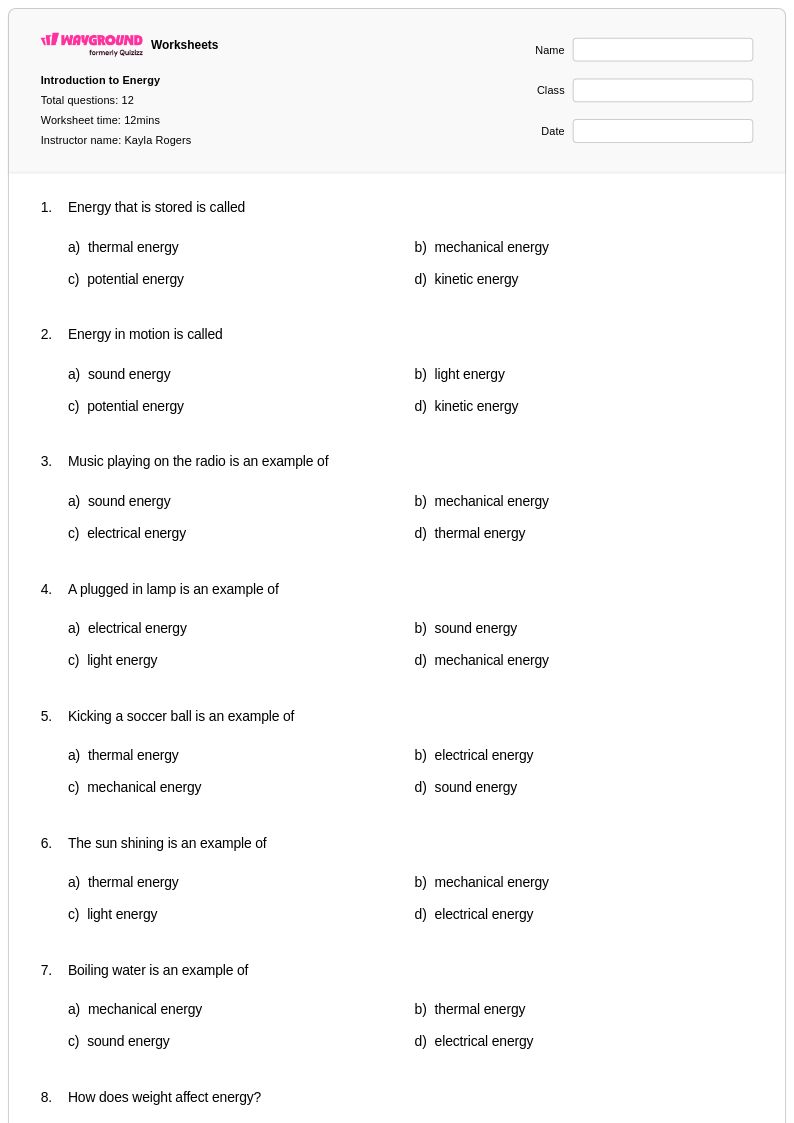
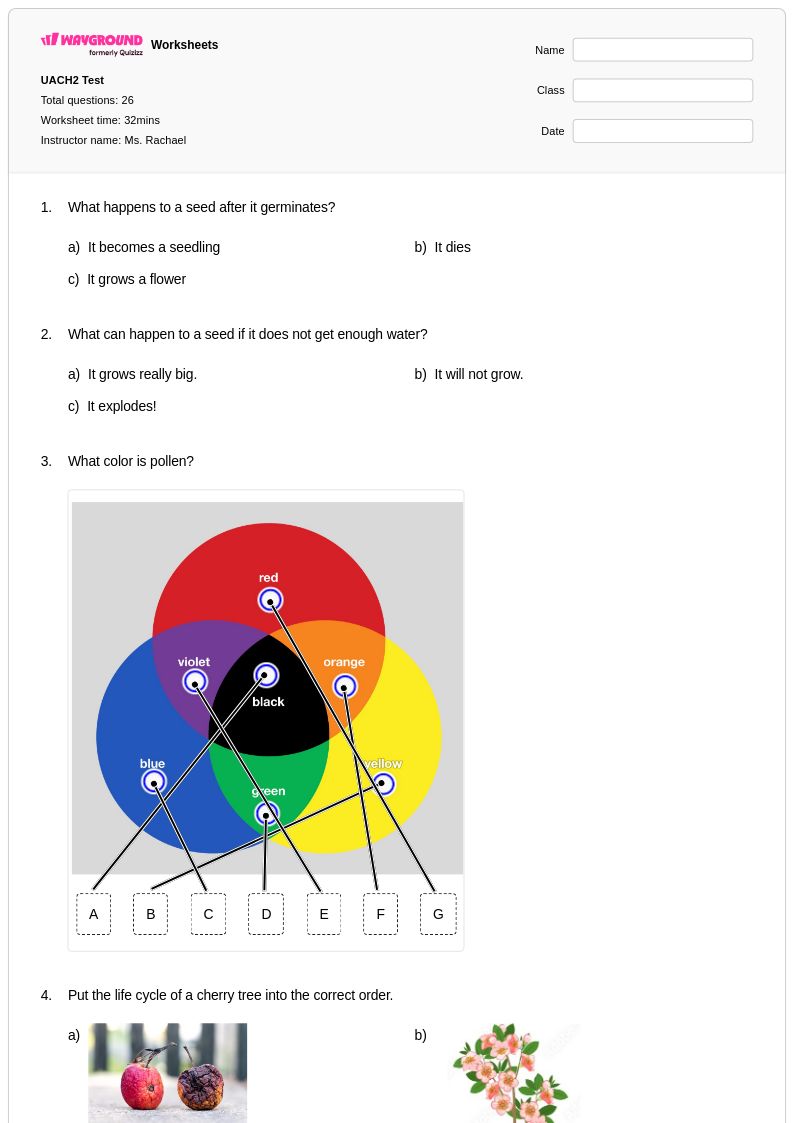
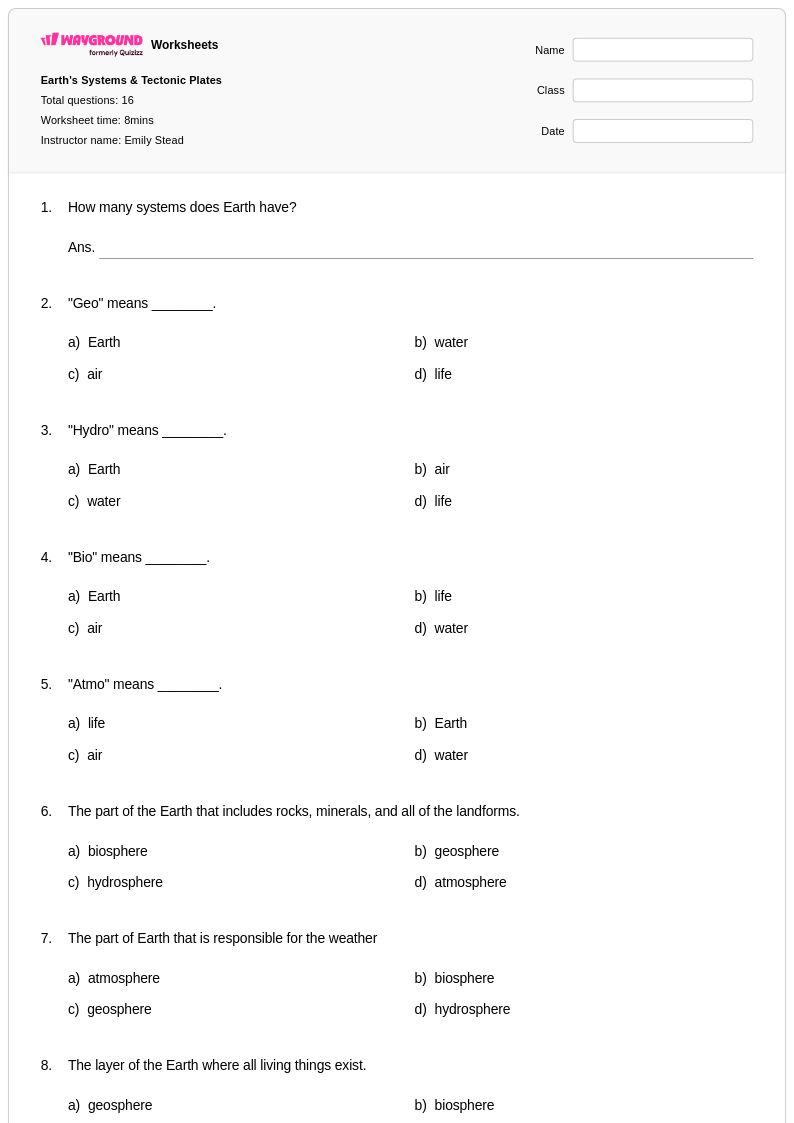
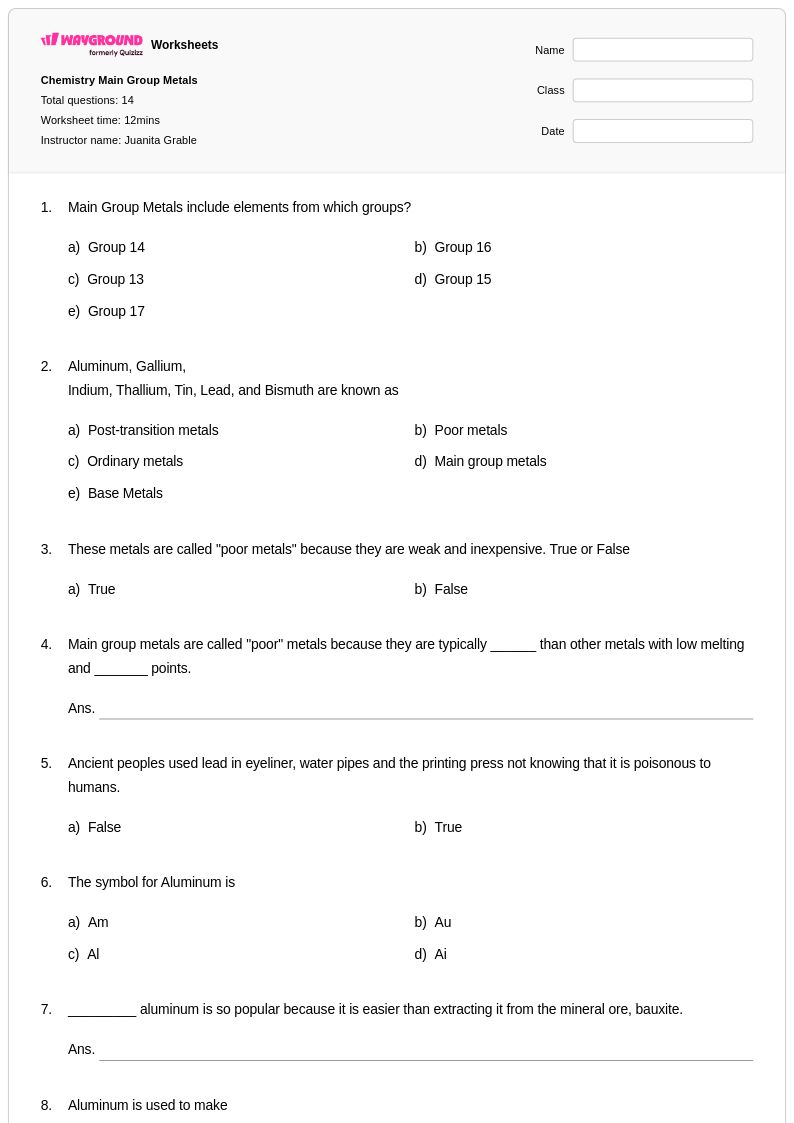
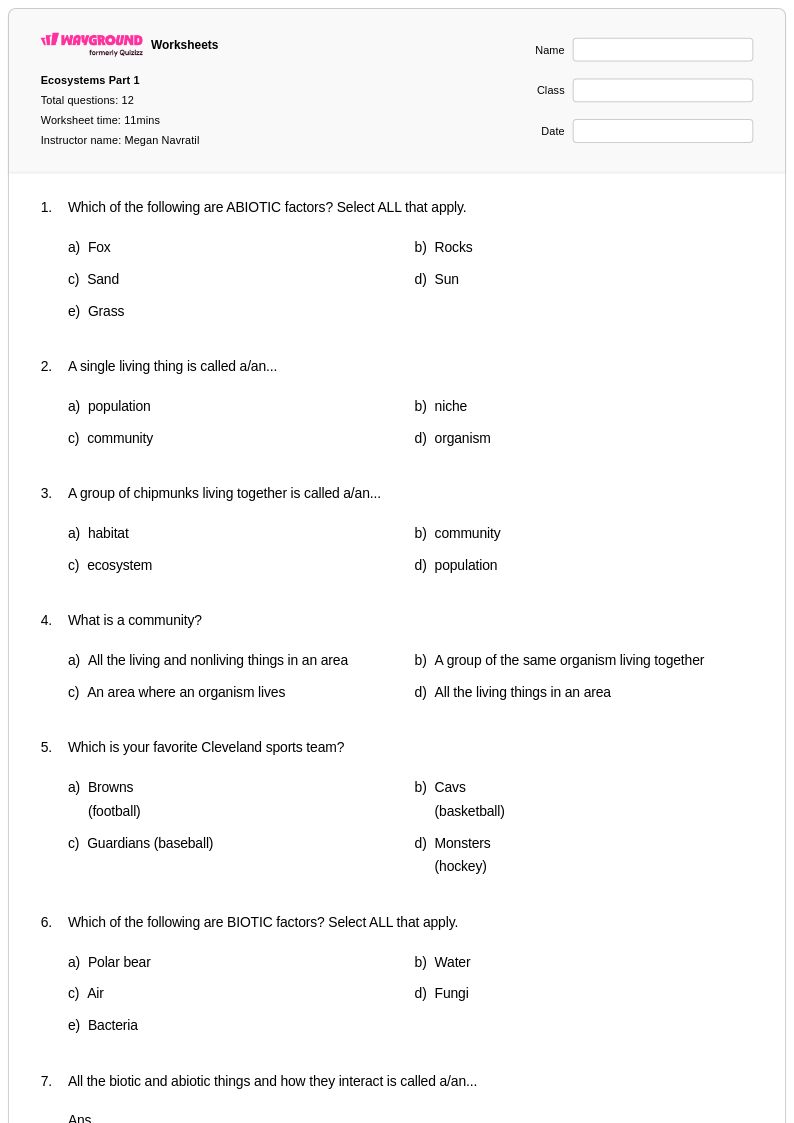
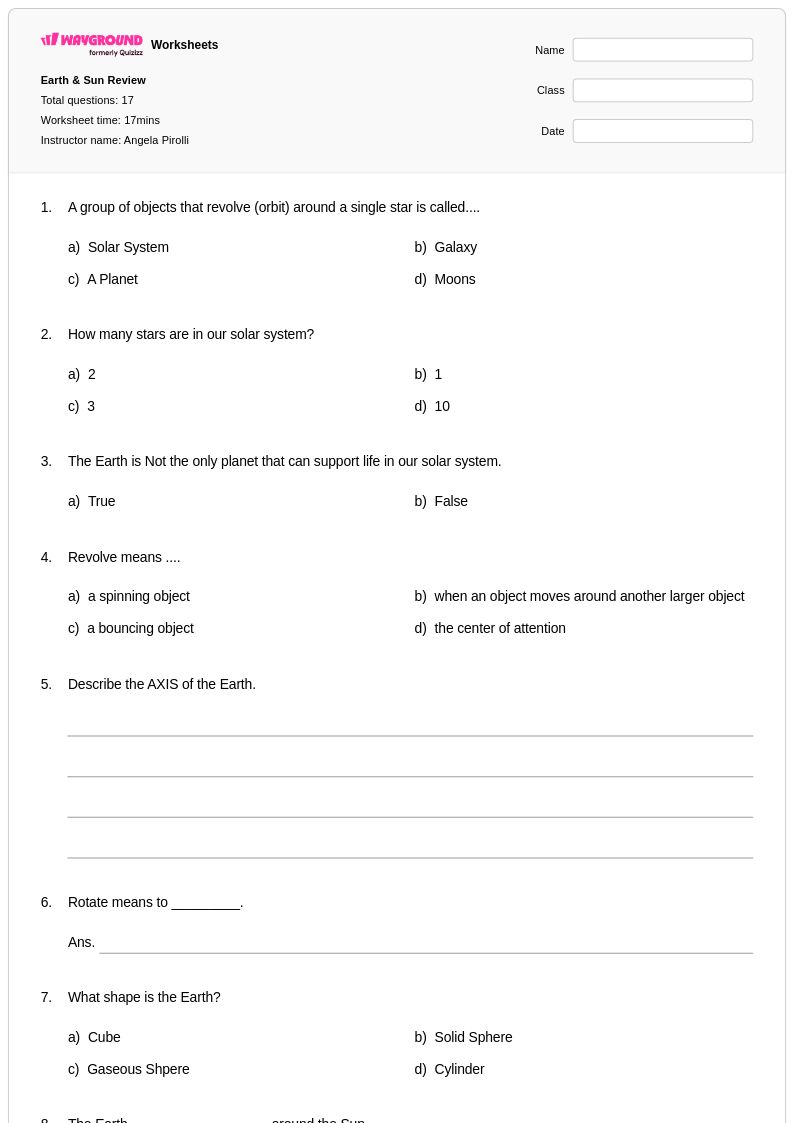
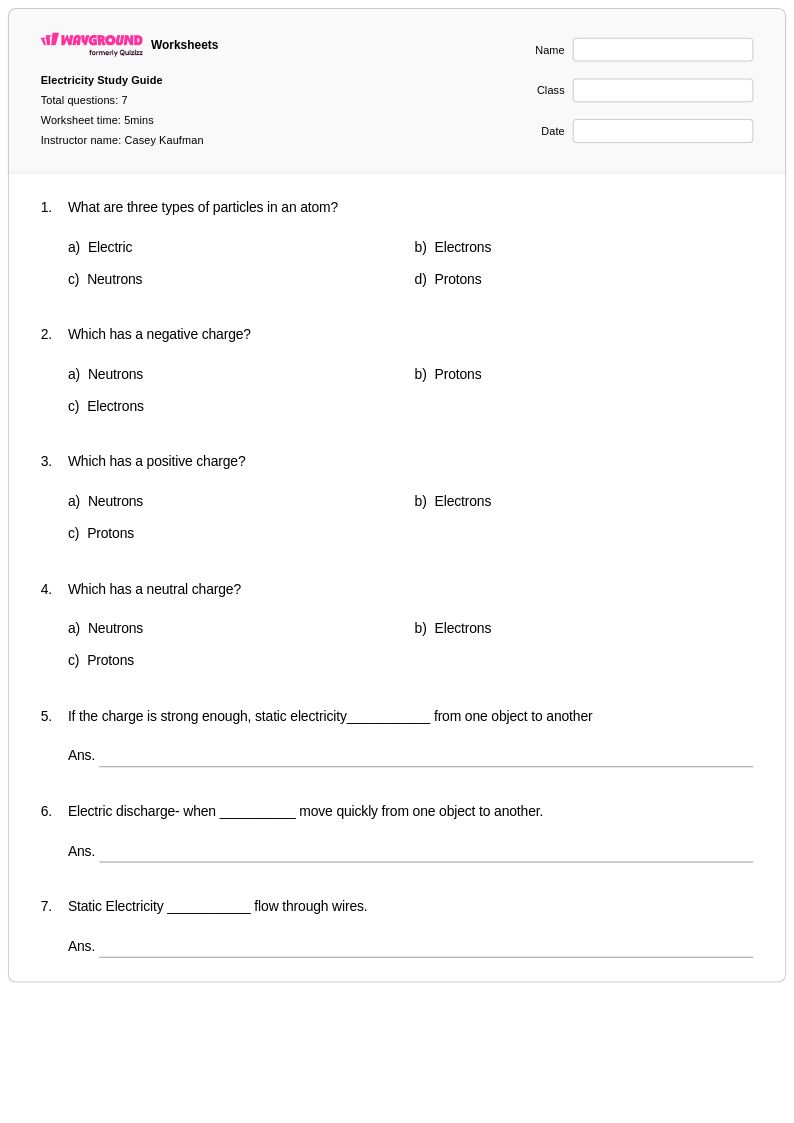
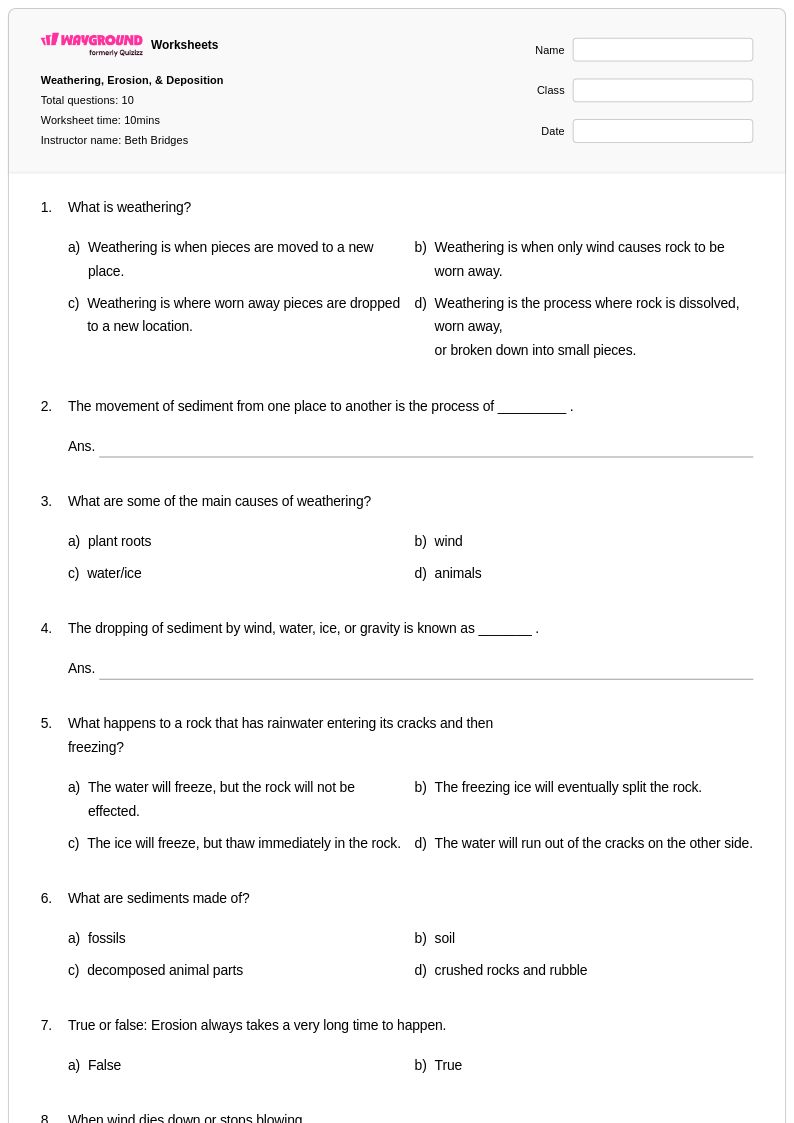
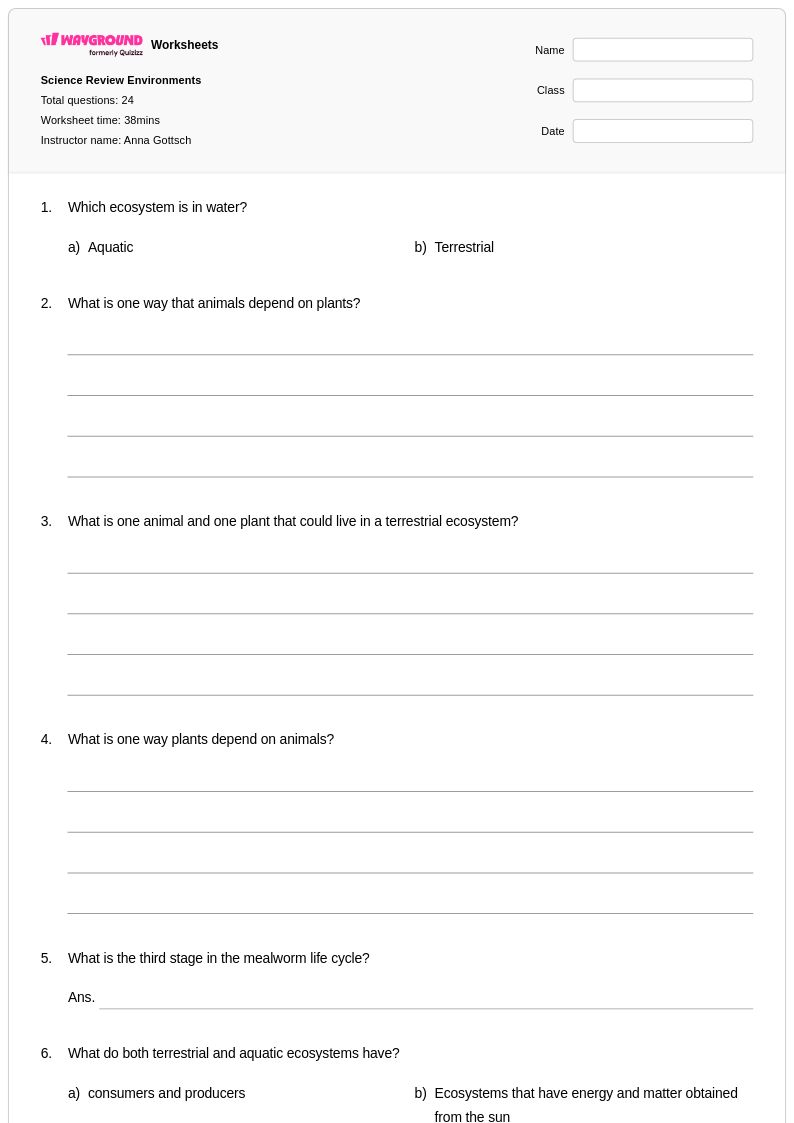
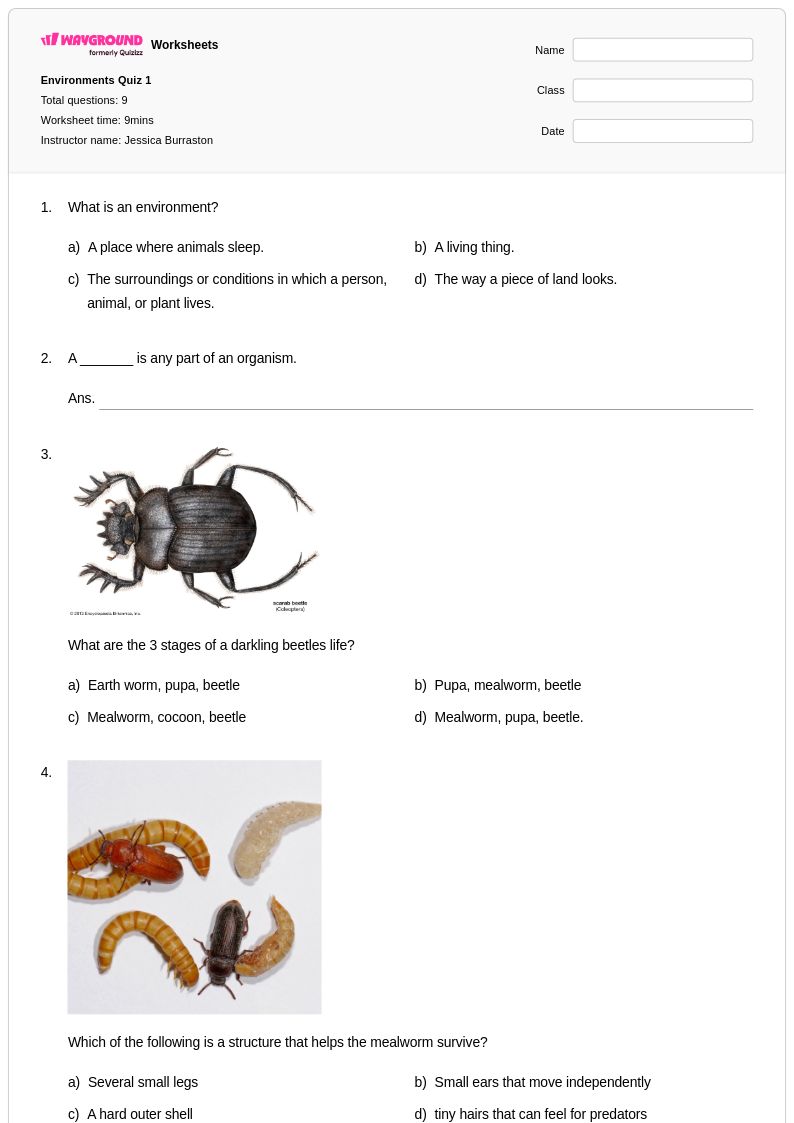
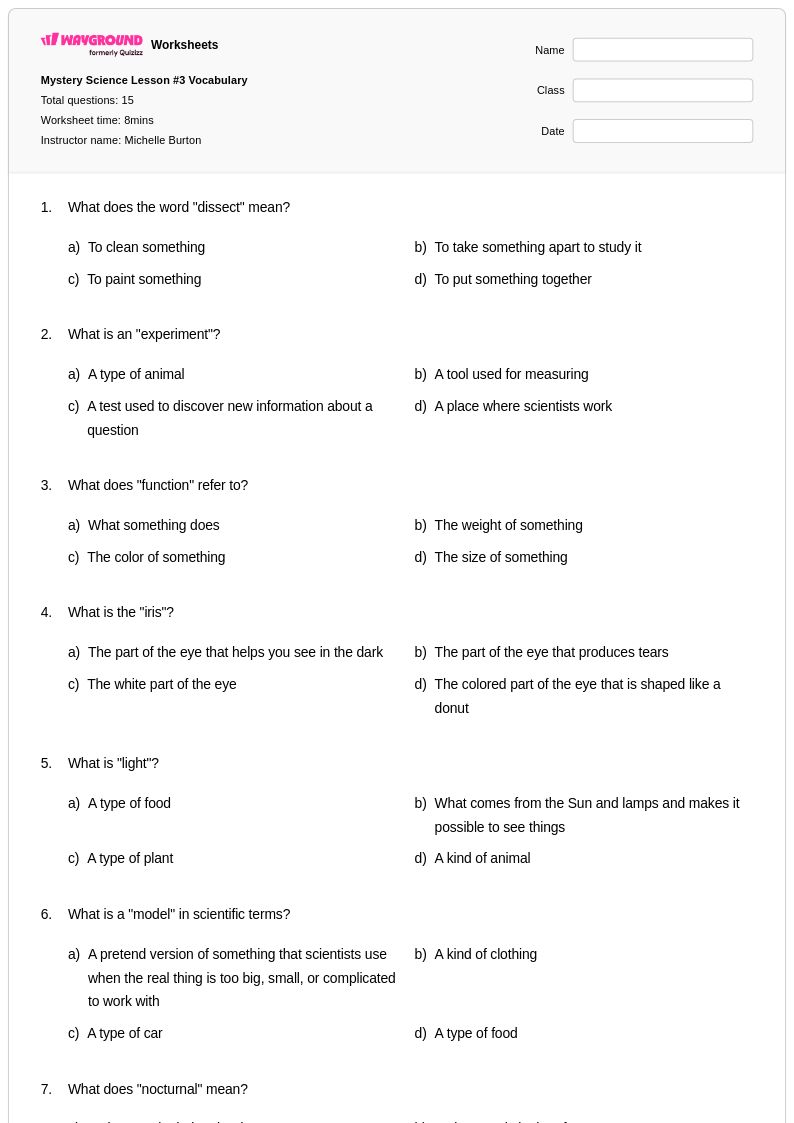
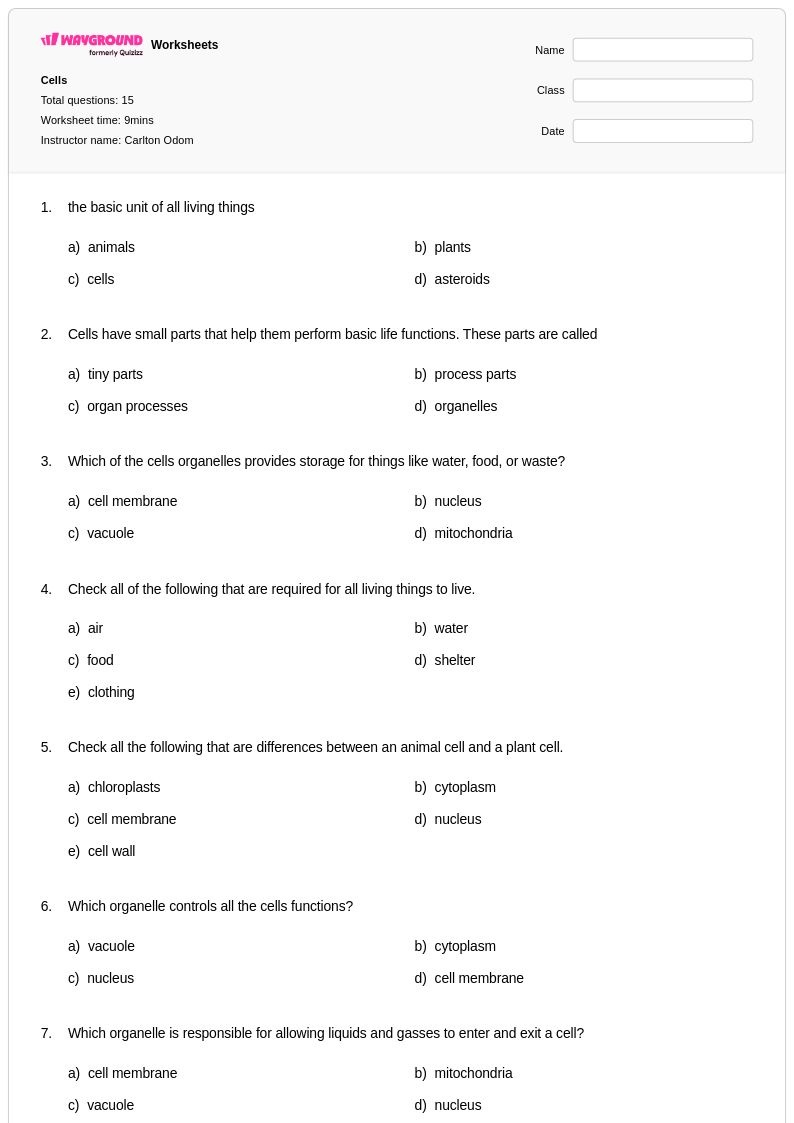
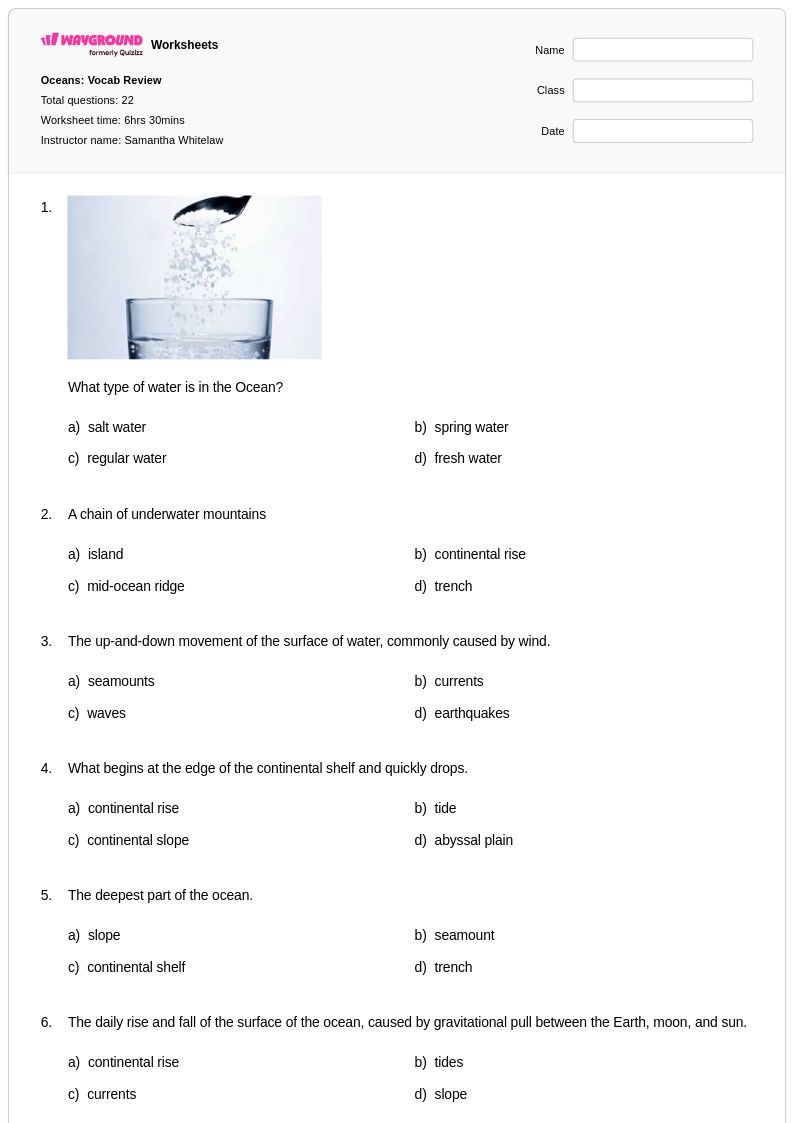
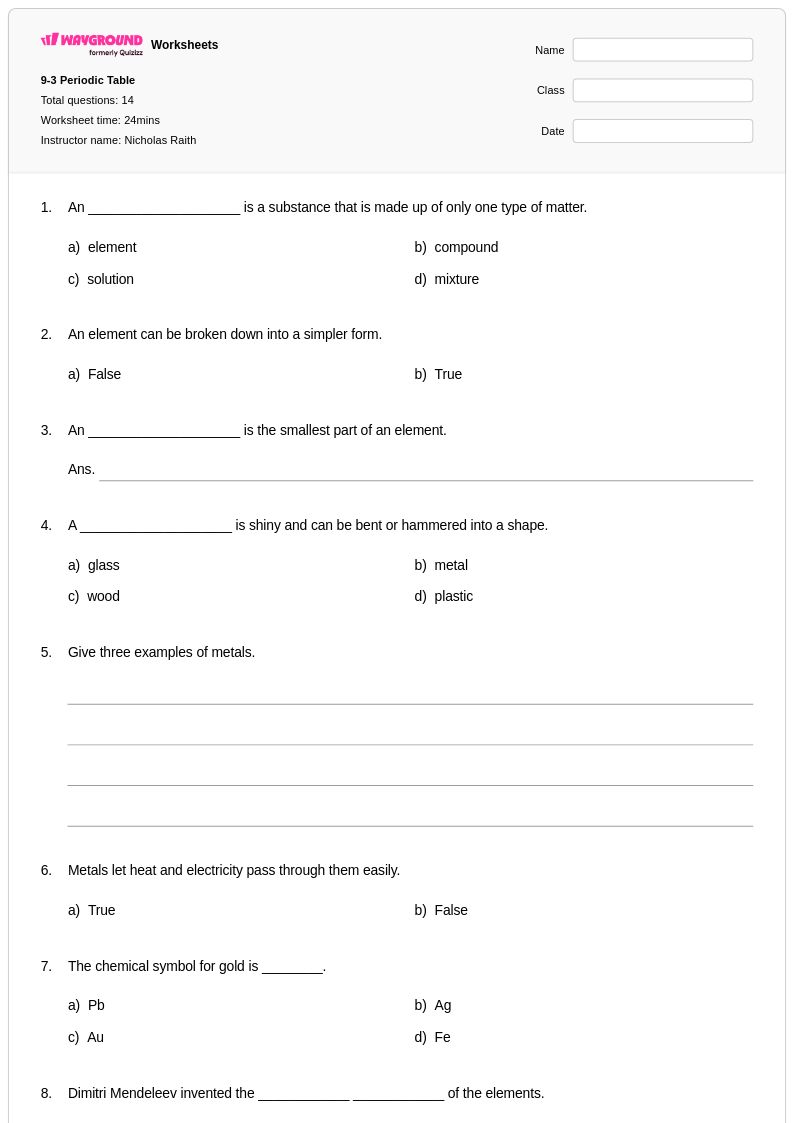
Introduction to Heredity worksheets for Class 4 students available through Wayground (formerly Quizizz) provide an engaging foundation for understanding how traits are passed from parents to offspring. These carefully designed educational resources help young learners explore fundamental concepts such as inherited characteristics, dominant and recessive traits, and the differences between learned and inherited behaviors. The worksheets strengthen critical thinking skills through practice problems that encourage students to identify physical traits in families, compare characteristics between generations, and analyze simple inheritance patterns in both humans and animals. Each worksheet collection includes comprehensive answer keys and is available as free printables in convenient PDF format, making them accessible for both classroom instruction and independent study.
Wayground (formerly Quizizz) empowers educators with millions of teacher-created resources specifically designed to support Class 4 Introduction to Heredity instruction across diverse learning environments. The platform's robust search and filtering capabilities allow teachers to quickly locate standards-aligned worksheets that match their specific curriculum requirements and student needs. Advanced differentiation tools enable educators to customize content difficulty levels, while flexible formatting options provide both printable and digital worksheet versions to accommodate various teaching preferences and classroom technologies. These comprehensive features streamline lesson planning by offering ready-to-use materials for initial concept introduction, targeted skill remediation, and enrichment activities that challenge advanced learners to deepen their understanding of genetic inheritance principles.
FAQs
How do I introduce heredity and genetics to students who have no prior background?
Start by grounding students in observable traits before introducing the underlying mechanisms. Use familiar examples like eye color or tongue rolling to distinguish between inherited and non-inherited traits, then build vocabulary around genes, alleles, and chromosomes. Once students are comfortable with the language, introduce dominant and recessive relationships before moving to Punnett squares. Sequencing the content this way prevents students from memorizing procedures without conceptual understanding.
What types of practice problems help students master Punnett squares and trait inheritance?
Students benefit most from a progression that starts with monohybrid crosses using clearly dominant and recessive traits, then advances to interpreting phenotype ratios and working backward from offspring outcomes to parental genotypes. Practice problems that require students to both set up Punnett squares and explain their reasoning in writing reinforce deeper understanding. Including vocabulary exercises alongside cross problems also helps students accurately use terms like homozygous, heterozygous, genotype, and phenotype.
What mistakes do students commonly make when learning about heredity and Punnett squares?
One of the most common errors is confusing genotype with phenotype, particularly when students assume that two different genotypes must look different. Students also frequently misapply dominance by thinking dominant alleles are more common in a population, rather than understanding dominance as an expression relationship. When filling in Punnett squares, errors in gamete labeling along the top and side rows lead to incorrect offspring predictions. Addressing these misconceptions explicitly with targeted practice problems significantly improves accuracy.
How can I use heredity worksheets to support students with different learning needs?
Heredity worksheets on Wayground can be assigned digitally, which allows teachers to apply individual accommodations such as read aloud for students who need audio support, reduced answer choices to lower cognitive load, and extended time for students who need it. These settings are configurable per student and carry over across sessions without disrupting other students' default experience. For students who benefit from visual scaffolding, Punnett square templates and partially completed problems provide structured entry points into the content.
How do I use Introduction to Heredity worksheets from Wayground in my classroom?
Wayground's Introduction to Heredity worksheets are available as printable PDFs for traditional classroom use and in digital formats for technology-integrated or remote learning environments. Teachers can also host these worksheets as a quiz directly on Wayground, making it easy to assign, track, and review student responses in one place. Each worksheet includes a detailed answer key, supporting both independent student practice and teacher-led review sessions.
How do I help students distinguish between dominant and recessive alleles without them just memorizing rules?
Rather than presenting dominance as a fixed rule, frame it as a description of how two alleles interact when both are present in a heterozygous individual. Have students investigate multiple traits and observe that 'dominant' does not mean stronger, better, or more common. Using case studies where recessive traits appear frequently in a population, such as blue eyes in certain regions, helps disrupt the misconception that dominant alleles always outnumber recessive ones. Building this conceptual foundation early prevents persistent errors in genetic problem-solving.