
20 Q
KG - 5th

18 Q
1st - 5th
12 Q
1st
20 Q
1st - 4th
20 Q
1st - 2nd
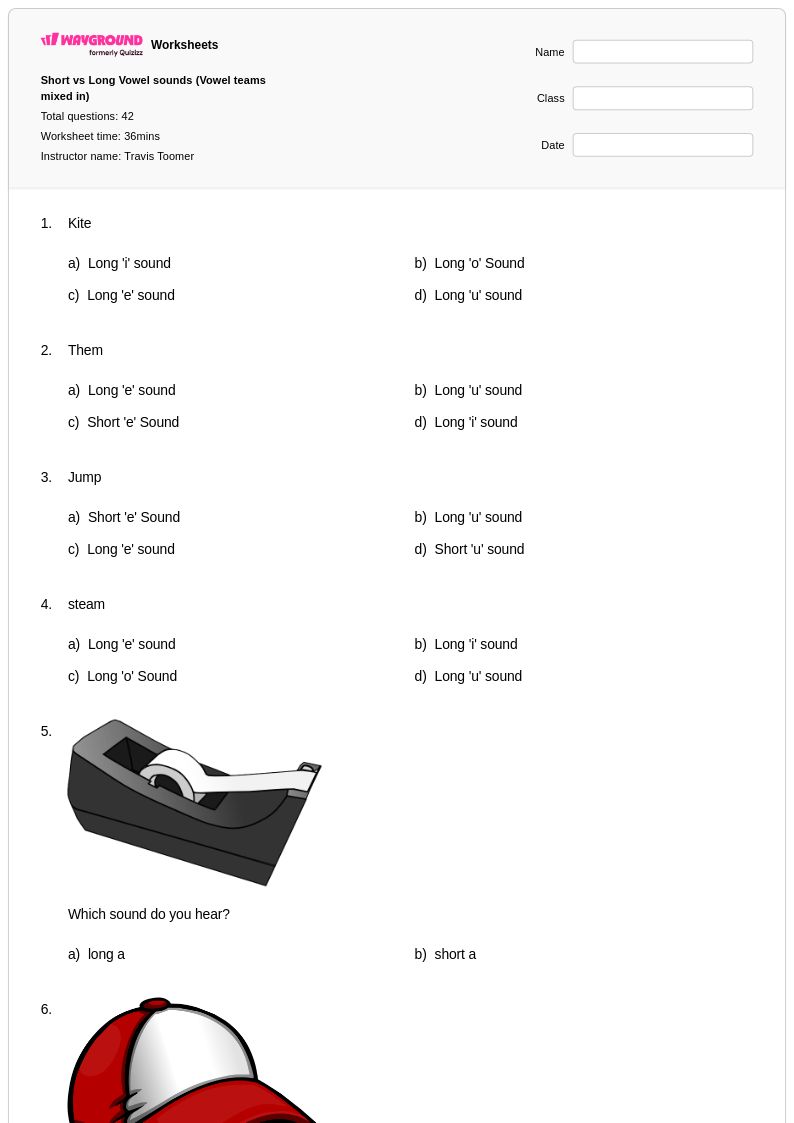
42 Q
KG - 3rd
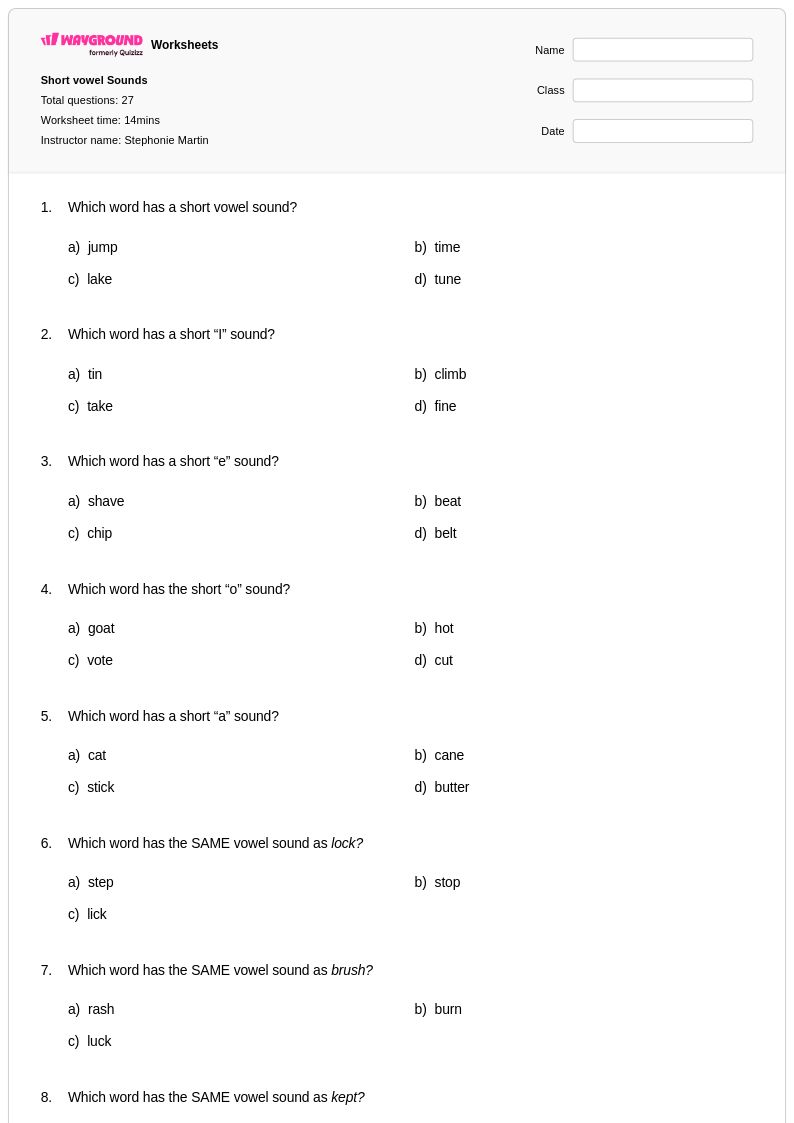
27 Q
1st - 3rd
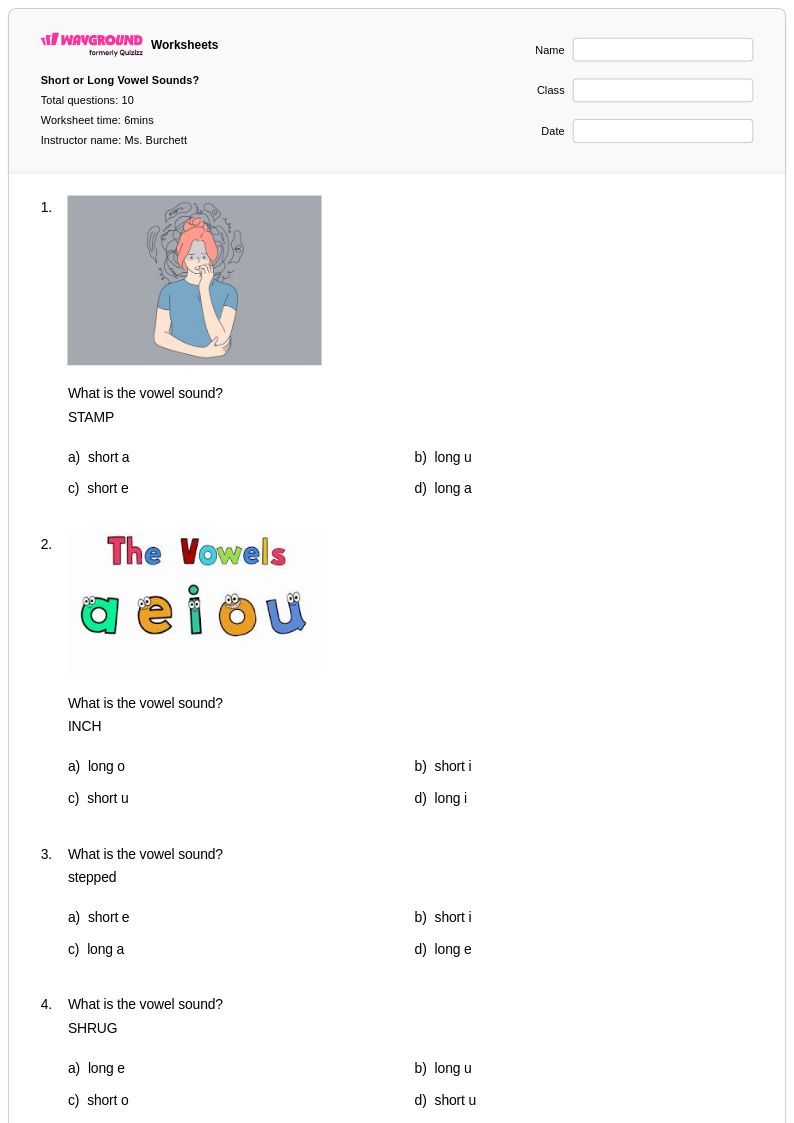
10 Q
KG - 2nd
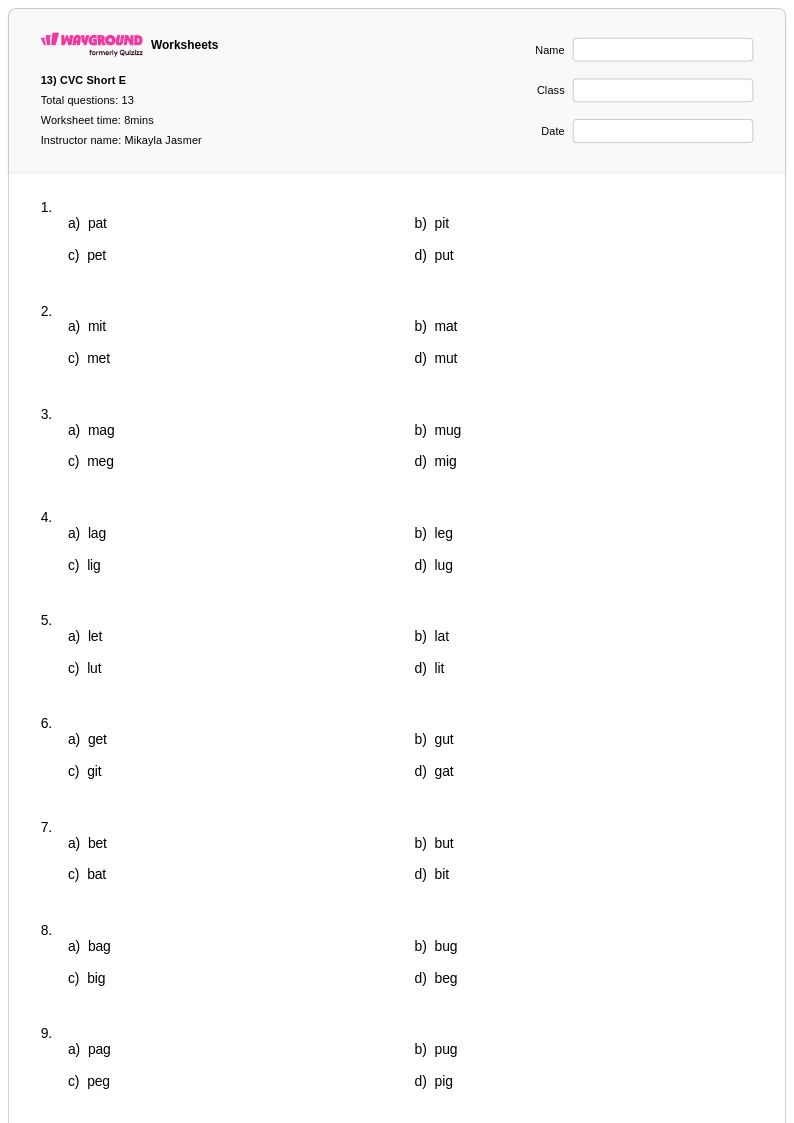
13 Q
1st - 4th
11 Q
1st - 6th
10 Q
1st - 5th
10 Q
1st
10 Q
1st - 2nd
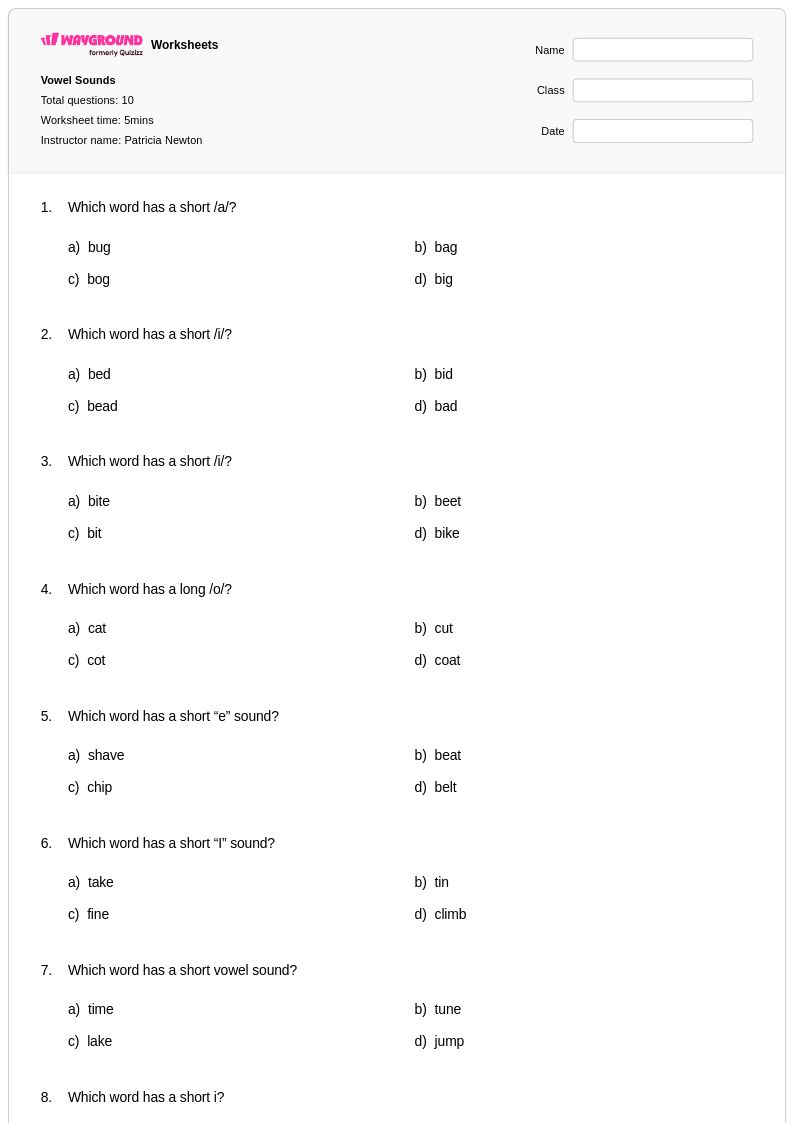
10 Q
1st
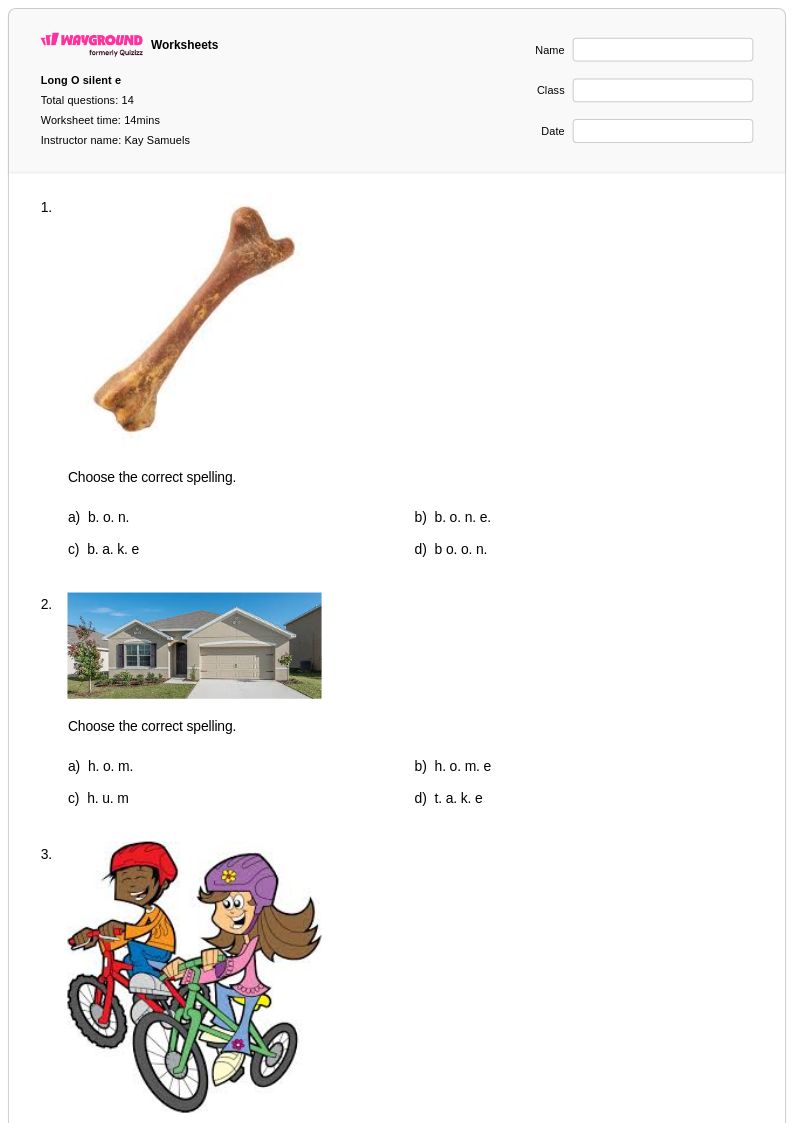
14 Q
1st - 2nd
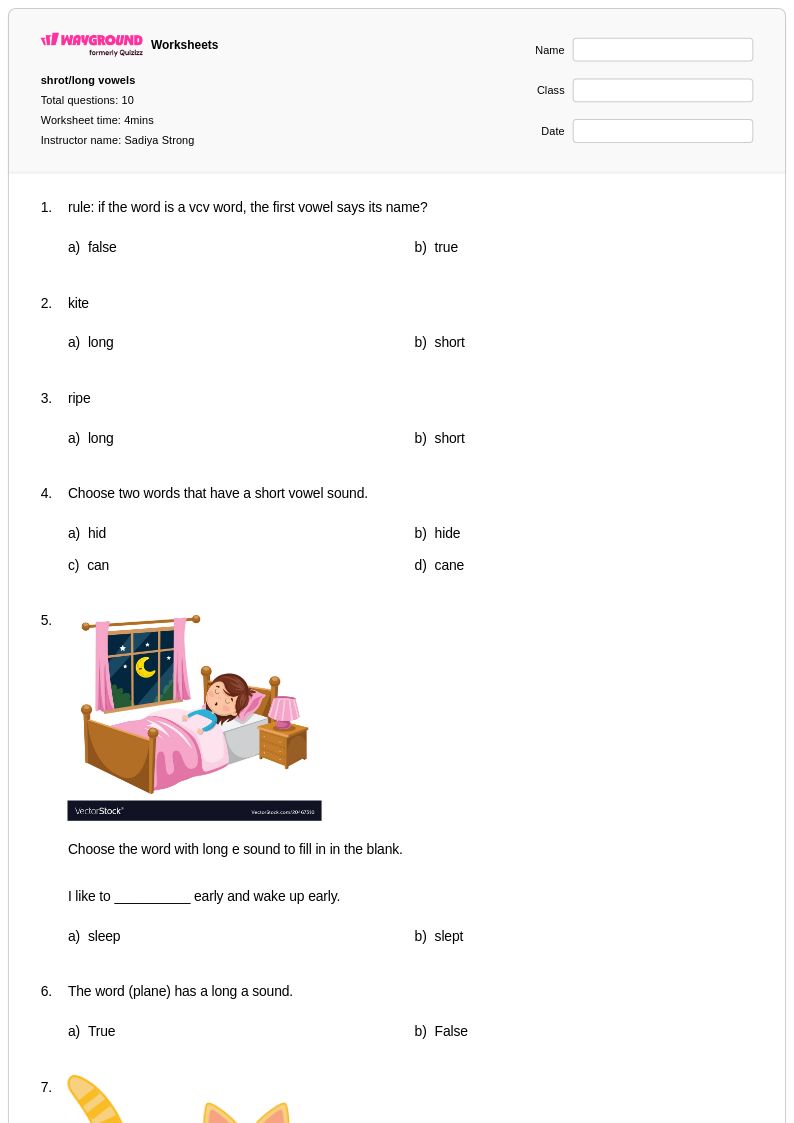
10 Q
1st
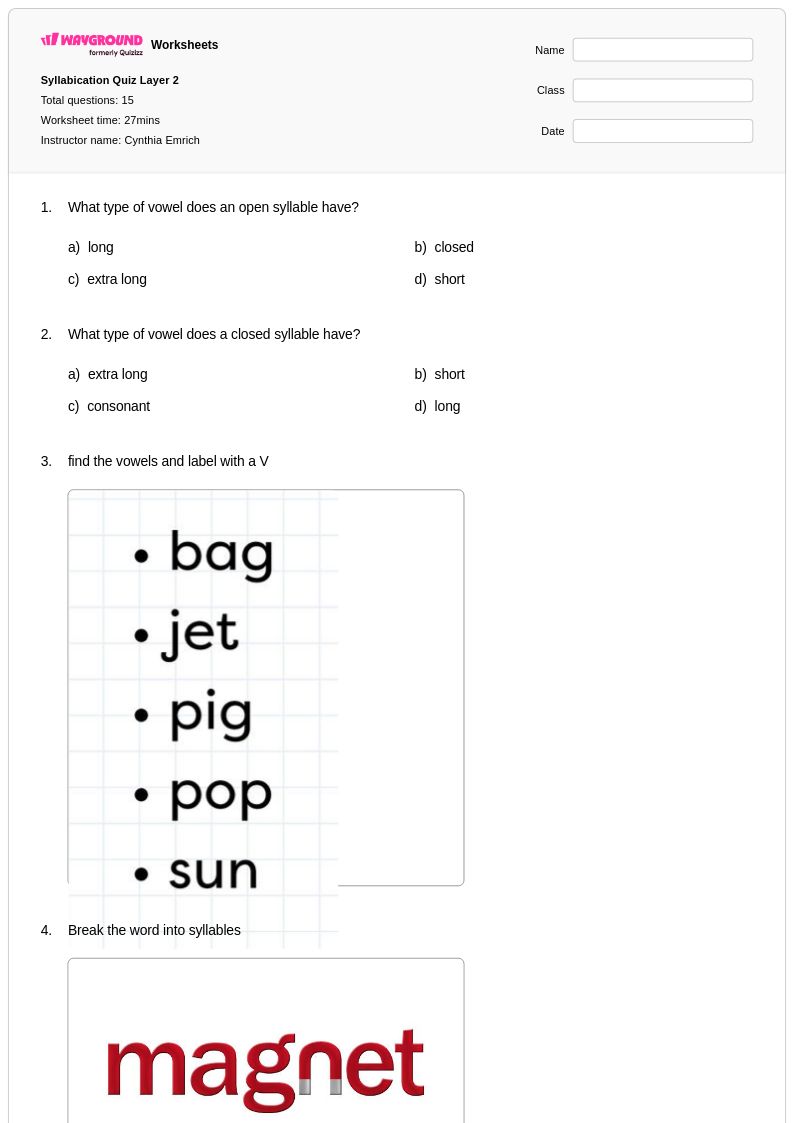
15 Q
1st - 5th
15 Q
1st - 5th
20 Q
1st - 5th
22 Q
1st - 5th
20 Q
1st
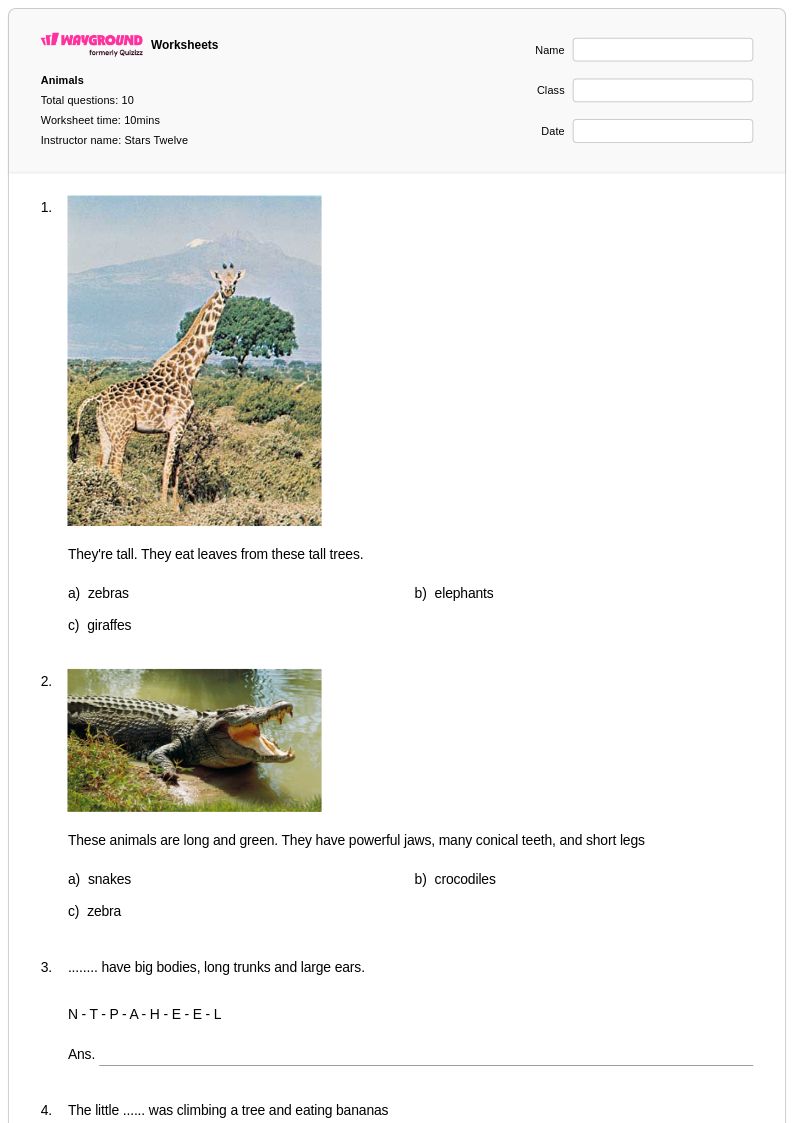
10 Q
1st
20 Q
1st
50 Q
1st - 5th
Explore Long E/short E Worksheets by Grades
Explore Other Subject Worksheets for class 1
Explore printable Long E/short E worksheets for Class 1
Long E and short E vowel sounds form a crucial foundation in Class 1 phonics instruction, and Wayground's comprehensive worksheet collection provides educators with targeted resources to master this essential distinction. These carefully crafted worksheets guide young learners through systematic practice identifying, reading, and writing words containing both vowel patterns, from simple CVC words like "bed" and "pet" to CVCe words such as "here" and "these." Each printable worksheet includes varied practice problems that strengthen phonemic awareness, decoding skills, and spelling patterns, while accompanying answer keys enable teachers to provide immediate feedback and track student progress. The free pdf format ensures accessibility for all classrooms, allowing educators to seamlessly integrate these phonics practice materials into daily instruction, homework assignments, and intervention sessions.
Wayground, formerly Quizizz, empowers teachers with millions of educator-created resources specifically designed for long E and short E vowel instruction, featuring robust search and filtering capabilities that help locate grade-appropriate materials aligned with phonics standards. The platform's differentiation tools allow teachers to customize worksheets based on individual student needs, whether providing additional scaffolding for struggling readers or enrichment activities for advanced learners. These versatile resources are available in both printable and digital formats, including downloadable pdf versions that facilitate flexible lesson planning and accommodate diverse learning environments. Teachers can efficiently organize remediation groups, create targeted skill practice sessions, and develop comprehensive phonics programs using these professionally designed materials that address the specific challenges students face when distinguishing between long E and short E vowel patterns.
FAQs
How do I teach students the difference between long E and short E sounds?
What are good exercises for practicing long E and short E vowel sounds?
What mistakes do students commonly make when distinguishing long E from short E?
How can I use long E and short E worksheets to support different learners in my classroom?
How do I use Wayground's long E and short E worksheets in my classroom?