
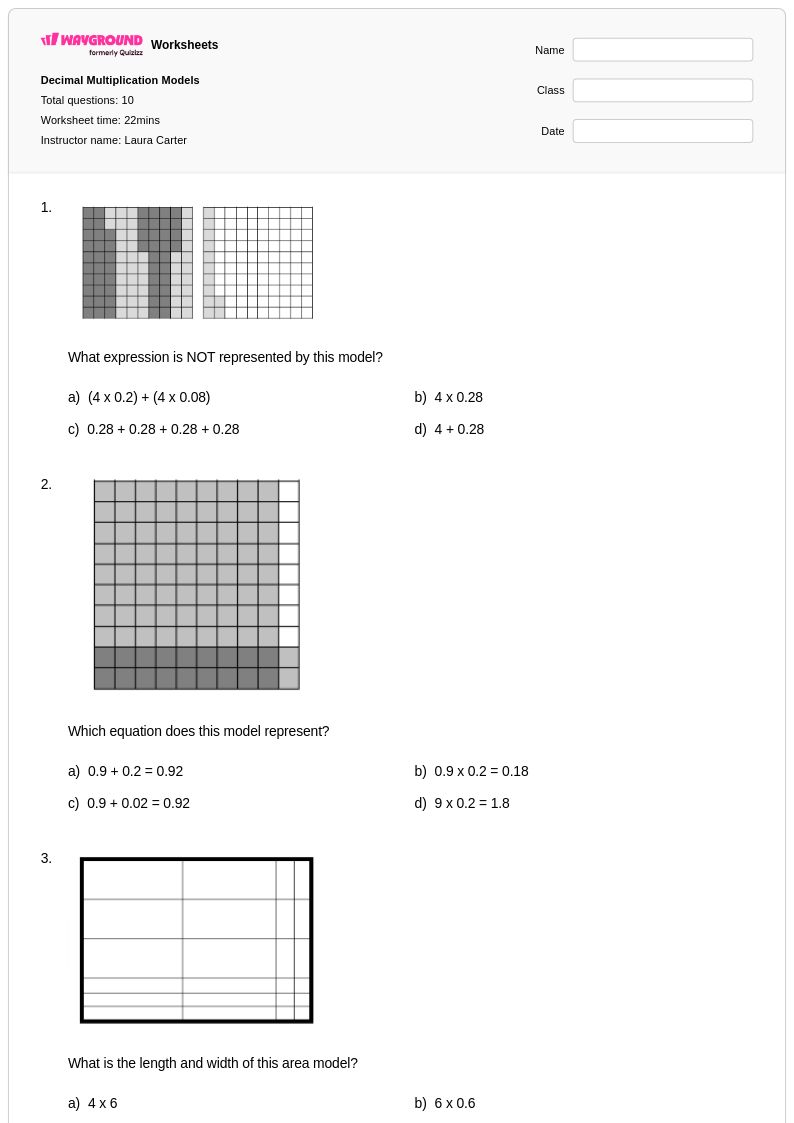
10Q
5th - 6th
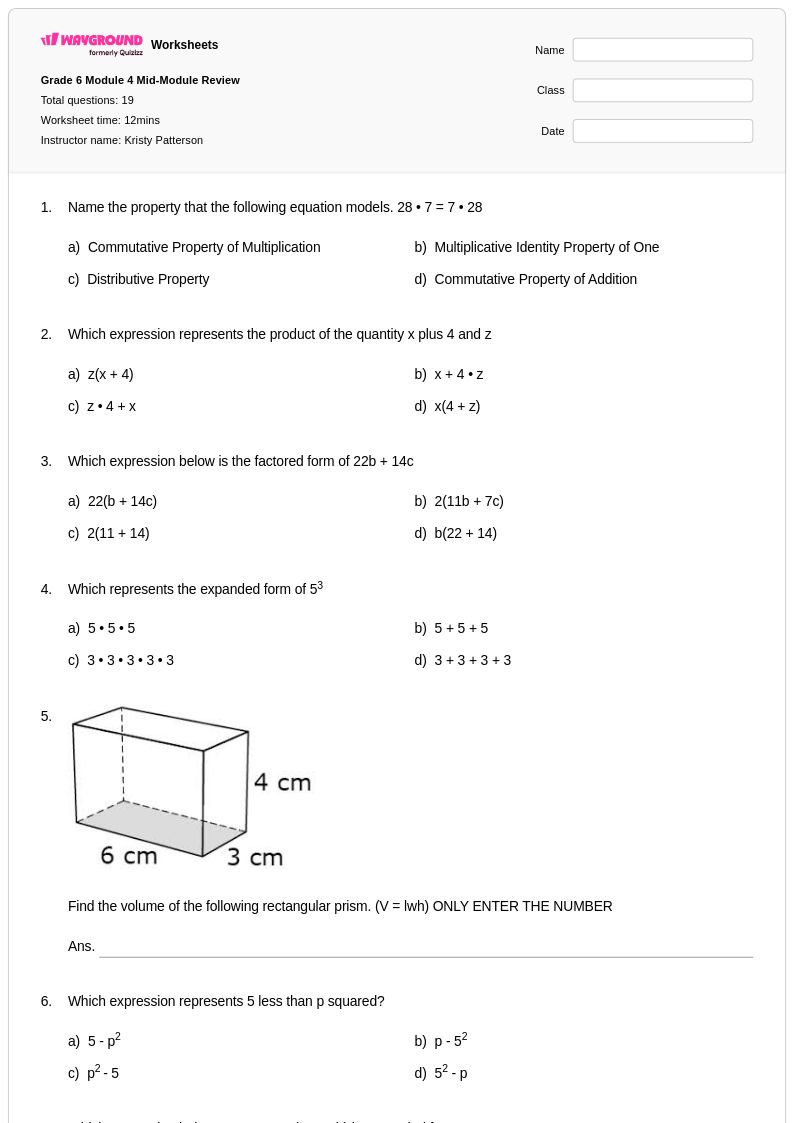
19Q
6th
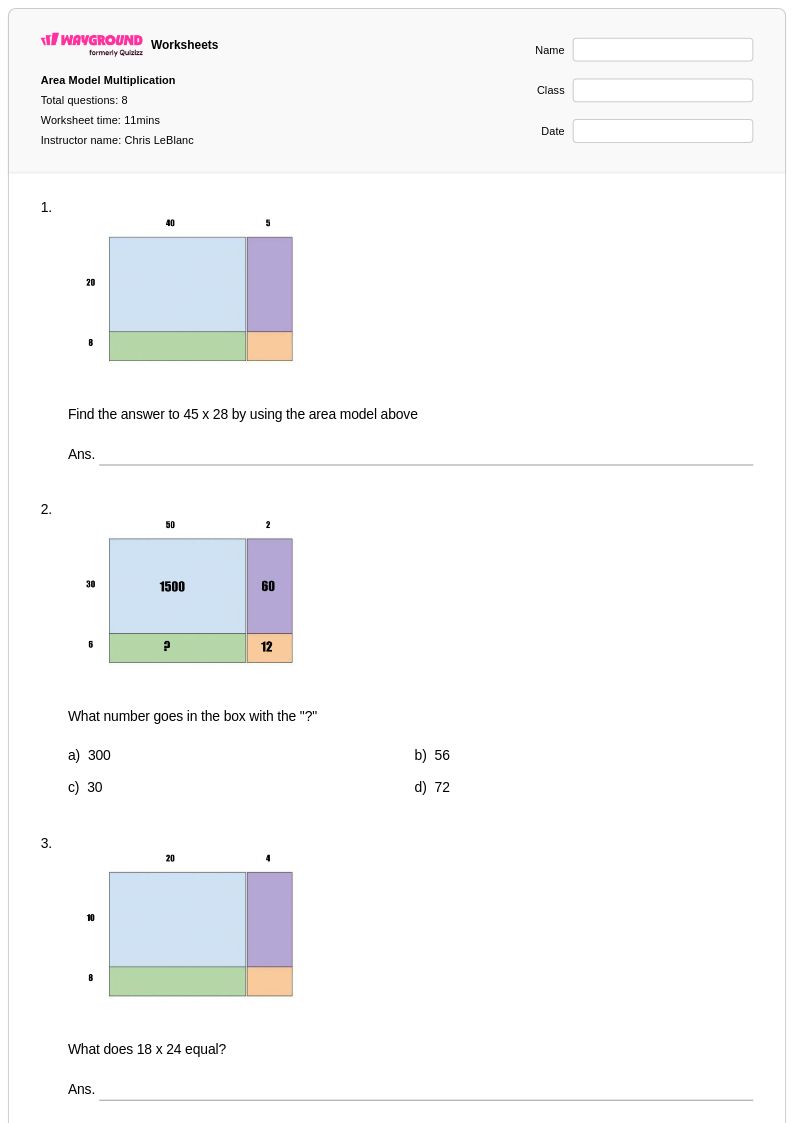
8Q
4th - 6th
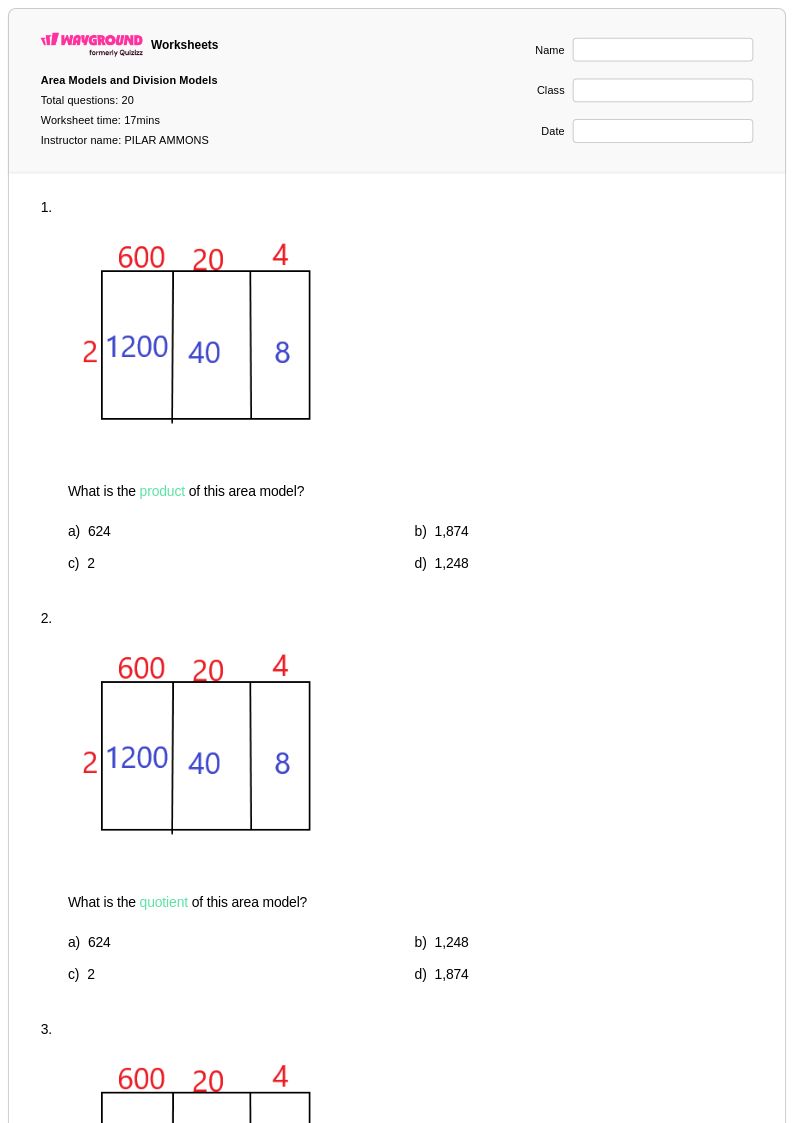
20Q
4th - 6th
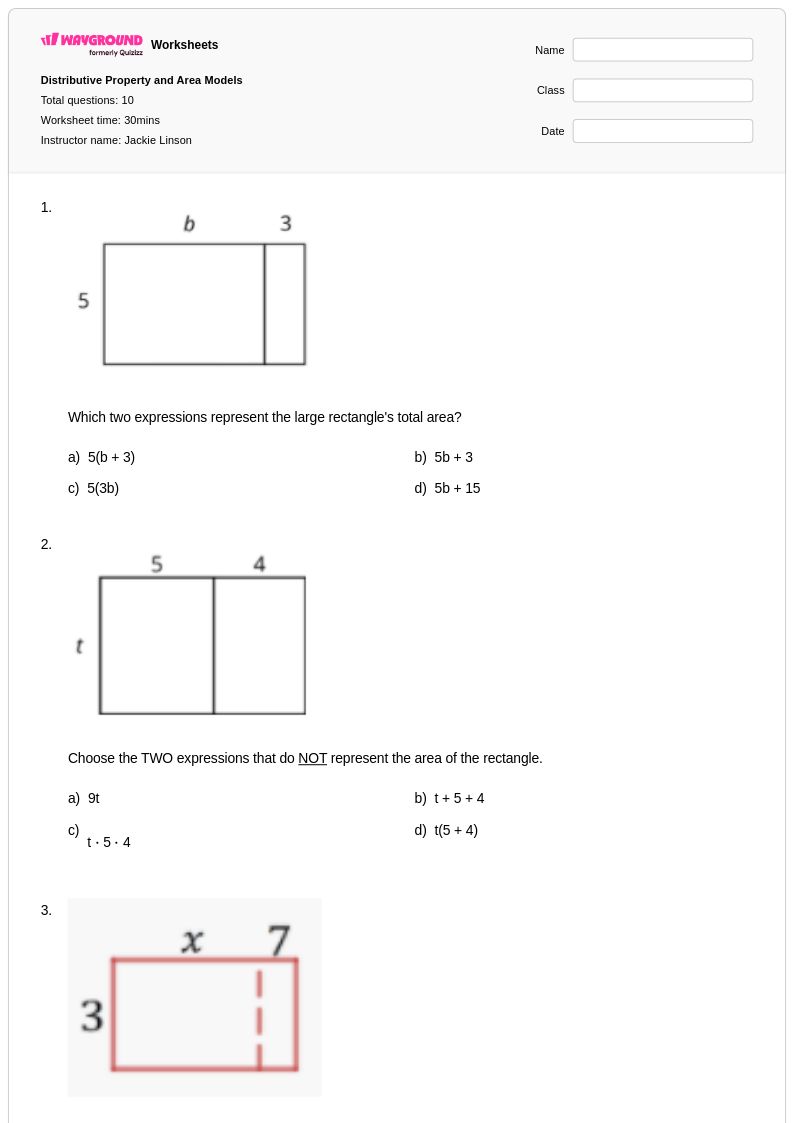
10Q
6th
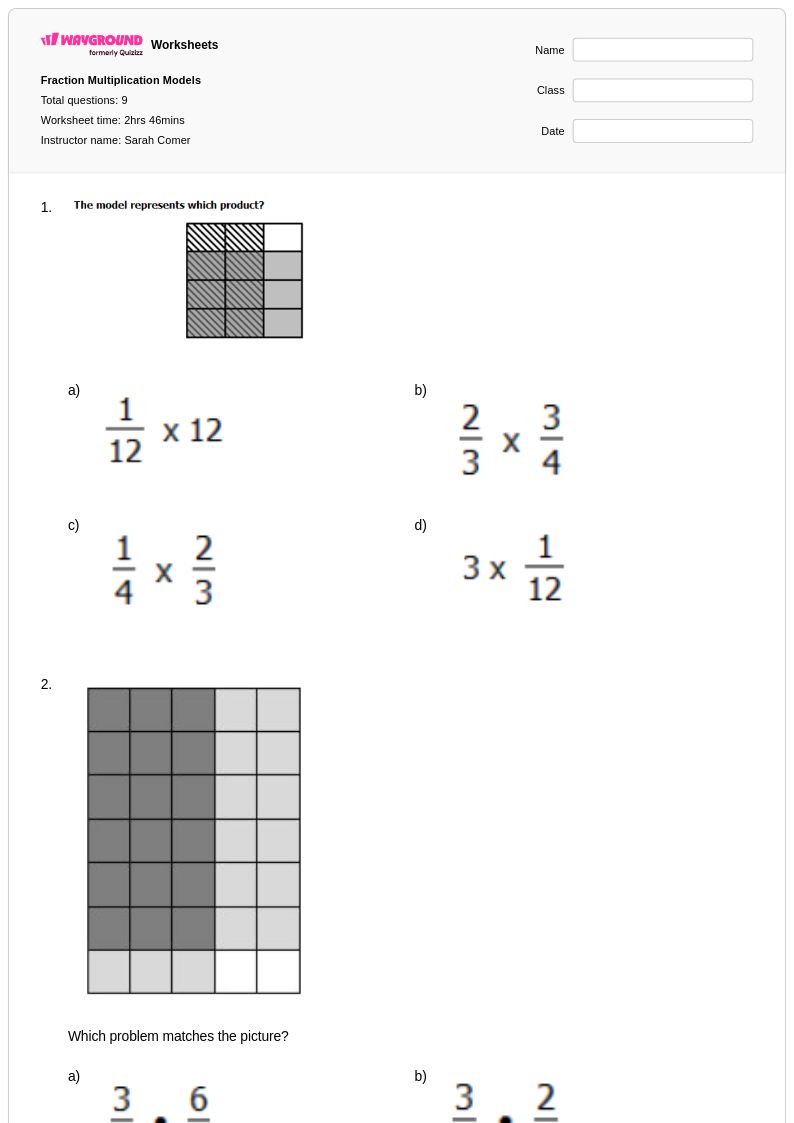
9Q
6th
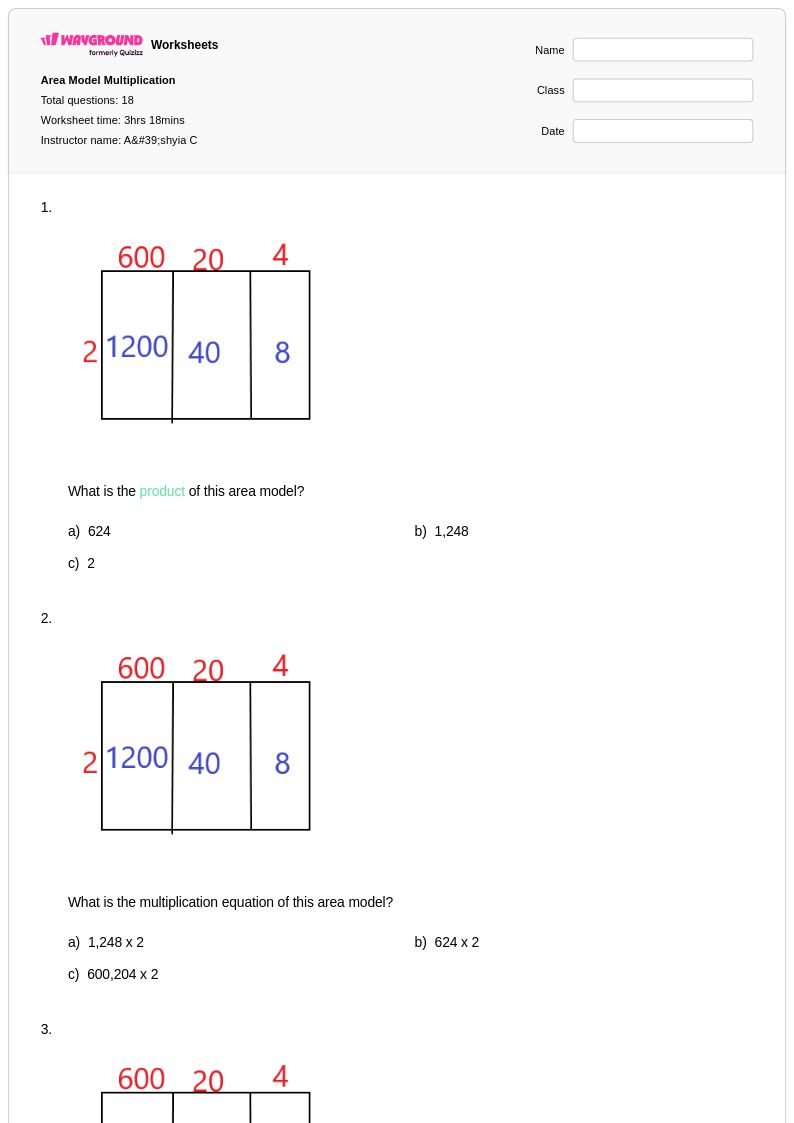
18Q
4th - 6th
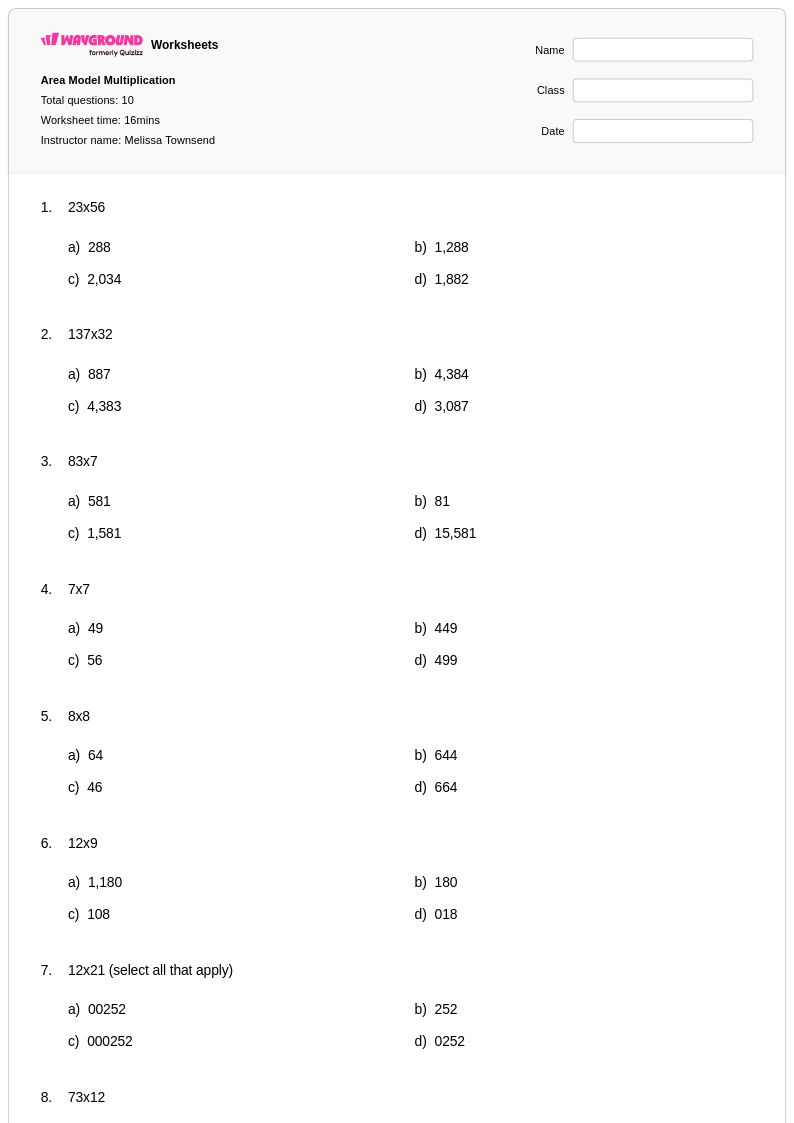
10Q
4th - 6th
8Q
6th
11Q
6th
9Q
3rd - 6th
25Q
3rd - 6th
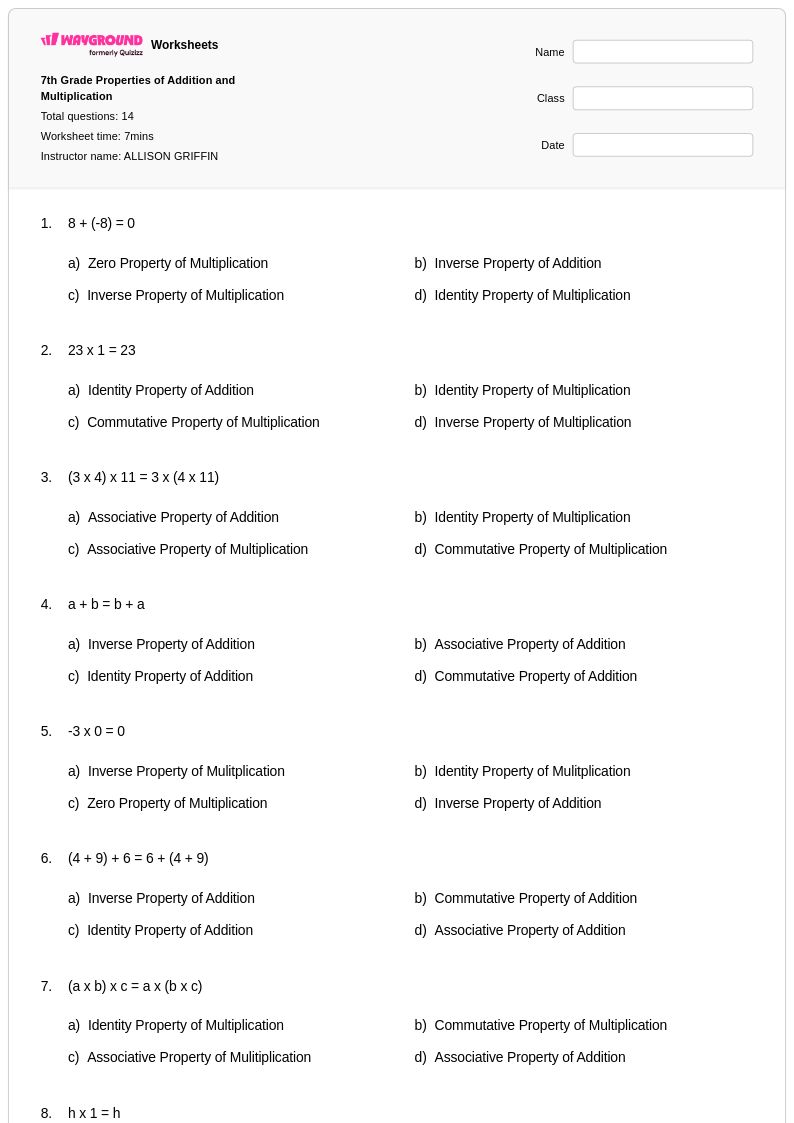
14Q
6th - 8th
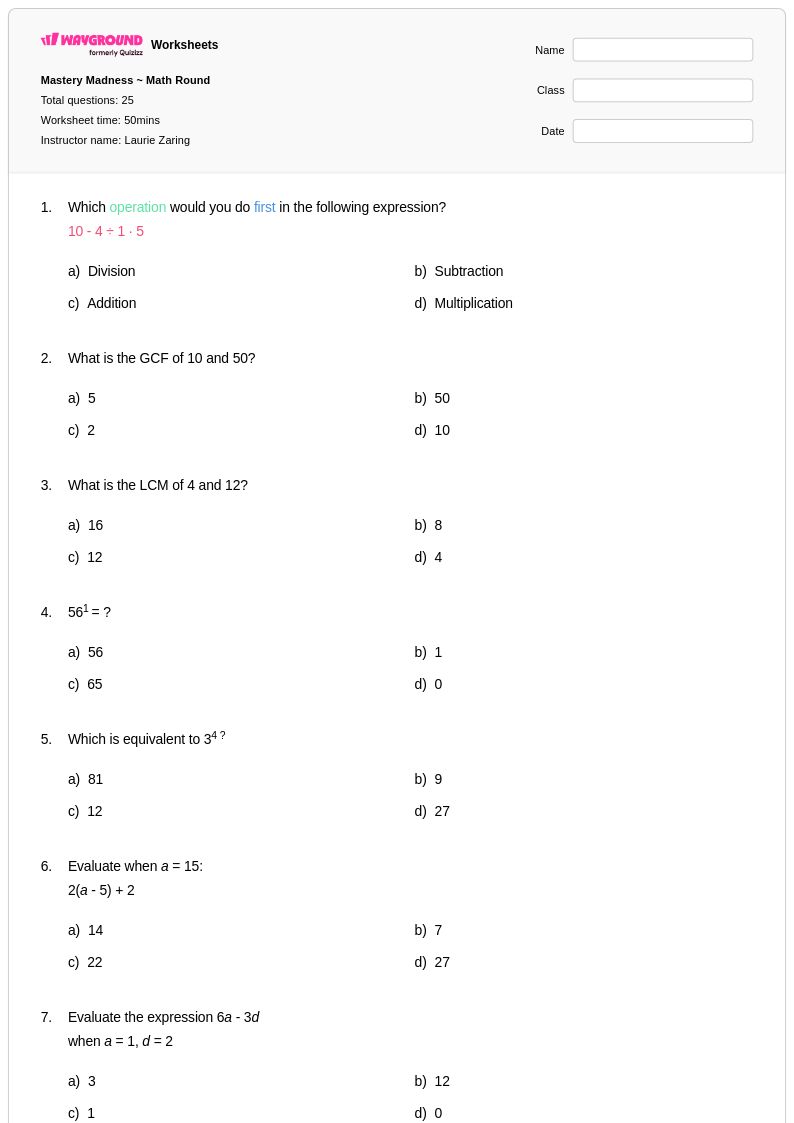
25Q
6th
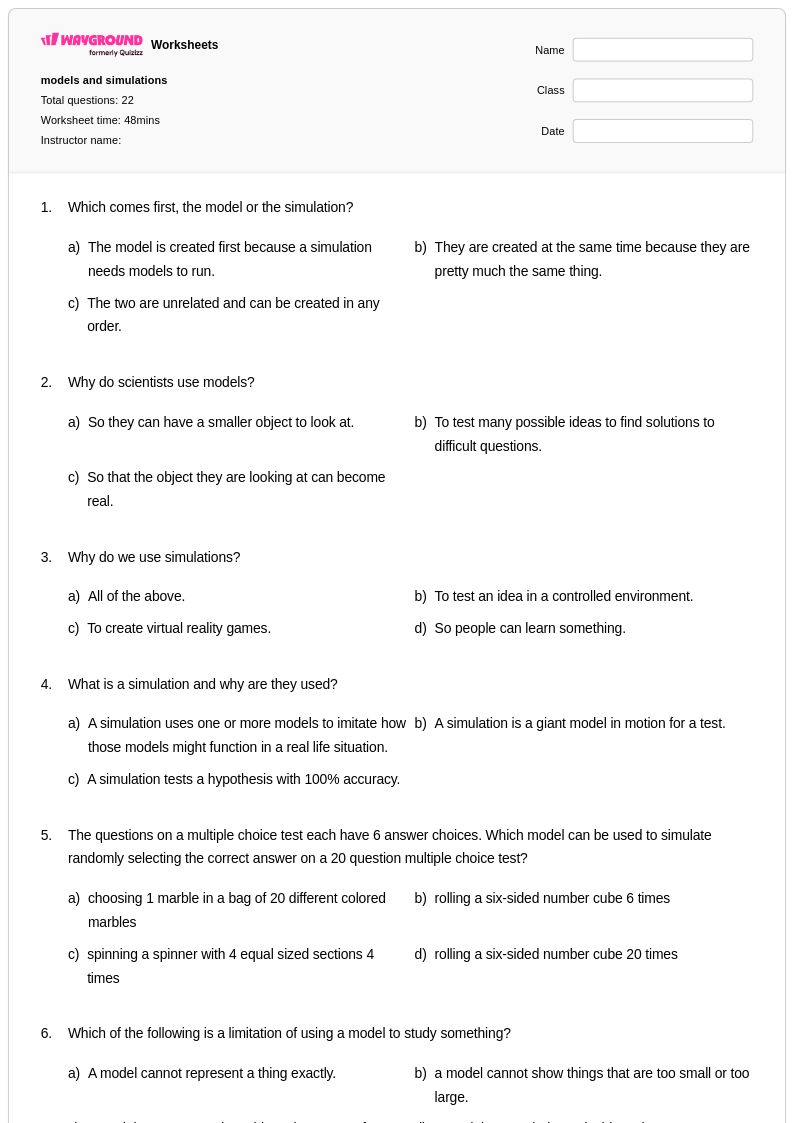
22Q
6th
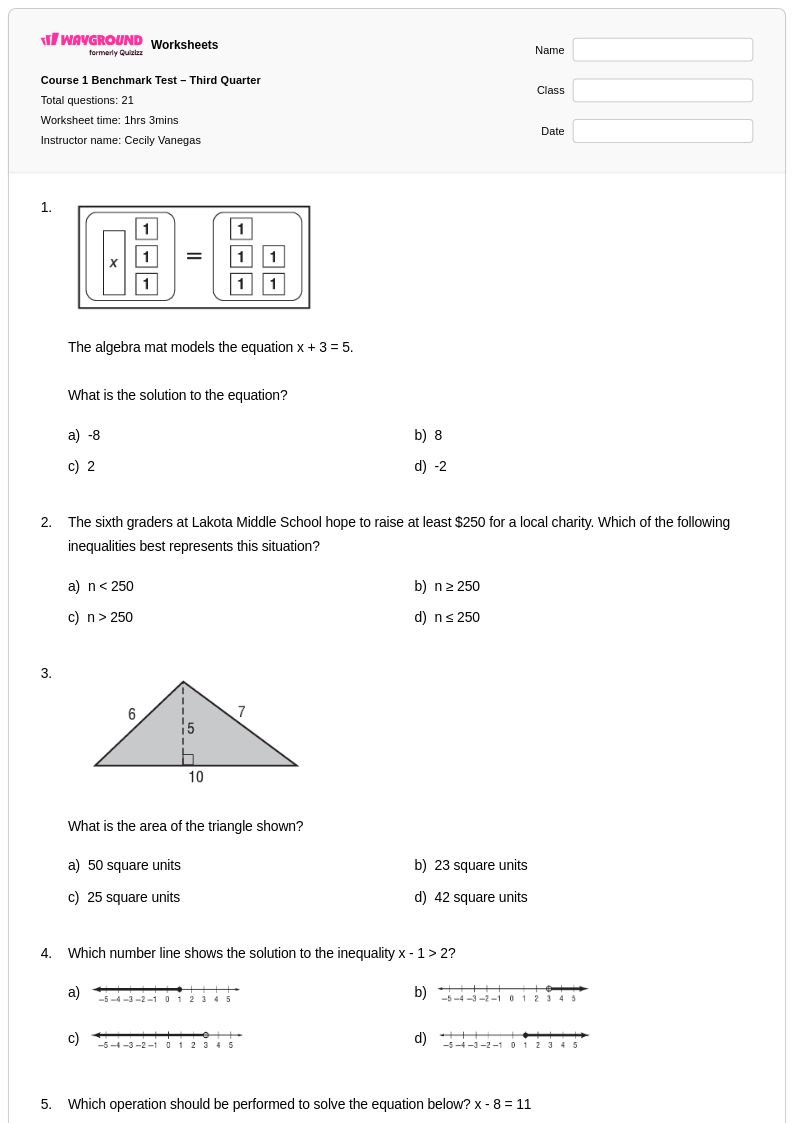
21Q
6th
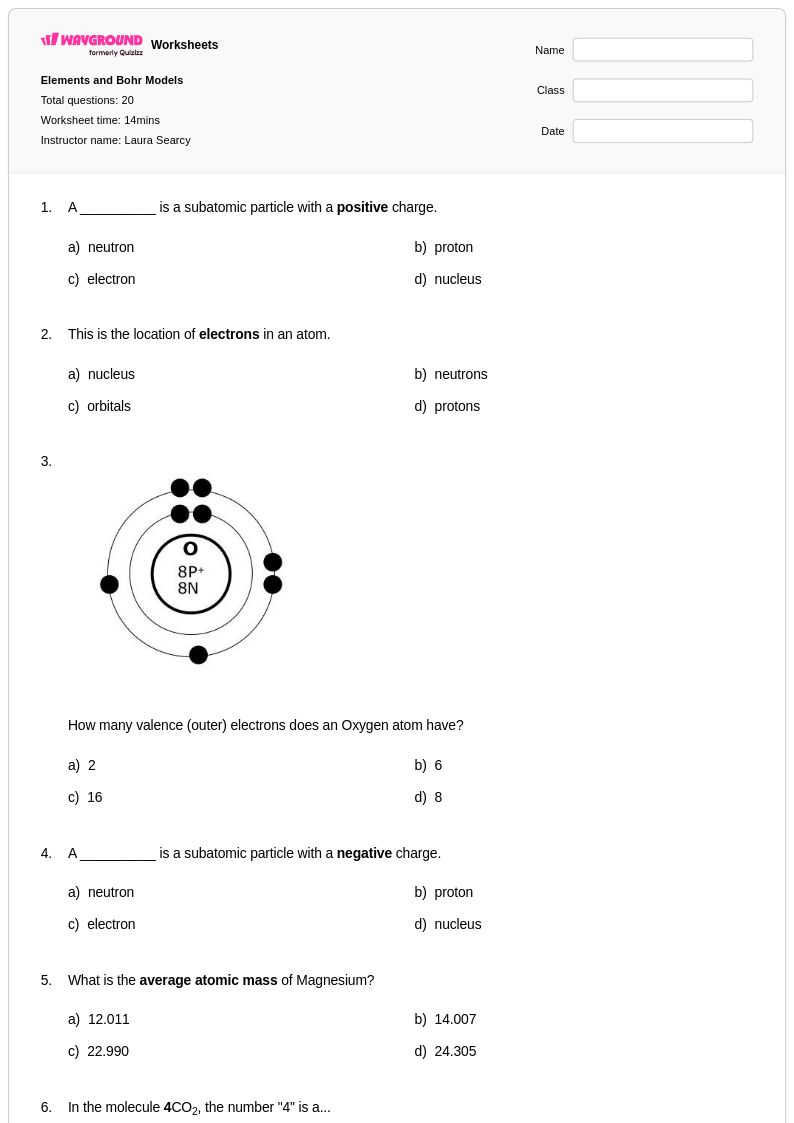
20Q
6th - 10th
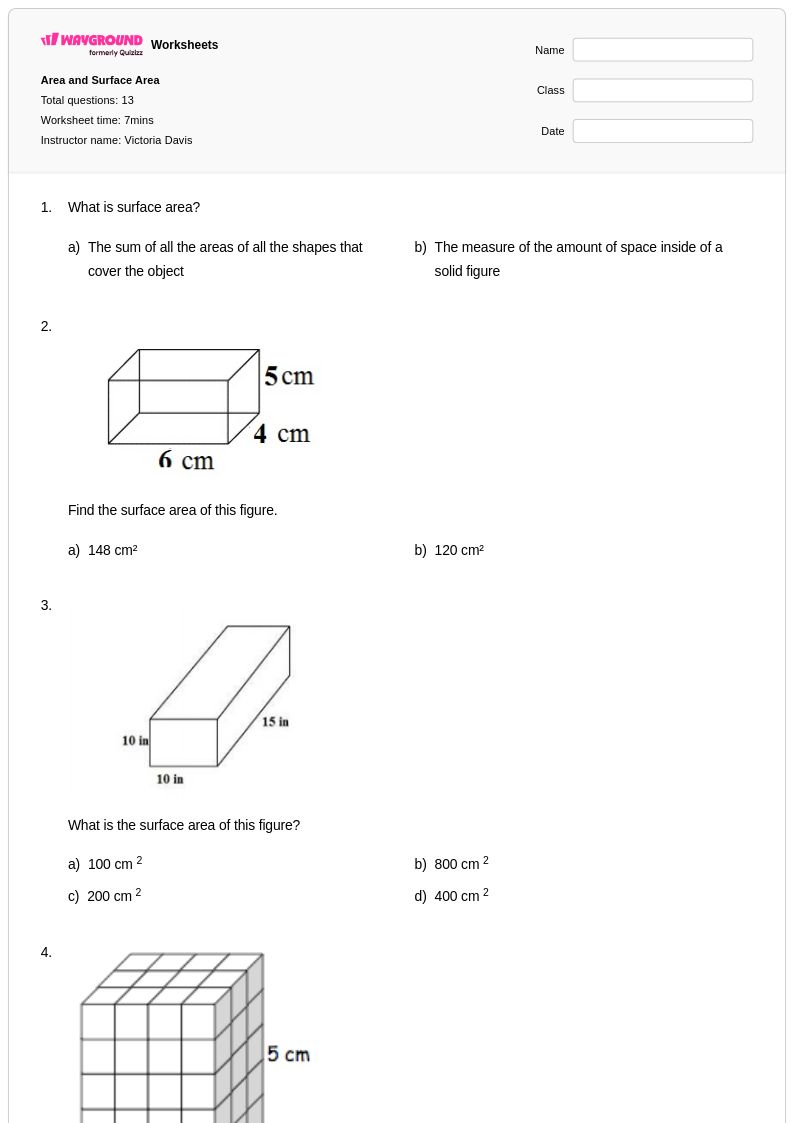
13Q
6th
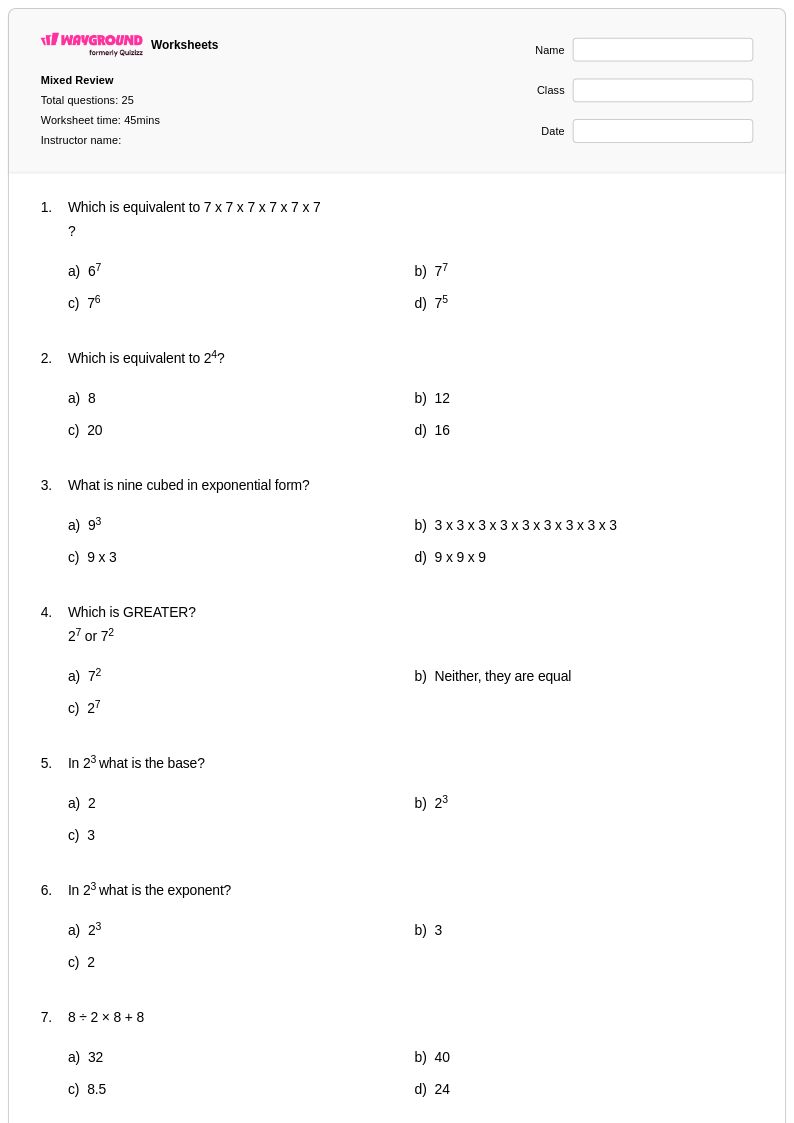
25Q
5th - 6th
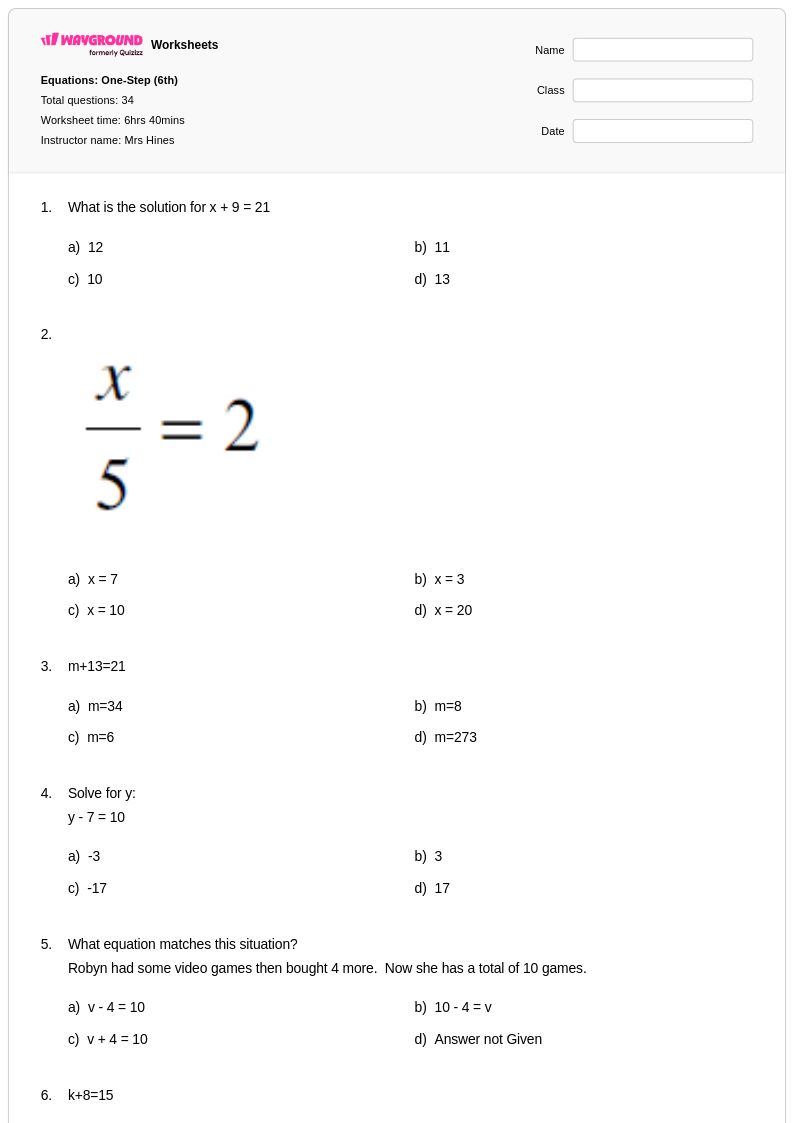
34Q
6th
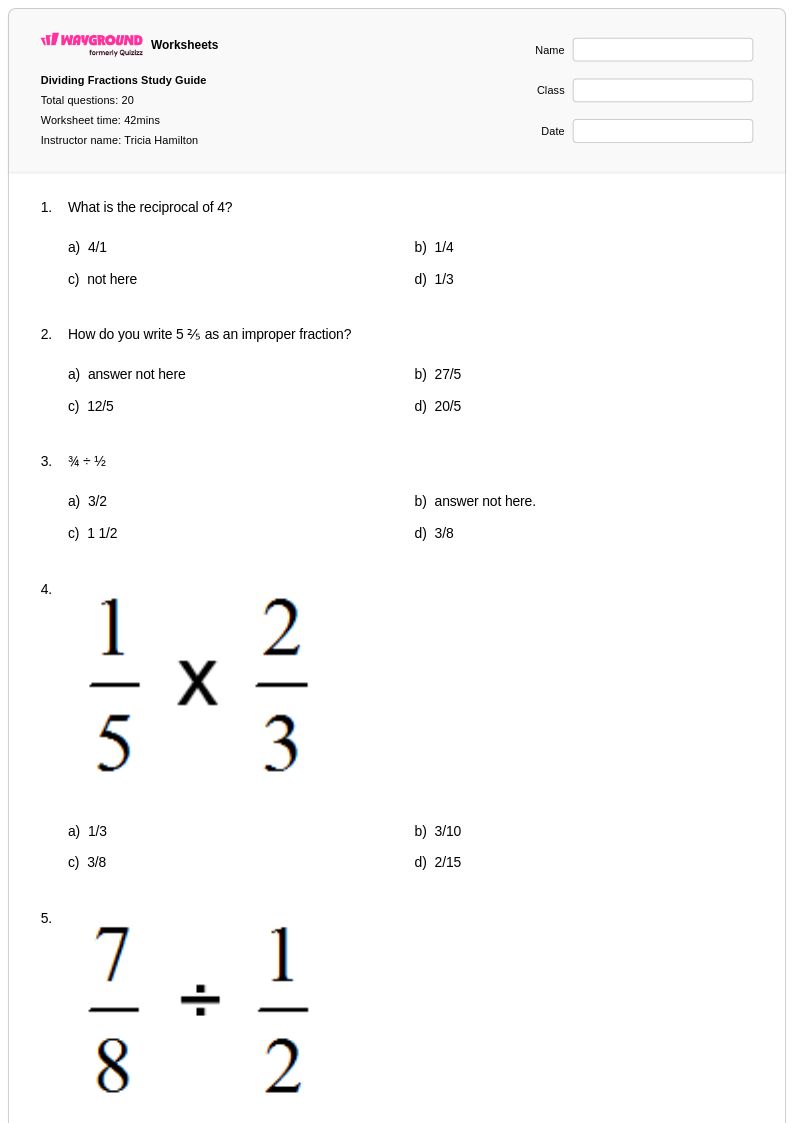
20Q
6th
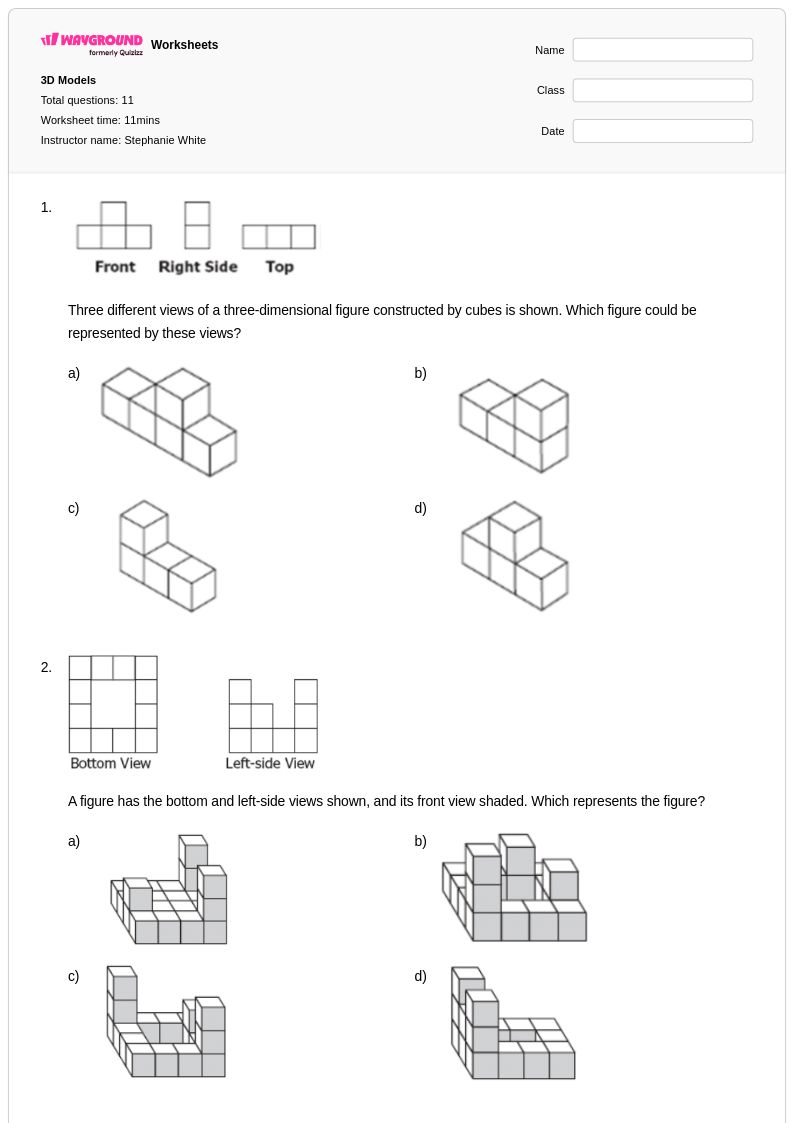
11Q
6th - 8th
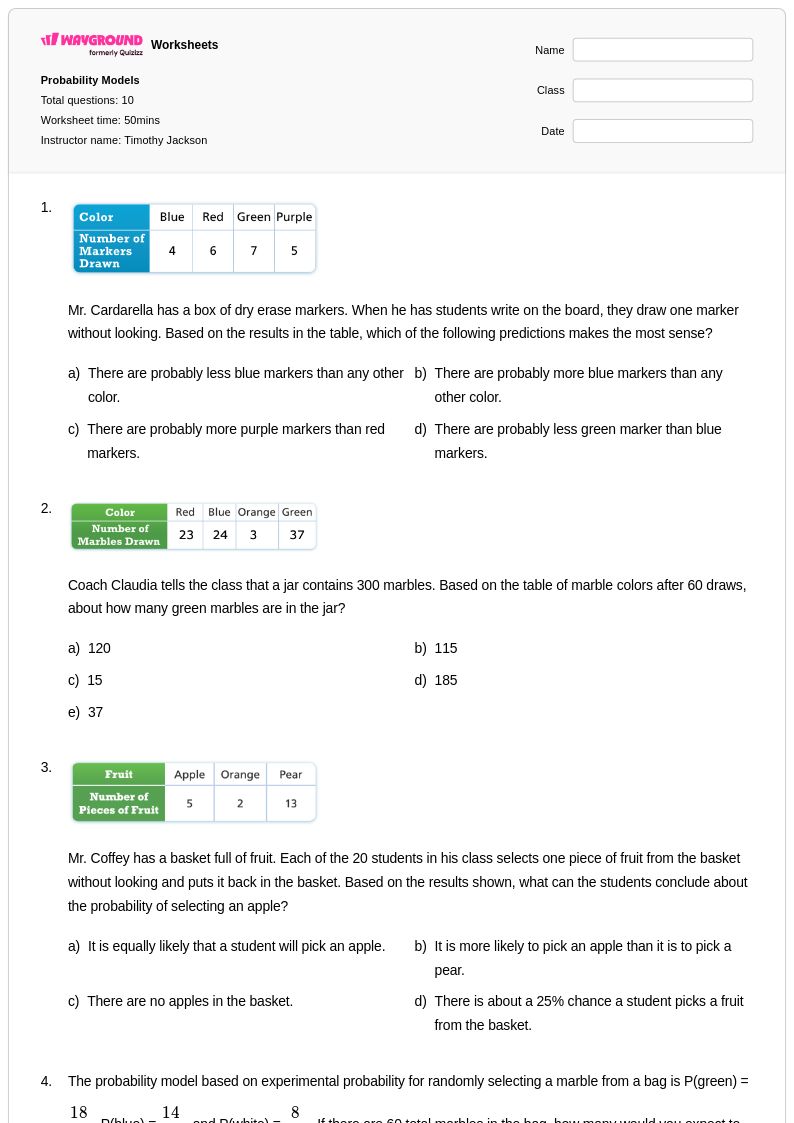
10Q
6th - 8th
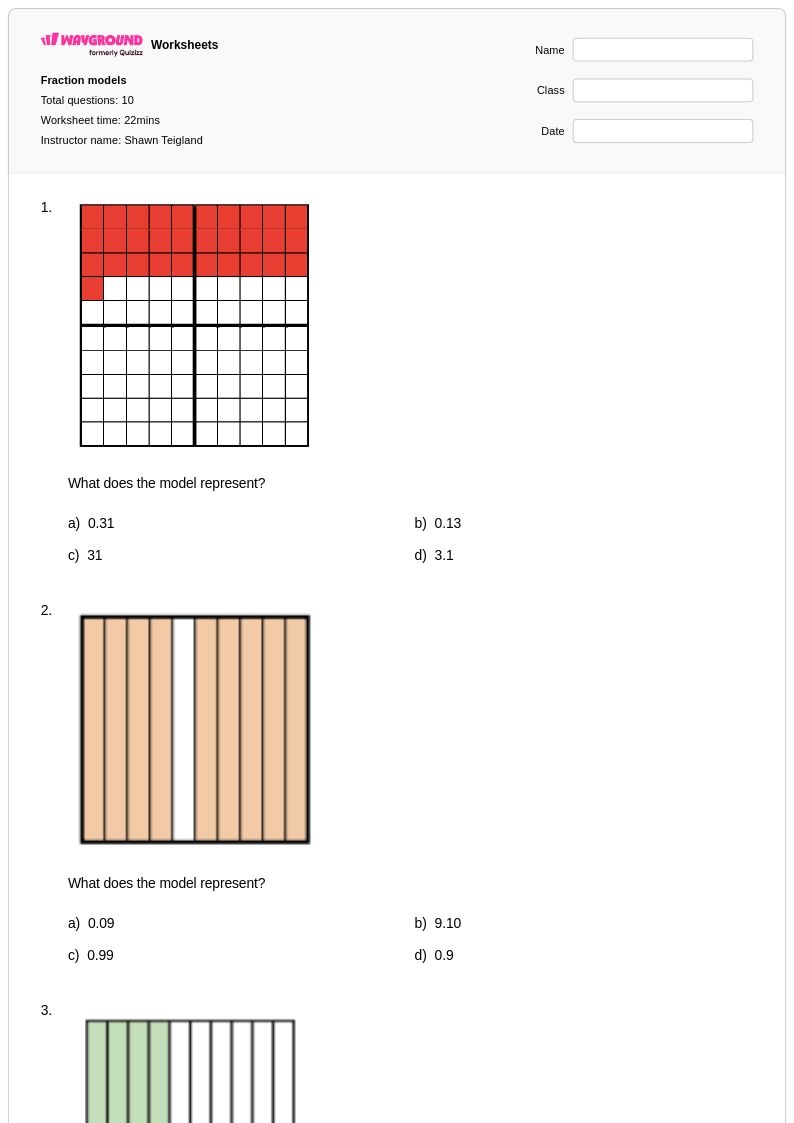
10Q
5th - 6th
Explore otras hojas de trabajo de materias para class 6
Explore printable Multiplication and Area Models worksheets for Class 6
Multiplication and area models provide Class 6 students with powerful visual strategies to understand and solve complex multiplication problems by representing mathematical relationships through geometric representations. Wayground's comprehensive collection of multiplication and area models worksheets helps students develop conceptual understanding by breaking down multiplication into manageable rectangular arrays, where length and width dimensions correspond to factors and the total area represents the product. These expertly designed practice problems strengthen students' ability to decompose numbers, visualize partial products, and connect abstract multiplication algorithms to concrete geometric models. Each worksheet includes detailed answer keys and is available as free printable PDFs, allowing students to work systematically through problems that range from basic two-digit multiplication to more complex multi-digit scenarios using area model strategies.
Wayground, formerly Quizizz, empowers teachers with access to millions of teacher-created resources specifically focused on multiplication and area models for Class 6 mathematics instruction. The platform's robust search and filtering capabilities enable educators to quickly locate worksheets that align with specific learning standards and match their students' diverse skill levels. Teachers can customize existing materials or create differentiated versions to support remediation for struggling learners while providing enrichment opportunities for advanced students. These versatile resources are available in both printable and digital formats, including downloadable PDFs, making them perfect for classroom instruction, homework assignments, intervention programs, and independent skill practice sessions that reinforce conceptual understanding of multiplication through visual area representations.