Free Printable Name Recognition Worksheets for Class 2
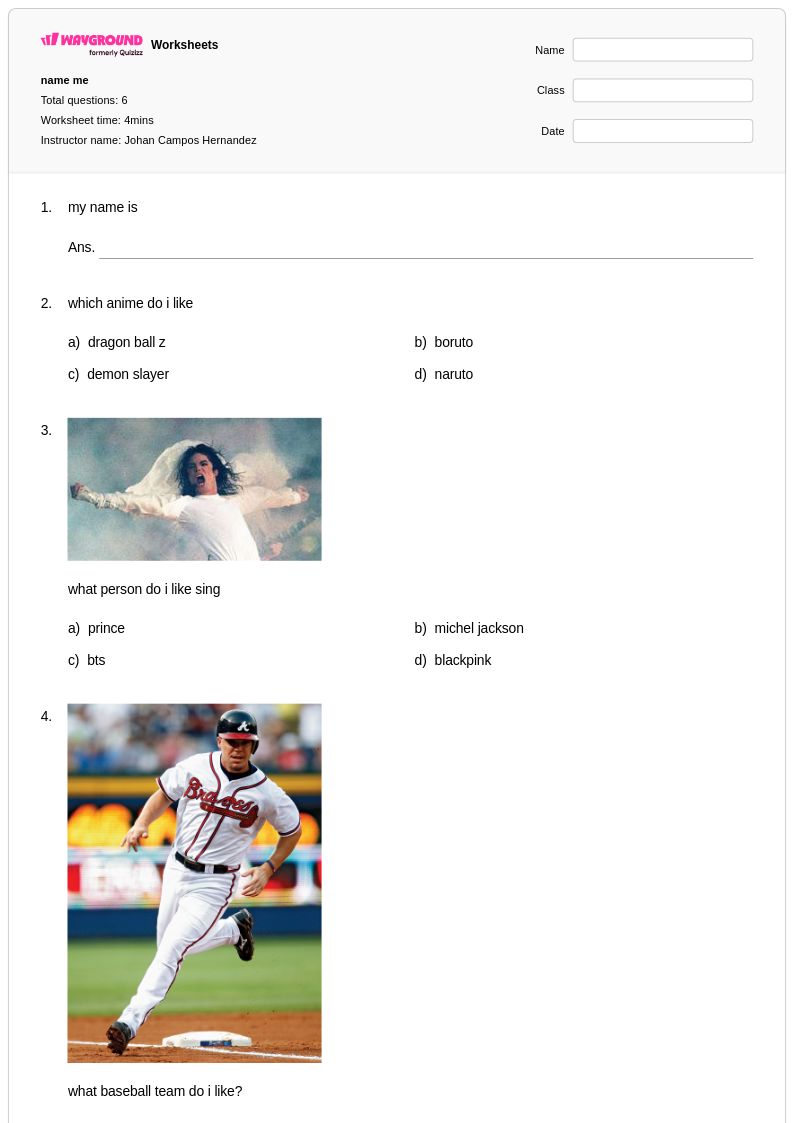
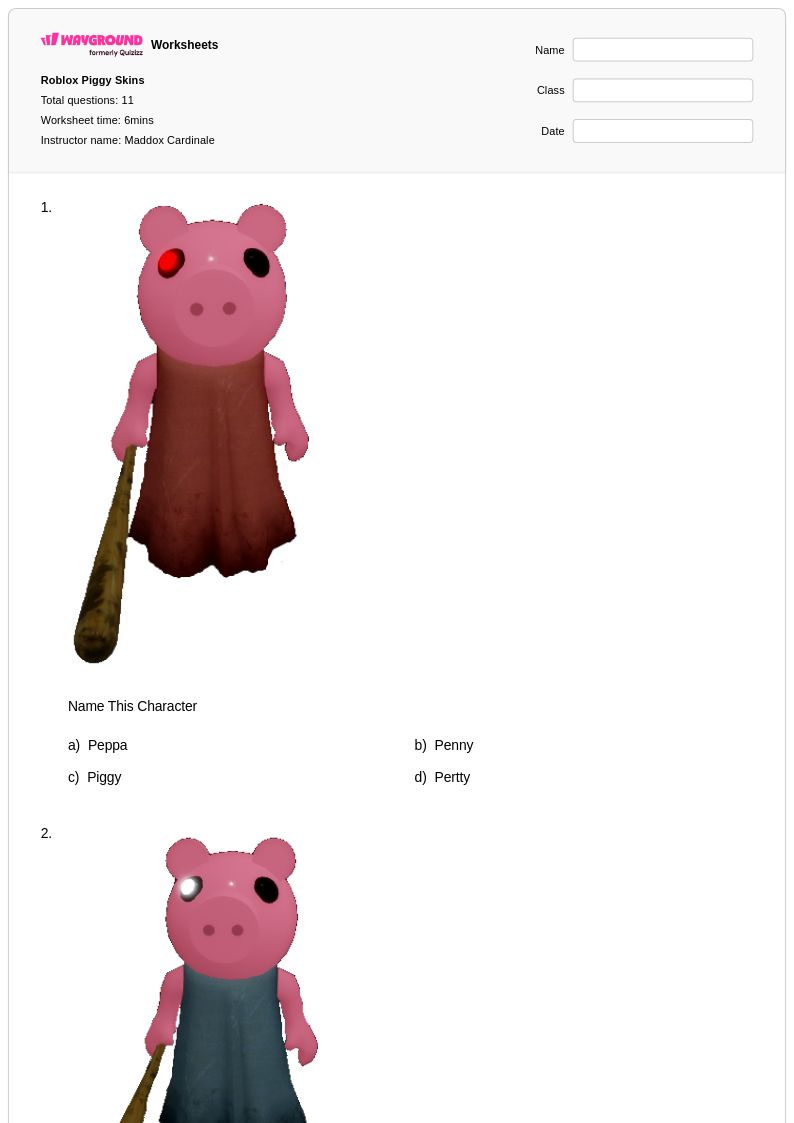
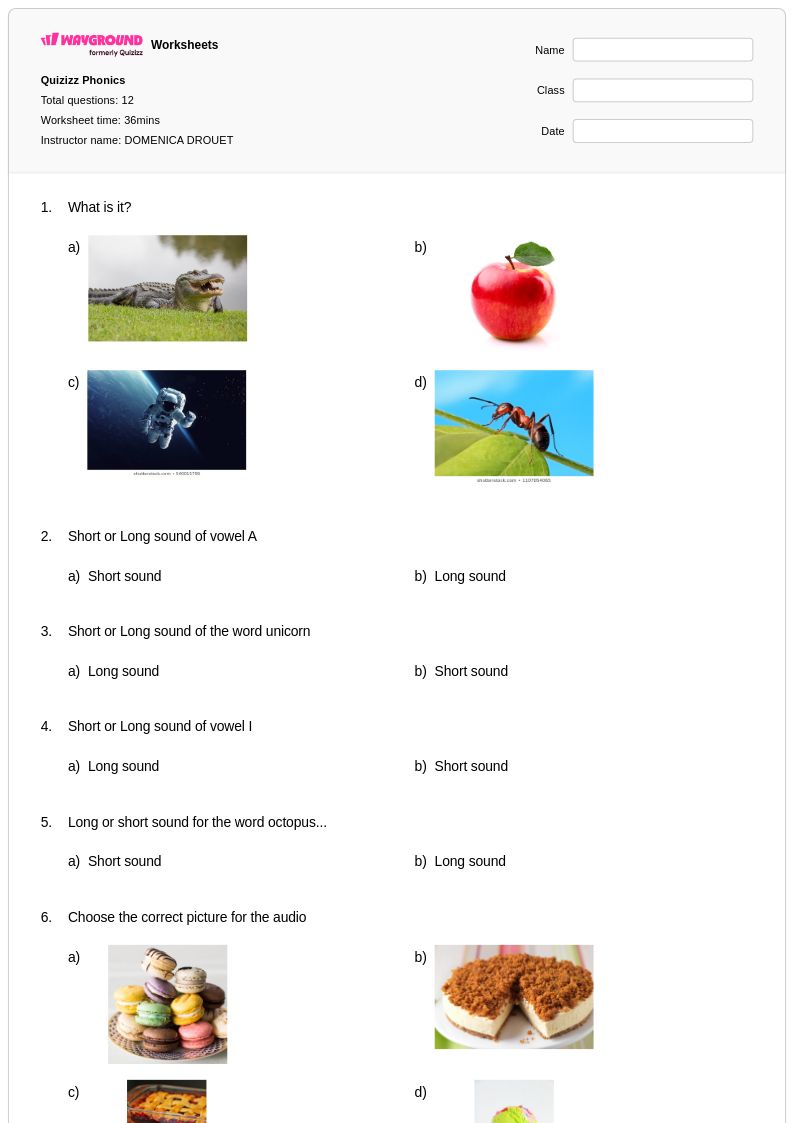
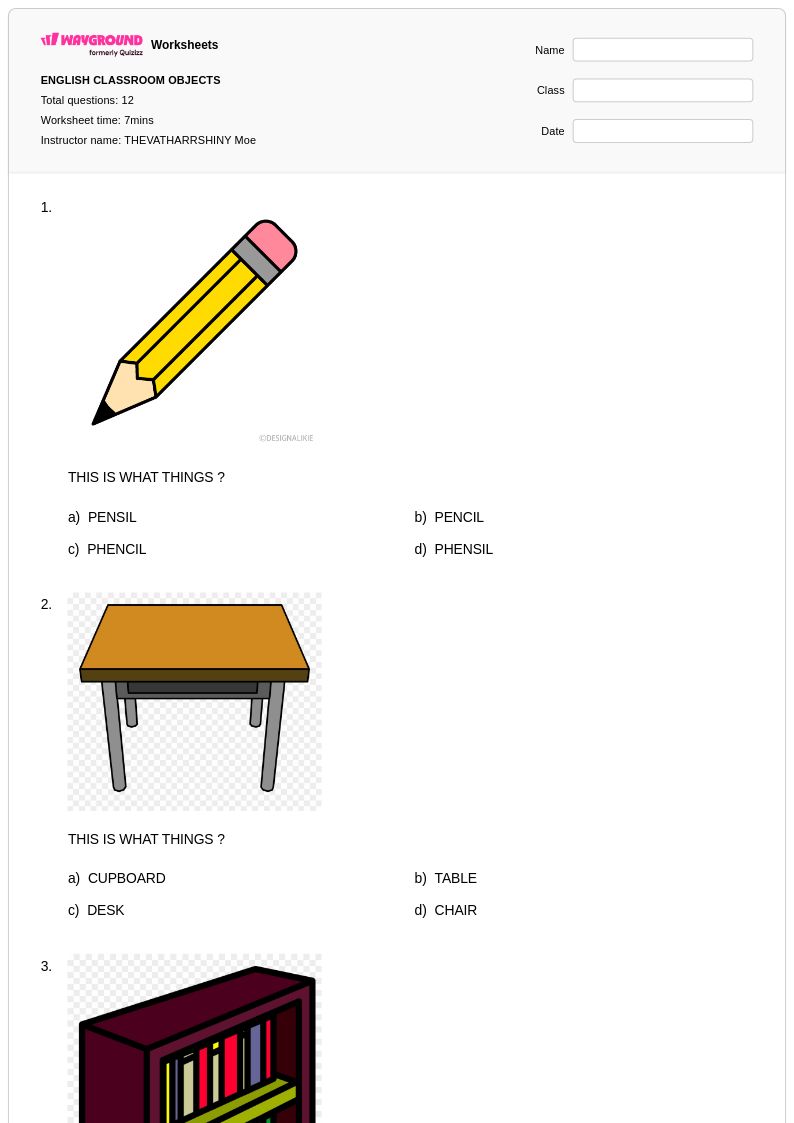
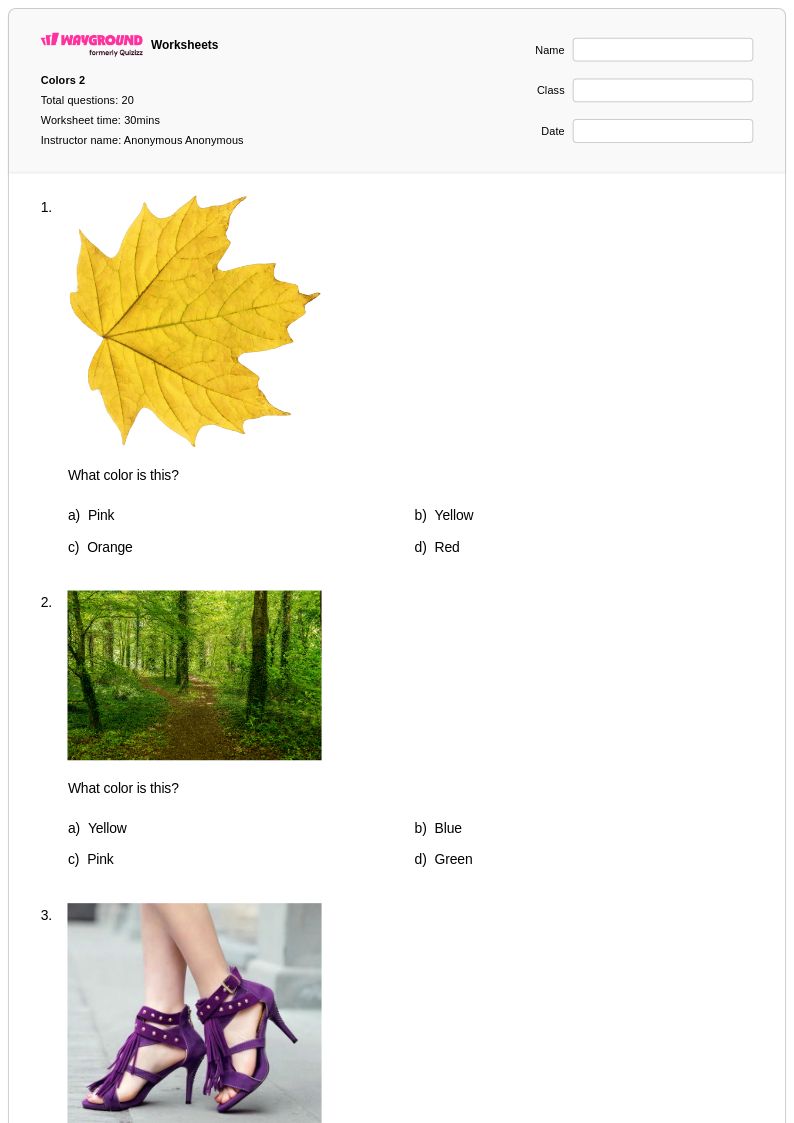
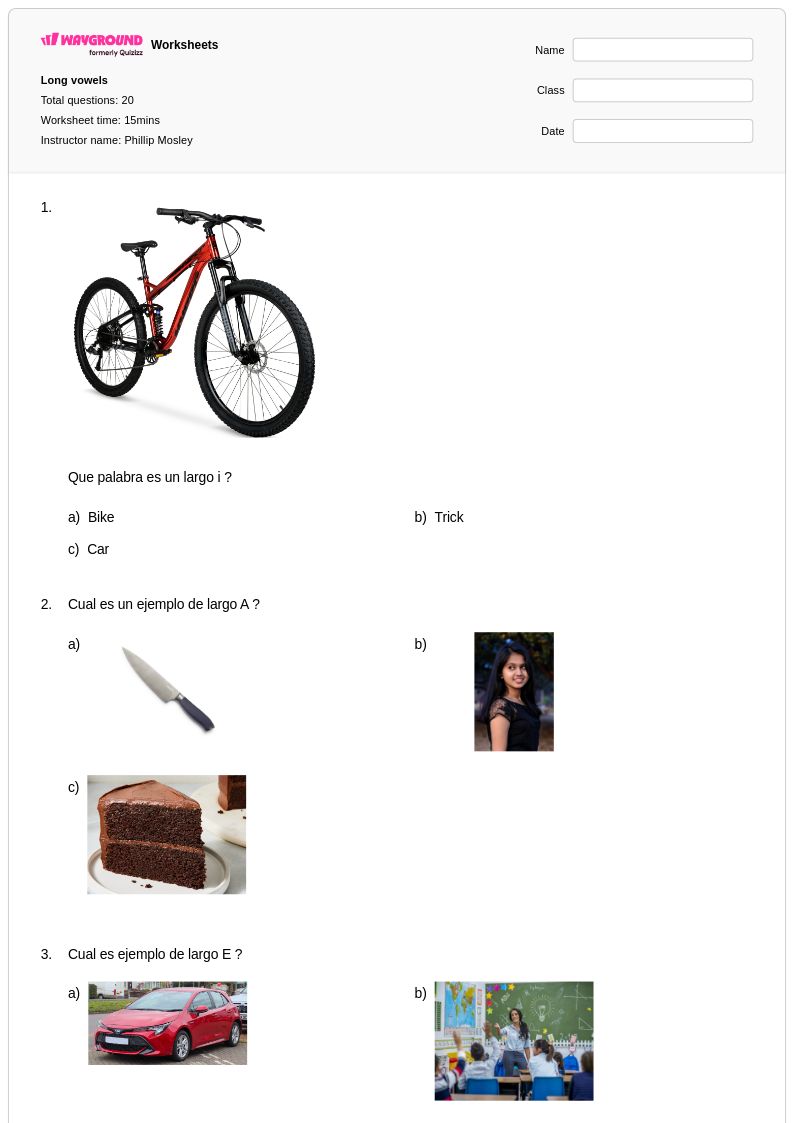
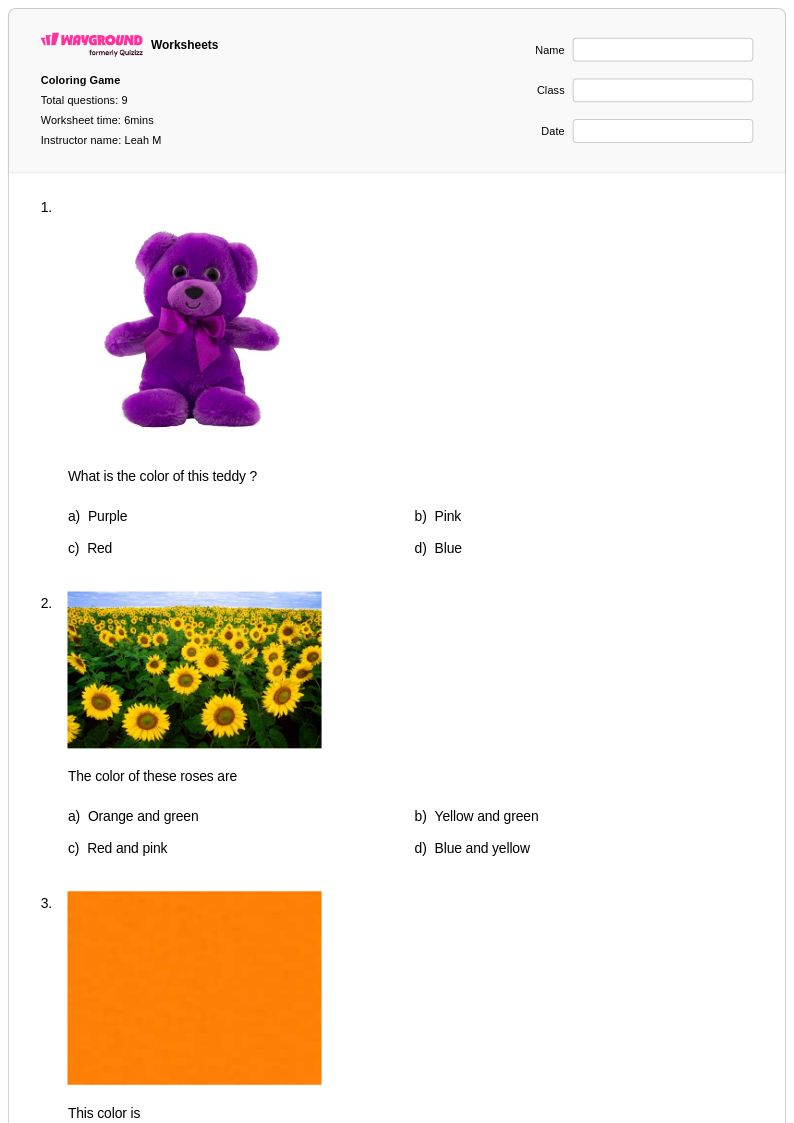
Free Class 2 name recognition worksheets and printables help students practice identifying and writing their own names through engaging activities, complete with answer keys and downloadable PDFs from Wayground.
Explore printable Name Recognition worksheets for Class 2
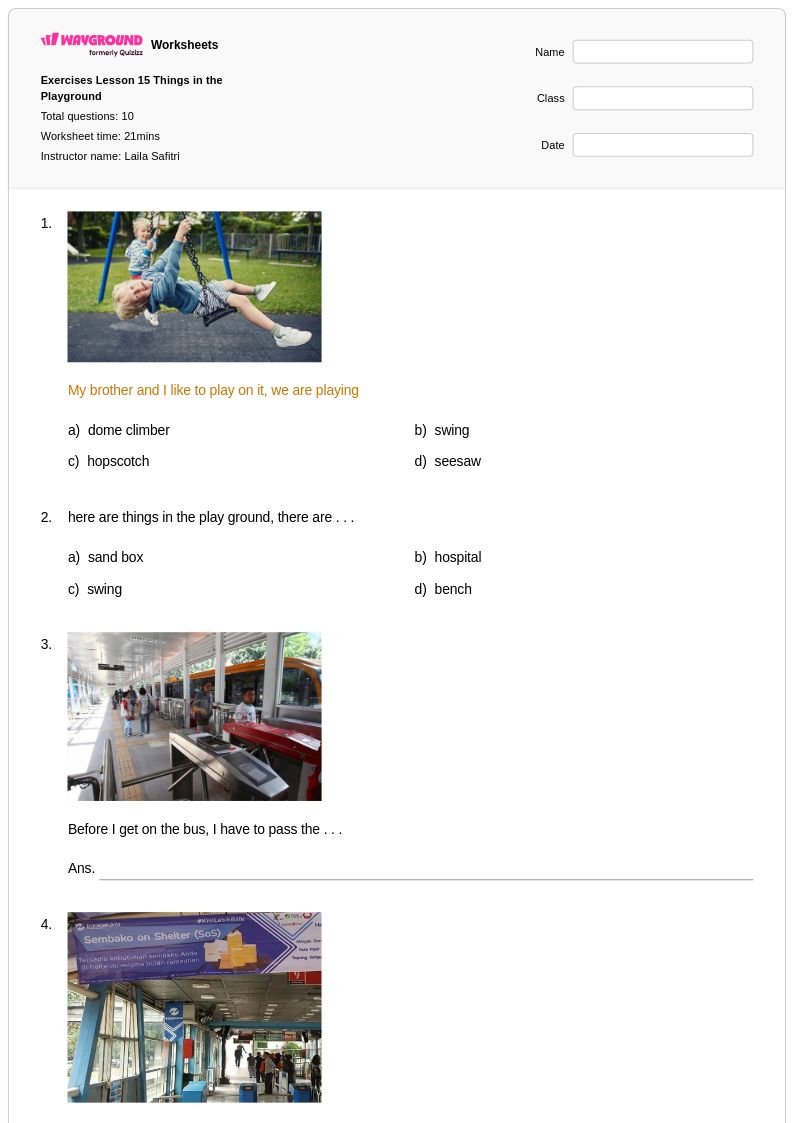
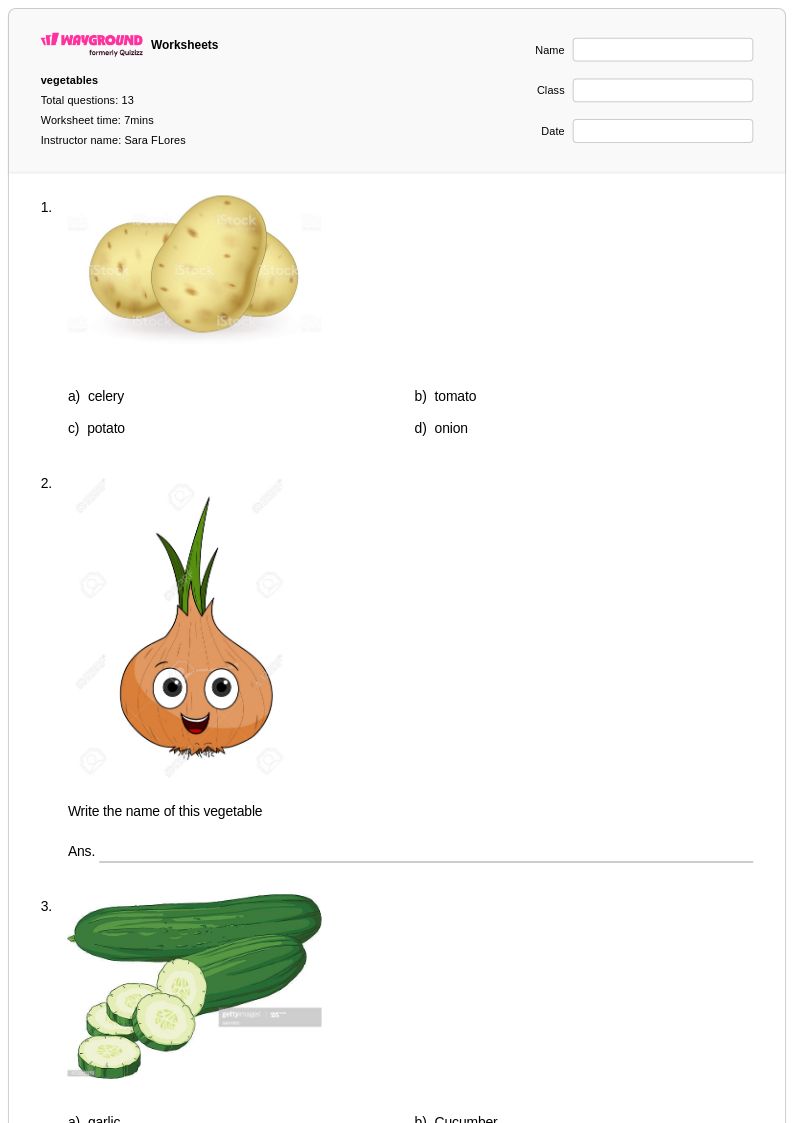
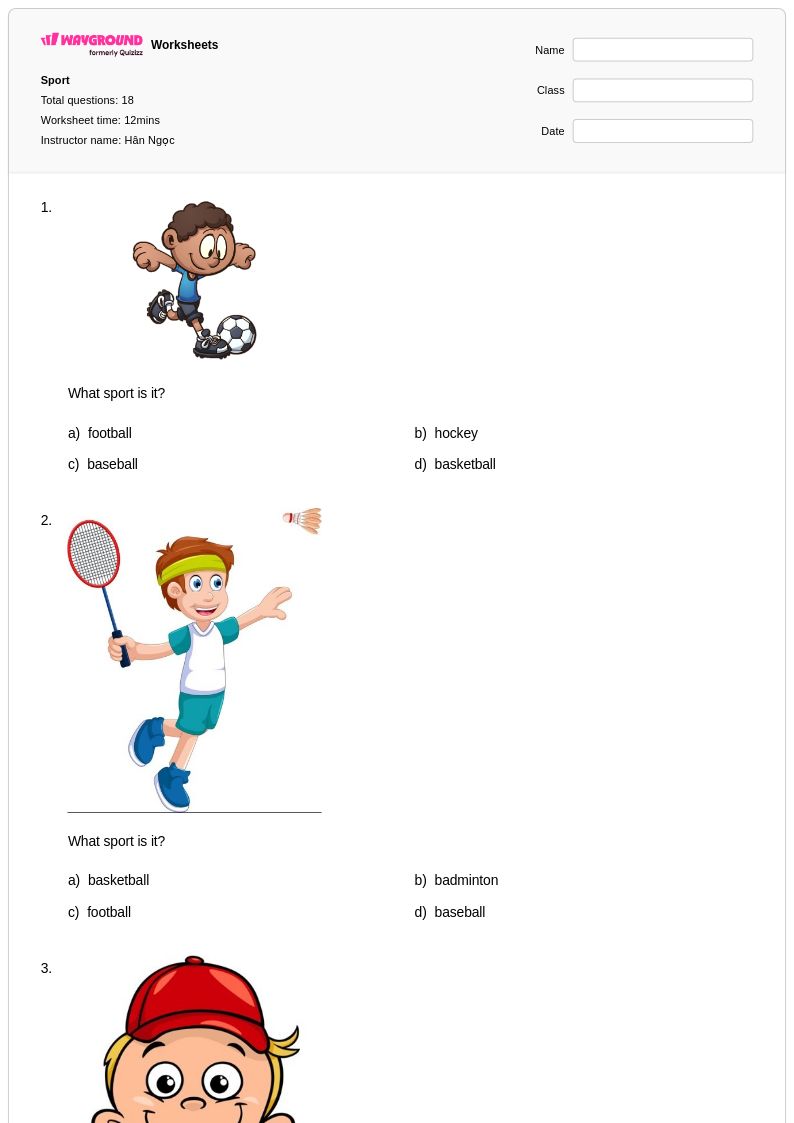
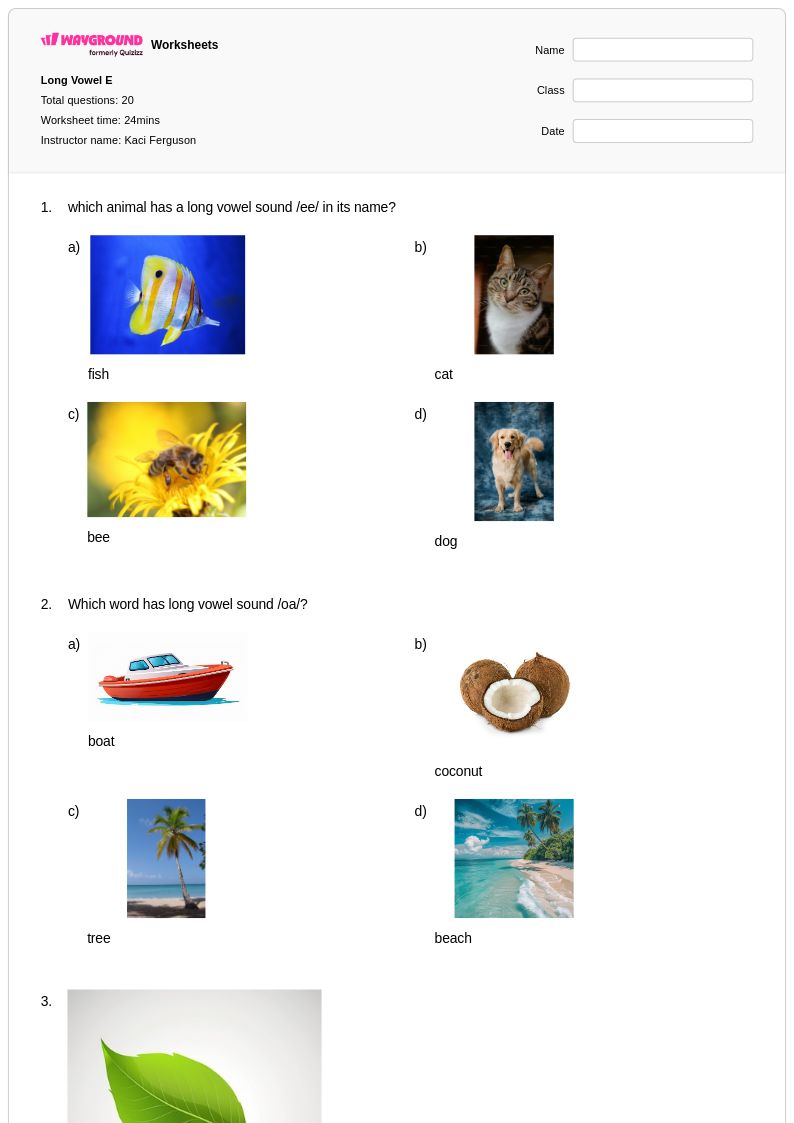
Name recognition worksheets for Class 2 students available through Wayground (formerly Quizizz) provide essential foundational practice for developing early writing skills and personal identity awareness. These carefully designed printables focus on helping young learners recognize, trace, and write their own names with confidence and accuracy. The worksheets strengthen fine motor control, letter formation, and visual discrimination skills while building the crucial connection between written symbols and personal identity. Each resource includes clear practice problems that progress from simple name tracing to independent writing, with answer keys provided to support both teacher assessment and student self-checking. These free pdf resources offer systematic practice opportunities that reinforce proper letter sequencing, spacing, and formation techniques essential for Class 2 writing development.
Wayground (formerly Quizizz) empowers educators with access to millions of teacher-created name recognition worksheets specifically designed for Class 2 learners. The platform's robust search and filtering capabilities allow teachers to quickly locate resources that align with early writing standards and individual student needs. Advanced differentiation tools enable customization of worksheets to accommodate varying skill levels within the classroom, supporting both remediation for struggling writers and enrichment for advanced students. These versatile resources are available in both printable pdf format and digital formats, providing flexibility for various classroom environments and learning preferences. Teachers can efficiently plan targeted skill practice sessions, track student progress through systematic name writing exercises, and ensure that every Class 2 student develops strong foundational writing skills through consistent, engaging practice opportunities.
FAQs
How do I teach name recognition to preschool and kindergarten students?
Name recognition is most effectively taught through repeated, personalized exposure — starting with a child's own name before moving to peers' names. Begin with name cards, tracing activities, and matching exercises where children identify their name among similar-looking words. Connecting each letter to its sound helps children understand that their name is made of distinct, meaningful units, which builds early phonics awareness alongside recognition.
What activities help young learners practice writing and recognizing their own name?
Structured tracing exercises are the most effective starting point, as they build fine motor control while reinforcing the visual pattern of each child's name. Progression matters: begin with dotted-line tracing, then move to copy writing, and finally independent writing from memory. Activities that ask children to identify their name among a group of similar names also strengthen visual discrimination, a core pre-literacy skill.
What are common mistakes young children make when learning to recognize and write their name?
Children frequently reverse letters, particularly symmetrical ones like 'b', 'd', 'p', and 'q', which is developmentally normal in early writing stages. Many children also confuse name recognition with memorizing a visual shape rather than understanding the individual letters, which can stall phonics development later. Teachers should watch for children who can write their name by rote but cannot identify individual letters within it, as this indicates the letter-sound connection still needs reinforcement.
How does name recognition connect to broader pre-literacy development?
A child's own name is typically the first word they learn to read and write, making it a critical anchor for early literacy. Through name recognition, children develop letter identification, left-to-right directionality, the concept that print carries meaning, and an understanding of word boundaries. These skills directly support phonics instruction and reading readiness, which is why name recognition is considered a foundational pre-literacy milestone.
How do I use Wayground's name recognition worksheets in my classroom?
Wayground's name recognition worksheets are available as printable PDFs for traditional classroom use and in digital formats for technology-integrated learning environments, and can also be hosted as a quiz directly on Wayground. Teachers can use the printable versions for handwriting and tracing practice, while digital formats work well for remote learning or one-to-one device settings. For students who need additional support, Wayground's accommodation features — including read aloud and reduced answer choices — can be applied individually so every learner accesses the activity at the right level.
How can I differentiate name recognition activities for students at different skill levels?
Differentiation in name recognition should address both fine motor skill and letter knowledge simultaneously. For beginners, thick dotted tracing lines and large font sizes reduce frustration and build muscle memory. More advanced learners can move to independent writing, letter sequencing tasks, or identifying their name within a sentence. On Wayground, teachers can apply individual accommodations such as larger text through reading mode or read aloud support, allowing the same worksheet to serve multiple skill levels without singling out any student.