Free Printable Personal Safety: Boundaries Worksheets for Class 7
Explore Wayground's free Class 7 personal safety boundaries worksheets and printables that help students develop essential skills for recognizing appropriate limits, understanding consent, and practicing safe decision-making through engaging practice problems with answer keys.
Explore printable Personal Safety: Boundaries worksheets for Class 7
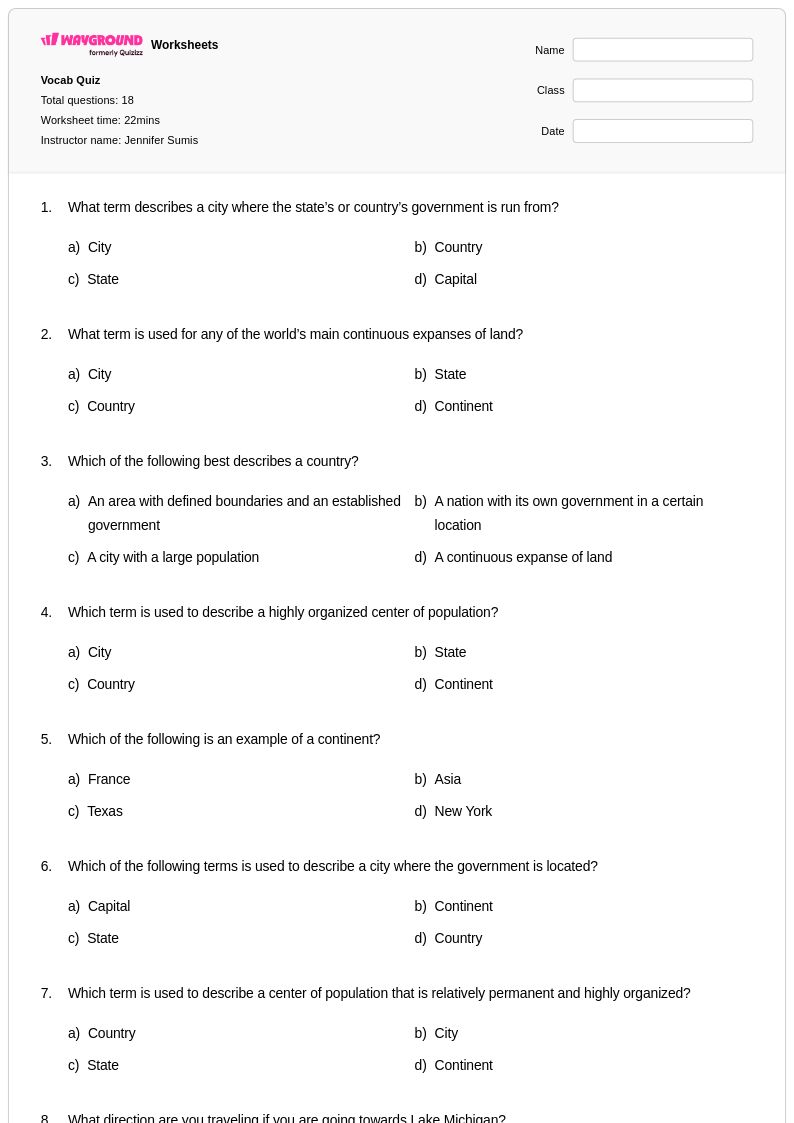
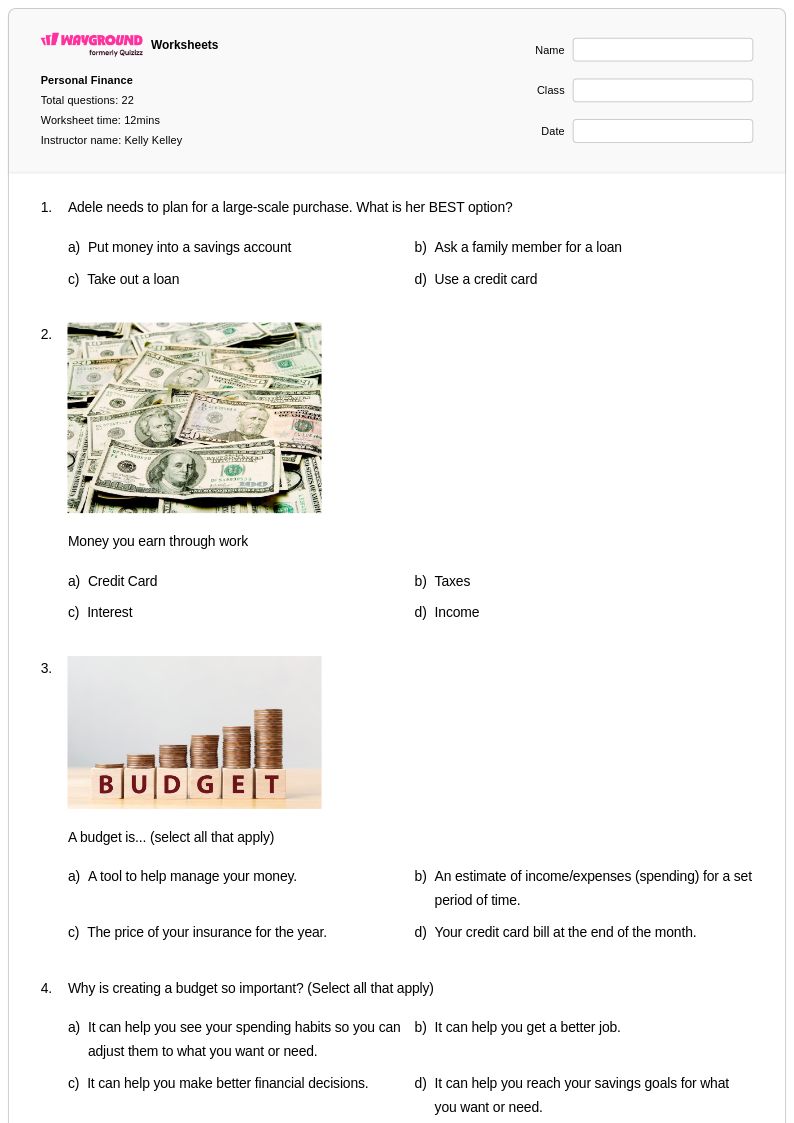
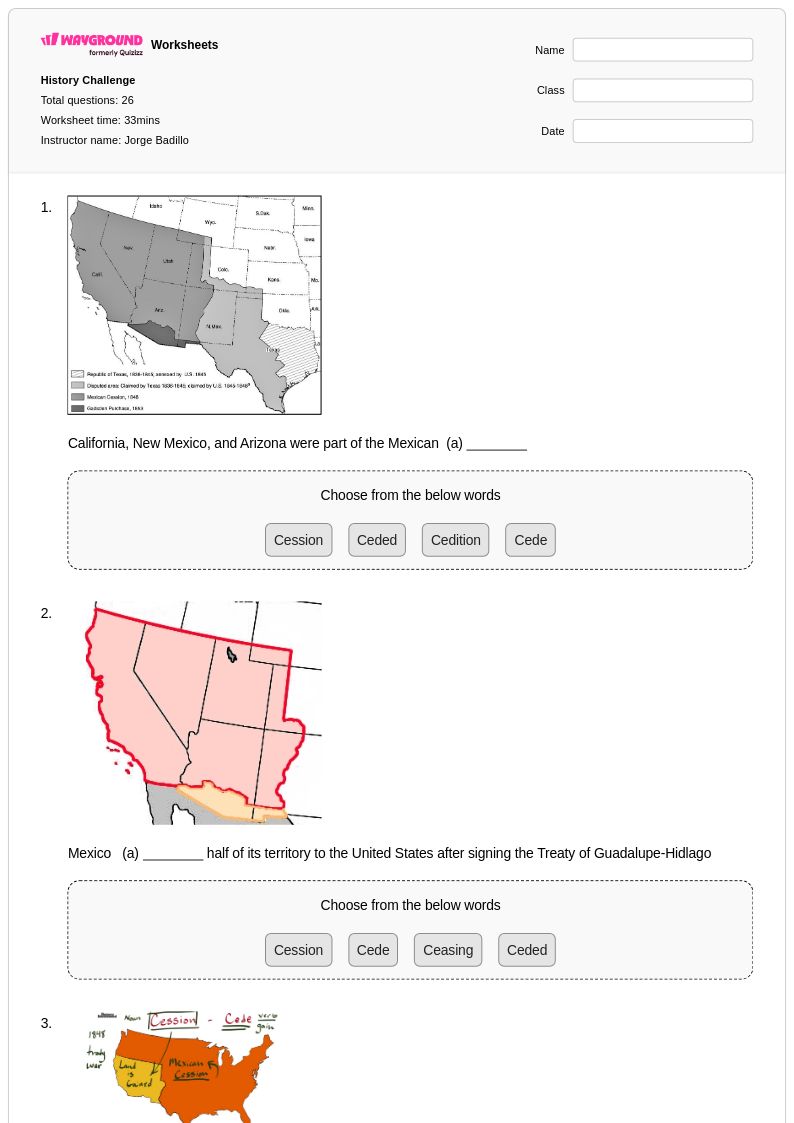
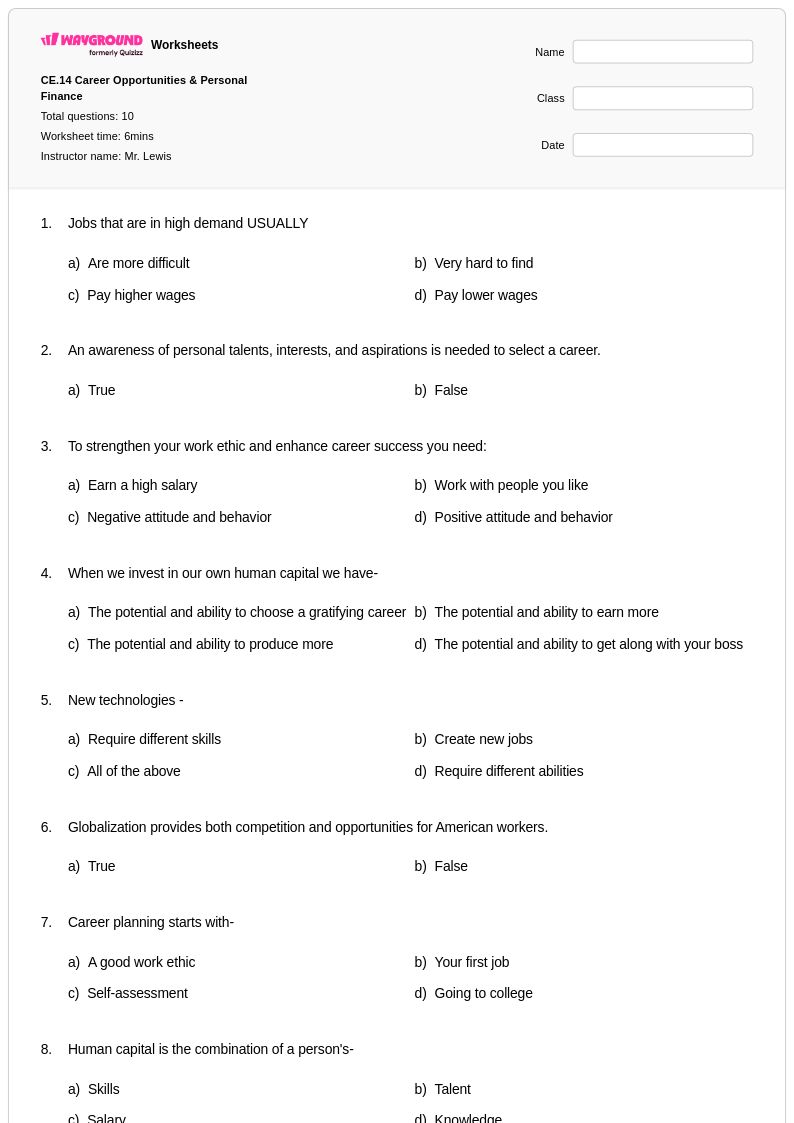
Personal safety boundaries worksheets for Class 7 students available through Wayground (formerly Quizizz) provide essential educational resources that help adolescents develop critical life skills for protecting themselves in various social situations. These comprehensive worksheets focus on teaching seventh graders how to recognize, establish, and maintain healthy personal boundaries in relationships with peers, family members, and other adults. Students engage with practice problems that explore scenarios involving physical boundaries, emotional limits, digital safety, and appropriate responses to uncomfortable situations. The materials include detailed answer keys that guide educators through complex discussions about consent, peer pressure, and assertiveness techniques, while pdf formats ensure easy distribution and accessibility for both classroom instruction and independent study.
Wayground's extensive collection of teacher-created resources supports educators in delivering age-appropriate personal safety instruction through millions of carefully curated materials that address the unique developmental needs of middle school students. The platform's robust search and filtering capabilities enable teachers to locate specific boundary-setting activities that align with social studies standards and complement existing health education curricula. Differentiation tools allow instructors to modify worksheet complexity based on individual student needs, while customizable features support adaptation for diverse learning styles and classroom environments. These printable and digital resources prove invaluable for lesson planning, providing structured opportunities for skill practice, remediation for students who need additional support understanding personal safety concepts, and enrichment activities that deepen understanding of healthy relationship dynamics and self-advocacy strategies.
FAQs
How do I teach personal safety and boundaries to elementary students?
Teaching personal safety and boundaries to elementary students works best through concrete, age-appropriate scenarios rather than abstract rules. Use role-play activities where students practice saying 'no' assertively, identifying trusted adults, and distinguishing between safe and unsafe situations. Anchor lessons around the concept of body autonomy so students understand they have the right to set limits on physical contact. Reinforce these concepts consistently across subjects like health, social studies, and social-emotional learning to help students internalize protective behaviors.
What exercises help students practice recognizing appropriate vs. inappropriate behavior?
Scenario-based worksheets are among the most effective tools for helping students practice recognizing appropriate versus inappropriate behavior. Students read short situations and categorize them, explain their reasoning, or identify what a safe response would look like. Other useful exercises include sorting activities where students distinguish between safe and unsafe secrets, and reflection prompts asking students to name trusted adults they can turn to when uncomfortable. These structured practice problems build the pattern recognition students need to apply these skills in real situations.
What misconceptions do students commonly have about personal boundaries and consent?
One of the most common misconceptions is that students feel obligated to comply with requests from adults or peers to avoid seeming rude, which undermines their ability to assert boundaries. Students also frequently confuse safe secrets (like surprise parties) with unsafe secrets that involve discomfort or harm, a distinction that requires explicit, repeated instruction. Some students believe that if they feel uncomfortable, it must be their fault, so instruction must clearly separate the concepts of responsibility and personal safety. Addressing these errors directly through discussion and written reflection exercises helps students develop more accurate and protective thinking.
How can I use personal safety boundaries worksheets to support students with different learning needs?
Personal safety boundaries worksheets on Wayground can be assigned digitally, which allows teachers to apply individual accommodations directly to students who need them. Wayground supports features such as read aloud (so questions and scenarios are read to students audibly), extended time per question, and reduced answer choices to lower cognitive load for students who need additional support. These accommodations can be set per student without alerting peers, so all students engage with the same content in a way that works for them. For students who need more scaffolding, teachers can also pair digital worksheets with guided discussion before independent practice.
How do I use Wayground's personal safety boundaries worksheets in my classroom?
Wayground's personal safety boundaries worksheets are available as both printable PDFs and in digital formats, so they work in traditional classroom settings, distance learning, and hybrid environments. Teachers can print and distribute worksheets directly or assign them digitally through Wayground's platform, where they can also be hosted as an interactive quiz. Each worksheet includes a complete answer key, which reduces prep time and supports consistent grading. These materials are designed to integrate into health, social studies, or social-emotional learning units without requiring significant lesson restructuring.
How do I address digital safety and online boundaries alongside personal safety lessons?
Digital safety is a natural extension of personal safety instruction and should be introduced once students have a foundational understanding of physical boundaries and body autonomy. Lessons can progress from recognizing inappropriate in-person behavior to identifying online situations that feel uncomfortable or unsafe, such as unwanted contact or requests to share personal information. Scenario-based worksheets that mirror real digital situations help students apply the same decision-making framework they use for offline safety. Pairing these with discussion about trusted adults students can report online concerns to reinforces the consistency of the safety model across contexts.