
10 Q
2nd - Uni
16 Q
3rd - 4th
20 Q
3rd
24 Q
3rd
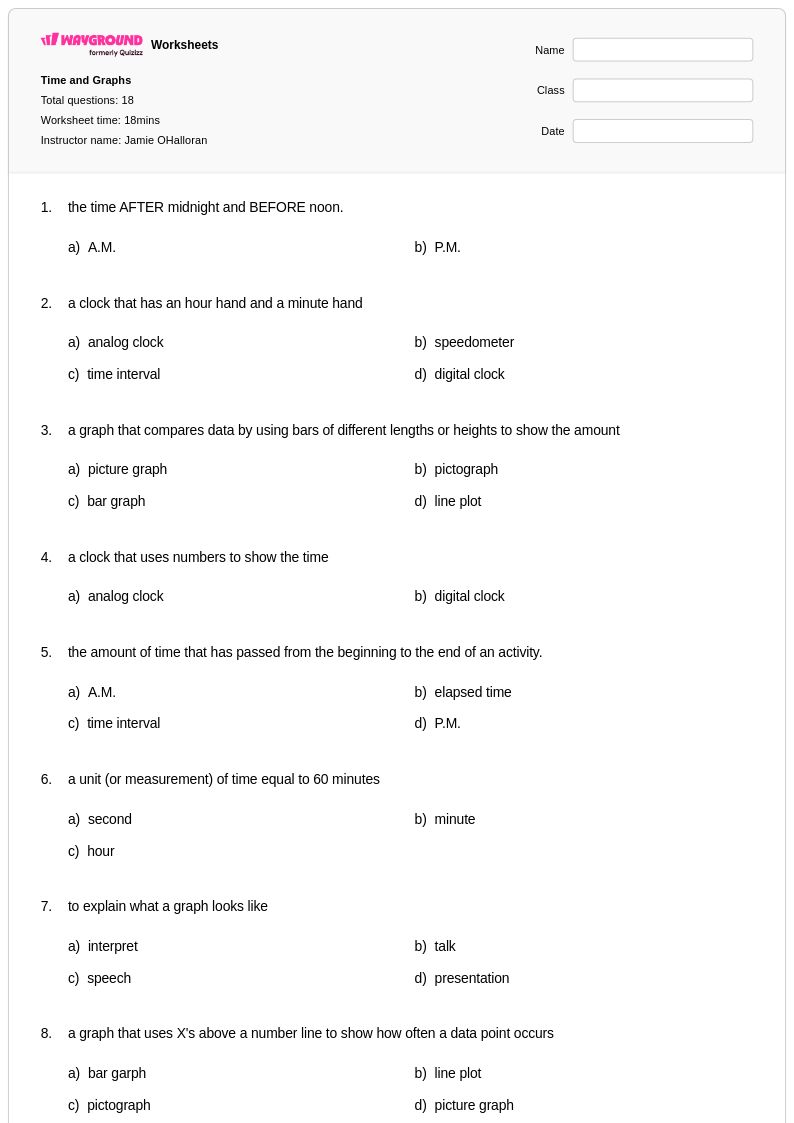
18 Q
3rd
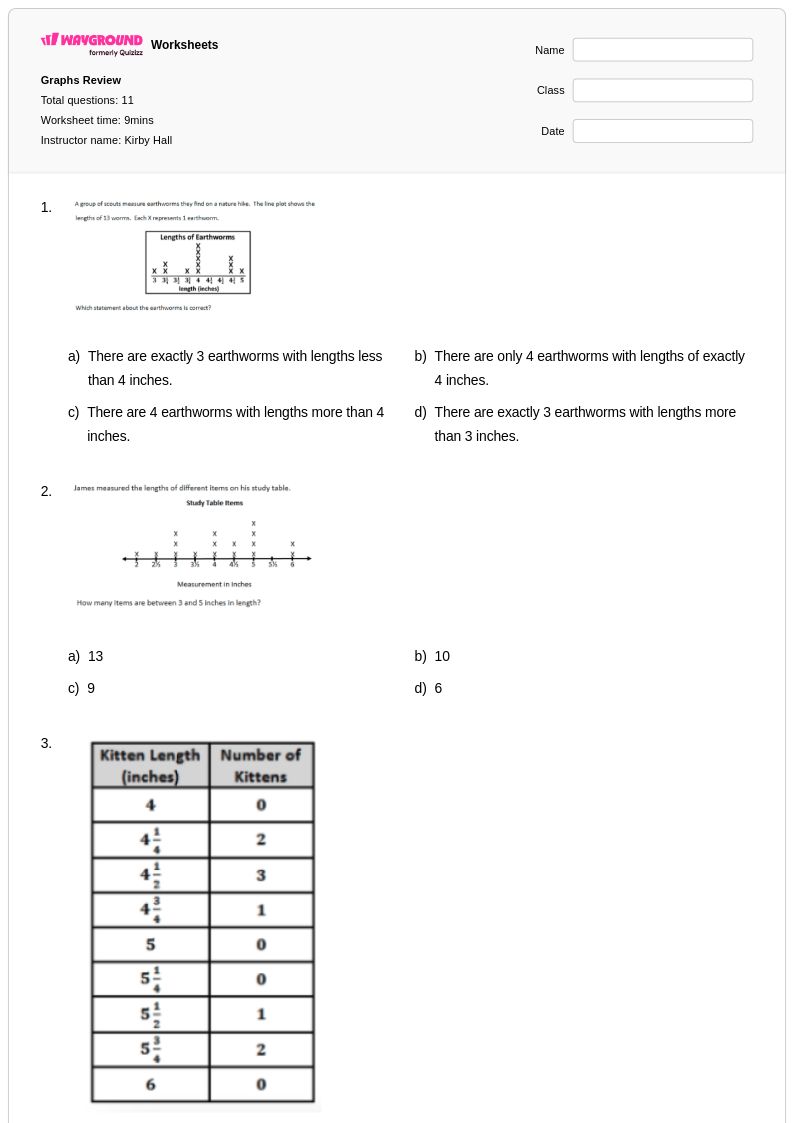
11 Q
3rd
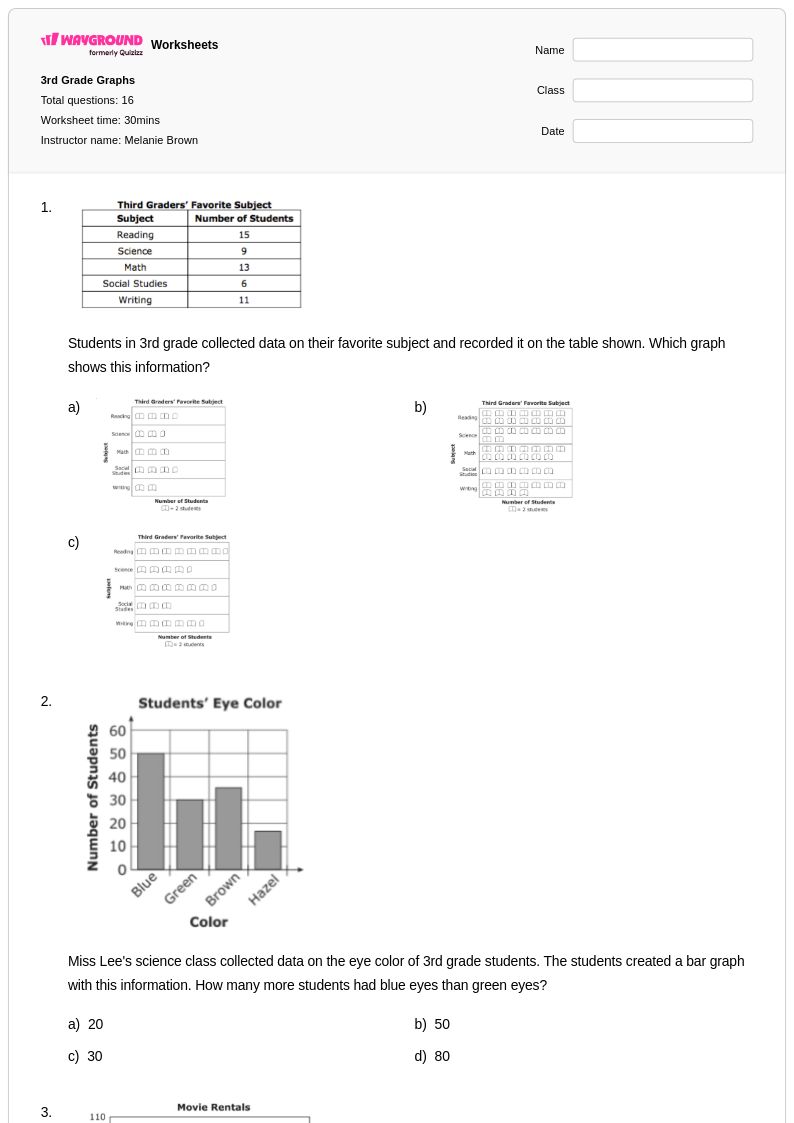
16 Q
3rd - 4th
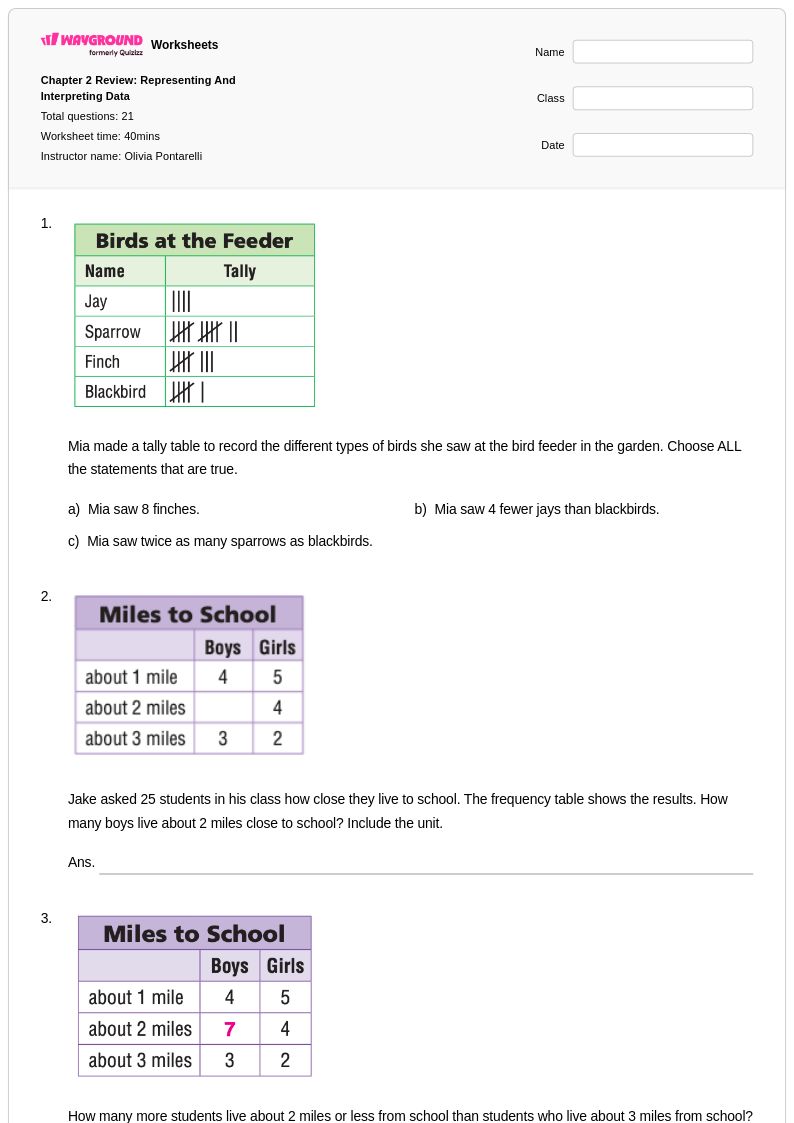
21 Q
3rd
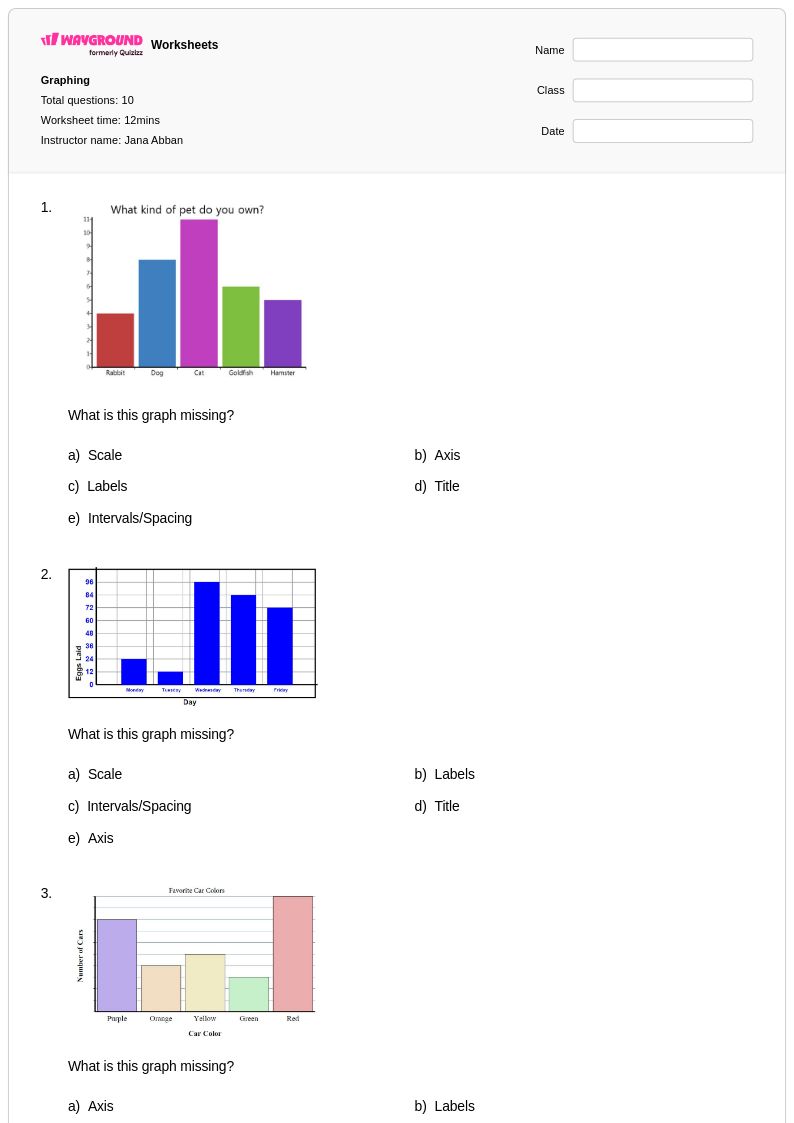
10 Q
3rd - 4th
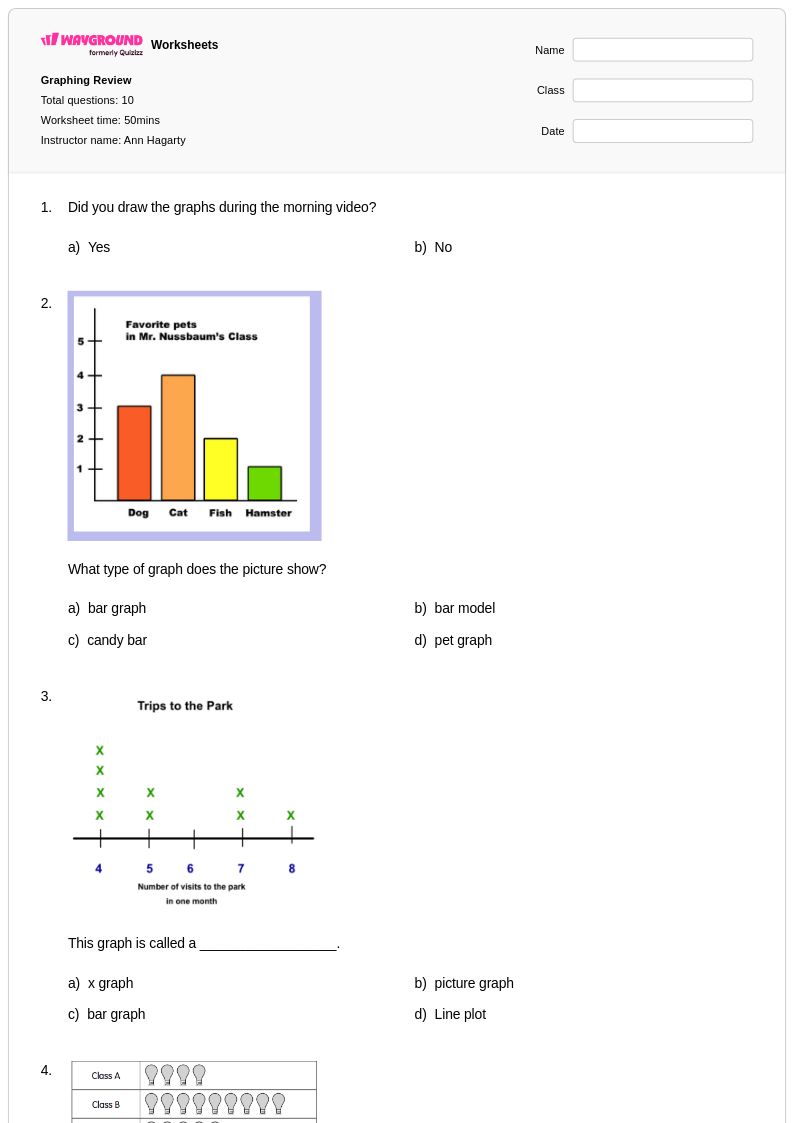
10 Q
2nd - 3rd
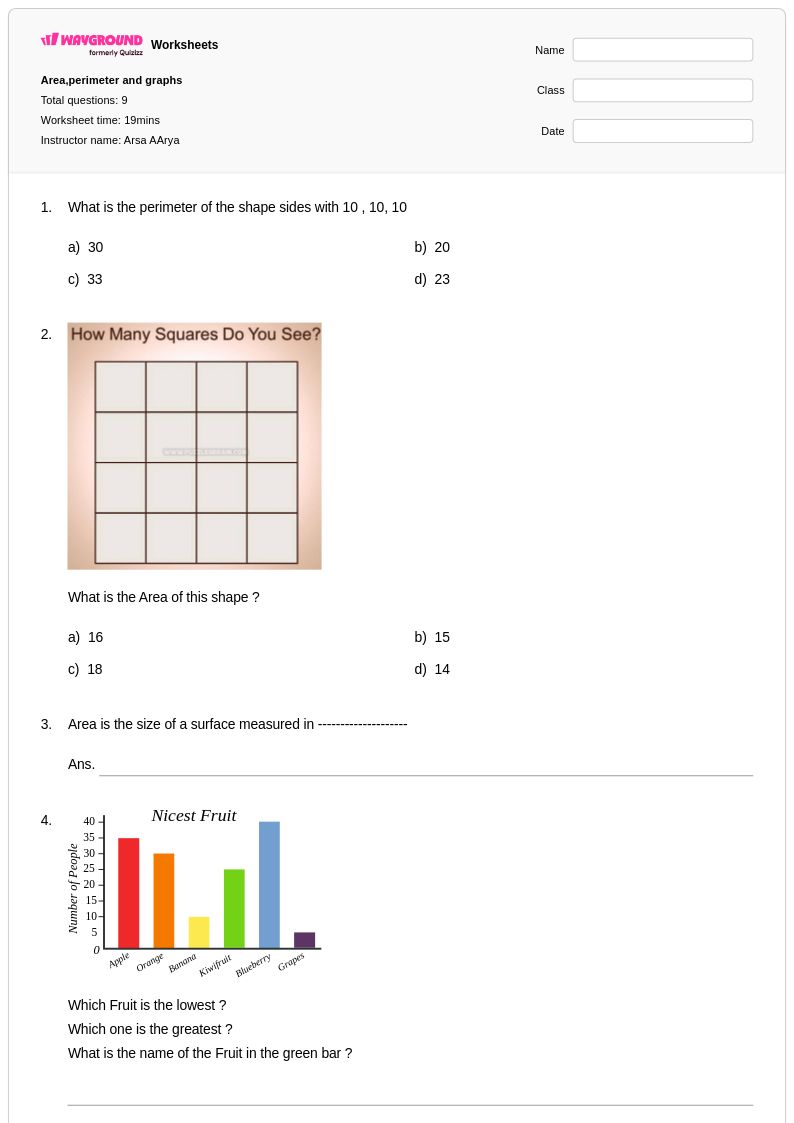
9 Q
3rd
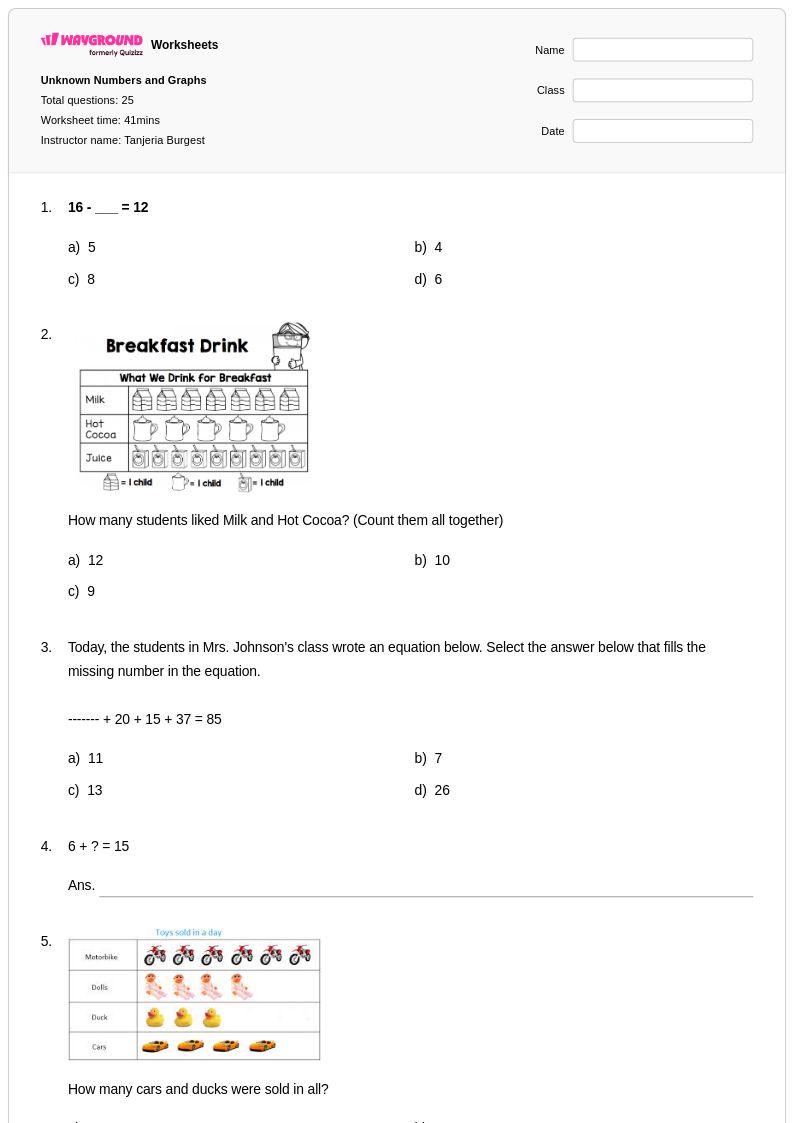
25 Q
2nd - 3rd
20 Q
2nd - Uni
16 Q
2nd - 5th

10 Q
3rd
8 Q
3rd
14 Q
3rd
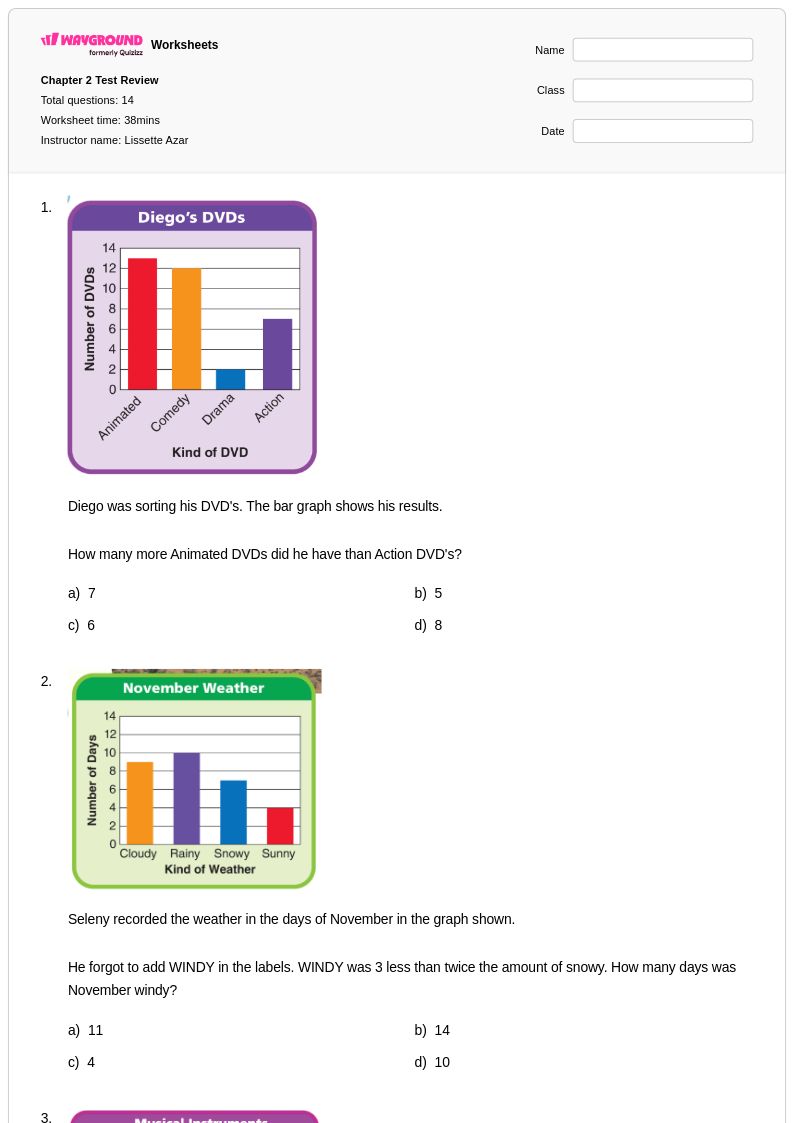
14 Q
3rd
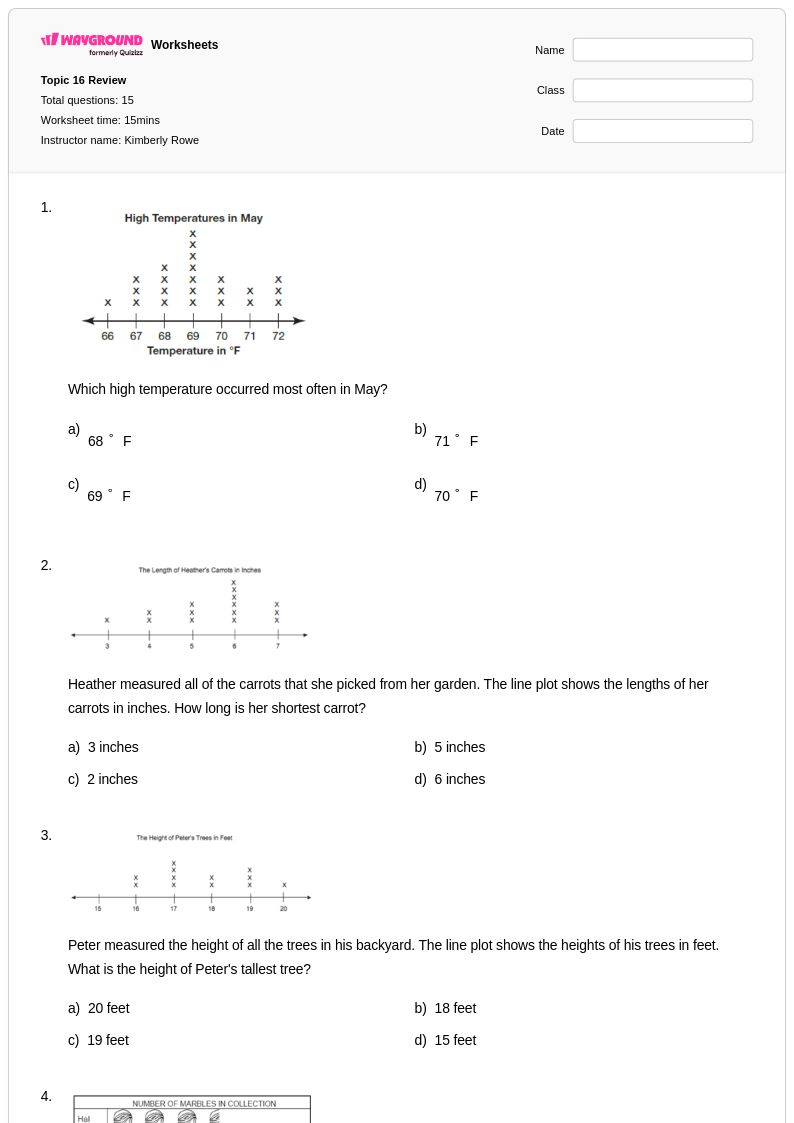
15 Q
3rd
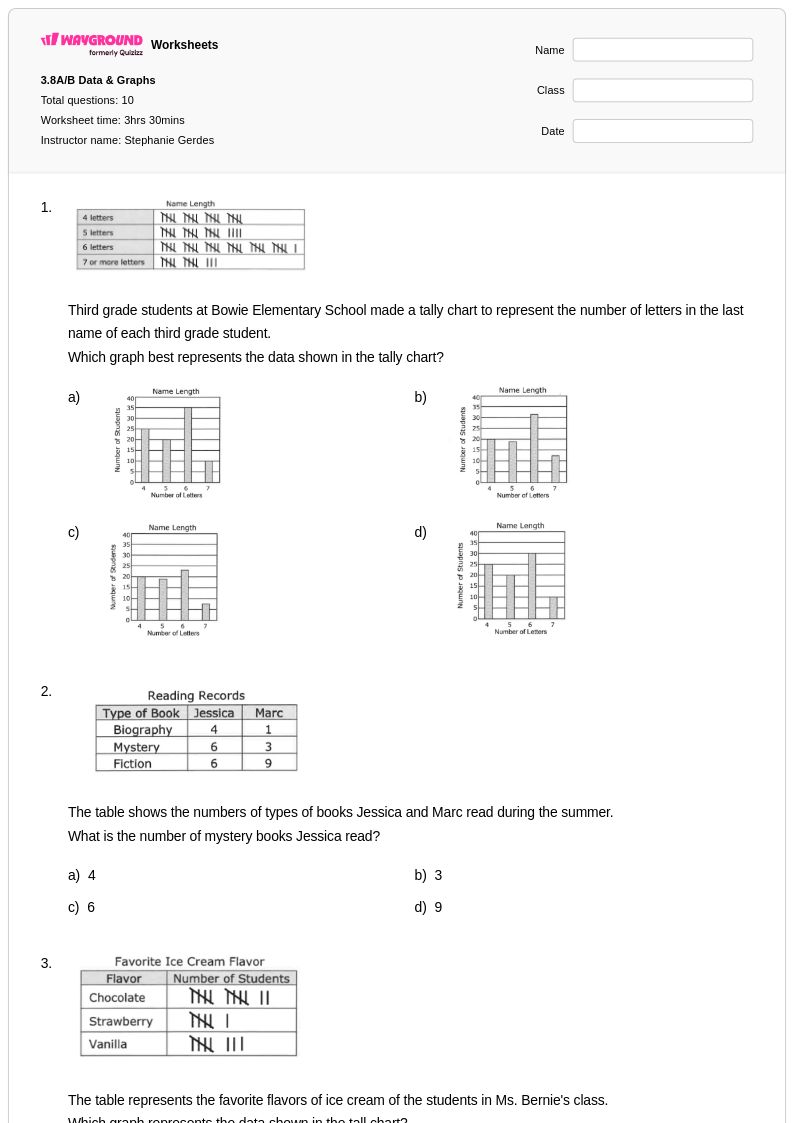
10 Q
3rd
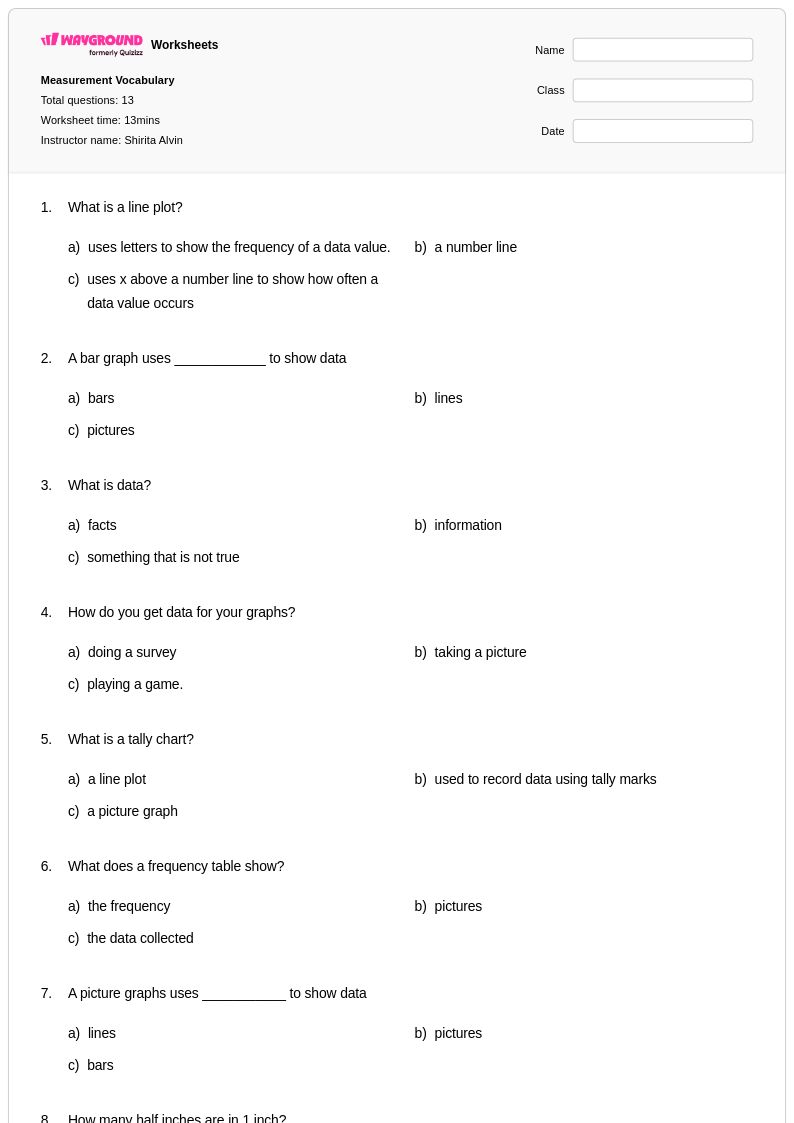
13 Q
3rd
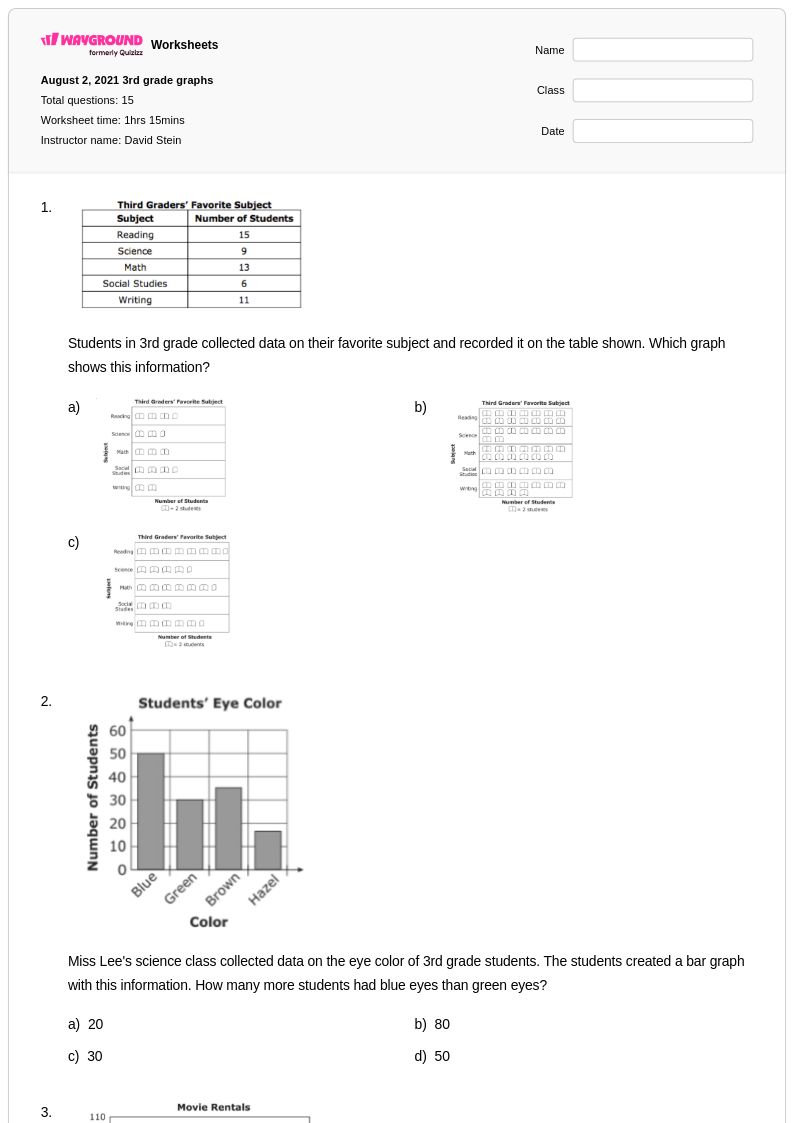
15 Q
3rd

18 Q
3rd - 5th
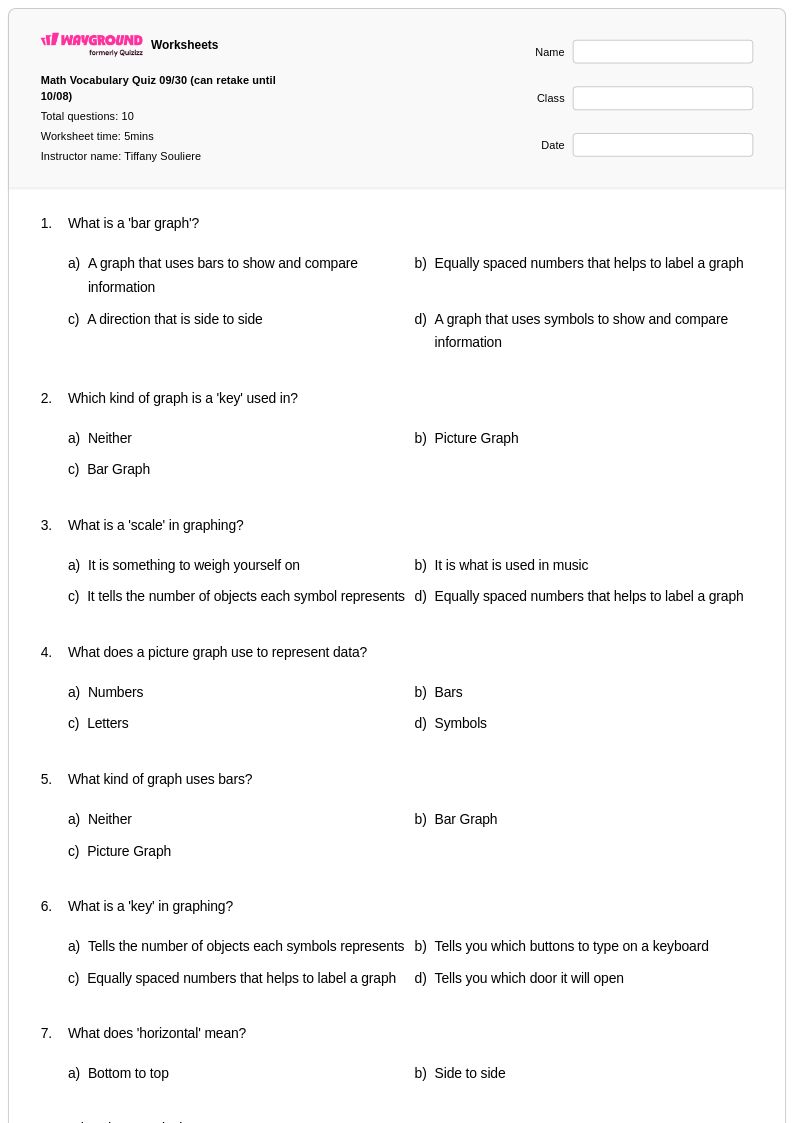
10 Q
3rd
Explore Other Subject Worksheets for class 3
Explore printable Tally Graphs worksheets for Class 3
Tally graphs for Class 3 students represent a fundamental stepping stone in data collection and visual representation skills that form the cornerstone of mathematical literacy. Wayground's comprehensive collection of tally graph worksheets guides third-grade learners through the essential process of organizing information using tally marks, interpreting data sets, and creating meaningful visual displays of collected information. These carefully crafted practice problems strengthen students' abilities to count by fives, recognize patterns in data, and translate real-world scenarios into organized mathematical representations. Each worksheet includes a complete answer key and is available as a free printable pdf, ensuring teachers have immediate access to both student materials and assessment tools that support systematic skill development in data analysis and graphing fundamentals.
Wayground's extensive library of teacher-created resources provides educators with unparalleled support for implementing effective tally graph instruction in Class 3 mathematics curricula. The platform's sophisticated search and filtering capabilities allow teachers to quickly locate materials that align with specific learning standards while offering differentiation tools that accommodate diverse learning needs within the classroom. Teachers can seamlessly customize worksheets to target individual student requirements, whether for remediation of foundational counting skills or enrichment activities that challenge advanced learners to analyze more complex data sets. The flexibility of both printable and digital pdf formats enables seamless integration into various instructional settings, from traditional paper-based practice sessions to technology-enhanced learning environments, ultimately streamlining lesson planning while ensuring comprehensive skill practice in this critical area of elementary mathematics.
FAQs
How should I teach tally graphs in Grade 3?
What tally graph practice is appropriate for third graders?
What mistakes do third graders make with tally graph data?
How can I use Grade 3 tally graph worksheets on Wayground?
How do tally graphs connect to Common Core Grade 3 data skills?
What grade level are tally graphs for?
How can I differentiate Grade 3 tally graph worksheets?