
8 Q
KG - 1st
8 Q
1st
14 Q
1st
17 Q
1st
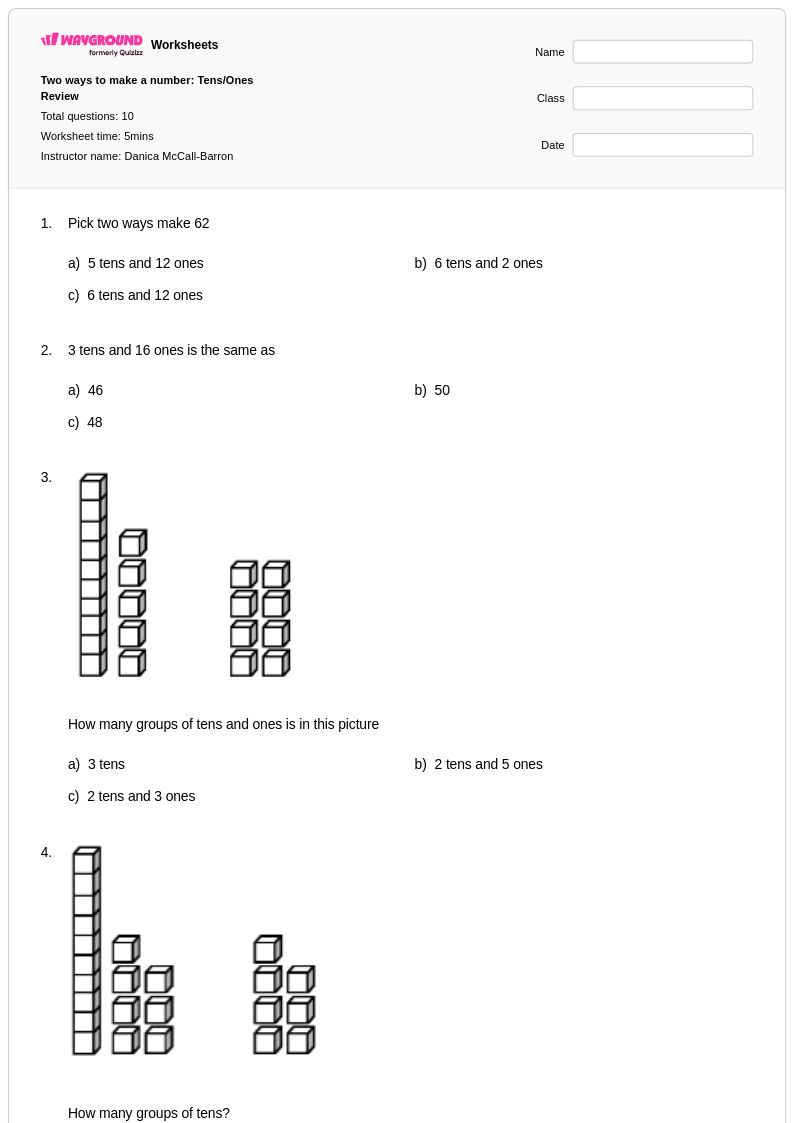
10 Q
1st - 2nd
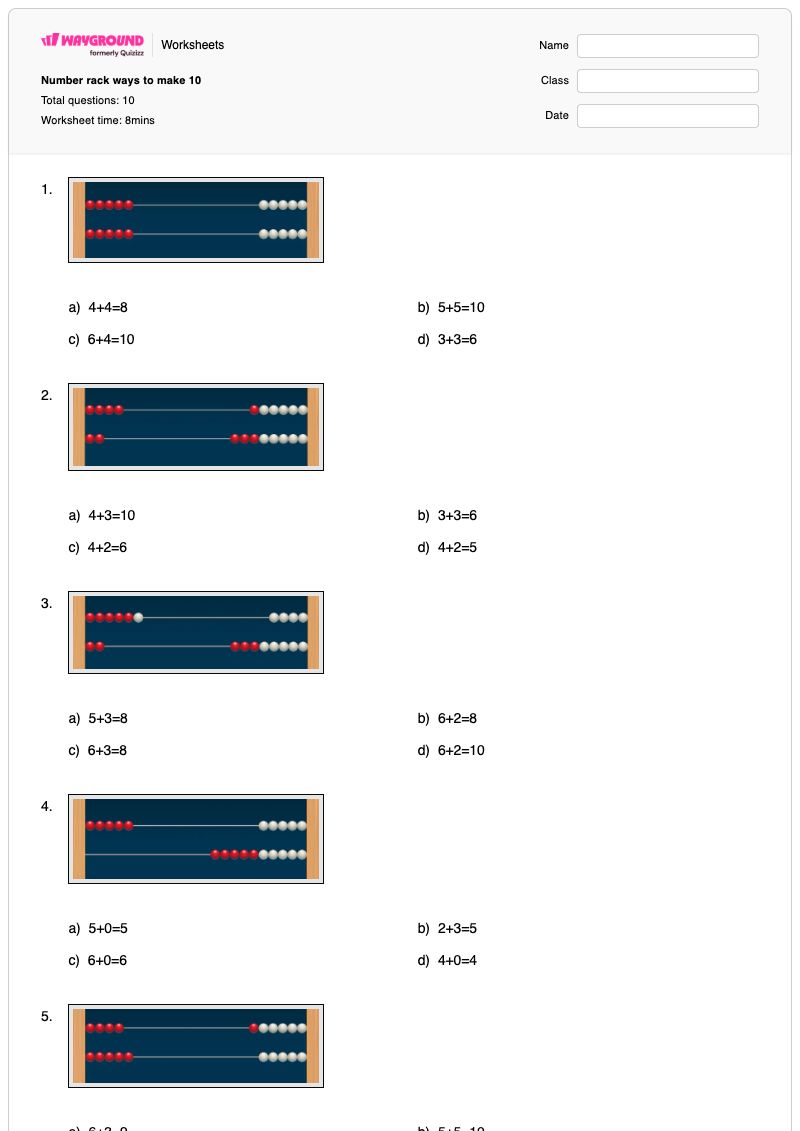
10 Q
1st - 3rd
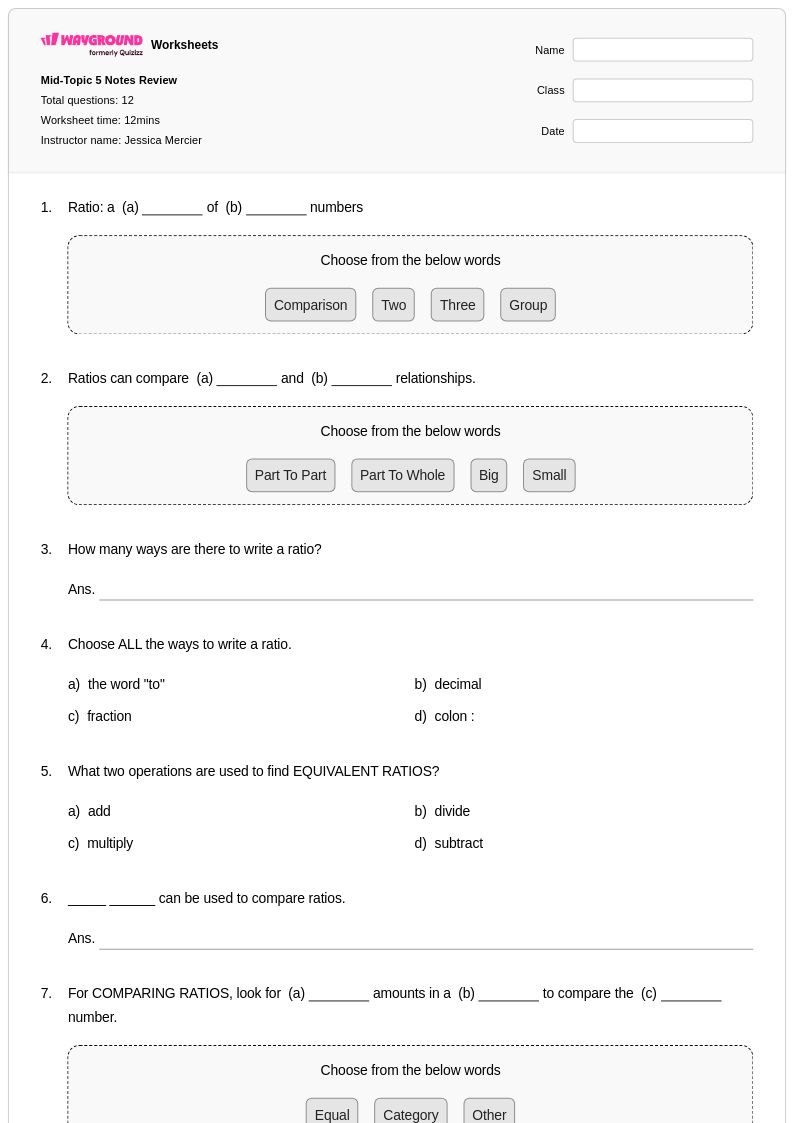
12 Q
6th
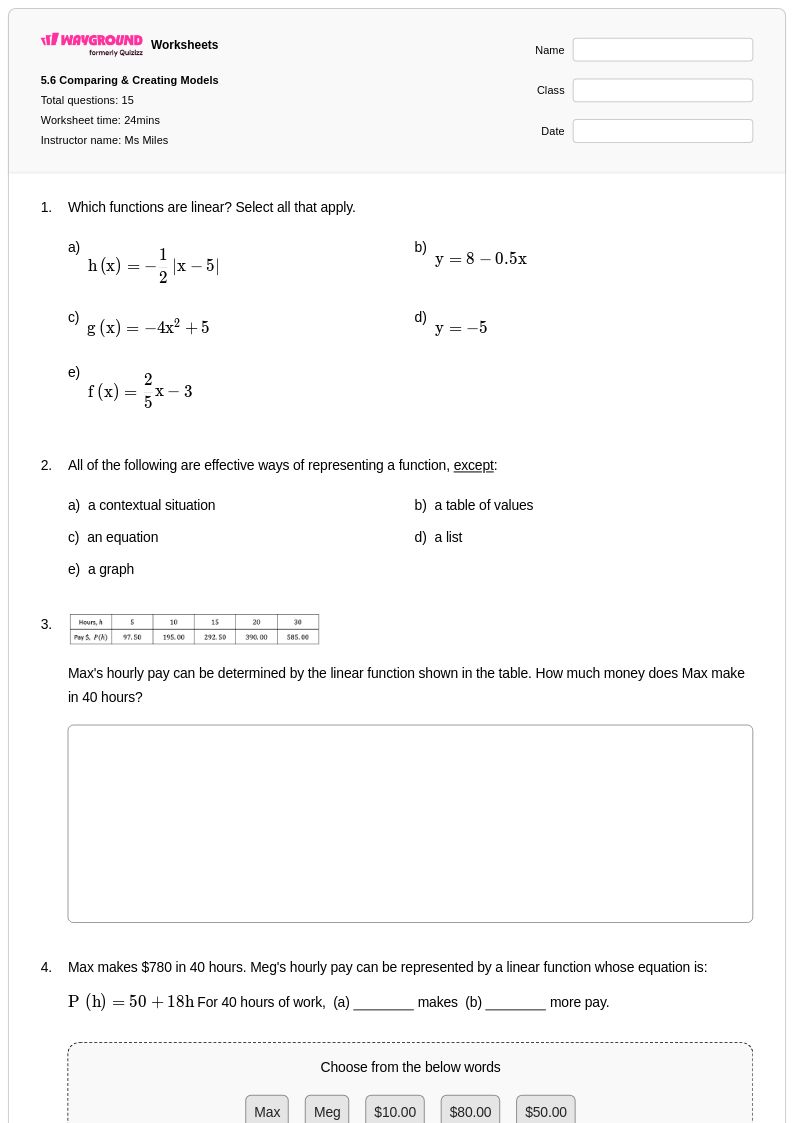
15 Q
11th
16 Q
6th
10 Q
3rd
15 Q
9th - 12th
20 Q
6th
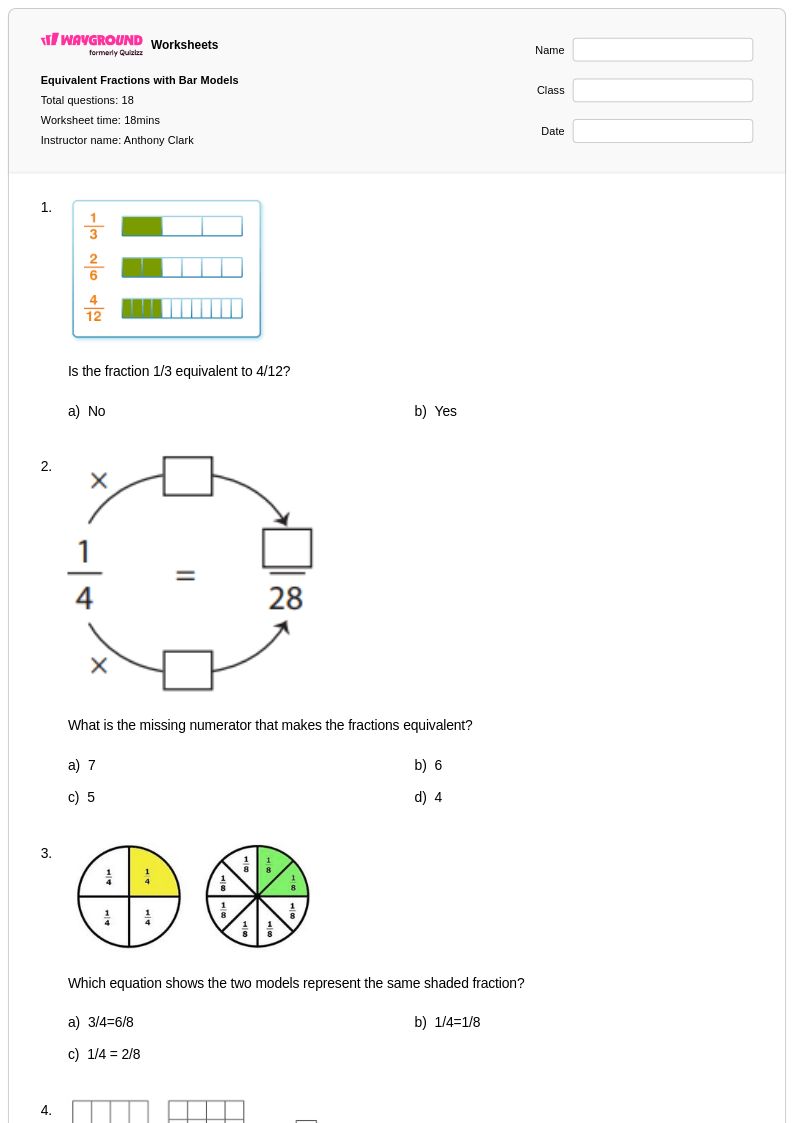
18 Q
4th - Uni
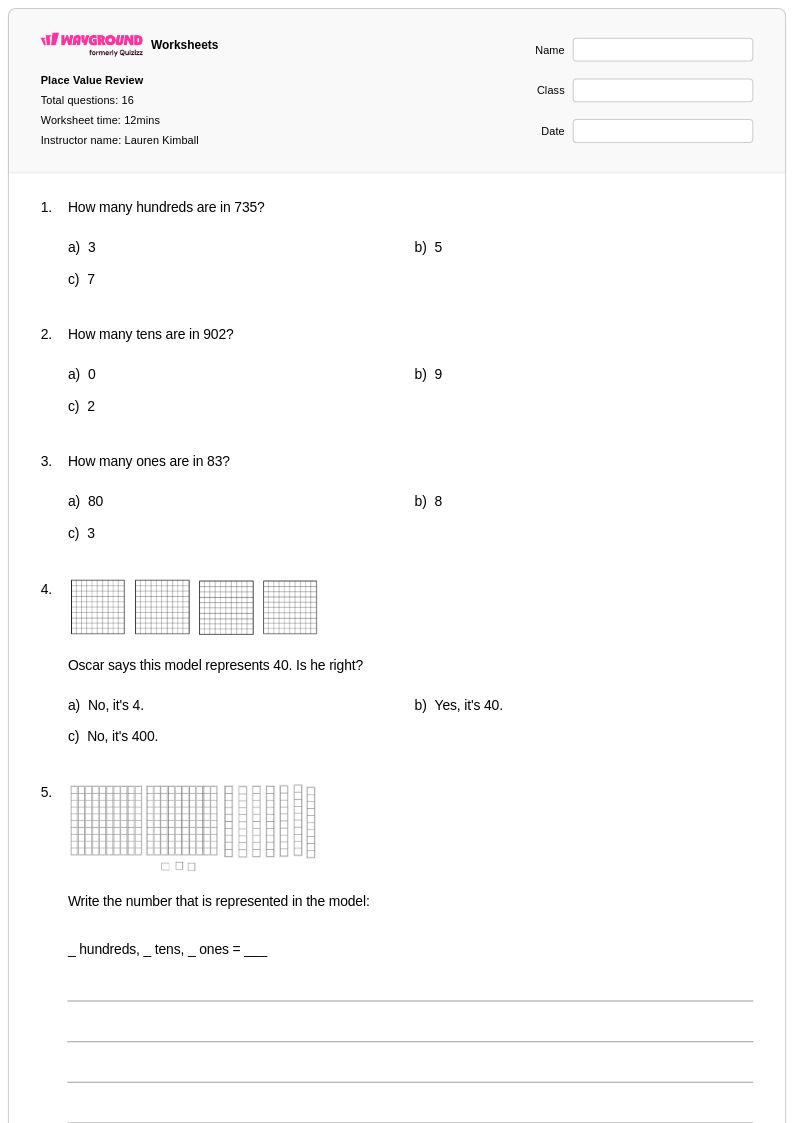
16 Q
2nd
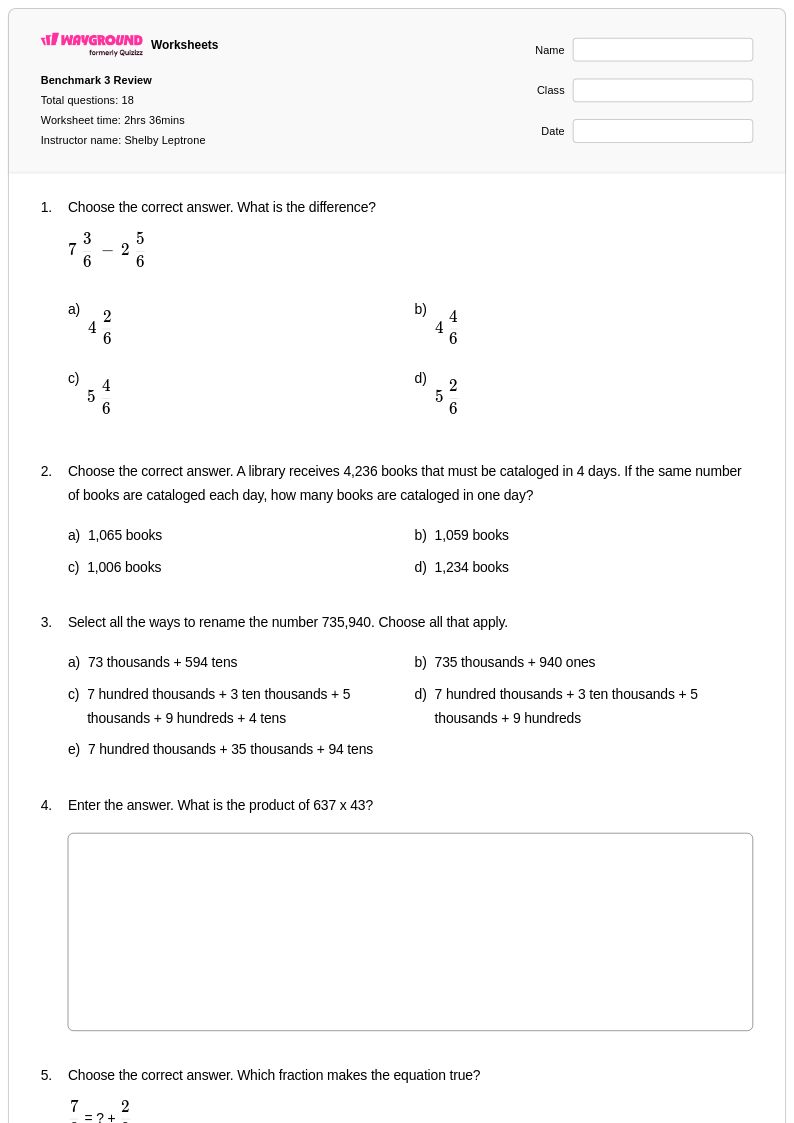
18 Q
4th
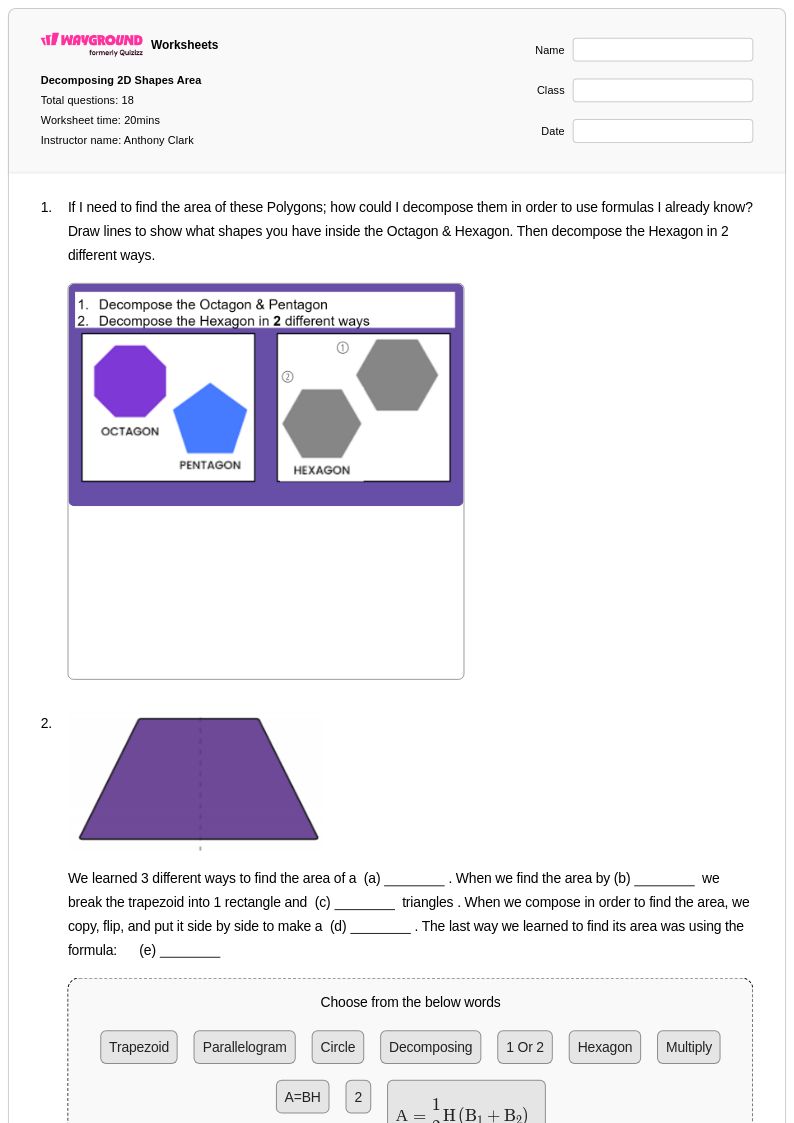
20 Q
6th - Uni
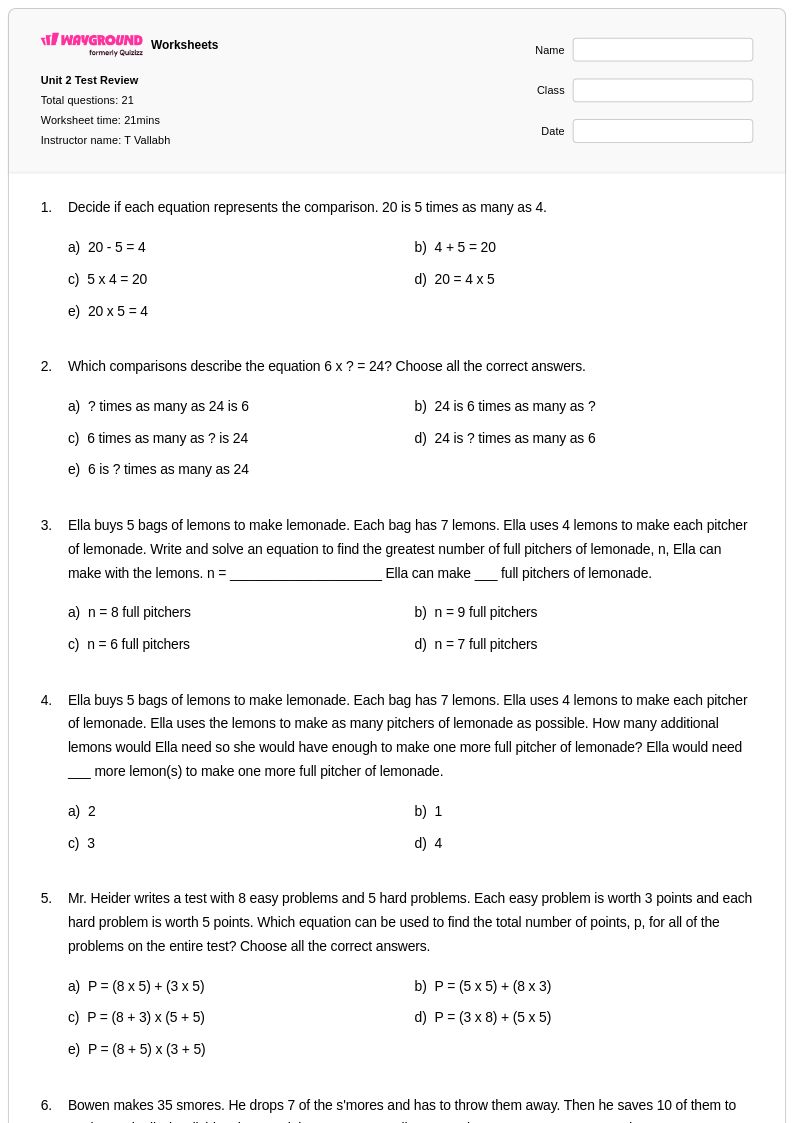
21 Q
4th
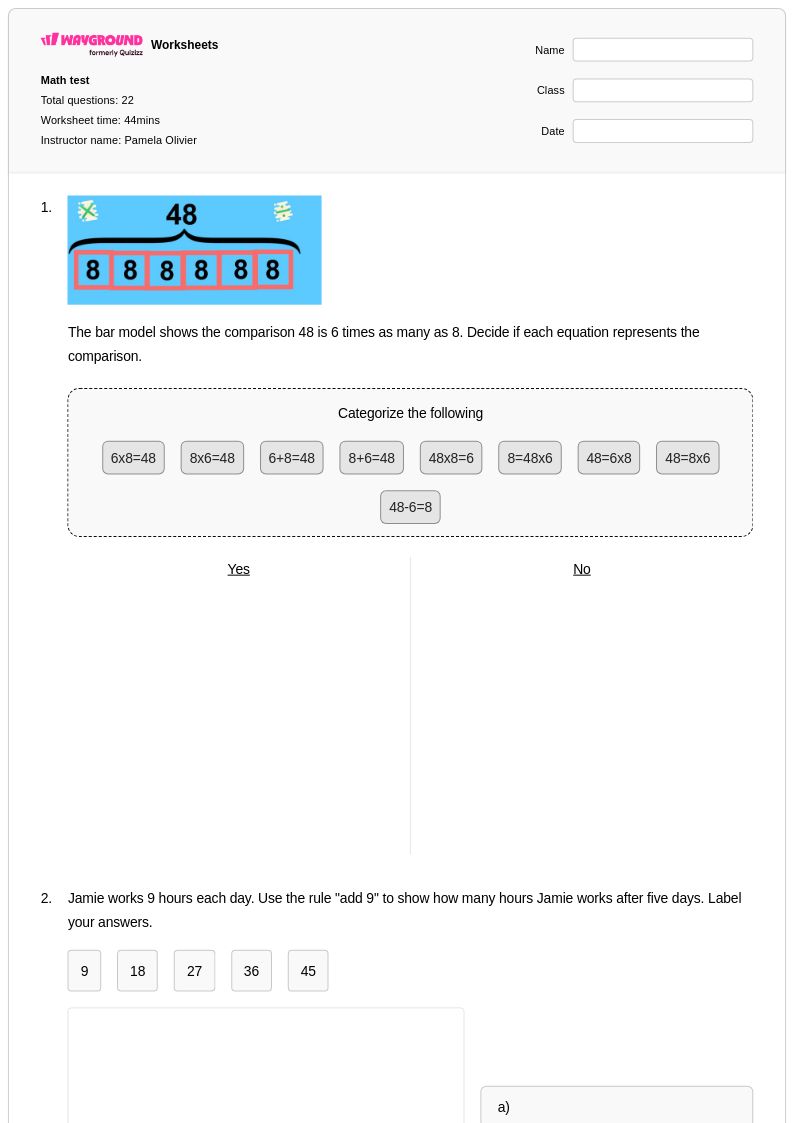
22 Q
4th
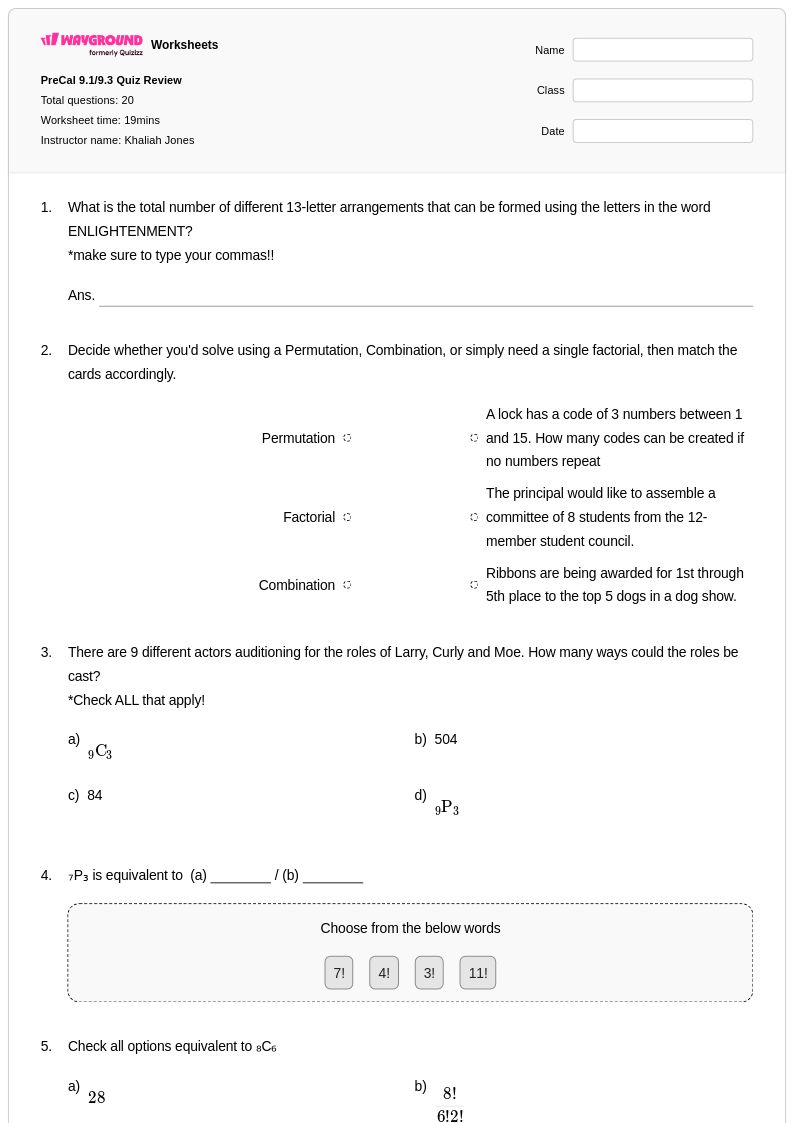
20 Q
12th
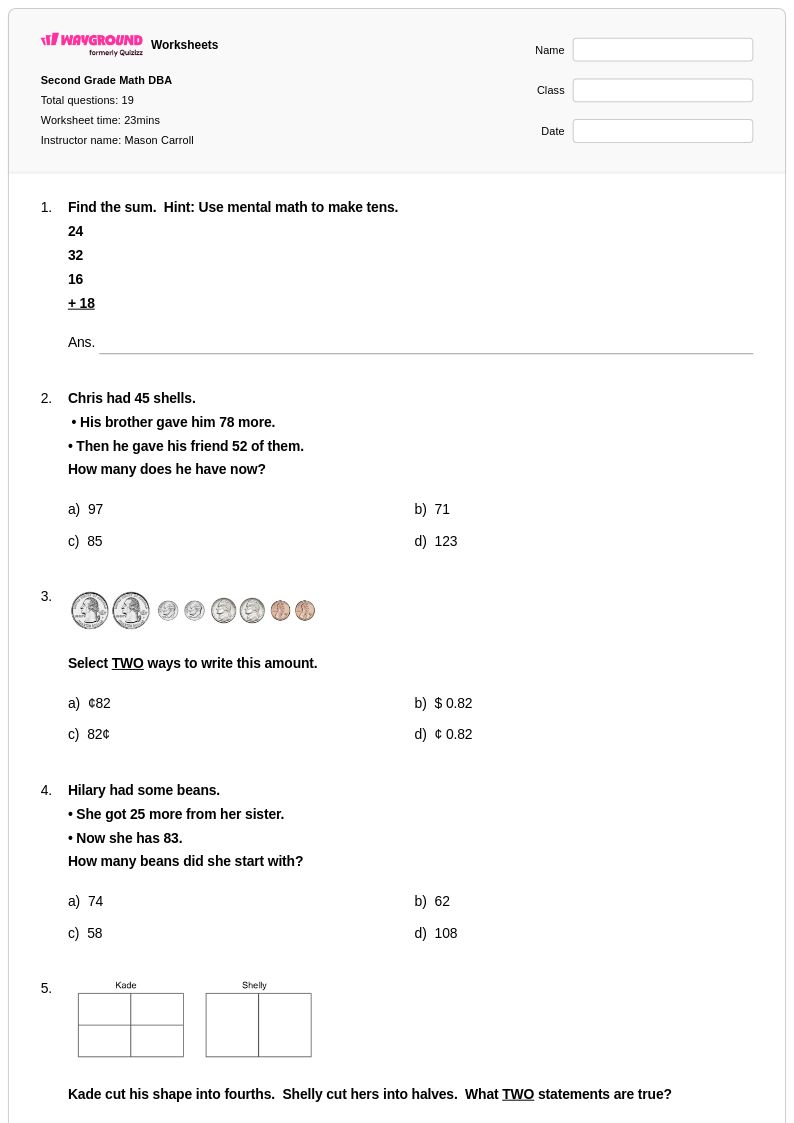
19 Q
2nd - Uni
10 Q
6th - Uni
19 Q
5th - Uni
20 Q
6th - Uni
15 Q
6th - Uni
Explore Ways to Make 5 Worksheets by Grades
Explore Other Subject Worksheets for kindergarten
Explore printable Ways to Make 5 worksheets for Kindergarten
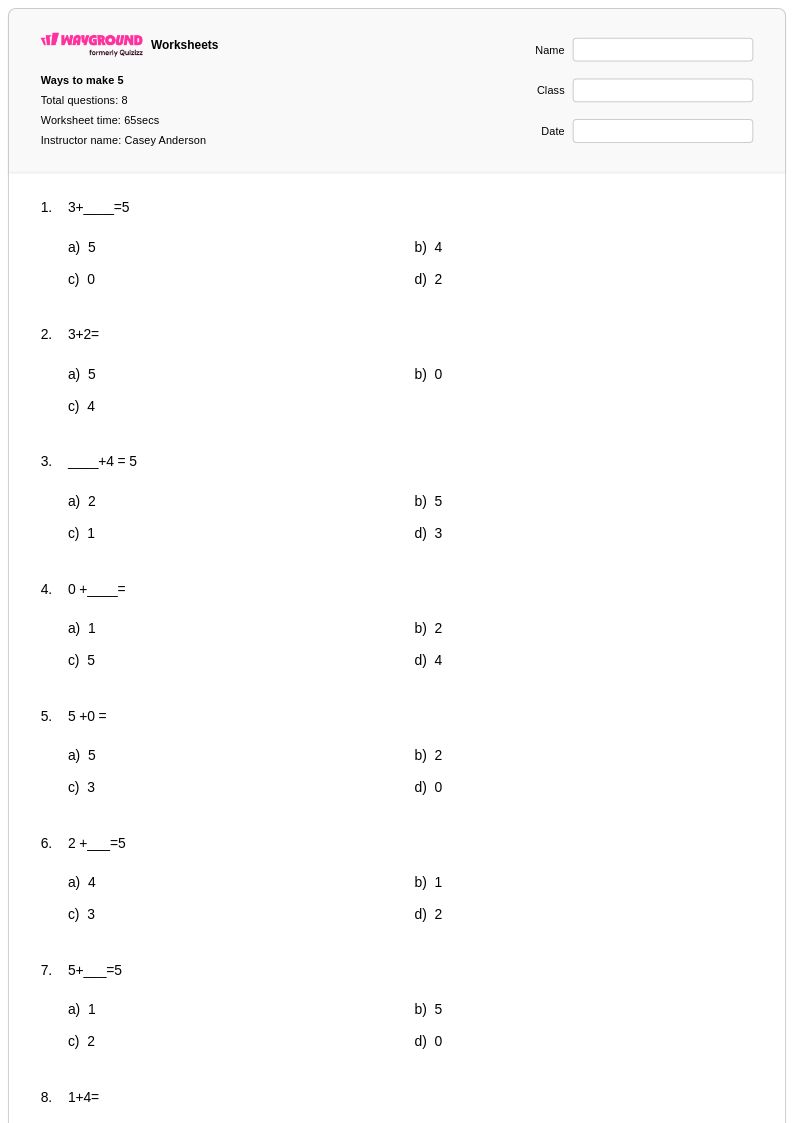
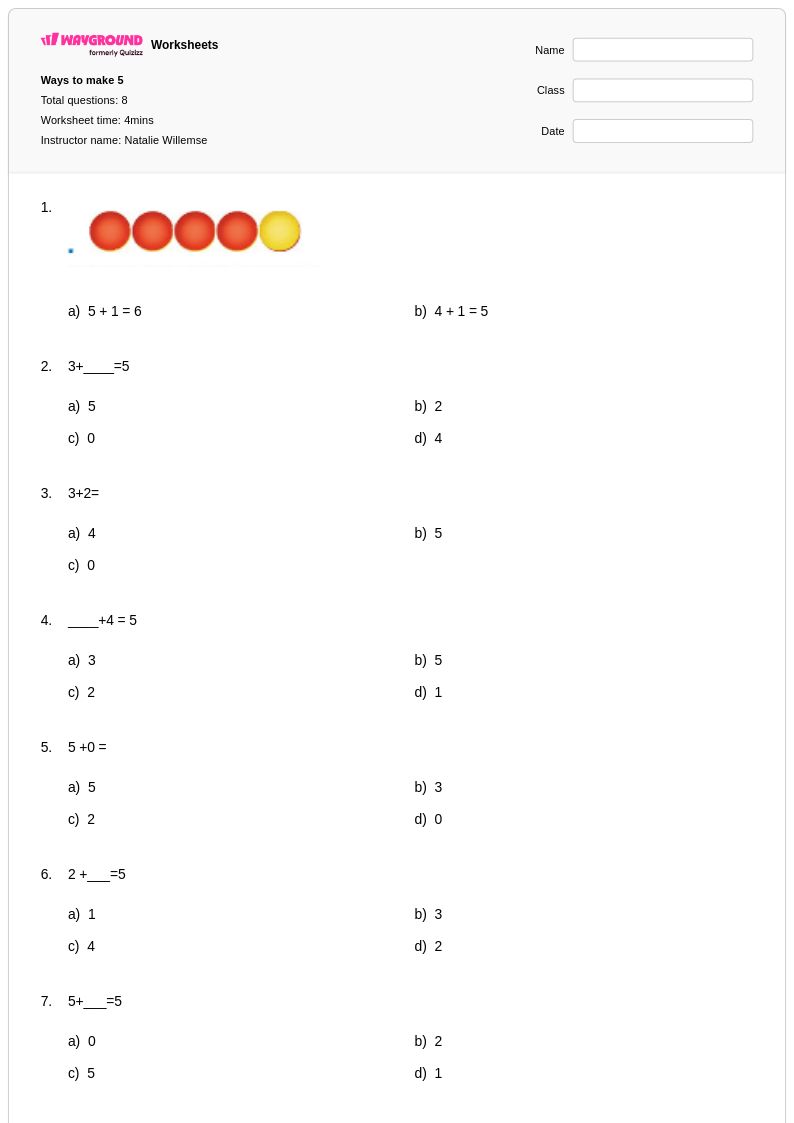
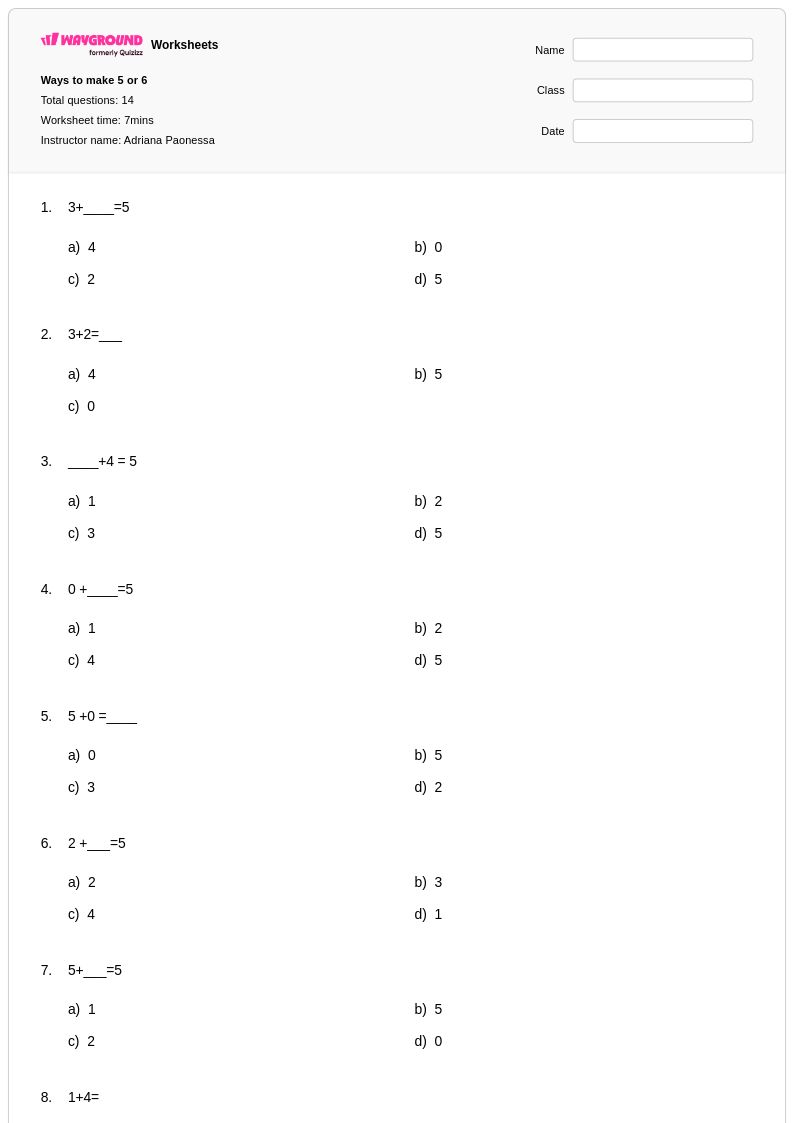
Ways to Make 5 worksheets for kindergarten students available through Wayground (formerly Quizizz) provide essential foundational practice for early mathematical thinking and number composition skills. These carefully designed printables help young learners explore different combinations that equal five, such as 3+2, 4+1, and 1+4, building critical number sense through hands-on activities and visual representations. Each worksheet includes engaging practice problems that encourage students to discover multiple pathways to reach the same sum, strengthening their understanding of number relationships and mathematical flexibility. Teachers can access comprehensive collections that include detailed answer keys and free pdf downloads, making it simple to implement structured practice sessions that reinforce this fundamental concept in both classroom and home learning environments.
Wayground (formerly Quizizz) empowers educators with millions of teacher-created resources specifically designed for kindergarten mathematics instruction, featuring robust search and filtering capabilities that help locate the perfect Ways to Make 5 worksheets for any learning objective. The platform's standards-aligned materials support differentiated instruction through customizable features that allow teachers to modify difficulty levels, adjust problem types, and select from both printable and digital formats including downloadable pdfs. These comprehensive tools streamline lesson planning while providing targeted resources for remediation, enrichment, and skill practice, ensuring that every kindergarten student receives appropriate support as they develop essential number composition abilities that serve as building blocks for future mathematical success.