Free Printable Comparing Same and Different Worksheets for Kindergarten
Explore free kindergarten worksheets and printables that help young learners master comparing same and different objects through engaging practice problems with comprehensive answer keys.
Explore printable Comparing Same and Different worksheets for Kindergarten
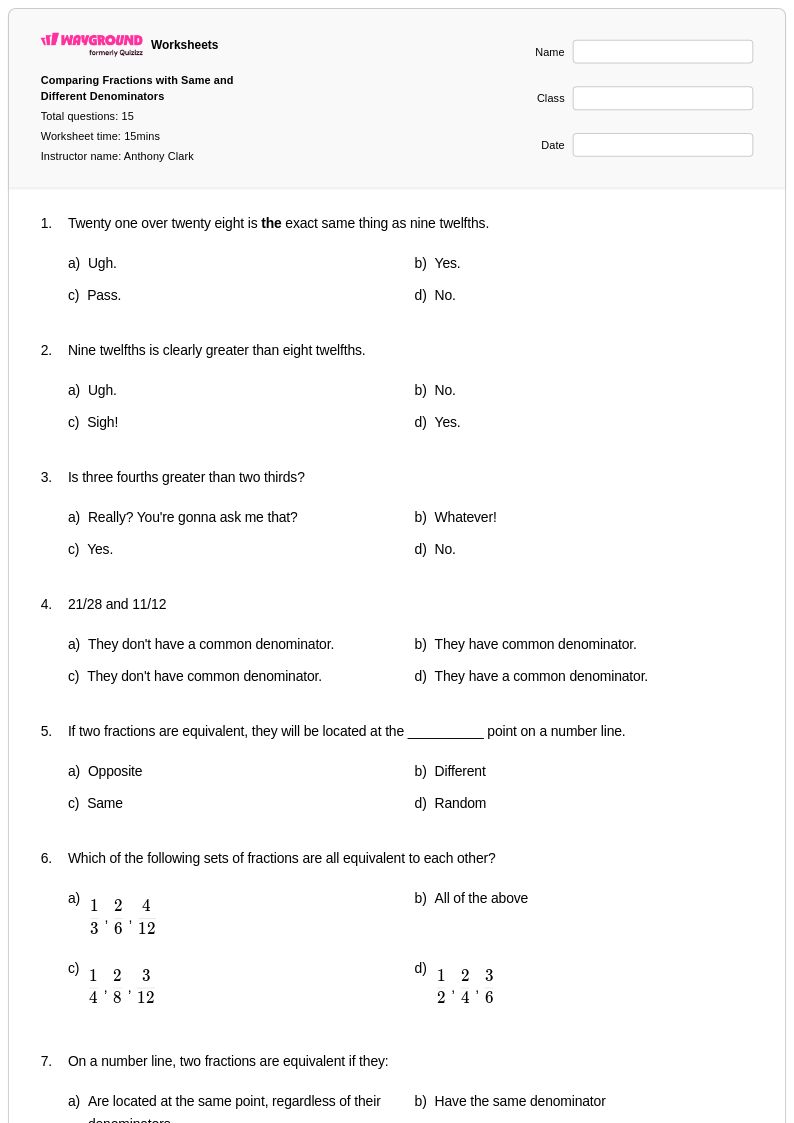
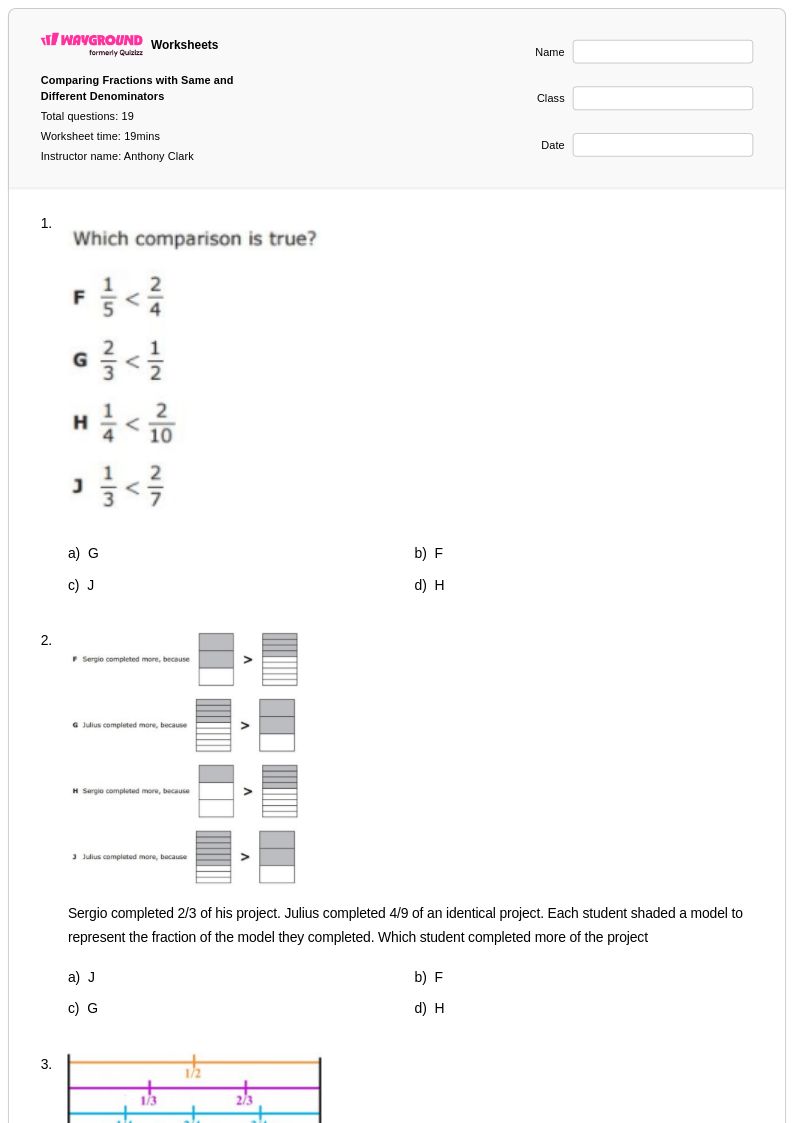
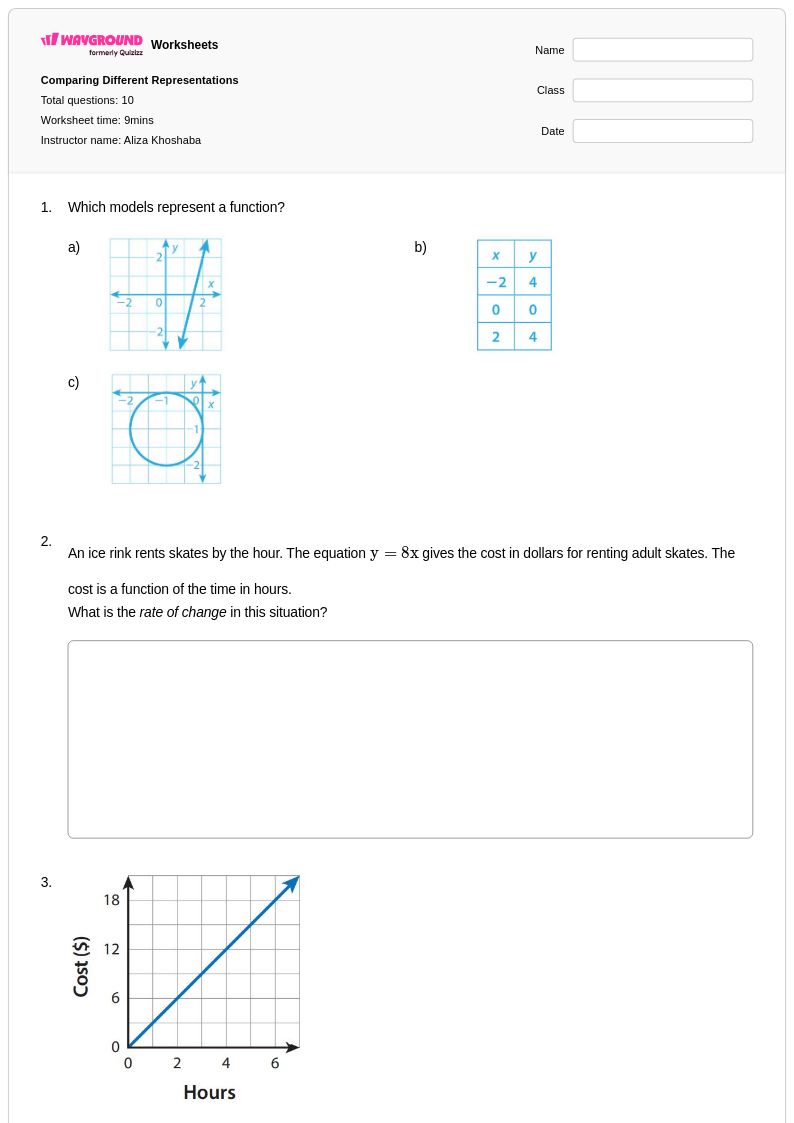
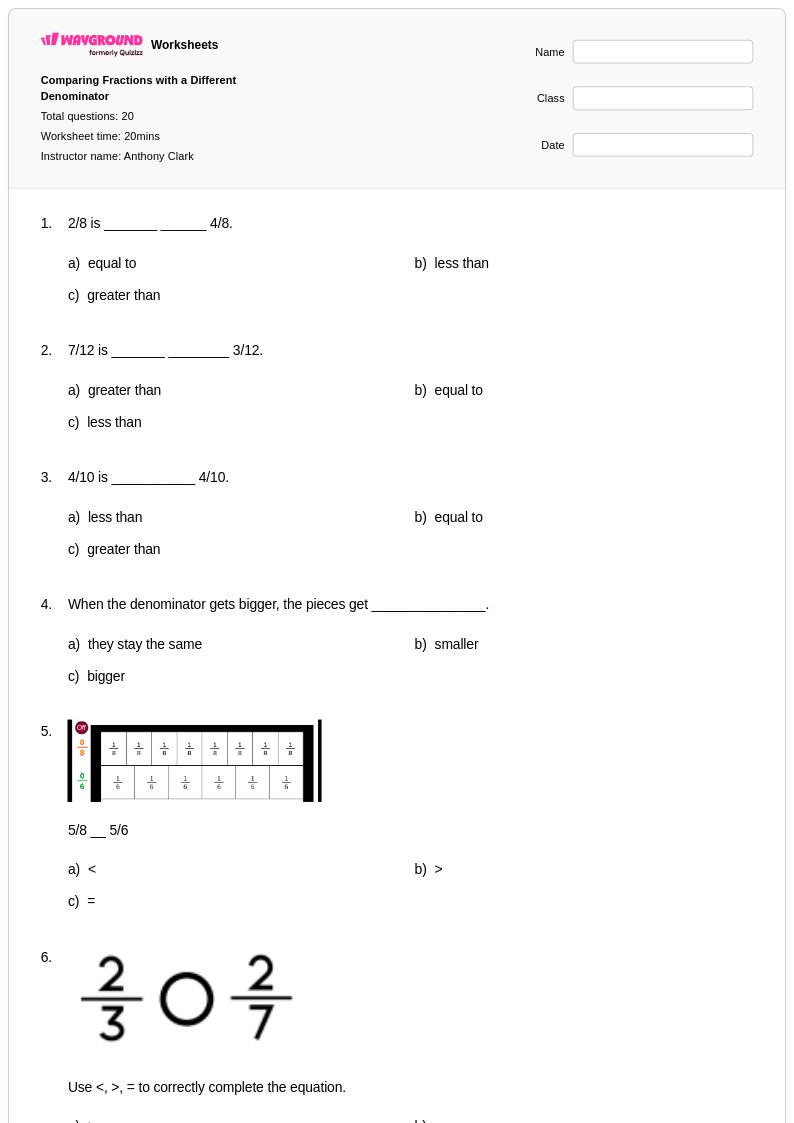
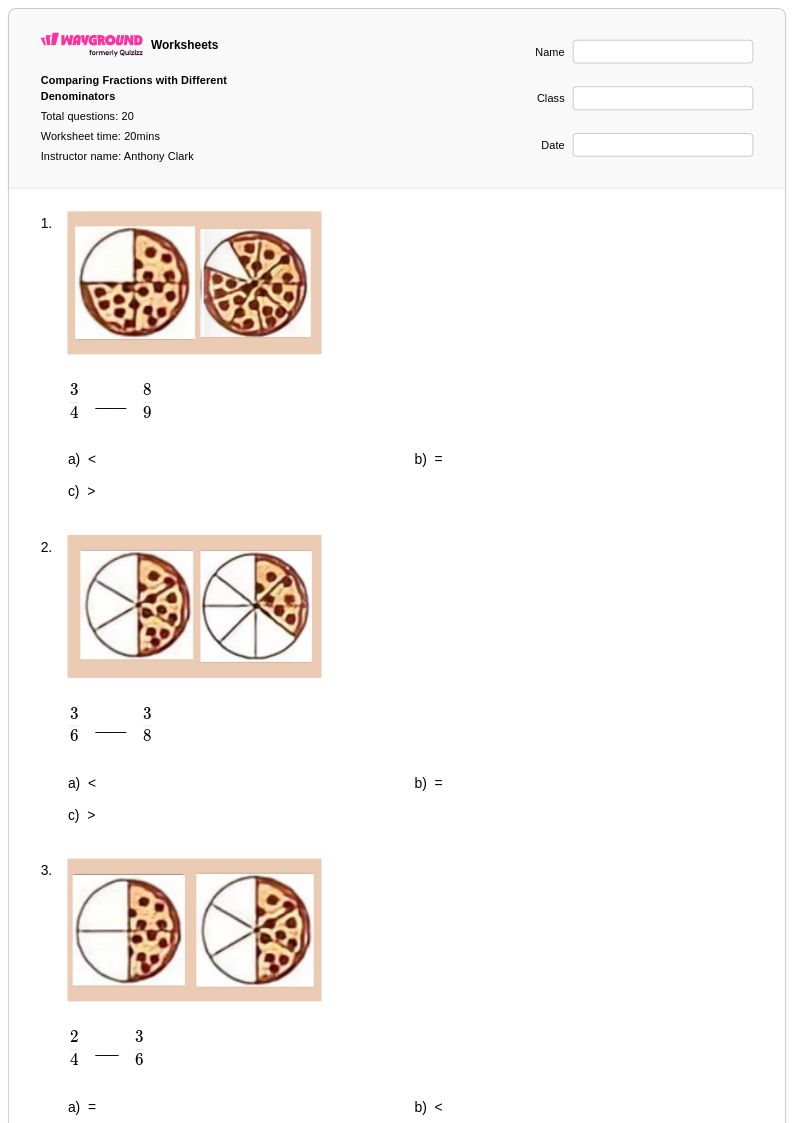
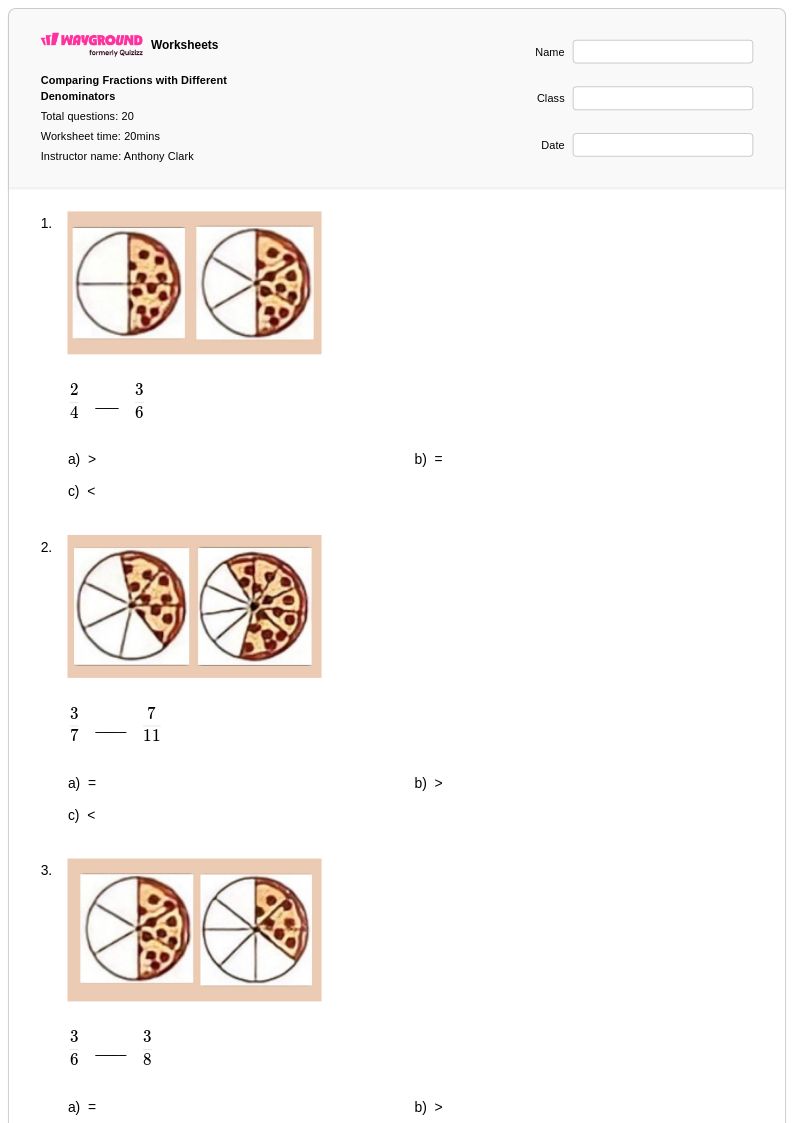
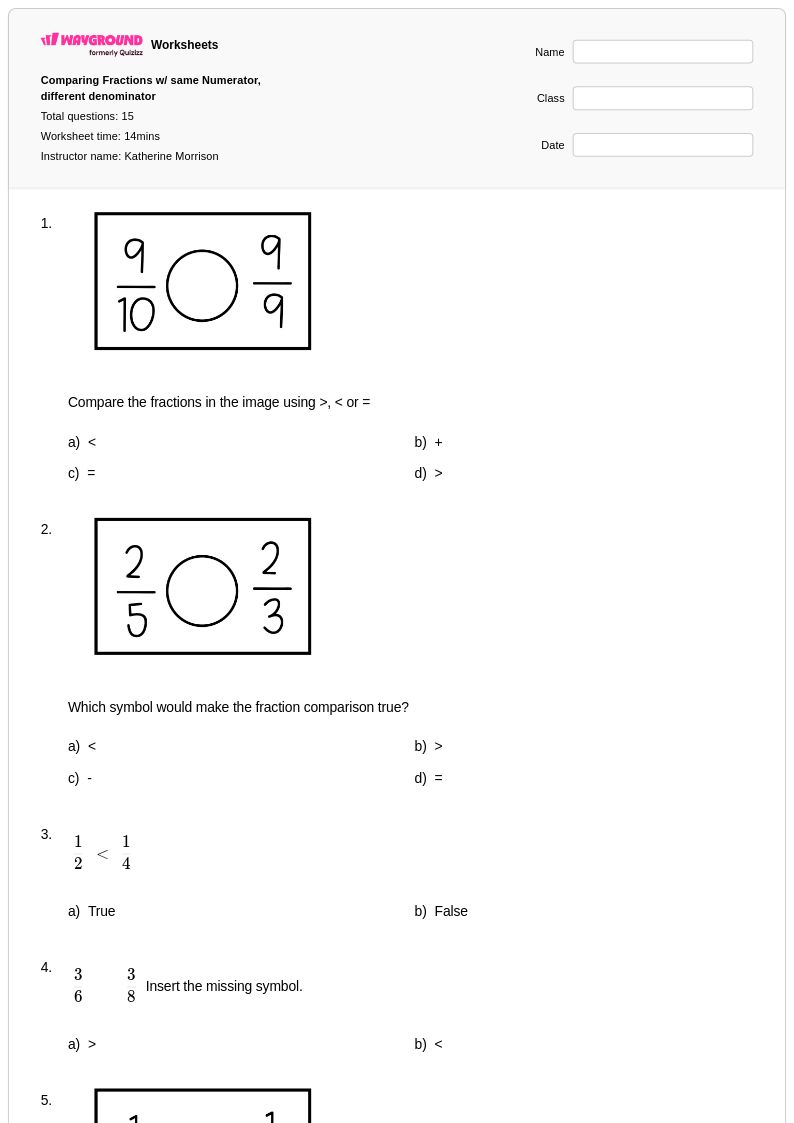
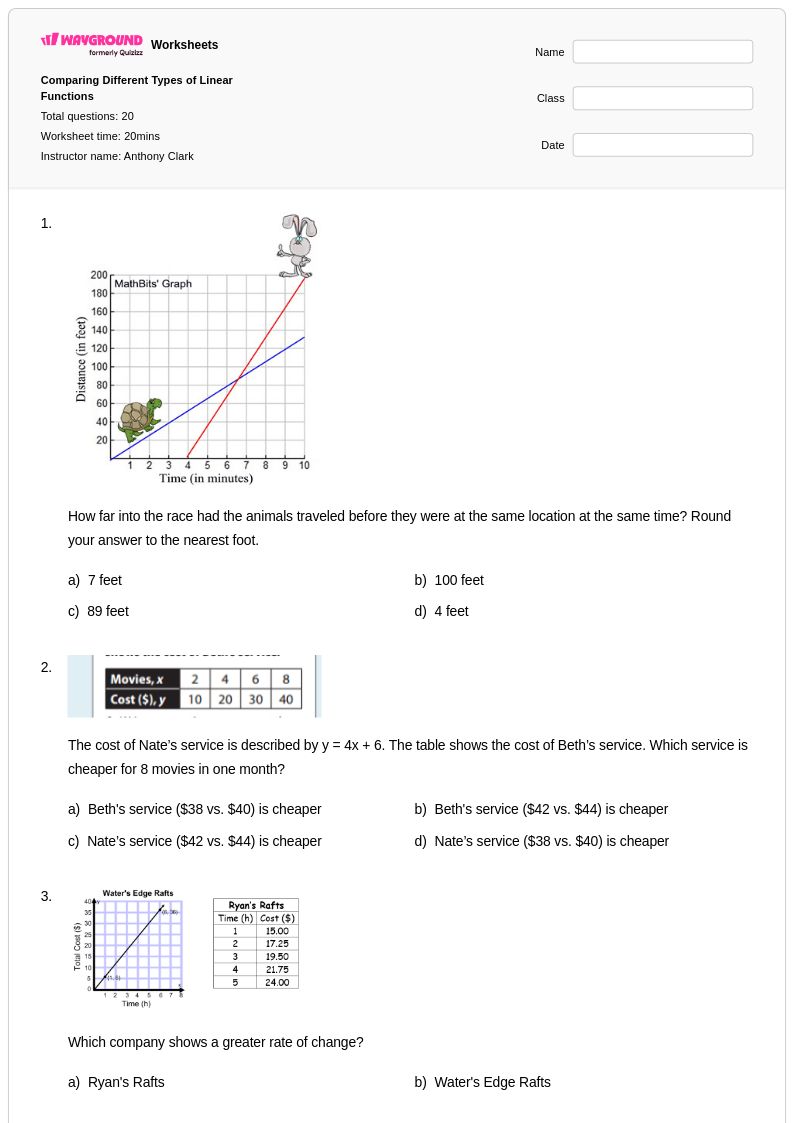
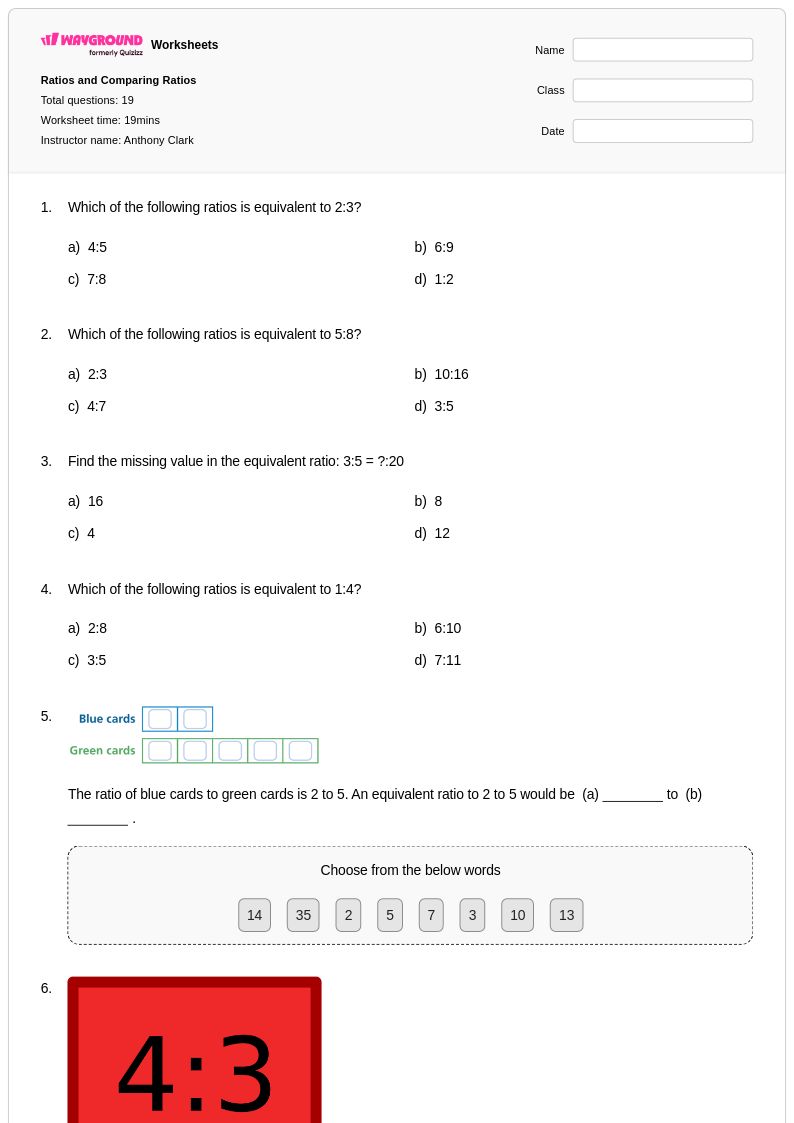
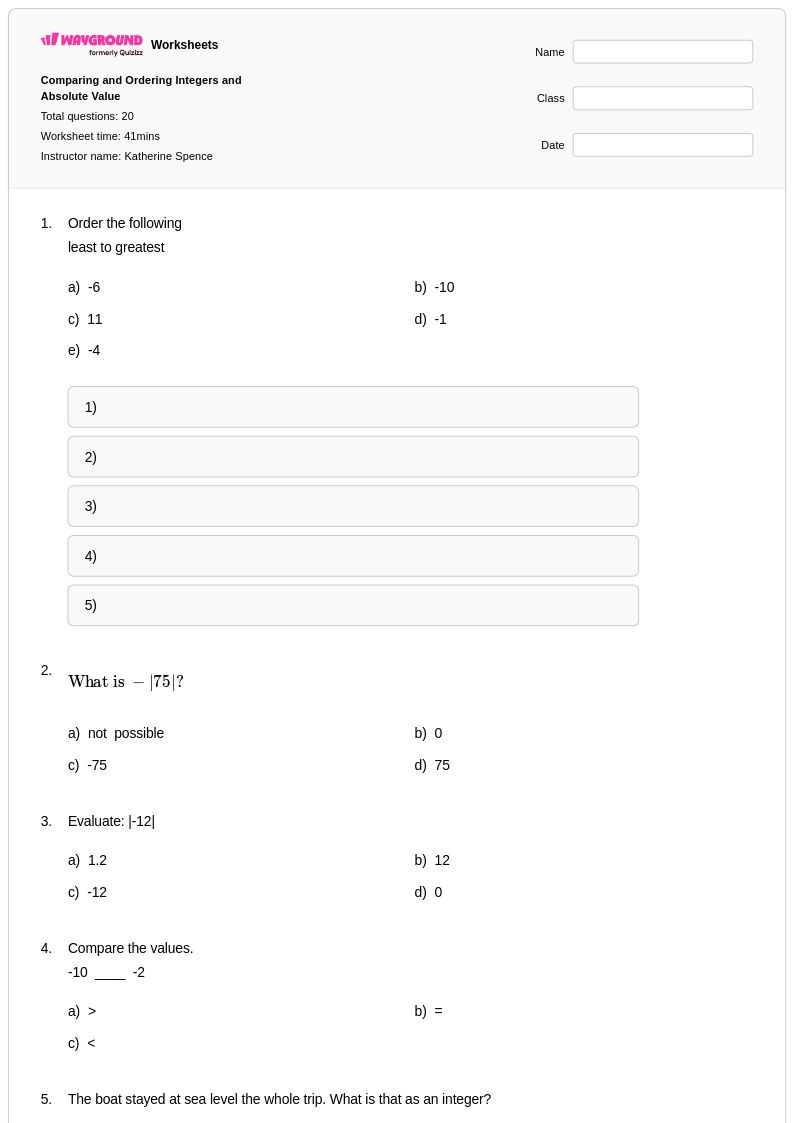
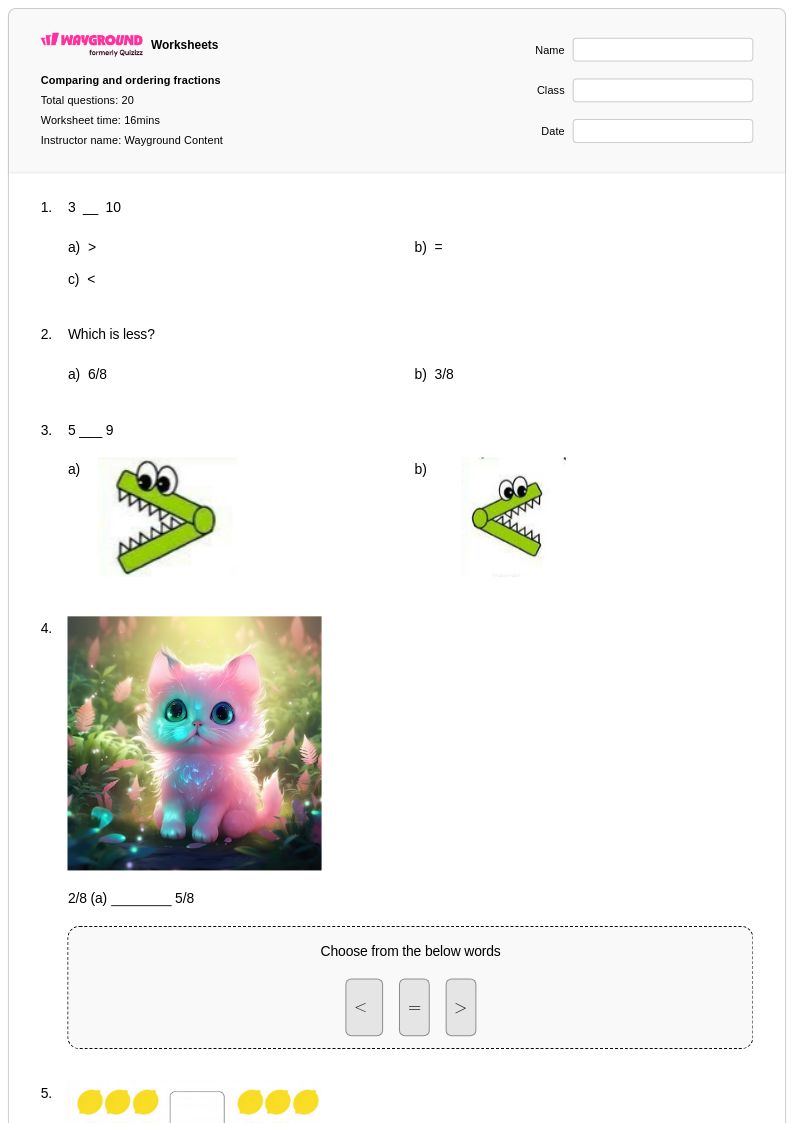
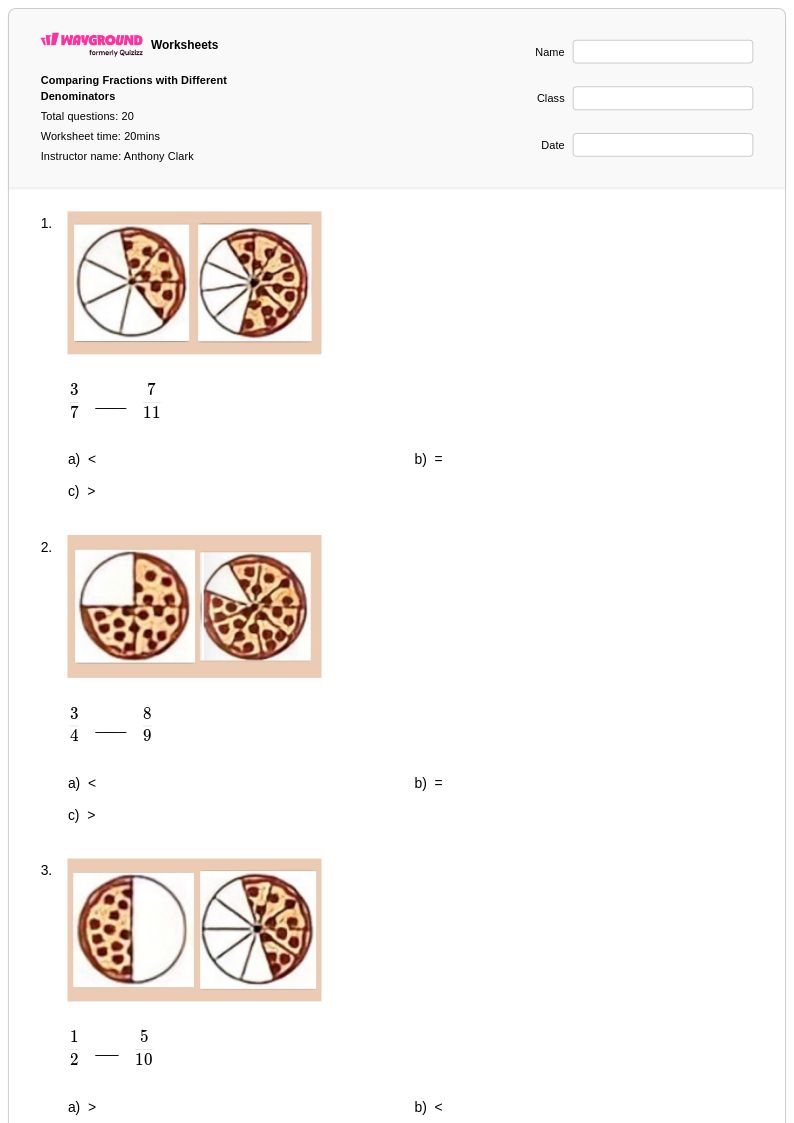
Comparing same and different worksheets for kindergarten mathematics provide essential foundational practice for young learners developing critical number sense skills. These carefully crafted educational resources from Wayground (formerly Quizizz) help kindergarten students strengthen their ability to identify similarities and differences between objects, numbers, and mathematical concepts through engaging visual exercises and hands-on activities. Each worksheet focuses on building classification skills, pattern recognition, and logical thinking abilities that serve as building blocks for more advanced mathematical reasoning. Teachers can access comprehensive collections of these practice problems complete with answer keys, available as free printable pdf resources that support both classroom instruction and independent student work.
Wayground (formerly Quizizz) empowers educators with millions of teacher-created worksheet resources specifically designed for kindergarten comparing same and different instruction, featuring robust search and filtering capabilities that allow quick identification of materials aligned with specific learning standards and curriculum goals. The platform's differentiation tools enable teachers to customize worksheets based on individual student needs, providing options for remediation support and enrichment challenges within the same mathematical concept. These versatile resources are available in both printable and digital formats, including downloadable pdf versions, making lesson planning more efficient while supporting diverse learning environments. Teachers can seamlessly integrate these materials into daily math practice, assessment preparation, and targeted skill-building sessions that reinforce kindergarten students' understanding of comparison concepts essential for mathematical development.
FAQs
How do I teach same and different in kindergarten math?
Use familiar objects, picture cards, and classroom materials to model comparing one visible attribute at a time, such as color, shape, size, or number. Have children sort the items and explain their choices with sentence frames such as “These are the same because…” and “This one is different because….”
What activities help kindergarten students practice same and different?
Effective activities include matching identical pictures, circling the object that is different, sorting objects by one attribute, and comparing small groups of shapes or quantities. Visual worksheet exercises reinforce classification, pattern recognition, and the careful observation students need for later mathematical reasoning.
What mistakes do kindergarten students make when identifying same and different?
Kindergarten students may choose an answer based on one striking detail while overlooking the attribute named in the directions. They may also label objects as different without explaining why, so prompt them to point to and name the specific color, shape, size, or quantity that changed.
How can I use these kindergarten same-and-different worksheets?
These worksheets are available as printable PDFs and digital formats, allowing teachers to host a digital quiz on Wayground or print and assign the activity on paper; every worksheet includes a complete answer key. Printable PDFs can also provide focused offline practice when schools are reducing screen time. Teachers can scan or capture completed paper worksheets for grading with the Wayground for Teachers app.
How does same-and-different practice support Common Core kindergarten math?
This practice supports the Common Core emphasis on describing measurable attributes, classifying objects, comparing groups, and analyzing shapes by their properties. It prepares children to move from informal visual observations to precise mathematical language about size, quantity, shape, and structure.
How can I differentiate same-and-different worksheets in kindergarten?
Use uncluttered, single-attribute comparisons and fewer choices for children who need more support, while asking advanced learners to sort by two attributes or justify more subtle comparisons. Wayground can provide Read Aloud, extended time, reduced answer choices, and reading mode, while alternate worksheet versions can use larger text, wider spacing, a dyslexia-friendly font, or another language.
What grade do students learn to compare what is the same and different?
Same-and-different comparison is commonly taught in kindergarten as a foundation for sorting, classifying, pattern recognition, shape analysis, and number comparison. Students continue applying the skill in later grades as the objects and relationships become more mathematically complex.