
 Worksheets
Atomic Structure & Periodic Table Review
Total questions: 71
Worksheet time: 1hrs 24mins
Name
Class
Date
1.

Identify the element with 47 protons
a)
Ti- Titanium
b)
Ag- Silver
2.

Identify the element in Period 3 and Group 7
a)
Tl- Thallium
b)
Cl- Chlorine
c)
Br- Bromine
d)
N- Nitrogen
3.

How many neutrons does Lithium (Li) have?
a)
3
b)
4
c)
5
d)
6
4.

Identify the element with 5 valence electrons in period 4
a)
Sn- Tin
b)
Be- Beryllium
c)
As- Arsenic
d)
B- Boron
5.

Which correctly describes a Sodium (Na) atom?
a)
Atomic Number- 16
Protons- 16
Electrons- 16
Mass- 32
Neutrons- 16
Protons- 16
Electrons- 16
Mass- 32
Neutrons- 16
b)
Atomic Number- 23
Protons- 23
Electrons- 23
Mass- 11
Neutrons- 11
Protons- 23
Electrons- 23
Mass- 11
Neutrons- 11
c)
Atomic Number- 11
Protons- 23
Electrons- 23
Mass- 23
Neutrons- 11
Protons- 23
Electrons- 23
Mass- 23
Neutrons- 11
d)
Atomic Number- 11
Protons- 11
Electrons- 11
Mass- 23
Neutrons- 12
Protons- 11
Electrons- 11
Mass- 23
Neutrons- 12
6.

Identify the element with 4 electron shells/orbitals and two valence electrons
a)
Ca- Calcium
b)
He- Helium
c)
Ge- Germanium
d)
Sr- Strontium
7.

Which atom is this?
a)
Ox- Oxygen
b)
o- Oxygen
c)
O- Oxygen
d)
On- Oxygen
8.

Identify the element with 50 protons
a)
V- Vanadium
b)
Ti- Titanium
c)
V- Vanadium
d)
Sn- Tin
9.

Identify the element in the same period as sulfur and argon and is more reactive than sulfur and argon
a)
Si- Silicon
b)
Cl- Chlorine
c)
P - Phosphorus
d)
Ne- Neon
10.

Identify the element that is stable (inert) and that has four electron shells/orbitals
a)
He- Helium
b)
Ne- Neon
c)
Ar- Argon
d)
Kr- Krypton
11.

Identify a non-metal element with 1 valence electron
a)
H- Hydrogen
b)
He- Helium
c)
Li- Lithium
d)
Na- Sodium
12.

Identify the element with four valence electrons and the least mass
a)
Pb- Lead
b)
Ge-Germanium
c)
C- Carbon
d)
Si- Silicon
13.

Identify the metalloid in period 3 with more protons than sodium and fewer valence electrons than chlorine.
a)
Al- Aluminum
b)
Ge-Germanium
c)
As- Arsenic
d)
Si- Silicon
14.

Which atom is this?
a)
K- Potassium
b)
P- Potassium
c)
k- Potassium
d)
p- Potassium
15.
Which correctly describes a Calcium (Ca) atom?
a)
Metal in Period 4, Group 2 that is more reactive than Potassium (K) and less reactive than Gallium (Ga)
b)
Metal in Period 4, Group 2 that is less reactive than Potassium (K) and more reactive than Gallium (Ga)
c)
Non-metal in Period 4, Group 2 that is more reactive than Potassium (K) and less reactive than Gallium (Ga)
d)
Non-metal in Period 4, Group 2 that is less reactive than Potassium (K) and more reactive than Gallium (Ga)
16.

How many neutrons does Potassium (K) have?
a)
19
b)
20
c)
21
d)
22
17.

Identify the element with 79 protons.
a)
Au- Gold
b)
AU- Gold
c)
au- Gold
18.

What element is this:
a)
Be- Beryllium
b)
Cl- Chlorine
c)
F- Fluorine
19.

Identify the metalloid in period 4 with four valence electrons.
a)
Ge- Germanium
b)
Sn- Tin
c)
Si- Silicon
d)
C- Carbon
20.

Which atom is this?
a)
AL- Aluminum
b)
al- Aluminum
c)
Al- Aluminum
d)
Ai-Aluminum
21.

Identify the metal in period 3 that is more reactive than magnesium.
a)
Na- Sodium
b)
Al- Aluminum
c)
Mg- Magnesium
d)
Cl- Chlorine
22.

Identify the nonmetal period 4 that is more reactive than selenium.
a)
Br- Bromine
b)
Kr- Krypton
c)
As- Arsenic
d)
K- Potassium
23.

Identify the metalloid in group 3.
a)
Al- Aluminum
b)
B- Boron
c)
Ga- Gallium
24.

Identify the element that has more valence electrons than fluorine and fewer energy levels than sodium.
a)
O- Oxygen
b)
Ne- Neon
c)
Mg- Magnesium
d)
S- Sulfur
25.

Which correctly describes Neon?
a)
Protons- 10
Electrons- 10
Neutrons- 10
Mass- 20
Electrons- 10
Neutrons- 10
Mass- 20
b)
Protons- 20
Electrons- 20
Neutrons- 10
Mass- 10
Electrons- 20
Neutrons- 10
Mass- 10
26.
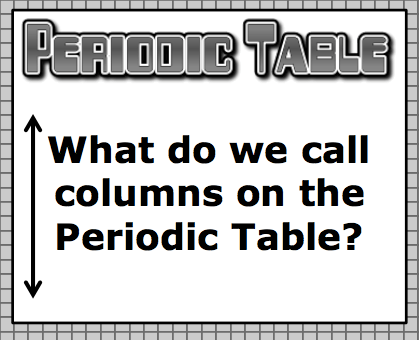
a)
Periods
b)
Groups
27.
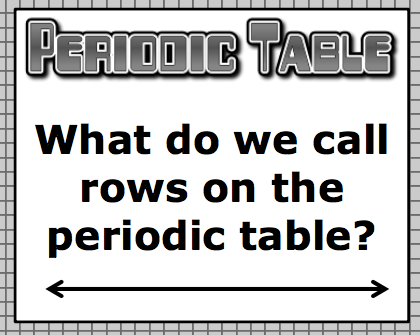
a)
Periods
b)
Groups
28.

a)
energy levels
b)
valence electrons
c)
protons
d)
neutrons
29.
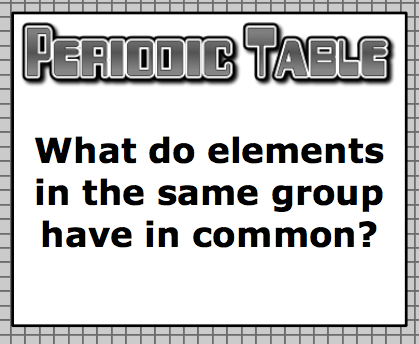
a)
energy levels
b)
valence electrons
c)
protons
d)
neutrons
30.
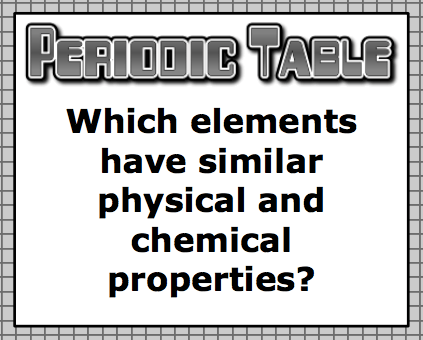
a)
Same group
b)
Same period
31.
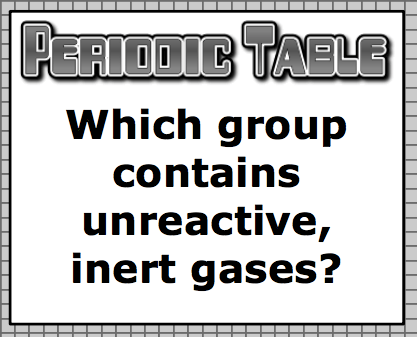
a)
Group 1
b)
Group 17
c)
Group 2
d)
Group 18
32.
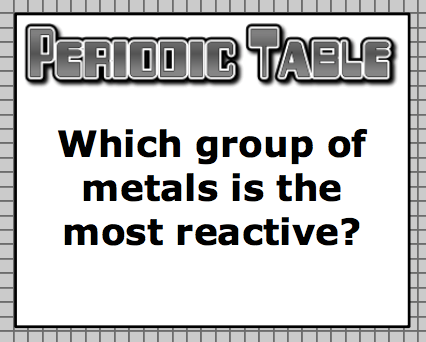
a)
Group 1
b)
Group 17
c)
Group 18
d)
Group 2
33.
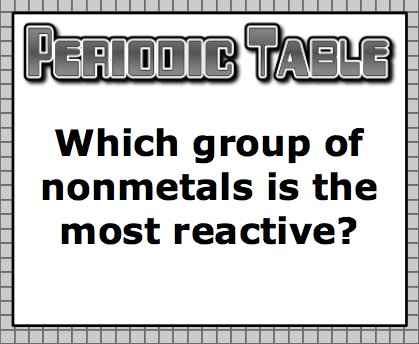
a)
Group 1
b)
Group 17
c)
Group 18
d)
Group 2
34.
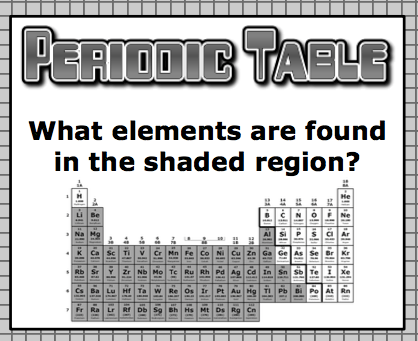
a)
Metals
b)
Nonmetals
c)
Metalloids
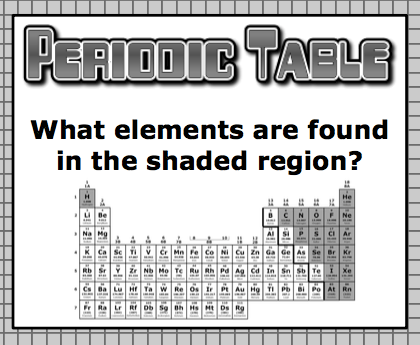
35.
a)
Metals
b)
Nonmetals
c)
Metalloids
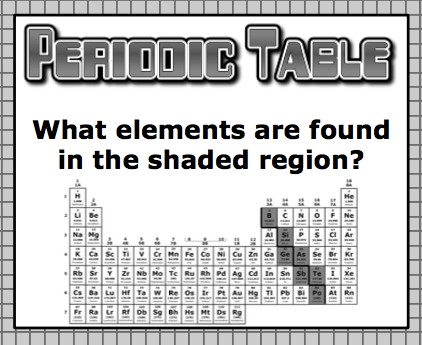
36.
a)
Metals
b)
Nonmetals
c)
Metalloids
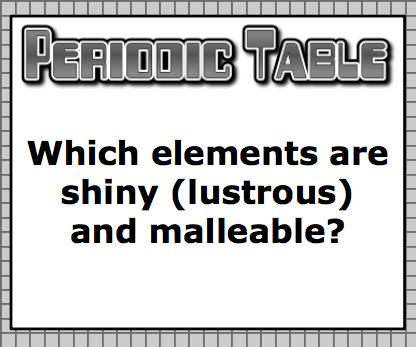
37.
a)
Metals
b)
Nonmetals
c)
Metalloids
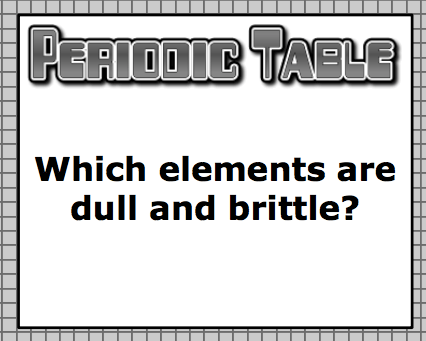
38.
a)
Metals
b)
Nonmetals
c)
Metalloids
39.
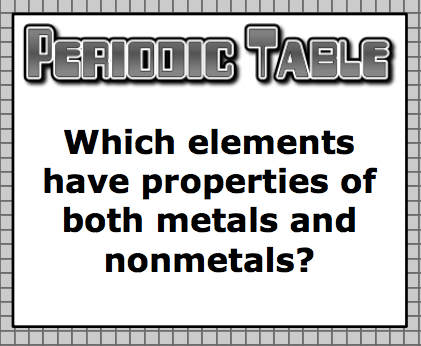
a)
Metals
b)
Nonmetals
c)
Metalloids
40.
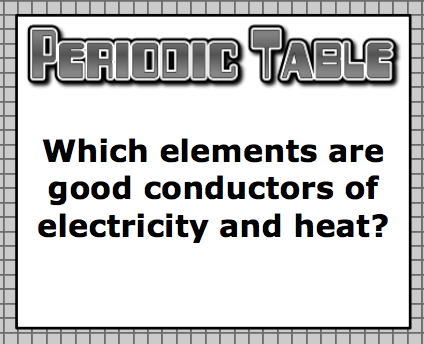
a)
Metals
b)
Nonmetals
c)
Metalloids
41.
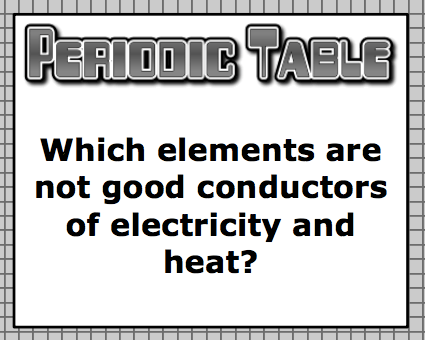
a)
Metals
b)
Nonmetals
c)
Metalloids
42.

How did Mendeleev arrange the elements?
a)
alphabetical
b)
density
c)
melting point
d)
atomic mass
43.
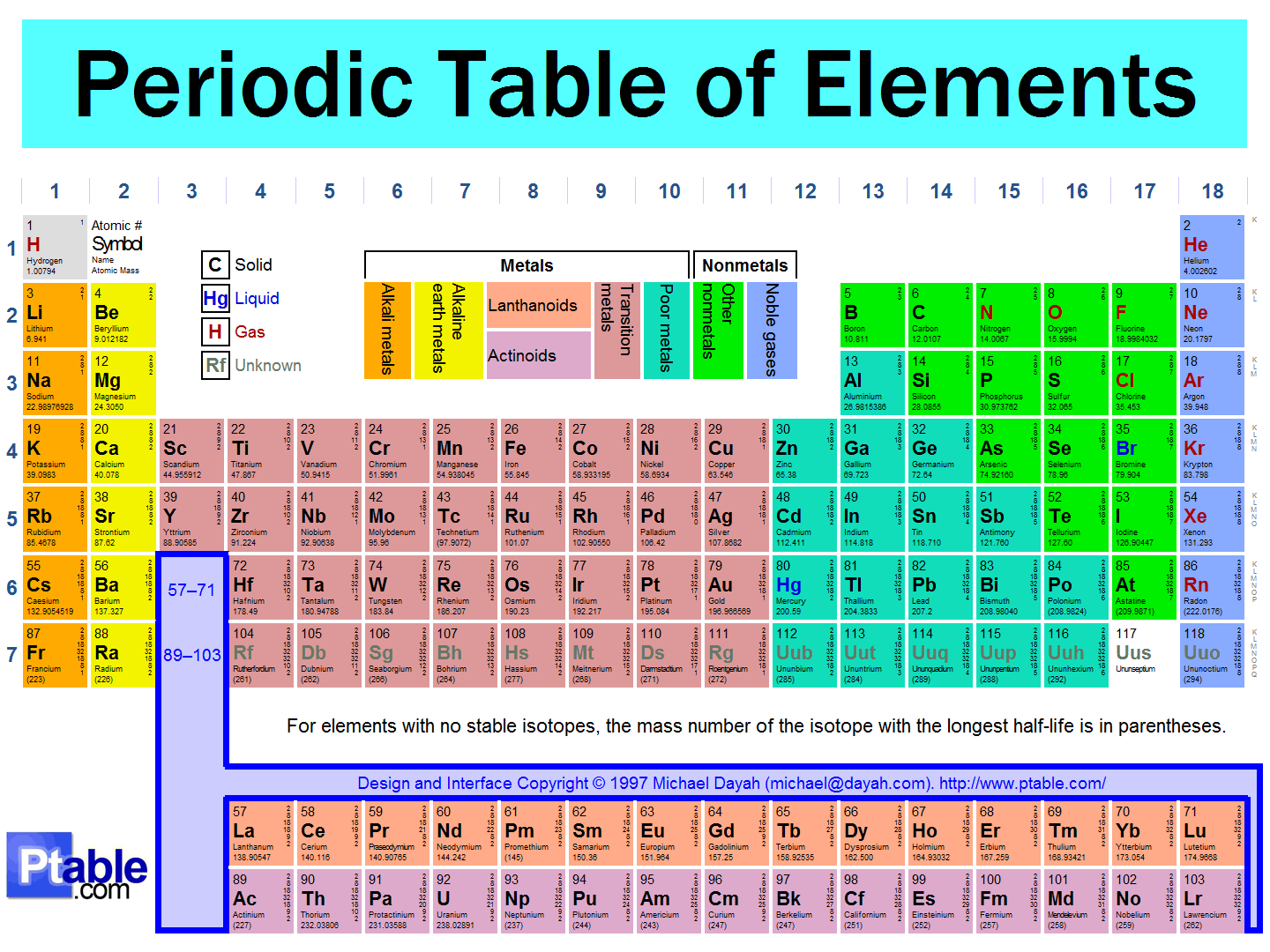
The horizontal row on the periodic table is called a
a)
group
b)
family
c)
period
d)
atomic number
44.
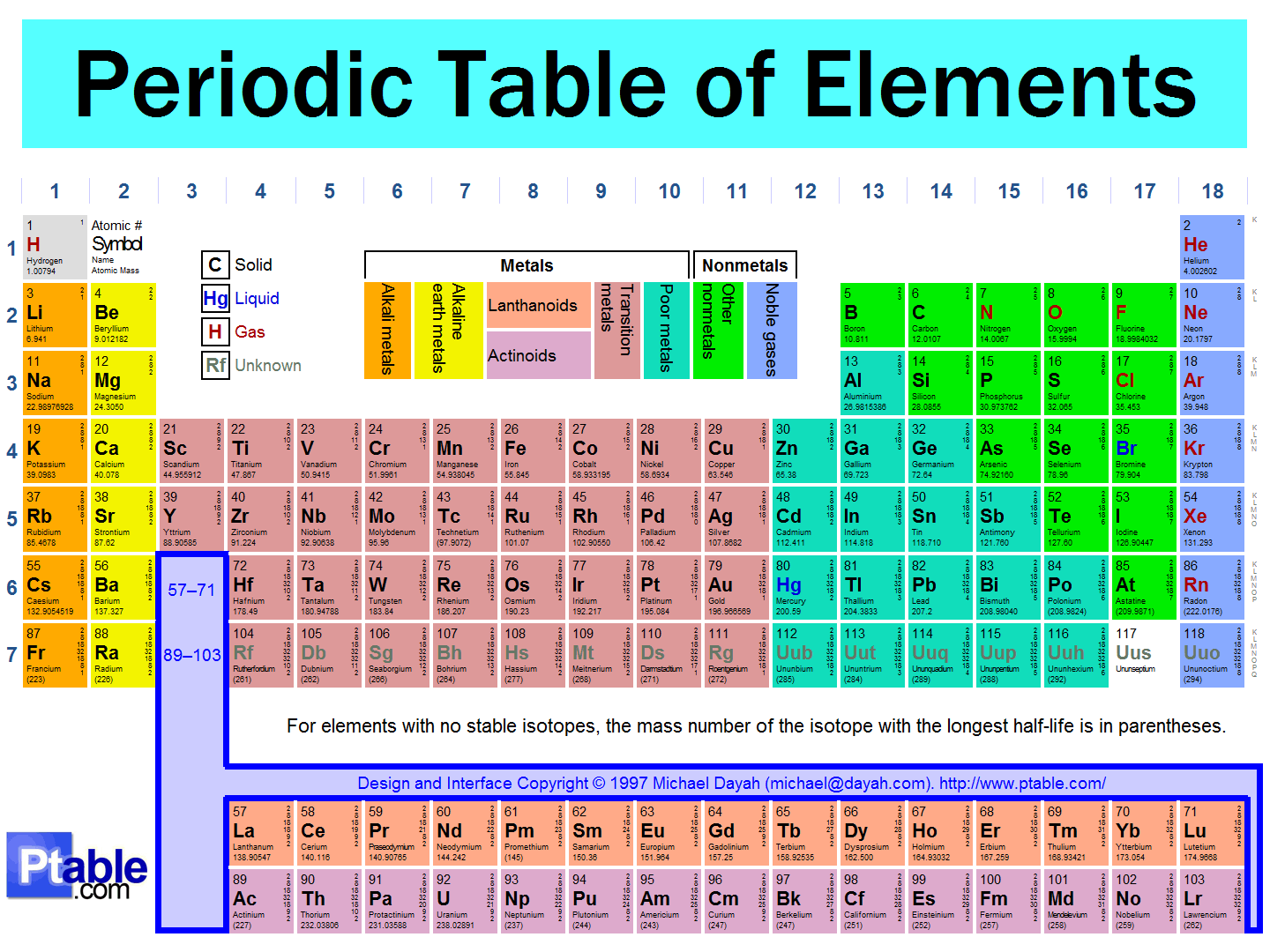
A vertical column is called...
a)
group
b)
tower
c)
period
d)
crew
45.
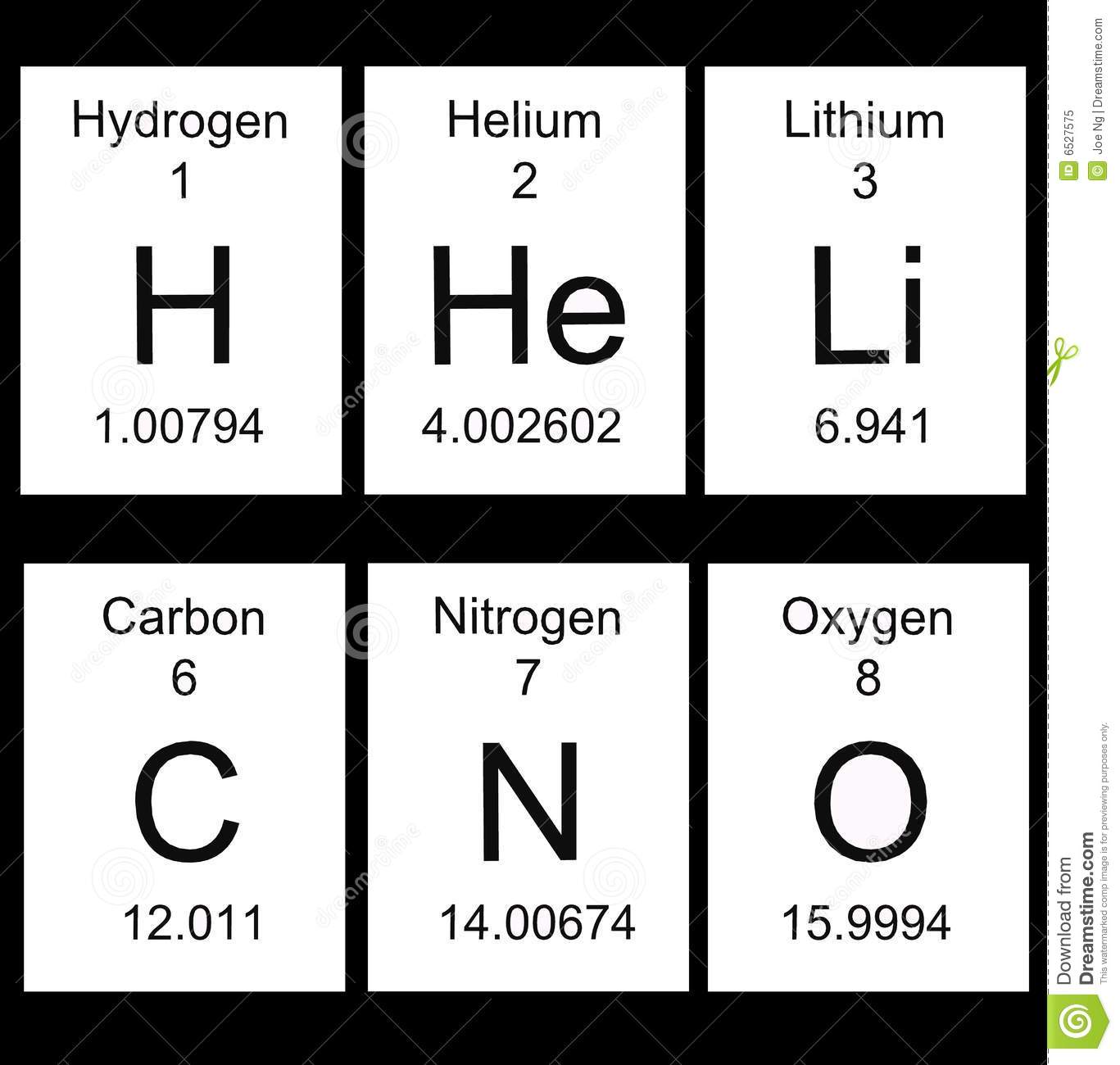
The number at the bottom of each square on the periodic table is the ...
a)
atomic number
b)
atomic mass
c)
chemical symbol
d)
element name
46.
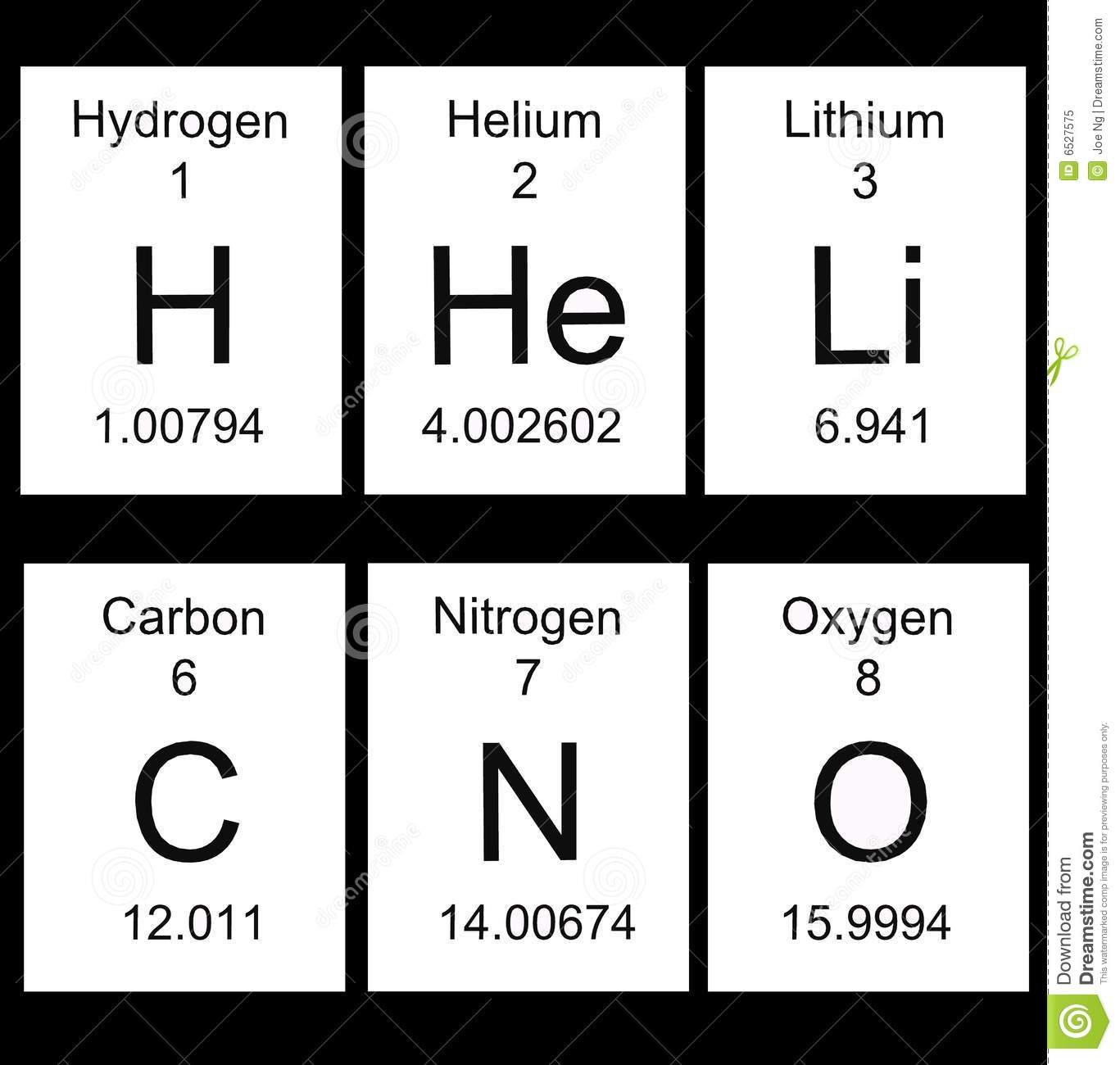
The number at the top of each square on the periodic table is the ...
a)
atomic number
b)
atomic mass
c)
Chemical Symbol
d)
Element Name
47.
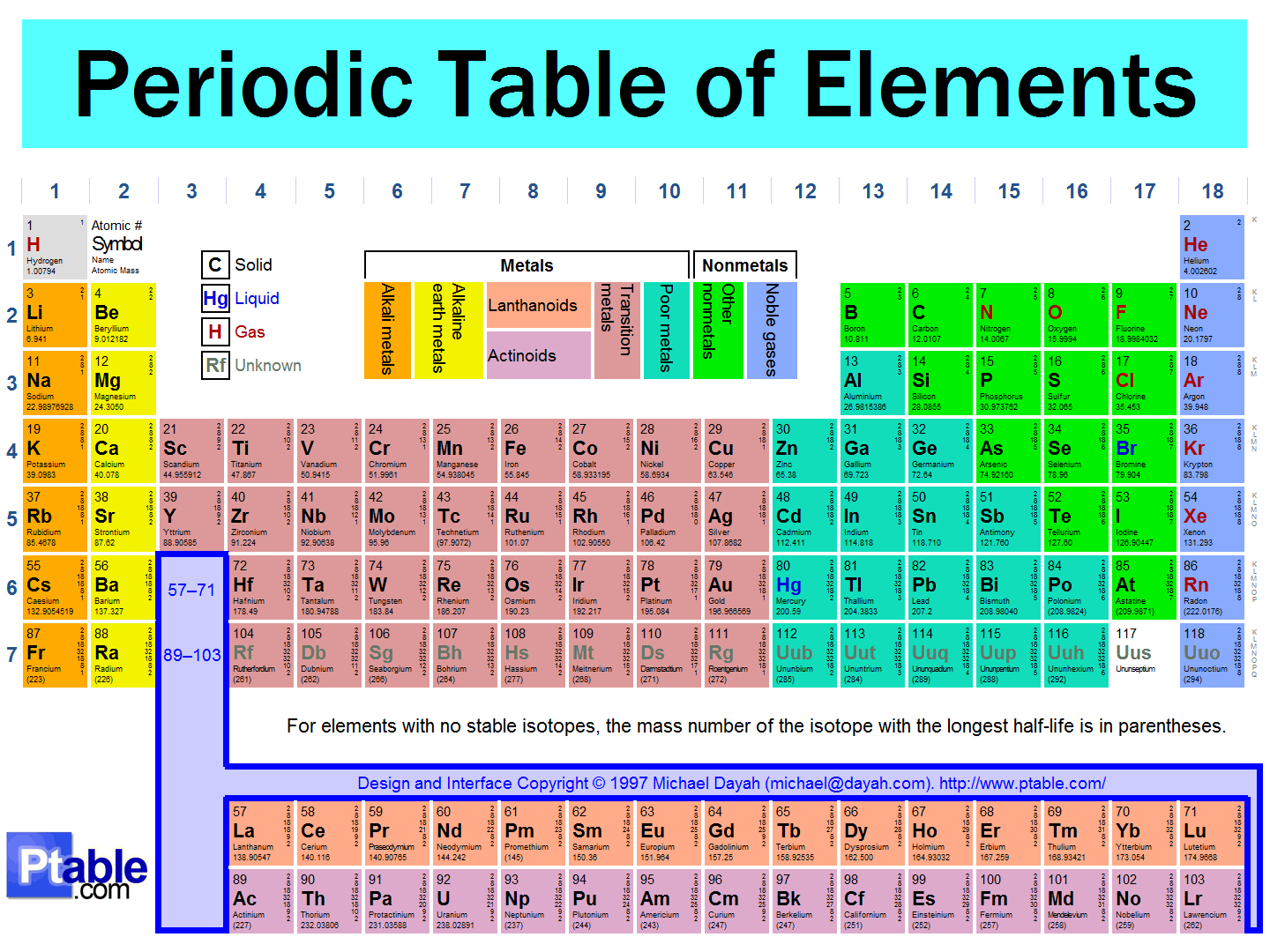
This class of elements are sometimes called "semiconductors."
a)
Metals
b)
Nonmetals
c)
Metalloids
d)
Groups
48.
The atomic number tells you what?
a)
number of electrons
b)
number of protons
c)
number of neutrons
d)
both electrons and protons in an atom.
49.
Which group of the periodic table is composed of inert (not reactive) gases?
a)
alkali metals
b)
alkaline earth metals
c)
halogens
d)
noble gases
50.
Which element is not a metal?
a)
H
b)
Re
c)
Al
d)
B
51.

The atoms along the staircase are called
a)
metals
b)
nonmetals
c)
metalloids
d)
noble gases
52.
Elements in a ..................have similar chemical properties.
a)
period
b)
group
c)
row
53.
The simplest substance is..?
a)
Carbon
b)
An element
c)
Water
d)
A simple compound
54.
A proton is....
a)
A negatively charged subatomic particle
b)
A positively charged subatomic particle
c)
A neutrally charged subatomic particle
d)
The only subatomic particle located in the nucleus
55.
A neutron has a charge of
a)
+2
b)
No charge
c)
-1
d)
+1
56.
How many electrons does Oxygen need to fill its outer shell?
a)
3
b)
4
c)
1
d)
2
57.
How many Valance electrons does Iodine Have?
a)
6
b)
16
c)
7
d)
17
58.
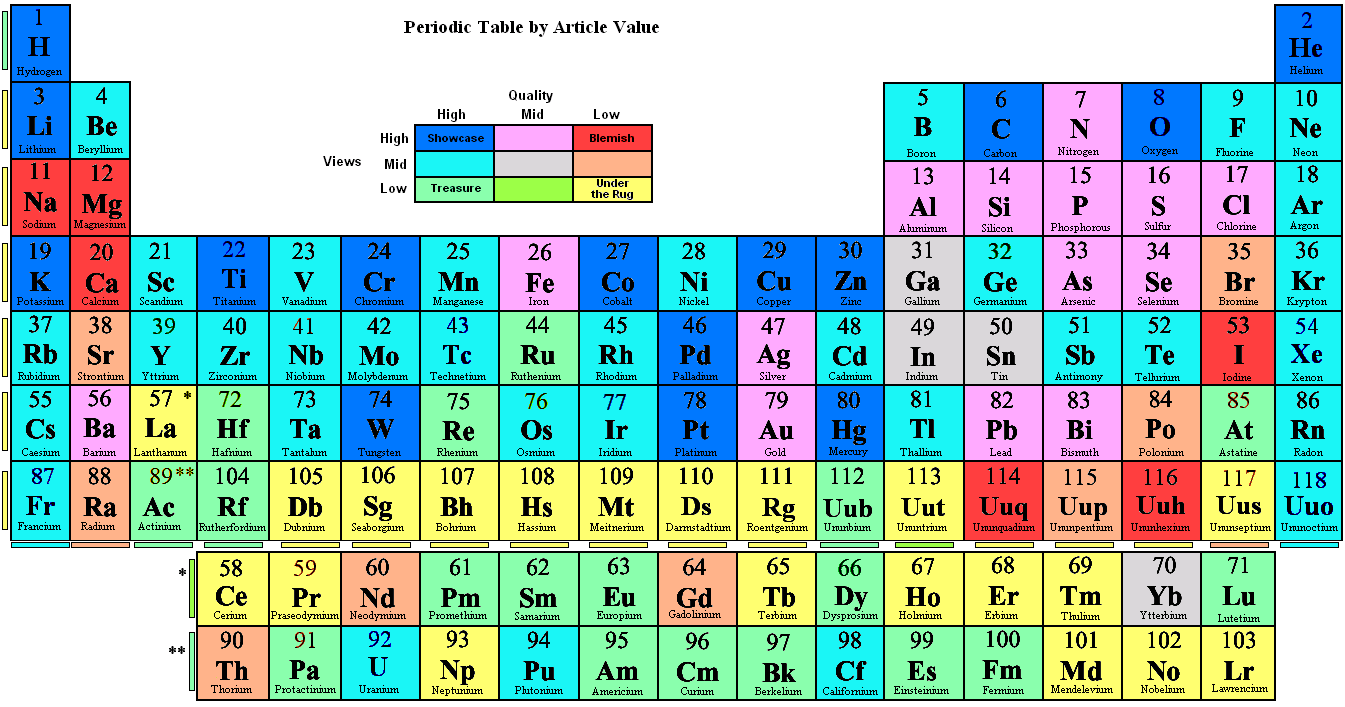
The period for Bromine is ___________.
a)
3
b)
2
c)
4
59.
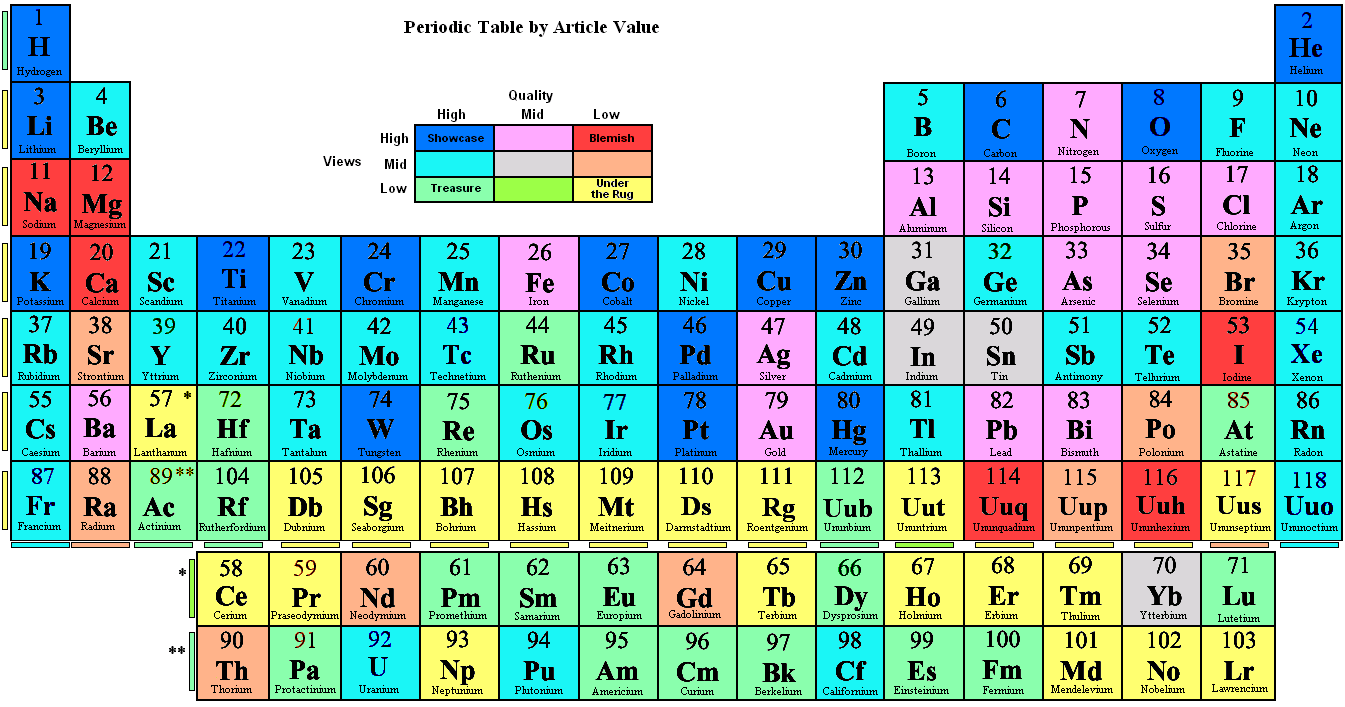
Beryllium is in group number______.
a)
Group 2
b)
Group 3
c)
Group 4
d)
Group 7
60.
An element's identity is determined by the number of
a)
electrons.
b)
protons.
c)
neutrons.
d)
valence.
61.
Group 18 elements are known as the _____ _____ and have full valence shells.
a)
royal gases.
b)
supreme solids.
c)
noble gases.
d)
legit liquids.
62.
Elements in the same ________ are more chemically similar.
a)
group
b)
period
c)
club
d)
table
63.
Which elements have the most similar chemical properties?
a)
K and Na
b)
K and Ca
c)
K and Cl
d)
K and S
64.
What period and group is Silver (Ag)?
a)
Period 2, Group 1
b)
Period 3, Group 16
c)
Period 5, Group 11
d)
Period 2, 14
65.
The elements in this group have 5 valence electrons and include elements N, P, and As.
a)
Group 5
b)
Group 1
c)
Group 18
d)
Group 15
66.
The elements in this group only have 1 valence electron and include Li, Na, and K.
a)
Group 11
b)
Group 1
c)
Group 3
67.
Which of the following is not a property of metals?
a)
brittle
b)
malleable
c)
lustrous
d)
conductive
68.
How many electrons do atoms need to be stable?
a)
1
b)
2
c)
6
d)
8
69.

What section is the least reactive?
a)
yellow
b)
red
c)
dark blue
d)
orange
70.

Which elements have the most similar chemical properties?
a)
K and Na
b)
K and Ca
c)
K and Cl
d)
K and S
71.
What does the atomic mass tell you?
a)
Basically,the number of electrons and protons
b)
The number of neutrons
c)
Basically, the number of protons and neutrons
d)
The number of protons.
100 %

