
 Worksheets
Changes in Matter Review
Total questions: 67
Worksheet time: 34mins

How did the object change?
melting
crushing
stretching
pounding

How did the object change?
melting
crushing
crumpling
pounding

How did the object change?
melting
crushing
crumpling
cutting

How did the object change?
tearing
cutting
crumpling
freezing

How did the object change?
tearing
condensation
crumpling
freezing

How did the object change?
evaporation
condensation
crumpling
freezing

How did the object change?
evaporation
condensation
stretching
freezing

How did the object change?
evaporation
condensation
stretching
slicing

How did the object change?
flattening
condensation
stretching
slicing

How did the object change?
flattening
condensation
pouring
slicing


This is an example for a
chemical change
physical change
melting
Which picture shows a physical change?


Which form of matter is air?
solid
liquid
gas

It causes the egg to go through a chemical change.
water
heat
air

Identify the chemical change that has happened in the matchstick?
rusted
burnt
folded

This shows a physical change.
true
false
I don't know
Which of these can change matter into different matter?


What state of matter is this?
Solid
Liquid
Gas

What state of matter is this?
Solid
Liquid
Gas

What state of matter is this?
Solid
Liquid
Gas

When matter changes state, does the weight change?
Yes, it gets lighter
Yes, it gets heavier
No, it does not change!

When two or more atoms come together, they form a what?
Another Atom
A Solid
An Element
A Molecule

What is the smallest unit of matter in the world?
an Atom
a Molecule
a piece of dirt
an element

What state of matter has molecules extremely close together that form a defined shape?
Liquid
Solid
Rock
Gas

What state of matter has molecules spaced apart from one another and changes its shape depending on its container?
Solid
Liquid
Gas
Water
What state of matter has molecules extremely close together that form a defined shape?
Liquid
Solid
Rock
Gas
What state of matter has molecules spaced apart from one another and changes its shape depending on its container?
Solid
Liquid
Gas
Water

When two or more things are mixed together and you can see the different parts or could easily take it apart, it is called a _______________.
Mixture
Solution
Compound
Molecule

When two or more parts are mixed together and chemically combine so that you cannot see the different parts (or different ingredients), it is called a ______________.
Mixture
Solution
Compound
Molecule
Which picture is a mixture?


Which picture is a solution?


When ice cream is left out of a freezer, the ice cream changes from a _______________ to a ___________________.
liquid to a solid
gas to a liquid
liquid to a gas
solid to a liquid

Which of the following is a proton?


Circling the atom, these parts of an atom hold a negative charge.
Neutron
Electron
Proton
Compound

Compound or Just a Molecule?
Compound
Molecule


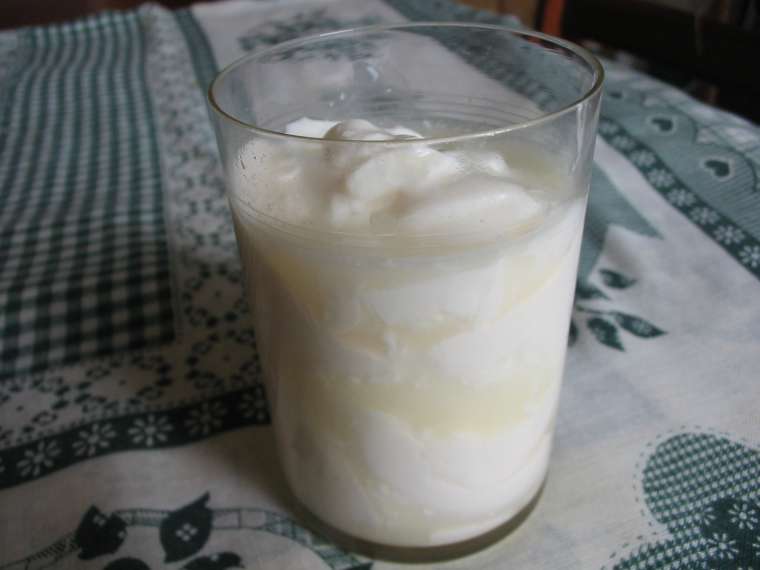
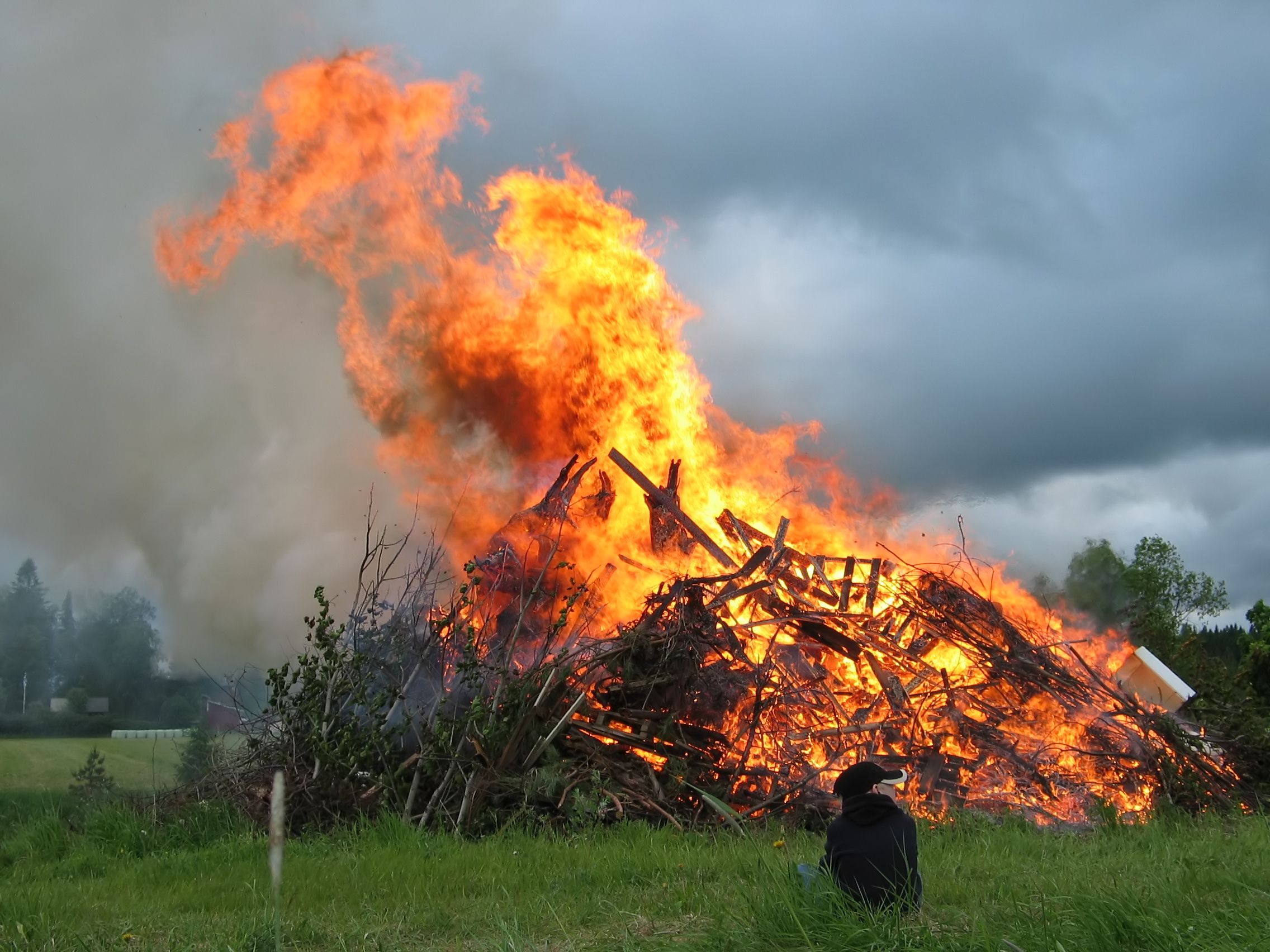


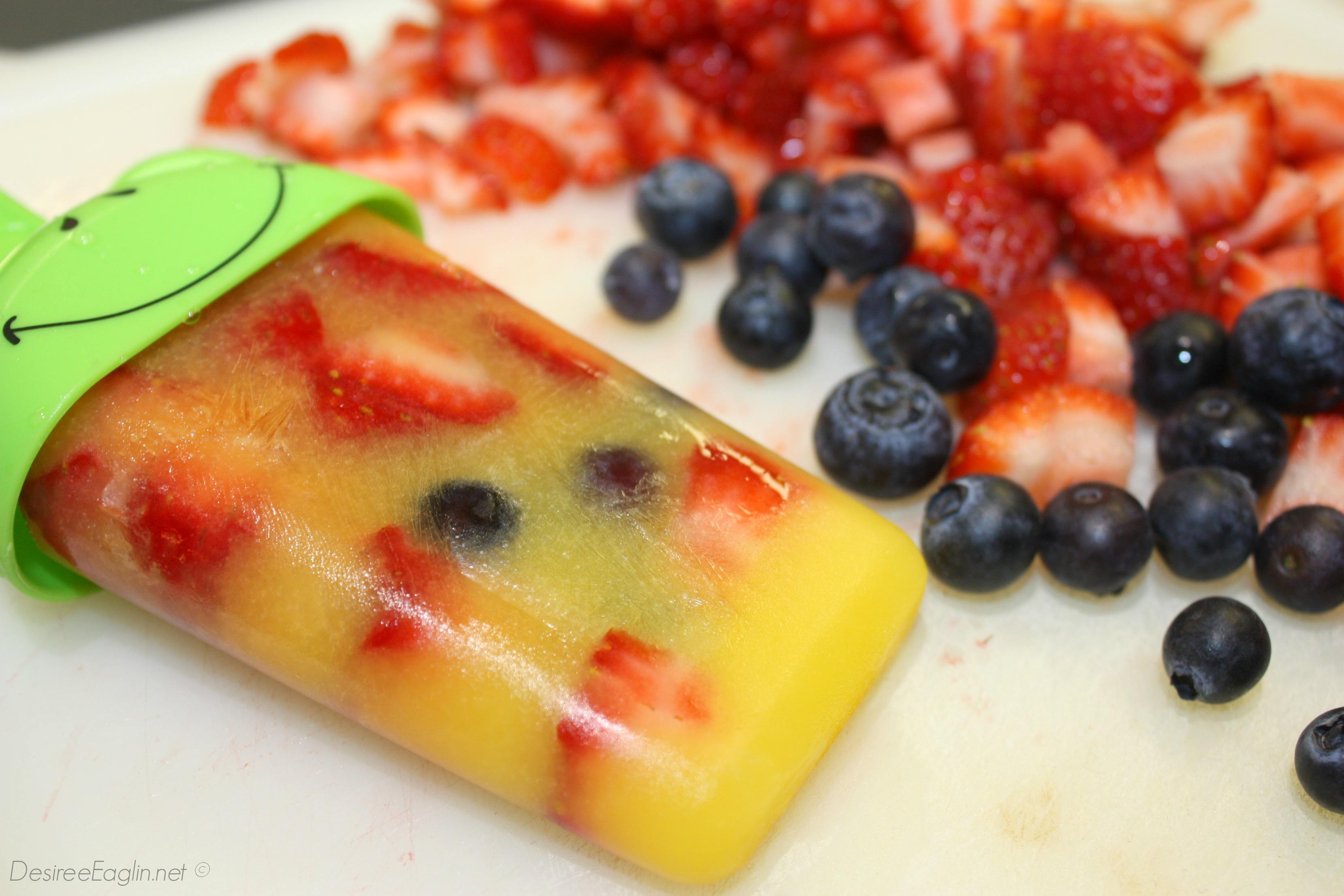


Baked cookies
Not reversible
Made something new
Reversible
Chemical reaction

Substance bubbles
Gases escape
Chemical reaction
Physical change
Not reversible

What are the substances that are a RESULT of a chemical reaction?
Products
Reactants

What are the substances that START a chemical reaction?
Products
Reactants

Identify the correct statemets about this picture.
Physical Change
Chemical Change
It is not reversible
Evidence: Change in shape
Identify the correct statemets about this picture.
Evidence: Odor or smell
Evidence: Change in size
A new substance is formed
A new substance is NOT formed.

Identify the correct statemets about this picture.
Physical change
Chemical Change
A new substance is formed.
The identity is NOT changing.

Identify the correct statemets about this picture.
Evidence: Change in size
Evidence: odor is produced.
Evidence: State of matter change
Evidence: Light is produced.
Evidence: Change in color
Identify the correct statemets about this picture.
Physical Change
Chemical Change
A new Substance is formed
It is not reversible
Evidence: Change in shape

Identify the correct statemets about this picture.
Physical change
Chemical Change
A new substance is formed.
The identity is NOT changing.
Evidence: State of Matter Change

Identify the correct statemets about this picture.
Physical change
Chemical Change
A new substance is formed.
The identity is NOT changing.
Evidence: State of matter change.

Identify the correct statemets about this picture.
Physical change
Chemical Change
A new substance is formed.
The identity is NOT changing.
Evidence: State of matter change.

Identify the correct statemets about this picture.
Physical change
Chemical Change
A new substance is formed.
The identity is NOT changing.
Evidence: State of matter change.

Identify the correct statemets about this picture.
Physical change
Chemical Change
A new substance is formed.
The identity is NOT changing.
Evidence: State of matter change.

