
 Worksheets
dca review
Total questions: 64
Worksheet time: 45mins
Name
Class
Date
1.
Which of the following is true?
a)
Prokaryotes don't have DNA
b)
Eukaryotes don't have DNA
c)
Prokaryotes have a nucleus
d)
Eukaryotes have a nucleus
2.
Which of the following would likely be multicellular?
a)
bacteria
b)
amoeba
c)
tree
d)
yeast
3.
Which of the following is paired correctly?
a)
Circulatory - transport
b)
Respiratory - heart rate
c)
Endocrine - filters the blood
d)
Excretory - controls metabolism
4.
Which of the following is incorrect?
a)
skeletal - makes red blood cells
b)
cardiovascular - pumps red blood cells
c)
immune - fights infection
d)
muscular - protects
5.
What system controls sleep, growth, and metabolism
a)
excretory
b)
endocrine
c)
immune
d)
nervous
6.
What system filters the blood
a)
excretory
b)
endocrine
c)
immune
d)
nervous
7.
What system is the communication center?
a)
excretory
b)
endocrine
c)
immune
d)
nervous
8.
What body system has the brain, spinal chord and nerves?
a)
Nervous
b)
endocrine
c)
Excretory
d)
Reproductive
9.
What system has ovaries and testes?
a)
Reproductive
b)
Nervous
c)
Endocrine
d)
Excretory
10.
Which of the following is not part of cell theory?
a)
all cells come from cells
b)
all living things are made of cells
c)
all living things have tissues
d)
cells have different shapes
11.
Which of the following is part of cell theory?
a)
cells have the same shape
b)
all living things are made of cells
c)
all living things have tissues
d)
cells have different functions
12.
Which of the following is part of cell theory?
a)
cells have different shapes
b)
cells come from pre-existing atoms
c)
all living things have tissues
d)
cells have different functions
13.
what cell organelle is not paired correctly
a)
cell wall - strength and structure
b)
cell membrane - controls what enters and exits
c)
chloroplast - cellular respiration
d)
mitochondria - makes atp
14.
what two organelles are in plants but not animals?
a)
cytoplasm and chloroplast
b)
chloroplast and cell wall
c)
cell wall and cytoplasm
d)
cell membrane and cytoplasm
15.
what cell is similar to the body system it is paired with?
a)
cell membrane - integumetary system
b)
vacuole - nervous system
c)
nucleus - digestive system
d)
ribosome - muscular system
16.
what cell is similar to the body system it is paired with?
a)
cell membrane - integumetary system
b)
vacuole - skeletal system
c)
nucleus - nervous system
d)
ribosome - muscular system
17.
which of the following is an internal stimuli?
a)
fever
b)
light
c)
smell
d)
rain
18.
what does the vacuole do?
a)
photosynthesis
b)
hold water, food, and waste
c)
cellular respiration
d)
make ribosomes
19.

what is A?
a)
ribosome
b)
cell membrane
c)
mitochondria
d)
cytoplasm
20.

what is B?
a)
chloroplast
b)
cell membrane
c)
mitochondria
d)
cytoplasm
21.
what are the advantages to asexual reproduction
a)
less time and energy, genetically identical
b)
less time and less able to adapt
c)
genetic diversity and more time
d)
less time and energy, faster generations
22.
what are the advantages to sexual reproduction
a)
less time and energy, genetically diverse
b)
more time and less able to adapt
c)
genetic diversity and more able to adapt
d)
able to adapt to change, genetically identical
23.
what are the disadvantages to sexual reproduction
a)
less time and energy, genetically diverse
b)
more time and energy
c)
genetic diversity and more able to adapt
d)
more time and genetically identical
24.
what are the disadvantages to asexual reproduction
a)
less able to adapt, genetically identical
b)
more time and energy, genetic diversity
c)
genetically identical and more able to adapt
d)
more time and genetically identical
25.
which of the following are acquired traits
a)
eye color
b)
hair color
c)
height
d)
language
26.
Which of the following are inherited traits?
a)
basketball
b)
shape of nose
c)
reading
d)
hunting
27.
cell, ___________, organs, organ systems, _________
a)
organelles, organisms
b)
organisms, tissues
c)
tissues, organisms
d)
tissues, organelles
28.
________, Cells, tissues, _______, ecosystem
a)
atoms, population
b)
organs, organisms
c)
population, atoms
d)
organelles, organic molecules
29.
bones, joints, cartilage
a)
skeletal
b)
muscular
c)
cardiovascular
d)
respiratory
30.
Which of the following about DNA is correct?
a)
DNA is organized into chromosomes
b)
Nucleus is in the chromosomes
c)
chromosomes code for traits
d)
Genes have chromosomes on them
31.
Which of the following about DNA is incorrect?
a)
Genes are short stretches of DNA
b)
Genes code for traits
c)
chromosomes are only in animal cells
d)
Chromosomes have genes on them
32.
What is true about energy?
a)
food is chemical energy transferred into heat energy
b)
Food is electrical energy transferred into solar energy
c)
Food is heat energy transferred into chemical energy
d)
Food is potential energy transferred into heat energy
33.
what does the ribosome do?
a)
photosynthesis
b)
hold water, food, and waste
c)
cellular respiration
d)
make proteins
34.
Sexual reproduction requires _____ parents and asexual reproduction requires ___ parents
a)
1,1
b)
2,2
c)
2,1
d)
1,2
35.
Where does an off spring get its traits in asexual reproduction?
a)
From both parents
b)
From only one parent
c)
From neither parent
d)
There are no traits handed down
36.

California blackworms, also known as mudworms, are able to break apart. Each body section that broke apart is able to become an identical new worm. What type of reproduction does this example represent?
a)
Sexual reproduction
b)
Asexual reproduction
37.

Penguins lay 1-2 fertilized eggs that the male and female take turns incubating on their feet. What type of reproduction does this example represent?
a)
Sexual reproduction
b)
Asexual reproduction
38.
Reproducing asexually will produce offspring ...
a)
genetically different from each other
b)
genetically identical to the parent
39.
2 dogs reproduce, 2 sex cells join together & form offspring. The resulting offspring is likely
a)
to express only recessive traits
b)
to be identical to ONE parent
c)
to share some traits from BOTH of its parents
40.
What is a disadvantage of asexual reproduction?
a)
New species of organisms cannot come into being.
b)
The offspring does not multiply rapidly.
c)
The offspring does not live for long.
d)
All of these
41.
Which of the following describes the main advantages of sexual reproduction?
a)
requires lots of time/energy
b)
no new gene combos can arise
c)
diversity
d)
looks identical to the parent
42.
A general name for a sex cell (egg or sperm) is a:
a)
zygote
b)
gene
c)
offspring
d)
gamete
43.
When a starfish grows a new body off a broken arm, what kind of reproduction is this?
a)
Sexual
b)
Differentiation
c)
Asexual
d)
Specialization
44.
What percentage of chromosomes are handed down by a sperm cell?
a)
75%
b)
25%
c)
50%
d)
100%
45.
Budding is a method of asexual reproduction found in ________.
a)
Hydra
b)
Alga
c)
Bacteria
d)
Bread mould
46.

a)
budding
b)
sporulation
c)
vegetative propagation
d)
binary fission
47.

a)
budding
b)
binary fission
c)
sporulation
d)
regeneration
48.
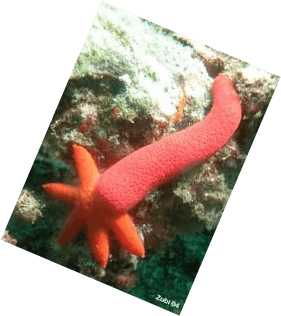
What type of asexual reproduction is taking place?
Fishermen work hard to catch and remove all the starfish that get into their favorite shell fishing beds and the “underwater farms” where they raise clams and oysters. In the past, they put the starfish into their boats, cut them up with knives, and then throw the pieces of starfish overboard. They thought this would kill the starfish. What they did not know was that each piece of starfish will grow into a whole new animal.
Fishermen work hard to catch and remove all the starfish that get into their favorite shell fishing beds and the “underwater farms” where they raise clams and oysters. In the past, they put the starfish into their boats, cut them up with knives, and then throw the pieces of starfish overboard. They thought this would kill the starfish. What they did not know was that each piece of starfish will grow into a whole new animal.
a)
Regeneration
b)
Vegetative propagation
c)
Budding
d)
Fission
49.
What is organized DNA called?
a)
Genes
b)
Deoxyribonucleic Acid
c)
Chromosomes
d)
Nucleus
50.
What parts of the chromosomes code for traits?
a)
Genes
b)
Deoxyribonucleic Acid
c)
Chromosomes
d)
Nucleus
51.
What does heredity mean?
a)
DNA being passed down from one generation to the next.
b)
Passing down acquired characteristics to your offspring.
c)
Leaving money in a will to your children
d)
all DNA is kept in the nucleus
52.
Which of the following is the correct order of organization in living things from most basic (simple) to most complex?
a)
a. Organism, cell, tissue, organ, organ system
b)
a. Organ system, organ, tissue, cell, organism
c)
a. Cell, tissue, organ, organ system, organism
d)
a. Cell, organ, tissue, organ, organism, organ system
53.
Anything that can perform life processes by itself is a/an
a)
cell
b)
organ
c)
organism
d)
organ system
54.
A group of similar cells that come together to perform a specific function is a/an
a)
organ
b)
organism
c)
organ system
d)
tissue
55.
When a group of organs work together to perform a particular function they create a/an
a)
organ system
b)
organism
c)
tissue
d)
organ
56.
The smallest level of organization of life in an organism
a)
tissue
b)
cell
c)
organ
d)
organ system
57.
Which is an example of an organism?
a)
a beetle
b)
a lake
c)
a rock
d)
a shell
58.
The basic unit of structure and function in the human body is the....
a)
organ
b)
organ system
c)
cell
d)
tissue
59.
Tissue that works together to perform a function
a)
organ
b)
cell
c)
organ system
d)
organism
60.
What is the correct order of organization
a)
cells->tissue->organs->organ systems-> organism
b)
tissue->cells->organs->organ systems-> organism
c)
organs->organ systems-> organism->cells->tissue
d)
cells->tissue->organs->organism->organ system
61.

a)
Cell
b)
Tissue
c)
Organ
d)
Organ System
62.

a)
Cell
b)
Tissue
c)
Organ
d)
Organ System
63.

a)
Cell
b)
Tissue
c)
Organ
d)
Organ System
64.
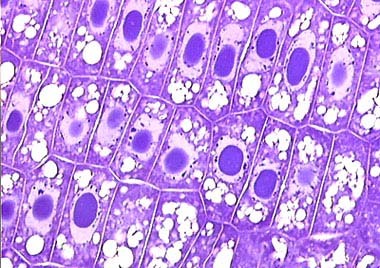
This is a example of ........
a)
cell
b)
tissue
c)
organ
d)
organ system
100 %

