
 Worksheets
Biology Semester Review
Total questions: 174
Worksheet time: 2hrs 24mins
Name
Class
Date
1.
What is a sac-like structure used to store water and nutrients? These are much larger in plant cells?
a)
Lysosomes
b)
Mitochondria
c)
Vacuoles
d)
Golgi Body
2.
What is a sac-like structure used to store water and nutrients? These are much larger in plant cells?
a)
Lysosomes
b)
Mitochondria
c)
Vacuoles
d)
Golgi Body
3.
Which organelle converts the energy in food into energy for the cell (cellular respiration)?
a)
Ribosomes
b)
Nucleolus
c)
Mitochondria
d)
Golgi Body
4.
Which organelle is responsible for making proteins?
a)
Nucleus
b)
Nucleolus
c)
Lysosomes
d)
Ribosomes
5.
Animal cells DO NOT have ...
a)
Mitochondria
b)
Lysosomes
c)
Vacuoles
d)
Chloroplasts
6.
This process happens inside chloroplasts
a)
Cellular Respiration
b)
Photosynthesis
c)
Protein Synthesis
d)
Osmosis
7.
Which cell organelle houses the DNA
a)
Nucleus
b)
ribosomes
c)
Chloroplast
d)
vacuole
8.
Plant cells have an outermost structure called what?
a)
cell wall
b)
ribosomes
c)
endoplasmic reticulum
9.

Number 8 is
a)
Cell Wall
b)
Cell Membrane
c)
Cytoplasm
d)
Nucleus
10.

Number 10 is
a)
Cell Membrane
b)
Cell Wall
c)
Ribosomes
d)
Cytoplasm
11.

The powerhouse of the cell is the...It converts energy from food into energy the cell can use
a)
Mitochondria
b)
Golgi body
c)
Nucleus
d)
Ribosomes
12.
Which one is not a part of the cell theory?
a)
All organisms are made of cells.
b)
All existing cells are produced by other living cells.
c)
The cell is the most basic unit of life.
d)
There are many different types of cells.
13.
What is the smallest most basic unit of life?
a)
Biomolecule
b)
Cell
c)
DNA
d)
IDK
14.
The scientist Hooke was the first to
a)
Observe cells
b)
Construct a microscope
c)
Conclude that all plants are made of cells
d)
Propose that all cell come from other cells
15.
The scientist Virchow was the first to
a)
Observe cells
b)
Construct a microscope
c)
Conclude that all plants are made of cells
d)
Propose that all cell come from other cells
16.
The scientist Schleiden was the first to
a)
Observe cells
b)
Construct a microscope
c)
Conclude that all plants are made of cells
d)
Propose that all cell come from other cells
17.
Which definition matches the words cell theory?
a)
the ability to make things look larger than they are
b)
a widely accepted explanation of the relationship between cells and living things
c)
a light microscope that has more than one lens
d)
any instrument that makes small objects look larger
18.

what part of the digestive system is this?
a)
Esophagus
b)
stomach
c)
liver
d)
colen
19.

what part of the digestive system is this?
a)
small intestine
b)
stomach
c)
gallbladder
d)
large intestine
20.

what part of the digestive system is this?
a)
liver
b)
pancreas
c)
esophagus
d)
brain
21.

What part of the digestive system is this?
a)
place to store waste
b)
large intestine
c)
small intestine
d)
colen
22.

what part of the digestive system is this?
a)
stomach
b)
heart
c)
liver
d)
pancreas
23.

what part of the digestive system is this ?
a)
stomach
b)
liver
c)
gallbladder
d)
place that take the nutrients from your food and drink
24.

what part of the digestive system is this and , what does it use mechanical or chemical ?
a)
small intestine uses chemical
b)
large intestine uses chemical
c)
large intestine uses mechanical
d)
small intestine uses mechanical
25.
what does the stomach use , mechanical or chemical?
a)
both mechanical and chemical
b)
mechanical
c)
chemical
d)
all of the above
26.
what does the small intestine do
a)
absorbs nutrients
b)
nothing
27.
what three things does the digestive system do?
a)
burns calories, eliminate waste, and helps you breath.
b)
digest food, eat food, breaks up your food.
c)
digest food, absorb nutrients, and eliminate waste.
d)
makes nutrients, gets food into small particles,helps swallow food.
28.
Where does the food go after going into the small intestine?
a)
Large intestine
b)
mouth
c)
liver
29.
Muscular tube that connects the mouth to the stomach
a)
Esophagus
b)
Peristalsis
c)
Stomach
30.
Where does chemical digestion begins?
a)
Small intestine
b)
esophagus
c)
Mouth
31.
A body chemical that helps break down food is called _______.
a)
enzyme
b)
esophagus
c)
digestion
32.
The process of breaking down food into smaller units is called __________.
a)
digestion
b)
breathing
c)
eating
33.
what produces saliva?
a)
salivary gland
b)
mouth
c)
stomach
d)
rectum
34.
what is the anus?
a)
what releases nutrients into blood
b)
where wast leaves body
c)
another name for stomach
35.
what is the beginning of the digestive system
a)
esopogus
b)
mouth
c)
stomach
d)
large instestine
36.
gallbladder is a sac that stores bile
true of false
true of false
a)
true
b)
false
37.
THE HEART AND THE BLOOD VESSELS AND THE BLOOD MAKE UP WHAT SYSTEM?
a)
URINARY
b)
SKELETAL
c)
CIRCULATORY
d)
MUSCULAR
38.
What do the arteries do?
a)
pumps blood to the heart
b)
pumps blood to and from the heart
c)
carry's blood away from the heart
d)
a muscle
39.
THE TYPE OF BLOOD VESSELS THAT RETURNS BLOOD TO THE HEART
a)
ARTEY
b)
VEIN
c)
CAPILLARIES
d)
BLOOD VESSEL
40.
What is the function of the heart?
a)
To pump blood around the body
b)
To remove oxygen from the blood
c)
To allow blood to flow through it
d)
To breath
41.
What is the main organ in the circulatory system?
a)
vein
b)
lung
c)
heart
d)
aorta
42.
The heart is divided into how many parts.
a)
2
b)
4
c)
8
d)
1
43.
Veins carry oxygen poor blood back to the heart.
a)
False
b)
True
44.
Arteries carry oxygen rich blood away from the heart.
a)
True
b)
False
45.
The bottom chambers of the heart are called
a)
ventricles
b)
atria
c)
vena cava
d)
valves
46.
Which part of the heart pumps deoxygenated (oxygen-poor) blood?
a)
Left side
b)
Right side
c)
Top side
d)
Bottom side
47.
Where is the bicuspid valve located?
a)
between right atrium & right ventricle
b)
between left atrium & left ventricle
c)
between left ventricle & aorta
d)
between right ventricle & pulmonary trunk
48.
_______________ are the largest blood vessels.
a)
Arteries
b)
Veins
c)
Capillaries
49.
______________ are the smallest blood vessels.
a)
Arteries
b)
Veins
c)
Capillaries
50.
The circulatory system works with the ___________ system to provide our body with oxygen.
a)
respiratory
b)
digestive
c)
muscular
d)
skeletal
51.
________ are between the atrium and ventricles to prevent BLOOD from flowing BACKWARDS.
a)
Oxygen
b)
Valves
c)
Atria
d)
Alveoli
52.
What does blood get from the lungs?
a)
Carbon Dioxide
b)
More Blood
c)
Protein
d)
Oxygen
53.
The chamber of the heart that pumps blood to the LUNGS is called what?
a)
Left Atrium
b)
Left Ventricle
c)
Right Atrium
d)
Right Ventricle
54.
The LARGE blood vessel that carries blood away from the heart and to the body is called what?
a)
Vena Cava
b)
Aorta
c)
Capillary
d)
Alveoli
55.

Which chamber does oxygenated blood enter the heart first?
a)
Left atrium
b)
Left ventricle
c)
Right atrium
d)
Right ventricle
56.
The aorta is the largest artery in the body. The blood leaving the aorta is full of?
a)
Oxygen
b)
Carbon Dioxide
c)
White blood Cells
d)
Potassium
57.

Identify
a)
Pulmonary veins
b)
Pulmonary artery
c)
Aorta
d)
Vena cava
58.

2?
a)
Right Atrium
b)
Right Ventricle
c)
Left Atrium
d)
Left Ventricle
59.
What are the two large veins that drain blood from the upper body and from the lower body and empty it into the right atrium of the heart?
a)
vena cava
b)
aorta
c)
pulmonary artery
d)
pulmonary vein
60.
The circulatory system works with the __________ system to obtain energy from nutrients that we eat.
a)
respiratory
b)
digestive
c)
skeletal
d)
nervous
61.

Identify
a)
Left atrium
b)
Right atrium
c)
Left ventricle
d)
Right ventricle
62.

Identify
a)
Left atrium
b)
Right atrium
c)
Left ventricle
d)
Right ventricle
63.
Which part of the heart pumps deoxygenated (oxygen-poor) blood?
a)
Left side
b)
Right side
c)
Top side
d)
Bottom side
64.
Which part of the excretory system is a holding tank for urine before it leaves your body?
a)
bladder
b)
kidneys
c)
ureter
d)
urethra
65.
Your kidneys play an important role in regulating the amount of _______ in your body.
a)
food
b)
oxygen
c)
sugar
d)
water
66.
Your kidneys work with the ______ system to filter liquid waste from your blood.
a)
circulatory
b)
digestive
c)
immune
d)
nervous
67.
Which organ of the excretory system is responsible for filtering liquid waste from your blood?
a)
Bladder
b)
kidneys
c)
ureter
d)
urethra
68.
Which parts of the respiratory system divide into smaller and smaller tubes in a pattern that resembles the branches of a tree?
a)
pharynx
b)
trachea
c)
bronchi
d)
epiglottis
69.
The organ that moves air from the nose to the lungs and is often called the windpipe is
a)
larynx
b)
pharynx
c)
esophagus
d)
trachea
70.
The dome-shaped muscle that plays an important role in breathing is the
a)
diaphragm
b)
alveoli
c)
larynx
d)
bronchus
71.
In which part of the respiratory system is the air first cleaned, moistened, and warmed?
a)
nose
b)
lungs
c)
pharynx
d)
bronchi
72.
The role of the excretory system is to rid the body of toxic waste products. Which of these body systems also plays a direct role in removing waste products from the body?
a)
endocrine
b)
nervous
c)
respiratory
d)
skeletal
73.
When you breathe in oxygen it is carried to this organ. Here the red blood cells pick up the oxygen and carry the oxygen to all parts of the body. What is this organ?
a)
diaphragm
b)
heart
c)
lungs
d)
trachea
74.

When you breathe, your lungs take in ___ and remove ___.
a)
air/oxygen
b)
oxygen/carbon dioxide
c)
carbon dioxide/waste
d)
waste/air
75.

What is the function of the bronchi?
a)
Transport air from nose to lungs
b)
Transport air from trachea to lungs
c)
Transport air from lungs to alveoli
d)
Transport air from alveoli to blood
76.

What is the main function of the respiratory system?
a)
to provide oxygen and remove carbon dioxide from the body
b)
to bring oxygen to the body
c)
to break down food and absorb nutrients
d)
to remove oxygen from the body and deliver carbon dioxide
77.

Within the lungs, the exchange of oxygen and carbon dioxide occurs between the ___ and the capillaries.
a)
trachea
b)
bronchi
c)
alveoli
d)
diaphragm
78.

Name the structure labeled 8
a)
lungs
b)
trachea
c)
diaphragm
d)
alveoli
79.
Which is NOT an organ of the urinary system?
a)
kidney
b)
bladder
c)
ureter
d)
liver
80.
What very important job do kidneys have?
a)
The make urine
b)
To filter waste out of the blood
c)
All of the above
d)
None of the above
81.
Urine is carried from the kidneys to the bladder by two thin tubes called:
a)
Ureters
b)
Tubulars
c)
Capillaries
d)
Urinary Tract
82.
Urine exits the bladder and the body through a tube called the:
a)
Ureter
b)
Urinary tract
c)
Urethra
d)
Bladder
83.
Place the following events in sequence:
A) Urine passes through the ureters
B) Urea enters the kidneys
C) Urine enters the urethra
A) Urine passes through the ureters
B) Urea enters the kidneys
C) Urine enters the urethra
a)
B, A, C
b)
C, B, A
c)
B, C, A
d)
A, C, B
84.
What is the function of the urethra?
a)
It filters urea out of the bloodstream
b)
It delivers urine from the bladder to the outside world
c)
It transfers urine from the kidneys to the bladder
d)
It prevents urine from leaking out of the bladder
85.
Which are the tubes that carry urine from the kidney to the bladder?
a)
Adrenal tubes
b)
Kidneys
c)
Ureters
d)
Urethras
86.

Which system is this picture showing?
a)
Circulatory
b)
Nervous
c)
Skeletal
d)
Digestive
87.

Which system is this picture showing?
a)
Endocrine
b)
Nervous
c)
Reproductive
d)
Digestive
88.

Which system is this picture showing?
a)
Circulatory
b)
Nervous
c)
Urinary
d)
Digestive
89.

Which system is this picture showing?
a)
Circulatory
b)
Nervous
c)
Skeletal
d)
Muscular
90.

Which system is this picture showing?
a)
Circulatory
b)
Nervous
c)
Skeletal
d)
Muscular
91.

Which system is this picture showing?
a)
Circulatory
b)
Nervous
c)
Skeletal
d)
Muscular
92.

Which system is this picture showing?
a)
Urinary
b)
Nervous
c)
Digestive
d)
Respiratory
93.

Which system is this picture showing?
a)
Urinary
b)
Circulatory
c)
Digestive
d)
Respiratory
94.
What is a group of organs that work together?
a)
Cell
b)
Tissue
c)
Organ Group
d)
Organ System
95.
What is a group of similar cells?
a)
Tissue
b)
Organ
c)
Cell group
d)
Organ system
96.
Which two systems are working together?
Messages travel down the spinal cord to the muscles causing movement of the body
Messages travel down the spinal cord to the muscles causing movement of the body
a)
Urinary & Skeletal
b)
Endocrine & Circulatory
c)
Nervous & Circulatory
d)
Nervous & Muscular
97.
Which two systems are working together?
The hormone insulin is released into the blood to lower the amount of sugar in the body
The hormone insulin is released into the blood to lower the amount of sugar in the body
a)
Circulatory & Excretory
b)
Endocrine & Circulatory
c)
Endocrine & Respiratory
d)
Muscular & Urinary
98.
What is HOMEOSTASIS?
a)
Body's ability to maintain a STABLE internal environment
b)
Body's ability to maintain an internal environment that is constantly CHANGING
99.
Which two systems are working together?
Food nutrients are transported throughout the body in the blood.
Food nutrients are transported throughout the body in the blood.
a)
Digestive & Circulatory
b)
Digestive & Urinary
c)
Urinary & Circulatory
d)
Nervous & Skeletal
100.

What is organ #1?
a)
Kidney
b)
Ureter
c)
Bladder
d)
Urethra
101.

What is #2?
a)
Kidney
b)
Ureters
c)
Bladder
d)
Urethra
102.

What is #3?
a)
Kidney
b)
Ureters
c)
Bladder
d)
Urethra
103.

What is #4?
a)
Kidney
b)
Ureter
c)
Bladder
d)
Urethra
104.
Kidneys create a liquid called:
a)
Urine
b)
Blood
c)
Feces
d)
Carbon Dioxide
105.
How does skin release waste?
a)
The skin grows hair
b)
Glands that release sweat
c)
Blood
d)
Dead skin cells
106.
How are the lungs associated with the excretory system?
a)
They help the flow of blood
b)
Help you urinate faster
c)
They take in oxygen.
d)
They produce the waste product, carbon dioxide (CO2)
107.
The trachea is also called the:
a)
Lung
b)
Diaphragm
c)
Windpipe
d)
Bronchus
108.
The voice box is also known as the:
a)
Alveoli
b)
Trachea
c)
Motormouth
d)
Larynx
109.
Tiny air sacs in the lungs surrounded by capillaries where gases are exchanged
a)
alveoli
b)
bronchioles
110.

Label D is...
a)
Trachea
b)
Diagphragm
c)
Bronchus
d)
Alveolus
111.
When you inspire the ribs move....
a)
Up and out
b)
Up and in
c)
Down and out
d)
Down and in
112.
When you expire the ribs move....
a)
Up and out
b)
Up and in
c)
Down and out
d)
Down and in
113.
When you inspire the diaphragm...
a)
Contracts and flattens
b)
Relaxes and flattens
c)
Contracts and rises
d)
Relaxes and rises
114.
When you expire the diaphragm...
a)
Contracts and flattens
b)
Relaxes and flattens
c)
Contracts and rises
d)
Relaxes and rises
115.
When you inspire the....
a)
Volume in the chest increases
b)
Volume in the chest decreases
116.
When you expire the....
a)
Pressure in the chest increases
b)
Pressure in the chest decreases
117.
attaches bone to bone
a)
tendon
b)
ligament
118.
attaches muscle to bone
a)
tendon
b)
ligament
119.
how many bones are in the human body?
a)
200
b)
206
c)
205
d)
204
120.
our hip joint would be considered which type of joint?
a)
hinge
b)
ball and socket
c)
ball
d)
fixed
121.
adduction means ?
a)
Move toward the body
b)
Move away from the body
c)
All joints straight
d)
Joints bent
122.
which one of these IS a function of the skeletal system
a)
vitamin D production
b)
fat storage
c)
movement
123.

What two bones make up the forearm?
a)
Femur
b)
Ulna and Radius
c)
idk folk folk
d)
Cranium
124.

What is another name for the kneecap?
a)
Patella
b)
Tibia
c)
Fibia
125.

What two bones make up our lower leg?
a)
Patella
b)
Kneecap
c)
Tibia Fibula
d)
Pelvis
126.
another name for the tailbone
a)
coccyx
b)
calcanues
c)
carpals
d)
costals
127.

Which is the fibula?
a)
2
b)
4
c)
8
d)
10
128.

Identify the bones.
a)
phangies
b)
humerus
c)
carpals
d)
tarsals
129.

What bone is this?
a)
Humerus
b)
Fibula
c)
Tibia
d)
Femur
130.

What bones are these?
a)
Carpals
b)
Tarsals
c)
Metatacarpals
131.

a)
pelvis
b)
tibia
c)
sternum
d)
sacrum
132.

a)
Humerus
b)
Ulna
c)
Radius
d)
Clavicle
133.

a)
metacarpals
b)
metatarsals
c)
tarsals
d)
carpals
134.

a)
metacarpals
b)
metatarsals
c)
carpals
d)
tarsals
135.

a)
humerus
b)
ulna
c)
radius
d)
tibia
136.
fingers and toes
a)
phalanges
b)
metacarpals
c)
metatarsals
d)
fibula
137.
the thigh bone
a)
femur
b)
phalanges
c)
fibula
d)
frontal bone
138.
What is the name of the collar bone?
a)
Clavicle
b)
Scapular
c)
Sternum
d)
Xiphoid
139.

Name the bones.
a)
Tarsals
b)
Carpals
c)
Phalanges
d)
Mandible
140.
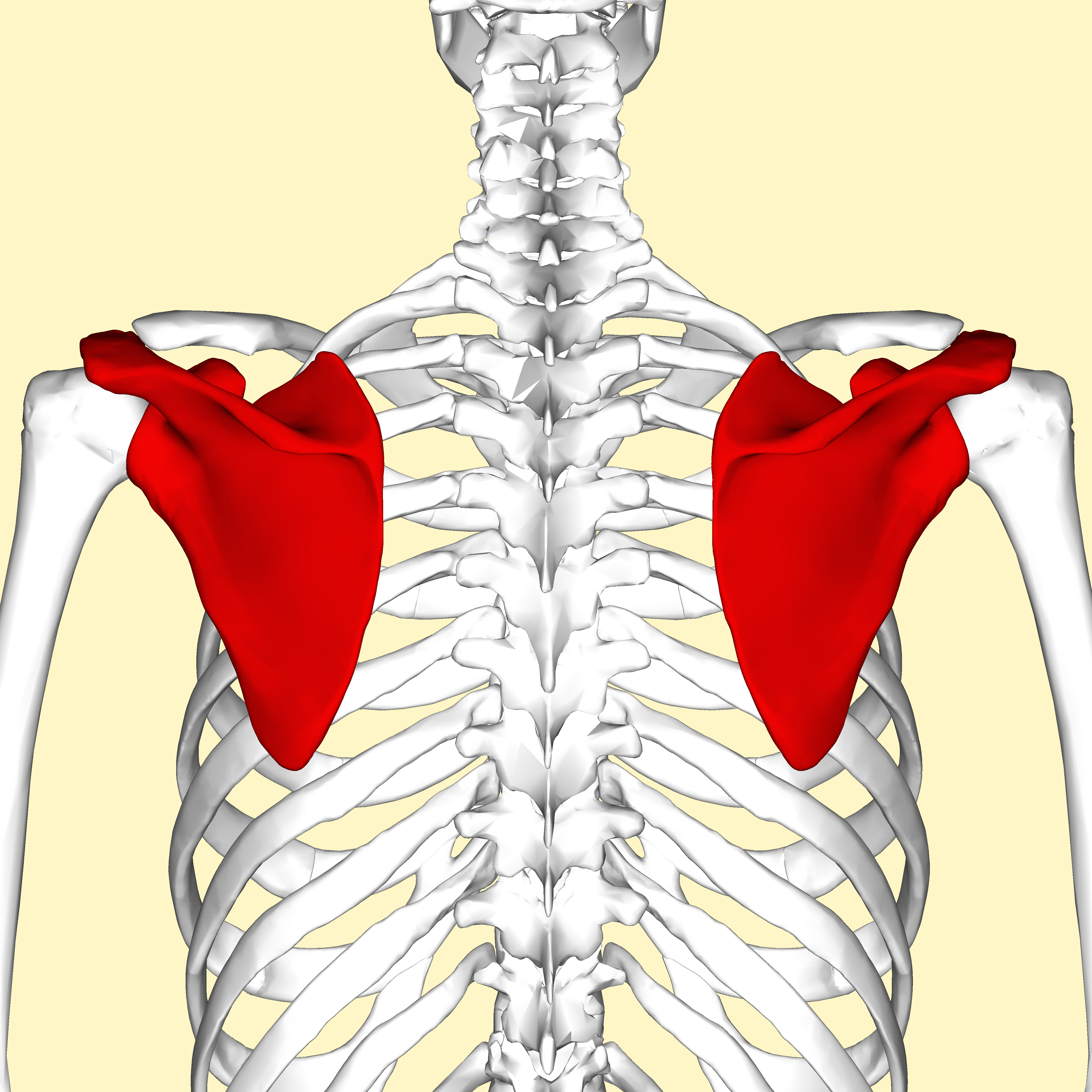
What bones is represented in the picture?
a)
Clavicle
b)
Scapula
c)
Sternum
d)
Carpals
141.

Name the bone highlighted in red.
a)
Clavicle
b)
Rib Cage
c)
Humerus
d)
Femur
142.

This bone is located on the thumb side of the forearm
a)
ulna
b)
radius
c)
humerus
d)
patella
143.

a)
carpals
b)
Pelvis
c)
Vertebae
d)
Femur
144.

a)
Pelvis
b)
Humerus
c)
Rib Cage
d)
Bird Cage
145.

1
a)
Sacrum
b)
Ischial
c)
Pubic
d)
Iliac
146.

a)
mandible
b)
cranium
c)
scapula
d)
spine
147.

What is the place where two bones meet?
a)
hinge
b)
bone
c)
spot
d)
joint
148.

a)
occipitalis
b)
temporalis
c)
frontalis
d)
orbicularis oris
149.

a)
trapezius
b)
masseter
c)
buccinator
d)
temporalis
150.

a)
Lattisumus Dorsi
b)
Biceps
c)
Trapezius
d)
Occipitalis
151.

a)
Triceps
b)
Biceps
c)
Brachialis
d)
Traps
152.

a)
Gluteus minor
b)
Gluteus maximus
c)
Gluteus medius
d)
Tensor fascia latae
153.

a)
Popliteal
b)
Soleus
c)
Patella
d)
Gastrocnemius
154.
Involuntary
a)
skeletal
b)
cardiac
c)
smooth
d)
smooth and cardiac
155.
attached to bones
a)
cardiac
b)
smooth
c)
skeletal
156.
found in heart
a)
smooth
b)
cardiac
c)
skeletal
157.
About how many muscles are in your body?
a)
206
b)
300
c)
over 600
d)
1,000
158.
What kind of muscle do you move on purpose?
a)
voluntary
b)
involuntary
c)
cardiac
d)
heart
159.
What muscle is on your femur?
a)
Abs
b)
Bicep
c)
Gluteus Maximus
d)
Quads
160.
Where are immovable joints found?
a)
Back
b)
Mandible
c)
Hands
d)
Skull
161.
The three types of muscle are…
a)
cardiac, smooth, skeletal
b)
cardiac, rough, skeletal
c)
cardiac,smooth, lean
d)
anabolic, smooth, skeletal
162.
Which type of muscle is found on your organs?
a)
Smooth
b)
Skeletal
c)
Cardiac
d)
Tendons
163.

What is the name of this muscle (function: adductor, extensor, and internal rotator of arm)
a)
Subscapularis
b)
Teres major
c)
Latissimus Dorsi
d)
Trapezius
164.

This muscle functions to flex and medially rotate the shoulder, abduct the arm, and extend and laterally rotate the arm.
a)
Deltoid
b)
Latissimus Dorsi
c)
Trapezius
d)
Coracobrachialis
165.

Which muscle allows for internal rotation, adduction, and flexion of the arm?
a)
Pectoralis Major
b)
Subscapularis
c)
Supraspinatus
d)
Teres Minor
166.

The area of the brain most associated with coordination and balance is the:
a)
Cerebellum
b)
Hippocampus
c)
Amygdala
d)
Pons
167.

The part of the neuron that receives signals is the:
a)
Axon
b)
Dendrite
c)
Axon Terminal
d)
Cell Body
168.
Where on the neuron would you find the myelin sheath?
a)
dendrite
b)
nucleus
c)
axon
d)
terminal branches
169.
What is a reflex?
a)
A response that is slow
b)
When the brain controls the muscles
c)
When the muscles move
d)
An automatic response that occurs rapidly without conscious control.
170.

Label the Neuron-What does the letter "A" represent?
a)
Axon
b)
Dendrite
c)
Axon Terminal
d)
Cell Body
171.
The most influential endocrine glands is (are) the
a)
pituitary
b)
adrenal glands
c)
thyroid glands
d)
parasympathetic
172.
The part of the neuron that takes information away from the cell body is called a(n) _____________.
a)
dendrite
b)
axon
c)
cell body
d)
Schwann cell
173.
What is the pituitary gland?
a)
the master gland
b)
helps you go to sleep
c)
influence metabolic rate
d)
decrease blood calcium
174.
The only 2 parts of the body that are included in the central nervous system are the _____ and _____
a)
brain and spinal cord
b)
brain and backbone
c)
spinal cord and eyes
d)
brain and eyes
100 %

