
 Worksheets
Body Systems
Total questions: 71
Worksheet time: 52mins
Name
Class
Date
1.

Identify
a)
Left atrium
b)
Right atrium
c)
Left ventricle
d)
Right ventricle
2.
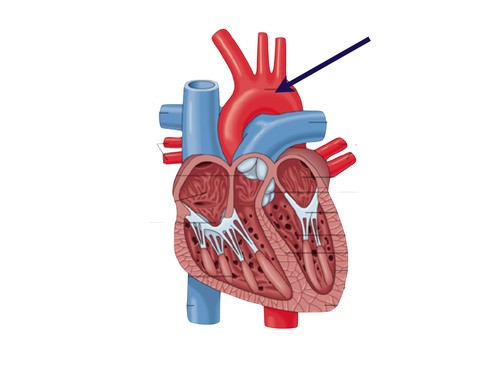
Identify
a)
Pulmonary veins
b)
Pulmonary artery
c)
Aorta
d)
Vena cava
3.

Identify
a)
Left atrium
b)
Right atrium
c)
Left ventricle
d)
Right ventricle
4.
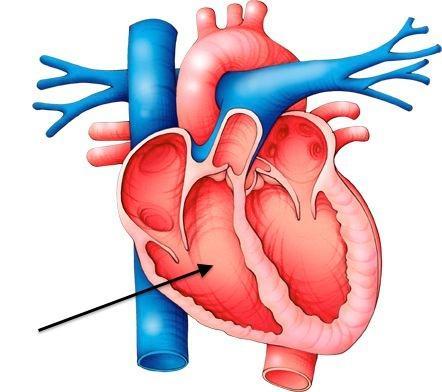
Identify
a)
Left atrium
b)
Right atrium
c)
Left ventricle
d)
Right ventricle
5.
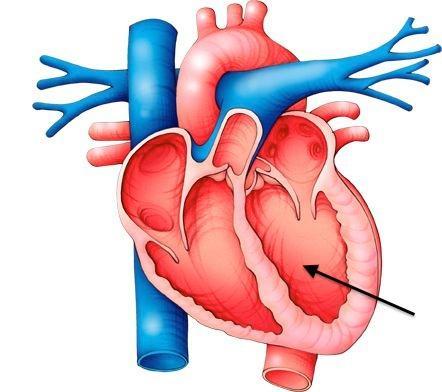
Identify
a)
Left atrium
b)
Right atrium
c)
Left ventricle
d)
Right ventricle
6.
The heart has ___ chambers.
a)
1
b)
2
c)
3
d)
4
7.
This chamber of the heart RECEIVES blood that is returning back from the body
a)
Right Atrium
b)
Right Ventricle
c)
Left Atrium
d)
Left Ventricle
8.
Which chambers of the heart are the thickest and strongest?
a)
Right Atrium
b)
Right Ventricle
c)
Left Atrium
d)
Left Ventricle
9.

True or False: There are four chambers in the heart.
a)
True
b)
False
10.
The aorta is the largest artery in the body. The blood leaving the aorta is full of?
a)
Oxygen
b)
Carbon Dioxide
c)
White blood Cells
d)
De-oxygenated blood
11.
Thin-walled vessels that allow for the exchange of O2 , CO2, nutrients and wastes between blood cells or air sacs in the lungs
a)
Arteries
b)
Veins
c)
Capillaries
d)
Alveoli
12.

A flap of tissue that prevents blood from flowing backward.
a)
Aorta
b)
Atrium
c)
Septum
d)
Valve
13.
Which is NOT a function of the circulatory system?
a)
deliver O2 and nutrients to cells
b)
remove CO2 and wastes from cells
c)
break down carbohydrates into glucose
d)
transport digested nutrients throughout the body
14.
What are the main organs of gas exchange in the respiratory system?
a)
diapragm
b)
lungs
c)
trachea
d)
bronchi
15.

When you breathe, your lungs take in ___ and remove ___.
a)
air/oxygen
b)
oxygen/carbon dioxide
c)
carbon dioxide/waste
d)
waste/air
16.

The two main branches from the trachea (one to each lung)
a)
bronchi
b)
alveoli
c)
capillaries
d)
bronchioles
17.

The air sacs that are covered with capillaries that separate gases we need from gases we don't need.
a)
bronchi
b)
lungs
c)
oxygen
d)
alveoli
18.

What is the function of the bronchi (bronchial tubes)?
a)
Transport air from nose to lungs
b)
Transport air from trachea to lungs
c)
Transport air from lungs to alveoli
d)
Transport air from alveoli to blood
19.

What is the main function of the respiratory system?
a)
to provide oxygen and remove carbon dioxide from the body
b)
to bring oxygen to the body
c)
to break down food and absorb nutrients
d)
to remove oxygen from the body and deliver carbon dioxide
20.

Within the lungs, the exchange of oxygen and carbon dioxide occurs between the ___ and the capillaries.
a)
trachea
b)
bronchi
c)
alveoli
d)
diaphragm
21.
What mechanism cause gas exchange between the alveoli and the capillaries?
a)
Osmosis
b)
Diffusion
c)
Alveoli Energy Pump
d)
Aaron Rodgers Hail Mary Pass
22.

Name the organ labeled #8
a)
alveoli
b)
bronchi
c)
trachea
d)
lungs
23.

What is tube that is also known as your wind pipe?
a)
esophogus
b)
bronchi
c)
trachea
d)
alveoli
24.

Name the structure labeled #6
a)
lungs
b)
trachea
c)
diaphragm
d)
alveoli
25.
What does the cilia do in the respiratory system?
a)
The cilia carries food and air through the respiratory system.
b)
The cilia is known to be part of a cell.
c)
Cilia filters particles that enter the bronchi.
d)
Cilia contains the vocal chords.
26.
What does the Larynx hold ?
a)
The larynx holds the whole sub system
b)
The larynx is part of the plant cells.
c)
The larynx holds the vocal chords.
d)
The larynx is part of animal tissues.
27.
What are the most five important organs part of the respiratory system?
a)
The nose,throat,lungs, villi, and bronchi.
b)
The nose, throat,windpipe,voice box, lungs
c)
Nose , Trachea, bronchi, alveoli and ureter
d)
Nose, Trachea, windpipe,esophagus,lungs
28.
What is the name of the muscle below the lungs that helps with breathing?
a)
trachea
b)
alveoli
c)
diaphragm
d)
bronchi
29.
Given the following structures:
1. larynx
2. capillary
3. nasal cavity
4. bronchiole
5. trachea
6. alveoli
Which of the following is the correct order that air would flow during inhalation.
1. larynx
2. capillary
3. nasal cavity
4. bronchiole
5. trachea
6. alveoli
Which of the following is the correct order that air would flow during inhalation.
a)
1,2,3,4,5,6
b)
3,1,5,4,6,2
c)
3,5,1,4,2,6
d)
1,3,4,5,6,2
30.
What is the small flap of tissue called that covers the air-only passage when we swallow?
a)
Bronchioles
b)
Larynx
c)
Alveoli
d)
Epiglottis
31.
What are the tubes called that carry urine from the kidney to the bladder?
a)
Adrenal tubes
b)
Kidneys
c)
Ureters
d)
Urethras
32.
The _________ is/are responsible for urine storage.
a)
Bladder
b)
Kidneys
c)
Ureter
d)
Urethra
33.
Urine flows out of the kidneys through narrow tubes called
a)
Gallbladder
b)
Ureter
c)
Nephrons
d)
Urethra
34.
Place the following events in sequence:
A) Urine passes through the ureters
B) Urea enters the kidneys
C) Urine enters the urethra
A) Urine passes through the ureters
B) Urea enters the kidneys
C) Urine enters the urethra
a)
B, A, C
b)
C, B, A
c)
B, C, A
d)
A, C, B
35.
Which of the following parts is not found in the urinary system?
a)
Ureters
b)
Urethra
c)
Bladder
d)
Rectum
36.

What is #2?
a)
Kidney
b)
Ureters
c)
Bladder
d)
Urethra
37.

What is organ 1.
a)
Kidney
b)
Ureter
c)
Bladder
d)
Urethra
38.

These organs are responsible for what?
a)
storing urine
b)
storing water
c)
filtering blood
d)
They are ingredients used to make bean burritos.
39.

What is #3?
a)
Kidney
b)
Ureters
c)
Bladder
d)
Urethra
40.

What is #4?
a)
Kidney
b)
Ureter
c)
Bladder
d)
Urethra
41.

Which body system provides nutrients to the urinary system?
a)
Digestive
b)
Respiratory
c)
Muscular
d)
Endocrine
42.

what part of the digestive system is this?
a)
Esophagus
b)
stomach
c)
liver
d)
colen
43.

what part of the digestive system is this?
a)
small intestine
b)
stomach
c)
gallbladder
d)
large intestine
44.

what part of the digestive system is this?
a)
liver
b)
pancreas
c)
esophagus
d)
brain
45.

what part of the digestive system is this?
a)
stomach
b)
heart
c)
liver
d)
pancress
46.

what part of the digestive system is this ?
a)
stomach
b)
liver
c)
gallbladder
d)
Pancreas
47.

what is this?
a)
Sausage
b)
large intestine uses chemical
c)
large intestine
d)
tongue
48.

what part of the digestive system is this and , what does it use mechanical or chemical ?
a)
small intestine uses chemical
b)
large instine uses chemical
c)
large intestine uses mechanical
d)
small intestine uses mechanical
49.
what does the small intestine do
a)
absorbs nutrients
b)
nothing
c)
excretes waste
50.
Which statement regarding villi is FALSE?
a)
Villi are located in the small intestine
b)
Villi are finger-shaped folded projections from the wall of the small intestine.
c)
Villi are located where nutrients are transferred to the bloodstream
d)
Villi are located mainly in the large intestine and help transport nutrients to the blood.
51.

Finger-like projections inside of the small intestine that absorption of food into the blood stream are called...
a)
Rugae
b)
Alveoli
c)
Villi
d)
Finger pits
52.
Thinner-walled vessels that have valves so blood does not flow backward are called
a)
Arteries
b)
Veins
c)
Capillaries
d)
Alveoli
53.
The chamber in the heart that receives blood from the entire body is called the:
a)
Right Atrium
b)
Right Ventricle
c)
Left Atrium
d)
Left Ventricle
54.
Thick, muscular vessels that carry blood under high pressure are called:
a)
the heart
b)
capillaries
c)
arteries
d)
veins
55.
The chambers in the heart that pumps out blood to the entire body is called the:
a)
left atrium
b)
left ventricle
c)
right atrium
d)
right ventricle
56.
The function of veins is to transport blood throughout the body. Within the vein are special structures called valves. What is the function of these valves?
a)
to control the amount of blood travelling through the body.
b)
to diffuse the blood through to the capillaries.
c)
to prevent blood from flowing backward.
d)
to move gases back and forth from the alveoli and the blood vessels.
57.
There is a strong connection between the respiratory and circulatory systems. The respiratory system passes gases into the circulatory system, which then transports them through the body. What part of the blood does Oxygen attach to?
a)
Villi
b)
Alveolus
c)
Hemoglobin
d)
Capillaries
58.
What process allows the gases obtained by the respiratory system to be passed on to the circulatory system?
a)
Osmosis
b)
Diffusion
c)
Transpiration
d)
Absorption
59.
You are standing outside on a chilly, fall day when you notice that the hairs on your arms are standing on end and you are getting goosebumps. Which of the following is the best explanation for why this has occurred?
a)
The blood flow near the surface of your skin has been increased.
b)
The small muscles in your skin are contracting in an attempt to insulate you.
c)
90 percent of your body heat has been lost through your skin.
d)
Your muscles are quivering.
60.
Which of the following is not part of your nervous system?
a)
Brain
b)
Spinal Cord
c)
Muscles
d)
Nerves
61.
What does your endocrine system control?
a)
Digestion
b)
Hormones
c)
Muscles
d)
Body Temperature
62.
How has the discovery of insulin by Frederick Banting and Charles Best affected the lives of diabetics?
a)
People with diabetes can now produce hormones to regulate their blood sugar levels.
b)
People with diabetes was cured with their discovery.
c)
People with diabetes are now able to determine where the excess glucose is being processed in their bodies.
d)
People with diabetes are now able to regulate their glucose levels.
63.
Insulin is a hormone that is produced to help push sugar into muscle cells so that muscle cells can use the sugar for energy. Which human system produces insulin?
a)
Endocrine system
b)
Central Nervous System
c)
Circulatory System
d)
Respiratory System
64.
Which of the following is not a part of the circulatory system?
a)
Capillaries
b)
Veins
c)
Trachea
d)
Arteries
65.
Jenka has a cold. He stays inside and drinks plenty of fluids, but he still coughs and coughs. Which system is affected by this cold virus?
a)
Digestive system
b)
Respiratory System
c)
Circulatory System
d)
Nervous System
66.

What is part b and e called, respectively?
a)
bronchiole and vein
b)
vein and artery
c)
artery and capillary
d)
alveoli stem and alveoli
67.

What is part a and f called, respectively?
a)
alveoli and alveolar sac
b)
bronchi tip and capillary
c)
alveoli and vein
d)
alveoli and capillary
68.

Who is this guy?
a)
Wayne Gretzky
b)
Connor Mcdavid
c)
Sidney Crosbey
d)
Jordan Eberle
69.

Who is this?
a)
Cam Talbot
b)
Connor Mcdavid
c)
Ramy Melhem
d)
Fischer Price
70.
What is a major difference between the structure of an artery and the structure of a vein?
a)
Arteries are thinner and Veins are thicker.
b)
Arteries have valves and veins do not have valves.
c)
Arteries are more elastic than veins.
d)
The blood inside of veins moves with greater pressure than it does in an artery.
71.
What causes air to start entering your nose on its way into the lungs?
a)
Your diaphragm stretches down.
b)
Your diaphragm pushes up.
c)
The Top of your nose muscles squeeze together.
d)
You start contracting the muscles around your throat to start pushing air in.
100 %

