
 Worksheets
Plankton and Algae
Total questions: 44
Worksheet time: 28mins
Name
Class
Date
1.
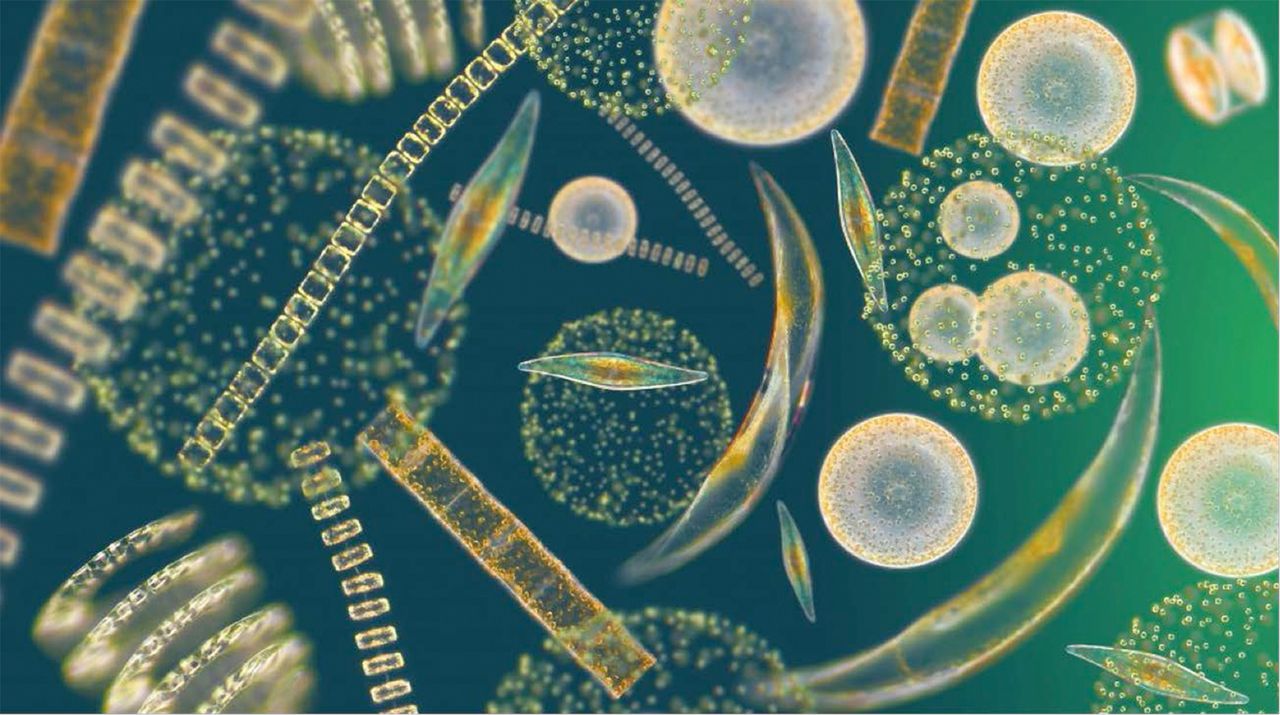
Plankton that uses photosynthesis:
a)
Phytoplankton
b)
Zooplankton
2.

Jellyfish are categorized as:
a)
Holoplankton
b)
Meroplankton
c)
Phytoplankton
d)
Benthos
3.
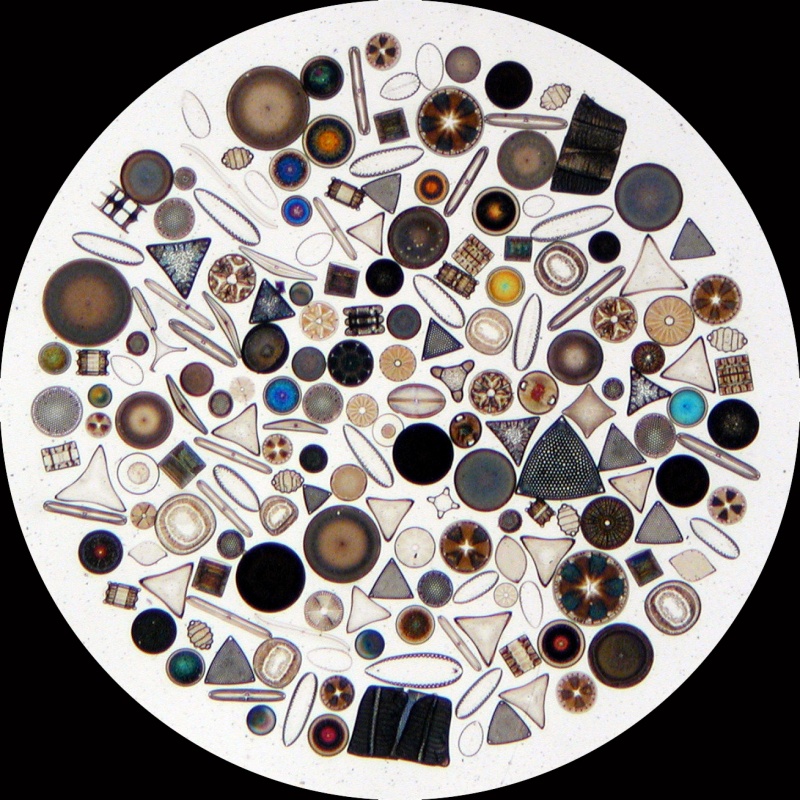
Diatoms are:
a)
Phytoplankton
b)
Zooplankton
4.
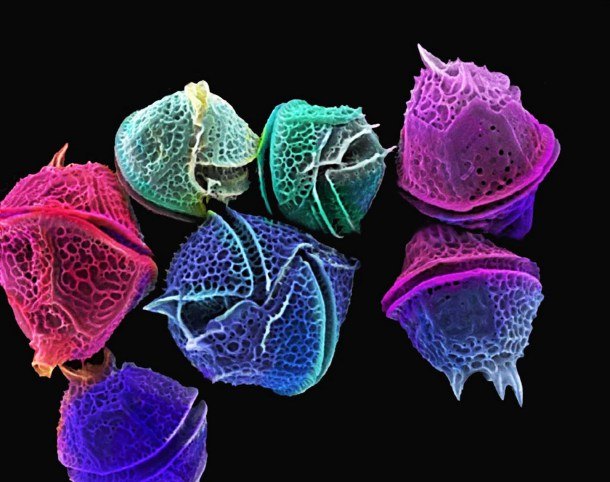
Dinoflagellates can cause __________ which is toxic to fish, shellfish and humans.
a)
Green TIde
b)
Red Tide
c)
Malaria
d)
Algal Bloom
5.
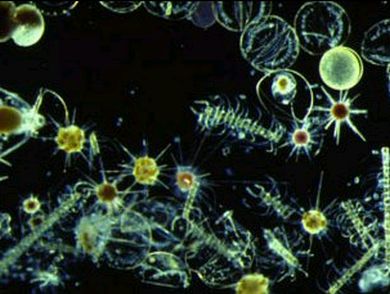
Phytoplankton are associated with the photic zone because they rely on the sun for the process of:
a)
Respiration
b)
Photosynthesis
c)
Chemosynthesis
d)
Heterotrophs
6.

Phytoplankton are grouped in what Kingdom?
a)
Monera
b)
Protista
c)
Plantae
d)
Animalia
7.

Zooplankton are grouped into which kingdom?
a)
Monera
b)
Protista
c)
Plantae
d)
Animalia
8.
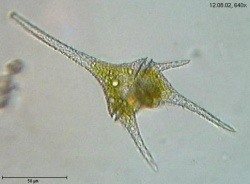
What do dinoflagellates use to move?
a)
cilia
b)
1 flagella
c)
2 flagella
d)
spines
9.
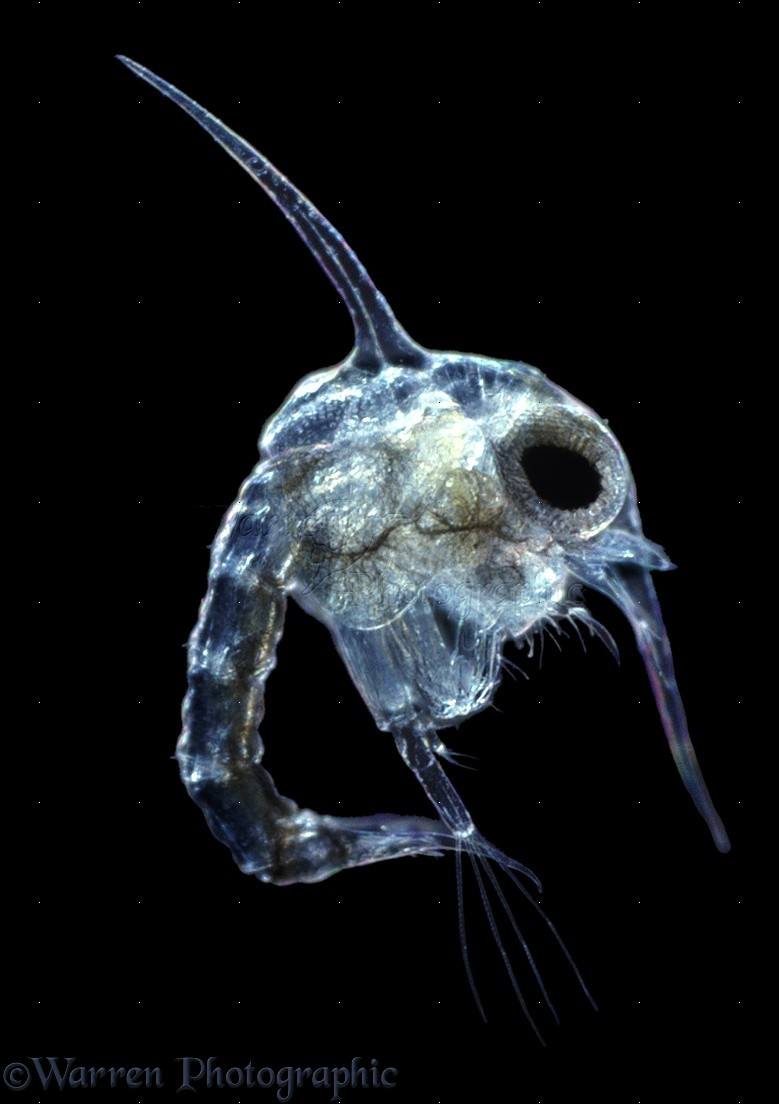
The larvae of crabs and krill belong to which group of plankton?
a)
Phytoplankton
b)
Meroplankton
c)
Holoplankton
d)
None of the above
10.

The scientific name of an organism is made of which two taxonomic groups?
a)
Family & species
b)
Order & Genus
c)
Kingdom & Phylum
d)
Genus & species
11.

Identify this seaweed. (image b)
a)
Sea Grass
b)
Sea Lettuce
c)
Irish Moss
d)
Sargassum
12.
Which term refers to the entire body of the seaweed?
a)
blade
b)
thallus
c)
pneumatocyst
d)
stipe
13.
What is the leaf-like flattened portion of the seaweed?
a)
holdfast
b)
thallus
c)
blade
d)
stipe
14.
Which type of algae is most similar to land plants?
a)
Green algae
b)
Red algae
c)
Brown algae
15.
Which type of algae lives primarily in freshwater?
a)
Green algae
b)
Red algae
c)
Brown algae
16.
Which type of algae includes sargasso weed and kelp?
a)
Green algae
b)
Red algae
c)
Brown algae
17.
What is the main pigment in green algae?
a)
chlorophyll
b)
phycobilins
c)
fucoxanthins
18.
Which part of the seaweed acts as a root-like structure that attaches the seaweed to a hard surface?
a)
stipe
b)
holdfast
c)
blade
d)
thallus
19.
Which part of the seaweed is a stem-like structure that supports the blades?
a)
thallus
b)
stipe
c)
holdfast
d)
pneumatocysts
20.
What type of brown algae is capable of floating in large masses far from shore?
a)
kelp
b)
algal turf
c)
sargasso
21.
Which of the following is the reason that kelp must live in deep, calm waters?
a)
there is more nutrients in calm waters
b)
the temperature is more stable in calm waters
c)
it prevents them from being ripped off their substrates
22.
A unicellular algae with cell walls filled with silica is called
a)
dinoflagellates
b)
red algae
c)
diatoms
d)
green algae
23.

These are protists called _____
a)
diatoms
b)
dinoflagellates
c)
green algae
d)
amoeba
24.

The immature stage of an organism
a)
Larva
b)
Nekton
c)
Benthic
d)
Sessile
25.

______ are all organisms that swim freely, independent of currents.
a)
Benthic
b)
Zooplankton
c)
Nekton
d)
plankton
26.

Organisms that live on the bottom of aquatic ecosystems are known as
a)
littoral
b)
benthic
c)
nekton
d)
whales
27.
What are Plankton?
a)
They are small plants and animals.
b)
They are any plants or animals that drift with the currents of the ocean.
c)
They are only microscopic animals.
d)
They are only microscopic plants.
28.
Which is a kind of phytoplankton?
a)
lion’s mane jellyfish
b)
sea butterfly
c)
algae
d)
copepod
29.
Why might some whales migrate to the northern Atlantic waters in the spring?
a)
The whales prefer the cold fresh water of the northern Atlantic.
b)
Whales can travel to northern waters after the thermocline disappears.
c)
Plankton are abundant in northern waters in the spring.
d)
The southern Atlantic waters turn green because there is too much algae.
30.
What are the gas-filled bladders that help the blades float near the surface?
a)
thallus
b)
holdfast
c)
stipe
d)
pneumatocysts
31.

What is the newly hatched young of many of the marine animals that look very different for their adult forms?
a)
hatchlings
b)
babies
c)
larva
d)
plankton
32.

This is a larva of
a)
a lobster
b)
a sea slug
c)
a starfish
d)
a sea urchin
33.

This is the larva of a
a)
barnacle
b)
squid
c)
octopus
d)
jellyfish
34.

This is the larval form of a
a)
lobster
b)
alien
c)
crab
d)
shrimp
35.

This is the larva of a
a)
blue fin tuna
b)
lobster
c)
holoplankton
d)
krill
36.

Larval form of
a)
crab
b)
lobster
c)
sea urchin
d)
barnacle
37.

What kind of algae is this?
a)
brown
b)
red
c)
green
d)
Not enough info answer
38.

Largest of the algae. The_______ grows to up to _______.
a)
bull kelp, 6'
b)
sea lettuce, 100'
c)
giant kelp, 300'
d)
Japanese kelp, 6'
39.

The copepod eats other plankton its entire life and stays plankton, thus it is termed__________.
a)
nekton
b)
holoplankton
c)
meroplankton
40.

The blue fin tuna can attain almost 2,000lbs and 12' long. It is therefore termed__________
a)
holoplankton
b)
meroplankton
c)
nekton
d)
phytoplanjton
41.

These horseshoe crab larvae are termed_________ since they grow into entirely different adult forms.
a)
nekton
b)
meroplankton
c)
holoplankton
d)
phytoplankton
42.

Diatoms produce food for themselves thus they are
a)
zooplankton
b)
phytoplankton
c)
meroplankton
d)
nekton
43.

Coconut crabs are the largest land crustaceans. Their larva part of the______.
a)
phytoplankton
b)
zooplankton
c)
holoplankton
d)
nekton
44.

These tiny shrimp are the important source of food for whales among other animals.
a)
brine shrimp
b)
Gulf Coast prawns
c)
krill
d)
Tiger shrimp
100 %

