
NEW
Font size
S
M
L
XL
 Worksheets
Weathering, erosion, deposition
Total questions: 53
Worksheet time: 3570secs
Name
Class
Date
1.
Weathering involves the movement of rocks and minerals by agents such as water, wind and gravity.
a)
True
b)
False
2.
The process of carrying away weathered bits of rocks is called
a)
weathering
b)
erosion
c)
deposition
3.
A small stream or other source of flowing water cannot form a canyon?
a)
True
b)
False
4.
The process of slowly breaking rocks into smaller pieces is called
a)
weathering
b)
erosion
c)
deposition
5.
Deposited material at the end of a river is called?
a)
landform
b)
delta
c)
canyon
6.
Glaciers shape and carve away the land beneath them and can drastically reshape the landscape over hundreds or even thousands of years.
a)
True
b)
False
7.
Wind blowing sand from one location to another is called
a)
Weathering
b)
Erosion
c)
Deposition
8.
Deltas forming at the mouths of rivers is called?
a)
Weathering
b)
Erosion
c)
Deposition
9.
A mudslide flowing down a steep hill is called?
a)
Weathering
b)
Erosion
c)
Deposition
10.
Flood water pounding against a canyon wall and wearing it down
a)
Weathering
b)
Erosion
c)
Deposition
11.
Layers of sediment forming at the bottom of the ocean floor
a)
Weathering
b)
Erosion
c)
Deposition
12.
Caves being formed by acid rain dissolving underground limestone
a)
Weathering
b)
Erosion
c)
Deposition
13.
Water getting into cracks, freezing, and breaking the rocks or pavement apart
a)
Weathering
b)
Erosion
c)
Deposition
14.
Wind blowing sand from one location to another
a)
Weathering
b)
Erosion
c)
Deposition
15.
Wind blasting sand at rock and carving out arches
a)
Weathering
b)
Erosion
c)
Deposition
16.
Glaciers scraping rocks across the earth’s surface
a)
Weathering
b)
Erosion
c)
Deposition
17.
Ponds filling up with sediment and becoming marshes
a)
Weathering
b)
Erosion
c)
Deposition
18.
Flood waters moving soil from one location to another
a)
Weathering
b)
Erosion
c)
Deposition
19.
All of the following are causes of physical weathering except...
a)
plant growth
b)
wind
c)
acid rain
d)
running water
20.
Plants prevent soil erosion by-
a)
holding dirt in place with their roots
b)
providing food for herbivores
c)
the process of photosynthesis
d)
releasing water into the atmosphere through transpiration
21.
What is sediment?
a)
the process of rocks being broken down and carried away
b)
bits of rock, sand, and silt caused by the weathering of rocks
c)
the top layer of the soil
d)
decaying plant or animal material
22.
How does freezing water cause the weathering of rocks? The freezing water—
a)
keeps the rocks in place
b)
makes the rocks last longer
c)
expands cracks and breaks rocks
d)
causes rocks to fall in landslides
23.
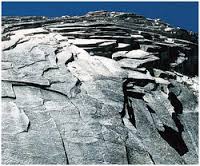
What is mechanical weathering?
a)
Process through which rocks are physically broken into smaller pieces.
b)
Rocks are broken down through chemical changes.
c)
Rocks are worn away from acid in plant roots.
d)
Rocks broken down by machinery.
24.

Acid rain is an example of chemical weathering because
a)
pollution is in the sky
b)
rain connected to dust falls and hits rocks so hard they break.
c)
there is friction between rain and rocks.
d)
pollution gets dissolved in water and falls as rain dissolving rocks over time.
25.

The type of formation shown is at the southern end of the Mississippi river. What is it called?
a)
coastal erosion
b)
a delta
c)
a loess
d)
sand dunes
26.
What is an enormous mass of ice moving over land?
a)
glacier
b)
iceberg
c)
ice wedging
d)
dune
27.
What happens when weathering and erosion work together?
a)
New Mountains are created
b)
The climate changes overnight
c)
Metal objects become rusty
d)
They change the Earth's surface
28.
What is the major cause of weathering and erosion to form canyons?
a)
wind
b)
ice
c)
glaciers
d)
moving water
29.

How do plants weather rocks?
a)
during photosynthesis
b)
when roots grow into cracks of rocks and expand the rock
c)
when the plant moves water from the roots to the leaves
d)
Plants don't weather rocks
30.
The ___________of a mountain weathers the fastest
a)
bottom
b)
middle
c)
top
d)
all parts weather the same
31.
Which agents break down earth materials?
a)
wind only
b)
earthquakes and gravity
c)
ice and 007
d)
wind, water, and ice
32.

What is this landform?
a)
valley
b)
hills
c)
river
d)
lake
33.

Which of the following is an example of chemical weathering?
a)
Acid rain dissolving limestone
b)
roots breaking into concrete
c)
paper being ripped
d)
Water running over rocks
34.

A cliff formed near the ocean. Which statement best describes how this cliff formed?
a)
Warm air melted the rock.
b)
Sun rays evaporated the rock.
c)
Ocean waves washed away rock.
d)
Plant roots pushed away the rock.
35.

What is this landform?
a)
mountain
b)
canyon
c)
coast
d)
cliff
36.

Sand dunes like the ones pictured above are most likely caused by —
a)
rain
b)
glaciers
c)
wind
d)
water
37.

How does freezing water cause the weathering of rocks? The freezing water—
a)
keeps the rocks in place.
b)
makes the rocks last longer.
c)
expands cracks and breaks rocks.
d)
causes rocks to fall in landslides.
38.

Water getting into cracks, freezing, and breaking the rocks or pavement apart
a)
Weathering
b)
Erosion
c)
Deposition
39.

An avalanche is an example of which process?
a)
Weathering
b)
Erosion
c)
Deposition
d)
Volcanic Eruption
40.
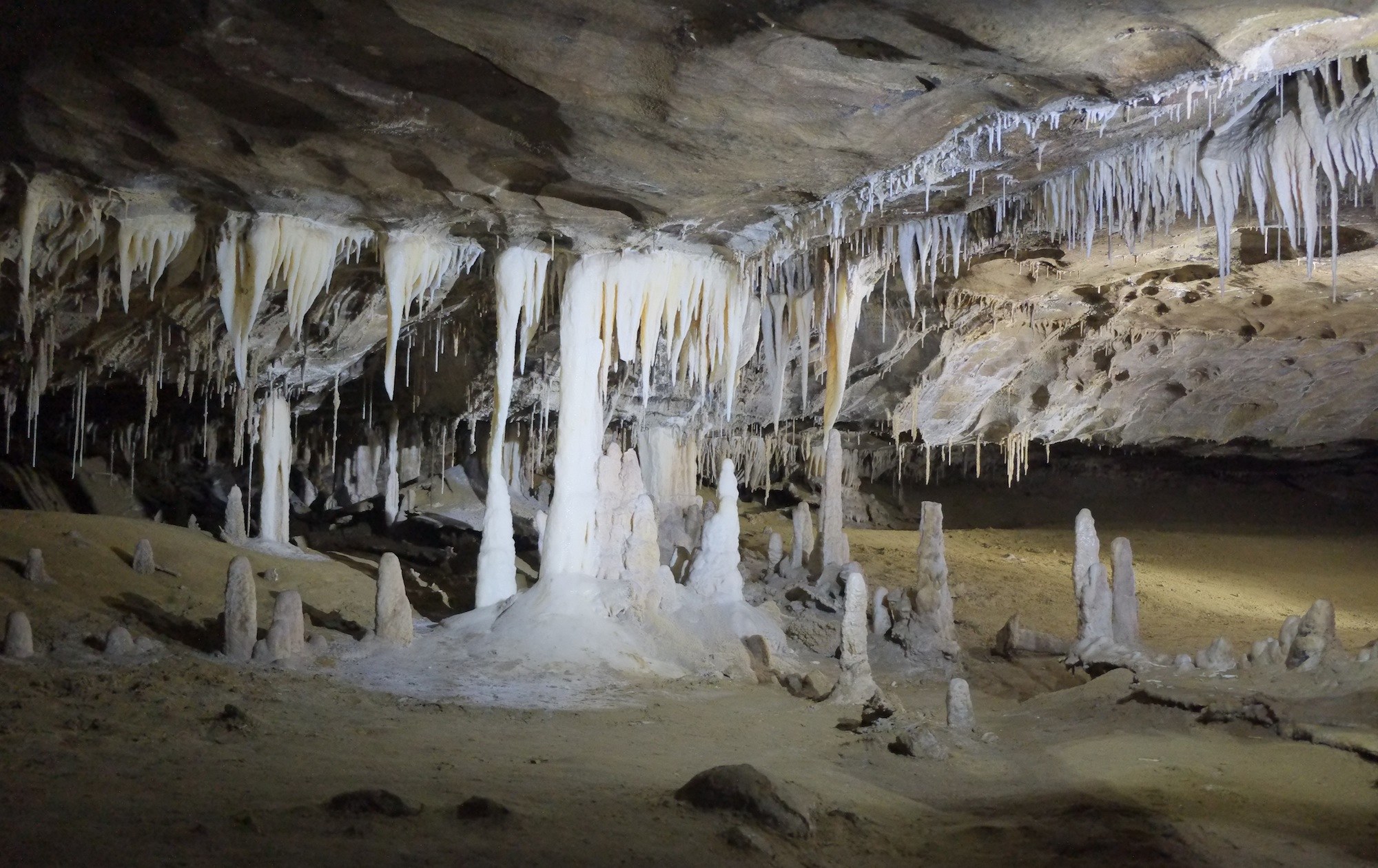
Deposition changes the Earth’s surface because bits of broken rock and soil _____.
a)
stop rivers from flowing.
b)
make rich farmlands.
c)
are dropped in new places.
d)
move very slowly.
41.

What causes the greatest erosion effect on our beaches?
a)
Waves
b)
Gravity
c)
Glaciers
d)
Wind
42.
The Dust Bowl in the 1930's was caused by _____________________.
a)
drought
b)
poor farming techniques
c)
strong winds
d)
all of the above
43.
In the fall, Winston noticed a small crack on a boulder where he played in his backyard. The following spring, he saw that the small crack was much larger than he remembered. What most likely caused the change?
a)
gravity had caused the rock to shift
b)
acid rain had caused the crack to erode
c)
winds had caused the rock to break down
d)
water had frozen and thawed inside the rocks
44.
What force causes all types of mass movement?
a)
convection
b)
temperature
c)
gravity
d)
compaction
45.
The natural chemical or physical processes that breaks down rock on Earth's surface.
a)
weathering
b)
erosion
c)
deposition
d)
jackhammering
46.
How is mechanical weathering different from chemical weathering?
a)
Chemical weathering happens over much shorter time frame than mechanical weathering.
b)
Chemical weathering changes the chemical composition of rocks; mechanical weathering does not.
c)
Chemical weathering occurs only in tropical climates; mechanical weathering occurs only in cool climates.
d)
Chemical weathering occurs only in the mountains; mechanical weathering occurs only on flat land.
47.
Erosion occurs when water, ice wind and gravity move __________________ of rock and soil from one place to another
a)
water
b)
waves
c)
particles
48.
Which event is an example of erosion?
a)
Snow falls during a storm
b)
Rocks slide down a hill slide
c)
A plant grows on a sandy beach
49.
How do we know that a rock has been weathered?
a)
it has sharp edges
b)
it has round edges
50.
Roots break apart a side walk
a)
Chemical weathering
b)
Physical weathering
51.
Carbon dioxide in rainwater dissolves limestone
a)
Chemical weathering
b)
Mechanical weathering
52.
Which of the following actions causes the deposition of sand at a delta?
a)
river water slowing as it enters the ocean
b)
salt water & fresh water mixing together
c)
ocean waves transporting sand toward land
d)
ocean water slowing as it reaches the coast
53.
A metal statue slowly turning green after years of being outside is an example of:
a)
mechanical weathering
b)
chemical weathering
Reset

