
 Worksheets
Chapter 2: The Start of Life
Total questions: 24
Worksheet time: 13mins

Which type of twins are no more alike than regular siblings?
Monozygotic
Dizygotic

What are observable genetic traits like red hair, freckles, and brown eyes called?
Phenotype
Genotype
Recessive
Genes are the basic units of genetic information that determine the nature and function of every cell in the body, and are composed of?
DNA (deoxyribonucleic acid)
Chromosomes
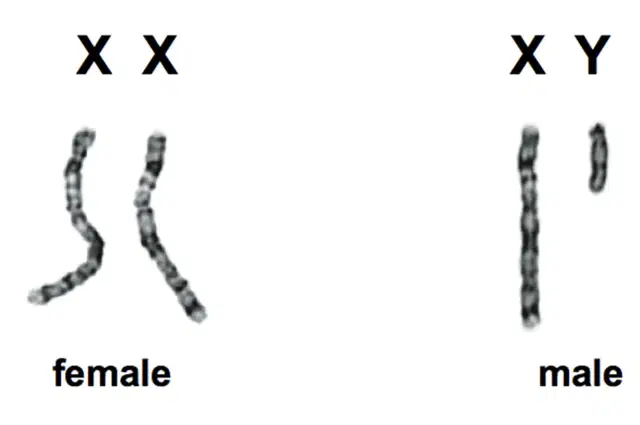
Which chromosomes contain the XX (female) or XY (male) chromosomes?
1
15
12
23

Genetic variability results from the creation of eggs and sperm through which process?
Mitosis
Meiosis
Down Syndrome results from what genetic change?
Extra chromosome on 23rd pair
Extra chromosome on 12th pair
Missing chromosome on 15th pair
Extra chromosome on 21st pair
Nonshared environments are different experiences of siblings. These could also be different experiences of friends. Check all that may be nonshared experiences.
Growing up at a different time
Participating in different activities
Different expectation of parents/caregivers
Having a different parent
How many drinks per day is considered safe during pregnancy?
1
0
3
2
Which prenatal period lasts the longest (weeks 9-38)?
Fetal
Embryonic
Germinal
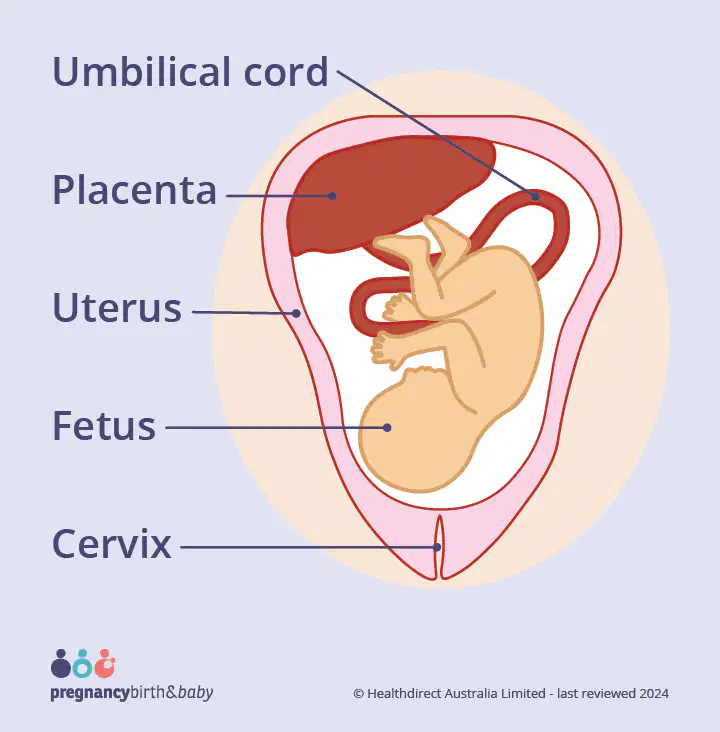
Which organ, connected by the umbilical cord (mother and fetus), provides blood/oxygen and aids in brain development by filtering out teratogens?
Uterus
Amniotic sac
Placenta
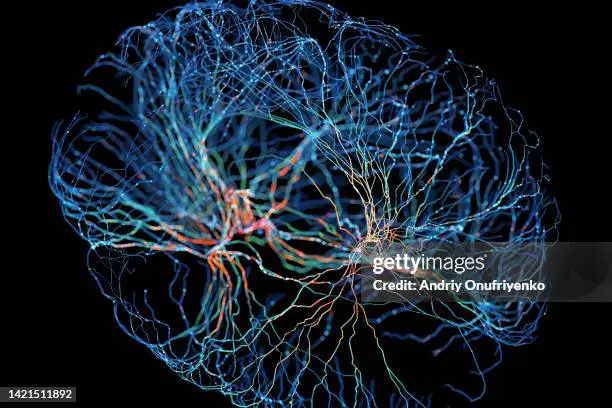
During which prenatal stage (weeks 3-8) are 100,000 neurons produced every minute?
Germinal
Embryonic
Fetal
Which prenatal stage starts in weeks 9 to 38 when major organs have differentiated?
Germinal
Embryonic
Fetal
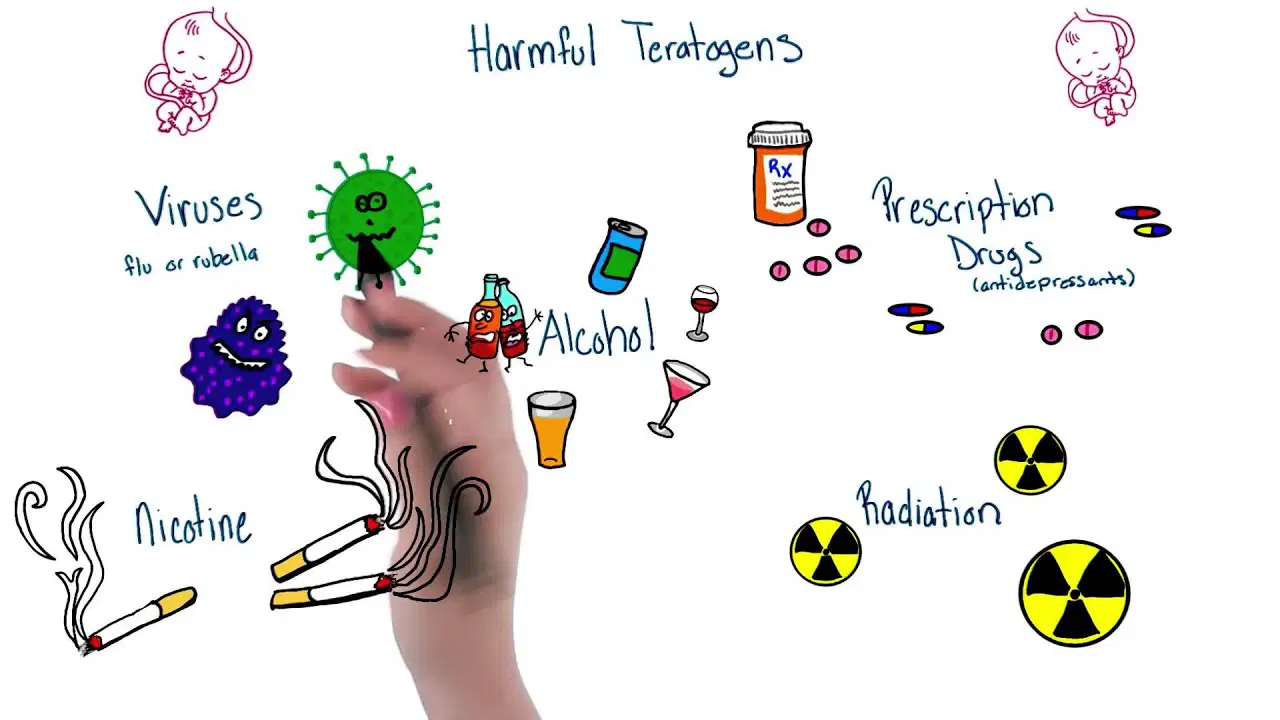
What is an environmental agent (drug, chemical, virus, or other factor) that produces a birth defect?
Poison
Nurture
Epigenetics
Teratogen
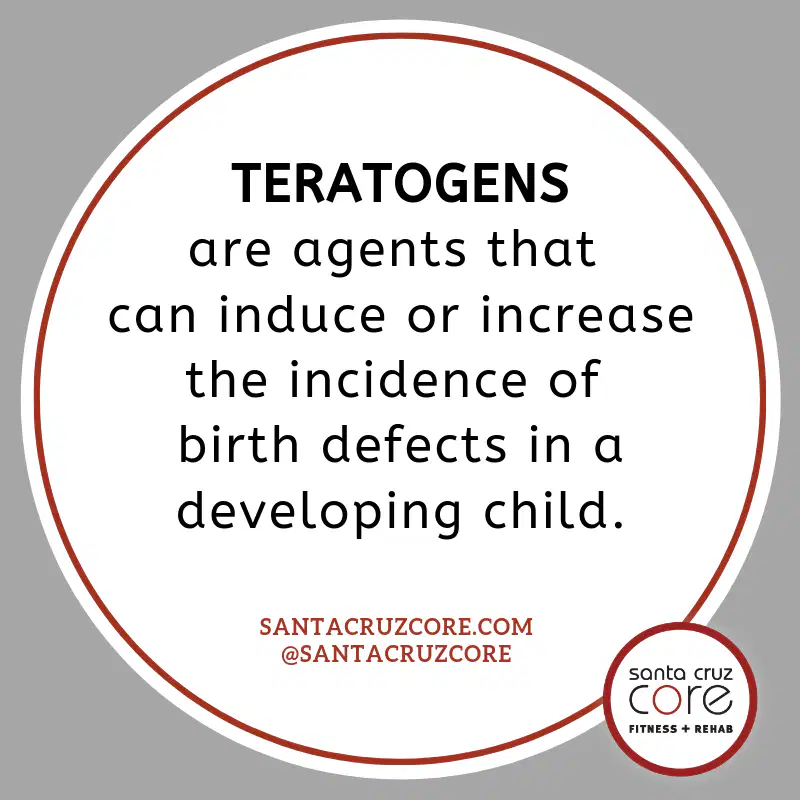
When is the developing fetus most susceptible to teratogens?
Germinal stage (0-2 weeks)
Embryonic stage (2-8 weeks)
Fetal stage (8 weeks-birth)
All
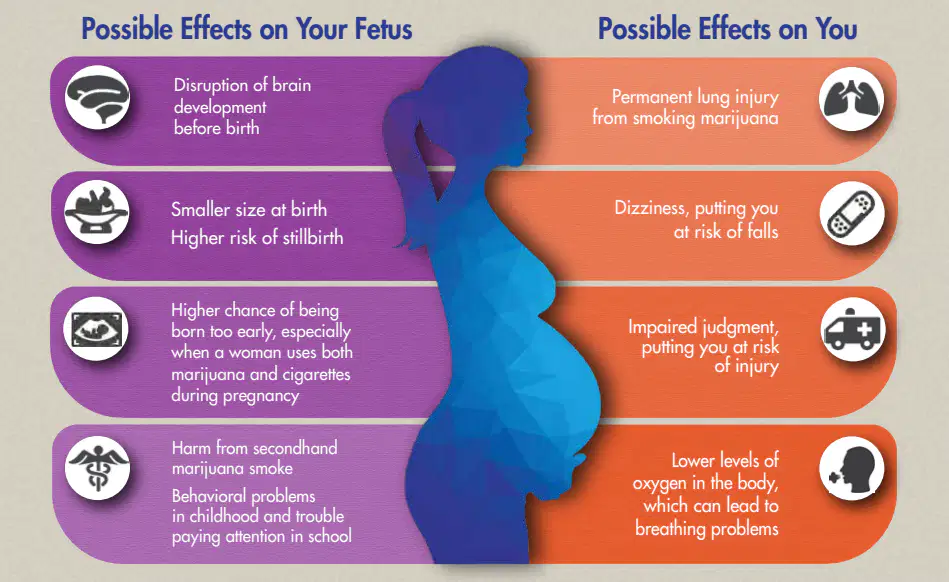
Which drugs cross over to the developing fetus? (Select all that apply)
Nicotine
Marijuana
Pain killers
Alcohol
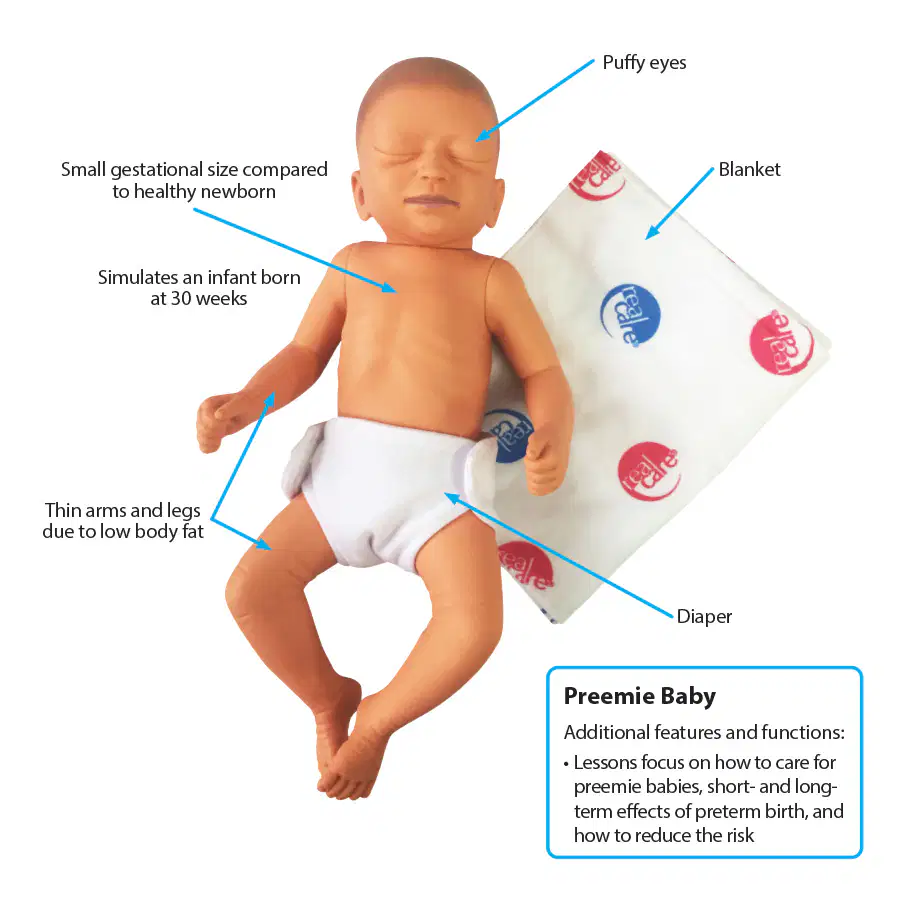
Which infants are born before 38 weeks and constitute about 11% of all births?
Preterm infants
Low birth weight
Small for gestational age infants
Extremely low birth weight infants
Although only 7% of US babies are low birth weight babies (under 5 1/2 pounds), they account for?
Most twin births
A very low death rate
Most newborn deaths
Lack of oxygen (hypoxia)

The infant mortality rate (IMR) in the US is considered high. Select all factors that would reduce the IMR.
Paid leave
Prenatal care provided at low or no cost
Adequate nutrition
Birth weight above 5 pounds

Any differences between monozygotic twins are said to be the result of (select all)?
Nature (genetics)
Nurture (environment/socialization)
Chance
What is niche picking (best answer)?
You pick activities you like
Parents pick activities that do or don't fit your personality
Learning to enjoy activities you didn't
Classical conditioning
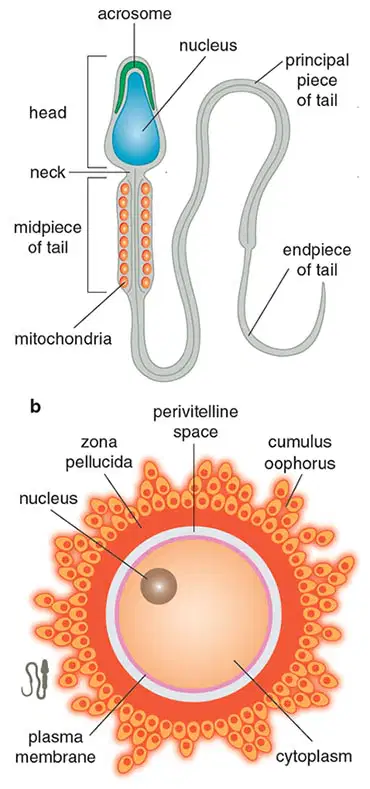
Cells that reproduce through meiosis are called?
zygotes
gametes (egg and sperm)
single cells
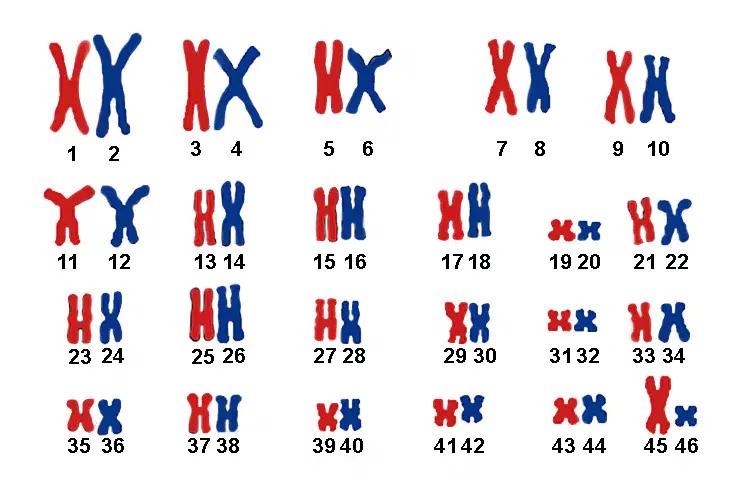
How many chromosomes (not pairs) are most humans born with?
23
78
46
42
What is the term for the fertilized egg during the first two weeks after conception?
Embryo
Fetus
Zygote
Blastocyst

