
 Worksheets
Big Unit QUIZ
Total questions: 54
Worksheet time: 48mins
Name
Class
Date
1.
What is the layer of the atmosphere where all weather occurs?
a)
Troposphere
b)
Stratosphere
c)
Mesosphere
d)
Thermosphere
2.
Generators convert ________energy to _______ energy.
a)
mechanical to electrical
b)
electrical to mechanical
c)
solar to chemical
d)
mechanical to chemical
3.
What prevailing wind blows from west to east in the temperate region?
a)
Trade winds
b)
Westerly winds
c)
Polar winds
d)
Jet stream
4.
What type of front may result in thunderstorms?
a)
cold front
b)
warm front
c)
stationary front
d)
occluded front
5.
Photosynthesis involves the transformation of light energy into
a)
kinetic energy
b)
chemical energy
c)
mechanical energy
d)
hydroelectric energy
6.

This is a...
a)
Sea breeze
b)
Land breeze
7.

This is a...
a)
Land Breeze
b)
Sea Breeze
8.

What is the source of energy that drives Earth’s winds?
a)
The sun
b)
The Earth’s movement
c)
Earth’s gravity
d)
Lunar gravity
9.

Name this symbol
a)
warm front
b)
cold front
c)
stationary front
d)
occluded front
10.

What does this symbol indicate on a weather map?
a)
High pressure system
b)
Low pressure system
c)
Cold front
d)
Warm front
11.

What front is moving through
Alabama and Georgia?
Alabama and Georgia?
a)
Warm
b)
Occluded
c)
Stationary
d)
Cold
12.
Which term best describes how the earth's atmosphere is heated?
a)
Spirally
b)
Unevenly
c)
Circularly
d)
Kinetically
13.
The energy an object has due to its motion
a)
kinetic energy
b)
potential energy
c)
thermal energy
14.

Which water cycle process results in clouds, dew or frost forming?
a)
accumulation
b)
transpiration
c)
condensation
d)
precipitation
15.

In which layer would the highest air pressure be measured?
a)
mesosphere
b)
exosphere
c)
stratosphere
d)
troposphere
16.

Earth’s surface gains heat energy through which method of heat transfer?
a)
Radiation
b)
Conduction
c)
Convection
d)
Temperature
17.
What happens in convection currents?
a)
cold matter rises and hot matter sinks
b)
hot matter rises and cold matter sinks
18.
The transfer of energy by electromagnetic waves is called _____.
a)
radiation
b)
conduction
c)
convection
19.
Rising air pressure usually indicates ______ weather.
a)
fair
b)
stormy
20.
Which layer of the atmosphere extends from 12 to 50 kilometers above sea level?
a)
troposphere
b)
stratosphere
c)
mesosphere
d)
thermosphere
21.
Which molecule in the stratosphere absorbs harmful ultraviolet radiation?
a)
nitrogen
b)
carbon dioxide
c)
ozone
d)
water
22.
Which layer of the atmosphere contains both the exosphere and the ionosphere?
a)
mesosphere
b)
troposphere
c)
stratosphere
d)
thermosphere
23.
Which gas is the most abundant in the atmosphere?
a)
nitrogen
b)
hydroen
c)
oxygen
d)
carbon dioxide
24.
Winds are caused by differences in
a)
precipitation
b)
humidity
c)
air pressure
d)
turbulence
25.
At the seashore late in the afternoon on a hot, sunny day, a person often feels a strong breeze coming in from the ocean. Which of the following is the reason for the breeze?
a)
pounding waves generate air currents
b)
warm air over the ocean rushes in to replace the cool air that rises over land
c)
there are no clouds to block wind coming in
d)
heavy cool air over the ocean rushes in to replace warm air that rises over the land
26.
The name of the global winds that move from west to east across the United States is called
a)
Trade Winds
b)
Prevailing Westerlies
c)
Polar Easterlies
d)
Doldrums
27.
At night, the denser cool air over the land moves in and replaces the less dense, warmer air that rises over the ocean. This is called
a)
sea breeze
b)
land breeze
c)
trade winds
28.
Low pressure will usually bring what kind of weather?
a)
Sunny
b)
Calm
c)
Stormy
29.
Michael observes the air pressure daily. Over the last couple of days the air pressure has been dropping. What weather will Michael most likely observe as a result?
a)
increasingly clear skies and more wind
b)
increasingly clear skies and dry weather
c)
increasingly cloudy skies and possible storms
30.
Aliyah observes the air pressure daily. Over the last couple of days the air pressure has been increasing. What weather will Aliyah most likely observe as a result?
a)
increasingly clear skies and dry weather
b)
increasingly clear skies and more wind
c)
increasingly cloudy skies and dry weather
31.
Which of the following energy transformations occur when a lamp that is plugged into a wall socket is functioning correctly?
a)
Chemical to light
b)
Electrical to chemical
c)
Electrical to light
d)
Chemical to electrical
32.
What energy transformations take place when a battery-operated radio is in use?
a)
Electrical to chemical to light
b)
Sound to chemical to mechanical
c)
Chemical to electrical to sound
d)
Light to electrical to thermal
33.
People get energy from the food that they eat and transform that energy as they move. Which energy transformations occur as a student rapidly rubs the palms of his hands together?
a)
mechanical to thermal to electrical
b)
chemical to mechanical to thermal
c)
mechanical to chemical to sound
d)
chemical to sound to electrical
34.

Which of the following best describes the energy transformations that occur when a flashlight that runs on batteries is turned on?
a)
chemical to mechanical to electrical to radiant
b)
radiant to electrical to sound
c)
chemical to radiant to mechanical to electrical
d)
electric to radiant to chemical
35.
According to the Law of Conservation of Energy, energy cannot be _________ or ____________.
a)
destroyed, destroyed
b)
created, saved
c)
created, destroyed
d)
lost, found
36.

The roller coaster cart has the most gravitational potential energy at position-
a)
W
b)
X
c)
Y
d)
Z
37.
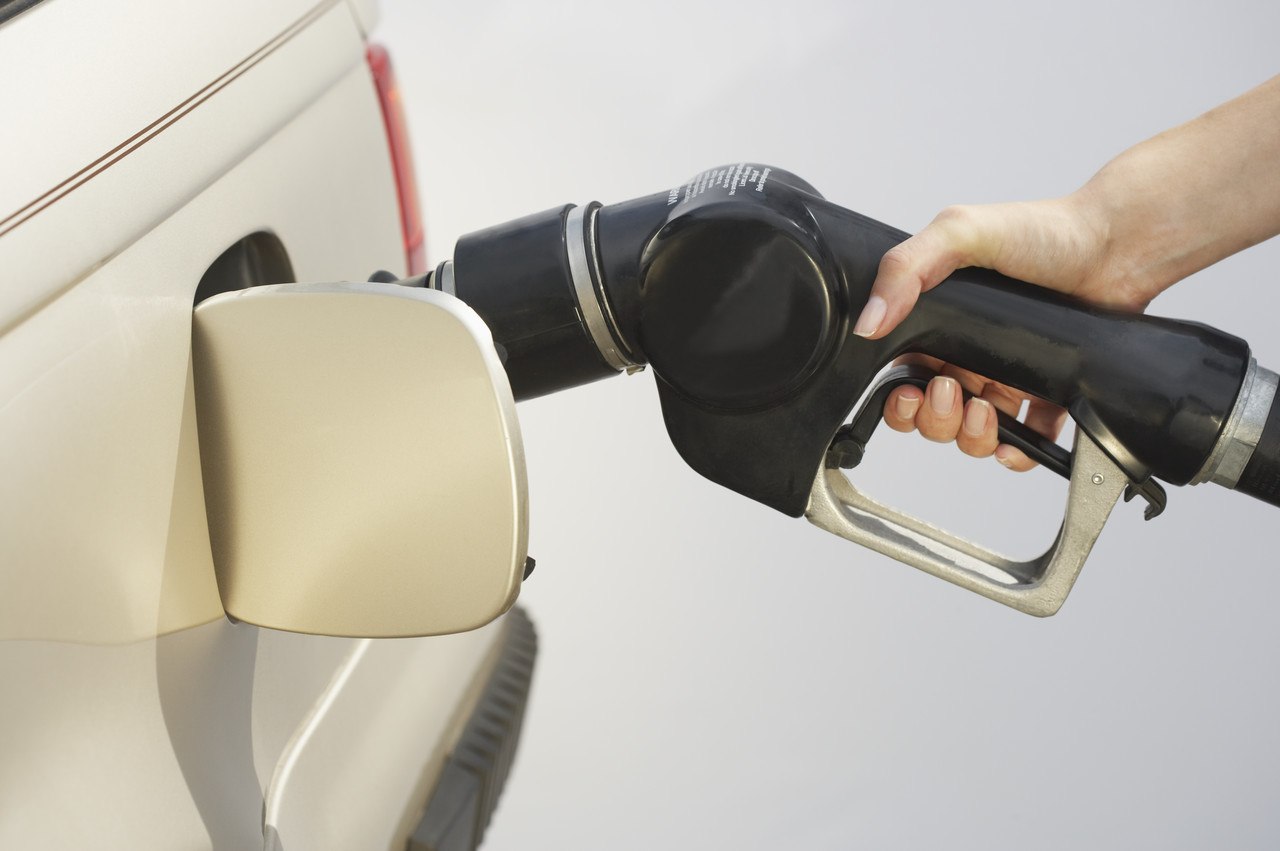
Which energy conversion is taking place when you put gasoline in a car?
a)
thermal -> electrical
b)
mechanical -> electrical
c)
chemical -> mechanical
d)
mechanical -> electromagnetic
38.

Look at the diagram. At which point does the ball have the maximum kinetic energy?
a)
B
b)
C
c)
D
d)
E
39.

Look at the diagram. Which point does the ball have the maximum potential energy?
a)
A
b)
B
c)
C
d)
D
40.
Energy is the ability to do ___________.
a)
Nothing
b)
Work
c)
Energy
d)
Change
41.

Which skier will have a greater potential energy?
a)
Skier 1
b)
Skier 2
42.
If the Earth did not rotate on its axis, there would be no
a)
Greenhouse effect
b)
Coriolis effect
c)
Global warming
d)
Convection
43.
The coriolis effect deflects:
a)
Only winds and currents near the equator
b)
Only winds and currents near the poles
c)
No winds, only ocean currents
d)
All winds and ocean currents
44.
Deep Ocean currents are a result of
a)
Global Wind Patterns
b)
Earth's Rotation
c)
Density
d)
All of the above
45.
The Gulf stream carries _____________ water from the east coast of The United States to the West coast of Europe.
a)
Cold
b)
Warm
c)
Freezing
d)
Fresh
46.
Warm ocean currents generally come from
a)
The North Pole
b)
The South Pole
c)
The Equator
d)
Both A and B
47.
The California Current (west coast) carries _________ water from canada
a)
Cold
b)
Warm
c)
Freezing
d)
Fresh
48.
A horizontal movement of ocean water that is caused by wind and that occurs at or near the ocean's surface.
a)
Gulf Stream
b)
Global Conveyor Belt
c)
Surface Current
d)
Gyre
49.
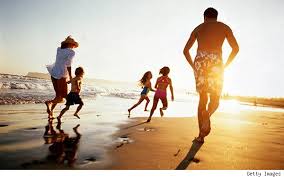
The sun shines down on this family as the play on the beach.
a)
conduction
b)
convection
c)
radiation
50.

Walking on the warm sand sand with your bare feet.
a)
conduction
b)
convection
c)
radiation
51.
Global winds over the United States blow in which direction?
a)
east to west
b)
north to south
c)
south to west
d)
west to east
52.
What would you expect from a Maritime Tropical air mass?
a)
dry, warm air
b)
moist, cold air
c)
moist, warm air
53.
What would you expect from a Continental Polar air mass?
a)
moist, warm air
b)
dry, cold air
c)
dry, warm air
54.
What would you expect from a Continental Polar air mass?
a)
moist, warm air
b)
dry, cold air
c)
dry, warm air
d)
moist, cold air
100 %

