
 Worksheets
Structure and Properties of Matter
Total questions: 63
Worksheet time: 44mins
Name
Class
Date
1.
The positive particles of an atom are _________.
a)
positrons
b)
electrons
c)
protons
d)
neutrons
2.
The central region of an atom is where it's protons and neutrons are is called the ________.
a)
nucleus
b)
core
c)
electron cloud
d)
center
3.
An atom with atomic number 6 would have how many protons?
a)
3
b)
12
c)
cannot be determined
d)
6
4.
Particles in an atom that are neutral with no charge are ________.
a)
neutrons
b)
electrons
c)
protons
d)
nucleus
5.
The smallest particle of any particular type of matter is known by which of the following terms?
a)
element
b)
atom
c)
chemical
d)
compound
6.

Which number here is my atomic number?
a)
5
b)
10.811
7.
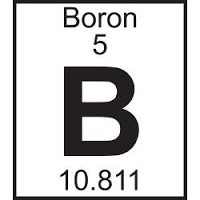
How many protons does this atom have?
a)
2.5
b)
6
c)
5
d)
10.811
8.
Particles in an atom that are neutral and have no charge are
a)
negatrons
b)
electrons
c)
neutrons
d)
protons
9.

A section of the Periodic Table of Elements is provided. What is the chemical symbol for magnesium?
a)
12
b)
Mg
c)
24.31
d)
Magnesium
10.
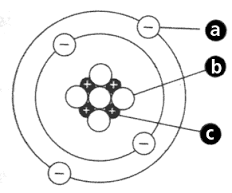
B and C are found in the ______ of an atom.
a)
Energy levels
b)
Space
c)
Nucleus
d)
Outside
11.

Which of these is the electron?
a)
A
b)
B
c)
C
d)
D
12.
all matter is made of what
a)
energy
b)
atoms
c)
electrons
d)
compounds
13.
An atom is made up mostly of
a)
protons
b)
gravity
c)
empty space
d)
electricity
14.
A combination of substances that are not chemically combined is called a(n)____________.
a)
mixture
b)
compound
c)
physical
15.

Label the following:
grey=
blue=
yellow=
grey=
blue=
yellow=
a)
Gas, Solid, Liquid
b)
Metal, Metalloid, Nonmetal
c)
Metal, Nonmetal, Metalloid
16.
The subatomic particle with a positive charge is the
a)
electron
b)
proton
c)
neutron
d)
nucleus
17.
The subatomic particle with a negative charge is the
a)
electron
b)
proton
c)
neutron
d)
nucleus
18.
The subatomic particle with a neutral charge is the
a)
electron
b)
proton
c)
neutron
d)
nucleus
19.
The center of the atom is known as the
a)
core
b)
nucleus
c)
neutron
d)
shell
20.

How many protons are in Beryllium?
a)
4
b)
9
c)
5
d)
2
21.
Most of the nonmetals on the periodic table are located...
a)
on the left side
b)
at the bottom
c)
on the right side
d)
in the middle
22.
In the modern periodic table, elements are arranged by:
a)
atomic mass
b)
atomic number
c)
valence electrons
d)
number of isotopes
23.
Why is water NOT on the periodic table?
a)
It is naturally occuring
b)
It is a compound, not an element
c)
It exists as a solid, a liquid, and a gas
d)
Its chemical formula doesn't fit
24.
_______ are the ROWS on the periodic table.
a)
Families
b)
Groups
c)
Periods
d)
Elements
25.
________ are the COLUMNS on the periodic table and are organized by similar properties.
a)
Classifications
b)
Groups
c)
Periods
d)
Elements
26.
Atoms with similar properties are most likely located...
a)
in the same period.
b)
in the same group.
c)
in different periods.
d)
to the right and left of each other.
27.
If an atom had the same properties as fluorine (F), it would probably be located in
a)
period 1.
b)
period 2.
c)
group 2.
d)
group 17.
28.
Mendeleev's first periodic table organized the elements by increasing atomic mass.
a)
True
b)
False
29.
Most of the elements on the periodic table are classified as "metal".
a)
True
b)
False
30.
What is the element symbol for boron?
a)
B
b)
Bo
c)
Bn
d)
W
31.
Each element is unique based on its number of protons, also known as the...
a)
atomic mass
b)
valence number
c)
atomic symbol
d)
atomic number
32.

A rule that states that repeating chemical and physical properties of elements change periodically with the atomic number of the elements is the _________.
a)
periodic law
b)
alkaline-earth metals
c)
actinide
d)
group rule
33.
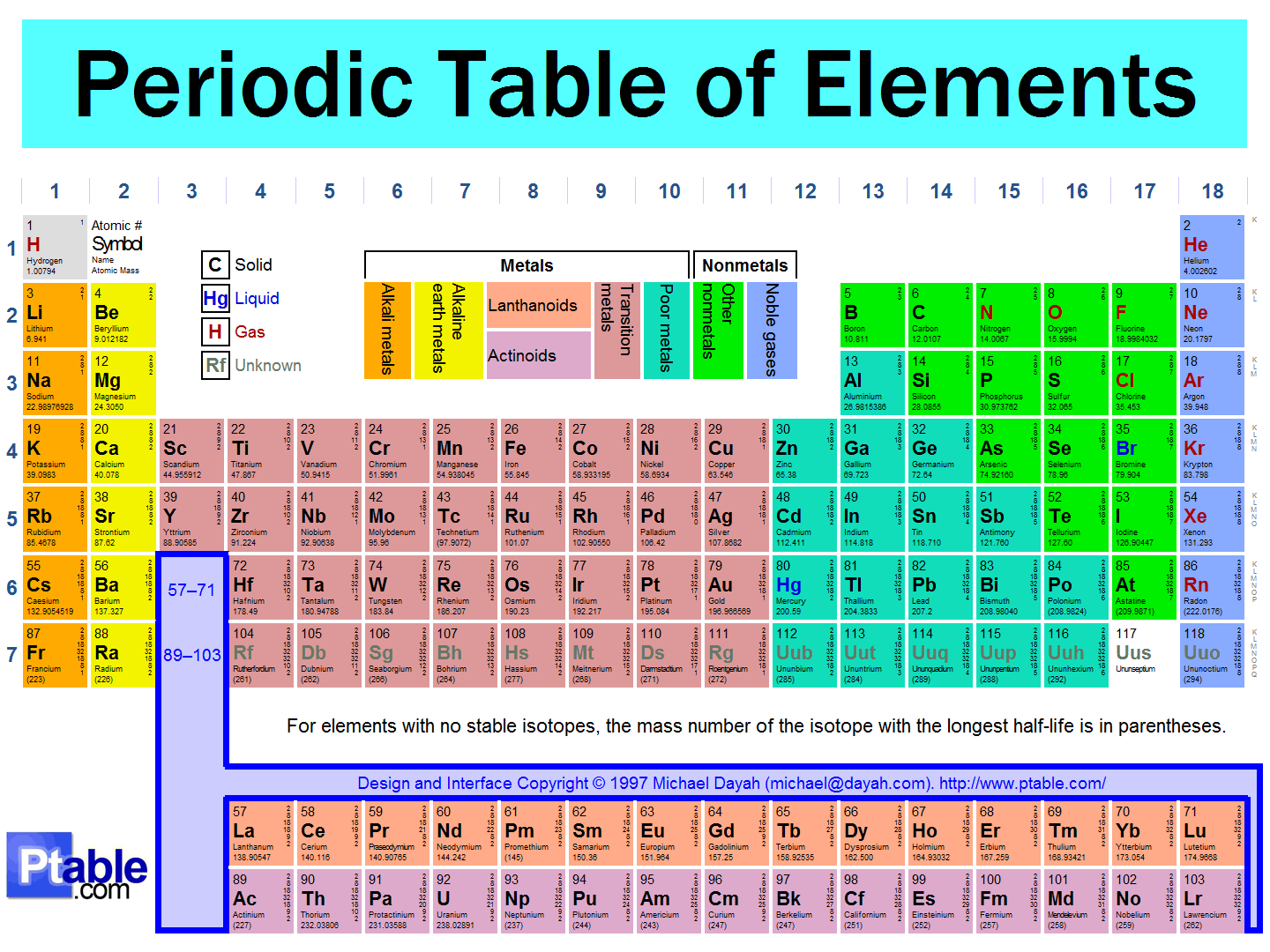
The horizontal row on the periodic table is called a
a)
group
b)
family
c)
period
d)
atomic number
34.

A vertical column is called...
a)
group
b)
tower
c)
period
d)
crew
35.
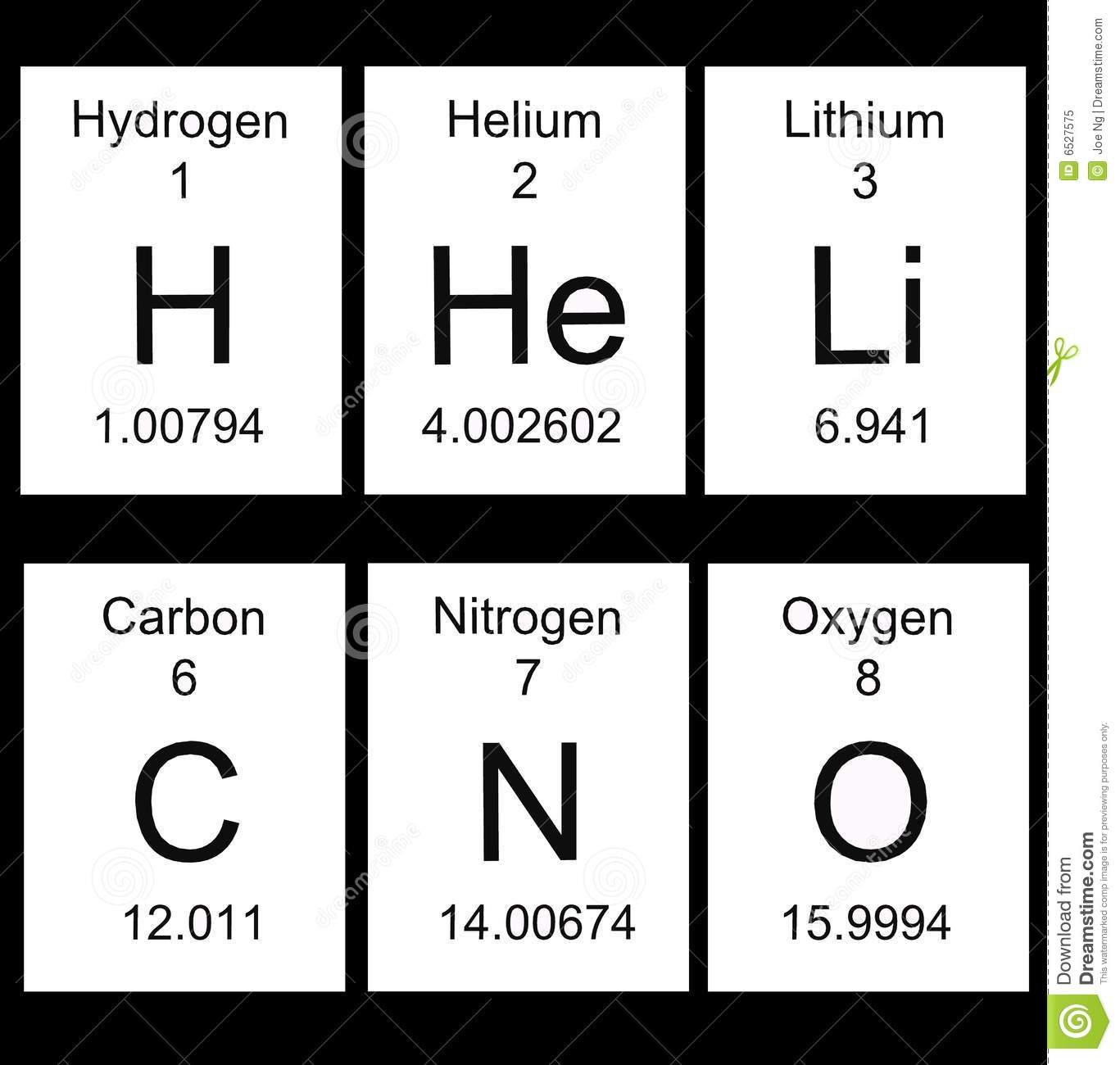
The number at the top of each square on the periodic table is the ...
a)
atomic number
b)
atomic mass
c)
Chemical Symbol
d)
Element Name
36.
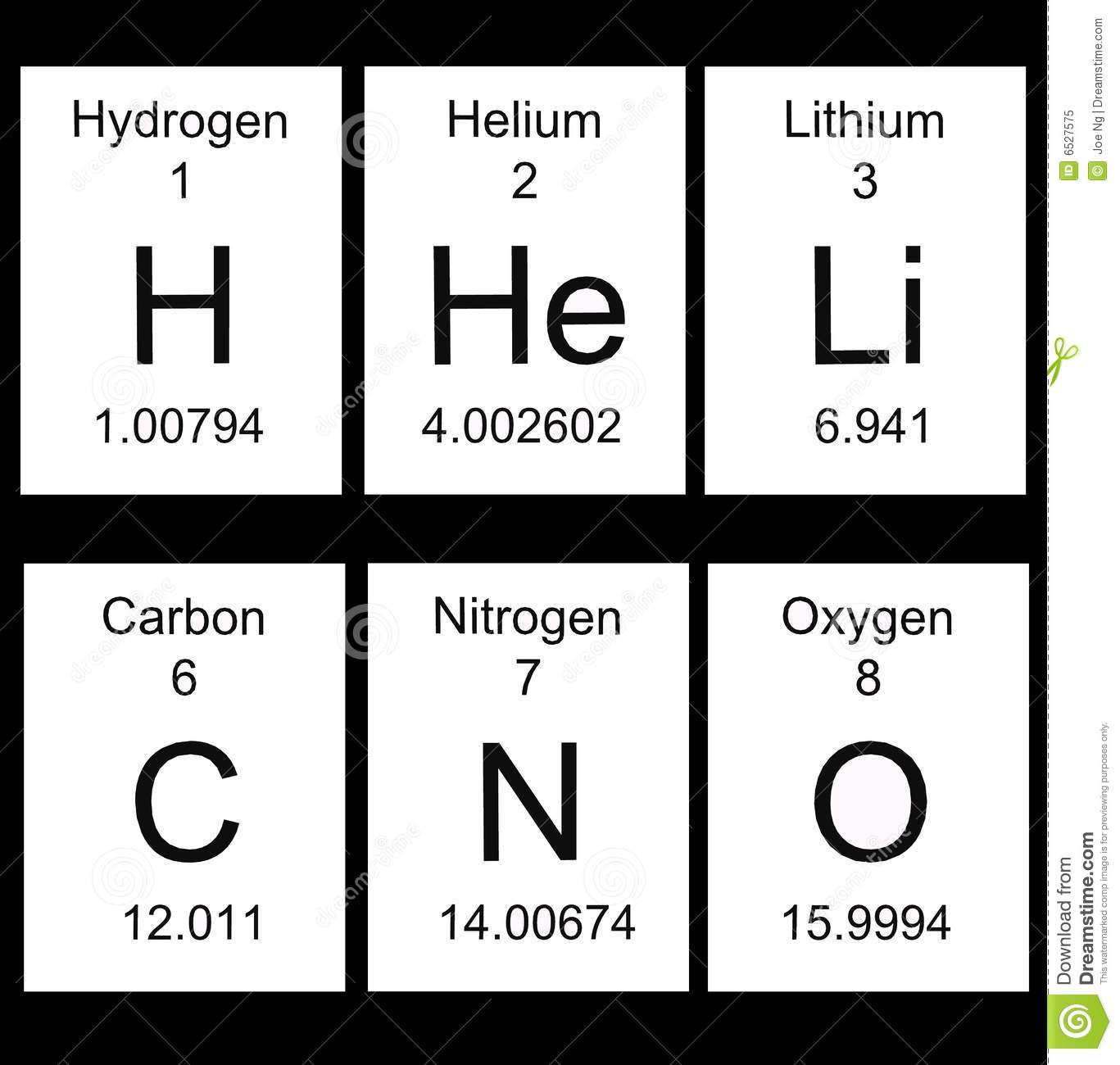
What is the chemical symbol for Lithium?
a)
H
b)
He
c)
Li
d)
N
37.

Most of the elements on the periodic table are classified as _____.
a)
Metals
b)
Nonmetals
c)
Metalloids
d)
Periods
38.
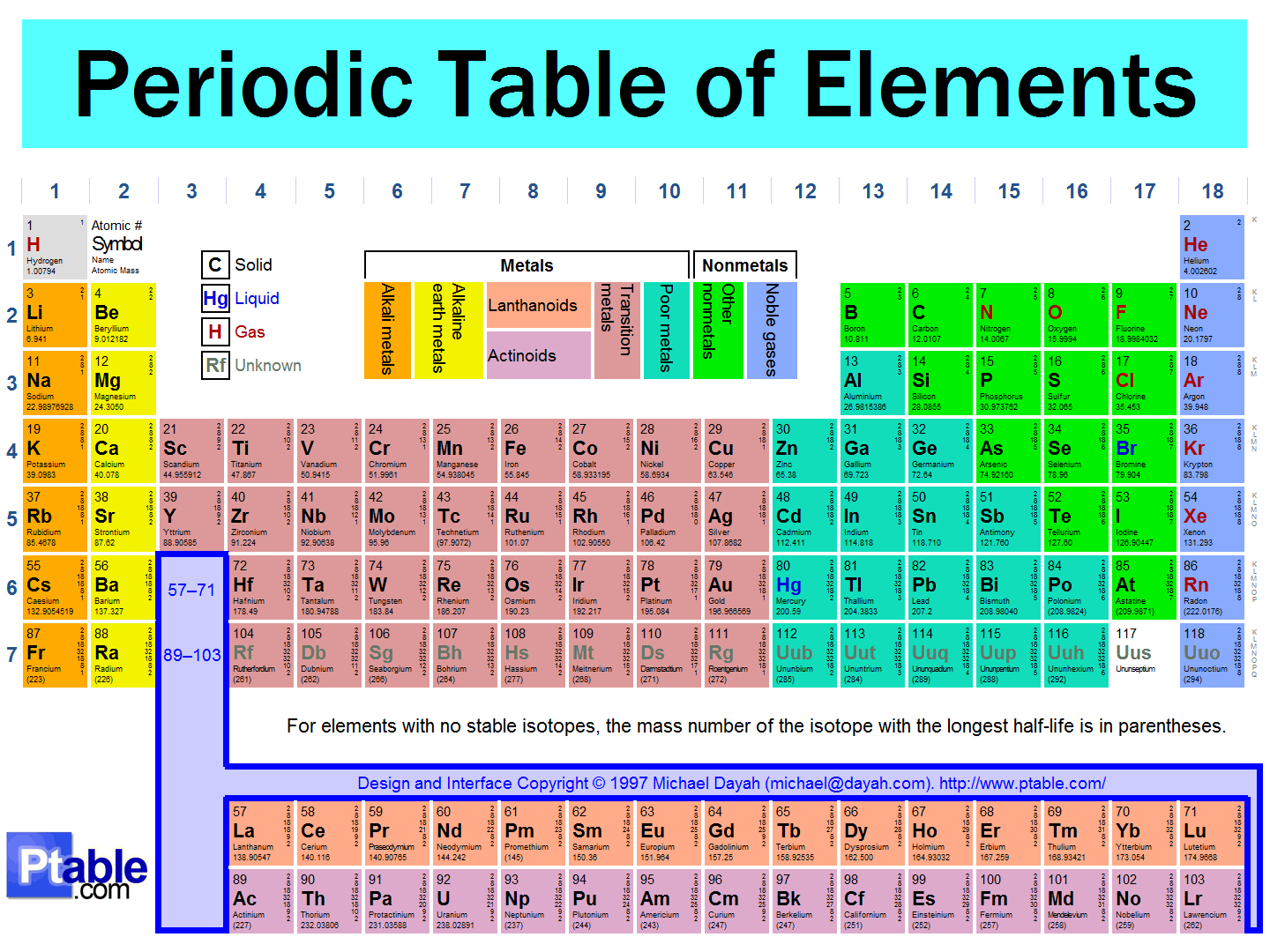
This class of elements are sometimes called "semiconductors."
a)
Metals
b)
Nonmetals
c)
Metalloids
d)
Groups
39.

How did Mendeleev arrange the elements?
a)
alphabetical
b)
density
c)
melting point
d)
atomic mass
40.

The yellow atoms are called
a)
metals
b)
nonmetals
c)
metalloids
d)
noble gases
41.
An element's identity is determined by the number of
a)
electrons.
b)
protons.
c)
neutrons.
d)
valence.
42.
Elements in the same ________ are more chemically similar.
a)
group
b)
period
c)
club
d)
table
43.
The majority of elements on the periodic table are
a)
man made.
b)
nonmetals.
c)
metals.
d)
gases.
44.
The amount of matter in an object is a measure of the object's ________________.
a)
volume
b)
density
c)
mass
d)
solubility
45.
Which of the following units provides the best measure for the amount of space that matter occupies?
a)
mL
b)
grams
c)
cm3
d)
Both mL and cm3
46.
What would be the best way to measure the volume of a small rock?
a)
L x W x H with a ruler
b)
Put on triple beam balance
c)
Mass ÷ Volume
d)
Displacement method using graduated cylinder
47.
Which of the following is not a characteristic property of matter?
a)
Density
b)
Mass
c)
Phase/State
d)
Solubility
48.
What is the formula for calculating density?
a)
Mass ∗ Volume
b)
Volume ∗ Mass
c)
Mass ÷ Volume
d)
Volume ÷ Mass
49.
What is the density of water?
a)
1 mL
b)
1 gram
c)
1 g/cm3
d)
All of the above
50.
True or False: 1 mL of water has a mass of 1 gram.
a)
True
b)
False
51.

Which statement is true?
a)
Oil is the most dense substance.
b)
Corn syrup is less dense than water.
c)
Oil is less dense than water.
d)
Oil and corn syrup have the same density but different masses.
52.
An object has a density of 3 g/cm3. When submerged in water, the object will ___________.
a)
float
b)
sink
c)
float halfway in the water
d)
float then sink
53.
What is the most dense metal?
a)
Aluminum
2.7 g/cm3
2.7 g/cm3
b)
Steel
7.14 g/cm3
7.14 g/cm3
c)
Nylon
1.2 g/cm3
1.2 g/cm3
d)
Copper
8.14 g/cm3
8.14 g/cm3
54.
What kind of property is density?
a)
Physical
b)
chemical
55.
Digestion that occurs in the stomach is an example of what kind of property.
a)
physical
b)
chemical
56.
______ is a ratio comparing an objects mass to its volume. It measures how packed the particles of an object are.
a)
Matter
b)
Mass
c)
Volume
d)
Density
57.
A object has a mass of 30 g and a volume of 5 cm3 . What is the density?
a)
.17 g
b)
.17 g/cm3
c)
6 g
d)
6 g/cm3
58.
Physical property that describes the ability of a substance to dissolve in another substance, usually water.
a)
Density
b)
Magnetism
c)
Solubility
d)
Melting Point
59.
The ability of a substance to respond to a magnetic field.
a)
Conductivity
b)
Magnetism
c)
Melting Point
d)
Boiling Point
60.
If you take a 100-milliliter (mL) graduated cylinder and fill it to the 50-mL mark. After you place the marble in the graduated cylinder, the water level reads 56 mL. What is the volume of the marble?
a)
6 mL
b)
50 mL
c)
56 mL
d)
100 mL
61.
Which of the following properties will be most helpful in making a correct identification of a unknown substance?
a)
density
b)
mass
c)
volume
d)
weight
62.
Which property would best separate a mixture of sand and iron filings?
a)
density
b)
electrical conductivity
c)
melting point
d)
magentism
63.
Any measurable or observable attribute that describes matter and does not change the identity of the matter.
a)
Physical Property
b)
Chemical Property
100 %

