
 Worksheets
OCR GATEWAY B1
Total questions: 64
Worksheet time: 55mins
Name
Class
Date
1.
The rate at which your heart beats while you are at rest is called:
a)
Resting heart rate
b)
Maximum heart rate
c)
Quieted heart rate
d)
Normal Heart Tempo
2.
Your target heart rate is the rate at which your heart should be beating:
a)
While you sleep, since that involves lots of hours.
b)
While you are exercising for fitness
c)
When you are having a physical examination.
d)
While you are moving at a slow and steady pace.
3.

One of the greatest causes of disease in the world is:
a)
Smoking
b)
Drinking
c)
Sleeping
d)
Cooking
4.

Normal blood pressure is...
a)
120/80 mmHg
b)
80/120 mmHg
c)
140/90 mmHg
d)
80/140 mmHg
5.

Chronic high BP is called...
a)
Hypertrophy
b)
Atrophy
c)
Hypertension
d)
Hyperatrophy
6.

For a blood pressure reading, the number on top measures...
a)
Diastolic Pressure
b)
Systolic Pressure
c)
Diastemic Pressure
d)
Systemic Pressure
7.

The number on the bottom of a BP reading measures...
a)
Pressure during a heart contraction
b)
Pressure between heart beats
c)
Pressure of the blood vessels on the blood
d)
Thickness of blood
8.

Taking aspirin will...
a)
Thin blood & lower BP
b)
Thicken blood & lower BP
c)
Thin blood & raise BP
d)
have no affect on BP
9.
What is a risk factor of Heart Disease ?
a)
Eating Vegetables
b)
High blood pressure
c)
Having a good diet
d)
Drinking too much water
10.
Which of the following is not a nutrient?
a)
Fats
b)
Carbohydrates
c)
Vegetables
d)
Protein
11.
Which component of a healthy, balance diet is responsible for aiding digestion?
a)
Fibre
b)
Fats
c)
Minerals
d)
Protein
12.
Which component of a healthy, balance diet is responsible for providing energy before an event?
a)
Fats
b)
Proteins
c)
Carbohydrates
d)
Vitamins
13.
Which component of a balanced diet is mainly responsible for resisting infection & disease?
a)
Fibre
b)
Water
c)
Minerals
d)
Vitamins
14.
Chicken, fish and meat are all types of which diet component?
a)
Protein
b)
Carbohydrate
c)
Fats
d)
Minerals
15.
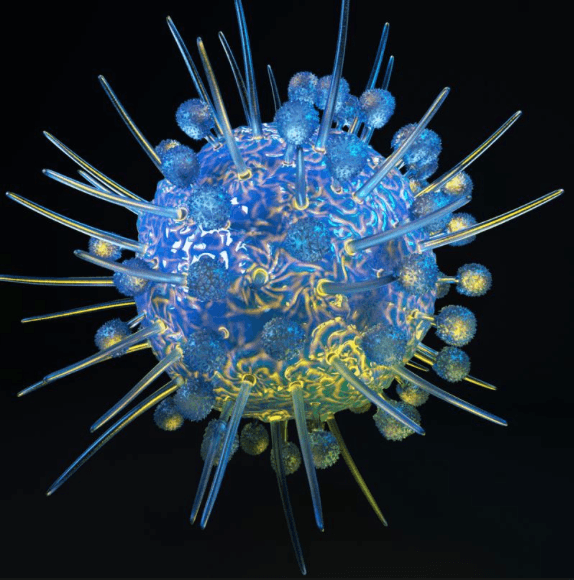
Most viruses do not kill humans. Why not?
a)
Viruses can only kill bacterial cells
b)
Humans have 100 trillion cells; viruses can't infect enough to kill
c)
Our immune cells hunt and kill viruses
d)
We have vaccines for all viruses
16.
Lysis is
a)
rupture of a cell membrane
b)
replication of a virus
c)
bacterial reproduction
d)
a process that rarely happens
17.

The ingredient in a vaccine that stimulates the immune system to develop antibodies is
a)
egg protein
b)
tobacco plant protein
c)
a dead or weakened form of the virus
d)
bacteriophages
18.

Antibiotics are used to treat
a)
viruses
b)
bacteria
c)
both viruses and bacteria
d)
fungal infections, only
19.

Antibiotics work by
a)
destroying the cell wall of bacteria
b)
destroying the protein coat of viruses
c)
destroying the DNA of the pathogen
d)
stimulating the immune system to produce antibodies
20.
What is the most likely reason there is no vaccine for the common cold?
a)
The common cold only lasts a few days
b)
The virus for the common cold can't be identified
c)
The common cold is bacterial
d)
The common cold is caused by hundreds of different viruses
21.

The people most at risk of dying from influenza are
a)
infants under 2 months, only
b)
infants and elderly people
c)
all people under age 25
d)
nobody dies from the flu!
22.
Which is the BEST way to prevent the flu from becoming a pandemic?
a)
getting a vaccination
b)
taking antibiotics
c)
eating fruits and vegetables
d)
washing hands often
23.
Malaria is a common disease in many countries. What is the cause of this disease?
a)
virus
b)
bacterium
c)
fungus
d)
parasite
24.
What do antibiotics cure?
a)
bacteria
b)
virus
c)
parasite
d)
fungus
25.
Which pathogen needs a host cell to reproduce?
a)
virus
b)
bacteria
c)
fungus
d)
parasite
26.
which pathogen lives in or on a host?
a)
bacteria
b)
virus
c)
parasite
d)
fungus
27.
Which term describes a disease spread across the largest area?
a)
epidemic
b)
pandemic
28.
Which pathogen is non-living?
a)
Virus
b)
Bacteria
c)
Fungi
d)
Parasite
29.
Which pathogen is most likely to look like a worm or insect?
a)
Virus
b)
Bacteria
c)
Fungi
d)
Parasite
30.
Which pathogen can be prevented with vaccines
a)
Virus
b)
Bacteria
c)
Fungi
d)
All of them
31.
WHITE BLOOD CELLS
a)
Erythrocytes
b)
Thrombocytes
c)
Leukocytes
d)
Plasma
32.
Which part of the eye opens in dark places and closes in bright places?
a)
Cornea
b)
Retina
c)
Pupil
d)
Lens
33.

What is letter B
a)
Optic nerve
b)
Lens
c)
Cornea
d)
Retina
34.

What is letter E?
a)
Vitreous humor
b)
Retina
c)
Cornea
d)
Optic nerve
35.

What is letter F?
a)
Retina
b)
Pupil
c)
Vitreous humor
d)
Iris
36.

What is letter G?
a)
Sclera
b)
Retina
c)
Lens
d)
Vitreous humor
37.

What is letter H?
a)
Cornea
b)
Optic nerve
c)
Iris
d)
Retina
38.

What is letter I?
a)
Cornea
b)
Lens
c)
Vitreous humor
d)
Optic nerve
39.

main organ of the nervous system. protected by the skull, and made of neurons, it is the control center for all actions, thoughts and emotions.
a)
brain
b)
electrical impulse
c)
gland
d)
heart
40.

bundle of wire-like nerves threaded through the backbones, through which electrical messages travel between the brain and body.
a)
neurons
b)
spinal cord
c)
spaghetti
d)
brain
41.

a body system that controls and coordinates all body activities through electric impulses/messages between brain, spinal cord and nerves.
a)
endocrine system
b)
nervous system
c)
nerve
d)
neuron
42.

A drug that slows down body functions is a(n)...?
a)
Secondhand Smoke
b)
Nicotine
c)
Drug
d)
Depressant
43.

A stimulant drug found in tobacco is...?
a)
Secondhand smoke
b)
Nicotine
c)
Tar
d)
Overdose
44.

A gummy substance found in tobacco is...?
a)
Tar
b)
Nicotine
c)
Stimulant
d)
Secondhand smoke
45.
Substances that speed up the body's functions.
a)
inhalants
b)
stimulants
c)
hallucinogens
d)
depressants
46.
Substances that slow down the body's functions and reactions.
a)
inhalants
b)
stimulants
c)
hallucinogens
d)
depressants
47.
The type of alcohol in alcoholic beverages is called
a)
fermentation
b)
detoxification
c)
ethanol
d)
vodka
48.
Drinking five or more drinks in one sitting is called
a)
binge drinking
b)
over drinking
c)
over consumption
d)
fermentation
49.
A drug that slows the central nervous system is called a(n)
a)
ethanol
b)
depressant
c)
stimulant
d)
hallucinogen
50.
What is the chemical reaction of yeast on sugars called?
a)
fermentation
b)
detoxification
c)
alcohol poisoning
d)
recovery
51.
If the environment gets cold, we will often shiver in order to:
a)
keep body temperature the same as the external temperature
b)
decrease body temperature
c)
increase body temperature
d)
regulate blood pressure
52.
Homeostasis in the human body is often maintained by a:
a)
neutral feedback loop
b)
solar feedback loop
c)
positive feedback loop
d)
negative feedback loop
53.
The maintenance of an organism’s internal environment is called:
a)
compensating
b)
homeostasis
c)
balancing
d)
routine
54.
5% of our liver mass is attributed to this polysaccharide.
a)
insulin
b)
cellulose
c)
glycogen
d)
starch
55.
What is one activity you can do to help prevent diabetes?
a)
drink coke
b)
eat lots of candy
c)
exercise
56.
This is the name of the simple sugar that is found in your blood?
a)
water
b)
glucose
c)
sodium
d)
sugar
57.
Which of the following are symptoms of diabetes?
a)
blurred vision
b)
fatigue
c)
dizziness
d)
all of these are symptoms.
58.
Which gland controls blood sugar levels?
a)
Ovaries
b)
Lungs
c)
Pancreas
d)
Pituitary
59.
What is low blood sugar called?
a)
Hypoglycemia
b)
Hyperglycemia
60.
Stimulates cell division and protein synthesis
a)
growth hormone (GH)
b)
insulin
c)
epinephrine
d)
glucagon
61.
lowers blood sugar
a)
calcitonin
b)
parathyroid hormone (PTH)
c)
insulin
d)
glucagon
62.
What is the correct equation for photosynthesis?
a)
Carbon Dioxide + Water + Light --> Glucose + Oxygen
b)
Light + Carbon Dioxide --> Water + Glucose + Oxygen
c)
Carbon Dioxide + Glucose + Light --> Water + Oxygen
63.
When it is chilly and raining outside, there is no photosynthesis taking place. What is the limiting factor?
a)
Temperature
b)
Rainfall
c)
Carbon Dioxide
64.
Where does transpiration take place?
a)
Stomata
b)
Flower
c)
Root
d)
Carpel
100 %

