wayground logo

Free Printable Worksheets

Font size

S
M
L
XL
Worksheets

Vertebrates

Total questions: 95

Worksheet time: 57mins

Name
Class
Date
1.
Which of the following reptiles do NOT lay eggs?
a)
boa constrictor
b)
sea turtles
c)
crocodiles
d)
tortoises
2.
It is a
a)
Fish
b)
Mammal
c)
Bird
d)
Molluscs
3.
Vertebrates don't have a backbone
a)
True
b)
False
4.
Animals that have hair or fur are...
a)
Mammals
b)
Birds
c)
Fish
d)
Reptiles 
5.
Vertebrates are divided into five groups: Mammals, birds, fish, reptiles and amphibians.
a)
True
b)
False
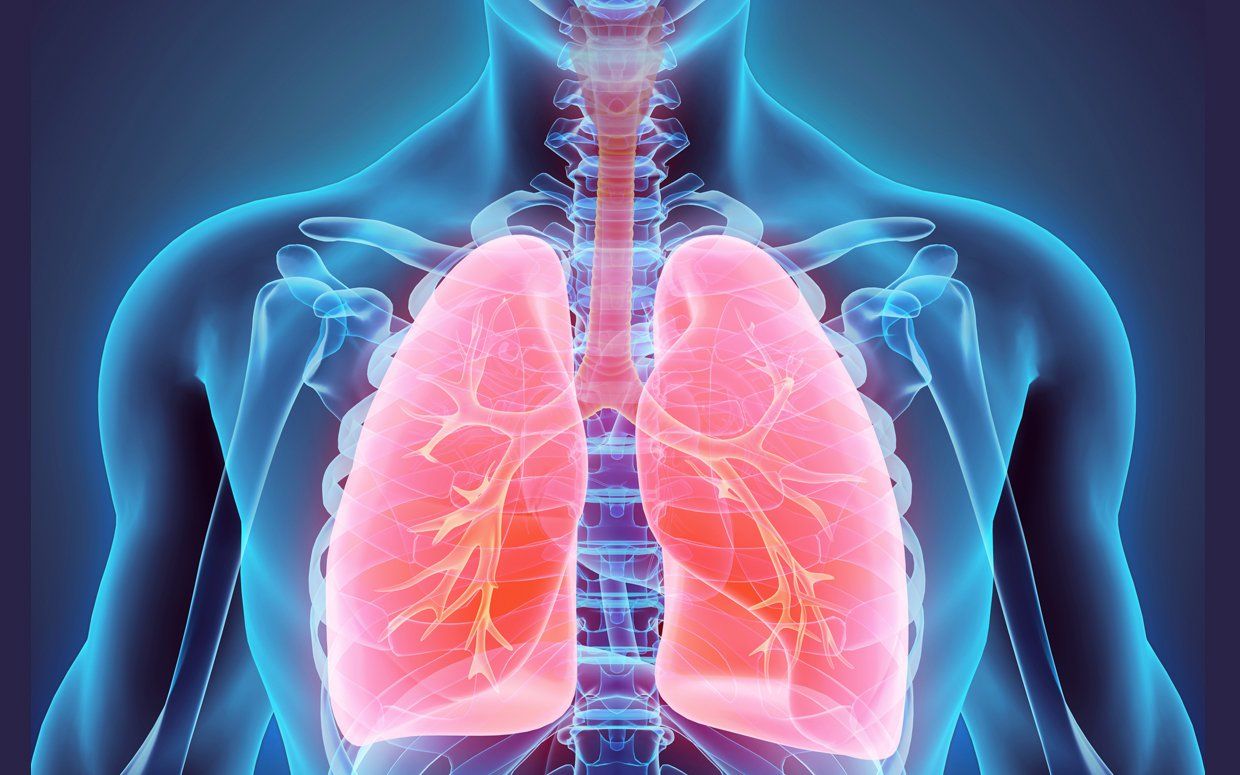
6.
Animals that are covered with scales and use gills to breathe in the water are...
a)
Fish
b)
Chicken
c)
Baby tiger
d)
Cocodrile
7.
The spider is...
a)
Vertebrate
b)
Invertebrate
8.
Octopus is...
a)
Vertebrate
b)
Invertebrate
9.
The snake is classified into...
a)
Mammals
b)
Reptiles
c)
Amphibians
d)
Birds
10.
Frogs are classified into...
a)
Amphibians
b)
Mammals
c)
Reptiles
d)
Insects
11.
They lay SOFT eggs in water
a)
Birds
b)
Amphibians
c)
Fish
d)
Amphibians and Fish
12.
Birds are viviparous (born from the mother's womb)
a)
True
b)
False
13.
Warm-blooded animals are: 
a)
Birds and fish
b)
Fish and amphibians
c)
Birds and mammals
d)
Mammals and reptiles
14.
Amphibians have to stay moist because their skin helps them to
a)
reproduce
b)
smell
c)
breathe

d)
all of these
15.
The process by which an organisms transforms its shape is called
a)
adaptation
b)
morphological transfer
c)
metamorphosis
d)
shape-shifting
16.
Which of the following is a probable life cycle of an amphibian?
a)
egg--larva--adult
b)
egg--fish--adult
c)
egg--larva--frog
d)
fish-- larva--frog
17.
 This structure helps fish to float, and has evolved into lungs in amphibians
a)
notochord
b)
swim bladder
c)
diaphragm
d)
gills
18.
Vertebrates are animals without backbone
a)
True
b)
False
19.
Animals are divided into vertebrates and invertebrates
a)
True
b)
False
20.
Amphibians have to stay moist because their skin helps them to
a)
reproduce
b)
smell
c)
breathe
d)
all of these
21.
Which group of vertebrates are aquatic for their entire lives?
a)
amphibians
b)
reptiles
c)
fishes
d)
mammals
22.
A bird that has a diet of fish would probably have what type of beak?
a)
short and rounded
b)
long and spear-shaped
c)
hooked
d)
flat and chisel-shaped
23.
Which group of vertebrates do ALLIGATORS belong to?
a)
fishes
b)
amphibians
c)
reptiles
d)
birds
24.
Which of these animals are oviparous?
a)
ostrich
b)
crocodiles
c)
duck
d)
all of them
25.

Which group of vertebrates have smooth skin that lacks scales, must stay moist and lack claws?

a)

mammals

b)

birds

c)

fishes

d)

amphibians

26.
Which is an example of a viviparous mammal?
a)
platypus
b)
alligator
c)
cat
d)
ostrich
27.
Homologous structures are parts of the body that are similar in structure to other species' comparative parts.
a)
true
b)
false
28.
We can see examples of homologous structures if we examine ........ of different species.
a)
legs
b)
the limbs
c)
arms
d)
gills
29.
Some amphibian have glands that produce ....
a)
toxins
b)
eggs
c)
blood
d)
oxygen
30.
the largest group of vertebrates with over 30,000 different species..... 
a)
Mammals
b)
Reptiles
c)
Fish
d)
Amphibians
31.
Animals which have hollow bones
a)
mammals
b)
reptiles
c)
amphibian
d)
birds
32.
Fish, amphibians, birds, reptiles, and mammals all have what in common?
a)
Have feathers
b)
Lay eggs
c)
A backbone
d)
Sleep at night
33.
Vertebrates that can live in water or on land but must return to the water to reproduce?
a)
reptiles
b)
birds
c)
amphibians
d)
fish
34.
Animals whose body temperature changes as the temperature of their surroundings changes?
a)
warm-blooded
b)
cold-blooded
c)
mammals
d)
birds
35.
A warm-blooded animal that lays eggs to reproduce is?
a)
fish
b)
birds
c)
amphibians
d)
reptiles
36.
An animal that maintains its body temperature with energy from the food it eats?
a)
cold-blooded
b)
warm-blooded
c)
fish
d)
reptile
37.
How are amphibians and fish alike?
a)
 have four to six fins
b)
reproduce in water
c)
can live in water and on land
d)
warm-blooded
38.
Why do bony fish lay thousands of eggs?
a)
they are very tiny fish
b)
many eggs are needed to build shelter
c)
eggs must combine to produce a fish
d)
many of the eggs are eaten by other animals
39.
 What adaptations allows adult amphibians to hibernate in mud during winter?
a)
they can hide more easily because they no longer have a tail
b)
they don't need air when they are sleeping
c)
they can absorb water through their skin
d)
they can absorb oxygen through their skin
40.
 The feathers of birds help them fly.  What other purpose do feathers serve?
a)
protect birds from sharp objects
b)
hide birds from predators
c)
keep birds warm on cold days
d)
take in oxygen while birds fly
41.
 Mammals that lay eggs outside their bodies are?
a)
marsupials
b)
placental mammals
c)
amphibians
d)
monotremes
42.
Vertebrates that develop from embryos in jellylike eggs with no hard coverings are?
a)
marsupials and reptiles
b)
amphibians and birds
c)
mammals and amphibians
d)
fish and amphibians
43.
Where do most pouched mammals, or marsupials, live?
a)
Africa
b)
the Amazon
c)
Australia
d)
Austria
44.
What type of animals embryo develops in an egg with a hard shell?
a)
rabbit
b)
kangaroo
c)
fish
d)
bird
45.
What type of animals eggs develop in water outside the parents body?
a)
rabbit
b)
lizard
c)
fish
d)
bird
46.
 What type of animals immature young develop in the mother's pouch?
a)
kangaroo
b)
lizard
c)
fish
d)
bird
47.

Animals that can't regulate their body temperature are...

a)

Poikilothermal

b)

homeothermal

48.

Animals that can regulate their body temperature.

a)

Poikilothermal

b)

Homeothermal

49.

They have a lateral line system:

a sensory organ that detects

vibrations.

a)

Reptiles

b)

Fish

c)

Mammals

d)

Amphibians

50.

Fertilization is mostly

external (oviparous), but

some do it internally

(ovoviviparous) (Multiple answer)

a)

Amphibians

b)

Birds

c)

Mammals

d)

Reptiles

e)

Fish

51.

They are one of the largest and heaviest animals in the world, which can weigh up to 10,000 pounds. Even the young, when they are born, weigh more than 100 kilos. They are especially recognized because they have a spectacular nose or elongated nose that serves them for many different uses

a)

crocodile

b)

elephant

c)

pig

d)

bird

52.

Specifically, it is a fish because it breathes through gills and has a spine. It is an animal with many teeth, although there are different types, but most of them are so sharp that they can even pass through the bones. It can pick up traces of blood up to half a kilometer away and two-thirds of its brain goes to smell.

a)

fish

b)

shark

c)

Sea Horse

d)

Dolphin

53.

It is a reptile that lives in the water the largest can weigh up to two tons, being these direct relatives of the dinosaurs. These animals have a skin completely covered with dry scales and can live up to eighty years, like people.

a)

cat

b)

crocodile

c)

snake

d)

bird

54.
What animals are viviparous?
a)
Birds, amphibians, reptiles, fish and invertebrates
b)
Mammals
c)
Humans
55.
What animals are oviparous?
a)
Animals that drink mother's milk
b)
Animals that lay eggs
56.
What animals breathe with their lungs?
a)
Mammals and birds
b)
Fish and chips
c)
Mammals, birds, reptiles and adult amphibians
d)
Humans, birds and sharks
57.
Which of these animals breathe through their gills?
a)
Fish
b)
Fish and baby amphibians
c)
Mammals, adult amphibians, reptiles and birds
58.
Which animal can breathe with their lungs and also through their moist skin?
a)
Amphibians
b)
Fish
c)
Reptiles
59.
Which animals have scales?
a)
Fish and reptiles
b)
Mammals, birds and amphibians
60.
In which group are there animals that can fly, run or swim?
a)
Birds
b)
Fish
c)
Reptiles
d)
Mammals
61.
Which group of animals have bodies covered with scales or shell?
a)
Turtles
b)
Amphibians
c)
Reptiles
62.
What do the herbivores eat?
a)
Other animals
b)
Plants
c)
Plants and other animals
63.
What type of animals eat other animals?
a)
Hervibore
b)
Carnivore
64.
What do the omnivores eat?
a)
Plants
b)
Other animals
c)
Plants and other animals
65.
What of these animals is a mammal?
a)
Bat
b)
Frog
c)
Crocodile
d)
Ostrich
66.
What of these animals is a mammal?
a)
Bat
b)
Frog
c)
Crocodile
d)
Ostrich
67.
a)

Mammal

b)

Fish

68.
a)

Reptil

b)

Amphibian

69.
a)

Omnivore

b)

Carnivore

70.
a)

Mammal

b)

Fish

71.
a)

Oviparous

b)

Viviparous

72.
a)

Mammal

b)

Fish

73.
a)

Viviparous

b)

Oviparous

74.

Animals who CAN NOT fly

a)
b)
c)
75.

Choose the characteristics of mammals

a)

They are oviparous

b)

They breathe through lungs

c)

The skin is covered with hair or fur

d)

Mammals could be terrestrial or aquatic

e)

Most mammals have two legs

76.

Which group of mammals have hands and feet with fingers and toes?

a)

Carnivores

b)

Mammals with hooves

c)

Primates

d)

Cetaceans

77.

Which group of mammals move using their fins and tail?

a)

Carnivores

b)

Mammals with hooves

c)

Primates

d)

Cetaceans

78.

Which group of mammals have sharp teeth and claws?

a)

Carnivores

b)

Mammals with hooves

c)

Primates

d)

Cetaceans

79.

Which group of mammals have feet with hooves?

a)

Carnivores

b)

Mammals with hooves

c)

Primates

d)

Cetaceans

80.

Complete the sentences: "mammals are born from ___________"

a)

eggs

b)

mother´s womb

c)

oviparous

81.

Which animal is carnivore?

a)
b)
c)
d)
82.

Which animal is a mammal with hooves?

a)
b)
c)
d)
83.

Which animal is a primate?

a)
b)
c)
d)
84.

Which animal is a cetacean?

a)
b)
c)
d)
85.

AMPHIBIANS breathe...

a)

They breathe through their lungs.

b)

They breathe through their gills.

c)

They breathe through their skin and lungs.

86.

REPTILES breathe...

a)

They breathe through their lungs.

b)

They breathe through their gills.

c)

They breathe through their skin and lungs.

87.

REPTILES have its body covered by...

a)

They are covered in scales.

b)

They are covered by hair or fur.

c)

They are covered by feathers.

d)

They hare covered in scales or a shell.

88.

AMPHIBIANS are...

a)

frog, salamander, toad and eel

b)

newt, salamander, toad and chameleon

c)

toad, parrot, budgie and tuna

d)

salamander, newt, toad and frog

89.

SCALES in reptiles and amphibian...

a)

...help them swim

b)

...protect them

c)

...help them to breathe

90.

REPTILES are...

a)

crocodile, tortoise, Komodo dragon and corp

b)

lizard, salamander, peacock and rhino

c)

snake, crocodile, tortoise and chameleon

d)

crocodile, toad, Komodo dragon and tortoise

91.

Which reptiles have long bodies with hard scales?

a)
b)
c)
d)
92.

Which group of fish has a skeleton made of bones?

a)

Bony fish

b)

Cartilaginous fish

93.

Sardines are an example of ...

a)

Bony fish

b)

Cartilaginous fish

94.

Sharks are an example of ...

a)

Bony fish

b)

Cartilaginous fish

95.

AMPHIBIANS...

a)

Moist skin

b)

are viviparous

c)

have two ears.