
Font size
S
M
L
XL
 Worksheets
Q4 review
Total questions: 88
Worksheet time: 2hrs 38mins
Name
Class
Date
1.
The founder of modern evolution theory is considered to be _____.
a)
Charles Darwin
b)
Gregor Mendel
c)
Charles Lyell
d)
Alec Jefferies
2.
Natural selection can best be defined as the _____.
a)
survival of the biggest and strongest in a population
b)
survival and reproduction of those in the largest area
c)
elimination of the smallest organism by the biggest
d)
survival and reproduction of those that are best adapted
3.
Darwin conducted much of his research on
a)
the Samoan Islands
b)
the Hawaiian Islands
c)
Catalina Island
d)
the Galapagos Islands
4.
Individuals that have characteristics that are disadvantaged have _________ fitness
a)
High
b)
Low
c)
No
d)
None of these. You cannot tell fitness from characteristics
5.
An individual with characteristics that are advantageous is said to have ________
a)
High
b)
low
c)
no
d)
None of these. You cannot tell fitness from characteristics
6.
Which of the following is an example of a high fitness?
a)
Speed to get away from predators
b)
Long horns that get caught in bushes
c)
Dark fur in a snowy environment
d)
Red color in a green grassy field
7.
If being short is an advantage then the tallest animals in a population
a)
May not survive long enough to reproduce
b)
Will probably survive long enough to reproduce
c)
Will play college basketball
d)
Will always reproduce before they die
8.
If the tall members of a population die before reproducing, the majority of offspring will be
a)
Tall
b)
Short
c)
Chubby
d)
cute
9.
If only short members of a population remain to reproduce then their offspring will be
a)
Tall
b)
Short
c)
Cubby
d)
Cute
10.
If cheetahs kill the slowest of the gazelles, most of the gazelles that reproduce will be
a)
Slow
b)
Fast
c)
Brown
d)
Short
11.
Changes in related organisms where they are different enough to separate into different species is
a)
a population
b)
reproductive isolation
c)
selective pressures
d)
speciation
12.
Change over time. The process by which modern organisms have descended from ancient organisms
a)
natural selection
b)
evolution
c)
speciation
d)
reproductive isolation
13.
Process in which organisms most suited for their habitats survive and reproduce most successfully
a)
natural selection
b)
speciation
c)
evolution
d)
selective pressures
14.
The formation of new species
a)
natural selection
b)
evolution
c)
speciation
d)
selective pressures
15.
Genetic variation occurs in a population from
a)
mutations
b)
sexual reproduction
c)
asexual reproduction
d)
both mutations and sexual reproduction
16.
What causes variation?
a)
Change in the environment
b)
Mutations
c)
Isolation
d)
Disease
17.
What causes variation to be passed on to offspring?
a)
Less well-adapted individuals cannot reproduce
b)
Well-adapted individuals have the greatest chance of reproducing
c)
Only genes that are well adapted are passed on
d)
Less adapted organisms become extinct
18.
Almost all bacteria evolved resistance to antibiotics. How did this happen?
a)
Resistant organisms survived while other were killed
b)
Resistant organisms reproduced
c)
Resistant organisms have the gene for resistance
d)
All of these
19.
Why are advantageous traits more likely to be passed on to the offspring?
a)
Because parents with those traits can teach their offspring
b)
Because parents with those traits can surive and reproduce better
c)
Because parents with those traits care more about their offspring
d)
None of the above
20.
How are new traits introduced into a population?
a)
Photosynthesis
b)
Cell Membrane
c)
Turtles
d)
Mutations
21.

What is the definition of mutation?
a)
A random change in the genes of an organism
b)
Natural Breeding
c)
Natural Selection
d)
Breeding two animals to create a new one
22.

The phrase "Survival of the Fittest" would best describe...
a)
Natural Selection
b)
Artificial Selection
c)
Selective Breeding
d)
Rainbow Trout
23.

Scientist, farmers, and ranchers breed the organisms that have the genes they are wanting. Which process are they using?
a)
Natural Selection
b)
Cellular Respiration
c)
Artificial Selection "Selective Breeding"
d)
Homeostasis
24.

If a mouse population changes color from white to black over many generations due to their environment, what selection is taking place?
a)
Natural Selection
b)
Selective Breeding
c)
Artificial Selection
d)
Hydrogen and Helium
25.
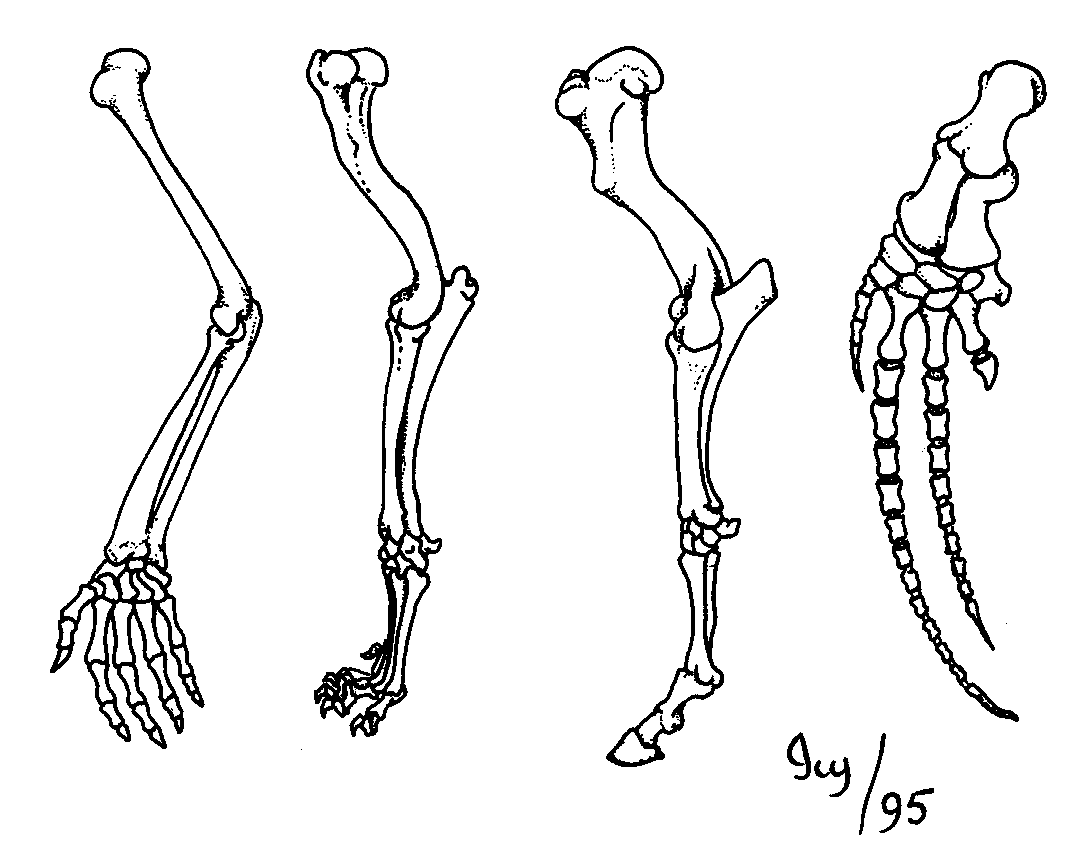
Structures with the same parts have different functions; suggests that organisms share a common ancestry
a)
vestigial structures
b)
homologous structures
c)
adaptive radiation
d)
fossil
26.

If an organism has a vestigial structure, that structure likely once had a function in a(n)
a)
close relative
b)
early ancestor
c)
unrelated organism
d)
embryological stage
27.

Some organisms that share a common ancestor have features that have different functions, but similar structures. These are known as
a)
vestigial structures
b)
analogous structures
c)
homologous structures
d)
fossil structures
28.

Study of embryos of various organisms to show a common ancestor because of similarities in development
a)
natural selection
b)
embryology
c)
speciation
d)
evolution
29.
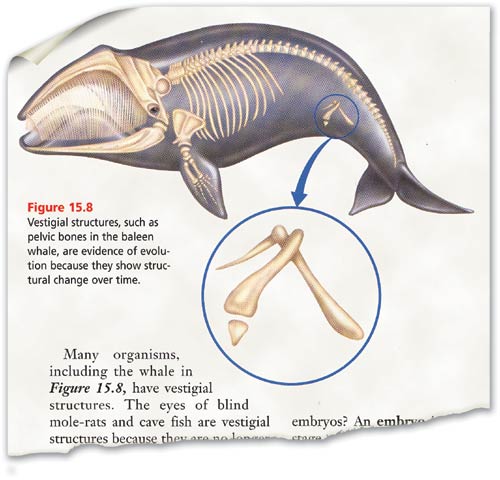
Which of the following is an example of a vestigial structure?
a)
the wings of a red-tailed hawk
b)
the hind limbs of a house cat
c)
the fins of sharks
d)
the tailbone of a human
30.

What type of structures are these?
a)
homologous
b)
vestigial
c)
analogous
d)
fossil
31.
Structures that have the same function but different structures are...
a)
homologous structures
b)
analogous structures
c)
vestigial structures
d)
embryology
32.

Which layer is the oldest
a)
B
b)
A
c)
E
d)
C
33.

The diagram shows fossils in different rock layers. Which of these statements about the age of these fossils is most likely correct?
a)
Fossil A and C are the same age
b)
Fossil B is older than fossil C
c)
Fossils A is older than fossil B
d)
Fossil D is older than fossil C
34.
If two organisms have similar traits of DNA they are probably
a)
share a common ancestor
b)
share a common environment
c)
share a common population
d)
speciation
35.

Which best describes these fossils?
a)
The oldest fossils can be found on the lower layers
b)
The oldest fossils can be found at the top layers
c)
The youngest fossils are always found on the bottom layers
d)
You can not tell the age of any of these fossils
36.
Whales are aquatic mammals that contain a pelvis bone. Even though it does not aid in its movement, the function must have been used by a common ancestor of the whale. Thus, the pelvis is referred to as a(n)
a)
vestigial structure
b)
analogous structure
c)
homologous structure
37.
If species A and B have very similar genes and proteins, what is probably TRUE?
a)
species A and B share a relatively recent common ancestor
b)
species A evolved independently of species B for a long period
c)
species A is younger than species B
d)
species A is older than species B
38.
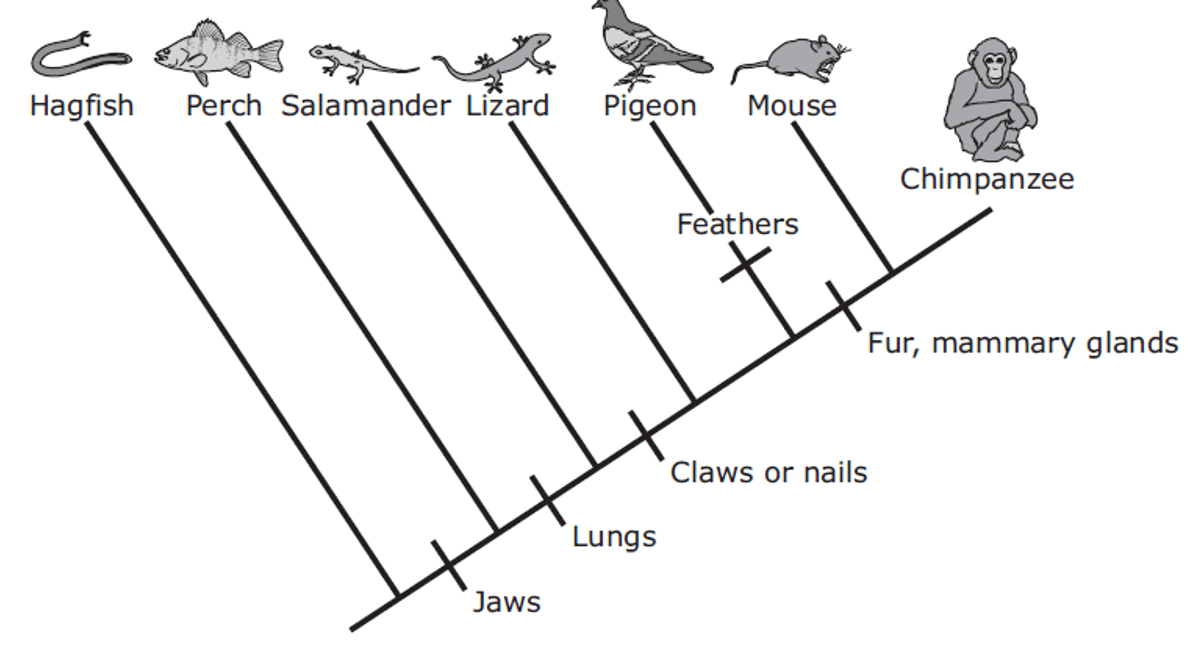
All the animals to the right of the hagfish would have the common characteristic of -
a)
Fur
b)
Claws or nails
c)
Lungs
d)
Jaws
39.

According to this cladogram, birds are LEAST related to -
a)
Amphibians
b)
Sharks
c)
Ray Finned Fish
d)
Crocodiles
40.
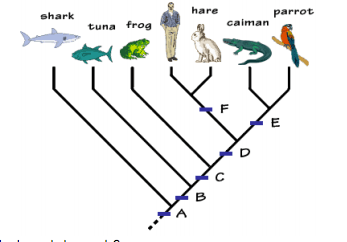
On the cladogram, which organism is the closest relative of the human?
a)
Frog
b)
Hare
c)
Caiman
d)
Parrot
41.

Which trait do only humans have, according to the cladogram?
a)
jaws
b)
mammary glands & hair
c)
terrestrial during all life stages
d)
opposable thumbs
42.

According to the cladogram, which organism is most distantly related to the human?
a)
crayfish
b)
rat
c)
perch
d)
frog
43.

If an organism has a vestigial structure, that structure likely once had a function in a(n)
a)
close relative
b)
early ancestor
c)
unrelated organism
d)
embryological stage
44.
Structures that have the same function but different structures are...
a)
homologous structures
b)
analogous structures
c)
vestigial structures
d)
embryology
45.
The diagram shows fossils in different rock layers. Which of these statements about the age of these fossils is most likely correct?
a)
Fossil A and C are the same age
b)
Fossil B is older than fossil C
c)
Fossils A is older than fossil B
d)
Fossil D is older than fossil C
46.
Which layer is the oldest
a)
B
b)
A
c)
E
d)
C
47.

What kind of evidence for evolution is shown in this image?
a)
fossil evidence
b)
anatomical evidence
c)
molecular biology
48.

The Table below shows the # of differences in amino acids in a protein called “Cytochrome C” when comparing humans to other organisms. The protein is used by many plants and animals to convert energy in cells.
List the 4 closest human relatives based on this biochemical comparison.
List the 4 closest human relatives based on this biochemical comparison.
a)
chimpanzee, horse, rattlesnake, snapping turtle
b)
chimpanzee, gorilla, rhesus monkey, horse
c)
fruit fly, bread mold, tuna fish, snapping turtle
d)
gorilla, rhesus monkey, rattlesnake, gorilla
49.

List the 4 most distant relatives based on this biochemical comparison.
a)
bread mold, snapping turtle, gorilla, fruit fly
b)
bread mold, tuna fish, rhesus monkey, rattlesnake
c)
bread mold, gorilla, horse, chimpanzee
d)
bread mold, fruit fly, tuna fish, snapping turtle
50.
As a population grows, it will most likely stop growing at what size?
a)
Growth limit
b)
Exponential limit
c)
Carrying Capacity
d)
It won't stop growing
51.
Which kind of growth does the human population follow? It is described as a J-shaped curve.
a)
Exponential Growth
b)
Logistic Growth
c)
Outstanding Growth
d)
Minimal Growth
52.
A population is...
a)
A group of one species in one area
b)
Multiple species that live in one area
c)
All of the living and nonliving things in an area
d)
None of these
53.

What is the carrying capacity of the following graph?
a)
1000
b)
8000
c)
800
d)
600
54.

This is an image of a _________.
a)
consumer
b)
scavenger
c)
decomposer
d)
producer
55.

What does a food web represent?
a)
All connections of energy flow throughout all organisms in a habitat.
b)
The specific ways that mutualism is carried out.
c)
A single pathway or energy flow between organisms.
d)
How carnivores get their food.
56.

The image provided is an example of a(n):
a)
Carnivore
b)
Herbivore
c)
Producer
d)
Autotroph
57.
What does a food web represent?
a)
All connections of energy flow throughout all organisms in a habitat.
b)
The specific ways that mutualism is carried out.
c)
A single pathway or energy flow between organisms.
d)
How carnivores get their food.
58.
The nonliving aspects of an ecosystem.
a)
Abiotic factors
b)
Biotic factors
59.
The living portions of the ecosystem.
a)
Biotic factors
b)
Abiotic factors
60.
Water temperature would be an example of ...
a)
A biotic factor
b)
An abiotic factor
61.
A collection of organisms that belong to different populations but all live in the same area and interact with one another.
a)
Population
b)
Ecosystem
c)
Community
d)
Ecosphere
62.
An organism that eat's plants and meat.
a)
herbivore
b)
omnivore
c)
carnivore
d)
detrivore
63.
All the individuals of the same species in a certain area are termed a(n)
a)
species
b)
population
c)
community
d)
ecosystem
64.
All the populations that live together in an area make up a
a)
species
b)
population
c)
community
d)
ecosystem
65.
The portion of the planet where life exists is termed the
a)
ecology
b)
biomes
c)
ecosystem
d)
biosphere
66.
What is the original source of almost all energy in most ecosystems?
a)
carbohydrates
b)
sunlight
c)
water
d)
carbon
67.
An organism that produces its own food supply
a)
heterotroph
b)
consumer
c)
detritivore
d)
autotroph
68.

The rabbit in this food web would be considered a:
a)
Decomposer
b)
Producer
c)
Secondary Consumer
d)
Primary Consumer
69.

Based on the food web, which shows correctly the one way that energy flows?
a)
Plant -->Rat -->Owl
b)
Plant <--Rat <-- Owl
70.

The fox in this food web would be considered a:
a)
Tertiary Consumer
b)
Producer
c)
Secondary Consumer
d)
Primary Consumer
71.
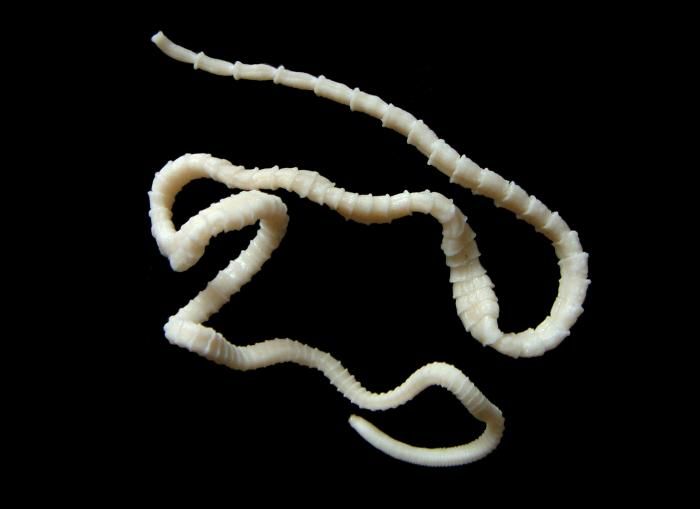
A tapeworm and a cat have this type of relationship.
a)
mutualism
b)
parasitism
c)
commensalism
d)
competition
72.

Cattle egrets forage (feed) in fields among cattle. The egret gets easy access to flying insects stirred up by the cattle, and the cattle don't care if they are there or not.
a)
mutualism
b)
commensalism
c)
competition
d)
parasitism
73.
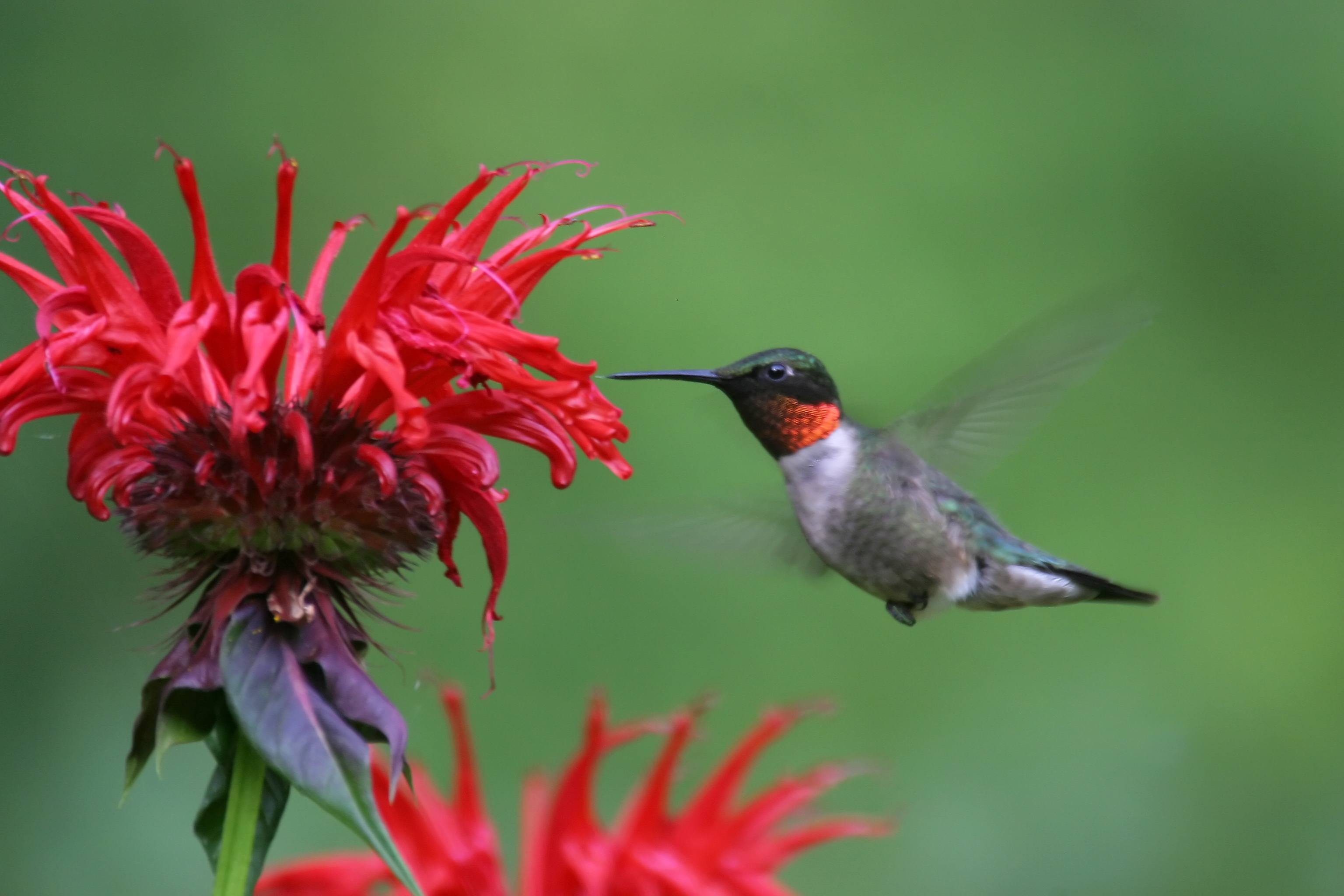
What type of symbiosis? Hummingbirds feed on nectar from flowers. The flowers are pollinated by hummingbirds as they move from flower to flower.
a)
commensalism
b)
mutualism
c)
parasitism
d)
predation
74.
What type of symbiosis? Hummingbirds feed on nectar from flowers. The flowers are pollinated by hummingbirds as they move from flower to flower.
a)
commensalism
b)
mutualism
c)
parasitism
d)
predation
75.
Which type of symbiosis is beneficial for both species involved?
a)
Predation
b)
Mutualism
c)
Competition
d)
Commensalism
76.
In mutualism
a)
both species benefit
b)
one species is killed
c)
both species fight for something
d)
one species is unaffected
77.
In parasitism
a)
Both species benefit
b)
One species is harmed
c)
Species fight for something
d)
One species is unaffected
78.

In the energy pyramid here, which organisms have the most energy available?
a)
Producers
b)
Carnivores
c)
Herbivores
d)
Top Predator
79.

In the energy pyramid here, how much of the energy is able to be used by the next level?
a)
80%
b)
90%
c)
10%
d)
20%
80.
The many overlapping food chains in an ecosystem make up a(n)__________.
a)
food web
b)
niche
c)
energy pyramid
d)
feeding level
81.
In going from one trophic level to the next higher level,
a)
the number of organisms increases.
b)
the amount of usable energy increases.
c)
the amount of usable energy decreases.
d)
diversity of organisms increases.
82.
Humans are affecting the carbon cycle by
a)
burning fossil fuels.
b)
destroying vegetation that absorbs carbon dioxide.
c)
using electrical labor-saving devices.
d)
All of the above
83.
A Shark eats nemo
a)
Predator
b)
Mutualism
c)
Commensalism
d)
Parasitism
84.
Sea anemones provide shelter for clown fish
a)
Parasitism
b)
Commensalism
c)
Mutualism
d)
Predator
85.
If resources are not available to a poulation then the population will
a)
increase in size
b)
live in a clumped pattern
c)
have competition and death
d)
have little genetic diversity
86.

Why were some insects able to survive the pesticide?
a)
they were carnivores
b)
they were abiotic
c)
they were producers
d)
they were resistant to the pesticide
87.

These organisms all show__________
a)
variation
b)
different species
c)
abiotic factors
d)
embryology
88.

What do the dips show in the graph?
a)
rapid growth
b)
growing diversity
c)
mass extinctions
Reset

