
Font size
S
M
L
XL
 Worksheets
5th Grade Science EOY Assessment
Total questions: 100
Worksheet time: 3hrs 15mins
Name
Class
Date
1.
True or False: All parts of the system of Earth are interconnected
a)
True
b)
False
2.
Bio means...
a)
ground/land
b)
life
c)
water
d)
air
3.
Earth is a system made of a biosphere ONLY
a)
True
b)
False, also geosphere, hydrosphere, and atmosphere
4.
This system contains all life on earth
a)
atmosphere
b)
geosphere
c)
biosphere
d)
hydrosphere
5.
A group of parts working together is a...
a)
biosphere
b)
geosphere
c)
hydrosphere
d)
system
6.
Where can life on Earth be found?
a)
sky
b)
land
c)
ocean
d)
all of the above
7.
Which of these is NOT an example of life on Earth?
a)
rock
b)
plants
c)
animals
d)
fungi
8.
This subsystem contains all Earth's water on the surface, beneath the surface, and in the air
a)
hydrosphere
b)
geosphere
c)
atmosphere
d)
biosphere
9.
True or False: The hydrosphere includes solid, liquid, and gaseous water
a)
True
b)
False
10.
Which is NOT considered part of the hydrosphere?
a)
oceans
b)
lakes
c)
soil
d)
glaciers
11.
Water covers 50% of the surface of Earth
a)
True
b)
False, it covers over 70% of the surface of Earth
12.
Why does the amount of water on Earth not change over time?
a)
photosynthesis
b)
water cycle
c)
energy
13.
This occurs when water evaporates into the air, condenses into clouds, and precipitates down to Earth
a)
The Water Cycle
b)
Energy
c)
System
14.
Water droplets fall from the atmosphere in the form of rain, sleet, snow, or hail
a)
Precipitation
b)
Condensation
c)
Evaporation
d)
Run off
15.
Water vapor in the atmosphere cools, becoming liquid
a)
Evaporation
b)
Run off
c)
Precipitation
d)
Condensation
16.
Liquid water (in oceans, lakes, ponds, and other bodies of water) becomes a gas when it is heated
a)
Run off
b)
Precipitation
c)
Condensation
d)
Evaporation
17.
Precipitation that is not absorbed by the land/soil travels to the ocean
a)
Run off
b)
Evaporation
c)
Condensation
d)
Precipitation
18.
True or False: Only 2.5% of Earth's water is fresh
a)
True
b)
False
19.
Freshwater is found in...
a)
Glaciers
b)
Groundwater
c)
Surface water
d)
All of the above
20.
This type of water is large chunks of thick ice formed when layers of snow build up on each other and are compressed, not usable for a long time, and traps freshwater
a)
Glacier
b)
Groundwater
c)
Surface Water
d)
Saltwater
21.
This type of water gets underground by soaking into the soil or between rock layers
a)
Salt water
b)
Glacier
c)
Groundwater
d)
Surface water
22.
This type of water is found as lakes, ponds, and rivers
a)
Glaciers
b)
Groundwater
c)
Salt water
d)
Surface water
23.
This water makes up 97.5% of Earth's water and supports about 50% of Earth's species
a)
Groundwater
b)
Saltwater
c)
Surface Water
d)
Glaciers
24.
This subsystem contains all the rocks, minerals, and ground of Earth
a)
Biosphere
b)
Geosphere
c)
Hydrosphere
d)
Atmosphere
25.
True or False: The geosphere ONLY includes solid and liquid rock above Earth's surface
a)
True
b)
False: Includes solid and liquid rock below Earth's surface too
26.
The physical or chemical breakdown of rocks and minerals into smaller pieces on Earth's surface is...
a)
Erosion
b)
Weathering
c)
Deposition
27.
The process of moving rock/soil particles (known as sediment) due to wind, water, gravity, or other forces
a)
Weathering
b)
Erosion
c)
Deposition
28.
The process of moving eroded sediment to another location, ending the process of erosion
a)
Deposition
b)
Weathering
c)
Erosion
29.
This is an area of low land surrounded by high land. When gravity pulls water downhill, water erodes soil and valleys are formed
a)
Canyon
b)
Breakage
c)
Valley
d)
Delta
30.
This is a large deep valley where water wears away rock
a)
Canyon
b)
Valley
c)
Delta
d)
Breakage
31.
This is a fan-shaped landform at the end of a river, which contain and carry sediments
a)
Breakage
b)
Canyon
c)
Delta
d)
Valley
32.
Water freezes in rocks
a)
Breakage
b)
Valley
c)
Canyon
d)
Delta
33.
True or False: If a sediment hits a rock, it wears it down
a)
True
b)
False
34.
A large rolling hill of sand usually found on the coasts of oceans
a)
Valley
b)
Sand Dune
c)
Delta
d)
Breakage
35.
All of these are considered part of the geosphere EXCEPT...
a)
lava
b)
rocks
c)
mountains
d)
plants
36.
This subsystem contains the air around the Earth
a)
Atmosphere
b)
Biosphere
c)
Geosphere
d)
Hydrosphere
37.
True or False: The atmosphere is made up of gases, known as air
a)
True
b)
False
38.
True or False: Water can exist in the atmosphere as water vapor, rain, snow, clouds, and fog
a)
True
b)
False
39.
True or False: Clouds are made of tiny droplets of liquid water or ice crystals
a)
True
b)
False
40.
True or False: Water vapor rises after it evaporates from a body of water
a)
True
b)
False
41.
Heat ______________ as water vapor rises, causing the particles to slow down
a)
Increases
b)
Decreases
42.
The particles of water form around dust/ice in the _______________
a)
atmosphere
b)
biosphere
c)
geosphere
d)
hydrosphere
43.
Ozone (O3) is found mainly in a layer of the atmosphere called the...
a)
Ozone layer
b)
Atmosphere
c)
Hydrosphere
44.
True or False: The ozone layer protects plants/animals from getting too much of ultraviolet (UV) rays
a)
True
b)
False
45.
Electrical power produced by falling water that turns a turbine generator is...
a)
Geothermal energy
b)
Hydroelectric power
c)
Alternative energy source
d)
Energy
46.
Energy that comes from the sun is...
a)
Environment
b)
Alternative energy source
c)
Energy source
d)
Solar energy
47.
The origin of a form of energy is...
a)
Energy source
b)
Energy efficient
c)
Solar energy
d)
Hydroelectric power
48.
True or False: Fossil fuels are the energy source for most cars
a)
True
b)
False
49.
True or False: The sun is the energy source for plant growth
a)
True
b)
False
50.
A nontraditional source of energy that is not from fossil fuels is...
a)
Geothermal energy
b)
Environment
c)
Alternative energy source
d)
Energy-efficient
51.
Which of these is an alternative energy source?
a)
Coal
b)
Solar power
c)
Gasoline
52.
A natural, renewable energy resource produced by Earth's naturally occurring heat, steam, and hot water; energy from the heat in Earth's crust
a)
Alternative energy source
b)
Solar energy
c)
Environment
d)
Geothermal energy
53.
All the living and nonliving things that surround an organism
a)
Environment
b)
Solar energy
c)
Energy source
d)
Hydroelectric power
54.
Using less energy is known as...
a)
Solar energy
b)
Alternative energy source
c)
Energy efficient
d)
Environment
55.
The ability to do work or cause change; the ability to move an object some distance
a)
Energy
b)
Energy source
c)
Energy efficient
d)
Solar energy
56.
Materials found on earth in the environment; used for everything you see
a)
Alternative energy source
b)
Hydroelectric power
c)
Energy
d)
Natural resources
57.
An example of how a resource can be used as it is:
a)
Electricity
b)
Making paper
c)
Drinking water
58.
True or False: Wind, wood, sand, coal, water, minerals, plants, animals, and soil are all examples of natural resources
a)
True
b)
False
59.
True or False: Resources can ONLY be used as they are.
a)
True
b)
False
60.
Natural resources can be used for energy
a)
True
b)
False
61.
What happens when wood is burned?
a)
Heat energy created to cook food
b)
Run generators to create electricity
c)
Produces electricity
62.
What happens when coal, oil, or natural gas are burned?
a)
Run generators to create electricity
b)
Produces electricity
c)
Heat energy to cook food
63.
What happens when water is released with pressure?
a)
Produces electricity
b)
Heat energy to cook food
c)
Run generators to create electricity
64.
True or False: Resources can be renewable and nonrenewable
a)
True
b)
False
65.
These resources can be replaced over short periods of time
a)
Nonrenewable
b)
Renewable
66.
Which of these is NOT a renewable resource?
a)
Sun
b)
Fossil fuels
c)
Water
d)
Trees
67.
Renewable energy is produced by...
a)
Nonrenewable resources
b)
Renewable resources
68.
An example of a nonrenewable resource is:
a)
Trees
b)
Wind
c)
Heat underground
d)
Fossil fuels
69.
Energy sources that come from the decay of organisms buried in sediments that are pressed tightly together for millions of years at high temperatures are...
a)
Hydroelectric power
b)
Fossil fuels
c)
Geothermal energy
d)
The environment
70.
Which of these is a disadvantage of alternative energy?
a)
Most sources are renewable
b)
Space/resources are not always available
c)
Creates less pollution
d)
Can save money long term
71.
True or False: Conservation practices are ways people try to protect and save Earth's resources
a)
True
b)
False
72.
Which of these is an advantage of alternative energy?
a)
Can be obtained locally
b)
Need to set up new systems
c)
Can be expensive to set up
d)
Environmental impact varies
73.
A force that affects everything in the universe that has mass is
a)
gravity
b)
mass
c)
acceleration
74.
True or False: Gravity holds you to Earth's surface
a)
True
b)
False
75.
True or False: All objects on or near Earth's surface are pulled to the center
a)
True
b)
False
76.
Earth holds the moon in orbit because of its...
a)
mass
b)
gravity
c)
mass & gravity
77.
As distance between objects decreases, gravity...
a)
decreases
b)
increases
78.
Force of gravity increases as mass...
a)
Increases
b)
Decreases
79.
The study of objects in space is...
a)
biology
b)
alternative energy
c)
astronomy
80.
True or False: A galaxy is a collection of ONLY stars bound together by gravity
a)
True
b)
False- stars, gas, and dust
81.
True or False: There are billions of galaxies with billions of stars
a)
True
b)
False
82.
The Sun and its planets lie in the ______________ galaxy
a)
Energy
b)
Milky Way
c)
Comet
83.
A massive ball of gas that gives off heat, light, and other forms of radiation is a
a)
Star
b)
Earth
c)
Mars
d)
Galaxy
84.
Why does the Sun appear larger and brighter than other stars?
a)
It is close to us
b)
It is far away
85.
True or False: The sun is the brightest star
a)
True
b)
False
86.
True or False: A star's brightness depends on its distance from Earth
a)
True
b)
False
87.
Stars are classified by:
a)
Color
b)
Size
c)
Distance
d)
Color, size, and distance
88.
As distance from Earth increases, brightness...
a)
Decreases
b)
Increases
89.
As distance from Earth decreases, brightness...
a)
Increases
b)
Decreases
90.
When our side of Earth is exposed to the sun, we experience...
a)
Daytime
b)
Nighttime
91.
Earth is tilted on its
a)
axis
b)
side
c)
oval
d)
pole
92.
How long does it take for the Earth to go once around its axis?
a)
12 hours
b)
24 hours
c)
1 week
d)
1 year
93.
How long does earth's revolution around the sun take?
a)
1 year
b)
1 day
c)
1 month
d)
4 years
94.
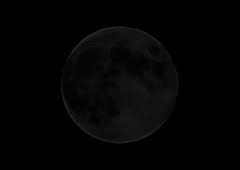
Name the moon phase
a)
First Quarter
b)
Last Quarter
c)
New Moon
d)
Full Moon
95.
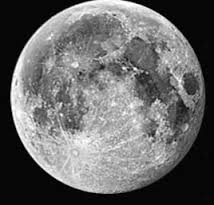
Name the moon phase
a)
First Quarter
b)
Last Quarter
c)
New Moon
d)
Full Moon
96.
The moon revolves around the...
a)
Earth
b)
Sun
97.
Phases of the moon in which the moon appears to be getting larger are referred to as _.
a)
waxing
b)
waning
c)
new
d)
eclipse
98.
As the moon's shape appears to get smaller, we say that the moon is _.
a)
swelling
b)
waxing
c)
waning
d)
disappearing
99.
During the phases of the Moon, the Moon appears to change shape. This change in appearance is due to the Moon...
a)
physically changing size and shape.
b)
moving closer and then farther away from Earth.
c)
reflecting a different amount of light due to alignment with Earth and the Sun.
d)
having craters on its surface.
100.
How much of the moon is always lit?
a)
can't tell
b)
always changes
c)
half
d)
3/4
Reset

