
 Worksheets
10PE | Semester 1 Revision
Total questions: 60
Worksheet time: 30mins
Name
Class
Date
1.

Identify this muscle shown.
a)
Hamstring
b)
Tricep
c)
Quadricep
d)
Gastrocnemius
2.
You use this muscle to adduct your arms together in front of your chest.
a)
Latissimus Dorsi
b)
Abdominals
c)
Pectoralis major
d)
Deltoid
3.
Which of the following types of tissue are involuntary.
a)
Smooth Muscle
b)
Cardiac Muscle
c)
Skeletal Muscle
d)
Smooth & cardiac muscle
4.
Which types of muscle tissue are voluntary?
a)
Cardiac
b)
Skeletal
c)
Smooth
d)
Cardiac and Smooth
5.
Which of the following is NOT a function of the muscular system?
a)
Movement
b)
Maintaining Posture
c)
Generating Heat
d)
Protection
6.

Identify this muscle shown.
a)
Deltoid
b)
Trapezius
c)
Latissimus Dorsi
d)
Erector Spinae
7.

Identify this muscle shown.
a)
Tricep
b)
Trapezius
c)
Bicep
d)
Hamstring
8.
An example of a locomotive skill is:
a)
basketball pivot
b)
throwing a dart
c)
running
d)
bowling in cricket
9.
An example of a fine motor skill is:
a)
Kicking a football
b)
Throwing a dart
c)
Rowing
d)
Triple jump
10.
An example of an open skill is:
a)
100m sprint
b)
Vault in gymnastics
c)
Throwing a dart
d)
Saving a penalty in soccer
11.
An example of closed skill is:
a)
Goalkeeping in hockey
b)
Serving in tennis
c)
Defending in soccer
d)
Tackling in AFL
12.
An example of a manipulative skill is:
a)
Throwing a baseball
b)
Running
c)
Swimming
d)
Walking
13.
What is a fine motor skill or movement?
a)
Involves a small number of muscles and accurate movements
b)
Involves many muscles and a large degree of force
c)
Movements of brief duration
d)
Internally paced or timed movements
14.
An example of a gross motor skill is:
a)
High jump
b)
Basketball free throw
c)
Throwing a dart
d)
Writing
15.
An example of a discrete movement is:
a)
Running
b)
Rowing
c)
Triple jump
d)
Penalty kick
16.
Which of the following is NOT a role and responsibility of a coach:
a)
Educator
b)
Teacher of new skills
c)
Positive role model
d)
Driving you to the game or match
17.
Which of the following are characteristics of the casual coaching style:
a)
Loosely planned training sessions
b)
Relaxed and almost detached approach
c)
Relies mostly on athlete input
d)
All of the above
18.
A coach that runs strict, well planned training sessions with little to no input from the players are:
a)
An authoritarian coach
b)
A democratic coach
c)
A casual coach
19.
What is the main qualities of an exemplary coach?
a)
Be enthusiastic and show enjoyment of coaching
b)
Does not matter how organised you are as long as you attend training
c)
Casual dress
d)
Be very strict regardless of the enjoyment the players are experiencing
20.
Which of the following is a characteristics of an authoritarian style coach:
a)
Training is not organised
b)
Training is decided by the coach and players
c)
The coach tells the players what to do and how to do it
d)
The coach acts more as a supervisor
21.
A characteristic of a casual coaching style is:
a)
Consults athletes and shares ideas
b)
Increase number and intensity of training sessions after losing games
c)
Training sessions are highly organised
d)
Coach is relaxed and somewhat detached from the players
22.
A benefit of democratic coaching is:
a)
The coach is relaxed
b)
The players are relaxed
c)
The players have input into the training sessions and would likely enjoy it more
d)
They will win more games
23.
Your collarbone is correctly know as your:
a)
Cranium
b)
Sternum
c)
Clavicle
d)
Humerus
24.
How many ribs (both true and false ribs) do we have?
a)
8
b)
10
c)
12
d)
14
25.
Anterior is located at:
a)
The back of the body
b)
Left of the midline
c)
Right of the midline
d)
Front of the body
26.
An example of a flat bone is:
a)
Scapula
b)
Radius
c)
Femur
d)
Phalanges
27.
Posterior is:
a)
Positioned at the front
b)
Positioned at the back
c)
Closer to the top of the body
d)
Closer to the midline of the body
28.
Which of the following is NOT a bone type:
a)
Flat
b)
Short
c)
Long
d)
Round
29.
Abduction is:
a)
Movement around an axis
b)
To bring closer to the midline of the body
c)
To move away from the midline of the body
d)
Making a cone-shaped movement
30.
Your patella is also known as your:
a)
Cheek bone
b)
Elbow
c)
Knee cap
d)
Collar bone
31.
What type of joint is our elbow?
a)
Hinge joint
b)
Ball and socket joint
c)
Pivot joint
d)
Free joint
32.
What muscle is responsible for raising your arms?
a)
Gluteus maximus
b)
Scapula
c)
Deltoid
d)
Abdominals
33.
Our skeletal muscle is connected to bones via:
a)
Cartilage
b)
Tendon
c)
Ligament
34.
An athlete with mostly slow twitch muscle fibres would likely be a:
a)
Sprinter
b)
Table tennis player
c)
Marathon runner
d)
Olympic snowboarder
35.
An example of a muscle type is:
a)
Smooth
b)
Rough
c)
Soft
d)
Hard
36.
Which muscle is responsible for extending the knee during a squat exercise?
a)
Hamstring
b)
Quadricep
c)
Gastrocnemius
d)
Bicep
37.
Where is the achilles tendon located?
a)
In the neck
b)
In the upper arm
c)
In our spine
d)
In the lower half of the leg
38.
The component of blood that aids the clotting process to prevent blood loss is:
a)
Plasma
b)
Platelets
c)
Red blood cells
d)
White blood cells
39.
Which chamber is responsible for pumping blood out of the heart?
a)
Ventricles
b)
Atrium
c)
Lungs
d)
Mitral valve
40.
If a person's stroke volume is 70ml/beat and their heart rate is 80bpm, what is their cardiac output?
a)
5.6 L/min
b)
5.6 mL/min
c)
560 L/min
d)
80 L/min
41.
Blood is carried away from the heart by the:
a)
Veins
b)
Arteries
c)
Capillaries
d)
Atrium
42.
Vasoconstriction is the:
a)
Process of widening blood vessels to increase blood flow
b)
The increase of heart rate
c)
Process of narrowing blood vessels to decrease blood flow
d)
Cardiac output
43.
An acute response of the cardiovascular system is:
a)
Increase in heart rate
b)
Delayed speech
c)
Fatigue
d)
Flexing
44.
Ventilation _____ = Tidal Volume (L) x Respiration Rate (br/min)
a)
ml/min
b)
L/sec
c)
L/min
d)
SV
45.
As we begin to exercise, there is a redistribution of blood flow that occurs. Less blood flows to the _______, and more blood flows to the ________.
a)
Muscle; stomach
b)
Brain; liver
c)
Stomach; muscle
d)
Muscle; bones
46.
The role of the cardiorespiratory systems is to supply _______, and remove _______.
a)
Carbon dioxide; oxygen
b)
Food; nutrients
c)
Oxygen; carbon dioxide
d)
Food; air
47.
Which of the following exercises is an example of an isometric contraction?
a)
Lunge
b)
Squat
c)
Sit up
d)
Plank hold
48.
Capillaries are responsible for:
a)
The exchange of gases (CO2 and O2)
b)
Carrying blood away from the heart
c)
Carrying blood to the heart
d)
Separating the food and air passageway
49.
Cardiac output is defined as:
a)
The amount of blood pumped around the body per beat
b)
The amount of blood pumped around the body per minute
c)
The number of times your heart beats in a minute
d)
The number of minutes your heart beats for
50.
Which component of blood is responsible for carrying oxygen around the body:
a)
White blood cells
b)
Red blood cells
c)
Platelets
d)
Plasma
51.
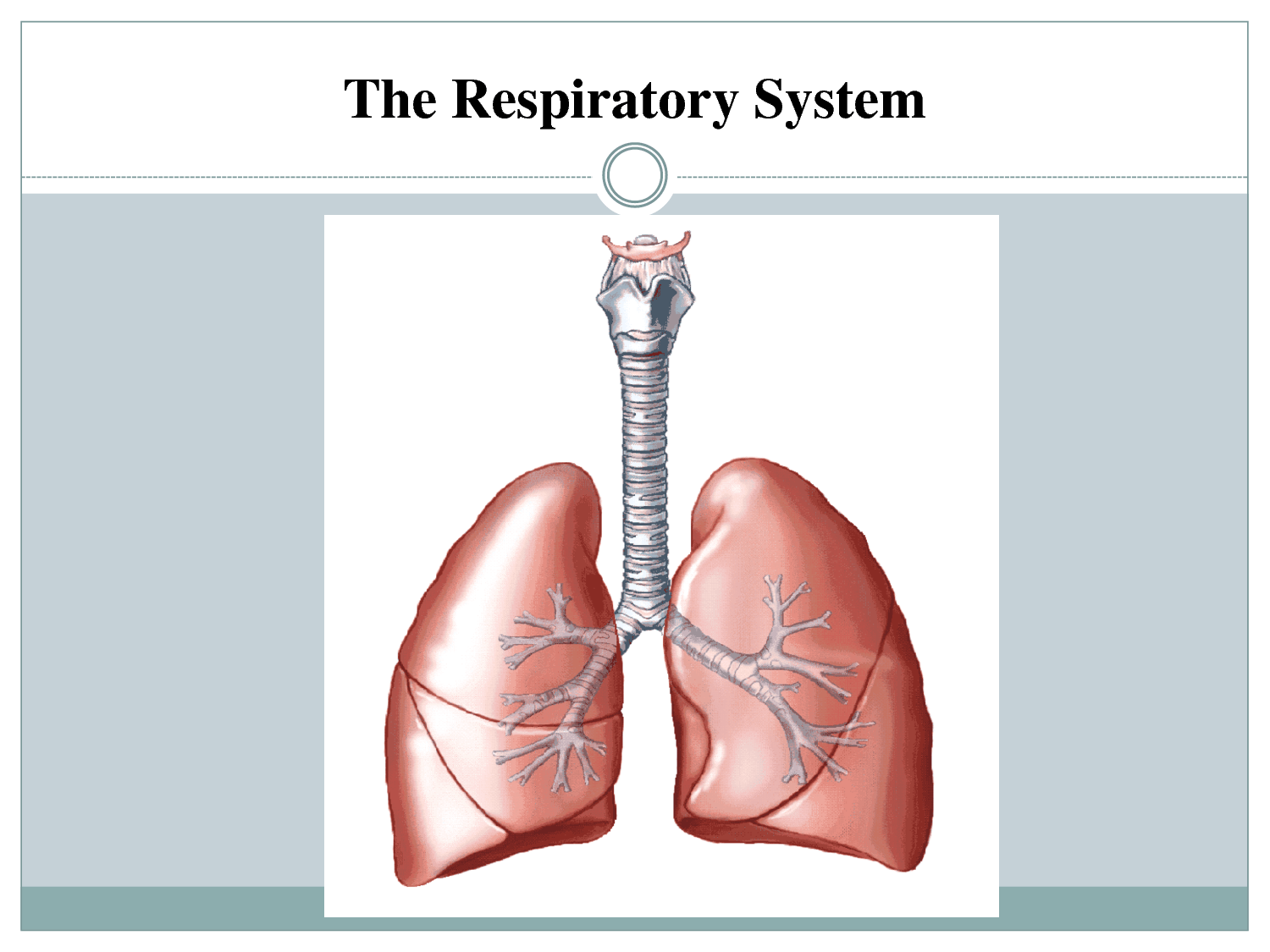
What is the main function of the respiratory system?
a)
to provide oxygen and remove carbon dioxide from the body
b)
to bring oxygen to the body
c)
to break down food and absorb nutrients
d)
to remove oxygen from the body and deliver carbon dioxide
52.
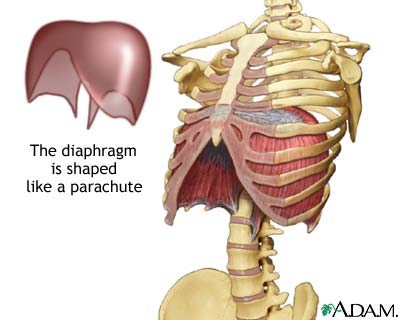
In order to breath in air, our diaphragm needs to...
a)
Isometric
b)
Relax
c)
Contract
d)
Be removed
53.
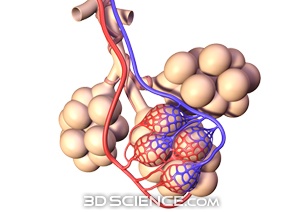
The air sacs that are covered with capillaries where gas exchange takes place is called...
a)
bronchi
b)
lungs
c)
oxygen
d)
alveoli
54.
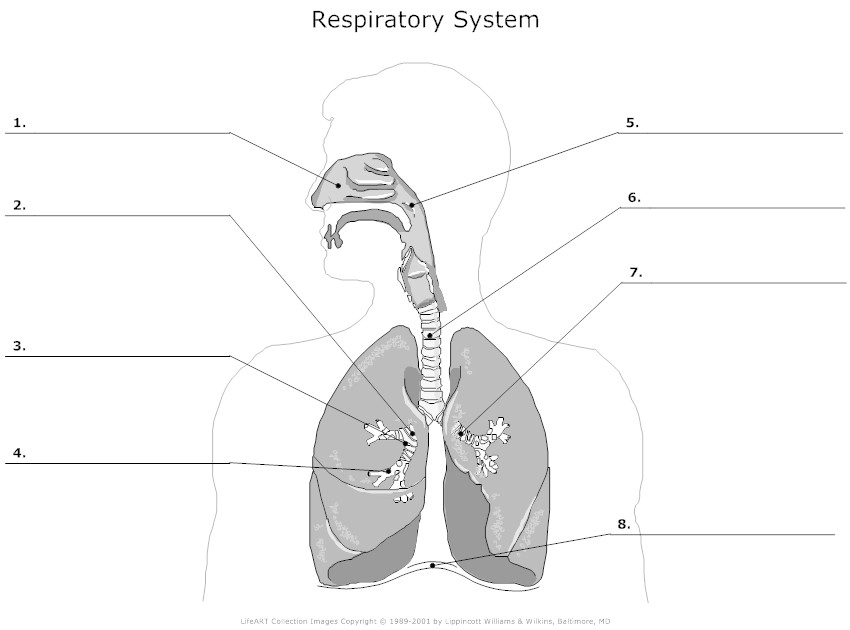
Name the structure labelled # 6.
a)
Alveoli
b)
Bronchi
c)
Trachea
d)
Lungs
55.
Name the structure labelled # 1.
a)
Nasal cavity
b)
Bronchi
c)
Trachea
d)
Lungs
56.
Name the structure labelled # 8.
a)
Lungs
b)
Bronchi
c)
Trachea
d)
Diaphragm
57.

What muscle is being shown here?
a)
Quadricep
b)
Hamstring
c)
Gluteus Maximus
d)
External Oblique
58.

What muscle is shown by the letter D?
a)
Tibialis anterior
b)
Pectoralis major
c)
Deltoid
d)
Quadricep
59.

What muscle is shown by the letter J?
a)
Frontalis
b)
Quadriceps
c)
Deltoids
d)
Pectoralis major
60.

What muscle is being shown here?
a)
Triceps
b)
Biceps
c)
Quadriceps
d)
Head
100 %

