
 Worksheets
Biomolecules Test Review (CA #1)
Total questions: 78
Worksheet time: 1hrs 15mins
Name
Class
Date
1.
Which of the following is NOT a biomolecule?
a)
Water
b)
Nucleic Acid
c)
Protein
d)
Lipid
2.
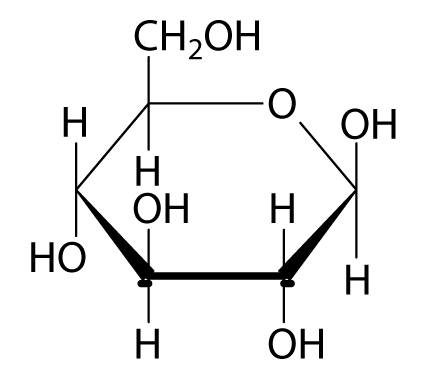
Identify the biomolecule
a)
Carbohydrate
b)
Lipid
c)
Protein
d)
Nucleic Acid
3.
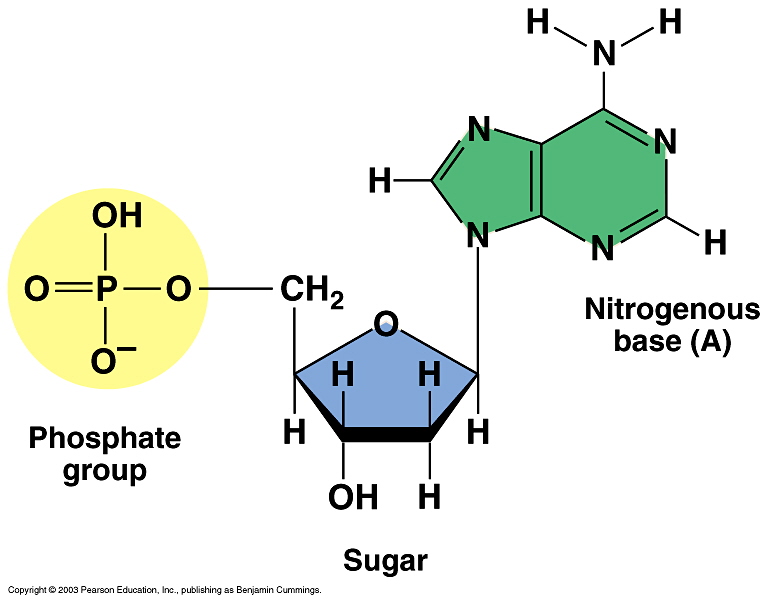
Identify the biomolecule
a)
Lipid
b)
Protein
c)
Carbohydrate
d)
Nucleic Acid
4.
A monomer is ...
a)
a single atom
b)
a building block for polymers
c)
a single element
d)
is an inorganic molecule
5.
What is the monomer for a protein?
a)
Monosaccharide
b)
Triglyceride
c)
Amino Acid
d)
Nucleotide
6.
The process that builds molecules by removing water to bind them together is
a)
Hydrolysis
b)
Protein Synthesis
c)
Dehydration Synthesis
d)
Lysis
7.
Which foods are high in protein?
a)
Meats, cheeses, milk, eggs
b)
Breads, pasta, grains
c)
Butter, oil, lard
d)
Apples, Bananas, Grapes
8.
What is the functions of lipids?
a)
Quick source of energy
b)
Builds muscles, skin, enzymes
c)
Stores genetic information
d)
Stores energy, insulation, protection
9.
Which of the following is an example of a nucleic acid?
a)
Glucose
b)
Phospholipid
c)
Enzymes
d)
DNA
10.

Identify the biomolecule
a)
monosaccharide
b)
disaccharide
c)
polysaccharide
d)
glycogen
11.

Identify the biomolecule
a)
Protein
b)
Lipid
c)
Carbohydrate
d)
Nucleic Acid
12.
What is the function of a nucleic acid?
a)
Stores genetic information
b)
Stores energy
c)
Quick source of energy
d)
Builds structures
13.

This biomolecule would be used for
a)
Building enzymes
b)
Storing energy
c)
Key source of energy
d)
Storing genetic information
14.
Lipids are made of
a)
monosaccharides
b)
amino acids
c)
glycerol and 3 fatty acids
d)
nucleotides
15.
What does the word organic mean?
a)
has nitrogen
b)
has sulfur
c)
has carbon
d)
has oxygen
16.
Nucleotides are monomer for
a)
Nucleic Acids
b)
Proteins
c)
Carbohydrates
d)
Lipids
17.
Which biomolecule contains fats, oils, and waxes?
a)
Proteins
b)
Nucleic Acid
c)
Lipids
d)
Carbohydrate
18.
Steroids are a type of ________.
a)
Nucleic Acid
b)
Lipid
c)
Cholesterol
d)
Protein
19.
What do monomers do?
a)
Bonds to make a Polymer
b)
Creates Protiens
c)
Stores energy
d)
Splits to make more cells
20.
four most common elements that make up all living things are carbon, hydrogen,
a)
nitrogen, and iron.
b)
oxygen, and nitrogen.
c)
calcium, and phosphorus.
d)
oxygen, and iron.
21.
Which biomolecule is your main source of energy?
a)
Nucleic Acid
b)
Protein
c)
Lipid
d)
Carbohydrate
22.
Which biomolecule is made of amino acids?
a)
Nucleic Acid
b)
Carbohydrate
c)
Protein
d)
Lipid
23.
Which biomolecule contain your genetics?
a)
Carbohydrate
b)
Lipid
c)
Nucleic Acid
d)
Protein
24.
Which biomolecule has sugars and starches?
a)
Lipids
b)
Proteins
c)
Carbohydrates
d)
Nucleic Acid
25.
Which biomolecule is responsible for insulation and energy storage?
a)
Protein
b)
Nucleic Acid
c)
Lipid
d)
Carbohydrate
26.
Which biomolecule helps form muscles?
a)
Nucleic Acid
b)
Carbohydrate
c)
Protein
d)
Lipids
27.
Which biomolecule is made of nucleotides and contain you DNA?
a)
Carbohydrate
b)
Lipids
c)
Protein
d)
Nucleic Acid
28.
Which biomolecule is also known as enzymes?
a)
Carbohydrate
b)
Lipid
c)
Nucleic Acid
d)
Protein
29.
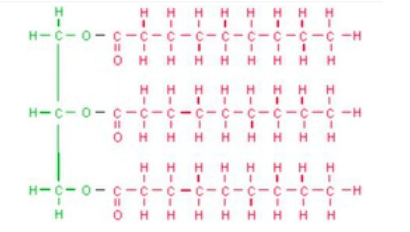
Which biomolecule is this a picture of?
a)
Protein
b)
Nucleic Acid
c)
Lipid
d)
Carbohydrate
30.
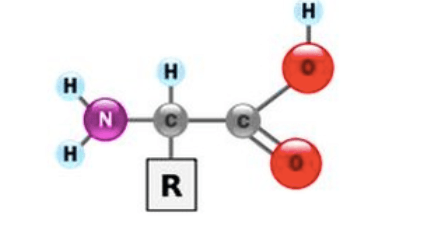
Which biomolecule is this a picture of?
a)
Protein
b)
Nucleic Acid
c)
Lipid
d)
Carbohydrate
31.
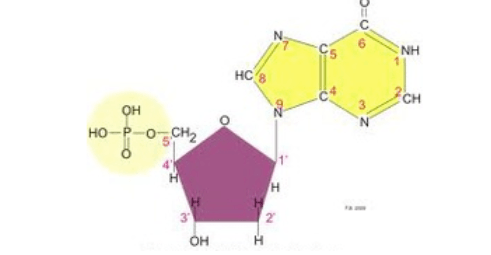
Which biomolecule is this a picture of?
a)
Protein
b)
Nucleic Acid
c)
Lipid
d)
Carbohydrate
32.
All polymers are made up of...
a)
monosaccharides
b)
monomers
c)
proteins
d)
None of these
33.
The general structure for a lipid can be described by which letter?
a)
F
b)
C
c)
E
d)
D
34.
Oils are which type of biomolecule?
a)
carbohydrates
b)
lipids
c)
nucleic acids
d)
proteins
35.
What is the function of a carbohydrate?
a)
Short term energy storage
b)
Movement
c)
Stores genetic information
d)
Speeds up reactions
36.

Glucose (sugar) is an example of a
a)
Carbohydrate
b)
Lipid
c)
Protein
d)
Nucleic Acid
37.

Glycerol and fatty acids combine to form...?
a)
Carbohydrates
b)
Lipids
c)
Proteins
d)
Nucleic Acids
38.

Amino acids combine to form which of the following biomolecule?
a)
Carbohydrates
b)
Lipids
c)
Proteins
d)
Nucleic Acids
39.

Proteins are long chains of amino acids that are held together by what kind of bond?
a)
Compound Protein Bond
b)
Double Bond
c)
Hydrogen Bond
d)
Peptide Bond
40.
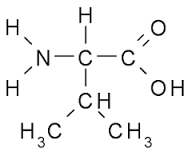
Carbon, Hydrogen, Oxygen and Nitrogen are elements in what biomolecule?
a)
Carbohydrate
b)
Lipid
c)
Protein
d)
Nucleic acid
41.
I am responsible for long term energy storage in mammals.
a)
Protein
b)
Lipid
c)
Carbohydrate
d)
Nucleic Acid
42.

All of the following are parts of a nucleotide except?
a)
Phosphate Group
b)
Nitrogen Base
c)
Amino Group
d)
Deoxyribose/Ribose sugar
43.
Which is a Carbohydrate's monomer?
a)
Sugar
b)
Amino acids
c)
Monosacharide
d)
Nucleotide
44.
Which is NOT a function for Lipids?
a)
Long term Energy Storage
b)
Chubify
c)
Insulation
d)
Cell Membrane
45.
Which of the following answers links a biomolecule with one of its proper functions?
a)
Lipids - Store genetic information
b)
Carbohydrates - short term energy storage
c)
Nucleic Acids - Catalyze reactions
d)
Proteins - long term energy storage
46.

What do disaccharides, such as sucrose, and polysaccharides, such as starch, have in common?
a)
They are lipids made of fatty acids.
b)
They are proteins made of amino acids.
c)
They are nucleic acids made of nucleotides.
d)
They are carbohydrates made of simple sugars.
47.
Glucose, fructose, sucrose and lactose all provide energy for the cell
a)
Carbohydrate
b)
Lipid
c)
Protein
d)
Nucleic Acid
48.
All living things contain what element?
a)
helium
b)
sodium
c)
copper
d)
carbon
49.
If you are looking for the quickest source of energy, you should eat a food that contains a high percentage of
a)
carbohydrates
b)
fat
c)
proteins
d)
sodium
50.
Many plants have waxy coatings on some surfaces. This coating reduces water loss because it's not water-permeable. What type of organicmolecule is it?
a)
carbohydrate
b)
lipid
c)
nucleic acid
d)
protein
51.
Which best represents a long term energy storage molecule in animals?
a)
cellulose
b)
cholesterol
c)
glycogen
52.

The diagram to the right best represents which class of biomolecules?
a)
Carbohydrate
b)
Lipid
c)
Protein
d)
Nucleic acid
53.

The diagram shown depicts which class of biomolecule?
a)
Carbohydrate
b)
Lipid
c)
Protein
d)
Nucleic acid
54.
Many single-celled organisms rely primarily on monosaccharides and disaccharides as their source of energy. Which class of biomolecules provides the energy for these cells?
a)
Carbohydrate
b)
Lipid
c)
Protein
d)
Nucleic acid
55.
You need a steady supply of amino acids in your diet to maintain a healthy body. In order to meet this need, you should make sure you eat enough of which class of biomolecule?
a)
Carbohydrate
b)
Lipid
c)
Protein
d)
Nucleic acid
56.
ATP is a member of which class of biomolecule?
a)
Carbohydrate
b)
Lipid
c)
Protein
d)
Nucleic acid
57.
Which type of compounds does NOT describe carbohydrates?
a)
lipids
b)
starches
c)
sugars
d)
polysaccharides
58.
Which is NOT a function of proteins?
a)
store genetic information
b)
build muscle
c)
work as enzymes to speed up chemical reactions
d)
help your immune system
59.
What is another word for biomolecule?
a)
chemical
b)
macromolecule
c)
inorganic
d)
biohemisphere
60.
A large molecule made up of many similar or identical subunits.
a)
lipids
b)
polymer
c)
monomer
d)
monosaccharide
61.
A series of amino acids linked in a linear fashion
a)
polymer
b)
triglyceride
c)
polypeptide
d)
carbohydrates
62.
Also known as simple sugars, these carbohydrate monomers.
a)
lipids
b)
nucleotide
c)
monosaccharide
d)
monomer
63.
An organic chemical that contains Nitrogen is....
a)
Protein
b)
Lipid
c)
Saccharide
d)
Carbohydrate
64.
Most fats come from...
a)
Cheese
b)
Animals
c)
Plants
d)
Fungi
65.

The process/reaction used to link compounds/monomers together. Releases water.
a)
Dehydration
b)
Hydrolysis
c)
Enzomatic
d)
Tetratonic
66.

The process used to split polymers; this is done by adding water
a)
Dehydration
b)
Hydrolysis
c)
Enzomatic
d)
Tetratonic
67.

The structure was formed by the reaction called
a)
Hydrolysis
b)
Dehydration
c)
Enzomatic
d)
Tetrotonic
68.

How was the structure in the image built?
a)
By adding 1 H2O
b)
By adding 2 H2O
c)
By removing 1 H2O
d)
By removing 2 H2O
69.
Produces water as a by-product
a)
Dehydration synthesis
b)
Hydrolysis
70.
Breaks up polymers, forming monomers
a)
Dehydration synthesis
b)
Hydrolysis
71.
Joins amino acids to form a protein
a)
Dehydration synthesis
b)
Hydrolysis
72.

Which category of nutrients do the calories in Mountain Dew come from?
a)
Fats
b)
Carbohydrates/sugars
c)
Proteins
73.

According to the list of ingredients, which ingredient is there the most of in Froot Loops?
a)
Vegetable Oil
b)
Sugar
c)
Corn Flour blend
d)
Impossible to know
74.

Which types of fat is good for you and how can you identify it?
a)
Unsaturated fat; mostly comes from plants and is liquid at room temp.
b)
saturated fat; an animal fat (butter, lard, etc.); solid at room temp.
c)
Trans fats; man made; usually solid at room temp
d)
All fats are terrible!
75.
Sugars and starches in food that provide a quick energy source come from which nutrient category?
a)
carbohydrates
b)
fats
c)
proteins
d)
vitamins and minerals
76.

how many grams of lipids are in 1 serving (2tbsp)?
a)
100g
b)
12grams
c)
14grams
d)
7g
77.

How many carbohydrates are in 1 tbsp?
a)
14g
b)
7g
c)
12g
d)
7g
78.

How much protein is in a serving?
a)
170mg
b)
14g
c)
7g
d)
3.5g
100 %

