
 Worksheets
Integumentary System
Total questions: 64
Worksheet time: 41mins
Name
Class
Date
1.
What is not a layer of the epidermis?
a)
Stratum Corneum
b)
Stratum Basale
c)
Stratum Granulosum
d)
Dermis
2.
What is NOT a function of the skin?
a)
Eliminates Waste
b)
Produces Calcium
c)
Protects Body
d)
Maintains Body Temperature
3.
Which layer of the skin is made up of fatty tissue?
a)
epidermis
b)
dermis
c)
hypodermis
d)
hyperdermis
4.
What is the name of the pigmentation that produces a brownish-black pigment and is responsible for tanning of the skin?
a)
melanin
b)
carotene
c)
stratum corneum
d)
stretum germinativum
5.
What gland is responsible for keeping our hair soft and is a barrier for bacteria and fungi?
a)
Sudoriferous
b)
Sebaceous
c)
Melanin
d)
Carotene
6.
What is the name of tube that our hair grows from?
a)
Follicle
b)
Root
c)
Shaft
d)
Sebaceous
7.
What is the condition called when your skin is a yellowish tint?
a)
Jaundice
b)
Albino
c)
Cyanosis
d)
Erythema
8.
What is the purpose / function of the skin?
a)
protection
b)
temperature maintenance
c)
excretion and sensory reception
d)
all of the choices
9.
Which is the thin, most superficial layer of skin?
a)
Epidermis
b)
Dermis
c)
Hypodermis
10.
The epidermis is composed of _____.
a)
stratified squamous epithelium
b)
simple columnar epithelium
c)
adipose tissue
d)
connective tissue
11.
Which layer of the epidermis produces new skin cells?
a)
stratum germinativum
b)
stratum granulosum
c)
stratum corneum
d)
stratum lucidum
12.
Which layer of the epidermis do dead skin cells flake off of?
a)
stratum germinativum
b)
stratum granulosum
c)
stratum corneum
d)
stratum lucidum
13.
Where is thick skin located?
a)
palms
b)
scalp
c)
arms
d)
face
14.
Deepest layer of the integument that is made of elastic connective tissue and adipose tissue.
a)
epidermis
b)
dermis
c)
hypodermis
d)
hyperdermis
15.
Which layer contains accessory structures such as sweat glands, sebaceous glands, and hair follicles?
a)
epidermis
b)
dermis
c)
hypodermis
d)
hyperdermis
16.
Skin and eye color is due to a pigment called ____.
a)
Keratin
b)
Melanin
c)
Chromatin
d)
Epithelium
17.
Oil glands that are found all over the skin, except on the palms and soles, are called _____.
a)
merocrine glands
b)
sebaceous glands
c)
apocrine glands
d)
sweat glands
18.
Which vitamin is synthesized by the skin?
a)
A
b)
E
c)
K
d)
D
19.
Which is not an accessory organ of the skin?
a)
hair
b)
nails
c)
sebaceous glands
d)
melanin
20.

This gland releases an oil known as sebum.
a)
Sebaceous gland
b)
Apocrine gland
c)
Merocrine gland
d)
All of the choices
21.

Nails are made out of what?
a)
All of the choices
b)
Melanin
c)
Fibrin
d)
Keratin
22.

What is another name for the hypodermis?
a)
epidermis
b)
subcutaneous layer
c)
stratum corneum
d)
cutaneous layer
23.

Which of these events occur as a result of a decrease in body temperature?
a)
sweat is produced
b)
your nails turn red
c)
contraction of arrector pili muscles
d)
all of the choices
24.

The structure that holds the root of the hair firmly in place.
a)
Hair follicle
b)
Hair shaft
c)
Hypodermis
d)
Sweat pore
25.

To what layer of skin is letter "B" pointing?
a)
Epidermis
b)
Dermis
c)
Hypodermis
d)
Stratum Corneum
26.

To what structure is #3 pointing?
a)
Sweat gland and duct
b)
Hair follicle
c)
Arrector pili muscle
d)
Sebaceous gland
27.
Sebaceous glands secrete an oil for hair and skin called:
a)
keratin
b)
melanin
c)
cerumen
d)
sebum
28.
What is the primary cause of skin cancer?
a)
Exposure to laboratory radiation
b)
Exposure to direct sunlight
c)
use of chemical products such as makeup
d)
heredity
29.
What are hair and nails made of?
a)
Keratin
b)
Collagen
c)
Sebum
d)
Melanin
30.
What causes acne?
a)
clogged sebaceous glands
b)
clogged apocrine glands
c)
clogged merocrine glands
d)
clogged sweat glands
31.
The layer of the epidermis that is capable of dividing is
a)
Stratum basale
b)
Stratum corneum
c)
Stratum lucidum
d)
Stratum spinosum
32.
The protein that makes us "waterproof" is called
a)
keratin
b)
melanin
c)
carotene
d)
mucus
33.
The function of sebum is:
a)
Keeps skin soft and moist
b)
Help to regulate body temperature
c)
Produce vitamin D
d)
Protect skin from mechanical damage
34.
Goosebumps are caused by contractions of the ______ muscle
a)
Arrector pili
b)
Apocrine
c)
Eccrine
d)
Sebaceous
35.
This function of the skin allows the body to retain or lose heat.
a)
body temperature regulation
b)
storage
c)
excretion
d)
absorption
36.
This function of the skin allow the body to respond to pain, pressure, temperature, and sensation.
a)
production
b)
sensory perception
c)
body temperature regulation
d)
absorption
37.
This function of the skin serves as a barrier to the UV rays of the sun. It also holds in moisture to prevent deeper tissues from drying out.
a)
sensory perception
b)
body temperature regulation
c)
protection
d)
storage
38.
Heat escapes when blood vessels _________.
a)
constrict
b)
dilate
39.
Heat is retained when blood vessels ________.
a)
constrict
b)
dilate
40.
The skin tissues temporarily __________ fat, glucose, water, vitamins, and salts.
a)
regulates
b)
absorbs
c)
excretes
d)
stores
41.
The function that allows the body to eliminate salt, waste, and excess water and heat is :
a)
absorption
b)
excretion
c)
production
42.
Condition where there is an absence of color pigments:
a)
jaundice
b)
erythema
c)
albinism
43.
Disease which causes sudden hair loss
a)
Acne
b)
Alopecia
c)
Athlete's Foot
d)
Birthmark
44.
Fungal infection usually in the skin of toes and soles
a)
Athlete's Food
b)
Seborrhea
c)
Ulcer
d)
Urticaria
45.
Congenital blemish or spot on the skin, visible at birth or soon after
a)
Birthmark
b)
Impetigo
c)
Keloid
d)
Mole
46.
Bacterial Infection of the skin produced when bacteria enter a hair follicle
a)
Boil
b)
Carbuncle
c)
Cyst
d)
Derm
47.
Bacterial Infection that spreads into the subcutaneous tissues
a)
boil
b)
carbuncle
c)
cyst
d)
eczema
48.
Liquid filled sac
a)
cyst
b)
wart
c)
herpes
d)
mole
49.
Inflammation of the skin
a)
dermatitis
b)
erythema
c)
impetigo
d)
pediculosis
50.
Noncontagious skin rash that produces itching, blistering, and scaling
a)
eczema
b)
psoriasis
c)
scabies
d)
wart
51.
Reddening of the skin due to dilation of dermal blood vessels in response to injury or inflammation
a)
erythema
b)
herpes
c)
impetigo
d)
keloid
52.
Infectious disease of the skin, usually caused by the herpes simplex virus and characterized by recurring formations of a small clusters of vesicles.
a)
Herpes
b)
Impetigo
c)
Mole
d)
Wart
53.

Contagious disease of bacterial origin, characterized by pustules that rupture and become covered with loosely held crusts.
a)
Impetigo
b)
Herpes
c)
Ulcer
d)
Pustule
54.

elevated, enlarging fibrous scar usually initiated by an injury
a)
keloid
b)
mole
c)
scar
d)
pediculosis
55.
Fleshy skin tumor that is usually pigmented; colors range from brown to black
a)
mole
b)
wart
c)
acne
d)
herpes
56.

Disease produced by an infestation of lice
a)
Pediculosis
b)
Pruritus
c)
Psosriasis
d)
Pustule
57.
Itching of the skin
a)
Pruritus
b)
Eczema
c)
Dermatitis
d)
Ulcer
58.

Chronic skin disease characterized by red patches covered with silvery scales
a)
Psoriasis
b)
Eczema
c)
Pruritus
d)
Scabies
59.
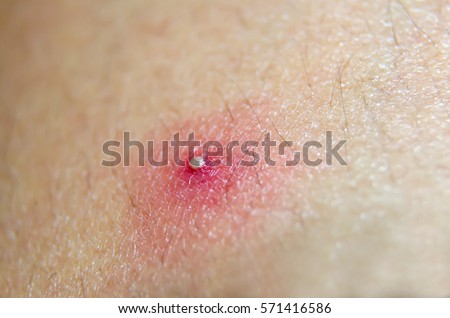
Elevated, pus-filled area on the skin
a)
Pustule
b)
Scabies
c)
Wart
d)
Ulcer
60.
Disease resulting from an infestation of mites.
a)
Scabies
b)
Seborrhea
c)
Ulcer
d)
Urticaria
61.
Hyperactivity of the sebaceous glands, causing greasy skin and dandruff
a)
Seborrhea
b)
Wart
c)
Ulcer
d)
Urticaria
62.

Open Sore
a)
Ulcer
b)
Wart
c)
Acne
d)
Alopecia
63.

Allergic reaction of the skin that produces reddish, elevated patches (Hives)
a)
Urticaria
b)
Seborrhea
c)
ulcer
d)
Eczema
64.
Flesh-colored, raised area caused by a viral infection
a)
wart
b)
acne
c)
ulcer
d)
cyst
100 %

