
 Worksheets
Earth Science Semester 1 Review
Total questions: 91
Worksheet time: 1hrs 10mins
Name
Class
Date
1.
The 0 degree line of latitude is the ___________.
a)
Equator
b)
Prime Meridian
c)
International Date Line
d)
Contour line
2.
The 0 degree mark of longitude is known as the ___________ ______________ measure from Greenwich England.
a)
Equator
b)
Prime Meridian
c)
International Date Line
d)
Contour Line
3.
0 degree line of longitude, divides the Eastern and Western Hemispheres
a)
Prime Meridian
b)
meridian
c)
equator
d)
parallel
4.
How many parts does the equator divide the earth into?
a)
4
b)
2
c)
6
d)
8
5.

What is the name of this line at 0 degrees latitude?
a)
Prime Meridian
b)
Equator
c)
North Pole
d)
South Pole
6.

What is the name of the line at zero degrees longitude?
a)
Equator
b)
Prime Meridian
c)
North Pole
d)
South Pole
7.

What is the approximate location of letter B?
a)
80oN, 0o
b)
0o, 80oW
c)
80oS, 0o
d)
0o, 80oE
8.

What is the approximate location of G?
a)
100oW, 40oN
b)
40oN, 100oW
c)
40oS, 100oW
d)
40oN, 100oE
9.

Which letter would you find at 15oS, 60oW?
a)
A
b)
C
c)
L
d)
H
10.

Which letter would you find at 30oS, 30oE?
a)
A
b)
D
c)
K
d)
E
11.

Which letter would you find at 30oS, 30oE?
a)
A
b)
D
c)
K
d)
E
12.

Determine the contour interval:
a)
5 m
b)
10 m
c)
15 m
d)
20 m
13.

What is the map symbol (darker lines)?
a)
roads
b)
index contour
c)
contour interval
d)
waves
14.
Contour lines that are very far apart indicate the landscape is _____________
a)
gentle/gradual
b)
steep
c)
a forest
d)
a swamp
15.
Contour lines that are very close together indicate the land is _______________
a)
gentle/gradual
b)
a forest
c)
steep
d)
a swamp
16.
The shape of the land is shown by connecting points of the same elevation to form a ____________.
a)
relief line
b)
slope
c)
valley
d)
contour line
17.
The bold lines that appear on the map every 5th contour line with the exact elevation written on it is the ______________________
a)
Index Contour line
b)
Contour interval
c)
Relief
d)
Slope
18.
A __________
shows relationship between distance on
map to distance on Earth
a)
legend
b)
compass
c)
direction
d)
scale
19.
The difference in elevation from one contour line to the next:
a)
contour lines
b)
contour interval
c)
index contour
d)
contour loops
20.
Topographic maps are unique in that they show
a)
highways and roads
b)
schools and churches
c)
rivers and streams
d)
changes in elevation
21.

Find the contour interval:
a)
10 ft
b)
20 ft
c)
25 ft
d)
100 ft
22.

Part of a map that explains what the symbols mean.
a)
Compass Rose
b)
Scale
c)
Legend
d)
Locator Map
23.

Which form of matter has a definite shape and takes up space (has definite volume)?
a)
liquid
b)
solid
c)
gas
d)
clay
24.
What are the states of matter?
a)
solid, liquid, and juice
b)
solid and liquid
c)
solid and gas
d)
solid, liquid, and gas
25.

Which form of matter take the shape of a container like this juice?
a)
liquid
b)
solid
c)
glass
d)
gas
26.

Which form of matter fills the space like it has in the balloon?
a)
liquid
b)
string
c)
solid
d)
gas
27.
What is happening when my ice cream changes from a solid to a liquid?
a)
freezing
b)
melting
c)
burning
d)
evaporation
28.
What is happening when my water bottle in the freezer goes from a liquid state to a solid state?
a)
melting
b)
evaporating
c)
freezing
d)
cutting
29.
What happens when my glass of water is sitting in the sun and disappears into a gas?
a)
evaporation
b)
burning
c)
melting
d)
freezing
30.
My glass of ice water is sitting in the sun and has droplets of water on the outside of the glass. What is happening?
a)
condensation
b)
evaporation
c)
melting
d)
freezing
31.
Which form of matter does not take the shape of its container?
a)
liquid
b)
gas
c)
solid
d)
air
32.
Particles of a liquid
a)
are tightly packed together and stay in a fixed position.
b)
have no viscosity.
c)
decrease in volume with increasing temperature.
d)
are free to move around one another but still touch.
33.
What term describes a solid changing to a gas?
a)
Deposition
b)
Sublimation
c)
Evaporation
d)
Freezing
34.
Particles (molecules) in a ______________________ have more energy than the other states of matter.
a)
gas
b)
solid
c)
liquid
35.
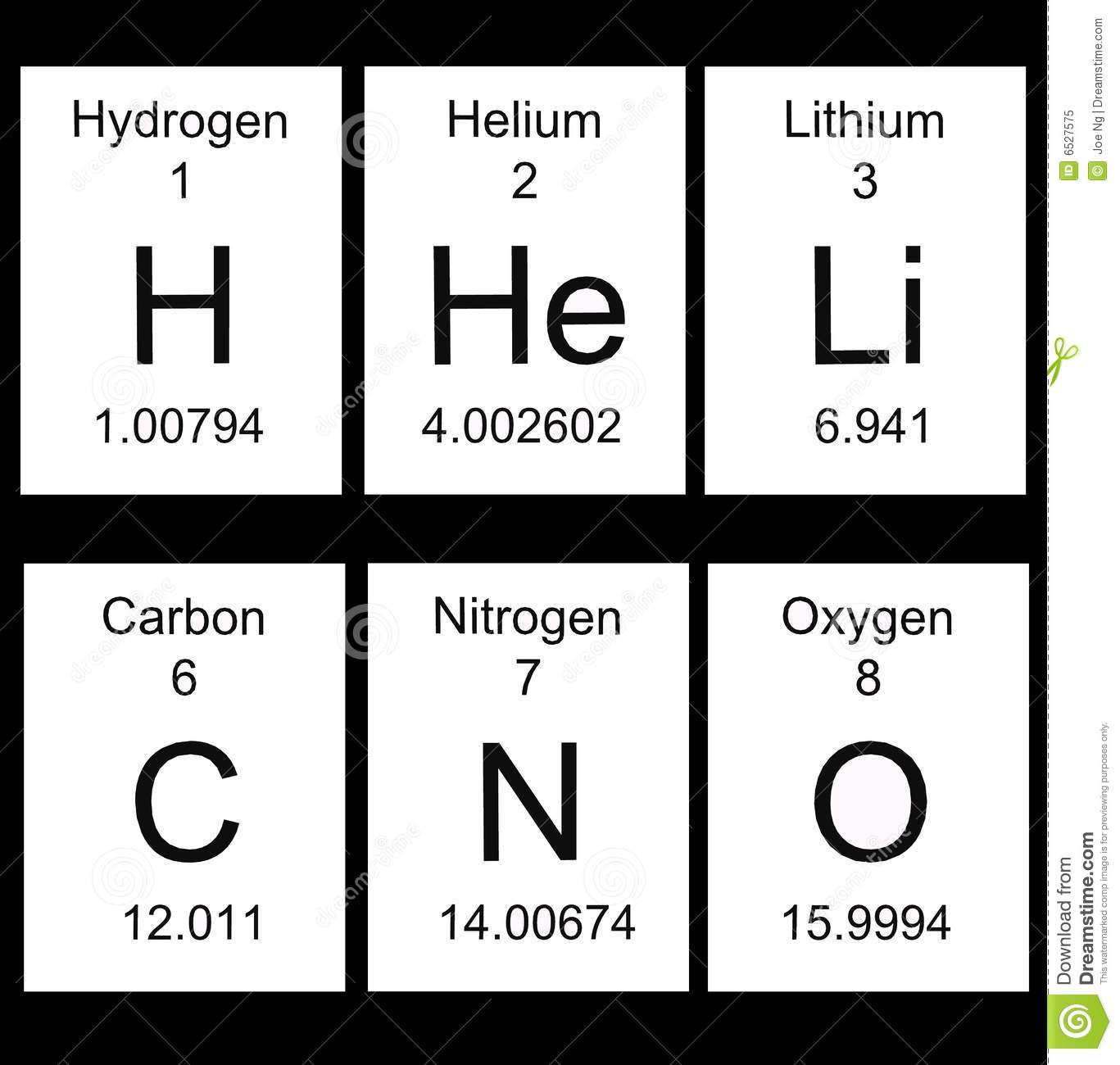
What is the chemical symbol for Lithium?
a)
H
b)
He
c)
Li
d)
N
36.
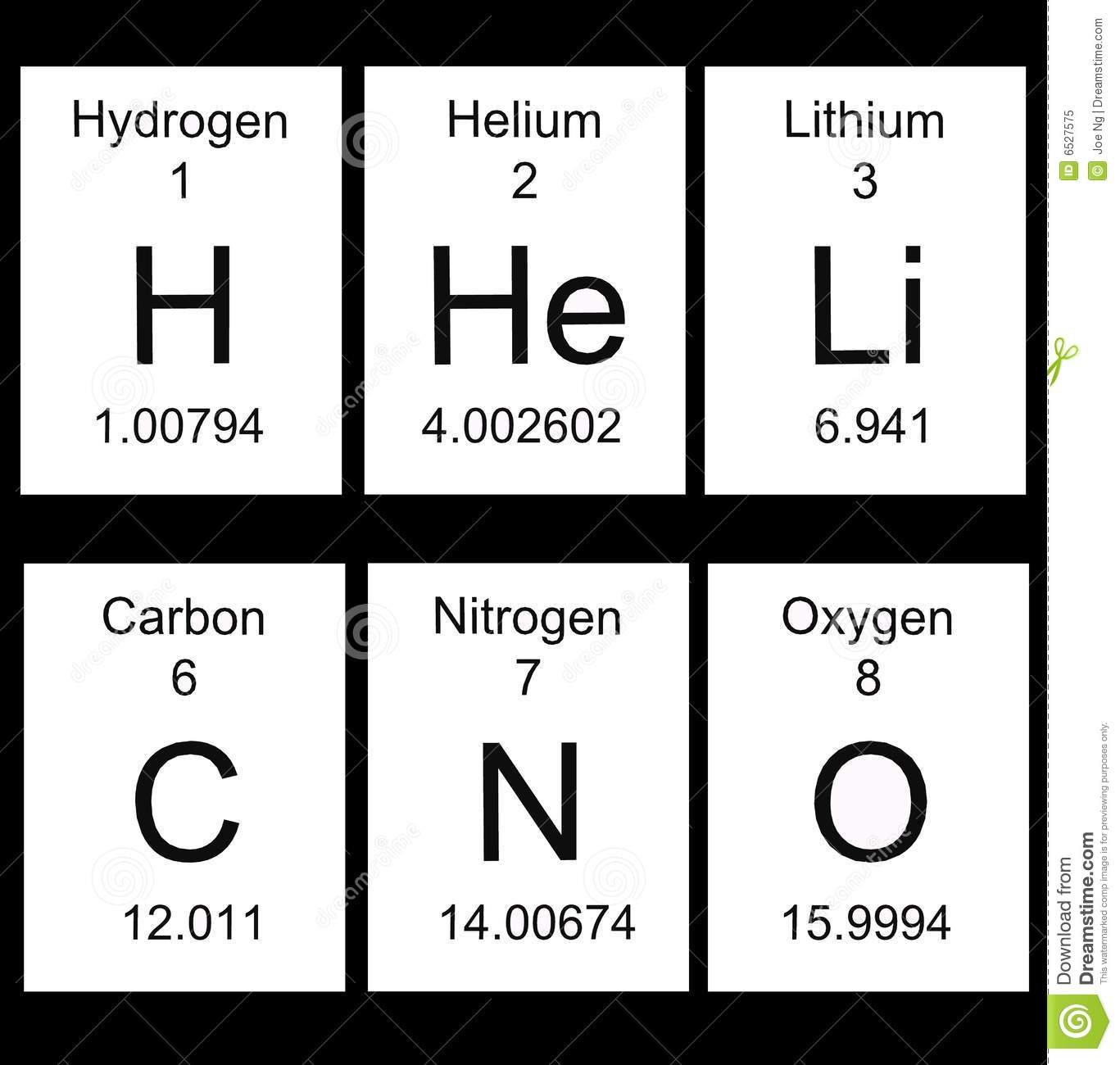
The number at the top of each square on the periodic table is the ...
a)
atomic number
b)
atomic mass
c)
Chemical Symbol
d)
Element Name
37.
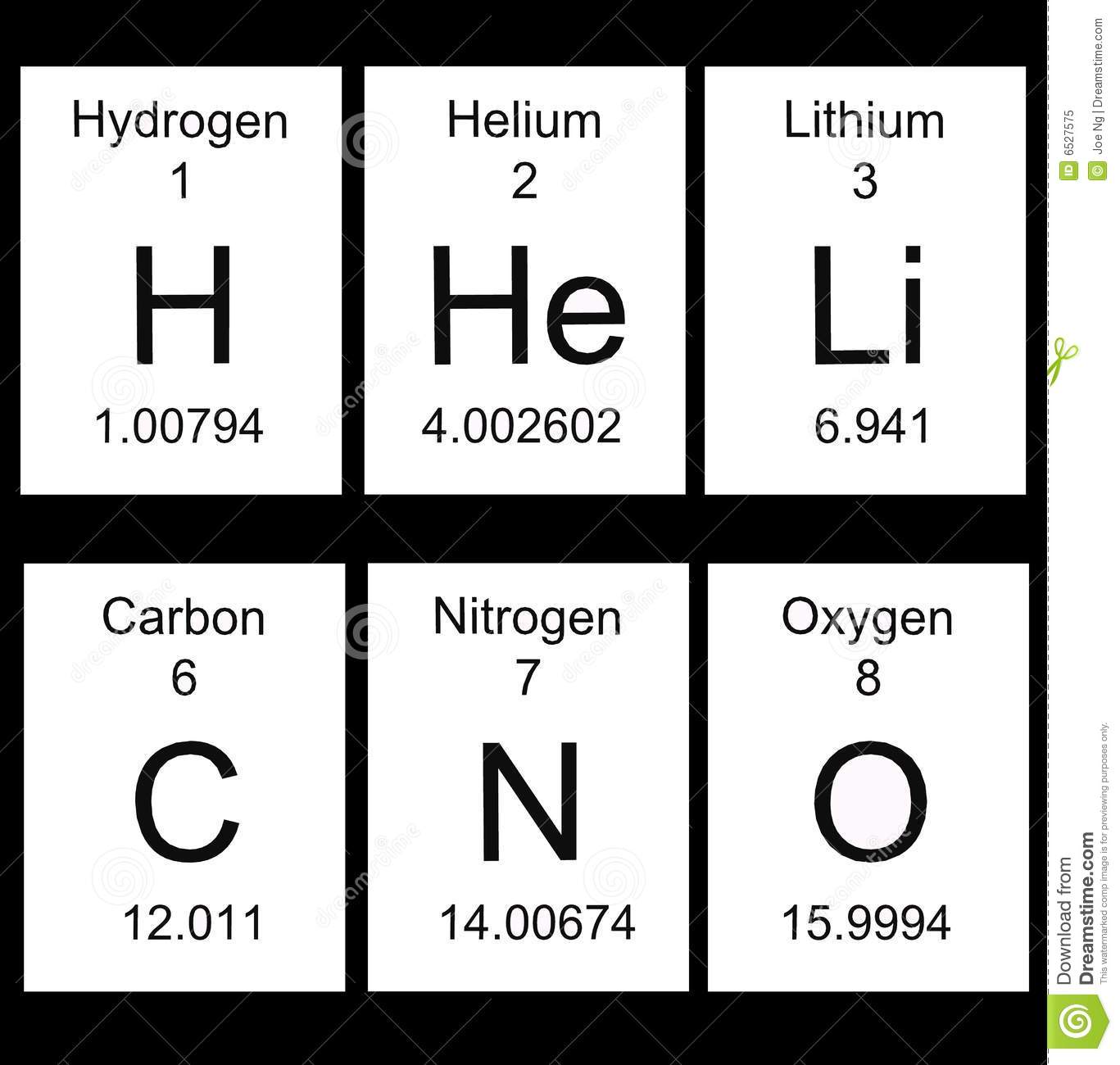
The number at the bottom of each square on the periodic table is the ...
a)
atomic number
b)
atomic mass
c)
chemical symbol
d)
element name
38.
The color of a mineral in powder form is called the mineral's
a)
hardness
b)
specific gravity
c)
luster
d)
streak
39.
How light reflects off of a mineral is called the mineral's
a)
luster
b)
streak
c)
cleavage
d)
fracture
40.
Why is coal not a mineral?
a)
It's not a solid
b)
It is man-made
c)
It is not inorganic
d)
It is made of carbon
41.

The following image shows what mineral property?
a)
Hardness
b)
Streak
c)
Cleavage
d)
Density
42.
Diamond has a hardness of ___ on Mohs Hardness Scale.
a)
1
b)
5
c)
8
d)
10
43.

By definition, a mineral has which of the following characteristic(s)?
a)
definite chemical composition
b)
crystal structure
c)
naturally occuring
d)
all of the above
44.
How do you test the hardness of a mineral?
a)
Throw it against a wall
b)
Step on it
c)
Scratch Test
d)
Kick it until it breaks
45.

What mineral is used for pencils?
a)
Graphite
b)
Galena
c)
Magnetite
d)
Quartz
46.

What mineral is salt?
a)
quartz
b)
sulfur
c)
halite
d)
calcite
47.
A naturally occurring, inorganic solid with a crystal structure and a definite chemical composition is referring to
a)
density
b)
streak
c)
mineral
d)
non silicate mineral
48.
The solid, geometric form of a mineral produced by a repeating pattern of atoms
a)
crystal
b)
density
c)
element
d)
fracture
49.
Which mineral smells like rotten eggs?
a)
talc
b)
sulfer
c)
mica
d)
pyrite
50.
What mineral is the softest mineral on Moh's Hardness Scale and the main ingredient in baby powder?
a)
feldspar
b)
talc
c)
gypsum
d)
kaolinite
51.
A mineral's resistance to being scratched is called?
a)
streak
b)
luster
c)
hardness
d)
heft
52.
The mineral halite is formed by
a)
hot water solutions
b)
cooling of magma
c)
cooling of lava
d)
evaporation
53.
Large crystals are going to form
a)
when lava erupts from a volcano
b)
when a shallow sea evaporates
c)
when magma underground cools off
d)
all of the above
54.
A rock which contains a useful mineral is call a/an
a)
gem
b)
quarry
c)
ore
d)
alloy
55.
Intrusive Igneous rocks will be
a)
coarse grain
b)
fine grain
56.
If an Igneous rock is dark-colored, what is the amount of silica?
a)
high
b)
low
c)
doesn't matter
57.
What is one use of Granite?
a)
gravel
b)
weapons
c)
building materials
d)
skin abrasives
58.
Is Granite high or low in Silica?
a)
high
b)
low
59.
Where is magma?
a)
inside
b)
outside
60.
How do Intrusive Igneous rocks cool?
a)
quickly
b)
slowly
c)
really fast
61.
Which is smaller?
Clay or Silt
Clay or Silt
a)
Clay
b)
Silt
62.
What size sediment makes sandstone?
a)
Pebble
b)
Silt
c)
Sand
63.
How is sediment classified/grouped?
a)
By color
b)
By hardness
c)
By size
64.
What does clastic mean?
a)
Compacted sediment
b)
Magma made the rock
c)
The rock has crystals
65.
Sedimentary rocks are formed by
a)
Cooling of lava or magma
b)
Heat and pressure
c)
Compacting and cementing
66.
How is sediment formed?
a)
Weathering and Erosion
b)
Melting
c)
Pressure
67.
What is the breaking down of rocks?
a)
Weathering
b)
Clastic
c)
Vesicular
68.
The process in which dissolved minerals crystallize and glue sediment together.
a)
cementation
b)
deposition
c)
organic rock
69.
What is deposition?
a)
Pieces of sediment come to rest on a surface
b)
Movement of sediment
c)
Breaking down of sediment
70.
Which of the following is a metamorphic rock?
a)
obsidian
b)
granite
c)
gneiss
d)
sandstone
71.
Which of the following is a metamorphic rock?
a)
conglomerate
b)
pumice
c)
obsidian
d)
marble
72.
Which of the following is a metamorphic rock?
a)
basalt
b)
obsidian
c)
slate
d)
pumice
73.
Which of the following is a metamorphic rock?
a)
phyllite
b)
shale
c)
limestone
d)
pumice
74.
Which of the following is a metamorphic rock?
a)
granite
b)
sandstone
c)
quartzite
d)
conglomerate
75.
When metamorphic rocks are formed, the extreme heat is usually caused by the _______.
a)
gravity in the atmosphere
b)
collision of tectonic plates
c)
the fiery hot magma in the Earth's mantle
d)
weight of the mountains
76.
When metamorphic rocks are formed, the extreme pressure is usually caused by the _______.
a)
gravity in the atmosphere
b)
collision of tectonic plates
c)
the fiery hot magma in the Earth's mantle
d)
weight of the mountains
77.
Metamorphic rocks are formed by ___.
a)
existing rocks are baked and squeezed by pressure
b)
small pieces of rock are compacted and cemented together
c)
magma or lava cools and hardens
d)
igneous rocks are broken into pieces
78.
Igneous rocks are formed by ___.
a)
existing rocks are baked and squeezed by pressure
b)
small pieces of rock are compacted and cemented together
c)
magma or lava cools and hardens
d)
igneous rocks are broken into pieces
79.
Metamorphic rocks form from ___.
a)
igneous rocks
b)
other metamorphic rocks
c)
sedimentary rocks
d)
all types of rocks
80.
Metamorphic rocks change their size, shape, color and/or texture by doing all of the following EXCEPT ____.
a)
changing their chemical composition
b)
melting to form a new rock
c)
changing their mineral composition
d)
changing their crystal structure
81.
The process during which rocks are formed, change, wear down, and are formed over long periods is called the ___.
a)
mineral
b)
pressure
c)
rock cycle
d)
sedimentary rocks
82.
The difference between regional metamorphism and contact metamorphism is that regional metamorphism is caused by _____ from __________ and contact metamorphism is caused by _________ from _______ intruding into other rock.
a)
heat, tectonic plates, pressure, magma
b)
pressure, tectonic plates, heat, magma
c)
heat, magma, pressure, tectonic plates
d)
pressure, magma, heat, tectonic plates
83.
Earthquakes and volcanoes are most likely found in which locations?
a)
At plate boundaries
b)
in oceans
c)
in the middle of continents
d)
in the middle of plates
84.
Transform boundaries are most likely to produce what phenomenon?
a)
volcanoes
b)
deep sea trenches
c)
underwater mountain ranges
d)
earthquakes
85.

What is this image...
a)
Revolving boundary
b)
San Andreas (Transform)
c)
Convergent
86.
Most volcanoes and earthquakes occur...
a)
along the coast
b)
along tectonic plate boundaries
c)
in the Arctic
d)
in the ocean
87.
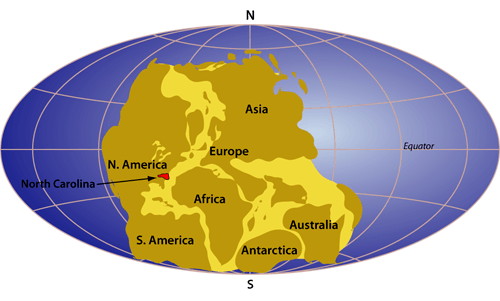
What is this a picture of?
a)
plate tectonics
b)
continental drift
c)
pangea
d)
glacier scaring
88.
What does the theory of continental drift state?
a)
The continents were once joined in a super-continent and have moved over time
b)
Continents are stationary and do not move
c)
The Earth is broken into lithospheric plates that move due to convection currents
d)
none of the above
89.
What two specific continents fit together most noticeably?
a)
Africa and North America
b)
South America and Europe
c)
South America and Africa
d)
Antartica and Africa
90.
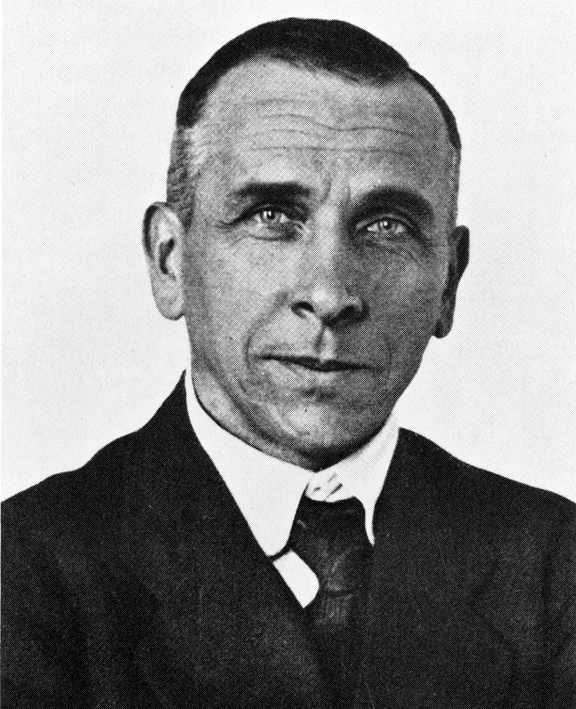
Who is the person credited with developing the theory of continental drift?
a)
Harry Hess
b)
Galileo
c)
Alfred Wegener
d)
Newton
91.
Why did no one believe Wegener's thoery?
a)
He could not explain HOW the continents moved
b)
He didn't have evidence
c)
His data was wrong
d)
He didn't use the right technology to gather data
100 %

