
 Worksheets
Ecology
Total questions: 60
Worksheet time: 40mins
Name
Class
Date
1.

An individual belonging to a specific species
a)
Biotic
b)
Community
c)
Organism
d)
Reptile
2.

All of the living and nonliving things in an area that interact with each other are called a/an ______.
a)
community
b)
habitat
c)
population
d)
ecosystem
3.

An area where an organism finds food, shelter and water in a specific arrangement
a)
niche
b)
biosphere
c)
biome
d)
habitat
4.
The living part of an ecosystem
a)
Biotic
b)
Abiotic
c)
Mother Earth
d)
Flowers
5.

The non-living part of an ecosystem
a)
Ocean
b)
Lava Flow
c)
Birds
d)
Abiotic
6.

The study of how living things interact with one another and with their environment.
a)
Biology
b)
Lithology
c)
Ecology
d)
Farmacology
7.

Organisms that look similar and can produce fertile offspring
a)
Species
b)
Fish
c)
Community
d)
Trees
8.
Two or more members of a particular species living and interacting in the same area
a)
Community
b)
Population
c)
Organisms
d)
Biosphere
9.

Different populations living and interacting with each other in the same area
a)
Biome
b)
Ecosystem
c)
Community
d)
Niche
10.

The area between the highest mountain and the deepest ocean where life can be found
a)
Biosphere
b)
Biome
c)
Farm
d)
Ecosystem
11.

The image provided is an example of a(n):
a)
Carnivore
b)
Herbivore
c)
Producer
d)
Autotroph
12.
An illustration that uses arrows to show the MANY possible directions in which matter and energy can pass through the organisms in an ecosystem.
a)
Food chain
b)
Food web
c)
Energy Pyramid
d)
Succession Map
13.
A collection of organisms that make up a community as well as all of the nonliving aspects of the environment.
a)
Population
b)
Community
c)
Habitat
d)
Ecosystem
14.
As you move upward, from level to level, in an energy pyramid, energy _____.
a)
increases
b)
decreases
c)
stays the same
d)
increases exponentially
15.
plants that convert energy from the sun
a)
decomposer
b)
primary consumer
c)
secondary consumer
d)
producer
16.

What are the Abiotic factors in this image?
a)
water, sunlight, dirt, air
b)
birds and plants
c)
birds, water, dirt
d)
plants, water
17.

A living relationship between two species in which one organism is harmed is called...
a)
mutualism
b)
commensalism
c)
parasitism
d)
niche
18.

symbiotic relationship in which both organisms benefit
a)
competition
b)
Mutualism
c)
nitrogen fixation
d)
energy pyramid
19.

The image provided is an example of a(n):
a)
Producer
b)
Autotroph
c)
Consumer
d)
Insect
20.
Organisms that feed on both living producers and other consumers.
a)
Carnivores
b)
Omnivores
c)
Herbivores
d)
Detritivores
21.
a nonnative organism that disrupts or changes the balance of an ecosystem
a)
threatened species
b)
endangered species
c)
extinct species
d)
invasive species
22.
organism capable of making their own food (plant and bacteria)
a)
heterotroph
b)
autotroph
c)
primary consumer
d)
carnivore
23.
A symbiotic relationship in which both organisms benefit.
a)
Commensalism
b)
Predation
c)
Mutualism
d)
Parasitism
24.
A symbiosis in which one organism benefits and the other is harmed.
a)
Predation
b)
Parasitism
c)
Commensalism
d)
Mutualism
25.

The organisms in the picture can be described as a(n)
a)
biome
b)
community
c)
population
d)
ecosystem
26.

If a disease destroying barley plants in a field swept through an ecosystem, what would happen to the barley eating bird population in the the field ?
a)
The bird population would stay the same
b)
The bird population would infinitely increase
c)
The bird population would decrease
27.

The role of an organism in its environment.
a)
habitat
b)
niche
c)
community
d)
species
28.
The arrows in a food chain or food web represent __________
a)
who eats who in the ecosystem
b)
the relationships in a ecosystem
c)
how energy flows through an ecosystem
d)
All the above
29.

Which organism do the owl and the weasel compete for in the food web?
a)
Hawk
b)
Spider
c)
Grasshopper
d)
Shrew
30.

Which of the following is a herbivore?
a)
cricket
b)
frog
c)
hawk
d)
shrew
31.

How many carnivores are shown in this food web?
a)
6
b)
4
c)
5
d)
3
32.
What might happen if you remove a primary consumer from the ecosystem?
a)
There would be more food for secondary consumers.
b)
The number of primary consumers would increase.
c)
The number of plants would increase.
d)
The number of secondary consumers would increase.
33.

Which of the following would be the most likely effect, if there were a sudden increase in the cricket population?
a)
There would be a decrease in the small bird population.
b)
There would be a decrease in the grass/flowers population.
c)
There would be a decrease in the mice population.
d)
There would be an increase in the grass/flowers population.
34.
A consumer that hunts is called:
a)
a producer.
b)
an omnivore.
c)
a predator.
d)
a herbivore.
35.

Which of the following best describes the small bird in the food web above?
a)
primary and secondary consumer
b)
secondary and tertiary consumer
c)
primary consumer only
d)
secondary consumer only
36.
A frog eats a fly. The frog and fly are demonstrating ________.
a)
mutualism
b)
competition
c)
predator/prey
d)
parasitism
37.
A tapeworm inside a dog is
a)
competition
b)
predation
c)
commensalism
d)
parasitism
38.
A tick and a dog have this type of relationship.
a)
mutualism
b)
commensalism
c)
neutralism
d)
parasitism
39.
A symbiotic relationship that involves species having to fight for something they both need or want
a)
competition
b)
predation
c)
commensalism
d)
parasitism
40.
Plants both trying to get sunlight are
a)
commensalism
b)
mutualism
c)
compeition
d)
parasitism
41.

How many herbivores are in this web?
a)
1
b)
2
c)
3
d)
4
42.

How many primary consumers are there in this food web?
a)
1
b)
2
c)
3
d)
4
43.

Which of the following is NOT a consumer?
a)
grass
b)
dog
c)
shark
d)
fish
44.

What part of the food chain is missing?
a)
Producer
b)
Consumer
c)
Decomposer
d)
Heterotroph
45.

The largest group of organisms found in a food web would be:
a)
Primary Consumers
b)
Producers
c)
Decomposers
d)
Tertiary Consumers
46.
Which one is NOT an example of a decomposer?
a)
mushroom
b)
leaves
c)
mold
d)
worm
47.
Examples of a producer
a)
frog
b)
algae
c)
worm
d)
mouse
48.
Example of a decomposer
a)
fungus
b)
mouse
c)
plants
d)
frogs
49.
A tree is a ....
a)
composer
b)
decomposer
c)
producer
50.

What is a producer?
a)
an organism that gets energy from eating other organisms
b)
an organisms that uses sunlight to make its own food
c)
an organism that gets energy from eating dead organisms, non-living material or waste
d)
an organism that uses chemical energy to make its own food
51.

What is a herbivore?
a)
an animal that gets energy from eating other animals
b)
an organism that gets energy from eating only plants
c)
an animal that gets energy by eating both plants and other animals
d)
an animal that eats only herbs
52.

What is a carnivore?
a)
an animal that gets energy by eating other animals
b)
An animal that gets energy by eating only plants
c)
an animal that gets energy by eating both plants and animals
d)
an animal that makes its own energy through photosynthesis
53.

An animal that gets energy from eating both plants and animals is a
a)
herbivore
b)
carnivore
c)
omnivore
d)
autotroph
54.

The shrew provides energy for the _______?
a)
cricket
b)
grasshopper
c)
frog
d)
snake
55.

What is this called?
a)
Food Web
b)
Food Chain
c)
Abiotic Factors
56.

What is this called?
a)
Food Web
b)
Food Chain
c)
Abiotic Factors
57.
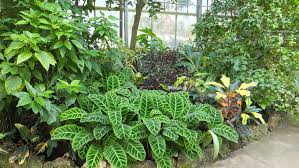
All food chains begin with a ____________.
a)
primary consumer
b)
secondary consumer
c)
producers
d)
scavengers
58.

Which best describes what a food chain shows you?
a)
Energy flow through an ecosystem
b)
Food flowing through an ecosystem
c)
Consumers going into other consumers
d)
Who eats who
59.
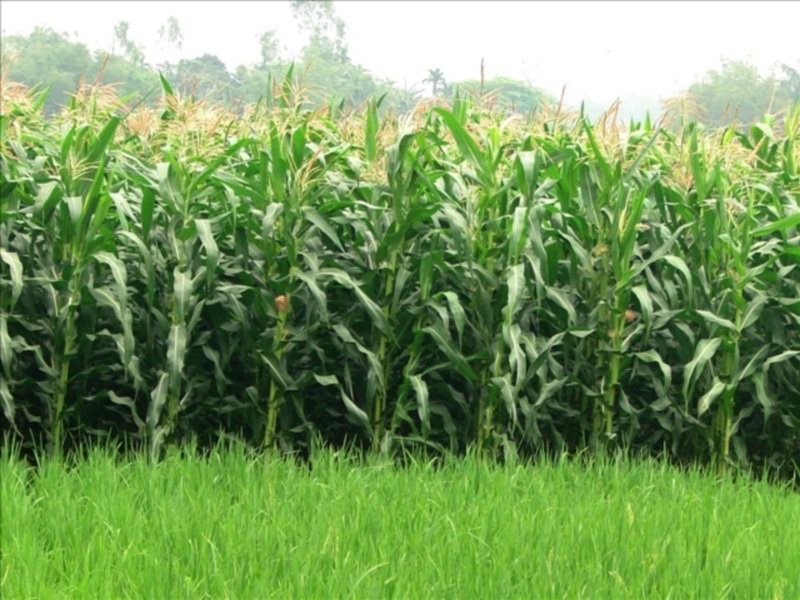
The image provided is an example of a:
a)
Producer
b)
Heterotroph
c)
Consumer
d)
Decomposer
60.
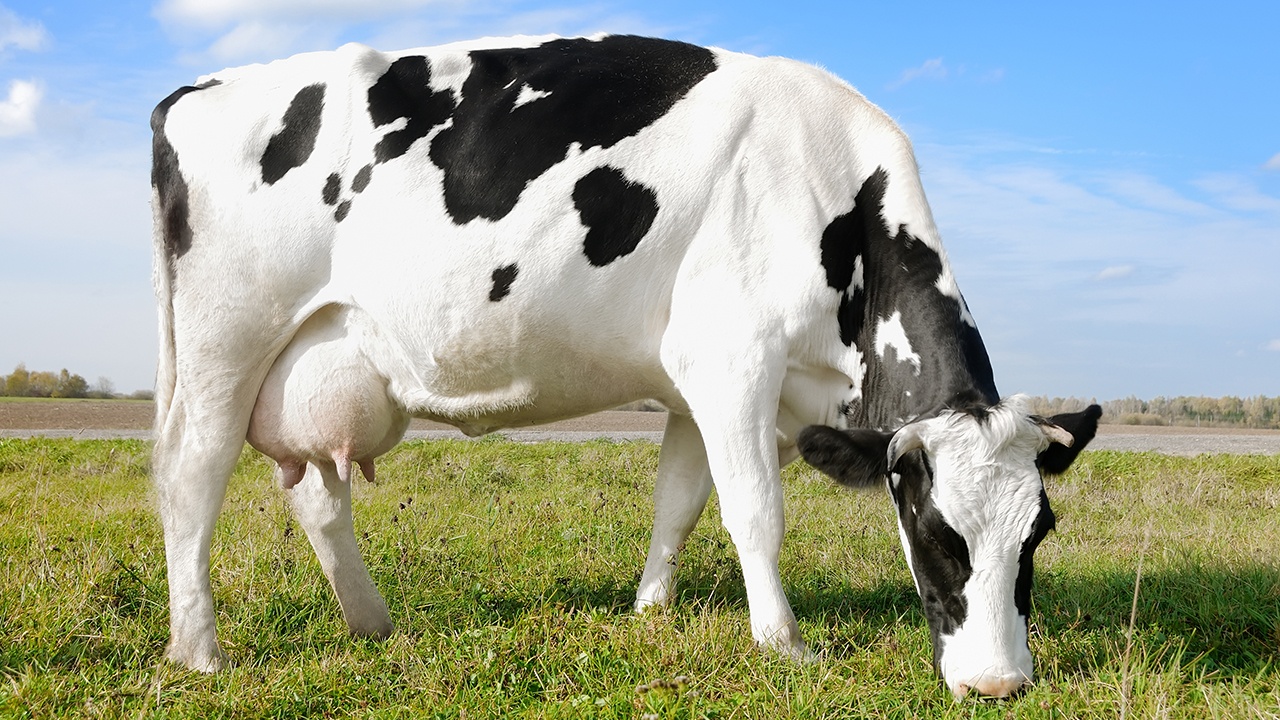
The image provided is an example of a(n):
a)
Autotroph
b)
Carnivore
c)
Herbivore
d)
Decomposer
100 %

