wayground logo

Free Printable Worksheets

NEW

Font size

S
M
L
XL
Worksheets

Periodic Table- groups and periods

Total questions: 79

Worksheet time: 1hrs 26mins
Name
Class
Date
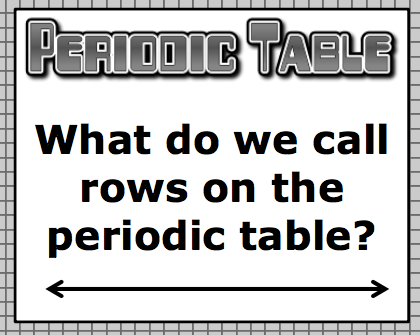
1.
a)
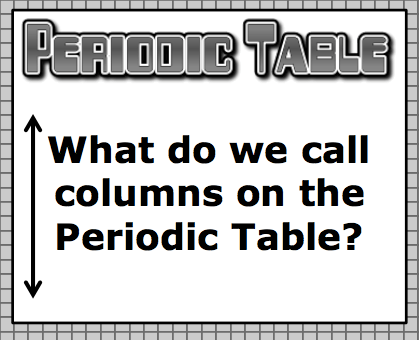
Periods
b)
Groups
2.
a)
Periods
b)
Groups
3.
a)
energy levels
b)
valence electrons
c)
protons
d)
neutrons
4.
a)
energy levels
b)
valence electrons
c)
protons
d)
neutrons
5.
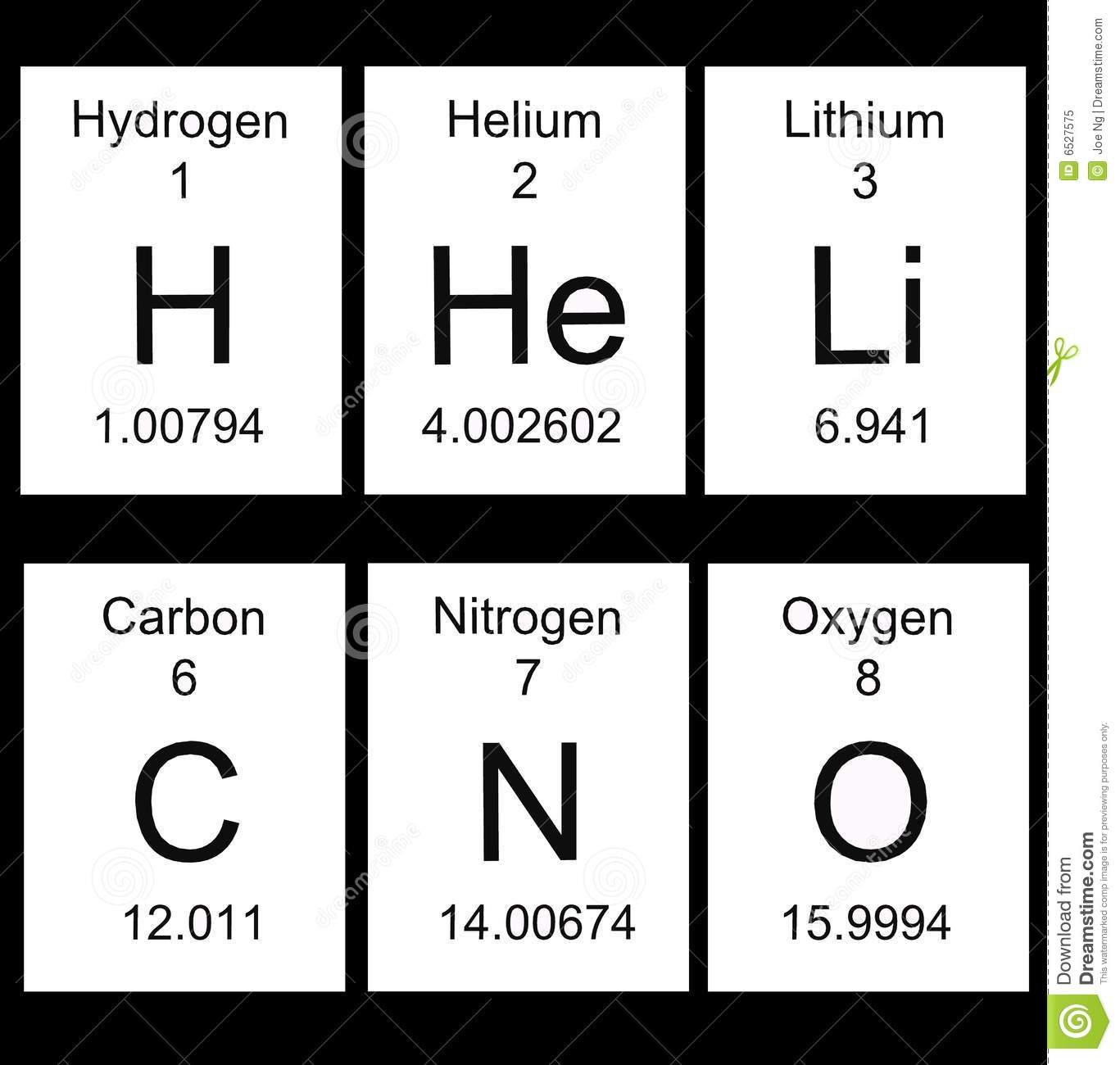
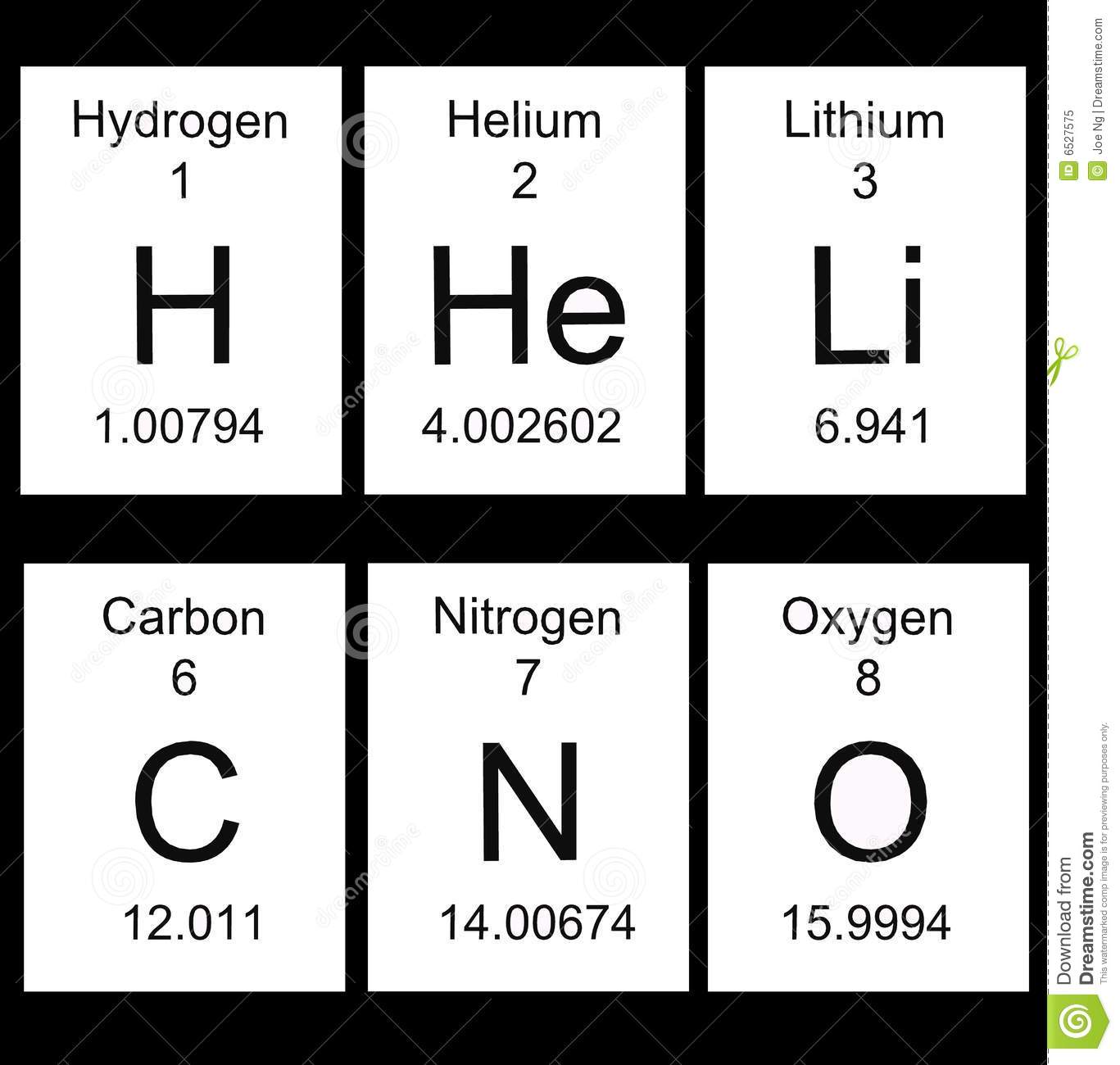
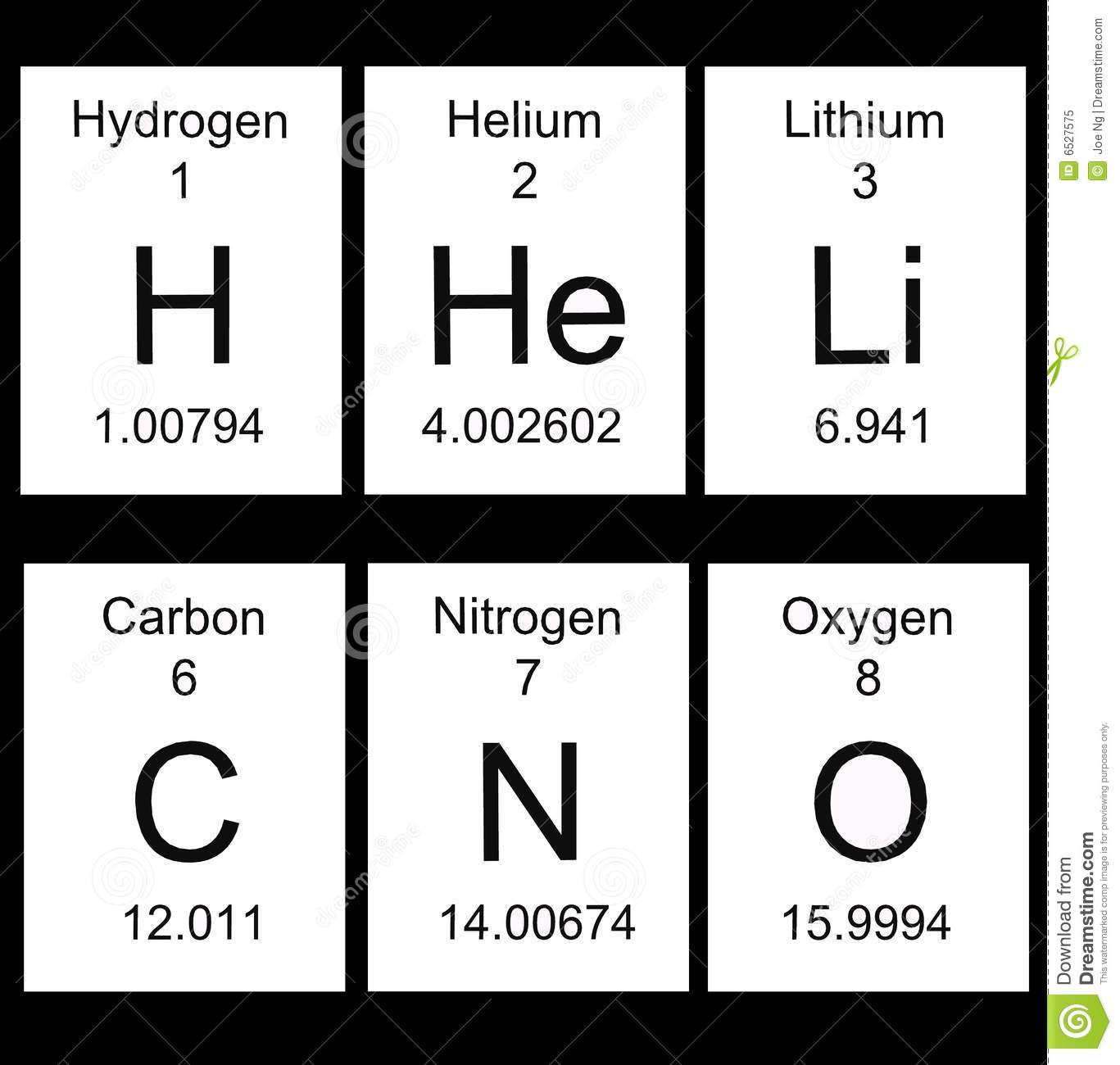
The number at the top of each square on the periodic table is the ...
a)
atomic number
b)
atomic mass
c)
Chemical Symbol
d)
Element Name
6.
The number at the bottom of each square on the periodic table is the ...
a)
atomic number
b)
atomic mass
c)
chemical symbol
d)
element name
7.
What is the chemical symbol for Lithium?
a)
H
b)
He
c)
Li
d)
N
8.
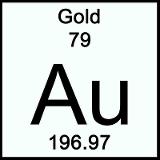
Which number is the atomic mass?
a)
79
b)
196.97
9.
What does the atomic mass tell you?
a)
Basically,the number of electrons and protons
b)
The number of neutrons
c)
Basically, the number of protons and neutrons
d)
The number of protons.
10.
The atomic number tells you what?
a)
number of electrons
b)
number of protons
c)
number of neutrons
d)
both electrons and protons in an atom.
11.
A proton is....
a)
A negatively charged subatomic particle
b)
A positively charged subatomic particle
c)
A neutrally charged subatomic particle
d)
The only subatomic particle located in the nucleus
12.
Particles in an atom that are neutral and have no charge are 
a)
negatrons 
b)
electrons 
c)
neutrons 
d)
protons 
13.
The subatomic particle with a negative charge is the
a)
electron
b)
proton
c)
neutron
d)
nucleus 
14.
Chlorine (Cl)
a)
alkali metal
b)
alkaline earth metal
c)
halogen
d)
noble gas
15.
Iodine (I)
a)
alkali metal
b)
alkaline earth metal
c)
halogen
d)
noble gas
16.
Xenon (Xe)
a)
alkali metal
b)
alkaline earth metal
c)
halogen
d)
noble gas
17.
Sodium (Na)
a)
alkali metal
b)
alkaline earth metal
c)
halogen
d)
noble gas
18.
Calcium (Ca)
a)
alkali metal
b)
alkaline earth metal
c)
halogen
d)
noble gas
19.
Argon (Ar)
a)
alkali metal
b)
alkaline earth metal
c)
halogen
d)
noble gas
20.
Potassium (K)
a)
alkali metal
b)
alkaline earth metal
c)
halogen
d)
noble gas
21.
Bromine (Br)
a)
alkali metal
b)
alkaline earth metal
c)
halogen
d)
noble gas
22.
Gold (Au)
a)
Transition Metal
b)
Alkali Metal
c)
Alkaline Earth Metal
d)
Heavy Metal
23.
Silver (Ag)
a)
Transition Metal
b)
Alkali Metal
c)
Alkaline Metal
d)
Heavy Metal
24.
How many valence electrons does Sodium (Na) have?
a)
1
b)
2
c)
3
d)
4
25.
How many valence electrons does Chlorine (Cl) have?
a)
4
b)
5
c)
6
d)
7
26.
Elements on the left side of the periodic table are classified as 
a)
metals 
b)
metalloids 
c)
nonmetals 
d)
gases 
27.
Groups on the periodic table are sometimes called _______
a)
pods 
b)
classes 
c)
gaggles
d)
families 
28.
The first successful periodic table was created by __________
a)
Rutherford 
b)
Dalton 
c)
Democritus 
d)
Mendeleev 
29.
Mendeleev used his table to predict unknown elements
a)
True 
b)
False 
30.
The least reactive elements are in the group called the _________. 
a)
alkali metals 
b)
noble gases 
c)
alkali earth metals 
d)
halogens 
31.
The most reactive nonmetals belong to the group called the _______________. 
a)
alkali metals 
b)
halogens 
c)
alkali earth metals 
d)
noble gases 
32.
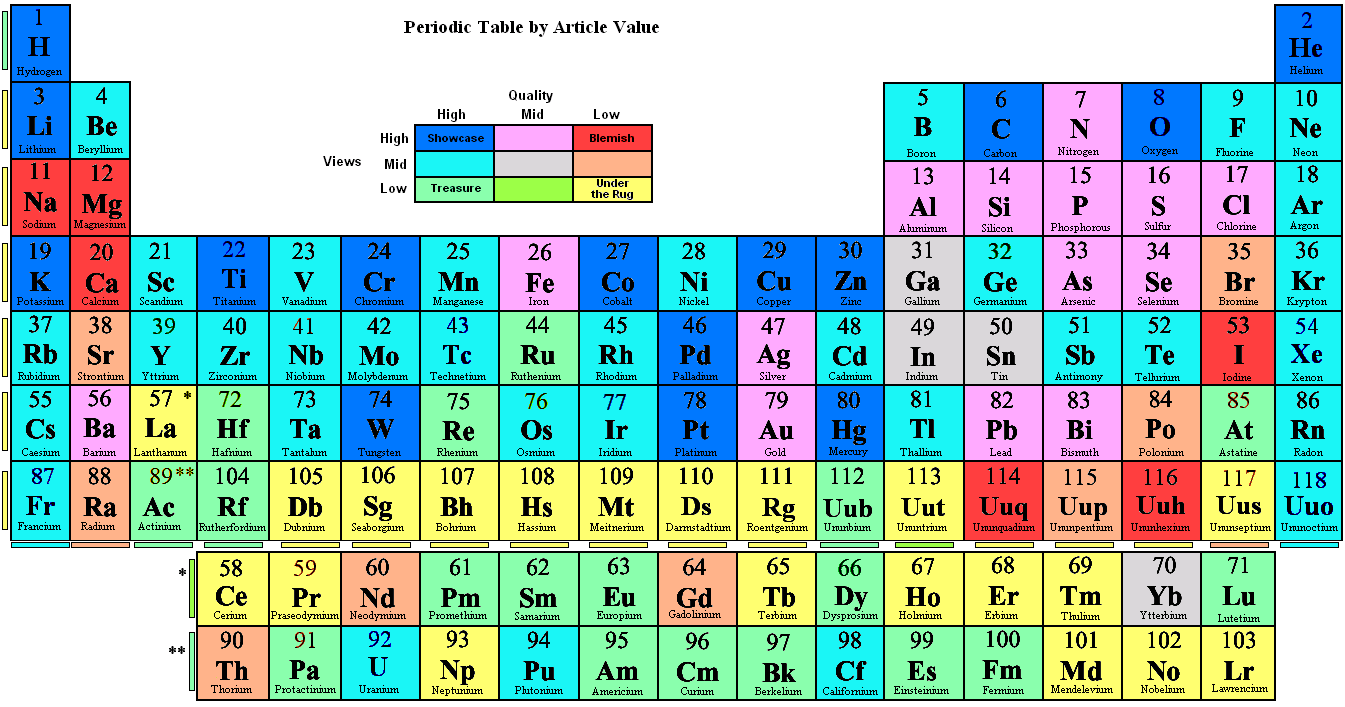
Nonmetals are located in what section of this periodic table?
a)
Blue
b)
Yellow
c)
Pink
33.
In what section would Transition Metals be found?
a)
orange
b)
light blue
c)
blue
d)
white
34.
The atoms along the staircase are called 
a)
metals
b)
nonmetals
c)
metalloids
d)
noble gases
35.
Elements on the left side of the periodic table are 
a)
metals
b)
nonmetals
c)
metalloids
d)
noble gases
36.
What section is the least reactive? 
a)
yellow
b)
red
c)
dark blue
d)
orange
37.
Rows on the period table are called _____ while columns are called _____.
a)
groups, families
b)
groups, periods
c)
periods, groups
d)
families, groups
38.
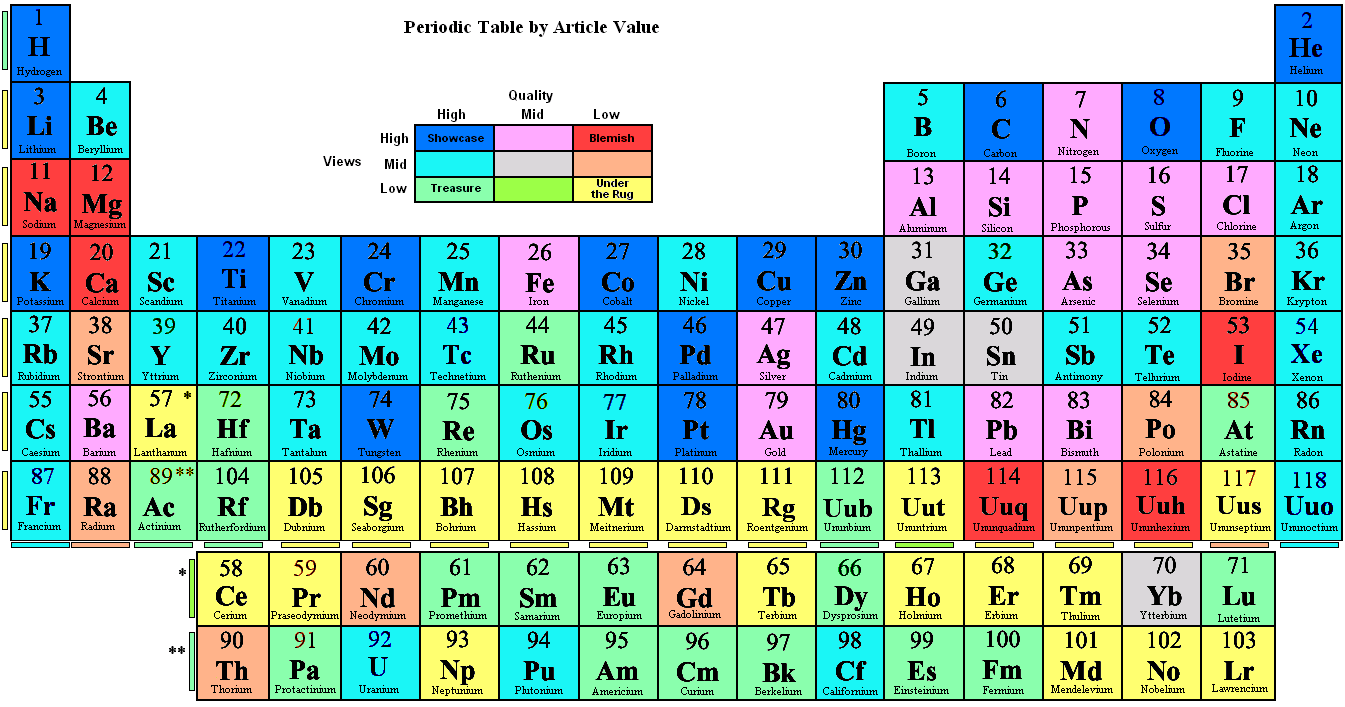
The yellow atoms are called 
a)
metals
b)
nonmetals
c)
metalloids
d)
noble gases
39.
The period for Bromine is ___________.
a)
3
b)
2
c)
4
40.
Beryllium is in group number______.
a)
Group 2
b)
Group 3
c)
Group 4
d)
Group 7
41.
The periodic table has __ periods.
a)
18
b)
8
c)
2
d)
7
42.
An element's identity is determined by the number of
a)
electrons.
b)
protons.
c)
neutrons.
d)
valence.
43.
Group 18 elements are known as the _____ _____ and have full valence shells.
a)
royal gases.
b)
supreme solids.
c)
noble gases.
d)
legit liquids.
44.
The periodic table has __ groups.
a)
8
b)
7
c)
18
d)
2
45.
Name group 17 on the periodic table.
a)
transition metals
b)
metalloids
c)
halogens
d)
alkali metals
46.
Name the group that contains inert (nonreactive) elements.
a)
noble gases
b)
halogens
c)
alkali metals
d)
alkaline earth metals
47.
The blue atoms are called 
a)
metals
b)
nonmetals
c)
metalloids
d)
noble gases
48.
The atoms along the staircase are called 
a)
metals
b)
nonmetals
c)
metalloids
d)
noble gases
49.

My family is found in Group 18

a)

Halogen

b)

Alkali Metal

c)

Noble Gas

d)

Metalloids

50.

The elements in this family have a silvery luster are denser, harder, and stronger than Group 1 metals. They are also very reactive.

a)

Alkali Metals

b)

Alkaline Earth Metals

c)

Lathanides

d)

Transition Metals

51.

The elements of this family are good conductors of heat and electricity. They are shiny and used a lot for jewelry, hardware, wires, and plumbing. They are found in what block of the periodic table?

a)

s-block

b)

d-block

c)

p-block

d)

f-block

52.

What group is the family found? These halides are very reactive and almost have full outer energy level/shell.

a)

1

b)

2

c)

16

d)

17

53.

The is family has properties of both metals and nonmetals.

a)

Alkali

b)

Halogens

c)

Nonmetals

d)

Metalloids

54.

This type of element is dull, brittle solids and gases, insulators, poor conductors of heat and electricity, as well as having low melting points.

a)

metals

b)

metalloids

c)

nonmetals

55.

Calcium is found in what period?

a)

1

b)

2

c)

3

d)

4

56.

Sulfur is a...

a)

metal

b)

nonmetal

c)

metalloid

57.

Which of the following elements would be inert?

a)

neon

b)

sulfur

c)

carbon

d)

magnesium

58.

A positive ion is called ...

a)

cation

b)

anion

59.
Which of the following is an Alkali Metal? 
a)
Magnesium
b)
Chromium
c)
Sodium
d)
Fluorine 
60.
Which of the following is an Alkaline Earth Metal? 
a)
Calcium
b)
Lithium
c)
Phosphorus
d)
Copper 
61.
Which of the following is a transition metal? 
a)
Iron
b)
Oxygen
c)
Neon
d)
Barium
62.
Which of the following is a Halogen? 
a)
Bromine
b)
Rubidium
c)
Argon
d)
Beryllium
63.
Which of the following is a Noble Gas? 
a)
Krypton
b)
Chlorine
c)
Radium
d)
Gallium
64.
Which of the following is the most reactive group of metals? 
a)
Alkali
b)
Alkaline Earth
c)
Halogen
d)
Transition Metals
65.
Which of the following is the most reactive group of non-metals? 
a)
Alkali
b)
Alkali Earth
c)
Halogen
d)
Noble Gas
66.
Which of the following groups is inert? 
a)
Alkali
b)
Transition Metals
c)
Halogens
d)
Noble Gas
67.
How many valence electrons does an alkaline earth metal have? 
a)
1
b)
2
c)
7
d)
8
68.
How many valence electrons does a halogen have? 
a)
1
b)
2
c)
7
d)
8
69.
Which element is in group 4 period 6?
a)
Helium
b)
Chromium (Cr)
c)
Hafnium (Hf)
d)
Barium
70.
Which is a noble gas?
a)
Fluorine
b)
Hydrogen
c)
Iodine
d)
Krypton (Kr)
71.
What Periodic Table family is represented by the Lewis dot diagram?
a)
Halogens
b)
Alkali Metals
c)
Transition Metals
d)
Noble Gases
72.
Which of the following is the atomic number of an alkali metal?
a)
31
b)
20
c)
18
d)
19
73.
What is the total number of electrons found in the valence shell of a halogen in the ground state?
a)
1
b)
7
c)
2
d)
8
74.
Which properties are characteristic of the Group 1 metals?
a)
high reactivity and the formation of unstable compounds
b)
low reactivity and the formation of unstable compounds
c)
high reactivity and the formation of stable compounds
d)
low reactivity and the formation of stable compounds
75.
What group on the Periodic Table contains the elements of the alkaline earth family?
a)
1
b)
2
c)
17
d)
18
76.
Which represents the correct electron configuration of a Group 18 element in the ground state?
a)
1-1
b)
2-8
c)
2-8-7-1
d)
8
77.
Which group of elements occur only as compounds in nature because they are extremely reactive?
a)
1
b)
18
c)
11
d)
16
78.

Mendeleev organized his periodic table by:

a)

atomic mass and properties

b)

atomic number and properties

c)

atomic number and protons

d)

atomic mass and atomic number

79.

Moseley organized his periodic table by:

a)

Atomic mass and properties

b)

Atomic number and properties

c)

Atomic number and atomic mass

d)

Protons and color