Wayground logo

Free Printable Worksheets

Font size

S
M
L
XL
Worksheets

Invertebrates Test 2

Total questions: 73

Worksheet time: 47mins

Name
Class
Date
1.
5 hearts
a)
Phylum Platyhelminthes
b)
Phylum Nematoda
c)
Phylum Annelida
2.
example is a tapeworm
a)
flat
b)
round
c)
segmented
d)
more than one
3.
Worms have what type of symmetry?
a)
Radial
b)
Bilateral
c)
Asymmetrical
4.
Which is more complex
a)
Cnidarian
b)
Sponge
c)
Worm
5.
Which part of the Mollusk body is specialized for burrowing, feeding, and movement?
a)
trochophores
b)
visceral mass
c)
mantle
d)
foot
6.
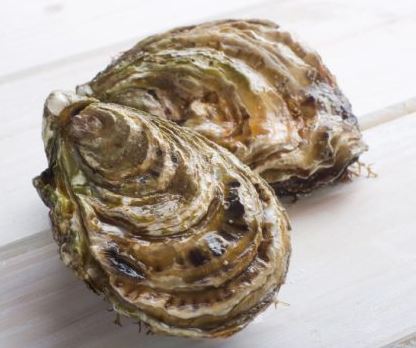
Which class of Mollusks include clams, oysters, and mussels?
a)
Gastropods
b)
Bivalves
c)
Cephalopods
7.
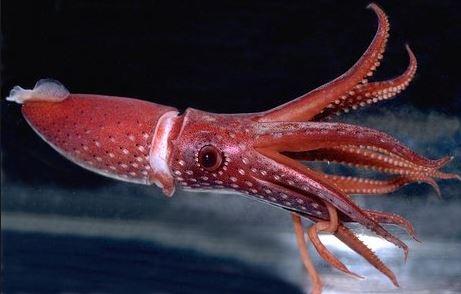
Which class of Mollusks include squid, cuttlefish and octopus?
a)
Gastropods
b)
Bivalves
c)
Caphalopods
8.
Which class of Mollusks includes snails, slugs, or nudibranches?
a)
Cephalapods
b)
Bivalves
c)
Gastropods
9.
Which class of Mollusks include organisms that all have two shells?
a)
Gastropods
b)
Bivalves
c)
Cephalopods
10.
Which class of Mollusks include organisms that have camera-like eyes similar to humans?
a)
Gastropods
b)
Bivalves
c)
Cephalopods
11.
Which class of Mollusks is the only class with some terrestrial species?
a)
Gastropods
b)
Bivalves
c)
Cephalopods
12.
Which class of Mollusks all have tentacles?
a)
Gastropods
b)
Bivalves
c)
Cephalopods
13.
Which class of Mollusks have the most advanced nervous system?
a)
Gastropods
b)
Bivalves
c)
Cephalopods
14.
Which group of Mollusks does the picture belong to?
a)
Gastropod
b)
Bivalve
c)
Cephalopod
15.
What is the meaning of Cephalopods?
a)
Stomach-foot
b)
Head-footed
c)
Two-shelled
d)
Soft-bodied
16.
Mollusk's tongue-like strip covered with teeth that point backward is called the ____
a)
trochopore
b)
radula
c)
gills
d)
visceral mass
17.
What type of symmetry do sponges (Porifera) have?
a)
asymmetrical
b)
radial
c)
bilateral 
d)
medial
18.
Describes an animal that does not move as an adult
a)
hermaphrodite
b)
sessile
c)
filter feeder
d)
spongin
19.
Animals bring in or attract food from the surrounding environment are ________
a)
sessile
b)
medusas
c)
filter feeders
d)
choanocytes
20.
Sponges belong in which phylum?
a)
Cnidaria
b)
Porifera
c)
Chordata
d)
Arthropoda
21.
What type of symmetry do cnidarians have
a)
asymmetrical
b)
bilateral
c)
radial
22.
Which of the following is a correct description of the polyp body form?
a)
It is sessile and the tentacles and mouth point downward.
b)
It is sessile and the mouth and tentacles point upward.
c)
It is mobile and the tentacles and mouth point downward.
d)
It is mobile and the tentacles and mouth point upward.
23.
Instead of a brain or central nervous system, jelly fish have what in place to help them respond to the environment.
a)
Stinging Cells
b)
Nerve Net
c)
Internet
d)
Chloroplast
24.
What form is this organism? (Image 1)
a)
Polyp
b)
Medusa
25.
Which Phylum does this animal belong?
a)
Phylum Porifera
b)
Phylum Cnidaria
26.
To which kingdom do the sponges and cnidarians belong?
a)
animalia
b)
plantae
c)
bacteria
d)
fungi
27.
Sponges are animals because they
a)
eat other things
b)
are made up of only one cell
c)
can regenerate
d)
have both male and female parts
28.
Which of the following is an example of a cnidarian?
a)
Barrel sponge
b)
Purple Striped Jellyfish
c)
Sea turtle
d)
Turitopsis Nutricula
29.
What are the organelles inside the stinging cells that inject paralyzing toxins into their prey?
a)
pinacocytes
b)
cnidocil
c)
choanocytes
d)
nematocysts
30.
Between 90-95% of all animals on earth can be classified as _____.
a)
invertebrates
b)
vertebrates
c)
reptiles
d)
mammals
31.
Which phylum is mainly asymmetrical?
a)
cnidaria
b)
porifera (sponges)
c)
echinodermata
d)
arthropoda
32.
Most animals have this type of symmetry?
a)
radial
b)
asymmetrical
c)
bilateral
d)
trilateral
33.
Sponges use pores to 
a)
move from place to place.
b)
filter food from the water.
c)
defend themselves.
34.
Which phylum contains segmented worms like earthworms and leeches?
a)
Platyhelminthes
b)
Nematoda
c)
Annelida
35.
Which of the following do all worms have in common?
a)
They are all coelomates.
b)
They are all bilateral
c)
They all have a complete digestive tract.
d)
They are all parasitic.
36.
What am I?
a)
Mollusk
b)
Annelid
c)
Arthropod
d)
Cnidarian
37.
This is the "toothed tongue" on some Mollusca used to scrape food
a)
Ossicle
b)
Radula
c)
Parapodia
d)
Osculum
38.
What class do snails belong to?
a)
Cephalopoda
b)
Bivalva
c)
Cubozoa
d)
Gastropoda
39.
What Mollusk group does the picture belong to?
a)
Gastropod
b)
Bivalve
c)
Cephalopod
40.
Octopuses, squid, and cuttlefish can change colors to match their environment. 
a)
True
b)
False
41.
Which octopus is very dangerous?
a)
The blue ringed octopus
b)
The mimic octopus
c)
The pacific octopus
d)
The sand octopus
42.
What is the meaning of Gastropod?
a)
Soft-bodied
b)
Stomach foot
c)
Head-footed
d)
Two-shelled
43.
What is the meaning of Bivalve?
a)
Two-shelled
b)
Head-footed
c)
Soft-bodied
d)
Stomach footed
44.
What Mollusk are highly intelligent?
a)
Gastropods
b)
Bivalves
c)
Cephalopods
d)
Cnidarians
45.

This is a

a)

flamingo tongue cone snail

b)

abalone

c)

clam

46.

This is a

a)

elephant trunk clam

b)

file clam

c)

razor clam

47.

This is a

a)

oyster

b)

scallop

c)

cone snail

d)

quahog

48.

This is a

a)

blue dragon nudibranch

b)

man o war

c)

blue sponge

49.

The tapeworm is a

a)

flat worm

b)

round worm

c)

segmented worm

50.

?

a)

flat worm

b)

round worm

c)

segmented worm

51.

?

a)

tiger snail

b)

cone snail

c)

nautilis

52.

?

a)

Queen conch

b)

pink ses shell

53.

?

a)

leopard cone snail

b)

spotted whelk

c)

flamingo tongue cone snail

54.

The blue spots are

a)

eggs

b)

eyes

c)

tentacles

d)

parasites

55.

These tiny coquina clams are found in the 100's of thousands on

a)

Australia's beaches

b)

local Brazoria county beaches

c)

deep in abyssal oceans

56.

This blue Christmas tre worm has_______ symmetry

a)

bilateral

b)

radial

c)

assymetrical

d)

no

57.

?

a)

spotted planaria

b)

purple centipede

c)

velvet worm

58.

?

a)

round worm

b)

flat worm

c)

segmented worm

59.

Sponges get the phylum name Porifera due to the _______ they have to intake water.

a)

osculum

b)

osteopaths

c)

pores

60.

This is the deadly________ jellyfish

a)

moon

b)

lion

c)

box

d)

fairy

61.

This is the dangerous

a)

box jellyfish

b)

man o war

c)

giant jellyfish

62.

?

a)

giant squid

b)

Humboldt squid

c)

kraken

63.

?

a)

reef squid

b)

cuttlefish

c)

tiger octopus

64.

?

a)

Clown nudibranch

b)

Flamboyant cuttlefish

c)

giant cuttlefish

65.

This species should be called the______________ octopus

a)

dumbo

b)

fairy

c)

adorable

66.

Baby octopuses are called

a)

infants

b)

larva

c)

medusa

67.

All cnidarians have

a)

silica bodies

b)

stinging tentacles

c)

bilateral symmetry

d)

pores

68.

This ginat Gippsland earthworm is a

a)

annelid

b)

round worm

c)

flat worm

69.

When you lick a slug it

a)

kills you

b)

makes your mouth and tongue go numb

c)

makes you hallucinate

d)

turns you into a zombie :p

70.

This deadly blue ringed octopus is found in

a)

India

b)

North America

c)

Australia

d)

Jamaica

71.

Glass sponges are made of

a)

sand

b)

cartilage

c)

bone

d)

silica

72.

This larva jellyfish is

a)

holoplankton

b)

meroplankton

c)

phytoplankton

73.

This is _____________ from abalone.

a)

oplals

b)

mother-of-peral

c)

tortoise shell