
 Worksheets
Fossils
Total questions: 94
Worksheet time: 2hrs 16mins







Which of the following terms best describes body fossils?
rare
widespread
made of stone
mummified
Which of the following is an example of a body fossil?
A perfect mold of a dinosaur bone
A carbon print left by a leaf
The skull of a mammoth that fell into a tar pit
A dinosaur footprint
Which of the following is an example of a trace fossil?
A skeleton preserved in a tar pit
A footprint of an extinct animal
A mummy buried in ice
An insect preserved in amber
Why are deserts, tar pits, and ice good places to find body fossils?
Most ancient organisms lived in these environments
Bacteria and other decomposers cannot thrive in these environments
Many ancient organisms traveled to these places to die
The largest ancient organisms lived in these places
In order to form a fossil, an organism must usually ______ quickly after it dies.
decompose
go extinct
rot
be buried
What can you conclude from the fact that so many fossils involve shells, skeletons, and teeth?
Most organisms on earth have shells, skeletons, or teeth
Bacteria and decomposers consume these parts first after an animal dies
These parts decay slower that other body parts
These parts are more likely to be buried in ice than other body parts
Although a cast fossil looks like an original bone or shell, how is it different?
It's made of rock
It contains skin, hair, and other remnants
It has been liquefied
It is completely colorless
A mold fossil is most similar to:
An eggshell with no egg inside
A replica of your teeth made at the dentist's office
A bone your dog buries in the backyard
An insect trapped in tree sap
What two forces can turn fossils into fossil fuels?
Lift and thrust
Wind and rain
Temperature and pressure
Motion and time

Finding a sharp, jagged tooth tells scientists that particular animal ate what?
plants
trees
meat
drank water
In very cold climates, fossils can be preserved in _____.
ice
tar
amber
mud
The preserved remains of a plant or animal that live long ago are called______.
mummies
wooly mammoths
fossils
organisms
The weather conditions over a long period of time is called _____.
rain
precipitation
weather
climate


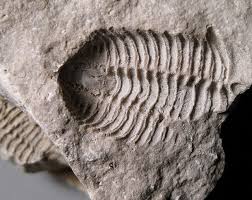
The process by which the remains of ancient living things are turned into rock.
photosynthesis
fossilization
erosion
weathering


What is the half-life of Thorium-232?
4.47 billion years
14.0 million years
14.0 billion years
232 million years
If you had 100 g of Thorium-232, how long would it take for 50g to decay?
4.47 billion years
14.0 million years
14.0 billion years
232 million years
If you had 100 g of Potassium-40, how long would it take for 50 g of Argon-40 to form?
1.25 billion years
1.25 million years
2.5 billion years
2.5 million years
If you had 100 g of Potassium-40, how long would it take for 75 g of Argon-40 to form?
1.25 billion years
1.25 million years
2.5 billion years
2.5 million years
If you had 90 g of Uranium-235, how much would remain after 0.704 billion years?
90 g
0 g
45 g
4.5 g
If you had 90 g of Uranium-235, how much would remain after 2.112 billion years?
90 g
67.5 g
45 g
22.5 g
If you had 90 g of Uranium-235, how much would have decayed after 2.112 billion years?
90 g
67.5 g
45 g
22.5 g



