wayground logo

Free Printable Worksheets

Font size

S
M
L
XL
Worksheets

UNIT 9 - Earth Rocks! Test Review

Total questions: 50

Worksheet time: 40mins

Name
Class
Date
1.
What is the volume of Object X?
a)
10.0 cm3
b)
15.0 cm3
c)
20.0 cm3
d)
25.0 cm3
2.
What is the formula for density?
a)
density = mass x volume
b)
density = mass / volume
c)
density = mass + volume
d)
density = mass - volume
3.
Calculate the density of the cube.
a)
2 g/cm3
b)
4 g/cm3
c)
6 g/cm3
d)
8 g/cm3
4.
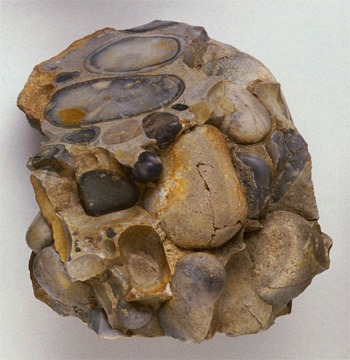
This rock formed when bits of other rocks became pressed into a solid. What type of rock is it?
a)
Sedimentary Rock
b)
Metamorphic Rock
c)
Igneous Rock
5.
This rock was formed when magma cooled very slowly inside the Earth. What specific type of rock is it?
a)
Intrusive Igneous Rock
b)
Extrusive Igneous Rock
c)
Foliated Metamorphic Rock
d)
Clastic Sedimentary Rock
6.
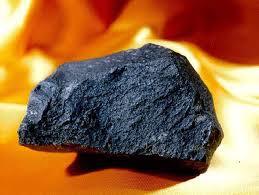
This rock formed when lava cooled very quickly on Earth's surface. What specific type of rock is it?
a)
Extrusive Igneous Rock
b)
Intrusive Igneous Rock
c)
Non-Foliated Metamorphic Rock
d)
Biochemical Sedimentary Rock
7.
When you watch a volcano erupt molten rock, you are seeing _____
a)
Lava
b)
Magma
c)
Mineral Crystals
d)
Igneous Rocks
8.
What are the 3 major types of rocks?
a)
Igneous, Metamorphic, Sedimentary
b)
Metamorphic, Igneous, Cementation
c)
Brown, Red, Gray
d)
Streak, Hardness, Breakage
9.
Two ways to describe types of igneous rocks are _____
a)
Extrusive and Intrusive
b)
Foliated and Non-Foliated
c)
Clastic and Biochemical
d)
Black and Gray
10.
What process is used to form sedimentary rocks?
a)
Lava cools and hardens to form a rock.
b)
Weathering, Erosion, Deposition, Compaction, Cementation
c)
Extreme heat and pressure from inside the Earth turn rocks into new rocks.
d)
Magma trapped under the Earth's surface cools and solidifies.
11.
Which of the words below describe broken up rock?
a)
stalactites
b)
magmas
c)
metamorphs
d)
sediments
12.
This rock was formed by smaller pieces of rock that settled at the bottom of a lake millions of years ago. What type of rock is this?
a)
Sedimentary
b)
Igneous
c)
Metamorphic
13.
This rock was found near the mouth of a volcano. What type of rock is this?
a)
Sedimentary
b)
Igneous
c)
Metamorphic
14.
Which type of rock is formed from INTENSE heat and pressure?
a)
igneous
b)
sedimentary
c)
metamorphic
15.
Is the following metamorphic rock foliated or non-foliated?
a)
Foliated
b)
Non-foliated
c)
Neither
16.
Which of the following is a metamorphic rock?
a)
obsidian
b)
granite
c)
gneiss
d)
sandstone
17.
Which of the following is a metamorphic rock?
a)
granite
b)
sandstone
c)
quartzite
d)
conglomerate
18.
When metamorphic rocks are formed, the extreme pressure is usually caused by the _______.
a)
gravity in the atmosphere
b)
collision of tectonic plates
c)
the fiery hot magma in the Earth's mantle
d)
weight of the mountains
19.
What are the two main types of metamorphic rocks and how are they different?
a)
intrusive and extrusive; intrusive rocks are formed inside the earth and extrusive rocks are formed on the surface
b)
foliated and nonfoliated; foliated rocks do not have visible bands/layers and nonfoliated rocks do have visible bands/layers
c)
intrusive and extrusive; intrusive rocks are formed on the earth's surface and extrusive rocks are formed in the Earth
d)
foliated and nonfoliated; foliated rocks have visible bands/layers and nonfoliated rocks do not have visible bands/layers
20.
What does clastic mean?
a)
Compacted sediment
b)
Magma made the rock
c)
The rock has crystals 
21.
A natural resource made from remains of swamp plants from millions of years ago
a)
gasoline
b)
oil
c)
natural gas
d)
coal
22.
What is the first step in forming coal?
a)
ocean animals buried in sediment
b)
ocean plants buried in sediment
c)
swamp animals buried in sediment
d)
swamp plants buried in sediment millions of years ago
23.
This rock is made of salts left behind when a shallow sea evaporated. What type of sedimentary rock is it?
a)
Clastic
b)
Chemical
c)
Organic
24.
Intrusive Igneous rocks will be 
a)
coarse grain
b)
fine grain
25.
Coarse or Fine?
a)
coarse
b)
fine
26.
___________ describes how the mineral reflects light.
a)
cleavage
b)
magnetic
c)
luster
27.
Minerals are identified by observing their ___________.
a)
physical properties
b)
name
c)
location
28.
A mineral's resistance to being scratched is called?
a)
streak
b)
luster
c)
hardness
d)
heft
29.
By definition, a mineral has which of the following characteristic(s)?
a)
chemical composition
b)
crystalline structure
c)
natural
d)
all of the above
30.
Which mineral property is being shown here?
a)
luster
b)
hardness
c)
cleavage
d)
streak
31.
What does the Mohs Scale measure?
a)
Streak
b)
Luster
c)
Hardness
d)
Cleavage
32.
What is the LEAST useful way to identify a mineral?
a)
luster
b)
streak
c)
color
d)
density
33.
Which minerals would all scratch apatite?
a)
diamond, topaz, quartz
b)
quartz, calcite, gypsum
c)
fluorite, talc, calcite
d)
diamond, fluorite, corundum
34.
Which mineral would scratch calcite but not scratch apatite?
a)
fluorite
b)
gypsum
c)
talc
d)
topaz
35.

What property of the mineral is being tested in this picture?

a)

luster

b)

hardness

c)

cleavage

d)

density

36.

What property of the mineral is being tested in this picture?

a)

luster

b)

hardness

c)

cleavage

d)

density

37.

A mineral sample was scratched by topaz, quartz, and apatite. The same sample scratched gypsum, talc, and calcite. What is the estimated hardness of the mineral?

a)

it has a hardness of 1

b)

between 5 and 6

c)

between 3 and 4

d)

between 3 and 5

38.

"Ferromagnesian" minerals all contain iron (Fe) and magnesium (Mg), but may also contain other elements. Which of the minerals listed below would be classified as ferromagnesian? Use the table!

a)

feldspar

b)

orthoclase

c)

quartz

d)

olivine

39.

Which of these minerals is used as a lubricant, and to make pencils?

a)

pyrite

b)

quartz

c)

graphite

d)

sulfur

40.

Which of these is not one of the major rock forming minerals?

a)

quartz

b)

feldspar

c)

mica

d)

pyrtie

41.

The minerals shown in the table may be grouped together because they all have_.

a)

the same crystal systems

b)

constant density values

c)

shiny streaks

d)

oxygen in their formulas

42.

Which mineral has characteristics that are most similar to talc?

a)

quartz

b)

feldspar

c)

gypsum

d)

halite

43.

How could you tell the difference between pyrite and chalcopyrite?

a)

test their streak

b)

determine their cleavage

c)

test their hardness

d)

determine their luster

44.
If this substance takes up 6ml of space, what is its mass?
a)
 6 ml
b)
6 grams
c)
0 grams
d)
4 grams 
45.
What type of rock are fossils often found in?
a)
igneous
b)
metamorphic
c)
sedimentary
d)
magma
46.

This is a rock named gneiss (pronounced "nice.") Which of the statements below are true? Choose all correct answers.

a)

its parent rock is granite

b)

this is a clastic sedimentary rock

c)

this is a foliated metamorphic rock

d)

the minerals in this rock were flattened by extreme heat and pressure

e)

this is an igneous rock that cooled quickly on Earth's surface

47.

Number 4 in this diagram represents:

a)

sediment

b)

cooling

c)

molten rock

d)

crystallization

48.

Number 1 in this diagram represents

a)

cooling and crystallizing

b)

heat and pressure

c)

compaction and cementation

d)

weathering, erosion, deposition

49.

Of these igneous rocks, which would contain the smallest crystals?

a)

gabbro

b)

andesite

c)

diorite

d)

granite

50.

Which rocks are considered nonclastic sedimentary? Choose all that apply.

a)

limestone

b)

coal

c)

sandstone

d)

rock salt

e)

conglomerate