
 Worksheets
Human Body
Total questions: 79
Worksheet time: 53mins
Name
Class
Date
1.
The main purpose of the ____________ system is to break food particles into pieces that can be used.
a)
circulatory
b)
respiratory
c)
digestive
d)
skeletal
2.
What is responsible for delivering oxygen and removing carbon dioxide from the body?
a)
cell nucleus
b)
excretory system
c)
nervous tissue
d)
respiratory system
3.
The __________ system directs the body to inner and outer changes.
a)
digestive
b)
circulatory
c)
nervous
d)
skeletal
4.
In multicellular organisms, tissues are comprised of _______.
a)
organs
b)
systems
c)
cells
d)
blood
5.
When tissues come together, they form ___________.
a)
cells
b)
atoms
c)
organs
d)
systems
6.
Which of the following shows the levels of organization of an organism from LEAST to MOST complex.
a)
cells-tissues-systems-organs
b)
organs-cells-systems-tissues
c)
systems-organs-tissues-cells
d)
cells-tissues-organs-systems
7.
This system picks up oxygen from the respiratory system (lungs) and nutrients from the digestive system.
a)
Circulatory System
b)
Digestive System
c)
Muscular System
8.
This system includes the trachea, lungs, air sacs, diapram
a)
Respiratory System
b)
Skeletal System
c)
Nervous System
9.
This system protects the body's organs, provides support for the body.
a)
Nervous System
b)
Skeletal System
c)
Respiratory System
10.
This system works with the muscular system to move the body.
a)
Respiratory System
b)
Skeletal System
c)
Nervous System
11.
This system includes the mouth, stomach, liver, tongue, esophagus, stomach, small intestines and large intestines.
a)
Nervous System
b)
Digestive System
c)
Muscular System
12.
What system makes your body get warm/hot when you exercise?
a)
Respiratory System
b)
Muscular System
c)
Skeletal System
13.

How many bones make up a human adult?
a)
205
b)
206
c)
207
d)
208
14.

Arteries carry blood ______ from the heart.
a)
Away
b)
To
c)
Across
d)
Around
15.

Veins carry blood ______ the heart.
a)
Around
b)
Away
c)
To
d)
Across
16.

The air I breathe in goes down my trachea to my ______?
a)
Heart
b)
Lungs
c)
Brain
d)
Stomach
17.

My body needs ______ from the air to live.
a)
Oxygen
b)
Cardon Dioxide
c)
Carbon Monoxide
d)
Hydrogen Peroxide
18.

I breathe out s gas called ___________ that my body does not need.
a)
Oxygen
b)
Carbon Monoxide
c)
Carbon Dioxide
d)
Hydrogen Peroxide
19.

The food I eat goes down my esophagus to my __________.
a)
Bladder
b)
Kidney
c)
Stomach
d)
Big Toe
20.
The __________ is the main organ of the nervous system.
a)
heart
b)
lungs
c)
brain
d)
skin
21.
When tissues come together, they form ___________.
a)
cells
b)
atoms
c)
organs
d)
systems
22.
In multicellular organisms, tissues are comprised of _______.
a)
organs
b)
systems
c)
cells
d)
blood
23.
The main purpose of the _______ system is to ensure the continuation of the species.
a)
respiratory
b)
reproductive
c)
circulatory
d)
endocrine
24.
Which system enables the body to move, moves food through the digestive system, and keeps the heart beating?
a)
skeletal
b)
muscular
c)
digestive
d)
nervous
25.
Which system provides shape and support, enables you to move, protects your internal organs, and stores minerals?
a)
skeletal
b)
muscular
c)
digestive
d)
nervous
26.
Which system detects information from the environment and directs the way your body responds to this information?
a)
excretory
b)
circulatory
c)
respiratory
d)
nervous
27.
Which system includes the heart and blood vessels?
a)
respiratory
b)
circulatory
c)
nervous
d)
skeletal
28.
What is the level o organization known as a group of cells that work together?
a)
cells
b)
organ system
c)
organ
d)
tissue
29.
What function does the heart do?
a)
Protects organs and produces red blood cells.
b)
Generates heat.
c)
Breaks down food into nutrients.
d)
The heart is a pump, which moves the blood. The arteries and veins are the pipes where the blood flows.
30.
Oxygen and carbon dioxide move in and out of blood through the walls of the __________
a)
arteries
b)
capillaries
c)
veins
d)
vessels
31.
Tube that carries oxygen from the lungs to the throat
a)
Esophagus
b)
Trachea
c)
Diaphragm
d)
Ureters
32.
Dome shaped muscle that pulls air into the lungs
a)
Bladder
b)
Lungs
c)
Diaphragm
d)
Heart
33.
Platelets are a part of blood that help in the:
a)
formation of hemoglobin
b)
formation of a clot
c)
release of anitbodies
d)
absorption of amino acids
34.
What part of blood is responsible for fighting infections?
a)
Red Blood Cells
b)
White Blood Cells
c)
Platelets
d)
Plasma
35.
What does blood consist of?
a)
plasma, red blood cells, white blood cells, platelets
b)
hormones, oxygen, nutrients, water
c)
red blood cells
d)
carbon dioxide and minerals
36.

The knee joint is
a)
Hinge
b)
Gliding
c)
Ball and socket
d)
Pivot
37.

The shoulder joint is
a)
Hinge
b)
Gliding
c)
Ball and socket
d)
Pivot
38.

Connects bone to bone
a)
Ligament
b)
Tendon
c)
Cartilidge
39.

What is the name for the connector that attaches muscle to bone?
a)
ligament
b)
tendon
c)
patella
d)
string
40.

What is the place where two bones meet?
a)
hinge
b)
bone
c)
spot
d)
joint
41.
What is the biggest bone in your body?
a)
fibula
b)
humerus
c)
pelvis
d)
femur
42.
What is another name for your collar bone?
a)
scapula
b)
clavicle
c)
patella
d)
sternum
43.
What is another name for your shin bone?
a)
fibula
b)
tibia
c)
thigh bone
d)
femur
44.
What do your bones protect?
a)
organs
b)
skin
c)
muscles
d)
feelings
45.
What bones protect your heart and lungs?
a)
pelvis and spine
b)
brain and spine
c)
ribs and sternum
d)
ribs and pelvis
46.
What are the three jobs of your bones?
a)
movement, structure, joints
b)
movement, structure, protection
c)
structure, digestion and breathing
d)
movement, digestion and breathing
47.
What does your bone marrow make?
a)
muscles
b)
cartilage
c)
blood cells
d)
germs
48.
Where are three places you can find cartilage?
a)
nose, tongue and eyes
b)
nose, ears and joints
c)
fingernails, lips and eyes
d)
skin, eyes and lungs
49.
Do bones grow?
a)
yes
b)
no
50.

The chewing and grinding of food into smaller pieces is an example of...
a)
Mechanical Digestion
b)
Chemical Digestion
51.

What is one secondary (helper) organ of the digestive system?
a)
Small Intestine
b)
Esophagus
c)
Gallbladder
d)
Stomach
52.

Nutrients from digested food are absorbed in which digestive organ?
a)
Small Intestine
b)
Stomach
c)
Large Intestine
d)
Gallbladder
53.

Number 5 is pointing to the...
a)
Liver
b)
Gallbladder
c)
Pancreas
d)
Stomach
54.

Number 3 is pointing to the...
a)
Small intestine
b)
Rectum
c)
Large intestine
d)
Stomach
55.

Which organ pushes food down to the stomach?
a)
Mouth
b)
Esophagus
c)
Rectum
d)
Large intestine
56.

As waste moves through the digestive system, the ______ absorbs water before storing waste in the rectum.
a)
Small intestine
b)
Stomach
c)
Esophagus
d)
Large intestine
57.
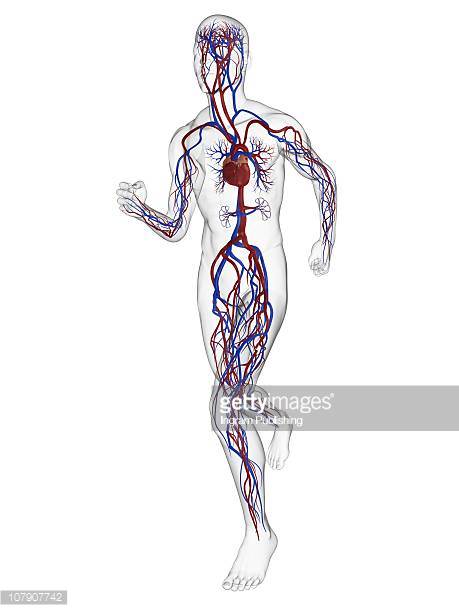
What is the main organ of the circulatory system?
a)
small intestine
b)
bone
c)
lungs
d)
heart
58.
Arteries carry oxygen rich blood away from the heart.
a)
True
b)
False
59.
Veins carry oxygen poor blood back to the heart.
a)
False
b)
True
60.
______________ are the smallest blood vessels.
a)
Arteries
b)
Veins
c)
Capillaries
61.
The circulatory system works with the ___________ system to provide our body with oxygen.
a)
respiratory
b)
digestive
c)
muscular
d)
skeletal
62.
The circulatory system works with the __________ system to obtain energy from nutrients that we eat.
a)
respiratory
b)
digestive
c)
skeletal
d)
nervous
63.
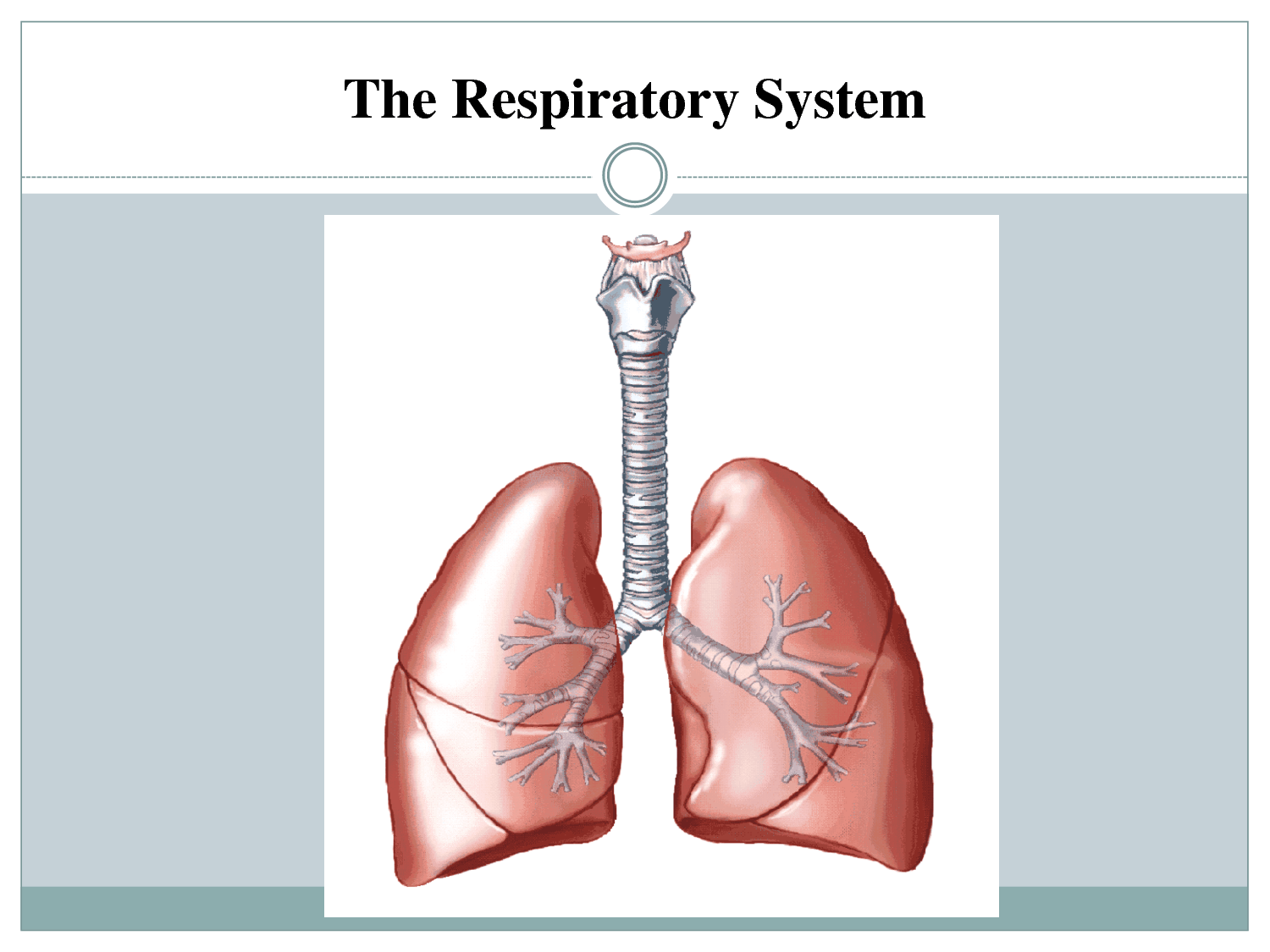
What is the main function of the respiratory system?
a)
to provide oxygen and remove carbon dioxide from the body
b)
to bring oxygen to the body
c)
to break down food and absorb nutrients
d)
to remove oxygen from the body and deliver carbon dioxide
64.
What are the main organs of gas exchange in the respiratory system?
a)
diapragm
b)
lungs
c)
trachea
d)
bronchi
65.
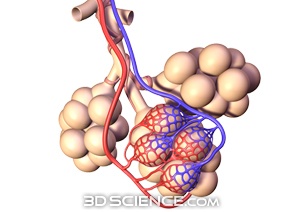
When you breathe, your lungs take in ___ and remove ___.
a)
air/oxygen
b)
oxygen/carbon dioxide
c)
carbon dioxide/waste
d)
waste/air
66.
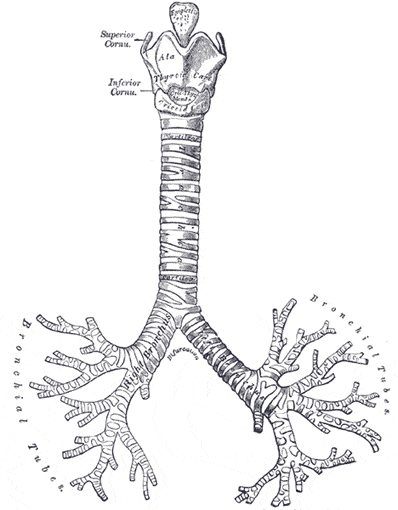
The two main branches from the trachea (one to each lung)
a)
bronchi
b)
alveoli
c)
capillaries
d)
bronchioles
67.
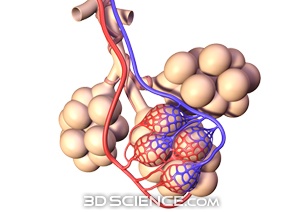
The air sacs that are covered with capillaries where gas exchange takes place
a)
bronchi
b)
lungs
c)
oxygen
d)
alveoli
68.

Within the lungs, the exchange of oxygen and carbon dioxide occurs between the ___ and the capillaries.
a)
trachea
b)
bronchi
c)
alveoli
d)
diaphragm
69.
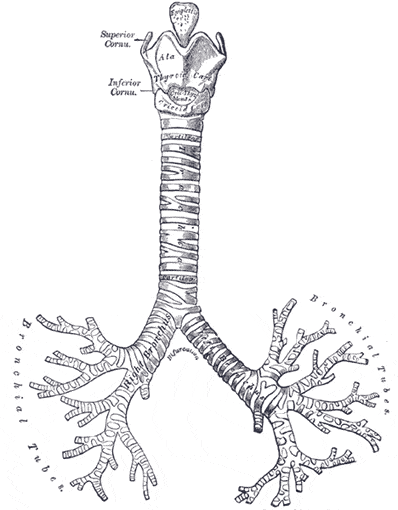
What is tube that is also known as your wind pipe?
a)
esophogus
b)
bronchi
c)
trachea
d)
alveoli
70.
What two things are found in the central nervous system?
a)
brain/spinal cord
b)
spinal cord/motor neurons
c)
motor/sensory neurons
d)
only brain
71.
Which part of a neuron RECIEVES information?
a)
axon
b)
dendrite
c)
cell body
d)
axon terminal
72.
Which part of the neuron is a long fiber that send information to other cells?
a)
dendrite
b)
terminal
c)
cell body
d)
axon
73.

Two major branches of the nervous system
a)
central and peripheral
b)
peripheral and motor
c)
motor and sensory
d)
central and motor
74.

The brain is part of the ____ nervous system.
a)
central
b)
peripheral
c)
motor
d)
internal
75.

The nerves in your fingertips are part of the ___ nervous system
a)
central
b)
peripheral
c)
internal
d)
cardiovascular
76.

The spinal cord is part of the ____ nervous system.
a)
Central
b)
Peripheral
77.

Movement can be:
a)
only voluntary
b)
only involuntary
c)
voluntary OR involuntary
d)
none of these
78.

An example of involuntary movement would be:
a)
heart beating
b)
walking
c)
talking
d)
wiggling toes
79.

An example of voluntary movement would be:
a)
smiling
b)
heart beat
c)
digestion
d)
breathing
100 %

