wayground logo

Free Printable Worksheets

Font size

S
M
L
XL
Worksheets

Cell Parts

Total questions: 82

Worksheet time: 44mins

Name
Class
Date
1.

What does unicellular mean?

a)

One cell

b)

Two cells

c)

Three Cells

d)

Four hundred cells

2.

A green structure where energy from sunlight is changed into food is

a)

Vacuole

b)

Mitochondria

c)

Cytoplasm

d)

Choroplast

3.

What is this?

a)

Cell wall

b)

Cell membrane

c)

cytoplasm

d)

nucleus

4.

What is the powerhouse of the cell?

a)

Mitochondria

b)

Nucleus

c)

Vacuole

d)

Choroplast

5.

What is number 3

a)

Cell wall

b)

Cell membrane

c)

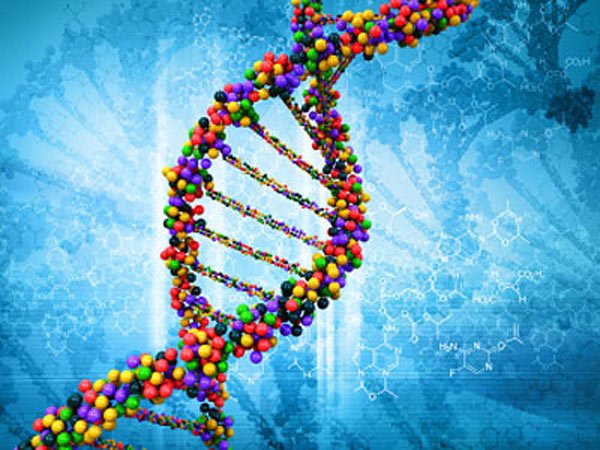
cell

d)

Organ

6.

What does a nucleus look like?

a)
b)
c)
d)
7.

Which cell has a more defined shape?

a)

Animal Cell

b)

Plant Cell

8.

What type of cell is simple?

a)

Eukaryotic Cell

b)

Prokaryotic Cell

9.

What structure is this?

a)

Cell Membrane

b)

Vacuole

c)

Cell Wall

d)

Nucleus

10.

A bunch of cells together create a what?

a)

Organ

b)

Tissue

c)

Organelle

d)

Organsystem

11.

What is the jelly like substance that fills the cell?

a)

Cytoplasm

b)

Cell Membrane

c)

Vacuole

d)

Choroplast

12.

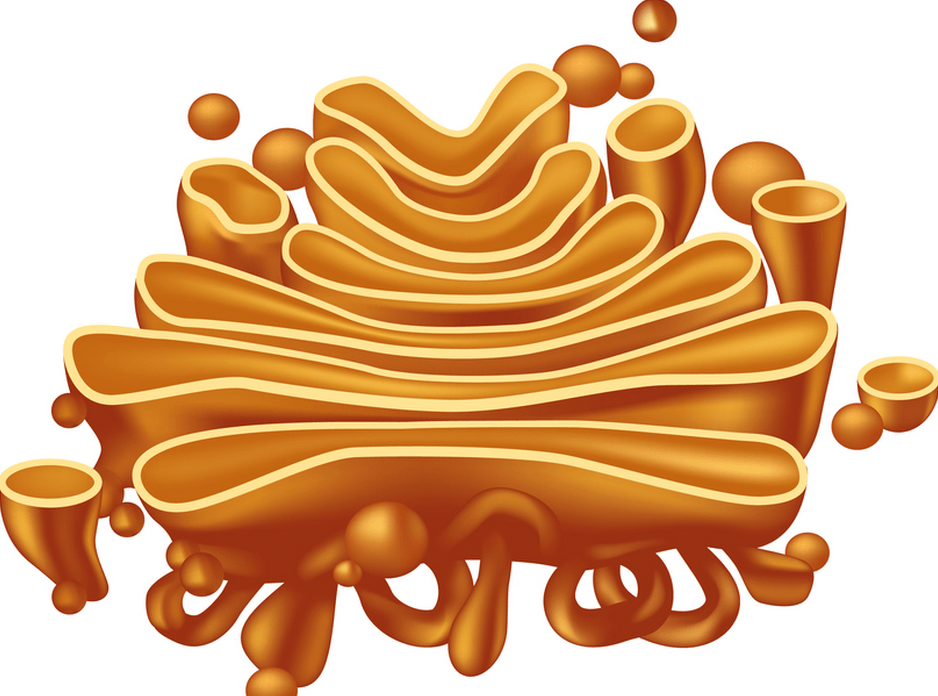
What is this part called?

a)

Mitochondria

b)

Cytoplasm

c)

Nucleus

d)

Vacoule

13.

What is part 4 called?

a)

Mitochondria

b)

Cytoplasm

c)

Cell wall

d)

Gogi Bodies

14.

A bunch of tissue put together creates

a)

Cell

b)

Tissue

c)

Organ

d)

Organ System

15.

What type of cell is this?

a)

Plant

b)

Animal

c)

Prokaryotic

d)

Eukaryotic

16.

What does multicellular mean?

a)

Organism made up of one cell

b)

Organ made up of two or more cells

17.

What is the definition of organism

a)

A living thing

b)

A nunch of cells put together

c)

A stiff like structure outside the cell

d)

Cell structures that perform life processes

18.

What controls what comes in and out of the cell?

a)

Cell wall

b)

nucleus

c)

Cell Membrane

d)

Mitochondira

19.

What does a vacuole do?

a)

Holds the DNA

b)

Holds the chorophyl

c)

Stores the food and water

d)

Stores the energy

20.

What is the smallest building block of life?

a)

Cells

b)

Atoms

c)

Electrons

d)

Dust

21.

Humans are

a)

unicellular

b)

multicellular

22.

Bacteria is... (mostly)

a)

unicellular

b)

multicellular

23.

What cell has a cell wall?

a)

Plant cells

b)

Animal Cells

24.

What type of cell is this?

a)

Plant Cell

b)

Animal Cell

c)

Eukarotic Cell

d)

Prokaryotic Cell

25.

What type of cell has a nucleus?

a)

Prokaryotic Cell

b)

Eukaryotic Cell

26.

Structures in cells that perform specific functions are...

a)

Organs

b)

Organelles

c)

Multicellular

d)

Mitochondria

27.

This structure found in eukaryotic cells contains the DNA and is responsible for controlling the cell. Often called the brain.

a)

Mitochondria

b)

Cell wall

c)

Nucleus

d)

Ribosome

28.

How many vacuoles does this cell have?

a)

8

b)

6

c)

4

d)

1

29.

What is this?

a)

Mitochondria

b)

Cell wall

c)

Nucleus

d)

Ribosome

30.

What organelle is specific to this type of cell?

a)

Cell wall

b)

Mitochondria

c)

Ribsome

d)

ER

31.

How many vacuoles are there

a)

7

b)

5

c)

3

d)

1

32.

The transportation system for the cell is called

a)

ribosomes

b)

chloroplasts

c)

endoplasmic reticulum (E.R.)

33.

The storage tank for the cell is called the.

a)

lysosome

b)

vacuole

c)

chromosome

34.

The “powerhouse” or energy producer of the cell is called the

a)

mitochondria

b)

vacuole

c)

lysosome

35.

This is the clean up crew for the cell

a)

vacuole

b)

cell membrane

c)

lysosome

d)

cytoplasm

36.

The organelle that is the site of ribosome production is called the

a)

mitochondria

b)

lyosome

c)

golgi apparatus

d)

nucleolus

37.

This part of the cell contains the genes that tell the cell what it will become

a)

vacuole

b)

cell wall

c)

chromosomes

d)

ribosomes

38.

The protein factories of the cell are called

a)

nucleus

b)

mitochondria

c)

cytoplasm

d)

ribosomes

39.

The structure provides support and structure for plant cells

a)

cell wall

b)

cell membrane

c)

nuclear membrane

d)

endoplasmic reticulum (E.R.)

40.

If a cell did not have lysosomes it would probably:

a)

Accumulate too much waste

b)

Not have any instructions about how to function

c)

Not be able to control what enters or exits the cell

41.

Which of the following is NOT part of the cell theory?

a)

All living things are made of cells

b)

Cells are the basic units of structure and function in living things.

c)

Living cells come only from other living cells.

d)

Everything in the world, living or not, is made from cells.

42.

The two organelles that are found in a plant cell but not in an animal cell are the

a)

cell wall and cell membrane

b)

chloroplasts and cell wall

c)

chloroplasts and cell membrane

d)

nuclear membrane and cell wall

43.

Type of cell that does not have a nucleus or membrane bound organelles.

a)

eukaryotic

b)

Plant

c)

animal

d)

prokaryotic

44.

Which one of the following is not true of living organisms

a)

All living organisms must be able to reproduce

b)

All living organisms are made from living cells

c)

All living organisms must be able to move

d)

All living organisms grow and develop

45.

A group of cells working together to perform a function is called a

a)

tissue

b)

organ

c)

organ system

46.

What is the correct order of the levels of organization

a)

organism, tissue, organ, organ system, cell

b)

cell, tissue, organ, organism, organ system

c)

cell, tissue, organ, organ system, organism

d)

organism, organ, organ system, tissue, cell

47.

The simplest structure of a living thing is called a

a)

cell

b)

atom

c)

element

d)

molecule

48.

Bacteria is an example of a eukaryotic cell

a)

true

b)

false

49.

Humans are made of prokaryotic cells

a)

true

b)

false

50.

The diffusion of water is

a)

osmosis

b)

diffusion

c)

cell theory

51.

Unicellular means “made of many cells”

a)

true

b)

false

52.

Living cells can only come from other living cells.

a)

true

b)

false

53.

A group of tissue that work together to perform the same function is called an organ system.

a)

true

b)

false

54.

Chlorophyll gives an animal cell its green color.

a)

true

b)

false

55.

What organelle is found only in animal cells

a)

endoplasmic reticulum (E.R.)

b)

golgi bodies

c)

lysosome

d)

nuclear membrane

56.

When a cell divides, we call this

a)

mitosis

b)

osmosis

c)

diffusion

57.
Directs all cell activities through the DNA located there.
a)
Lysosomes
b)
Nucleus
c)
ribosomes
d)
Mitochondria
58.
Which of the following is directly involved in the transportation of materials inside/within the cell?
a)
Endoplasmic Reticulum
b)
Vacuole
c)
Lysosome
d)
Mitochondria
59.
I am a protein packaging and shipping machine! Who am I?
a)
vacuole
b)
ribosome
c)
mitochondrion
d)
golgi apparatus
60.
You might think of me as the trash collector, but recycler is maybe more accurate. What am I?
a)
mitochondria
b)
lysosome
c)
vacuole
d)
ribosome
61.
What is the name of the genetic material that is inside the nucleus?
a)
ER
b)
ATP
c)
YOLO
d)
DNA
62.
What is found in both plant and animal cells but is much larger in plant cells?
a)
Nucleus
b)
Mitochondria
c)
Chloroplast
d)
Vacuole
63.
This organelle takes food and turns it into ENERGY for plant and animal cells.
a)
Chloroplast
b)
Mitochondria
c)
Lysosome
d)
Ribosome
64.
I am the outer most layer of an animal cell. What am I?
a)
cell wall
b)
nucleus
c)
cell membrane 
d)
cell skin
65.
A rigid layer that lies outside the cell's  membrane is...
a)
Cytoskeleton
b)
Cilia
c)
Cell Wall
d)
Flagella
66.
The ___________ is the basic unit of life
a)
organ
b)
cell
c)
atom
d)
tissue
67.
 A group of cells that have similar functions? Examples are nervous, epithelial, muscle and connective
a)
cells
b)
tissues
c)
organs
d)
atoms
68.
A group of tissues that work together to perform a similar function is called_____. (Examples include the heart, lungs or stomach)
a)
cells
b)
tissues
c)
organs
d)
organ system
69.
Organs that work together to perform a related function is called _____________?
a)
cells
b)
tissues 
c)
organ system
d)
organs
70.
When many organ systems work together it can form...
a)
organ
b)
cells
c)
organ system
d)
organism 
71.
What do all of these organisms have in common?
a)
They all have uniform offspring
b)
They are all made of cells
c)
They possess the same features
d)
They have the same internal and external structures
72.
According to cell theory, where did this cell come from?
a)
another living cell
b)
energy from sun
c)
a multicellular organism
d)
the nonliving environment
73.
What tool do you use to view the cells?
a)
metric ruler
b)
centrifuge
c)
microscope
d)
pipette
74.
Which of the following is NOT a cell theory.
a)
All non-living things are made of cells
b)
All cells come from pre-existing cells
c)
Cells are the basic unit of structure and function of all living things
75.
Rocks are not living because
a)
they never move
b)
they aren't needed for humans
c)
they are not made of cells
d)
they don't break down
76.
This organelle helps plants keep their rigid structure. 
a)
Cell wall
b)
Cell membrane
c)
Chloroplast
d)
Nucleus
77.
This is a double layer of phospholipids that creates a barrier between the cells internal and external environments; it controls what comes in or out of the cell (selective permeable)
a)
Nucleus
b)
Cilia
c)
Cell membrane
d)
Flagella
78.
Robert Hooke, Anton van Leeuwenhoek, Theodor Schwann, Rudolf Virchow, and Matthias Schliden were all responsible for what theory?
a)
The Theory of Gravity
b)
The Theory of Relativity
c)
The Cell Theory
d)
The Theory of Continental Drift
79.
Cell organelles that are responsible for digesting food, worn out organelles and other cellular wastes are called ___________________.
a)
Mitochondria
b)
Vacuoles
c)
Lysosomes
d)
Chlororplasts
80.
Chloroplasts in plant cells allow the plant to perform a function that animal cells cannot do.  What is the main function of the chloroplasts found in plant cells?
a)
to absorb light energy and manufacture food
b)
to remove waste materials by active transport
c)
to manufacture chemical energy from food
d)
to control the shape of the cell
81.
Cells with a nucleus and membrane-bound organelles are called ____________________.
a)
prokaryotes
b)
eukaryotes
c)
bacteria
d)
protists
82.
Who was the first  person to see cells under the microscope and give them their name?
a)
Mattias Schleiden
b)
Robert Hooke
c)
Theordor Schwann
d)
Anton van Leeuwenhoek