
 Worksheets
our environment
Total questions: 80
Worksheet time: 49mins


When is World Environment Day is celebrated?
5 February
5 August
5 June
5 may
Which of the following is a primary consumer in a grassland ecosystem?

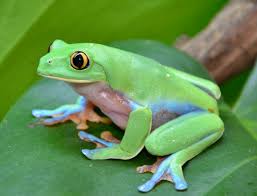
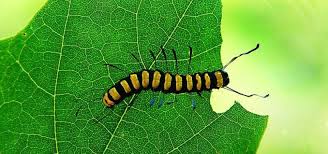
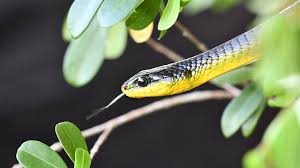
What percentage of energy is passed on to next tropic level?
10%
50%
90%
100%

What is this called?
Food Web
Food Chain
Abiotic Factors
Biotic factors

Which organism recieves the least amount of energy from the producer?
Owl
Grasshopper
Lilypad
Mouse
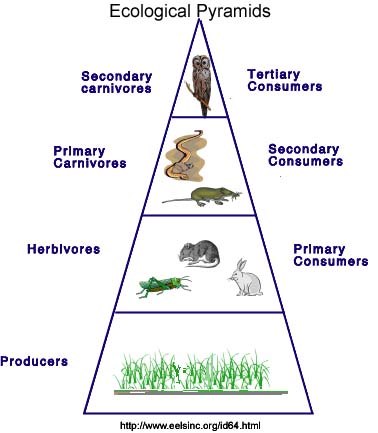
The phenomenon by which toxins concentrate in the organisms at higher trophic levels within an ecosystem is known as...
Biotoxicity
Biomagnification
Eutrophication
Predation
Consider the following food chain:
Algae > Mayfly > Minnow > Trout
In a polluted ecosystem, which organism is likely to have the HIGHEST level of toxic chemicals in its body?
Algae
Mayfly
Minnow
Trout
What damage can UV rays cause?
can cause sunburn.
can cause some types of skin cancer.
cataracts.
all of the above
What is causing damage to the Ozone layer?
Methane
Carbon dioxide
CFCs
All of the above
An artificial ecosystem is
Pond
Forest
Desert
Crop field
Each step of a food chain is called as
Trophic level
Food web
Eutrophication
Biological magnification
Which of the following constitute a food chain?
Grass, tiger and ant
Tiger, goat and human
Goat, human and grass
Human, fish and crab
Calculate the amount of energy available to snake in the given food chain if there is 6500 J of energy available to grass hopper.
Grass ----> grass hopper ---> frog -----> snake
6500 J
650 J
65 J
6.5 J
Why do we need to manage the garbage we produce
i)To improve the health and quality of life
ii)For preventing environmental pollution
iii) To produce more biodegradable plastics
iv) To reduce the strain on natural resources
i and iv
iii and ii
i, ii and iii
i,ii and iv
Non biodegradable wastes can be managed by practicing techniques like
Reduce Reuse Reabsorb
Reduce reuse recycle
___________________ are found as an alternative for plastics which are decomposed by microbial action.
PVC
Biodegradable plastics
thermoplastic plastic
thermosetting plastic
When is World Environment Day is celebrated?
5 February
5 August
5 June
5 may
What does a food chain always start with?
The herbivore
The carnivore
The producer
The consumer
Which of the following is a primary consumer in a grassland ecosystem?
What percentage of energy is passed on to next tropic level?
10%
50%
90%
100%
What is this called?
Food Web
Food Chain
Abiotic Factors
Biotic factors
Which organism recieves the least amount of energy from the producer?
Owl
Grasshopper
Lilypad
Mouse
The phenomenon by which toxins concentrate in the organisms at higher trophic levels within an ecosystem is known as...
Biotoxicity
Biomagnification
Eutrophication
Predation
Consider the following food chain:
Algae > Mayfly > Minnow > Trout
In a polluted ecosystem, which organism is likely to have the HIGHEST level of toxic chemicals in its body?
Algae
Mayfly
Minnow
Trout
What does the Ozone in the atmosphere do?
causes the greenhouse effect
causes acid rain
protects the Earth from harmful infrared (IR) rays
protects the Earth from harmful ultraviolet (UV) rays
What damage can UV rays cause?
can cause sunburn.
can cause some types of skin cancer.
cataracts.
all of the above
What is causing damage to the Ozone layer?
Methane
Carbon dioxide
CFCs
All of the above
What does a food chain always start with?
The herbivore
The carnivore
The producer
The consumer
The region of the world of living thing is termed as
Biosphere
Ecosystem
Food chain
Food web
What is the organic material of biological origin called?
Biomass
Bioenergy
Biofuel
Biogeochemical cycle
In the animal, what are the foods that cannot be digested by most animals?
Hair, feathers
Muscles, veins
Cartilage, bone
Skin, intestines
What is the layer of blanket that surrounds the earth surface called?
(a)
What is a place where living things live is known as?
(a)

*Remember Humans are on the top of all food chains because we do not get hunted.

A connection of food chains with many food energy paths in an ecosystem is a (a)
The formula of ozone is
O2
O4
O
O3
The functional unit of environment is known as
Environment
Ecosystem
Carbon
Oxygen
Green plants and Algae are the examples of
Producers
Consumers
Decomposers
none
..................is not a biodegradable pollutant.
Paper
Cotton Cloths
Cotton
DDT
Which of the following is an abiotic components
Animals
Plants
Microorganisms
Soil
Which gas is not responsible for global warming?
CO2
O3
NO2
N2
The flow of energy in an ecosystem is always (a)
Accumulation of chemicals in subsequent tropic level is called...
(a)
(a) gas is responsible for ozone layer depletion. (write short form)
Which level of the food chain is most affected by biomagnifications?
Producers
primary consumers
secondary consumers
tertiary consumers
Which member of the following food chain is most affected by DDT, a pollutant?
Algae --> small fish --> medium fish –-> hawks
algae
small fish
medium fish
hawks
Why is an invasive species likely to survive in a new environment?
A lack of predators
An abundance of predators
A lack of food
A lack of space
What is one of the greatest threats to biodiversity on Earth?
habitat destruction
loss of drinking water
decrease in food supply
biomagnification
What is the cause of acid rain?
Combustion
Deforestation
Water run off
Bio-magnification
What is Biodiversity?
sum total of all the similar species found in an ecosystem
total of differences in the same species in an ecosystem
the variety of different organ systems within multicellular organisms
sum total of all the different species found in an ecosystem
What is Biomagnification?
the growth of an organism over time
the increase in concentration of harmful chemicals in organisms at higher levels in the food web
the increase in population of a species over time
the increased significance of a species roll in an ecosystem
What is one way we can reduce human impact on the environment?
Increase the use of CFCs
Increase pollution prevention
Decrease the use of conservation
Decrease Endangered Species Protections
The ozone layer protects against radiation. Radiation can lead to which of the following:
decreasing Earth's temperature
reducing risk of cancer
limiting the amount of CO2 in the air
causing mutations in DNA

