
 Worksheets
Biology
Total questions: 80
Worksheet time: 1hrs 7mins
Name
Class
Date
1.
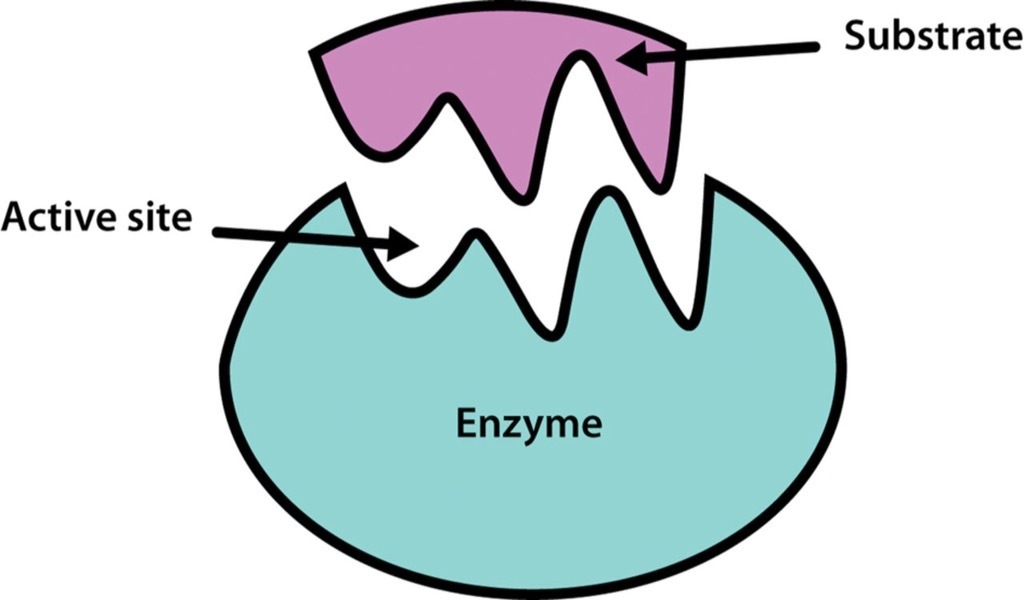
What biomolecule do enzymes belong to?
a)
Carbohydrate
b)
Lipid
c)
Nucleic Acid
d)
Protein
2.
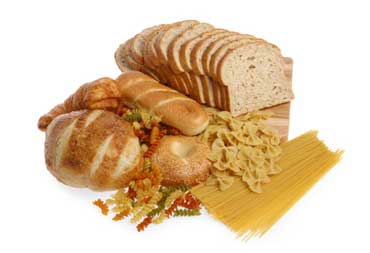
Which biomolecule is found in pasta and bread?
a)
Lipid
b)
Protein
c)
Nucleic Acid
d)
Carbohydrate
3.

Which biomolecule is a main source of quick energy?
a)
Nucleic Acid
b)
Protein
c)
Lipid
d)
Carbohydrate
4.
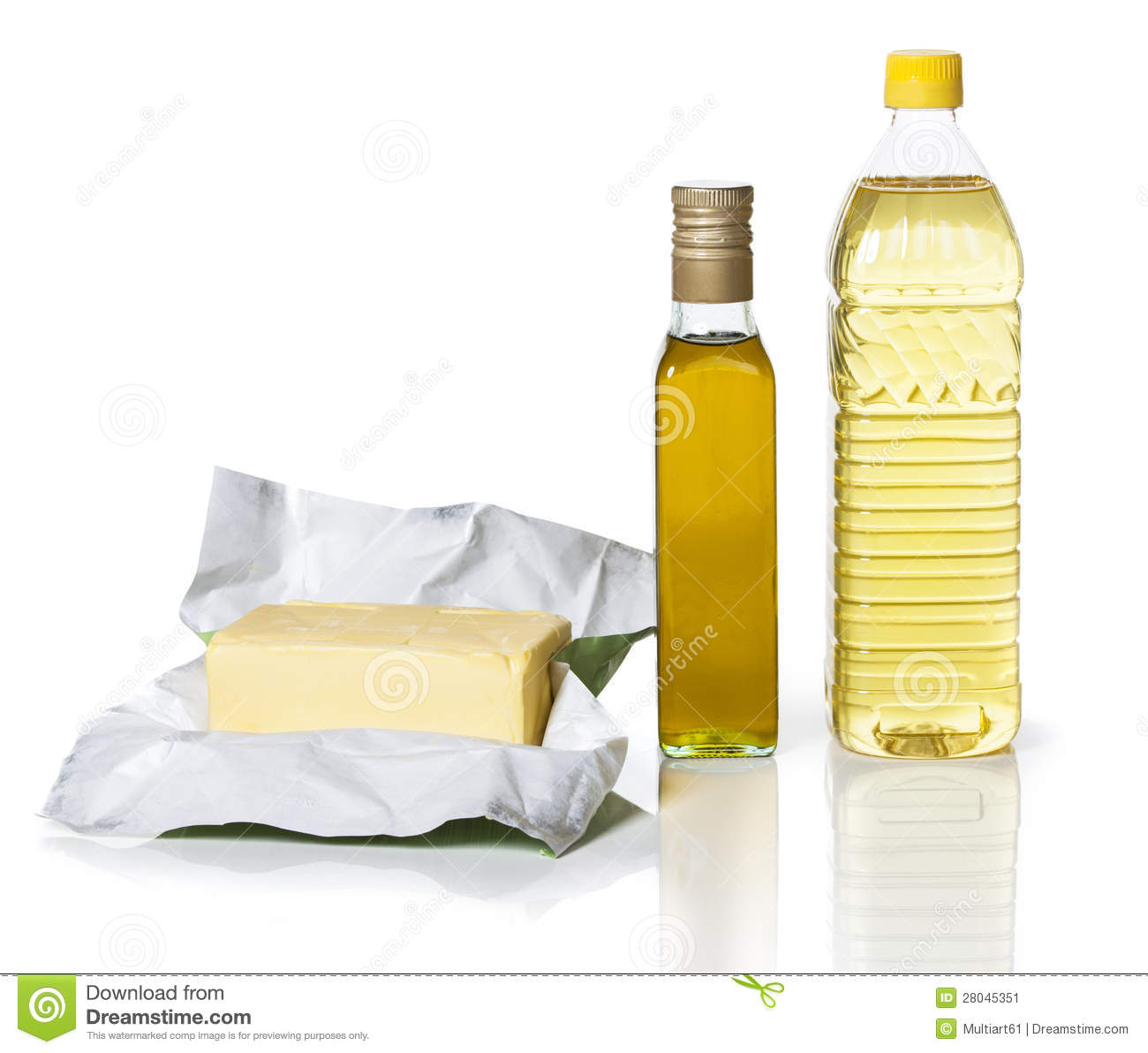
Which biomolecule is found in fats, oils, and waxes and is a source of long-term energy?
a)
Proteins
b)
Nucleic Acid
c)
Lipids
d)
Carbohydrate
5.
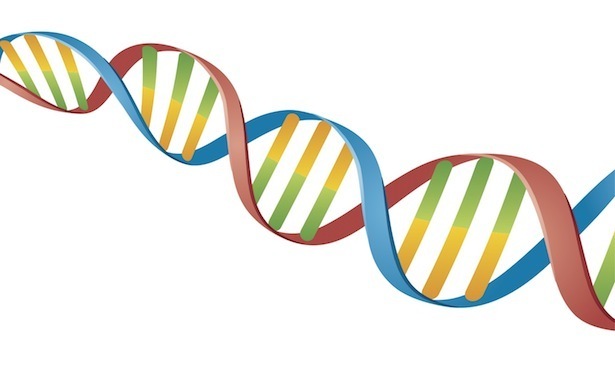
What is the function of a nucleic acid?
a)
Stores genetic information
b)
Stores energy
c)
Quick source of energy
d)
Builds structures
6.
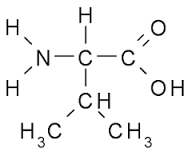
Carbon, Hydrogen, Oxygen and Nitrogen are elements in what biomolecule?
a)
Carbohydrate
b)
Lipid
c)
Protein
d)
Nucleic acid
7.
Which biomolecule is made of nucleotides and contain you DNA?
a)
Carbohydrate
b)
Lipids
c)
Protein
d)
Nucleic Acid
8.
Which biomolecule helps form muscles?
a)
Nucleic Acid
b)
Carbohydrate
c)
Protein
d)
Lipids
9.
Which biomolecule has sugars and starches?
a)
Lipids
b)
Proteins
c)
Carbohydrates
d)
Nucleic Acid
10.
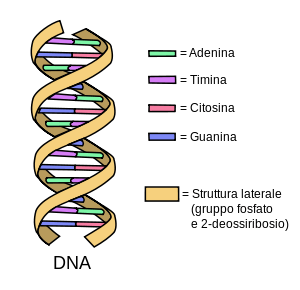
What type of molecule is this?
a)
Nucleic acid
b)
Protein
c)
Carbohydrate
d)
Lipid
11.
A monomer is ...
a)
a single atom
b)
a building block for polymers
c)
a single element
d)
is an inorganic molecule
12.
What is the purpose of an enzyme?
a)
give permission for the reaction
b)
raise activation energy
c)
speed up reactions
d)
control how many reactions occur
13.
Which of the following is the correct equation for PHOTOSYNTHESIS?
a)
CO2 + light + H2O --> O2 + Sugar
b)
CO2 + sugar + H2O --> O2 + light
c)
O2 + light + H2O --> CO2 + Sugar
d)
CO2 + O2 + H2O --> Light+ Sugar
14.
What are the products of photosynthesis?
a)
water and carbon dioxide
b)
oxygen and glucose
c)
oxygen and carbon dioxide
d)
oxygen and water
15.
What is the pigment in chloroplasts that performs photosynthesis?
a)
Chlorosynthesis
b)
Chlorophyll
c)
ADP
d)
Electron Transport
16.
The main source of energy for all life comes from ____.
a)
the Earth
b)
the moon
c)
the sun
d)
the food we eat/make
17.
Which of the following carry out photosynthesis?
a)
bees
b)
red algae
c)
humans
d)
mushrooms
18.

Autotroph or heterotroph?
a)
Autotroph
b)
Heterotroph
19.
Plants need ________ for photosynthesis
a)
oxygen
b)
soil
c)
carbon dioxide
d)
sugar
20.
In what way is photosynthesis and respiration related to each other?
a)
The reactants of photosynthesis are the reactants of respiration.
b)
The products of photosynthesis are the reactants of respiration.
c)
The products of photosynthesis are the products of respiration.
21.
Where does cellular respiration occur?
a)
Nucleus
b)
Mitochondria
c)
Vacuole
d)
Chloroplast
22.
This is referred to as the energy currency of the cell
a)
ADP
b)
ATP
c)
Mitochondria
d)
Nucleus
23.
What do viruses need to reproduce?
a)
they need genetic material
b)
They need a host cell
c)
They need bacteria
d)
They need insulin
24.
How does a virus cause a person to develop the common cold?
a)
invades the host cell to reproduce
b)
removes energy from the host cell
c)
produces toxins in the host cell
d)
protects the host cell from bacteria
25.
True or False
The flu is caused by a virus.
The flu is caused by a virus.
a)
true
b)
false
26.
Antibiotics kill viruses
a)
True
b)
False
27.
Which viral life cycle allows viral genetic material to lay dormant while the host cell reproduces?
a)
lytic
b)
mitosis
c)
lysogenic
d)
S phase
28.
Which viral life cycle kills its host cell by lysing?
a)
lytic
b)
mitosis
c)
lysogenic
d)
S phase
29.
Is a virus considered living or non-living?
a)
Living
b)
Non-Living
c)
Neither
30.
What is the first step of the virus reproduction cycle?
a)
The viruses genetic material (DNA) starts to take over the functions of the cell
b)
The host cell bursts open, releasing the new viruses
c)
The virus injects its genetic material into the cell
d)
A virus attaches to the surface of a host cell
31.
Before cells can divide, what must be copied?
a)
mitochondria
b)
cytoplasm
c)
DNA
d)
Cell Wall
32.
In the S stage of interphase_______________
a)
the cell grows
b)
the nucleus divides
c)
the cell membrane divides
d)
the DNA is replicated
33.

Name the phase:
a)
Anaphase
b)
Telophase
c)
Metaphase
d)
Prophase
34.

Name the phase:
a)
Prophase
b)
Metaphase
c)
Anaphase
d)
Telophase
35.

Name the phase:
a)
Prophase
b)
Metaphase
c)
Anaphase
d)
Telophase
36.

Name the phase:
a)
Prophase
b)
Metaphase
c)
Anaphase
d)
Telophase
37.

The stages of mitosis in order
a)
Metaphase, Anaphase, Prophase, Telophase
b)
Prophase, Anaphase, Metaphase, Telophase
c)
Prophase, Metaphase, Anaphase, Telophase
d)
Anaphase, Prophase, Telophase, Metaphase
38.

a)
Anaphase
b)
Cytokinesis
c)
Telophase
d)
Metaphase
39.
Which sequence of complementary DNA bases would pair with this partial strand
ATG TGA CAG?
ATG TGA CAG?
a)
ATG TGA CAG
b)
TAC ACT GTC
c)
GTA AGT GAC
d)
CAT TCA CTG
40.

Which of the following best describes a DNA molecule?
a)
double helix
b)
contains ribose
c)
made of amino acids
d)
contains uracil
41.
Which of the following monomers are repeatedly joined together to form a strand of DNA?
a)
amino acids
b)
nucleotides
c)
fatty acids
d)
polysaccharides
42.

In a molecule of double-stranded DNA, the amount of adenine present is always equal to the amount of _________.
a)
cytosine
b)
guanine
c)
thymine
d)
uracil
43.

What determines the code, or information, of a DNA molecule?
a)
the shape (structure) of the nitrogen bases
b)
the order (sequence) of the nitrogen bases
c)
the color of the nitrogen bases
d)
the frequency (number) of nitrogen bases
44.

The two strands of nitrogenous bases in DNA are joined by which type of bond?
a)
polar bonds
b)
ionic bonds
c)
covalent bonds
d)
hydrogen bonds
45.
A process in which DNA has the unique ability to make an exact copy of itself.
a)
Replication
b)
Translation
c)
Transcription
d)
Protein Synthesis
46.
DNA molecule segment is : TTACGCAAG
The mutated DNA segment is TTCGCAAG. This is an example of ___ mutation.
The mutated DNA segment is TTCGCAAG. This is an example of ___ mutation.
a)
Substitution
b)
Deletion
c)
Insertion
d)
Inversion
47.
mRNA is read in chunks of three, called...
a)
quadralets
b)
anticodons
c)
codons
d)
capsids
48.

What is a Gene?
a)
A segment of RNA that encodes for a protein
b)
A chromosome
c)
A segment of DNA that encodes for a protein
d)
Your genome
49.
Normal-
GAG-CTC-GAC-AGA
Mutant
GAG CTC-CAC-AGA
GAG-CTC-GAC-AGA
Mutant
GAG CTC-CAC-AGA
a)
no mutation
b)
substitution
c)
insertion
d)
deletion
50.
Original: ATC CAT
Mutation: ATC GCAT
What mutation occurred?
Mutation: ATC GCAT
What mutation occurred?
a)
deletion
b)
insertion
c)
silent
d)
transverse
51.

what did Charles Darwin observe in finch populations of the Galapagos Islands off the coast of South America?
a)
different species on different islands
b)
all species on one of the islands
c)
identical species on all the islands
d)
the same species as North America
52.
Mutations are important because they bring about
a)
death of the organism in which they develop
b)
genetic variation needed for a population to evolve
c)
benefits for the individual, not for the population
d)
Hardey-Weinberg equilibrium within a population
53.
What is the term for a feature that allows an organism to survive better in its environemtn?
a)
variation
b)
adaptation
c)
homologous structure
d)
vestigial structure
54.

Charles Darwin came up with this theory
a)
Natural Selection
b)
Mutation
55.

Some organisms that share a common ancestor have features that have different functions, but similar structures. These are known as
a)
vestigial structures
b)
analogous structures
c)
homologous structures
d)
fossil structures
56.
What are the 8 levels of classification of living things from most general to most specific?
a)
domain, kingdom, phylum, class, order, family, genus, species
b)
domain, kingdom, phylum, class, order, family, genius, species
c)
domain, kingdom, phamily, class, order, family, genus, species
d)
domain, king, phillip, class, order, family, genus, species
57.

The scientific name for water bear is Hypsibius dujardini. What is its genus?
a)
Hypsibius
b)
dujardini
c)
water
d)
tardigrade
58.
What is the science of organizing, classifying and naming living things.
a)
taxonomy
b)
taxadermy
c)
taxicab
d)
toxicology
59.

Who is the closest relative to the birds?
a)
crocodiles
b)
sharks
c)
fish
d)
amphibians
60.
Who is the closest relative to the sharks?
a)
crocodiles
b)
sharks
c)
ray-finned fish
d)
amphibians
61.

What body system protects your organs?
a)
Nervous System
b)
Cardiovascular System
c)
Respiratory System
d)
Skeletal System
62.
What body system breaks down food for energy?
a)
Urinary System
b)
Digestive System
c)
Lymphatic System
d)
Respiratory
Respiratory System
Respiratory System
63.

What system sends and receives messages?
a)
Immune System
b)
Urinary System
c)
Digestive System
d)
Nervous System
64.

This system gets rid of waste. What is it?
a)
Muscular System
b)
Urinary System
c)
Lymphatic System
d)
Endocrine System
65.
What system brings food and oxygen to cells?
a)
Cardiovascular System
b)
Nervous System
c)
Digestive System
d)
Muscular System
66.

What system carries oxygen to the blood?
a)
Cardiovascular System
b)
Respiratory System
c)
Nervous System
d)
Endocrine System
67.

What system protects the body from disease?
a)
Lymphatic System
b)
Endocrine System
c)
Immune System
d)
Urinary System
68.
Which system produces sperm and egg cells? In females, it also nourishes the fetus.
a)
reproductive
b)
endocrine
c)
nervous
d)
lymphatic
69.

Cattle egrets forage (feed) in fields among cattle. The egret gets easy access to flying insects stirred up by the cattle, and the cattle don't care if they are there or not.
a)
mutualism
b)
commensalism
c)
competition
d)
parasitism
70.
A relationship between two organisms in which one organism benefits and the other is unharmed...
a)
Mutualism
b)
Competition
c)
Parasitsm
d)
Commensalism
71.
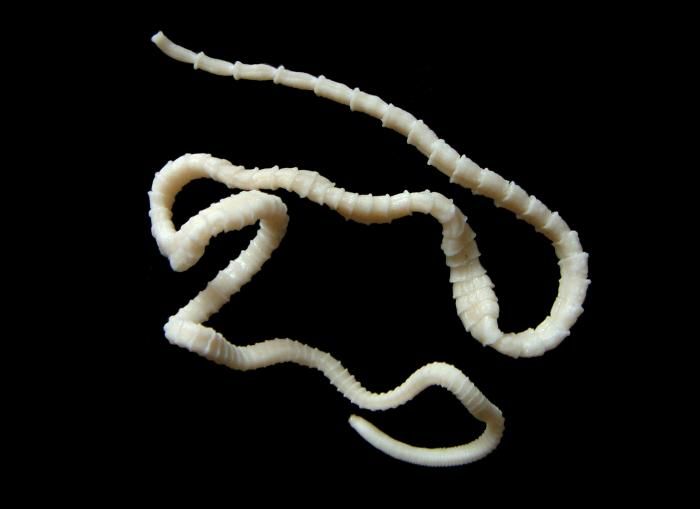
A tapeworm and a cat have this type of relationship.
a)
mutualism
b)
parasitism
c)
commensalism
d)
competition
72.
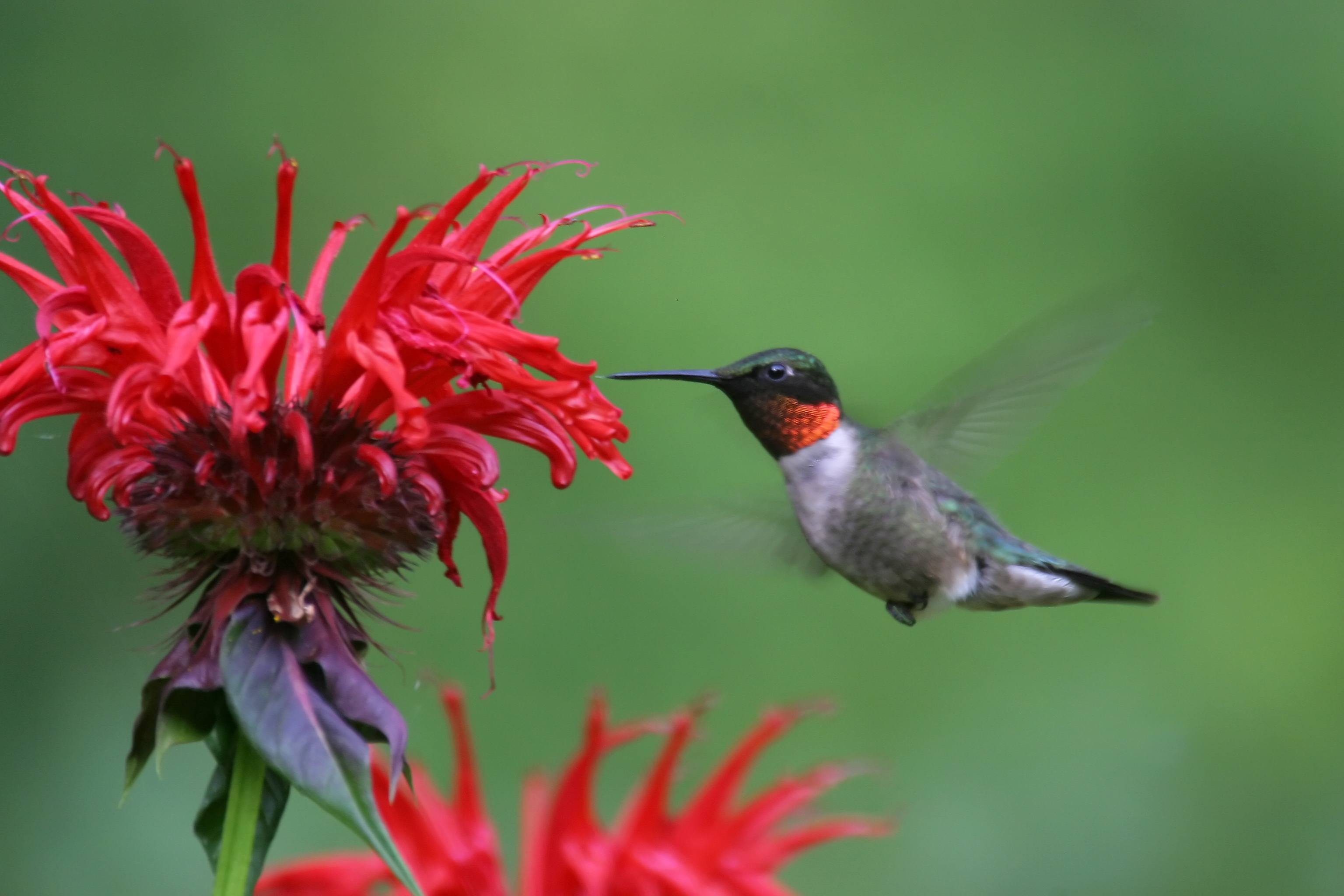
What type of symbiosis? Hummingbirds feed on nectar from flowers. The flowers are pollinated by hummingbirds as they move from flower to flower.
a)
commensalism
b)
mutualism
c)
parasitism
d)
predation
73.
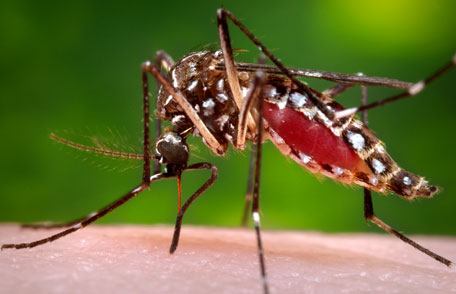
When a mosquito bites you, you are the __________ and the mosquito is the ____________.
a)
host, hostess
b)
parasite, host
c)
host, parasite
d)
prey, predator
74.
When an organism's energy source comes from both animals and plants, that organism is considered to be a what?
a)
predator
b)
omnivore
c)
herbivore
d)
carnivore
75.
How do producers obtain energy?
a)
They conduct photosynthesis.
b)
They consume plants.
c)
They consume primary consumers.
d)
They consume secondary consumers.
76.

The image provided is an example of a(n):
a)
Producer
b)
Autotroph
c)
Consumer
d)
Insect
77.
An organism at the second trophic level would be considered a ________.
a)
Top carnivore
b)
Producer
c)
Herbivore
d)
Carnivore
78.

Which organism do the owl and the weasel compete for in the food web?
a)
Hawk
b)
Spider
c)
Grasshopper
d)
Shrew
79.
What might happen if you remove a primary consumer from the ecosystem?
a)
There would be more food for secondary consumers.
b)
The number of primary consumers would increase.
c)
The number of plants would increase.
d)
The number of secondary consumers would increase.
80.
Example of a decomposer
a)
fungus
b)
mouse
c)
plants
d)
frogs
100 %

