
 Worksheets
Ch 11 Human Body Systems
Total questions: 69
Worksheet time: 1hrs 17mins
Name
Class
Date
1.
The maintenance of an organism’s internal environment is called:
a)
compensating
b)
homeostasis
c)
balancing
d)
routine
2.
Homeostasis
a)
allows for a wildly fluctuating internal environment
b)
is impossible in vertebrates
c)
is the maintenance of a relatively stable internal environment and often incorporates a form of feedback regulation
d)
is the maintenance of a relatively stable external environment and often incorporates a form of feedback regulation
3.

Which diagram represents an organ?
a)
#1
b)
#2
c)
#3
d)
#4
4.

The main function of the digestive system is to...
a)
Protect the body from infections
b)
Store nutrients into the bones
c)
Break down food to be absorbed
d)
Support and protect the organs of the body
5.
This system forms a protective barrier between the environment and the internal body system.
a)
Circulatory
b)
Integumentary
c)
Respiratory
d)
Endocrine
6.
The body system that transmits information inside the body using electrical impulses.
a)
Endocrine
b)
Skeletal
c)
Muscular
d)
Nervous
7.

What is the main function of the excretory system?
a)
Convert food into nutrients
b)
Send signals in the form of hormones
c)
Filter water and remove waste products from the body
d)
Exchange gases between the body
8.
This system brings in oxygen into the body and removes carbon dioxide...
a)
Circulatory
b)
Respiratory
c)
Excretory
d)
Digestive
9.
What three body systems get rid of waste from our bodies?
a)
Respiratory, Reproductive, and Circulatory
b)
Digestive, Excretory, and Respiratory
c)
Digestive, Reproductive, and Circulatory
d)
Excretory. Reproductive, and Endocrine
10.

The large intestine is part of the digestive system. What is the main function of the large intestine?
a)
Remove body fat
b)
Remove Urine
c)
Remove solid waste
d)
Remove water
11.
Which body system delivers nutrients to the cells inside the body?
a)
Reproductive
b)
Circulatory
c)
Nervous
d)
Excretory
12.
Which body system produces or absorbs nutrients?
a)
Circulatory
b)
Endocrine
c)
Digestive
d)
Reproductive
13.

The chewing and grinding of food into smaller pieces is an example of...
a)
Mechanical Digestion
b)
Chemical Digestion
14.

Nutrients from digested food are absorbed in which digestive organ?
a)
Small Intestine
b)
Stomach
c)
Large Intestine
d)
Gallbladder
15.

Number 3 is pointing to the...
a)
Small intestine
b)
Rectum
c)
Large intestine
d)
Stomach
16.

Number 2 is pointing to the...
a)
Esophagus
b)
Stomach
c)
Small intestine
d)
Anus
17.

Which organ pushes food down to the stomach?
a)
Mouth
b)
Esophagus
c)
Rectum
d)
Large intestine
18.
Which body system gets ride of solid waste?
a)
Excretory (Urinary)
b)
Digestive
c)
Circulatory
d)
Respiratory
19.
Which is NOT a function of the Digestive System?
a)
To rid the body of solid waste
b)
Absorb nutrients for energy & growth
c)
Break down nutrients from food
d)
Pump blood around the body
20.
What does saliva do?
a)
Chemically digests food in the mouth.
b)
Chemically digests food in the stomach
c)
Protects the stomach from digesting iteself
d)
Absorbs nutrients from food so the body has energy.
21.
What parts of the digestive system help with mechanical digestions?
a)
Esophagus and Small Intestine
b)
Mouth and Stomach
c)
Liver and Gallbladder
d)
Rectum and Anus
22.
What is the correct order of digestion?
a)
Mouth - pharynx - stomach - esophagus - L.I. - S.I. - anus - rectum
b)
Pharynx - mouth - esophagus - stomach - gall bladder - S.I. - rectum - anus - L.I.
c)
Mouth - pharynx - pancreas - stomach - rectum - gall bladder - S.I. - rectum - anus
d)
Mouth - pharynx - esophagus - stomach - S.I. - L.I. - rectum - anus
23.
The _______________ system has been called both a membrane, because it covers the body, and an organ, because it contains several types of tissues. However, most refer to it as a system.
a)
respiratory
b)
integumentary
c)
cardiovascular
d)
muscular
24.
This function of the skin serves as a barrier to the UV rays of the sun. It also holds in moisture to prevent deeper tissues from drying out.
a)
sensory perception
b)
body temperature regulation
c)
protection
d)
storage
25.
This function of the skin allow the body to respond to pain, pressure, temperature, and sensation.
a)
production
b)
sensory perception
c)
body temperature regulation
d)
absorption
26.
This function of the skin allows the body to retain or lose heat.
a)
body temperature regulation
b)
storage
c)
excretion
d)
absorption
27.
The function that allows the body to eliminate salt, waste, and excess water and heat is :
a)
absorption
b)
excretion
c)
production
28.

The integumentary system does not include..
a)
Hair
b)
Skin
c)
Nails
d)
Liver
29.
Which is NOT a function of the skin?
a)
Insulation
b)
Movement
c)
Excretion
d)
Vitamin D Production
30.
Hair and nails are made up of dead skin cells.
a)
True
b)
False
31.
A main function of the integumentary system is ____________________.
a)
To protect the body from infection
b)
To receive pressure, pain, heat, and cold stimuli
c)
To maintain an internal body temperature
d)
all of these
32.
What is the function of the cardiovascular system
a)
carries oxygen and nutrients to body
b)
carries waste to excretory system
c)
defense against disease
d)
all of the above
33.
The flow of blood between the heart and cells of body
a)
Systemic circulation
b)
Pulmonary circulation
c)
Oxygenated blood
d)
Deoxygenated blood
34.
The flow of blood between the heart and the lungs
a)
systemic circulation
b)
oxygenated circulation
c)
Pulmonary circulation
d)
none of the above
35.
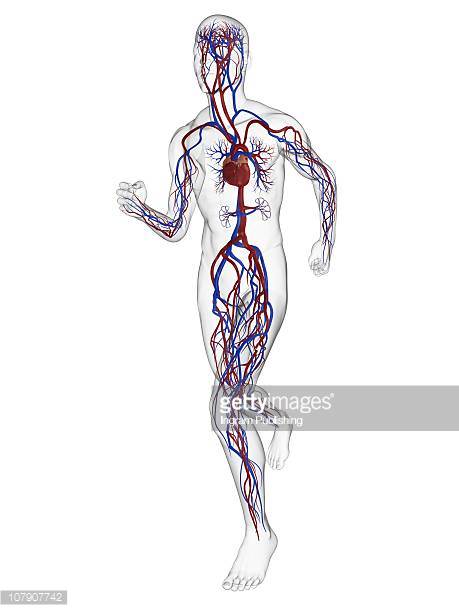
What is the main organ of the circulatory system?
a)
small intestine
b)
bone
c)
lungs
d)
heart
36.
Arteries carry oxygen rich blood away from the heart.
a)
True
b)
False
37.
Veins carry oxygen poor blood back to the heart.
a)
False
b)
True
38.
______________ are the smallest blood vessels.
a)
Arteries
b)
Veins
c)
Capillaries
39.
The circulatory system works with the ___________ system to provide our body with oxygen.
a)
respiratory
b)
digestive
c)
muscular
d)
skeletal
40.
Which is the correct definition of the Circulatory system?
a)
The system fights disease so the body stays healthy.
b)
The system that circulates blood and oxygen through the body, consisting of the heart,blood vessels,and blood.
c)
Breaks down food into smaller pieces and absorbs those nutrients into the body.
d)
Provides shape and structure for the body.
41.
Which is NOT a function of the circulatory system?
a)
deliver O2 and nutrients to cells
b)
remove CO2 and wastes from cells
c)
break down carbohydrates into glucose
d)
transport other materials through body
42.
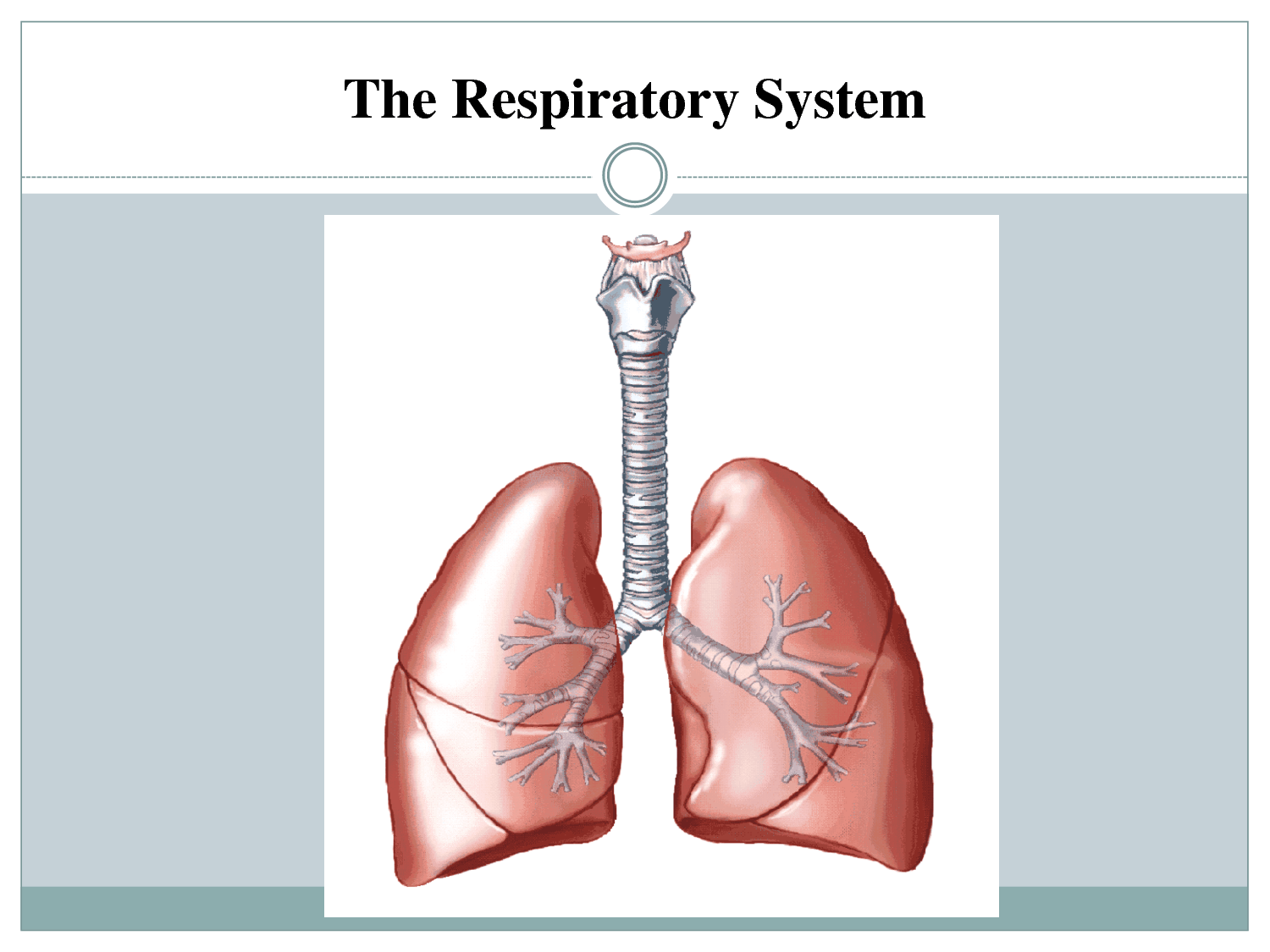
What is the main function of the respiratory system?
a)
to provide oxygen and remove carbon dioxide from the body
b)
to bring oxygen to the body
c)
to break down food and absorb nutrients
d)
to remove oxygen from the body and deliver carbon dioxide
43.
What are the main organs of gas exchange in the respiratory system?
a)
diapragm
b)
lungs
c)
trachea
d)
bronchi
44.
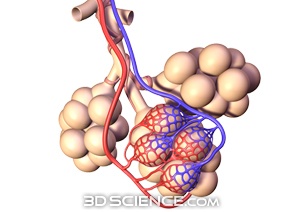
When you breathe, your lungs take in ___ and remove ___.
a)
air/oxygen
b)
oxygen/carbon dioxide
c)
carbon dioxide/waste
d)
waste/air
45.
What is the respiratory system ?
a)
The respiratory system is the system that helps circulate our blood .
b)
The respiratory system is the system that takes in oxygen and takes the unneeded particles and creates carbon dioxide.
c)
The respiratory system is a system that is similar to the circulatory system.
d)
The respiratory system is a system that holds the heart as an internal organ.
46.
What are the most five important organs part of the respiratory system?
a)
The nose,throat,lungs, and sub system
b)
The nose,throat ,windpipe,voice box, lungs
c)
Nose , Trachea
d)
Nose, Trachea, windpipe,oesphogus,lungs
47.
What is the function of the kidneys in the excretory/urinary system?
a)
store urine before it is eliminated from the body.
b)
break down food into smaller pieces through chemical digestion
c)
filter blood of cellular waste material as a result of cellular respiration
d)
control thoughts, voluntary actions, and other sensations of the five senses.
48.
Which organ system removes cellular wastes as the result of cellular respiration?
a)
nervous
b)
digestive
c)
excretory
d)
circulatory
49.
One major function of the excretory system is to clean the what?
a)
urine
b)
blood
c)
kidneys
d)
bladder
50.
What is the main function of the excretory system?
a)
to collect and remove wastes from the body
b)
to strengthen skeletal muscles
c)
to protect the nervous system
d)
to bring oxygen to body cells
51.
The excretory system rids the body of ______ waste.
a)
solid
b)
liquid
52.
Which organ system removes cellular wastes as the result of cellular respiration?
a)
nervous
b)
digestive
c)
excretory
d)
circulatory
53.
What is the function of the excretory system?
a)
It's responsible for the elimination of waste by homeostasis.
b)
Makes protein
c)
Transport of nutients, oxygen, and hormones to cells throughout the body and removal of metabolic wastes
d)
Movement
54.
What two things are found in the central nervous system?
a)
brain/spinal cord
b)
spinal cord/motor neurons
c)
motor/sensory neurons
d)
only brain
55.
Which of the TWO nervous systems contains motor and sensory neurons?
a)
central nervous system
b)
peripheral
c)
motor
d)
sensory
56.

The nervous system is composed of the ___, ___, and ___.
a)
heart, brain, kidneys
b)
lungs, liver, stomach
c)
brain, spinal cord, nerves
d)
eyes, pancreas, veins
57.
Which systems work together when nutrients are dropped off for the cells in the brain?
a)
Circulatory, Excretory, Respiratory
b)
Circulatory, Digestive, Nervous
c)
Circulatory, Respiratory, Nervous
d)
Circulatory, Skeletal, Nervous
58.

Which is the best description of the human nervous system?
a)
the network of nerve cells and fibers that transmits nerve impulses between parts of the body
b)
the system that circulates blood and lymph through the body, consisting of the heart, blood vessels, blood, lymph, and the lymphatic vessels and glands
c)
the group of organs working together to convert food into energy and basic nutrients to feed the entire body
59.

Two major branches of the nervous system
a)
central and peripheral
b)
peripheral and motor
c)
motor and sensory
d)
central and motor
60.

Major function of the nervous system
a)
movement
b)
sensation
c)
thought
d)
all of these
61.

Which of the following describes the relationship between sensory neurons and motor neurons?
a)
Motor neurons bring a stimulus input to the brain and sensory neurons carry a movement output.
b)
Sensory neurons tell motor neurons what to do.
c)
Sensory neurons bring a stimulius input to the spinal cord or brain and the brain or spinal cord sends a motor neuron response.
d)
Sensory neurons do more than motor neurons
62.
What is the function of the nervous system?
a)
Transport nutrients around the body
b)
Send and receive messages to respond to a change in an organisms environment
c)
Brings oxygen into the body
d)
Moves body parts
63.

A body system that controls and coordinates all body activities through electric impulses/messages between brain, spinal cord and nerves.
a)
endocrine system
b)
nervous system
c)
nerve
d)
neuron
64.
How does your body prevent your temperature from rising excessively?
a)
by drinking water, that lowers body temperature when it is absorbed in the body cells
b)
by shivering that acts as air conditioner in the body
c)
by having "goosebumps" that make the hair stand up trapping air that cools the body.
d)
by sweating, that lowers body temperature when it exavprates, which draws hear energy away from the body
65.
Give examples of a response:
a)
getting a drink because you are thirsty
b)
screaming when you are startled
c)
taking your hand away from a hot surface
d)
all of these are responses
66.
What is a response?
a)
a change in the external environment
b)
any change in an organism
c)
how an organism reacts to a stimulus
d)
how a plant turns away from the light
67.
Give and example of a stimulus.
a)
you hear screaming
b)
a loud noise like thunder
c)
feeling a spider crawling on your back
d)
all of these
68.
What is a stimulus?
a)
A change or interesting event
b)
A change in the external environment.
c)
A change within our bodies.
d)
IDK
69.
What is a neuron?
a)
a nerve cell
b)
a ganglia
c)
a synapse
d)
part of the brain
100 %

