wayground logo

Free Printable Worksheets

Font size

S
M
L
XL
Worksheets

Benchmark Review

Total questions: 85

Worksheet time: 2hrs 30mins

Name
Class
Date
1.

Some dairy farmers want to increase the amount of milk produced by their cows. How can the farmers use selective breeding to increase milk production?

a)

Increase the age of the cows that are bred

b)

By choosing cows that are high milk producers

c)

By limited the number of offspring per cow

d)

By choosing cows that can produce milk after eating the most food.

2.

Wild Soay sheep live in a cold environment on a small Scottish island. The sheep used to be large because they gained extra weight during the summers in order to survive the harsh winters. A recent change in climate has caused grass to be available for a longer period each year, so survival conditions for the sheep have become less challenging. Researchers who study these sheep most likely observed a decrease in the wild Soay’s ________.

a)

Size

b)

Life Expectancy

c)

Reproduction Rate

d)

Body temperature

3.

Certain species of whiptail lizards have only female individuals and no males. These lizards reproduce asexually. What is one disadvantage of asexual reproduction for these lizards?

a)

A new population can be established by a single individual in a relatively short period of time.

b)

All the members of a population are genetically very similar and less able to survive environment changes.

c)

They are smaller than lizards that reproduce sexually.

d)

They are more likely to develop a variety of tail lengths.

4.

Which best explains biodiversity?

a)

The population of a species in an ecosystem

b)

The variety of species in an ecosystem

c)

The study of life

d)

The difference number of biomes on Earth

5.
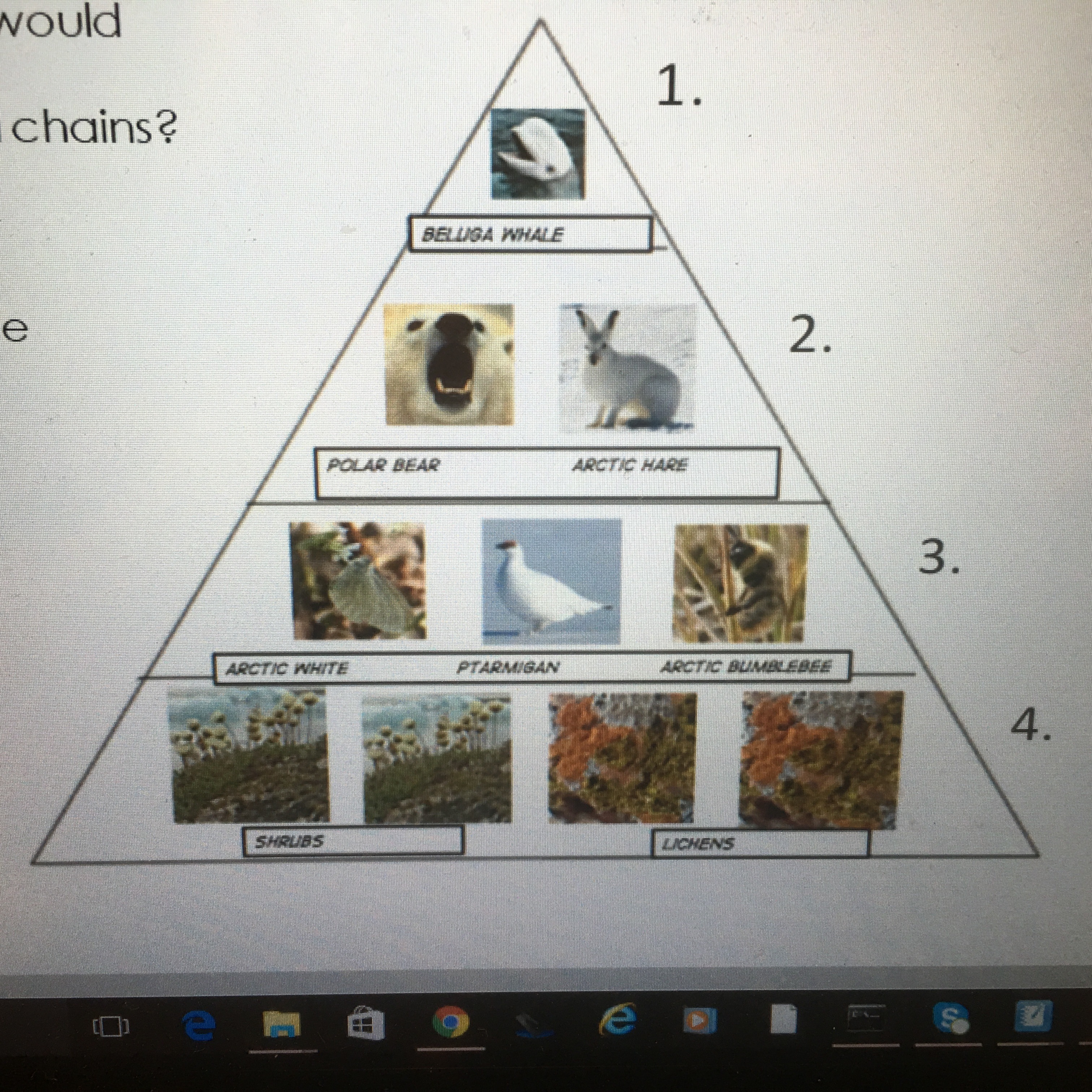
In this tundra food web, if grasses were removed what would happen to the sustainability of the ecosystem?
a)
There would be an overpopulation of arctic hares and lemmings.
b)
Polar bears would move to a new ecosystem
c)
The ecosystem would collapse because it lost its main producer
d)
Wildflowers would die out from the ecosystem
6.
Brown trout consume (eat) more tadpoles when the fly larvae reduce in number (decrease).  This proves...
a)
The dependence of organisms and biodiversity in an ecosystem
b)
Diversity increases as organisms decrease
c)
Losing an animal is good for ecosystems
d)
Changes in ecosystems create new organisms
7.

Which of the following situations contributes to stability in an ecosystem?

a)

increase in biodiversity

b)

decrease in biodiversity

c)

extinction of a population from the ecosystem

d)

removal of many populations of organisms

8.

What are three things that create biodiversity?

a)

species, genetic variation, and ecosystem

b)

mutation, disorder, regression

c)

genes, cells, traits

d)

water, land, mountains

9.

Why does biodiversity contribute to a habitat’s sustainability?

a)

The more plants and animals in a habitat, the greater the biomass, which is how habitats store energy.

b)

The greater the number of species, the more competition there is for food between predators, which sustains their populations.

c)

Changing conditions that harm one species leave other species to survive and perhaps even thrive.

d)

Landforms change shape less frequently when there is a greater number of species using the land.

10.
The passing of traits from parent to offspring 
a)
Heredity 
b)
Genetics 
c)
Hybrid 
d)
Probability 
11.
Who was the father of genetics 
a)
Sagan 
b)
Issac Newton 
c)
Gregor Mendel 
d)
C.jenkins 
12.
 which is heterozygous ?  
a)
Tt
b)
TT
13.
Which is homozygous ?
a)
Zz
b)
SS
14.
B=brown eyes
b= blue eyes
What is true about two brothers that have brown eyes?
One has genotype BB the other Bb.
a)
they have same phenotype and genotype
b)
they have different genotypes and phenotypes
c)
they have same phenotype but different genotypes
d)
they have same genotype but different phenotypes
15.
A dog gives birth to 5 puppies. What percentage of the chromosomes does each puppy share with the mother?
a)
25%
b)
50%
c)
75%
d)
100%
16.
What does heterozygous mean?
a)
An organism that has the same genes for a trait (TT or tt)
b)
An organism that has different genes for a trait (Tt)
c)
When neither gene is fully dominant; offspring is a mixture of both
d)
the different forms of a trait (hair color--> brown, blonde, red
17.
This is an example of what?
a)
Complete dominance
b)
Incomplete dominance
c)
Codominance
d)
None of the above
18.
If T=Tall & t=short, what is the genotypic ratio?
a)
1:3
b)
3:1
c)
1:2:1
d)
2:2
19.
If a heterozygous tall pea plant is crossed with a short pea plant, what are the possible genotypes of the future offspring?
a)
100% Tt
b)
50% Tt, 50% tt
c)
75%Tt, 25%tt
d)
25%TT, 50%Tt, 25%tt
20.
If a Homozygous red snapdragon and a Heterozygous pink snapdragon were crossed - what percentage of the offspring would be homozygous white?
a)
0%
b)
25%
c)
50%
d)
75%
21.
A heterozygous yellow pea plant's genotype would be:
a)
YY
b)
yy
c)
Yy
d)
Yg
22.
What is one advantage of sexual reproduction?
a)
offspring are identical to parents
b)
offspring are resistant to viruses
c)
offspring are born live, rather thna from eggs
d)
offspring inherit a wider variety of genetic information
23.
A dichotomous key for trees is provided. Hikers found a tree that has large brown cones and single sharp needles. What species of tree have the hikers found?
a)
Juniper
b)
Pine
c)
Spruce
d)
Fir
24.
A dichotomous key for insects is given. To what order does an insect with two pairs of scaly wings belong?
a)
Coleoptera
b)
Heteroptera
c)
Diptera
d)
Lepidoptera
25.
A student discovers an arachnid with a segmented abdomen, long legs, and a tail with no stinger. The student uses the dichotomous key below to identify it. Which arachnid has the student found?
a)
Whip Scorpion
b)
Wind Scorpion
c)
Daddy long legs
d)
Scorpion
26.
When using a dichotomous key to identify organisms, what do we look at?
a)
physical features
b)
weather patterns
c)
environment
d)
diet
27.
Using this dichotomous key, identity the name of the circled fish.
a)
band-tail puffer
b)
spotted goat fish
c)
peacock flounder
d)
trumpet fish
28.
Take your time and read carefully! Timer is 3 minutes!
---------
A dichotomous key for insects is given. To what order does an insect with two pairs of scaly wings belong?
a)
Coleoptera
b)
Heteroptera
c)
Diptera
d)
Lepidoptera
29.
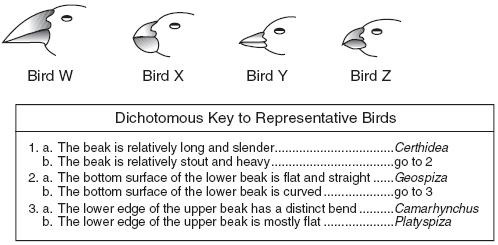
What is the name of bird Z?
a)
Certhidea
b)
Geospiza
c)
Camarhynchus
d)
Platyspiza
30.
What is the name of bird W?
a)
Certhidea
b)
Geospiza
c)
Camarhynchus
d)
Platyspiza
31.
Using this dichotomous key, identify the name of the circled Fish, J.
a)
peacock flounder
b)
band-tail puffer
c)
trumpet fish
d)
spotted goat fish
32.
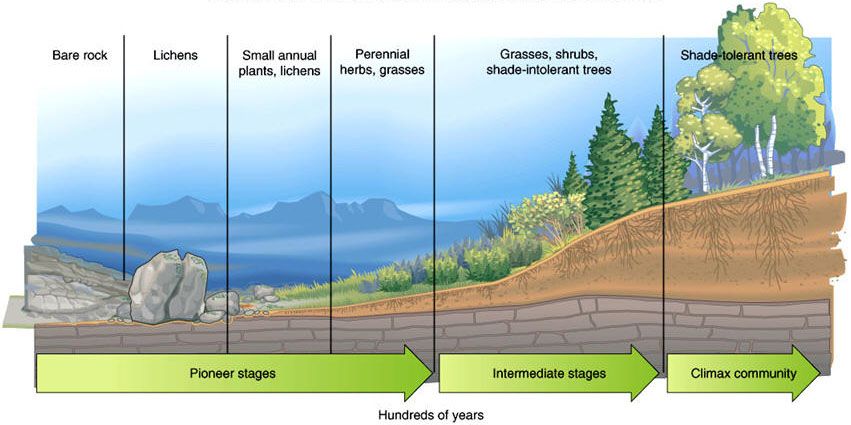
After a volcanic eruption, lava covers the land. What is the order that plants grow to repopulate the area?
a)
Lichens → Shrubs → Grasses → Trees
b)
Shrubs → Trees → Grasses → Lichens
c)
Grasses → Lichens → Shrubs → Trees
d)
Lichens → Grasses → Shrubs → Trees
33.
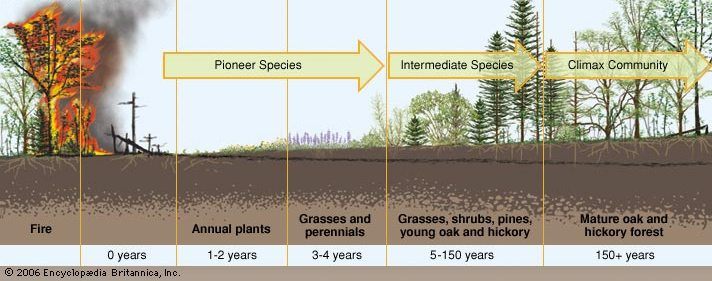
The picture shows what type of succession?
a)
primary
b)
secondary
c)
tertiary
d)
quadanary
34.
Which of the following is the correct equation for PHOTOSYNTHESIS?
a)
carbon dioxide + water --> oxygen + glucose
b)
carbon dioxide + glucose + water --> oxygen 
c)
oxygen + water --> carbon dioxide + glucose
d)
glucose+ oxygen ---> water + carbon dioxide 
35.
Producers capture energy from
a)
sunlight
b)
food
c)
plants
d)
sugar
36.
In the energy pyramid here, which organisms have the most energy available? 
a)
Producers
b)
Carnivores
c)
Herbivores
d)
Top Predator
37.
Based on the model, which consumers would receive the greatest amount of energy captured by the producers in their food chains? 
a)
Beluga Whale
b)
Polar Bear and Arctic Hare
c)
Ptarmigan and Arctic Bumble
d)
Lichens and Shrubs
38.
How much energy is available to be passed on to the next trophic level in an ecosystem?
a)
100%
b)
10%
c)
50%
d)
75%
39.
Why might an organism have more than one arrow coming from them in a food web?
a)
More than one organism may eat them. 
b)
They may eat more than one other organism. 
c)
This organism gets its energy from multiple sources. 
d)
They have no resources available to them.
40.
The fox in this food web would be considered a:
a)
Tertiary Consumer
b)
Producer
c)
Secondary Consumer
d)
Primary Consumer
41.
Which of the following scientists contributed to the cell theory?
a)
Rudolf Virchow, Robert Hooke, Anton van Leuwenhoek
b)
Matthais Schleiden, Theodor Schwann, Rudolf Virchow
c)
Robert Hooke, Theodor Schwann, Anton von Leuwenhoek
d)
Theodor Schwann, Matthais Schleiden, Robert HookeOption 4 (optional)
42.
Which of the following statements is not part of the cell theory?
a)
Cells are the basic unit of structure and function in all living things.
b)
All cells are produced from other cells.
c)
Only animal cells are composed of cells.
d)
All living things are composed of cells.
43.
Which statement reflects one of the major components of the cell theory?
a)
All living things are multi-cellular.
b)
Organs are the basic unit of structure and function for all living things.
c)
All cells come from previously existing cells.
d)
Every organism has a reproductive system to ensure survival of the species.
44.
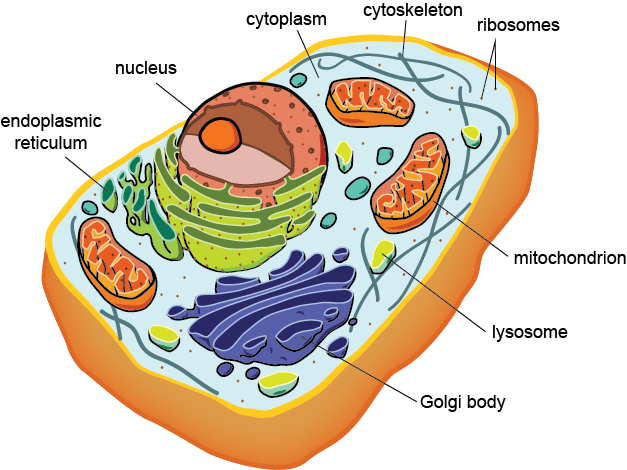
What structures distinguish a plant cell from an animal cell?
a)
Plant cells have cell walls and ribosomes.
b)
Plant cells have cell walls and chloroplasts.
c)
Plant cells have chloroplasts and ribosomes.
d)
Plant cells have chloroplasts and mitochondria.
45.
Which organism is made up of cells that have both a cell membrane and a cell wall?
a)
desert mouse
b)
human 
c)
maple tree
d)
zebra
46.
Which organelle is only found in a plant cell? 
a)
nucleus
b)
chloroplast
c)
mitochondria
d)
cell membrane
47.
Directs all cell activities through the DNA located there.
a)
Lysosomes
b)
Nucleus
c)
ribosomes
d)
Mitochondria
48.
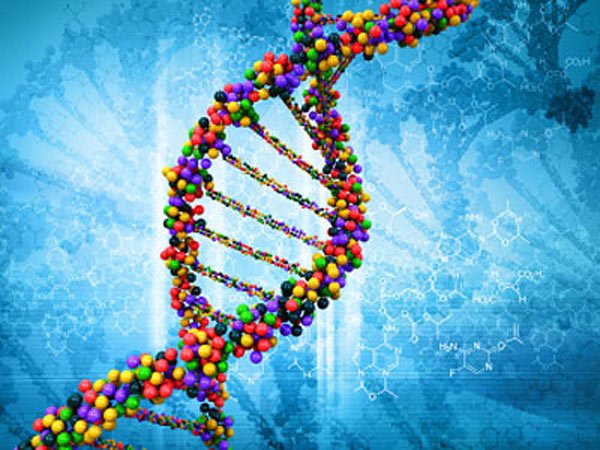
What is the name of the genetic material that is inside the nucleus?
a)
ER
b)
ATP
c)
YOLO
d)
DNA
49.
Which part of the cell is often called "the brain of the cell"?
a)
nuclear membrane
b)
endoplasmic reticulum
c)
nucleus
d)
mitochondria
50.
What is found in both plant and animal cells but is much larger in plant cells?
a)
Nucleus
b)
Mitochondria
c)
Chloroplast
d)
Vacuole
51.
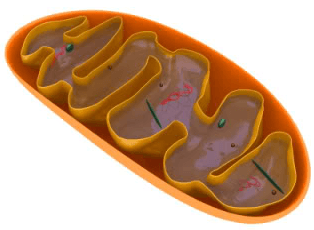
This organelle takes food and turns it into ENERGY for plant and animal cells.
a)
Chloroplast
b)
Mitochondria
c)
Lysosome
d)
Ribosome
52.
The site of photosynthesis
a)
ribosome
b)
mitochondria
c)
chloroplast
d)
nucleus
53.
I am the outer most layer of an animal cell. What am I?
a)
cell wall
b)
nucleus
c)
cell membrane 
d)
cell skin
54.
What are tiny organelles that convert glucose into ATP?
a)
Ribosomes
b)
Vesicles
c)
Cytoskeleton
d)
Mitochondria
55.
A rigid layer that lies outside the cell's  membrane is...
a)
Cytoskeleton
b)
Cilia
c)
Cell Wall
d)
Flagella
56.
What is the gel-like substance inside of cells called?

a)
photoplasm
b)
photosynthesis
c)
cytoskeleton
d)
cytoplasm
57.
The ___________ is the basic unit of life
a)
organ
b)
cell
c)
atom
d)
tissue
58.
 A group of cells that have similar functions? Examples are nervous, epithelial, muscle and connective
a)
cells
b)
tissues
c)
organs
d)
atoms
59.
Organs that work together to perform a related function is called _____________?
a)
cells
b)
tissues 
c)
organ system
d)
organs
60.
When many organ systems work together it can form...
a)
organ
b)
cells
c)
organ system
d)
organism 
61.
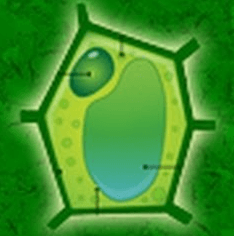
This is a example of........ 
a)
organ system
b)
cells
c)
organ
d)
tissue
62.
This is a example of ........
a)
cell
b)
organ system
c)
organ
d)
tissue
63.
 What is the main function of the respiratory system?
a)
take in oxygen and exhale waste like carbon dioxide
b)
move nutrients throughout the body
c)
take in carbon dioxide and exhale oxygen
64.
 What is the main job of the digestive system? 
a)
break down foods into nutrients that can be used by the body
b)
take in oxygen and exhale waste like carbon dioxide
c)
pump blood throughout the body
d)
makes the body hungry
65.
One lung is bigger than the other lung.
a)
true
b)
false
66.
Which system enables the body to move, moves food through the digestive system, and keeps the heart beating?
a)
skeletal
b)
muscular
c)
digestive
d)
nervous
67.
Which two human body systems are most responsible for getting oxygen to cells?
a)
digestive and skeletal
b)
skeletal and circulatory
c)
circulatory and respiratory
d)
respiratory and digestive
68.
Which best compares the respiratory system to the circulatory system?
a)
The respiratory system transports oxygen to cells, while the circulatory system provides oxygen for cells.
b)
The respiratory system provides oxygen for cells, while the circulatory system transports oxygen to cells.
c)
The respiratory system breaks down food for cell energy, while the circulatory system rids the body of waste.
d)
The respiratory system rids the body of waste, while the circulatory system breaks down food for cell energy.
69.
As the blood reaches the lungs, what is removed from the blood?
a)
Oxygen
b)
Red Blood Cells
c)
White Blood Cells
d)
Carbon Dioxide
70.
 What is the main function or job of the organ system displayed?
a)
To store food until it is absorbed into the lungs
b)
To convert and breakdown food into nutrients and energy to be absorbed into the circulatory system
c)
To provide the body with structure
d)
TO eliminate liquid waste
71.
List the levels of organization in the human body in order from least complex to most complex…
a)
Tissues, cells, organ systems, organs, and organism
b)
Cells, tissues, organ systems, organs, and organism
c)
Cells, tissues, organs, organism, and organ systems
d)
Cells, tissues, organs, organ systems, and organism
72.
How does the muscular system depend on the nervous system?
a)
The nervous system transports blood to the muscles.
b)
The nervous system provides support for the muscles.
c)
The nervous system supplies food and oxygen to the muscles.
d)
The nervous system sends signals to the muscles to cause movement.
73.
What body systems work together to help food get to your stomach?
a)
Immune & Circulatory
b)
Digestive & Muscular
c)
Muscular & Respiratory
d)
Digestive & Cardiovascular
74.
The circulatory system does which of the following?
a)
Takes in oxygen and releases carbon dioxide
b)
Transports needed materials such as oxygen and nutrients to cells and carries away wastes such as carbon dioxide
c)
Removes wastes from body
d)
Protects organs, stores minerals, allows movement and forms blood cells
75.
The Excretory system does which of the following?
a)
Fights disease by recognizing and attacking antigens such as bacteria and viruses by producing antibodies
b)
Transports needed materials such as oxygen and nutrients to cells and carries away wastes such as carbon dioxide
c)
Removes wastes from body
d)
Protects organs, stores materials, allows movement and forms blood cells
76.
What are two body systems that work together to deliver nutrients to your cells?
a)
Digestive and excretory
b)
Excretory and circulatory
c)
Circulatory and digestive
d)
Phineas and Ferb
77.
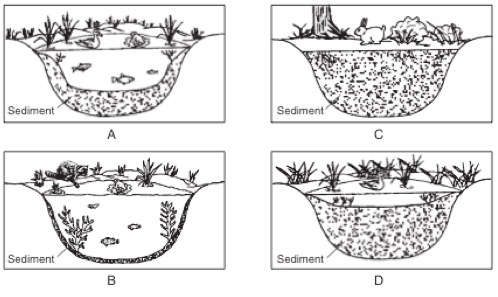
What is the order of succession shown in this figure?
a)
A, B, C, D
b)
B, A, D, C
c)
C, D, A, B
d)
D, A, B, C
78.
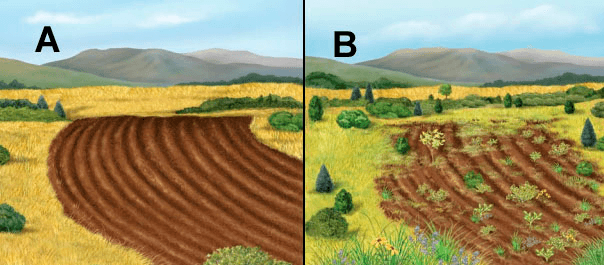
What type of succession is shown going from figure A to figure B?
a)
primary succession
b)
ecological succession
c)
secondary succession
d)
intermediate
79.
What is the goal of the pioneer species in Primary Succession?
a)
To kill the dead materials after a disaster
b)
To rebuild soil
c)
To feed Johnny
d)
To put fresh oxygen into the air
80.
The picture shows what type of succession?
a)
primary
b)
secondary
c)
tertiary
d)
quadanary
81.
The picture shows what type of succession?
a)
primary
b)
secondary
c)
tertiary
d)
quadanary
82.
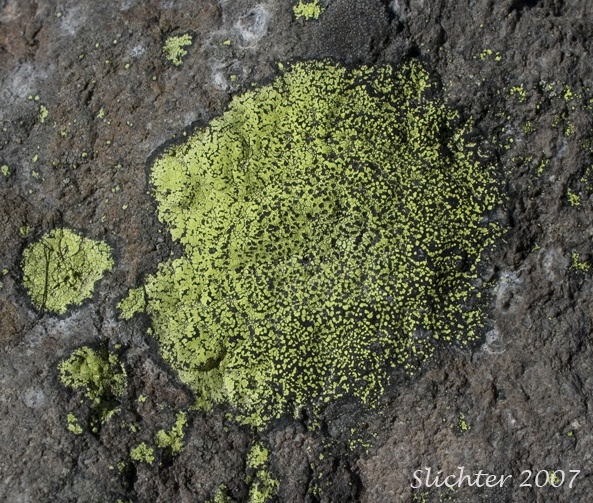
What is the name given to lichen or algae after a primary succession?
a)
pioneer species
b)
volunteer species
c)
founder species
d)
conqueror species
83.
What is the correct order from oldest (happened first) to youngest (happened last) in this pond succession?
a)
A, B, C, D
b)
D, C, B, A
c)
B, A, D, C
d)
C, D, A, B
84.
Final illustration (#8) shows
a)
pioneer species
b)
climax community
c)
only biotic factors
d)
only abiotic factors
85.
Succession that occurs in an area with NO SOIL
a)
ecological succession 
b)
primary succession 
c)
secondary succession
d)
pioneer speciles