wayground logo

Free Printable Worksheets

Font size

S
M
L
XL
Worksheets

Atoms and Elements

Total questions: 100

Worksheet time: 2hrs 49mins

Name
Class
Date
1.
How did Mendeleev arrange the elements?
a)
alphabetical 
b)
density
c)
melting point
d)
atomic mass
2.
The horizontal row on the periodic table is called a
a)
group
b)
family
c)
period
d)
atomic number
3.
Dimitri found that there was a pattern of properties that repeated every ____ elements.
a)
2
b)
4
c)
5
d)
7
4.
A vertical column is called...
a)
group
b)
tower
c)
period
d)
crew
5.
Which of the following is the most metallic element in period 3?
a)
Boron (B)
b)
Sodium (Na)
c)
Argon (Ar)
d)
Silicon (Si)
6.
Which of these element is the least metallic?
a)
Potassium (K)
b)
Carbon (C)
c)
Sulfur (S)
d)
Neon (Ne)
7.
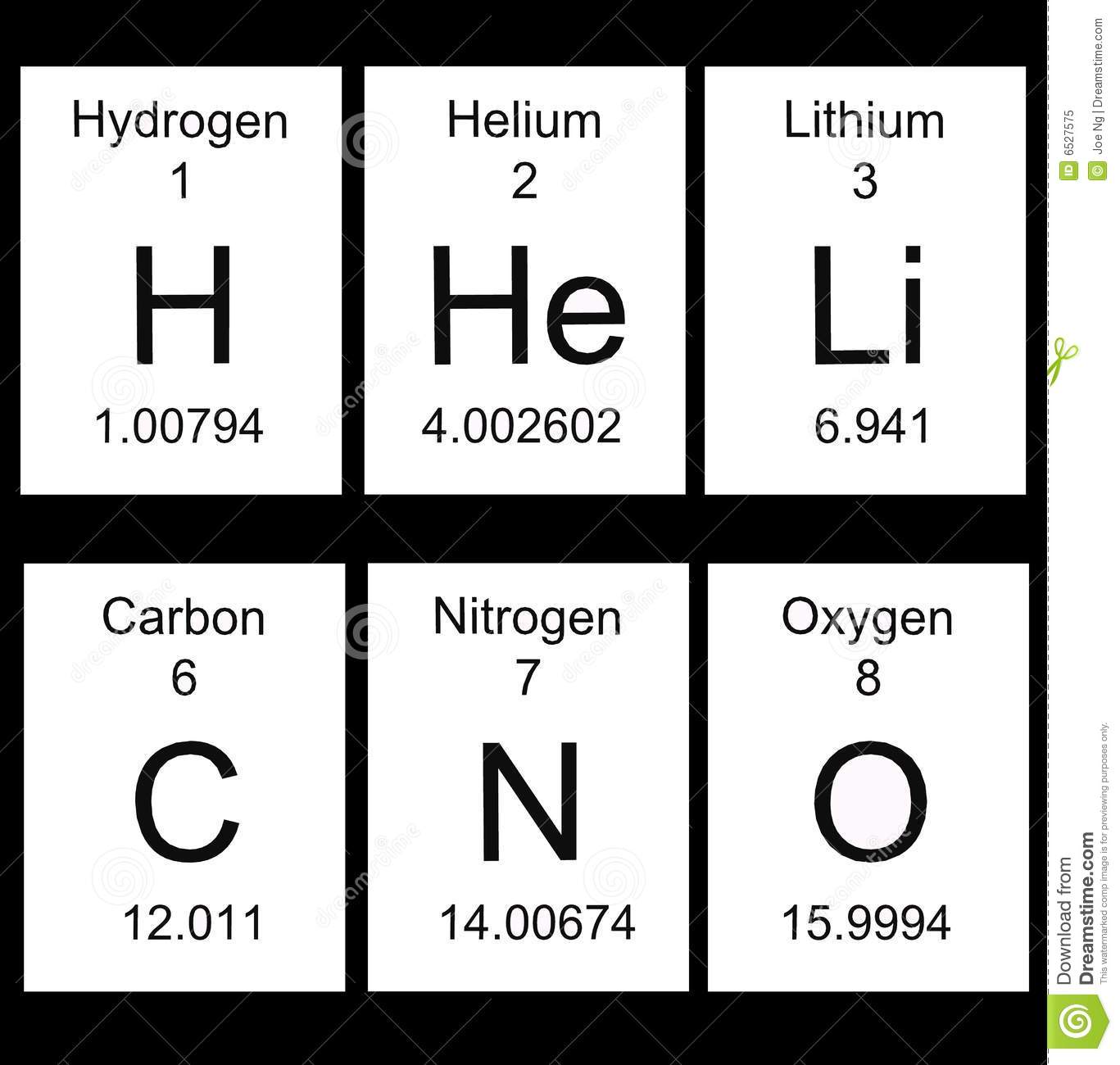
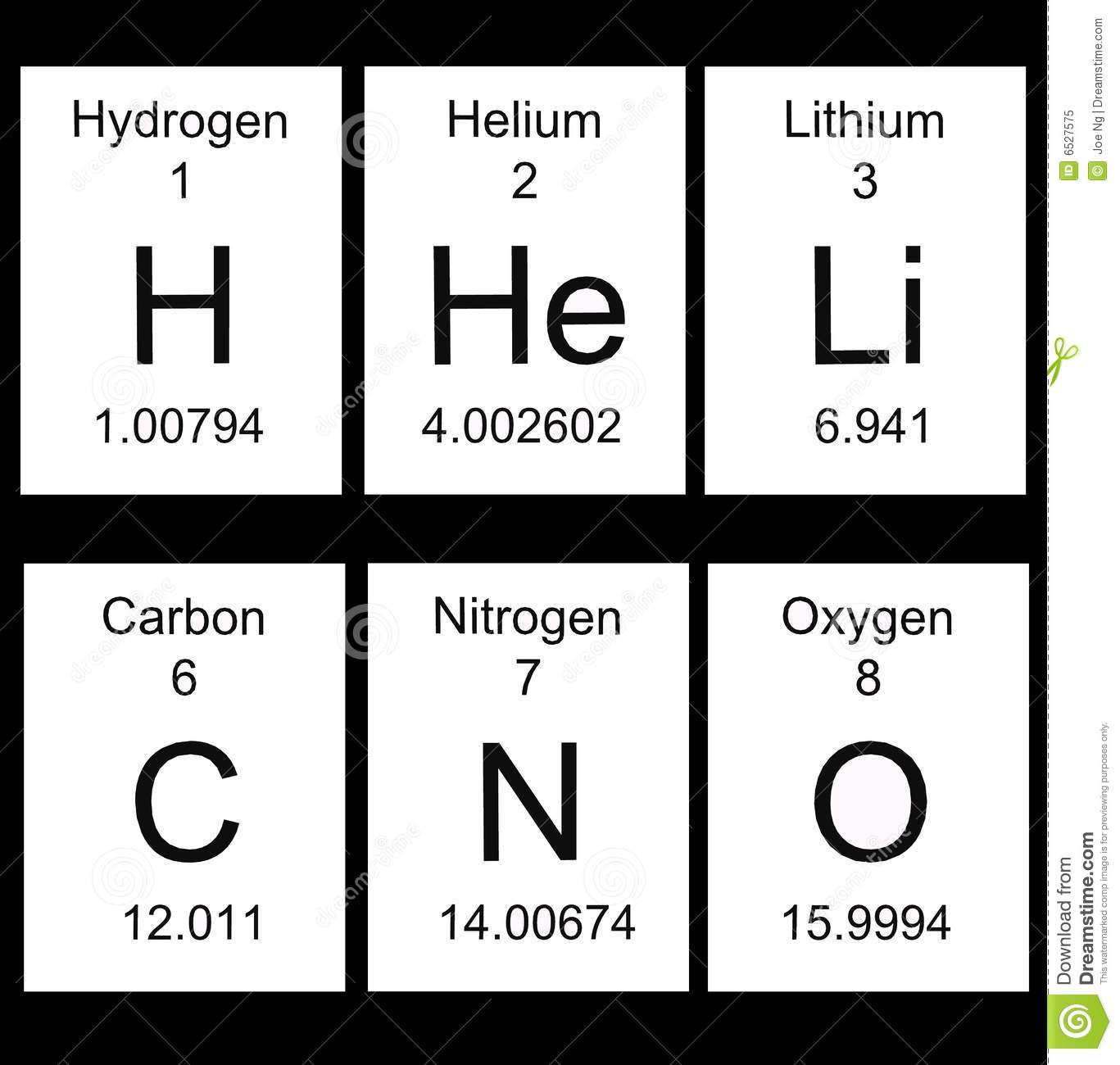
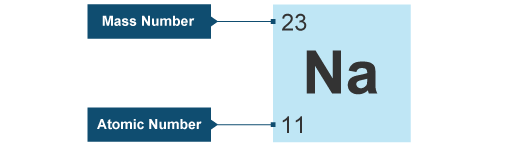
The number at the bottom of each square on the periodic table is the ...
a)
atomic number
b)
atomic mass
c)
chemical symbol
d)
element name
8.
What is the chemical symbol for Lithium?
a)
H
b)
He
c)
Li
d)
N
9.
The months of the year are __________ because they repeat in the same order every 12 months.
a)
periodic
b)
group
c)
period
d)
halogens
10.
How many elements follow the periodic law?
a)
7
b)
98
c)
110
d)
All of them
11.
A rule that states that repeating chemical and physical properties of elements change periodically with the atomic number of the elements is the _________.
a)
periodic law
b)
alkaline-earth metals
c)
actinide
d)
group rule
12.
Pure forms of these elements are stored in oil so they won't react with oxygen and water in the air.
a)
Alkali Metals
b)
Alkaline-earth metals
c)
Halogens
d)
Noble Gases
13.
What subatomic particles would you find in the nucleus of an atom?
a)
Protons only
b)
Protons and Neutrons
c)
Neutrons and Electrons
d)
Protons and Electrons 
14.
Which subatomic particles contribute the most to the mass of an atom?
a)
Protons, Neutrons, Electrons
b)
Protons only
c)
Protons and Electrons
d)
Protons and Neutrons
15.
What is the number of protons that the element in this image contain?
a)
14
b)
7
c)
15
d)
18
16.
Protons and Electrons balance the charge of an atom.
a)
True
b)
False
17.
If an atom has 12 positively charged subatomic particles, which of the following must it also have to be considered a neutral atom?
a)
12 neutrons
b)
12 electrons
c)
12 protons
d)
24 protons and neutrons
18.
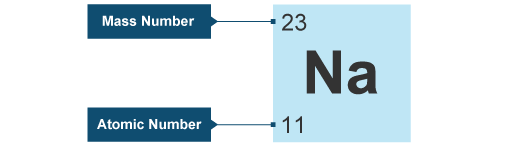
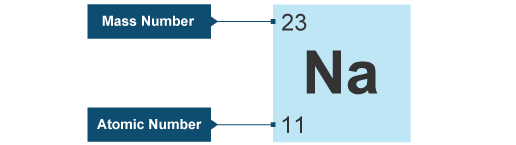
An atom has 10 protons, 15 neutrons and 10 electrons what is its mass number.
a)
20
b)
10
c)
5
d)
25
19.
An element with a mass number of 11 and an atomic number of 5 has how many neutrons?
a)
11
b)
5
c)
6
d)
16
20.
The particles of the atom you can find by knowing the atomic number.
a)
neutrons
b)
protons and electrons
c)
protons and neutrons
d)
atomic mass
21.
The mass of one proton is greater than the mass of one...
a)
neutron
b)
electron
22.
Which letter represents a proton?
a)
A
b)
B
c)
C
d)
D
23.
Which letter represents a neutron?
a)
A
b)
B
c)
C
d)
D
24.
Which letter represents an electron?
a)
A
b)
B
c)
C
d)
D
25.
Which letter represents the nucleus?
a)
A
b)
B
c)
D
d)
E
26.
What is the atomic mass of the atom pictured? 
a)
9
b)
10
c)
18
d)
19
27.
What is the atomic number of the atom pictured? 
a)
9
b)
10
c)
18
d)
19
28.
What is the element name of the atom pictured? 
a)
Fluorine
b)
Neon
c)
Argon
d)
Potassium
29.
What is an atom mostly made up of?
a)
protons
b)
electrons
c)
empty space
d)
neutrons
30.
Which subatomic particle has a positive (+) charge?
a)
Neutron
b)
Proton
c)
Electron
31.
True or False - Protons and Neutrons have about the same mass.
a)
True - They have about the same mass
b)
False - They do not have about the same mass
32.
Which subatomic particle has a negative (-) charge?
a)
Proton
b)
Electron
c)
Neutron
33.
How many electrons does this picture show?
a)
4
b)
5
c)
6
d)
3
34.
How many protons does an atom of Nitrogen have?
a)
14
b)
7
c)
15
d)
18
35.
How many electrons are in an atom of Lithium?
a)
3
b)
6
c)
7
d)
6.941
36.
How many neutrons are in an atom of Beryllium?
a)
4
b)
9
c)
9.01
d)
5
37.
How many neutron are in the atom of Potassium?
a)
7
b)
2
c)
39
d)
20
38.
How many energy levels would an atom of Boron have?
a)
1
b)
2
c)
3
d)
4
39.
Which elements have the most similar chemical properties?
a)
K and Na
b)
K and Ca
c)
K and Cl
d)
K and S
40.
What element is found in group 2, period 4?
a)
Calcium
b)
Titanium
c)
Carbon
d)
Beryllium
41.
What is the charge of a neutron?
a)
Positive
b)
Negative
c)
Neutral/no charge
42.
The atomic number of an element tells us how many ______ the atom has in its nucleus
a)
Electrons
b)
Protons
c)
Neutrons
43.
The atomic mass tells us how many ______ the atom has in its nucleus.
a)
Electrons and neutrons
b)
Protons and neutrons
c)
Protons and electrons
44.
Carbon-12 has 6 protons and 6 neutrons. How many electrons will orbit the nucleus?
a)
12
b)
6
c)
3
d)
18
45.
Above is potassium's atomic symbol. Calculate the number of neutrons. 
a)
19
b)
20
c)
9
d)
10
46.
The group number tells us...
a)
How many electron shells an atom has
b)
How many electrons are in the most outer shell of an element
47.
How many electron shells does Magnesium (Mg) have?
a)
2
b)
4
c)
1
d)
5
48.
How many electrons are in the most outer shell of Aluminium (Al)?
a)
1
b)
4
c)
3
d)
5
49.
True or False: Electrons are found in the nucleus of an atom.
a)
True
b)
False
50.
The atomic number of an atom is equal to the number of __________ in the atom’s ____________
a)
electrons, nucleus
b)
neutrons, nucleus
c)
protons, nucleus
d)
neutrons, outer shell
51.
True or False: Neutrons and electrons are attracted to one another
a)
True
b)
False
52.
Different atoms of the same element can have a different number of ____________.
a)
protons
b)
neutrons
c)
electrons
d)
nucleus
53.
The electrons of an atom are located in regions around the nucleus called ________.
a)
electron shells
b)
electron bananas
c)
hoops
d)
valence electrons
54.
Where are protons found in the atom?
a)
orbiting outside the nucleus
b)
inside the nucleus
c)
inbetween the nucleus and the electron shells
d)
evenly spread throughout the atom
55.
What are the three subatomic particles?
a)
valence, energy orbitals, nucleus
b)
positive, negative, neutral
c)
protons, neutrons, electrons
d)
ions, cations, anions
56.
What subatomic particle is the smallest?
a)
proton
b)
neutron
c)
electron
d)
ion
57.
What number on the periodic table represents the number of electrons and protons in an atom?
a)
Atomic mass
b)
Atomic number
c)
Density
d)
Column number
58.
What does the atomic mass of an atom mean?
a)
how many protons and electrons there are
b)
how many protons and neutrons there are added together
c)
the mass of all the electrons and the neutrons
d)
nothing
59.
What do we call horizontal rows on the periodic table?
a)
Columns
b)
Groups
c)
Periods
d)
Families
60.
What do we call vertical columns on the periodic table?
a)
Columns
b)
Groups
c)
Periods
d)
Famililes
62.
Which represents a compound?
a)
Water
b)
Magnesium
c)
Soil
d)
Air
62.
Which represents a compound?
a)
Water
b)
Magnesium
c)
Soil
d)
Air
63.
Which represents an element?
a)
Iron
b)
Water
c)
Air
d)
Soil
64.
An element has the same number of protons and electrons.
a)
True
b)
False
65.
An element has the same number of neutrons and electrons.
a)
True
b)
False
66.
How many protons does Chlorine have?
a)
17
b)
2
c)
35
d)
35.45
67.
How many electrons does Magnesium have?
a)
24.305
b)
24
c)
12
68.
What makes an element unique?
a)
the proton number
b)
the electron number
c)
the electron number
d)
the group number
69.
How many neutrons does lithium have?
a)
3
b)
6.94
c)
7
d)
4
70.
How many protons are in this element?
a)
79
b)
196
c)
117
d)
Cannot be determined
71.
All the elements on the right side of the periodic table are called..
a)
Metals
b)
Metalloid
c)
Nonmetals
72.

Which alkali metal has the electron configuration 2.8.1

a)

Sodium

b)

Potassium

c)

Lithium

d)

Rubidium

73.

How many electrons do the alkali metals have in their outer shell?

a)

1

b)

2

c)

8

d)

7

74.

Which alkali metal is most reactive out of the following

a)

rubidium

b)

potassium

c)

sodium

d)

lithium

75.

What happens to the reactivity of the alkali metals as you move down the group?

a)

increases

b)

decreases

76.

Which alkali metal reacts with water to produce a violet flame?

a)

K

b)

Na

c)

Li

d)

DuNo

77.

Which gas is released when the alkali metals react with water?

a)

hydrogen

b)

oxygen

c)

hydroxide

d)

carbon dioxide

78.

How does a group 1 metal atom form an ion?

a)

lose 1 electron

b)

lose 2 electrons

c)

gain 1 electron

d)

gain 2 electrons

79.

What is the charge of a group 1 metal ion?

a)

1+

b)

2+

c)

1-

d)

2-

80.

Which of the following is NOT a property of group 1 metals?

a)

More dense than water

b)

less dense than water

c)

low melting point

d)

soft

81.

Which alkali metal has the electron configuration 2.1?

a)

lithium

b)

potassium

c)

sodium

d)

rubidium

82.

Which alkali metal is the least reactive?

a)

lithium

b)

sodium

c)

potassium

d)

rubidium

83.

How many protons does a sodium atom have?

a)

11

b)

23

c)

12

84.

How many electrons does a sodium atom have?>

a)

11

b)

23

c)

12

85.

How many electrons does a sodium ION have?

a)

10

b)

11

c)

23

d)

12

86.

How many neutrons does a sodium atom have?

a)

12

b)

11

c)

23

87.
A horizontal row of elements in the periodic table.
a)
column
b)
group
c)
period
88.
How is the modern periodic table set up?
a)
increasing atomic mass only
b)
increasing atomic number only
c)
increasing atomic mass with periods and groups
d)
increasing atomic number with periods and groups
89.
Why did Mendeleev leave blanks in his periodic table?
a)
forgot elements
b)
left room for elements not yet discovered
c)
placed elements in wrong positions leaving gaps
90.
In the modern periodic table elements are arranged by:
a)
atomic mass
b)
atomic number
c)
valence electrons
d)
number of isotopes
91.
Used the law of triads to make a list of elements
a)
Mendeleev
b)
Dobereiner
c)
Mosely
92.
_______________ developed the first periodic table and arranged the elements in order of increasing atomic mass.
a)
Stevie Wonder
b)
Sasha Vujacic
c)
Dmitri Mendeleev
d)
James Mosely
93.
Which of these is not a noble gas?
a)
Helium
b)
Argon
c)
Nitrogen
d)
Krypton
94.
GOLD
a)
Al
b)
Ag
c)
Ar
d)
Au
95.
CHLORINE
a)
C
b)
Ca
c)
Cl
d)
Cu
96.
CALCIUM
a)
C
b)
Ca
c)
Cu
d)
Cl
97.
CARBON
a)
C
b)
Ca
c)
Cl
d)
Cu
98.
COPPER
a)
C
b)
Ca
c)
Cu
d)
Cl
99.
SILVER
a)
Au
b)
Ag
c)
Al
d)
Ar
100.
SULFUR
a)
Su
b)
S
c)
Sf
d)
Si