
NEW
Font size
S
M
L
XL
 Worksheets
Earth Sphere's
Total questions: 46
Worksheet time: 58mins
Name
Class
Date
1.
The cryosphere includes all but
a)
ice
b)
snow
c)
liquid water
d)
permafrost
2.
The atmosphere includes
a)
rocks
b)
air
c)
plants
d)
atoms
3.
The geosphere includes all but
a)
rocks
b)
mountains
c)
lava
d)
plants
4.
The hydrosphere includes
a)
water
b)
ice
c)
dogs
d)
lava
5.
The biosphere includes
a)
living things
b)
rocks
c)
ice
d)
boiling water
6.
The hydrosphere interacts with the biosphere by providing __________ to life.
a)
nutrients
b)
water
c)
soil
d)
lightning
7.
All of the following are examples of the biosphere except
a)
plants
b)
animals
c)
bacteria
d)
air
8.
Which two spheres both contain water?
a)
cryosphere and hydrosphere
b)
cryosphere and geosphere
c)
hydrosphere and geosphere
d)
atmosphere and geosphere
9.
Fire would most affect the
a)
geosphere
b)
atmosphere
c)
cryosphere
d)
hydroshpere
10.
An earthquake would most affect the
a)
atmosphere
b)
cryosphere
c)
atmosphere
d)
geosphere
11.
What is Biosphere?
a)
All the living things on Earth
b)
Soils and Rocky parts of Earth
c)
Sea water of Earth
d)
Frozen Mountains on Earth
12.
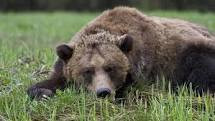
When living things breathe, they interact with which of Earth's spheres?
a)
Lithosphere
b)
Hydrosphere
c)
Atmosphere
d)
Biosphere
13.
When volcanoes erupt, dust and ash particles spread through much of the air blocking the sun. Which two spheres are interacting?
a)
Hydrosphere and atmosphere
b)
Lithosphere and atmosphere
c)
Biosphere and atmosphere
d)
Atmosphere and atmosphere
14.
When carbon dioxide dissolves from the air into the ocean- the interaction is between...
a)
The atmosphere and lithsphere
b)
The atmosphere and hydrosphere
c)
The atmosphere and biosphere
d)
The atmosphere and atmosphere
15.

The Four Spheres of Earth
a)
are all connected
b)
have nothing to do with one another
c)
exist on Venus and Mars
d)
don't affect human life
16.
When volcanoes erupt, dust and ash particles spread through much of the air blocking the sun. Which two spheres are interacting?
a)
Hydrosphere and atmosphere
b)
Geosphere and atmosphere
c)
Biosphere and atmosphere
d)
Atmosphere and atmosphere
17.
When plants draw nutrients from the soil, the interaction is between which two spheres?
a)
The atmosphere and the geosphere
b)
The geosphere and the hydrosphere
c)
The hydrosphere and atmosphere
d)
The biosphere and the geosphere
18.
Which layer of the atmosphere is the layer that supports our life??
a)
stratosphere
b)
thermosphere
c)
troposphere
d)
mesosphere
19.
The most abundant element in the earth's atmosphere is...
a)
oxygen
b)
argon
c)
hydrogen
d)
nitrogen
20.
The layer of the atmosphere in which weather change occurs is the?
a)
mesosphere
b)
troposphere
c)
thermosphere
d)
stratosphere
21.
Which layer is the outermost sub-layer expanding into outer space?
a)
troposphere
b)
thermosphere
c)
exosphere
d)
mesosphere
22.
What's the hottest layer of the Earths Atmosphere
a)
Stratosphere
b)
Ozone Layer
c)
Exosphere
d)
Thermosphere
23.
What is the coldest layer in our atmosphere?
a)
troposphere
b)
thermosphere
c)
exosphere
d)
mesosphere
24.
As you go higher in the troposphere, the temperature _______________.
a)
decreases
b)
increases
c)
stays the same
d)
gets very hot
25.
What is the function of the ozone layer?
a)
to allow UV rays to get to Earth
b)
to block UV rays from getting to Earth
c)
To keep oxygen in our atmosphere
d)
to heat the atmosphere
26.
This is the layer where most commercial jet airliners fly.
a)
Troposphere
b)
Stratosphere
c)
Mesosphere
d)
Thermosphere
27.
The layers of the atmosphere are separated according to changes in.
a)
Altitude
b)
Elevation
c)
Temperature
d)
Distance from the sun
28.

Which major layer of the atmosphere listed below contains most of the ozone layer?
a)
troposphere
b)
stratosphere
c)
mesosphere
d)
thermosphere
29.

The trapping of heat due to gases in the atmosphere is called the _______________________________________
a)
Coriolis effect
b)
El Nino
c)
Greenhouse effect
d)
La Nina
30.
List the major layers from the surface of the earth to space
a)
Thermosphere, Mesosphere, Stratosphere, Troposphere
b)
Magnetosphere, Exosphere, Ionosphere, Ozonosphere
c)
Troposphere, Stratosphere, Mesosphere, Thermosphere
31.

What would happen if the Earth had no atmosphere, as in no air?
a)
No life or weather
b)
It would be the same as now just a little harder to breathe
32.
The atmosphere keeps the Earth...
a)
Warm enough for life
b)
Too Cold for Life
c)
Spinning
d)
Orbiting the sun
33.
The atmosphere protects the Earth from...
a)
Earthquakes
b)
Comets and Meteors
c)
Tsunamis
d)
Faults
34.
The lower the atmosphere pressure, the ____________________ you are on land or sky.
a)
Higher
b)
Lower
35.
The Thermosphere blocks deadly ____________________________ radiation.
a)
Alpha
b)
Beta
c)
Gamma
d)
Laser Beam
36.
The higher one is in the atmosphere the ________________ oxygen(air) there is available to breathe.
a)
More
b)
Less
37.
Which phenomenon can be seen only in the ionosphere?
a)
ozone layer
b)
Aurora Borealis
c)
Highlands
d)
water vapor
38.
Satellites orbit this layer of the atmosphere.
a)
Stratosphere
b)
Exosphere
c)
Thermosphere
d)
Troposphere
39.
What is the outermost layer of the Earth?
a)
Outer core
b)
Inner core
c)
Mantle
d)
Crust
40.
What type of crust is the thickest?
a)
ocean
b)
continental
41.
What is the thickest layer of the Earth?
a)
crust
b)
mantle
c)
outer core
d)
inner core
42.
Which layer of the core is mostly liquid?
a)
inner core
b)
outer core
43.
What is caused when the tectonic plates slip?
a)
thunderstorms
b)
hurricanes
c)
tornadoes
d)
earthquakes
44.
The most dense layer of the Earth is the
a)
Inner Core
b)
Outer Core
c)
Lower Mantle
d)
Upper Mantle
45.
The crust is also know as the
a)
Lithosphere
b)
Asthenosphere
c)
Mesosphere
d)
Mantle
46.
The inner core is composed of iron, nickel, silica, and cobalt.
a)
True
b)
False
Reset

