wayground logo

Free Printable Worksheets

Font size

S
M
L
XL
Worksheets

JACKSON SCIENCE STATE TEST PREP # 3

Total questions: 171

Worksheet time: 2hrs 6mins

Name
Class
Date
1.
The moon seems to change shape from day to day in a cycle that lasts about a month as it goes through _.
a)
revolutions
b)
phases
c)
rotations
d)
eclipses
2.
About how long does it take the moon to make one complete cycle around the earth?
a)
65 days
b)
8 days
c)
365 days
d)
28 days
3.
Which moon phase is when you can't see the moon at all?
a)
Waning crescent
b)
Full moon
c)
Waxing gibbous
d)
New moon
4.
The cycle of the moon lasts about a _.
a)
day
b)
year
c)
week
d)
month
5.
One complete revolution of the Earth around the sun takes about
a)
one rotation
b)
half a year
c)
one year
d)
one season
6.
The Earth takes about __________________ hours to complete one rotation of its axis.  
a)
12
b)
24
c)
14
d)
28
7.
Name the phase of the moon for letter c
a)
New Moon
b)
Full Moon
c)
Waxing Crescent
d)
Waning Crescent
8.
The spinning of an object on its axis is called______
a)
orbit
b)
rotation
c)
revolution
d)
tide
9.
Day and night is caused by the _____________ of earth on its axis.
a)
revolution
b)
orbit
c)
rotation
10.
As the Earth travels around the sun, this tilt causes different areas of the Earth’s surface to get different amounts of daylight at different times of the year. The angle of the Sun’s rays to the surface also causes areas to have more or less of the Sun’s energy. This causes the ________.
a)
months
b)
day and night
c)
seasons
d)
years
11.
A ______ eclipse occurs when the moon passes between Earth and the sun, blocking the sunlight from reaching Earth. The moon's shadow then hits Earth.   
a)
solar eclipse
b)
lunar eclipse
c)
vernal equinox
d)
autumnal equinox
12.
A body that orbits a planet is a...
a)
Meteor
b)
Asteroid
c)
Satellite
d)
Comet
13.
Movement of Earth around the sun.
a)
Rotation
b)
Revolution
14.
 The _____________________ is the body system that helps a person move and maintain posture.
a)
 nervous system
b)
muscular system
c)
digestive system
d)
nervous system
15.
The ___________ are the main organs of the respiratory system. 
a)
veins
b)
lungs
c)
arteries
d)
kidneys
16.
The ____________________ is the body system that transports oxygen, nutrients, and waste through the body.  
a)
respiratory system 
b)
digestive system
c)
circulatory system 
d)
immune system
17.
The _______________________ consists of blood, blood vessels, and the heart. 
a)
respiratory system 
b)
circulatory system 
c)
urinary system 
d)
integumentary system
18.
The ____________ is a muscular organ that pumps blood to the body through blood vessels. 
a)
vein 
b)
artery 
c)
heart
d)
kidney
19.
The ______________________ is the body system that breaks food down so that it can be used by the body.  
a)
circulatory system 
b)
digestive system 
c)
respiratory system 
d)
skeletal system
20.
This system sends chemical messages (hormones) that regulate growth, development, and metabolism.
a)
endocrine
b)
nervous
c)
immune
d)
skeletal
21.
Which system sends electrical messages that helps control the body's responses to internal and external changes?
a)
nervous
b)
endocrine
c)
reproductive
d)
integumentary
22.
This system removes waste from body (CO2, urea, excess water, etc).
a)
digestive system
b)
excretory system
c)
respiratory system
d)
circulatory system
23.
Which example best shows structures that make up the Digestive System in the human body? 
a)
Lungs, Heart, Arteries
b)
Brain, Spinal Cord, Nerves
c)
Stomach, Intestines, Esophagus
d)
Nose, Lungs
24.
Which of the following is NOT part of the Circulatory System?
a)
Arteries
b)
Brain
c)
Heart
d)
Veins
25.
What body system includes the kidneys and bladder?
a)
circulatory system
b)
reproductive system
c)
digestive system 
d)
urinary system
26.
The stomach releases hydrochloric acid and enzymes that break down the protein in meats and turn the protein into amino acids. This change is______________.
a)
Physical
b)
Chemical
27.
The stomach squeezes and churns (mixes) food, this is a _________________.
a)
Chemical Change
b)
Physical Change
28.
Which body system does this show?
a)
nervous system
b)
muscular system
c)
circulatory system
d)
respiratory system
29.
Digestion begins here.
a)
mouth
b)
stomach
c)
esophagus
d)
small intestine
30.
B=brown eyes
b= blue eyes
What is true about two brothers that have brown eyes?
One has genotype BB the other Bb.
a)
they have same phenotype and genotype
b)
they have different genotypes and phenotypes
c)
they have same phenotype but different genotypes
d)
they have same genotype but different phenotypes
31.
A dog gives birth to 5 puppies. What percentage of the chromosomes does each puppy share with the mother?
a)
25%
b)
50%
c)
75%
d)
100%
32.
What does heterozygous mean?
a)
An organism that has the same genes for a trait (TT or tt)
b)
An organism that has different genes for a trait (Tt)
c)
When neither gene is fully dominant; offspring is a mixture of both
d)
the different forms of a trait (hair color--> brown, blonde, red
33.
If a heterozygous tall pea plant is crossed with a short pea plant, what are the possible genotypes of the future offspring?
a)
100% Tt
b)
50% Tt, 50% tt
c)
75%Tt, 25%tt
d)
25%TT, 50%Tt, 25%tt
34.
Two brown eyed parents (Bb) have a baby. What is the chance the baby is blue eyed?
a)
0 %
b)
25%
c)
50%
d)
75%
35.
A heterozygous yellow pea plant's genotype would be:
a)
YY
b)
yy
c)
Yy
d)
Yg
36.
What is one advantage of sexual reproduction?
a)
offspring are identical to parents
b)
offspring are resistant to viruses
c)
offspring are born live, rather thna from eggs
d)
offspring inherit a wider variety of genetic information
37.
W=white hair
w= non-white hair
If you cross a horse with WW and a horse with ww what fraction of the offspring would be expected to have white hair?
a)
none
b)
3/4
c)
1/2
d)
all
38.
What is a phenotype?
a)
The expression of a trait; what you see.
b)
refers to the genetic makeup of an individual
c)
An organism that has the same genes for a trait (ex. TT or tt)
d)
the passing of traits from parent to offspring
39.
What does heterozygous mean?
a)
An organism that has the same genes for a trait (TT or tt)
b)
An organism that has different genes for a trait (Tt)
c)
When neither gene is fully dominant; offspring is a mixture of both
d)
the different forms of a trait (hair color--> brown, blonde, red
40.
An organism's appearance is known as its
a)
heredity
b)
phenotype
c)
genotype
d)
pedigree
41.
What is the weather conditions in an area over a long period of time?
a)
climate
b)
temperature
c)
elevation
d)
precipitation
42.
Precipitation happens when clouds of water droplets are too ______________.
a)
cold
b)
light
c)
heavy
d)
hot
43.
The amount of moisture (water vapor) in the air
a)
Barometer
b)
Humidity
c)
Rain gauge
d)
Evaporation
44.
What part of the illustration shows Evaporation? 
a)
1
b)
2
c)
3
d)
4
45.
Which weather tool measures temperature?
a)
thermometer
b)
barometer
c)
psychrometer
d)
anememeter
46.
What does this symbol indicate on a weather map? 
a)
High pressure system
b)
Low pressure system
c)
Cold front
d)
Warm front
47.
What symbol is this?
a)
warm front
b)
cold front
c)
stationary front
d)
occluded front
48.
A front is
a)
where warm air is cooling at earth's surface
b)
a line where hot and cold air are separating
c)
a line where two different air masses meet
d)
where cold air is rising and forming rain clouds
49.
What is weather?
a)
What's happening in space at a time and place.
b)
What's happening in our atmosphere at a time and place.
c)
The average weather over many years
d)
The average temperature over many years.
50.
What is an air mass?
a)
a place where weather always changes
b)
a large body of air like a bubble with the same temperature and moisture
c)
big clouds
d)
layers in the atmosphere
51.
What is the difference between climate and weather?
a)
 Climate averages the weather conditions in a specific place over a long period of time, while weather describes the state of the atmosphere at a specific moment in time.
b)
 Weather averages the weather conditions in a specific place over a long period of time, while Climate describes the state of the atmosphere at a specific moment in time.
c)
Climate describes the weather conditions at night, while weather describes the conditions during the daytime.
d)
 There is not a difference between climate and weather.
52.
Which statement describes why the Earth has seasons?
a)
Its axis is titled as it revolves around the sun.
b)
The distance changes as it revolves around the sun.
c)
The moon revolves around it.
d)
The sun's axis is tilted.
53.
An air mass forms over the Gulf of Mexico and moves northeast across Georgia. What weather conditions are likely to prevail in Georgia?
a)
cool and dry
b)
cool and humid
c)
warm and dry
d)
warm and humid
54.
In some years there are more hurricanes than usual. This is probably because
a)
the ocean is warmer than usual.
b)
the ozone layer is very thin.
c)
there are more windy days than usual.
d)
the gravitational pull of the Moon is stronger.
55.
Energy of motion is which type of energy?
a)
Potential
b)
Kinetic
c)
Sound
d)
Gravitational
56.
What type of energy is in this picture?
a)
Kinetic
b)
Potential
c)
Chemical
d)
Sound
57.
When plants convert the sun's energy into food, which type of energy is it?
a)
kinetic
b)
chemical
c)
thermal
d)
radiant
58.
What kind of energy is represented in the picture?
a)
Thermal
b)
Chemical
c)
Sound
d)
Nuclear
59.
A battery converts what type of energy to another?
a)
sound to kinetic
b)
light to heat
c)
mechanical to electrical
d)
chemical to electrical
60.
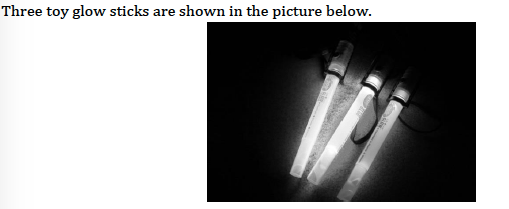
The glow sticks produce light for a short amount of time. The light from the glow stick is a conversion from what to what?
a)
thermal to light
b)
gravitational to potential
c)
radiant to electrical
d)
chemical to light
61.
On a roller coaster, where is maximum potential energy?
a)
At the bottom of a big hill
b)
When going around a corner
c)
When going upside down
d)
At the top of a big hill
62.
On a roller coaster, where is maximum kinetic energy?
a)
At the bottom of a big hill
b)
When going around a corner
c)
When going upside down
d)
At the top of a big hill
63.
According to which law of energy, energy can't be created or destroyed?
a)
First law of motion
b)
The law of tacos
c)
Laws of Energy
d)
law of conservation of energy
64.
Which is a renewable source of energy?
a)
oil
b)
nuclear
c)
wind
d)
natural gas
65.
The picture shows sunlight shining on solar panels. 
Which statement best describes this energy source?
a)
Sunlight is a renewable energy source used to produce hydropower.
b)
Sunlight is a nonrenewable energy source used to produce nuclear power.
c)
Sunlight is a renewable energy source used to produce electricity.
d)
Sunlight is a nonrenewable energy source used to produce natural gas.
66.

An energy source that is gone forever once it is used up is called?

a)

renewable

b)

nonrenewable

c)

natural resource

d)

raw material

67.
Energy that comes from natural resources that can be replenished are called ?
a)
nonrenewable
b)
energy in motion
c)
untapped energy
d)
renewable
68.
Cause of pollution in our air and water is _________
a)
geothermal
b)
fossil fuels
c)
biomass
d)
politics
69.
Coal, oil, and natural gas are all are renewable energy sources.
a)
True
b)
False
70.

Which of the following nonrenewable energy resources is NOT a fossil fuel?

a)

Natural gas

b)

Coal

c)

Oil

d)

Nuclear

71.
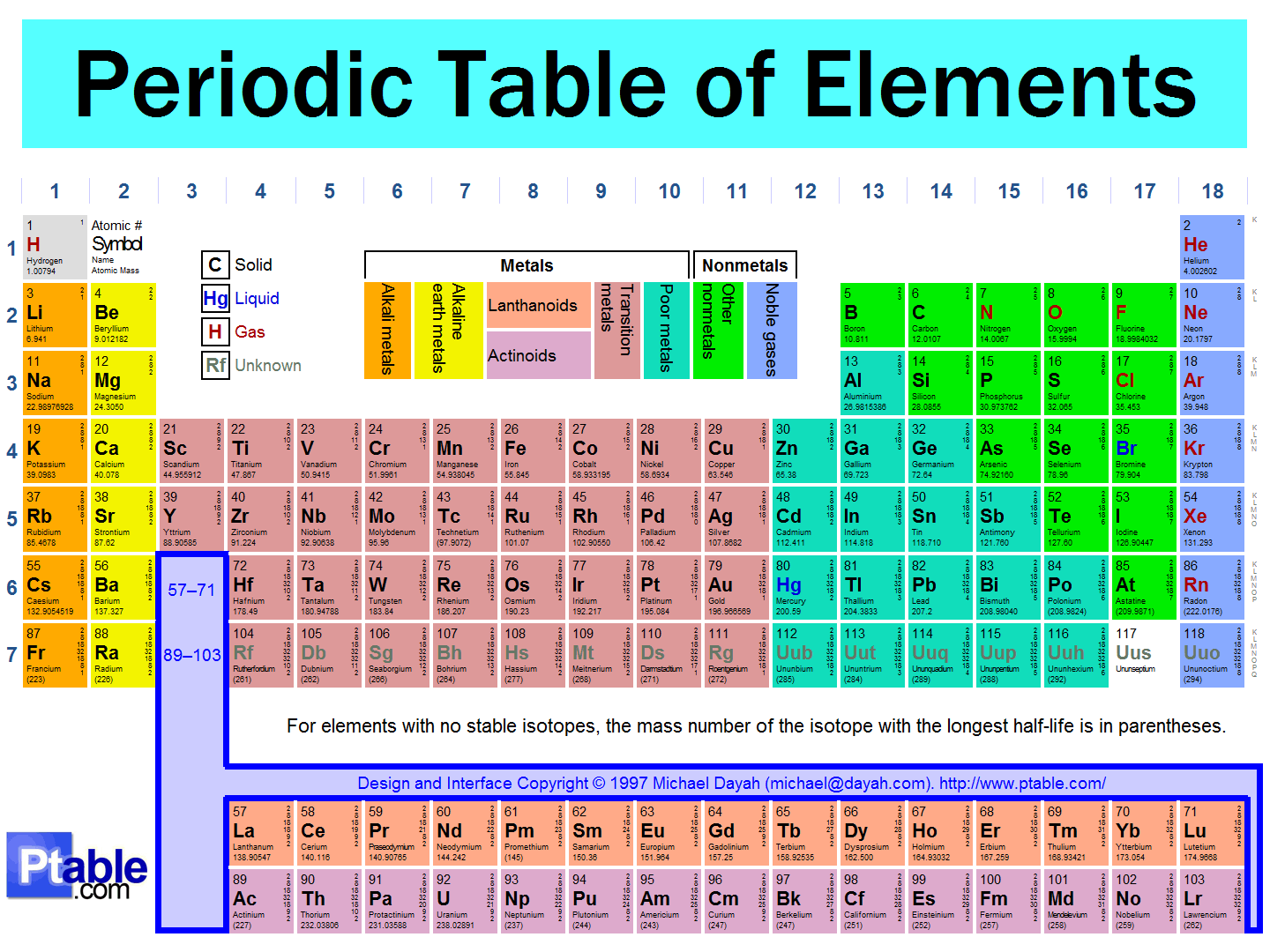
The horizontal row on the periodic table is called a
a)
group
b)
family
c)
period
d)
atomic number
72.
A vertical column is called...
a)
group
b)
tower
c)
period
d)
crew
73.
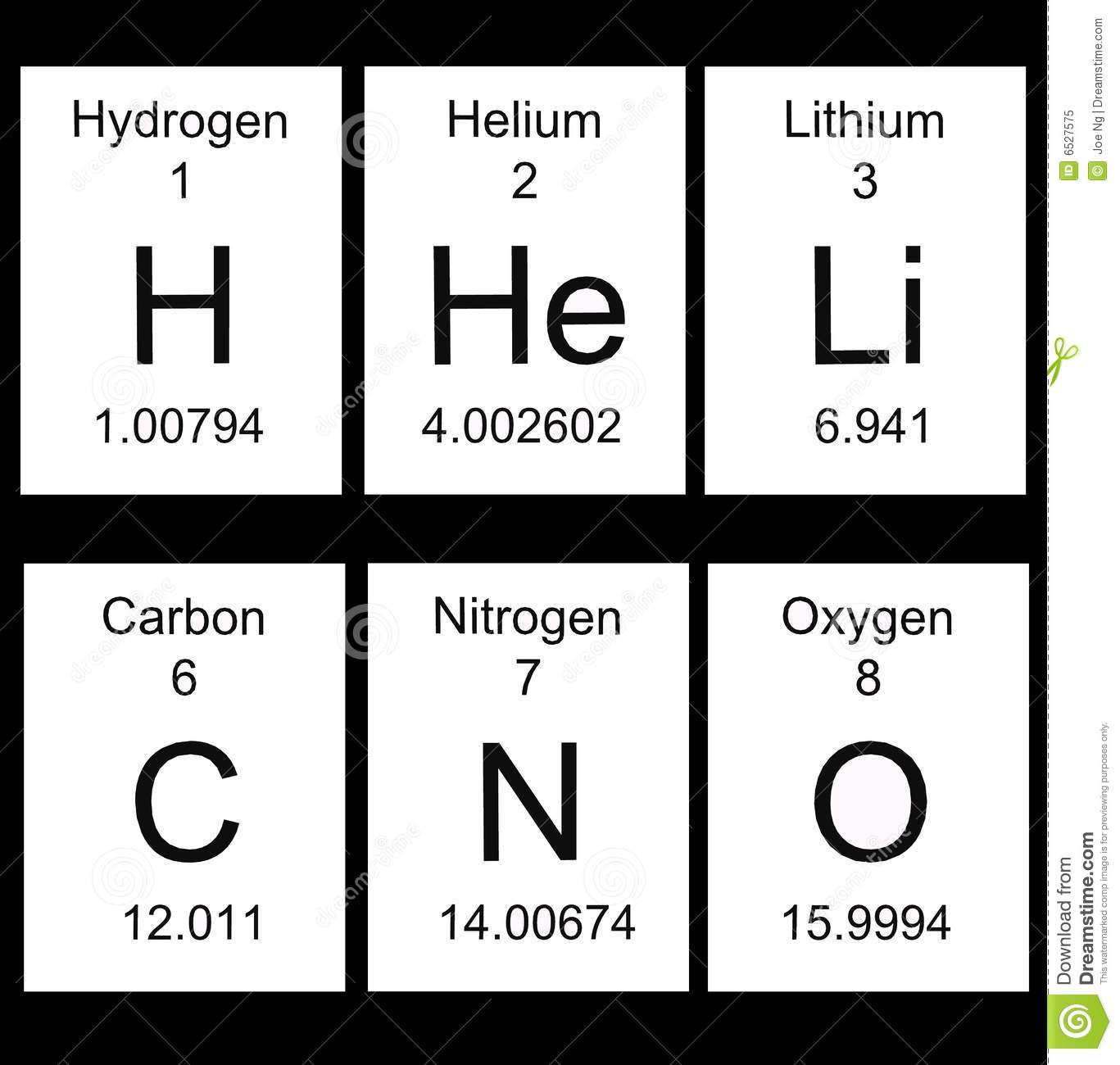
What is the chemical symbol for Lithium?
a)
H
b)
He
c)
Li
d)
N
74.
Group 18 elements are known as the _____ _____ and have full valence shells.
a)
royal gases.
b)
supreme solids.
c)
noble gases.
d)
legit liquids.
75.
Elements in the same ________ are more chemically similar.
a)
group
b)
period
c)
club
d)
table
76.
Elements on the left side of the periodic table are 
a)
metals
b)
nonmetals
c)
metalloids
d)
noble gases
77.
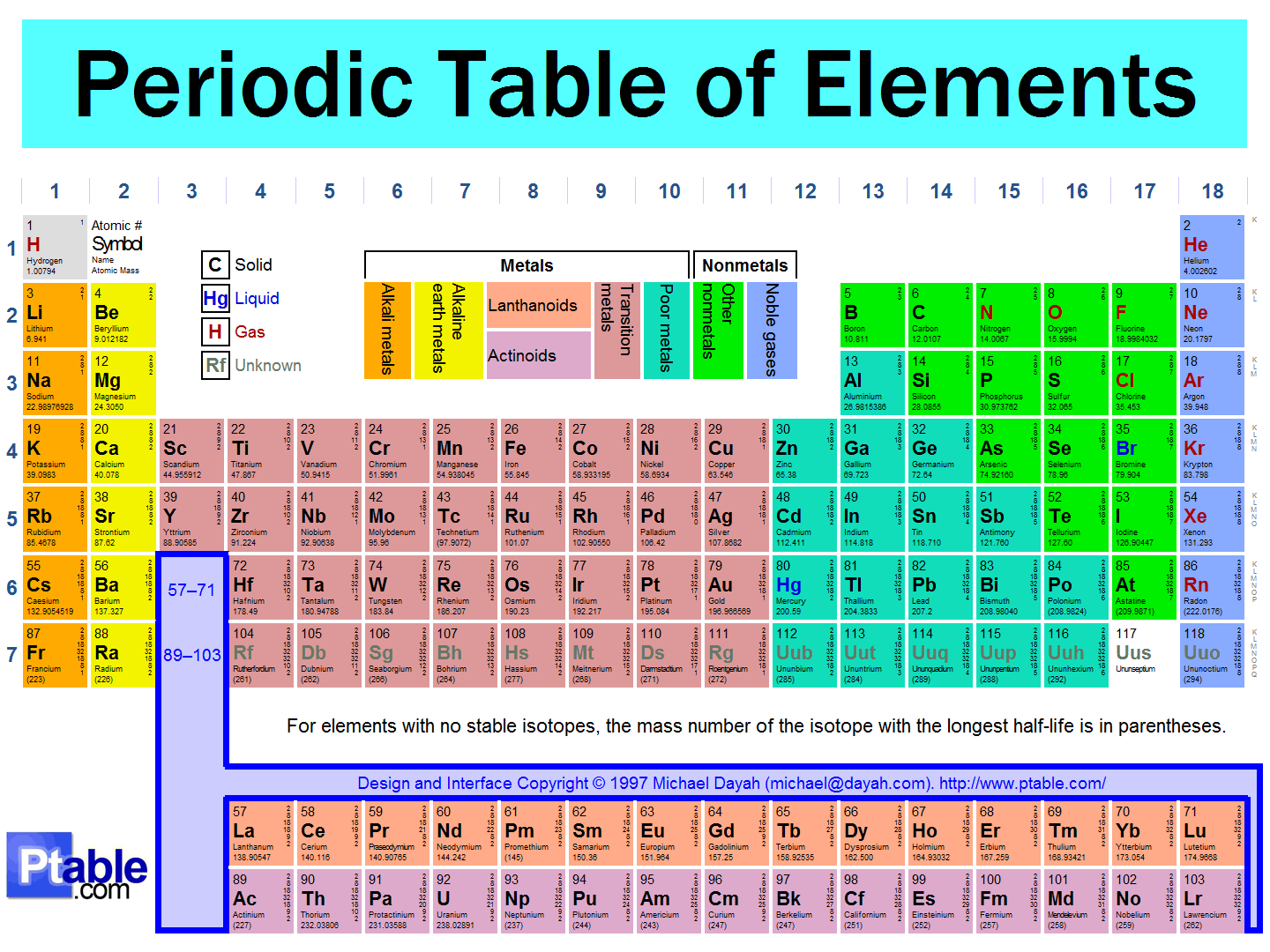
Nonmetals are located in what section of this periodic table?
a)
Blue
b)
Yellow
c)
Pink
78.

If you wanted to test the hardness of a mineral, you would use a ___ test.

a)

scratch

b)

density

c)

streak

d)

luster

79.

What is the density of a mineral with a mass of 30g and a volume of 5ml?

a)

5g/ml

b)

6g/ml

c)

10g/ml

d)

12g/ml

80.

All rocks are made of ____.

a)

air

b)

soil

c)

water

d)

minerals

81.

Igneous rocks are classified by ___.

a)

shape, texture and color

b)

color, smell and where they are found

c)

how they are formed

82.

The meaning of the word "metamorphic" is ___.

a)

fire-formed

b)

to change

c)

sedimentation

d)

permanent

83.

___ rocks form when heat and pressure deep inside Earth change one rock into a new type of rock.

a)

metamorphic

b)

igneous

c)

sedimentary

d)

pretend

84.

The remains of animals and plants from long ago are classified as

a)

Sediments

b)

Fossils

c)

Bones

d)

Amber

85.

The youngest fossils are normally found at the ________ of undisturbed layers of ____________rocks

a)

Top igneous

b)

Top metamorphic

c)

Top . sedimentary

d)

Bottom sedimentary

86.
A possible explanation to a problem that has not yet been tested. 
a)
data
b)
theory
c)
hypothesis
d)
fact
87.
This variable in an experiment is the one being deliberately changed by the scientist. 
a)
dependent variable
b)
independent variable
c)
data
d)
control group
88.
In a controlled experiment, how many independent variables can be worked with at a time? 
a)
one
b)
none
c)
two or more
d)
how ever many makes sense.
89.

Mr. J. sets up an experiment to see how the mass of a ball affects the distance it rolls off a ramp. Identify the independent variable.

a)

distance traveled by the ball

b)

height of the ramp

c)

mass of the ball

d)

weight of the ball

90.
Mr. S. sets up an experiment to see how the mass of a ball affects the distance it rolls off a ramp.  Identify the dependent variable.
a)
height of the ramp
b)
 distance traveled by the ball
c)
mass of the ball
d)
weight of the ball
91.
A student is planning an experiment to find out how the height from which he drops a ball affects how high the ball bounces. The dependent variable is the _____.
a)
Diameter of the ball
b)
Force acting on the ball
c)
Height that the ball bounces
d)
Height from which the ball is dropped
92.
When experimenting with the growth of a plant, a scientist uses three (of the same type of) plants, two different fertilizers, equal light, and equal water. What type of variable is the fertilizer?
a)
Dependent
b)
Independent
c)
Control
d)
Compound
93.
An experiment is performed on plants to see how different liquids affect plant growth. Each plant in the experiment is given a different liquid; water, apple juice, or milk. Each plant has the same amount of soil, sunlight, and listens to the same music. In this investigation, what is the dependent variable?
a)
Type of plant
b)
Water, apple juice, milk
c)
Plant growth
d)
Color of the plant's leaves
94.
What is a hypothesis?
a)
A hypothesis is the right answer to an experiment.
b)
A hypothesis is the wrong answer to an experiment.
c)
A hypothesis is an educated guess.
d)
I don't know.
95.
What step does every scientific experiment begin with?
a)
hypothesis
b)
question/problem
c)
procedures
d)
conclusion
96.
This part of the experiment serves as a basis of comparison; the one variable being tested has been omitted. 
a)
experimental group
b)
control group
c)
data
d)
variables
97.
____________ is a push or pull on an object.
a)
Motion
b)
Force 
c)
Speed
d)
Velocity
98.
__________ friction is friction that exists between a stationary object and the surface on which it is resting.
a)
Static
b)
Rolling
c)
Kinetic
d)
Stationary
99.
As the distance between two magnets increases, the magnetic force between them __________.
a)
Increases
b)
Decreases
c)
Stays the same
d)
Increases and then decreases
100.
As the mass of an object increases, the force of gravity ___________.
a)
Increases
b)
Decreases
c)
Stays the same
d)
Increases and then decreases
101.
An object that is balanced will have a net force of:
a)
0 N
b)
10 N
c)
100 N
d)
1000 N
102.
An object at rest will stay at rest and an object in motion will remain in motion unless acted upon by an unbalanced force.
a)
Newton's 1st Law
b)
Newton's 2nd Law
c)
Newton's 3rd Law
d)
Newton's 4th Law
103.
North Pole on a magnet will be repelled by the ___________.
a)
North Pole
b)
South Pole
104.
South Pole on a magnet will be attracted to the _________.
a)
North Pole
b)
South Pole
105.
What is the net force on the object?
a)
10 N right
b)
500 N right
c)
950 N right
d)
50 N left
106.
What is the net force on the object?
a)
900 N left
b)
900 N right
c)
450 N left
d)
450 N right
107.
What is the net force on the object?
a)
25 N right
b)
20 N right
c)
5 N right
d)
45 N right
108.
A magnet will attract to:
a)
Gold
b)
Silver
c)
Iron
d)
Aluminum
109.

A substance capable of dissolving one or more substances. (example what is water in a mixture of sugar and water)

a)

solute

b)

solvent

c)

solution

110.
How many total atoms in H2O?
a)
1
b)
2
c)
3
d)
4
111.
How many Hydrogen atoms in H2O?
a)
1
b)
2
c)
3
d)
4
112.
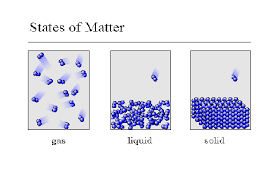
This state of matter has a definite volume and a definite shape
a)
solid
b)
liquid
c)
gas
113.
Building block of matter.
a)
atom
b)
molecule
c)
mass
114.
Why can astronauts jump higher on the Moon than on Earth?
a)
There is more oxygen on the Moon.
b)
Their pressurized suits help them.
c)
The Moon's gravity is weaker than Earth's.
d)
The warm temperature on the Moon gives the astronauts more energy.
115.
Which of the following is a property of a nonmetal? 
a)
A. It has a hard and shiny surface
b)
B. It can be bent into different shapes
c)
C. It is a poor conductor of electricity
d)
D. It is a good conductor of heat
116.
What gas is most abundant in Earth’s atmosphere? 
a)
A. Oxygen
b)
B. Argon
c)
C. Carbon Dioxide
d)
D. Nitrogen
117.

Which item below is the most dense?

a)

A. Ping Pong Ball

b)

B. Lamp Oil

c)

D. Corn Syrup

118.
The picture above shows a large box being pushed by two men.  The box did not change its position in the room because…
a)
 A.  The opposing forces were balanced
b)
B.  The smooth floor created no friction
c)
 C.  The man on the left side applied more force than the man on the right side.
d)
D.  The man on the right side applied more force than the man on the left side.
119.
Water is an example of:
a)
compound
b)
element
c)
solution
120.
As a sample of matter is heated, its particles ____.
a)
are unaffected
b)
move more quickly
c)
move more slowly
d)
stop moving
121.
Which term refers to an object's tendency to resist a change in it's motion?
a)
resistance 
b)
stubborn
c)
inertia
d)
acceleration
122.
Which of the following is an indication that a chemical change has taken place?
a)
the shape changes
b)
the substance dissolved
c)
a gas was produced
d)
none of the above
123.
What happens when the area in which you live tilts away from the sun?
a)
It is summer.
b)
It is spring.
c)
It is winter.
d)
It is fall.
124.
What are the reasons for the seasons?
a)
Earth's tilt and rotation.
b)
Earth's rotation and revolution.
c)
Earth's tilt and revolution.
d)
Earth's tilt and resolution
125.
What is Earth's annual motion around the sun called?
a)
Rotation
b)
Revolution
126.
How long does Earth take to make a complete rotation?
a)
365 days
b)
24 hours
127.
The moon is a _____________ of Earth.
a)
Satellite
b)
Star
c)
Body
d)
Rotator
128.
Why does the moon appear to shine?
a)
It is like a star and gives off light
b)
it refracts light from space
c)
It reflects light from the sun
d)
It absorbs light from the sun
129.
The main source of energy for all life comes from ____.
a)
the Earth
b)
the moon
c)
the sun
d)
the food we eat/make
130.
The reactants of photosynthesis are
a)
sugar and water.
b)
sugar and oxygen.
c)
carbon dioxide and water.
d)
carbon dioxide and oxygen.
131.
What are the products of photosynthesis?
a)
Carbon dioxide and water
b)
Carbon dioxide and oxygen
c)
Glucose and oxygen
d)
Glucose and water
132.
Which gas is removed from the atmosphere during photosynthesis?
a)
hydrogen
b)
oxygen
c)
nitrogen
d)
carbon dioxide
133.
Animal cells do not have chloroplasts.
a)
TRUE
b)
FALSE
134.
What is the energy source for the water cycle?
a)
the sun
b)
the earth
c)
water
d)
the moon
135.
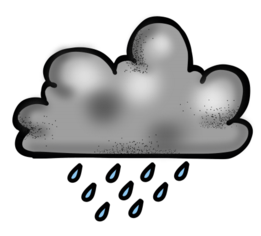
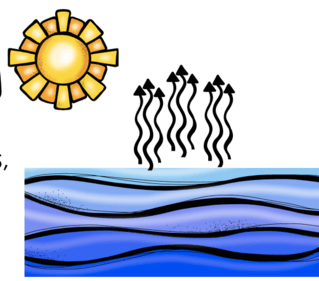
What part of the water cycle does this picture show?
a)
condensation
b)
precipitation
c)
evaporation
136.
What part of the water cycle does this picture show?
a)
condensation
b)
precipitation
c)
evaporation
137.
What part of the water cycle does this picture show?
a)
condensation
b)
precipitation
c)
evaporation
138.
Which of these is not an example of precipitation?
a)
rain
b)
clouds
c)
sleet
d)
snow
139.
Which of these is an example of precipitation?
a)
snow
b)
air
c)
clouds
d)
vapor
140.
Which type of rock results from melting and cooling of magma?
a)
Igneous
b)
Metamorphic
c)
Sedimentary
d)
Extrusive
141.
Which type of rock forms from extreme heat and pressure?
a)
Igneous
b)
Sedimentary
c)
Organic
d)
Metamorphic
142.
What is the MAIN way rocks are classified?
a)
Their color and shapes
b)
How they form
c)
Mineral bands
d)
Where they form
143.
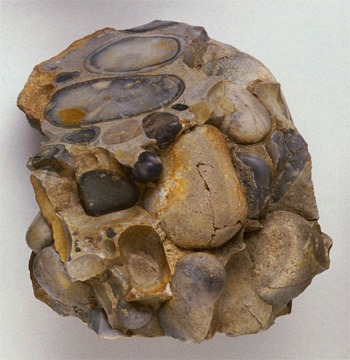
This rock was formed by smaller pieces of rock that settled at the bottom of a lake millions of years ago. What type of rock is this?
a)
Sedimentary
b)
Igneous
c)
Metamorphic
144.
What are the 3 major types of rocks?
a)
Igneous, Metamorphic, Sedimentary
b)
Metamorphic, Igneous, Cementation
c)
Brown, Red, Gray
d)
Streak, Hardness, Breakage
145.

Fossils are often found in ____________ rock because it is formed from the remains of once living things.

a)

metamorphic

b)

magma

c)

igneous

d)

sedimentary

146.
What do we call the powder left behind when a mineral is scratched on a plate?
a)
Hardness
b)
Luster
c)
Cleavage
d)
Streak
147.
Molecules move quickest in which state of matter
a)
solid
b)
liquid
c)
gas
d)
solid, liquid and gas
148.
When the temperature of matter decreases the particles ...
a)
speed up and move farther apart
b)
speed up and move closer together
c)
slow down and move farther apart
d)
slow down and move closer together
149.
When the temperature of matter increases the particles...
a)
speed up and move closer
b)
speed up and move farther apart
c)
slow down and move closer together
d)
slow down and move farther apart
150.
A gas
a)
has a definite shape but no definite volume
b)
has a definite volume but no definite shape
c)
has fast-moving particles
151.
A chemical change
a)
doesn't really change much.
b)
creates a new substance
c)
is a change in the state of matter
152.
A physical change is...
a)
a change that doesn't change the identity
b)
a change that makes something new.
c)
a chemical reaction
153.
An object with which of the following densities will float on water?
a)
0.7 g/cm3
b)
1.2 g/cm3
c)
3.5 g/cm3
d)
11.4 g/cm3
154.
A block has a mass of 54g and a volume of 20cm3.  What is the density of the block?
a)
74 g/cm3
b)
1080 g/cm3
c)
34 g/cm3
d)
2.7 g/cm3
155.
A can of Coke will sink in a bowl of water.  A can of Diet Coke will float in a bowl of water.  What does this tell you about the density of the Diet Coke?
a)
it is bigger than 1
b)
it is smaller than 1
c)
it is equal to 1
d)
it is equal to -1
156.

Why do ice cubes float in a glass of water?

a)

the ice cubes are more dense than the water

b)

the ice cubes are less dense than water

c)

the water is more dense than the glass

d)

the ice is more dense than the glass

157.
Which property of matter is determined by dividing its mass by its volume?
a)
elasticity
b)
buoyancy
c)
density
d)
viscosity
158.
The following liquids are poured together in a beaker: alcohol (density=0.79), corn syrup (density=1.38), water (density=1.0), and cooking oil (density=0.93).  Which of these liquids will sink to the bottom of the beaker?
a)
alcohol
b)
corn syrup
c)
water
d)
cooking oil
159.
A brick sinks in water while a wooden block of the same size floats.  This is because the brick has a
a)
lower volume than the wooden block
b)
lower density than the wooden block
c)
higher volume than the wooden block
d)
higher density than the wooden block
160.

Which Human body system produces hormones?

a)

excretory

b)

endocrine

c)

circulatory

d)

Nervous

161.

The amount of energy in foods is measured in units called

a)

Calories

b)

grams

162.

The kidneys that filter the blood are organs of which system?

a)

digestive

b)

circulatory

c)

rspiratory

d)

excretory

163.

which is the correct order from least to greatest

a)

CELLS, TISSUES, ORGAN SYSTEM, ORGANS

b)

ORGAN SYSTEM, CELLS, TISSUES, ORGANS

c)

CELLS, TISSUES, ORGANS, ORGAN SYSTEM

164.

Sound cannot travel through a vacuum

a)

TRUE

b)

FALSE

165.

Which statement is true

a)

Light travels faster than sound

b)

sound travels faster than light

c)

Light and sound travel at the same speed

166.

The 2 factors that affect the strength of gravity are

a)

mass and density

b)

mass and distance apart

c)

distance and density

167.

The ability of light to bend in different materials such as water and air is called

a)

reflection

b)

refraction

c)

absorption

d)

Transmission

168.

The layer of water that covers most of the Earth's surface is called

a)

Hydrosphere

b)

Lithosphere

c)

atmosphere

d)

Biosphere

169.

What is a common feature of all weather fronts?

a)

Precipitation

b)

dry weather

170.

Maritime tropical air mass brings what type of weather to an area

a)

Humid and cold

b)

Moisture and warmth

c)

dry and warm

171.

Which term describes the relationship among organisms that both benefit from each other?

a)

competition

b)

parasitism

c)

mutualism