
 Worksheets
Honors Biology Final Exam Review
Total questions: 160
Worksheet time: 2hrs 54mins
Proteins are made of monomers called ___________
nucleotides
monosaccharides
amino acids
fatty acids
To what class of macromolecule do enzymes belong?
protein
carbohydrate
lipid
nucleic acid
Which class of macromolecules is the main source of energy for living things, and is therefore most closely involved in photosynthesis and respiration?
carbohydrates
lipids
nucleic acids
proteins
Which of the following carbohydrate polymers stores energy in plants?
cellulose
chitin
glycogen
starch
Which of the following carbohydrate polymers makes up the cell wall in plants?
cellulose
chitin
glycogen
starch
Which of these is NOT true?
Enzymes can denature (change shape) when the temperature gets too high.
Each enzyme can catalyze multiple types of chemical reactions.
Extreme pH can denature enzymes.
Enzymes speed up chemical reactions.
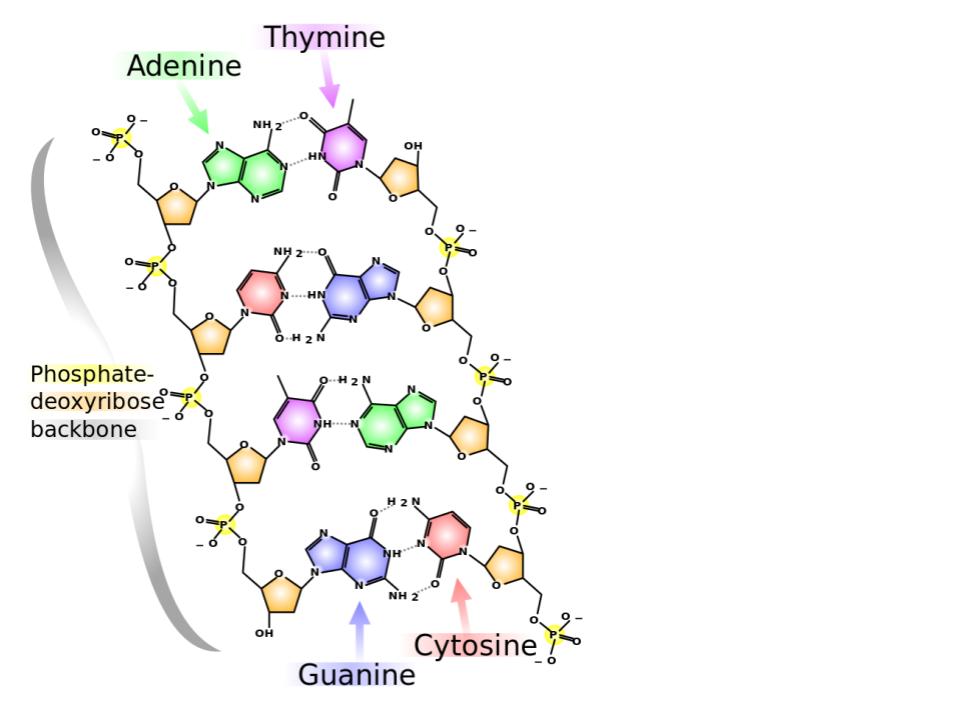
The two strands of DNA are held together by
hydrogen bonds
covalent bonds
ionic bonds

DNA is a polymer made of
nucleotides
ribosomes
fatty acids
amino acids

The term used to describe DNA replication is
semi-conservative
conservative
antiparallel
dispersive

In a molecule of double-stranded DNA, the amount of adenine present is always equal to the amount of
cytosine
guanine
thymine
uracil
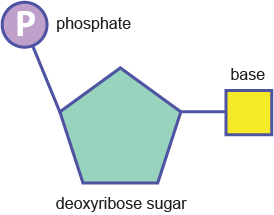
DNA nucleotides contain which components? (select ALL that apply)
nitrogenous base
deoxyribose sugar
phosphate group
fatty acid
amino acid
Guanine bonds with ______________.
adenine
guanine
cytosine
thymine


What is the location in the cell for transcription?
nucleus
mitochondria
ribosome
chloroplast
Which of the following are conditions for Hardy-Weinberg equilibrium? (select all that apply)
No mutations
Random mating
No natural selection
Gene flow
Small population size
Which of the following are mechanisms for evolution because they violate Hardy-Weinberg equilibrium?
gene flow
genetic drift
natural selection
large population size
random mating

Which of the following is a term for a group of similar organisms that can interbreed and produce fertile offspring?
individual
population
species
fossil
This term describes the ability of an organism to survive and reproduce in its specific environment.
diversity
evolution
adaptation
fitness
All of the meerkats that live in the same place at the same time make up a ____________.
Community
Ecosystem
Population
Biosphere
______________ is all of the living and nonliving things in a given area.
A population
A community
An ecosystem
The biosphere
All of the populations in a given area make up a ____________.
community
habitat
ecosystem
species

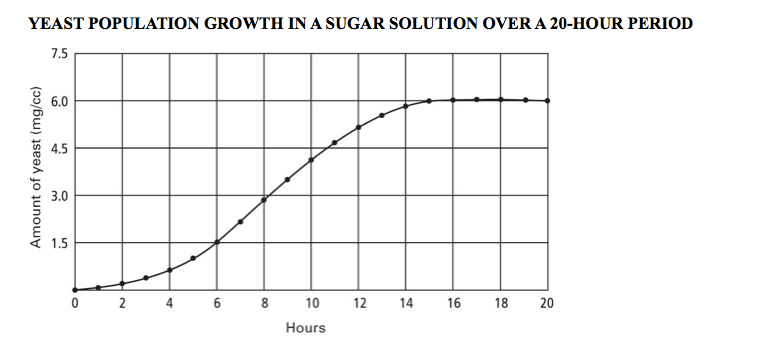
Which of the following is a density-independent limiting factor?
natural disaster
predation
disease
parasitism
Which has ribosomes?
Prokaryote
Eukaryote
both
Carries out protein synthesis
Golgi body
Centriole
Mitochondria
Ribosome
Site of protein AND lipid synthesis
Ribosome
Lysosome
Endoplasmic Reticulum
Golgi Apparatus
A cell will _____________________ in a solution that contains a higher concentration of solute than what is in the cell (hypertonic solution).
swell
shrink
not change in size
A cell will __________________ when placed in a solution with a smaller solute concentration than what is in the cell (hypotonic solution).
swell and perhaps burst
shrink
not change in size
Select all of the following molecules that could move into or out of the cell through the phospholipid bilayer.
Na+
CO2
H2O
O2
Glucose
Osmosis is the net movement of water
into a cell
out of a cell
from a hypotonic region to a hypertonic region
from a hypertonic region to a hypotonic region
Which of the following most accurately describes the structure of the cell membrane?
lipid bilayer with embedded proteins
carbohydrate bilayer with embedded lipids
protein bilayer with embedded carbohydrates
protein bilayer with embedded lipids
Which of the following most correctly lists cell organelles in the order they play their roles, starting with protein assembly and ending with protein secretion from the cell?
ER > lysosomes > vesicles
Golgi > ER > lysosomes
nucleus > ER > Golgi
ER > Golgi > vesicles

Which of the following molecules is NOT needed for the Calvin Cycle?
CO2
ATP
NADPH
H2O
The light reactions occur in the ________ and the Calvin cycle takes place in the ________.
Chloroplast / thylakoid membrane
stroma / thylakoid
mesophyl / stomata
thylakoid membrane / stroma
Where/when is glucose synthesized?
Photosystem II
Photosystem I
Calvin Cycle
Glycolysis
During chemiosmosis, a proton (H+) concentration gradient is created in order to eventually
make NADPH
split a water molecule
generate ATP
form water
Which of the following statements is FALSE?
Glycolysis does not require oxygen
Glycolysis is the first step in both anaerobic and aerobic respiration
Glycolysis occurs in the mitochondria
Glycolysis produces 2 ATP, 2 Pyruvates, and 2 NADH
Glucose is split into two pyruvate molecules in a process known as
glycolysis
electron transport
the Krebs cycle
phosphorylation
This term refers to the production of ATP without oxygen being present.
anaerobic respiration
prokaryotic respiration
aerobic respiration
chemosynthesis
In the most general sense, what is cellular respiration?
the breakdown of glucose to release ATP
the breakdown of glucose to release NADH
the breakdown of glucose to release FADH
the breakdown of glucose to release carbon
Which of these molecules is released during the Krebs cycle?
ammonia (NH3)
oxygen (O2)
water (H2O)
carbon dioxide (CO2)
What is the main job of the electron carriers in cellular respiration?
Provide electrons and hydrogen atoms to the electron transport chain
Capture energy throughout the process of cellular respiration
Provide the reactants for the process of cellular respiration
Pump positive hydrogen ions and shuttle electrons across the electron transport chain and contribute to chemiosmosis
What are the stages of aerobic cellular respiration in order?
glycolysis, electron transport chain, Krebs cycle
electron transport chain, glycolysis, Krebs cycle
glycolysis, Krebs cycle, electron transport chain
Krebs cycle, electron transport chain, glycolysis
Which of the following correctly describes the reactants and products of the light reactions of photosynthesis?
Reactants = Light and water; Products = ATP, NADPH, oxygen
Reactants = Light and oxygen; Products = ATP, NADPH, water
Reactants = ATP, NADPH, oxygen; Products = Light and water
Reactants = Light, ATP, water; Products = NADPH, oxygen
What is the primary purpose of the Krebs cycle?
Produce ATP
Fix CO2 into usable carbohydrates
Produce NADH and FADH2 by removing carbons from sugars one at a time
Split glucose into 2 pyruvate molecules
Electron transport chains are important in both photosynthesis and respiration because
they allow protons to flow down their concentration gradient.
they establish an electron gradient that allows for conduction of signals.
they pump protons against their gradient, and the gradient is later used to produce ATP.
they split water molecules in order to produce oxygen.
Which of the following correctly describes the reactants and products of the Calvin cycle?
Reactants = Light and water; Products = ATP, NADPH, oxygen
Reactants = Water and CO2; Products = ATP, NADPH, carbohydrates
Reactants = ATP, NADPH, CO2; Products = carbohydrates
Reactants = Light, ATP, water; Products = NADPH, oxygen
Where in the cell does glycolysis take place?
Cytoplasm
Mitochondria
Chloroplast
Nucleus
What process plays a part in both aerobic and anaerobic metabolism?
the Krebs cycle
electron transport chain
the citric acid cycle
glycolysis
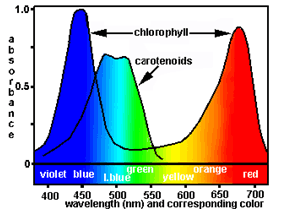
What is one function of having other pigments besides chlorophyll in the chloroplast?
to block damaging wavelengths of light
to absorb different wavelengths than the chlorophyll
to provide different colors to the leaves
to transfer energy to a separate photosystem beside the one using chlorophyll a and b.
Which molecule carries more energy?
ADP
ATP


Bacteria reproduce asexually by a process called
replication
meiosis
mitosis
binary fission
A gene is a section of DNA that codes for a(n)
protein
allele
channel
receptor
Autosomal traits are those that
are coded on X and Y chromosomes
are coded on numbered (non-sex) chromosomes
are encoded by dominant alleles
are encoded by recessive alleles
Which of the following describes an inheritance pattern that occurs when one gene influences multiple phenotypic traits?
Polygenic traits
Multiple alleles
Epistasis
Pleiotropy
Which of the following is an inheritance pattern in which one gene modifies or masks the expression of another gene?
Polygenic traits
Multiple alleles
Epistasis
Pleiotropy
Human eye color and skin color are examples of which inheritance pattern?
Polygenic traits
Multiple alleles
Epistasis
Pleiotropy
Sex-linked traits are those that
are coded on X and Y chromosomes
are coded on numbered (non-sex) chromosomes
are encoded by dominant alleles
are encoded by recessive alleles
Which inheritance pattern is characterized by heterozygotes displaying a blended or intermediate phenotype?
Multiple alleles
Codominance
Incomplete dominance
Polygenic traits
Which inheritance pattern is characterized by heterozygotes displaying both allelic phenotypes at the same time?
Multiple alleles
Codominance
Incomplete dominance
Polygenic traits
Fathers pass X chromosomes to their
sons
daughters
sons and daughters
Mothers pass X chromosomes to their
sons
daughters
sons and daughters
Calico cat fur coloring is associated with which two inheritance patterns?
Codominance
Incomplete dominance
Epistasis
Sex-linked traits
Polygenic traits
If a flower's color pattern were inherited by codominance, then a purebred red flower and a purebred blue flower would produce offspring that are
red and blue
purple
red, blue, and purple
red only
blue only

Australian shepherd dogs can have a solid coat color (mm) or a mixed pattern coat color called merle (Mm). The homozygous dominant coat color is called a lethal white (MM) which produces pups that are deaf and blind. The Australian Shepherds of America Club discourages from mating two merles. Which of the following best explains why merle-to-merle matings are undesirable?
The cross has the probability of producing litters with 50% solid coat color pups.
The cross produces all homozygous recessive pups
The cross has the probability of producing litters with 25% merle coat pups.
The cross has a 25% chance of producing homozygous dominant pups.
What is the expected phenotypic ratio for offspring of two parents who are both heterozygous for two different traits?
3:1
9:3:3:1
3:1:3:1
9:1
In a chi-square analysis, how do you find degrees of freedom?
one less than the possible genotypes
one less than the possible phenotypes
total number divided 2
total number times 2
In a chi-square analysis, how do you find the expected number for a phenotype?
ratio from Punnett square multiplied by total
ratio from Punnett square divided by total
ratio from Punnett square multiplied by observed number
ratio from Punnett square minus observed number
In a chi-square analysis, which significance level (p-value column) do you look at when finding the critical value?
0.50
0.10
0.05
0.01
Gene linkage will lead to _______ genetic variation in a population.
more
less
Which of the following represents directional selection?


Which of the following represents disruptive selection?
Which of the following represents stabilizing selection?
Which of the following statements is most accurate when describing natural selection?
It is goal-directed
Individuals evolve
Variation exists in a population
It is driven by acquired characteristics
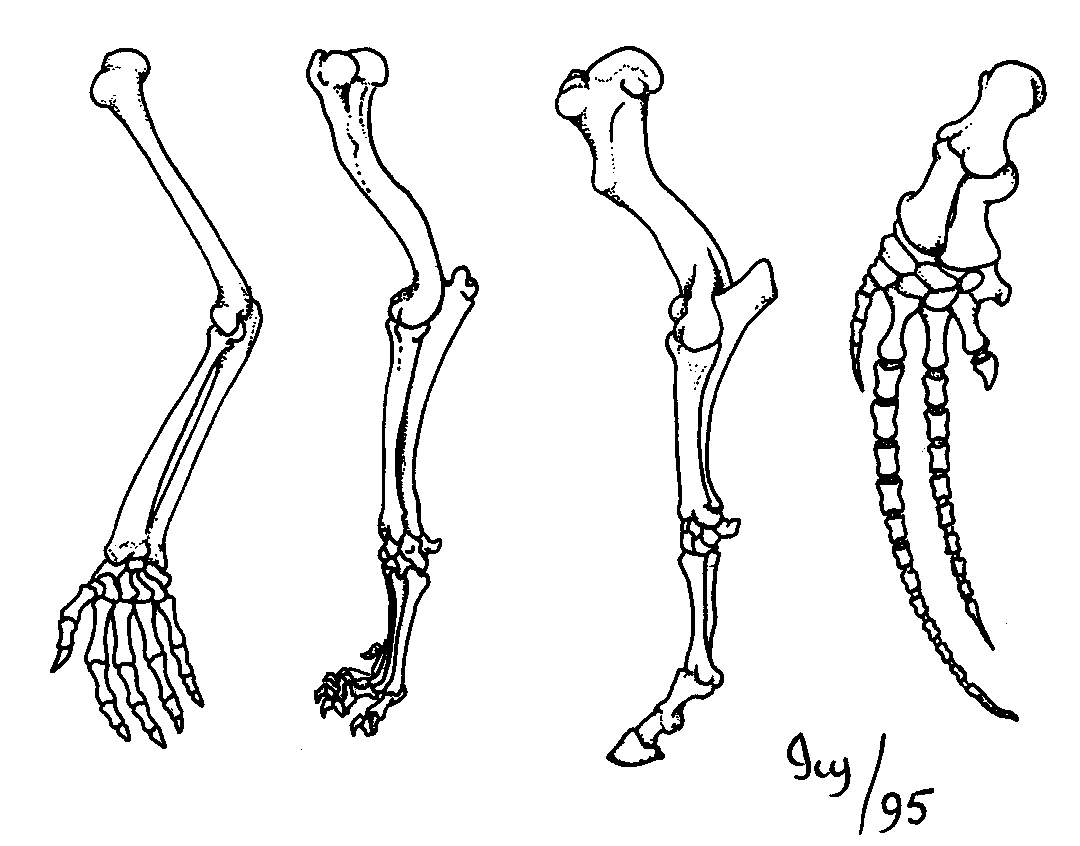
The wing of a bat and a human's arm have different functions and appear very different. Yet, the underlying anatomy is basically the same and is most likely derived from a common ancestor. Therefore, these structures are examples of
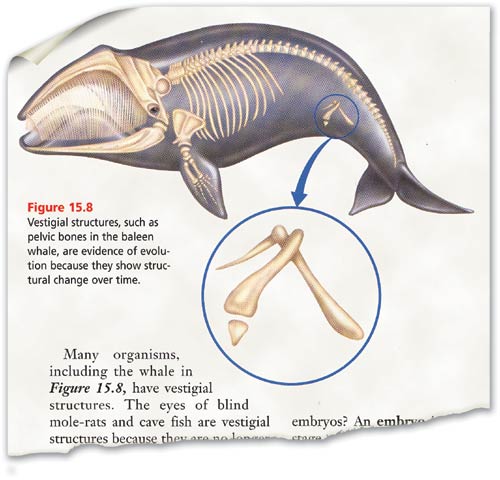
vestigial structures
analogous structures
homologous structures
transitional structures
The population of peppered moths in England changing from white to black in 50 years is an example of
stabilizing selection
sexual selection
directional selection
disruptive selection
Darwin's finches are an example of what kind of speciation?
bottleneck effect
divergent evolution
founder effect
convergent evolution
The Tasmanian devil is a marsupial that morphologically resembles the North America wolf, which is a placental mammal. The physical similarities between these two unrelated organisms can be explained by
adaptive radiation
divergent evolution
founder effect
convergent evolution
What is speciation?
combining of two species to form one with different traits
isolation that affects mating behaviors
timing of mating that prevents normal sexual selection
divergence of two or more species from an existing one
In evolutionary biology, reproductive success is described as
sexuality
mutation rate
fitness
adaptability
Which of the following evolutionary mechanisms can introduce new genetic variation into a population?
natural selection and non-random mating
natural selection and genetic drift
mutation and genetic drift
mutation and gene flow
Which of the following is an example of gene flow?
A subordinate wolf successfully challenges the alpha male and mates with pack females.
A deer picks up spores from a plant as it grazes and deposits them next to that plant.
A young stallion is driven out of its herd by the alpha stallion and begins a brand new herd in another location.
A male frog from an upstream population is swept downstream and mates with female frogs there.
Two populations could interbreed, except that one mates at dusk and the other at dawn. Which of the following types of reproductive barrier will ultimately lead to speciation?
behavioral isolation
mechanical isolation
habitat isolation
temporal isolation
On a cladogram, what represents the common ancestor of two species?
The organism listed at the end of the outgroup branch
The node at which the two species' branches meet
The organism listed at the end of the next closest branch
Which two are considered types of genetic drift, or random change in allele frequency?
bottleneck effect
gene flow
sexual selection
founder effect
Which of the following are most closely associated with convergent evolution?
Homologous structures
Vestigial structures
Analogous structures
Transitional fossils
The biological species concept states that
organisms are part of the same species if they breed
organisms are part of the same species if they look the same
organisms are part of the same species if they can produce fertile offspring
organisms are part of the same species if they look the same and act the same
What is the main driving factor for defining the niche of a specific species?
competition with other species
carrying capacity
competition within their species
predators
What is niche partitioning?
When species compete and drive one of them to extinction
When species subdivide a niche to reduce competition
When species compete indefinitely for a resource
When species eat different food sources
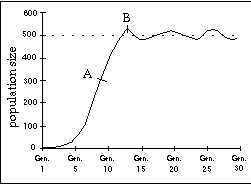
Any thing or organism that regulates the size of a population is known as __________.
a limiting measure
a limiting factor
carrying capacity
biodiversity
Which trophic level in an ecosystem always contains the most biomass?
Producers
Primary consumers
Secondary consumers
Tertiary consumers

