wayground logo

Free Printable Worksheets

Font size

S
M
L
XL
Worksheets

Final Exam Review

Total questions: 114

Worksheet time: 2hrs 35mins

Name
Class
Date
1.
Fruit fly body cells have 8 chromosomes. After mitosis, you would expect a resulting fruit fly daughter cell to have ...
a)
16 chromosomes.
b)
46 chromosomes.
c)
8 chromosomes.
d)
4 chromosomes.
2.
Structure (b) is a ____.
a)
chromosome
b)
chromatid
c)
centromere
3.
Structure (a) is a ____.
a)
chromosome
b)
chromatid
c)
centromere
4.
Structure (c) is a ____.
a)
chromosome
b)
chromatid
c)
centromere
5.
Name the phase:
a)
Anaphase
b)
Telophase
c)
Metaphase
d)
Prophase
6.
Name the phase:
a)
Prophase
b)
Metaphase
c)
Anaphase
d)
Telophase
7.
Name the phase:
a)
Prophase
b)
Metaphase
c)
Anaphase
d)
Telophase
8.
Name the phase:
a)
Prophase
b)
Metaphase
c)
Anaphase
d)
Telophase
9.
Name the phase:
a)
Prophase
b)
Metaphase
c)
Anaphase
d)
Telophase
10.
Name the phase:
a)
Prophase
b)
Metaphase
c)
Anaphase
d)
Telophase
11.
The stages of mitosis in order
a)
Metaphase, Anaphase, Prophase, Telophase
b)
Prophase, Anaphase, Metaphase, Telophase
c)
Prophase, Metaphase, Anaphase, Telophase
d)
Anaphase, Prophase, Telophase, Metaphase
12.
The phase in mitosis where chromosomes move away and are pulled apart by spindles to opposite sides of the cell.
a)
prophase
b)
anaphase
c)
metaphase
d)
telephase
13.
In mitosis, the two resulting cells are
a)
different from the starting cell and identical to each other.
b)
different from the starting cell and different from each other.
c)
identical to the starting cell and different from each other.
d)
identical to the starting cell and identical to each other.
14.
How many chromosomes do humans have?
a)
46
b)
21
c)
10
15.
Which of these lists presents the stages of the cell cycle in the correct order?
a)
interphase, mitosis, cytokinesis
b)
cytokinesis, mitosis, interphase
c)
mitosis, interphase, cytokinesis
d)
interphase, cytokinesis, mitosis
16.
What process does a multi-cellular organism use to replace its damaged body cells?
a)
mitosis
b)
meiosis
c)
replication
d)
transcription
17.
Which of these phases of mitosis take place first?
a)
anaphase
b)
telophase
c)
prophase
d)
metaphase
18.
During interphase, the DNA is in the form of
a)
chromatin
b)
chromosomes
c)
chromatids
d)
centromeres
19.
Which phase of the cell cycle or mitosis is this?
a)
Prophase
b)
Metaphase
c)
Anaphase
d)
Telophase
20.
In this time period of interphase the cell grows in preparation for DNA replication.
a)
Synthesis 
b)
G1
c)
G2
d)
Mitosis
21.
The cells produced via meiosis are called:
a)
sex cells
b)
somatic cells
c)
body cells
d)
skin cells
22.
This produces 2 identical cells.
a)
mitosis
b)
meiosis
23.
A human usually has xx amount of chromosomes.
a)
6
b)
22
c)
4
d)
46
24.
What is it called when a sperm and egg meet?
a)
meiosis
b)
fertilization
c)
cell division
d)
mitosis
25.
What phase is  shown in the picture?
a)
anaphase 1
b)
anaphase 2
c)
metaphase 1
d)
telophase 1
26.
Meiosis makes sperm and egg cells. In humans, sperm and egg cells each have _____ chromosomes. Therefore a fertilized human egg cell (sperm and egg cell combined) would create a cell with _____ chromosomes.
a)
23, 46
b)
46, 23
c)
2, 4
d)
50, 100
27.
What causes genetic variation in meiosis?
a)
chromosomes lining up
b)
crossing over of chromosomes
c)
separation of chromosomes
d)
chromosomes pulling apart
28.
What kind of cells are made in MEIOSIS?
a)
Haploid Gametes
b)
Diploid Somatic Cells
c)
Skin Cells
d)
Liver Cells
29.
Diploid Cells are represented by
a)
2n
b)
n
c)
4n
d)
1/2 n
30.
If the Diploid number of Carrots is 18, the haploid number is
a)
18
b)
9
c)
27
d)
36
31.
Which process and type of resulting cells are represented?
a)
mitosis, gametes
b)
mitosis, body cells
c)
meiosis, gametes
d)
meiosis, body cells
32.
Which of these cells would be produced through meiosis?
a)
skin cells
b)
liver cells
c)
brain cells
d)
sperm cells
33.
The chromosomes that pair up during meiosis, are called __________ chromosomes.  
a)
homozygous 
b)
asexual
c)
homologous
d)
genes
34.
What is another reason we need meiosis?
a)
So the offspring has genes from both parents
b)
So the offspring has genes from one parent
c)
So the offspring has genes from neither parents
d)
So the offspring makes its own genes
35.
A human zygote should have _____ chromosomes inside.
a)
46
b)
23
c)
92
d)
64
36.
The purpose of meiosis is to form ________ cells.
a)
body
b)
sex
c)
somatic
d)
brain
37.
How many daughter cells are produced at the end of meiosis?
a)
1
b)
2
c)
3
d)
4
38.
Which of the following is NOT a gamete (sex cell)?
a)
egg
b)
sperm
c)
skin cell
d)
all of the above are gametes
39.
What phase is represented?
a)
metaphase 1
b)
metaphase 2
c)
anaphase 1
d)
anaphase 2
40.

Which of the following will only show if two alleles are present?

a)

a dominant trait

b)

heterozygous

c)

a recessive trait

d)

hybrid

41.
Identify the phase:
a)
Metaphase I
b)
Metaphase II
c)
Anaphase I
d)
Anaphase II
42.
Identify the phase.
a)
Metaphase I
b)
Metaphase II
c)
Anaphase I
d)
Anaphase II
43.
Identify the process.
a)
Mitosis
b)
Meiosis I
c)
Meiosis II
d)
Interphase
44.
Which of the following best describes a DNA molecule?
a)
double helix
b)
contains ribose
c)
made of amino acids
d)
contains Uracil
45.
Which of the following units are repeatedly joined together to form a strand of DNA?
a)
amino acids
b)
nucleotides
c)
fatty acids
d)
polysaccharides
46.
In a molecule of double-stranded DNA, the amount of Adenine present is always equal to the amount of
a)
cytosine
b)
guanine
c)
thymine
d)
uracil
47.
Adenine bonds with ______________.
a)
Guanine
b)
Thymine
c)
Cytosine
d)
Adenine
48.
Guanine bonds with ______________.
a)
Adenine
b)
Guanine
c)
Cytosine
d)
Thymine
49.
Why is DNA important?
a)
it is very small and very complicated
b)
it's in everything
c)
it serves as the blueprint for traits of all living things
d)
because we eat it every day for energy
50.
What determines the code, or information, of a DNA molecule?
a)
the shape (structure) of the nitrogen bases
b)
the order (sequence) of the nitrogen bases
c)
the color of the nitrogen bases
d)
the frequency (number) of nitrogen bases
51.
Which 2 molecules form the sides (backbone) of the DNA ladder?
a)
deoxyribose sugar and adenine
b)
deoxyribose sugar and a hydrogen bond
c)
deoxyribose sugar and the nucleus
d)
deoxyribose sugar and phosphate
52.
A process in which DNA has the unique ability to make an exact copy of itself.
a)
Replication
b)
Translation
c)
Transcription
53.
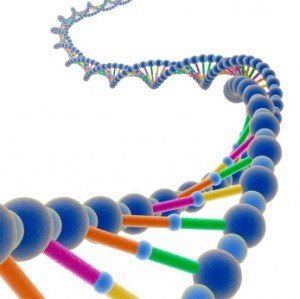
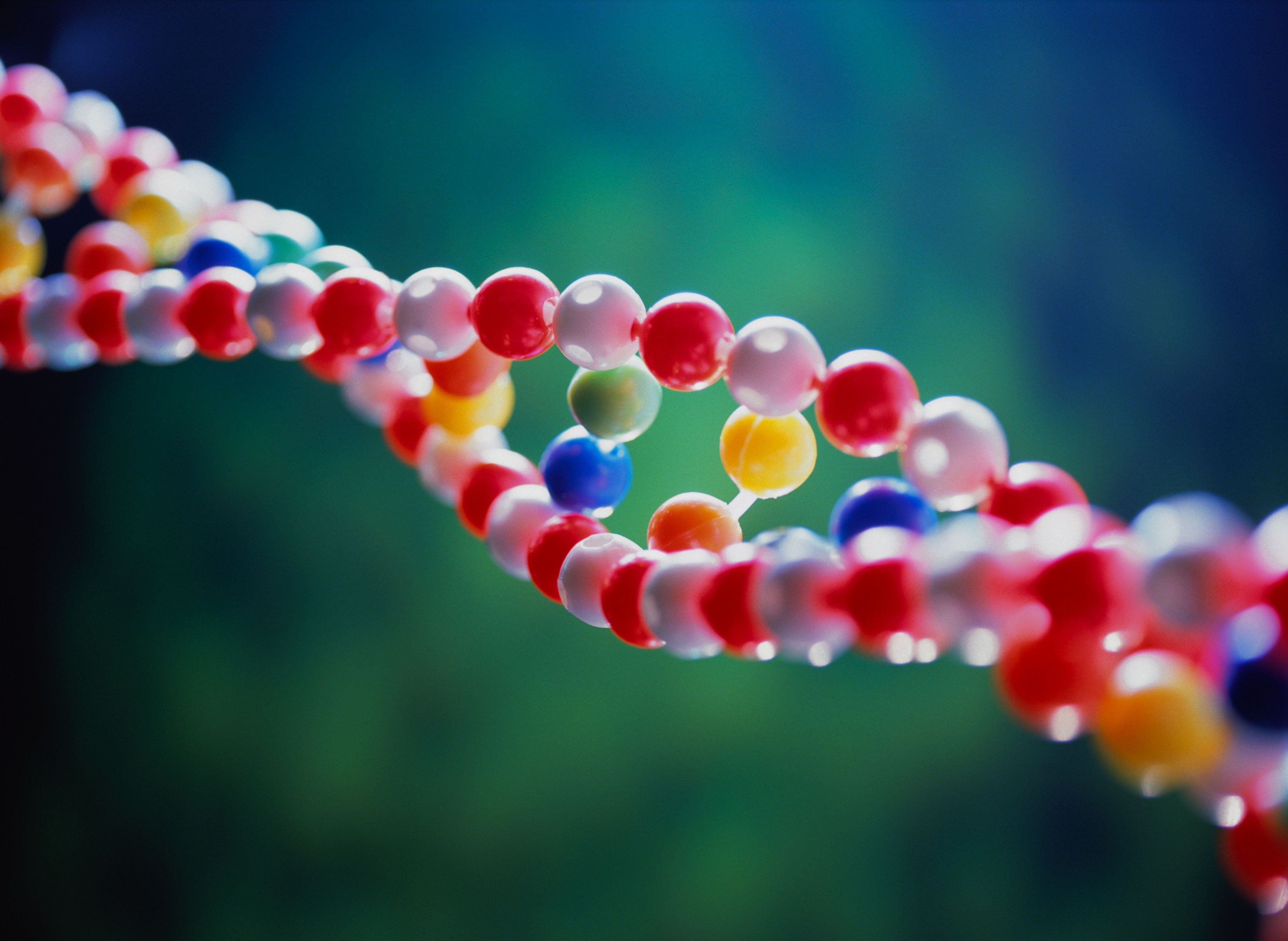
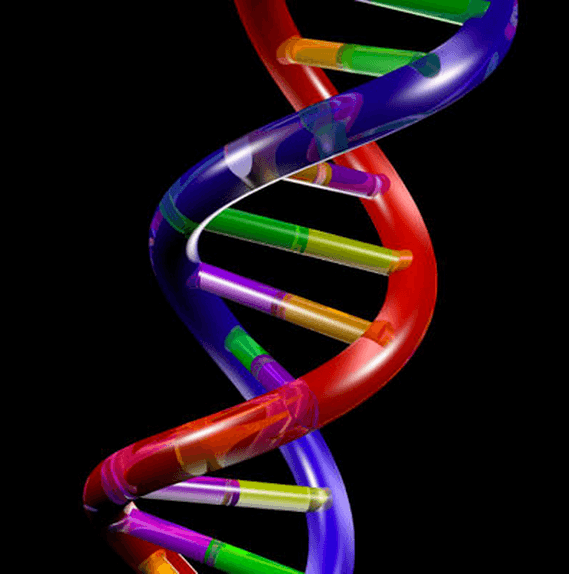
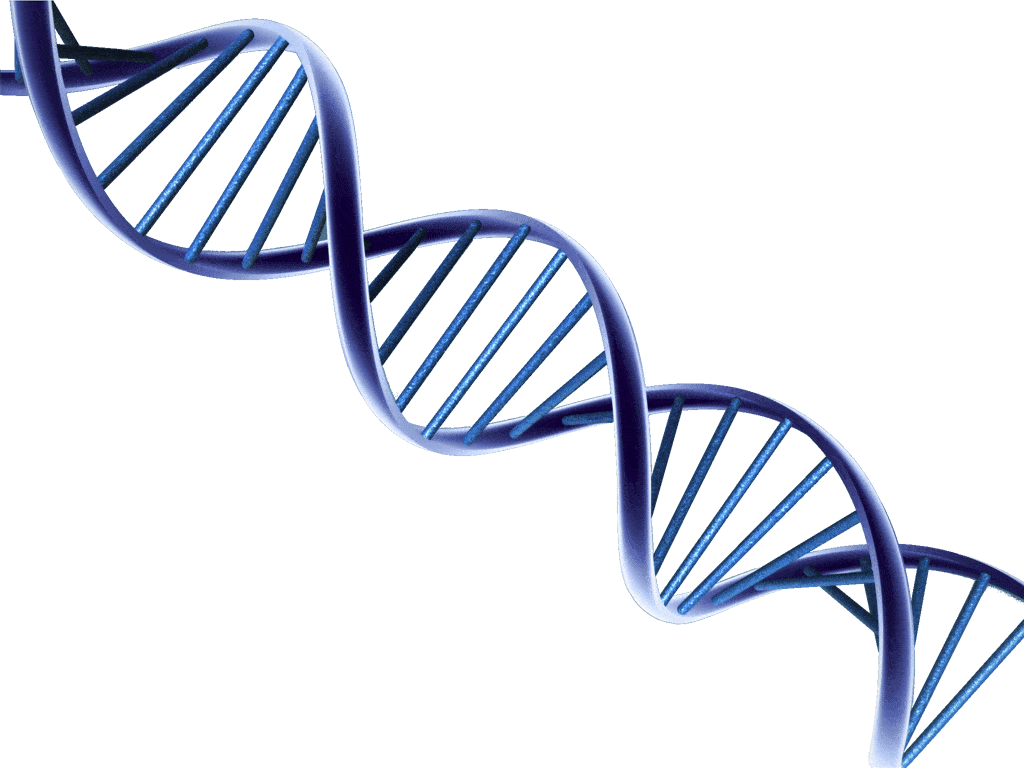
The drawing shows the structure of what molecule?
a)
A DNA molecule
b)
A lipid molecule
c)
A carbohydrate molecule
d)
A protein molecule
54.
In what phase of the cell cycle does DNA replication take place?
a)
G1
b)
S
c)
G2
d)
M
55.
What are the three components of a nucleotide?
a)
sugar, hydrogen, nitrogen base
b)
sugar, oxygen, nitrogen base
c)
sugar, phosphate, nitrogen base
d)
sugar, phosphate, protein
56.
What are the three types of mutation? 
a)
Insertion, Deletion, Subsitution
b)
Deletion, Newstion, Subsitution 
c)
Newstion, Deletion, Insertion 
d)
Insertion, Newstion, Substitution 
57.
Are all mutations bad?
a)
Yes
b)
No
58.
A trait or behavior that helps organisms survive and reproduce 
a)
multiplication 
b)
revolt
c)
adaptation 
d)
populate 
59.
DNA stands for
a)
Do Not Know Anything
b)
Ribonucleic Acid
c)
Deoxyribonucleic Acid
d)
None of the others
60.
Which two scientists are accredited with correctly deducing the double helix model of DNA?
a)
Watson and Crick
b)
Wilkins and Franklin
c)
Wilkins and Crick
d)
Watson and Franklin
61.
What is a change in DNA sequence?
a)
nucleotide
b)
mutation
c)
mutagen
d)
unfortunate
62.
RNA contains the sugar
a)
ribose
b)
deoxyribose
c)
glucose
d)
lactose
63.
Which of the following statements is true?
a)
DNA is single-stranded
b)
RNA is single-stranded
c)
DNA contains uracil
d)
RNA contains deoxyribose
64.
What is the difference between DNA and RNA in terms of bases?
a)
RNA contains uracil in place of thymine
b)
RNA contains uracil in place of adenine
c)
RNA contains uracil in place of guanine
d)
RNA contains uracil in place of  cytosine
65.
Which type of RNA takes the instructions from the nucleus to the cytoplasm?
a)
mRNA
b)
tRNA
c)
rRNA
d)
RNA polymerase
66.
mRNA stands for 
a)
my RNA
b)
messenger RNA
c)
mitosis RNA
d)
mutated RNA
67.
Dominant or recessive?
tt
a)
Dominant 
b)
Recessive
68.
Dominant or recessive?
Dd
a)
Dominant
b)
recessive
c)
neither
d)
homozygous
69.
the passing of genetic traits from parent to offspring.
a)
heredity
b)
trait
c)
gene
d)
allele
70.
one set of instructions for an inherited trait
a)
heredity
b)
allele
c)
trait
d)
gene
71.
an organism's appearance or other detectable characteristic
a)
genotype
b)
phenotype
c)
genetics
d)
heterozygous
72.
The physical appearance of a gene:
a)
Genotype
b)
Heredity
c)
Phenotype
d)
Allele
73.
Homozygous or heterozygous?
BB
a)
Homozygous
b)
Heterozygous
74.
Which of the following pairs is homozygous dominant?
a)
Hh
b)
pp
c)
HH
d)
aa
75.
Which of the following is heterozygous?
a)
Hh
b)
gg
c)
HH
d)
GG
76.
Jackie is homozygous recessive  for having dimples (D). What is her genotype?
a)
pp
b)
Dd
c)
dd
d)
DD
77.
He is known as the father of modern day genetics.
a)
Gregory Mendel
b)
Greg Mendel
c)
Gregor Mendel
d)
Grace Mendel
78.
Dominant alleles are represented by a:
a)
Male gene
b)
lowercase letter
c)
recessive trait
d)
capital letter
79.
Which of the following is a phenotype?
a)
Aa
b)
red hair
c)
heterozygous
d)
DNA
80.
AA and Aa always show up as
a)
dominant
b)
recessive
81.
aa always shows up as
a)
dominant
b)
recessive
82.
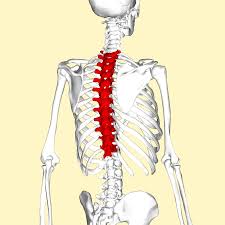
The bones in your back are made up of what?
a)
fingers
b)
phalanges
c)
vertebrate
d)
toes
83.
What is the place where two bones meet?
a)
hinge
b)
bone
c)
spot
d)
joint
84.
What is the name for the connector that attaches muscle to bone?
a)
ligament
b)
tendon
c)
patella
d)
string
85.
What is the name for the connector that attaches bone to bone?
a)
ligament
b)
tendon
c)
patella
d)
string
86.
Ligaments connect:
a)
Bone to bone
b)
Muscle to bone
c)
Joint to joint
d)
Bone to joint
87.
What is the disorder of the skeletal system that results in having very brittle, soft bones?
a)
Osteoporosis
b)
Osteomyelitis
c)
Arthritis
d)
Bursitits
88.
The adult skeletal system is composed of how many bones?
a)
216
b)
371
c)
206
d)
199
89.
Tissue found in some bones that makes blood cells
a)
red marrow
b)
yellow marrow
c)
canaliculi
d)
lamellae
90.

Which bone is in your lower arm and on the thumb side?

a)

Ulna

b)

Carpal

c)

Radius

d)

Phalanges

91.

What protects your heart?

a)

Sternum

b)

Humerus

c)

Tarsals

d)

Clavicle

92.

What are the two bones in the lower leg?

a)

Femur and Ulna

b)

Fibula and Femur

c)

Tibia and Fibula

d)

Clavicle and Sternum

93.

What did you break if the doc says you broke your Metacarpals?

a)

Your foot

b)

Your toes

c)

Your mom's favorite bowl

d)

Your hand

94.

What bone looks like a spatula or a pair of wings ?

a)

Ribs

b)

Sternum

c)

Metatarsals

d)

Scapula

95.
What type of bone is the femur
a)
Long bone
b)
Short bone
c)
Flat bone
d)
Irregular bone
96.
Which one of the following is an irregular bone
a)
humerus
b)
tibia
c)
patella
d)
vertebrae
97.

Which is your hand?

a)

Tarsals

b)

Metacarpals

c)

Carpals

d)

Metatarsals

98.

( ) muscles are muscles that you cannot control.

a)

involuntary

b)

voluntary

99.

Which muscles react and tire quickly?

a)

Smooth muscle

b)

Skeletal muscle

c)

cardiac muscle

100.

Name two voluntary muscles.

a)

stomach, bicep

b)

heart, stomach

c)

biceps, triceps

101.

Name two involuntary muscles.

a)

biceps, triceps

b)

stomach, intestines

c)

heart, triceps

102.

( ) is tissue in the heart.

a)

smooth muscle

b)

cardiac muscle

103.
What are the 3 types of muscle tissue?
a)
Thigh, Calf, & Shoulder
b)
Traps, Forearm, & Abs
c)
Hamstring, Biceps, & Triceps
d)
Smooth Muscle, Cardiac Muscle, & Skeletal Muscle
104.
Which muscle type is found in your stomach, bladder, and intestines?
a)
Skeletal
b)
Smooth
c)
Cardiac
d)
Straight
105.
What is an Herbivore?
a)
Animals that only eat plants
b)
Animals that only eat meat
c)
Animals that eat plants and meat
d)
Animals that don't eat
106.
What is a Carnivore?
a)
Animals that only eats plants
b)
Animals that only eat meat
c)
Animals that eat plants and meat
d)
Animals that don't eat
107.
What is an Omnivore?
a)
Animals that only eat meat
b)
Animals that only eat plants
c)
Animals that eat plants and animals
d)
Animals that don't eat
108.
Is the picture a vertebrate or invertebrate?
a)
Vertebrate
b)
Invertebrate
109.
example is a tapeworm
a)
flat
b)
round
c)
segmented
d)
more than one
110.
Which of these is a reptile?
a)
Toad
b)
Turtle
c)
Frog
d)
Newt
111.
Reptiles are_______.
a)
Warm blooded
b)
Hot Blooded
c)
Cold Blooded
d)
without blood.
112.
Which of the following describes a reptile egg?
a)
Soft and leathery
b)
Hard with microscopic holes
c)
Soft and smooth
d)
Hard, made of calcium carbonate
113.
Which of these groups of animals are amphibians?
a)
frogs, toads, and salamanders
b)
bees, termites, and ants
c)
snakes, lizards, and turtles
d)
cows, foxes, sheep
114.

Fish carry out reproduction through:

a)

giving birth to live young

b)

internal fertilization

c)

external fertilization

d)

laying calcified (hard) shelled eggs